
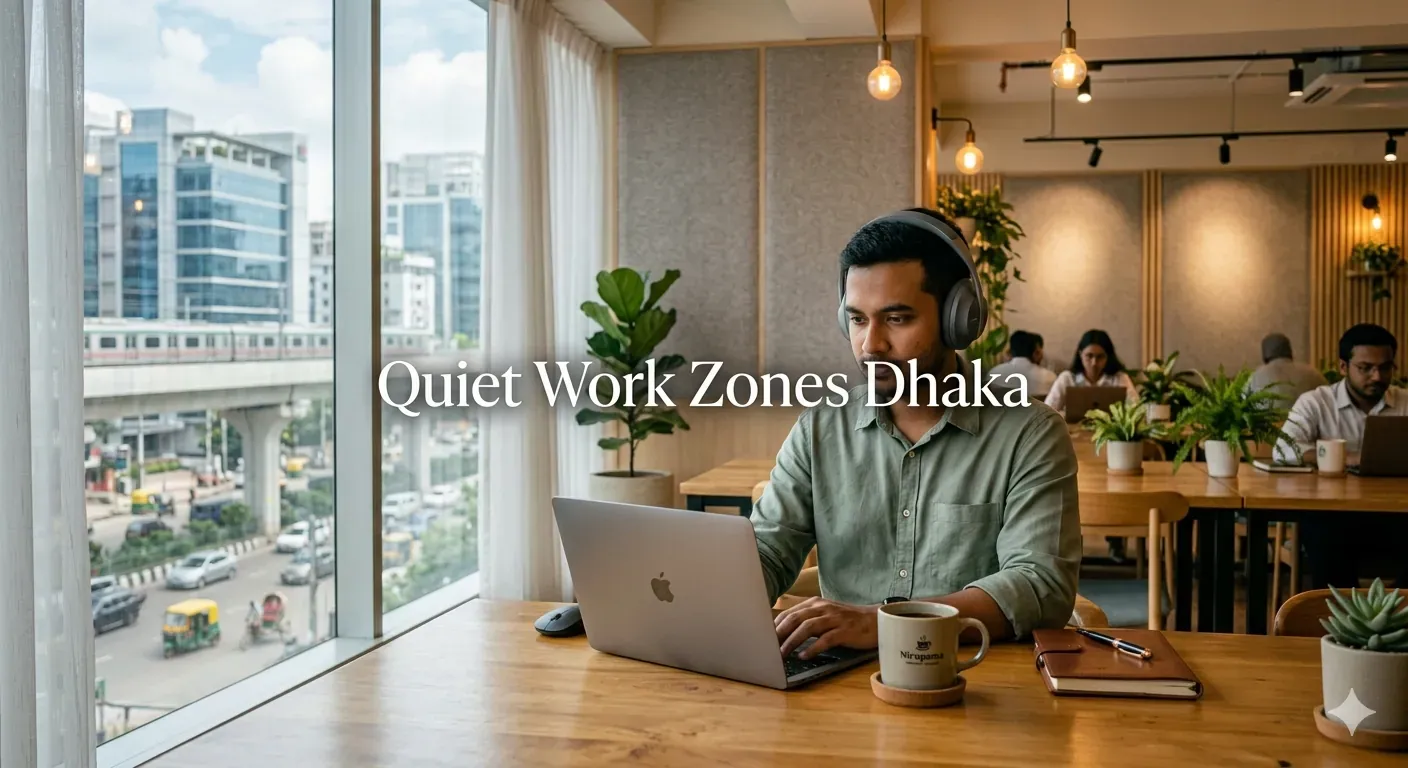
Introduction: The Challenge of Finding Focus in Dhaka's Commercial Heart
Featured Snippet Answer: Quiet work zones in Dhaka's commercial hubs can be found in premium coworking spaces like The Business Center Gulshan, study-focused cafes like Vive Study Cafe, and hotel lobbies in Banani. Key strategies include visiting during off-peak hours, using noise-canceling technology, and selecting venues with acoustic design features.
In Dhaka's bustling commercial districts—Gulshan, Banani, Motijheel, and Karwan Bazar—the symphony of honking rickshaws, construction noise, and crowded streets can make focused work feel like an impossible luxury. Yet for freelancers, remote professionals, entrepreneurs, and students, finding a peaceful workspace isn't just convenient—it's essential for productivity, mental well-being, and professional success.
The good news? Dhaka's evolving commercial landscape now offers more quiet work options than ever before. From internationally-standard coworking spaces to thoughtfully designed study cafes, professionals can now carve out pockets of calm within the city's energetic heartbeat. This comprehensive guide reveals exactly where and how to find these precious quiet zones, with practical strategies tested by Dhaka's working community.
Whether you're a digital nomad navigating Dhaka for the first time or a local professional seeking better focus, you'll discover venue recommendations, timing strategies, technology tools, and mindset shifts that transform noisy commercial hubs into productive work environments. For professionals building sustainable work habits, integrating these location strategies with habit-stacking approaches creates routines that support both productivity and well-being.
Understanding Dhaka's Noise Landscape in Commercial Areas
Before seeking quiet zones, understanding Dhaka's unique acoustic environment helps set realistic expectations and informs smarter location choices.
Primary Noise Sources in Commercial Hubs
Traffic and Transportation: Dhaka's commercial districts experience intense vehicle density throughout business hours. Honking, engine noise, and construction-related sounds create a persistent baseline that can disrupt concentration [[30]].
Commercial Activity: Retail spaces, restaurants, and service businesses generate foot traffic noise, delivery vehicles, and operational sounds that fluctuate throughout the day.
Construction and Development: Rapid urban growth means ongoing construction projects contribute intermittent but significant noise, particularly in emerging commercial zones like Tejgaon and Uttara [[10]].
Social Gatherings: Cafes, restaurants, and public spaces often host conversations, events, and social interactions that add to ambient noise levels.
Peak vs. Off-Peak Noise Patterns
Understanding timing is crucial for finding quieter moments within busy areas:
| Time Period | Typical Noise Level | Best For |
|---|---|---|
| 7-10 AM | Moderate (morning commute) | Early meetings, focused prep work |
| 10 AM-1 PM | High (peak business hours) | Collaborative work, networking |
| 1-3 PM | Moderate (lunch lull) | Deep work, writing, analysis |
| 3-7 PM | Very High (evening rush) | Administrative tasks, calls |
| 7-10 PM | Moderate to Low | Creative work, planning |
For professionals managing energy across the day, aligning work types with noise patterns mirrors principles in circadian-syncing strategies, where environmental awareness optimizes performance.
Types of Quiet Work Zones in Dhaka's Commercial Hubs
Dhaka offers several categories of work-friendly spaces, each with distinct advantages for different work styles and noise tolerance levels.
Premium Coworking Spaces
These professionally managed spaces offer the most reliable quiet environments with purpose-built acoustic design.
Top Recommendations:
- The Business Center (Gulshan 2): Offers private suites and sound-managed common areas with 24/7 security and high-speed internet [[3]]. Ideal for confidential calls and focused individual work.
- Regus (Gulshan 2): International standards with soundproof meeting rooms and quiet zones; membership options provide flexibility for varying schedules [[1]].
- Moar (Banani 11 & Gulshan-Badda): Community-driven atmosphere with designated quiet areas; popular among startups and freelancers seeking balance between collaboration and concentration [[4]].
- CO+LAB Dhaka (Baridhara): Minimalist design with phone booths and focus pods; excellent for solo entrepreneurs needing distraction-free environments [[3]].
For professionals building home-office hybrids, pairing coworking access with wellness nook design principles creates consistent work environments across locations.
Study-Focused Cafes
These establishments prioritize quiet atmospheres while offering refreshments and comfortable seating.
Standout Options:
- Vive Study Cafe (Hatirjheel): Bangladesh's first dedicated study cafe, featuring library-style quiet zones, individual study carrels, and policies that discourage loud conversations [[23]].
- North End Coffee Roasters (Multiple Locations): Several branches offer quieter corners with comfortable seating; Dhanmondi and Borak Mehnur locations are noted for work-friendly atmospheres [[22]].
- Tabaq Coffee (Gulshan Avenue): Modern interior with thoughtful acoustic considerations; weekday mornings provide optimal quiet for focused work [[22]].
When selecting cafes, verify current policies as noise levels can change; for digital wellness balance, integrating cafe work sessions with digital detox strategies prevents screen fatigue.
Hotel Lobbies and Business Lounges
Upscale hotels in commercial districts often provide quiet, professional environments accessible to non-guests.
Recommended Venues:
- Renaissance Dhaka Gulshan Hotel: Lobby cafe offers peaceful ambiance with professional atmosphere; ideal for client meetings requiring quiet [[26]].
- Westin Dhaka (Gulshan): Business lounge areas provide sound-managed spaces with premium amenities; day passes may be available.
- InterContinental Dhaka: Lobby and terrace areas offer quiet corners with reliable WiFi and professional setting.
These venues work well for important calls or client-facing work; for maintaining professional appearance across environments, principles from gentle care routines support confidence in varied settings.
Library and Academic Spaces
Educational institutions and public libraries offer traditional quiet environments, though access may require planning.
Accessible Options:
- British Council Dhaka (Agargaon): Library and study areas provide quiet, well-lit spaces; membership may be required but offers excellent resources.
- University Libraries (DU, NSU, BRAC): Some allow external visitors during specific hours; check policies in advance.
- American Center (Dhaka): Offers quiet study spaces and resources; verify current access policies.
For students and researchers, these spaces complement slow, intentional approaches to learning and professional development.
Practical Strategies for Identifying Quiet Zones
Beyond venue selection, these techniques help you discover and evaluate quiet work opportunities in real time.
Pre-Visit Research Methods
Online Review Analysis: Check Google Reviews, Facebook pages, and platforms like Nomadable for recent mentions of noise levels, WiFi reliability, and work-friendliness [[7]]. Look for keywords like "quiet," "focused," "study-friendly," or "good for work."
Social Media Scouting: Instagram and Facebook posts from venues often show interior layouts; look for acoustic panels, separate rooms, or spacious seating arrangements that suggest noise management.
Community Recommendations: Join Dhaka-based freelancer, remote work, or startup groups on Facebook or LinkedIn; members frequently share updated insights about workspace conditions.
On-Site Evaluation Checklist
When visiting a potential work zone, assess these factors within the first 10 minutes:
- Ambient Noise Level: Can you hear individual conversations clearly? Is background music at a reasonable volume?
- Seating Layout: Are tables spaced adequately? Are there partitions, booths, or corners that offer acoustic separation?
- Power Access: Are outlets conveniently located? Is there competition for charging spots?
- Staff Attitude: Do staff welcome laptop users? Are there time limits or purchase requirements?
- Peak Hour Patterns: Ask staff about quieter times; observe current occupancy levels.
For professionals managing multiple work locations, these evaluation skills complement organizational systems that track venue preferences and experiences.
Technology Tools for Quiet Zone Discovery
Leverage digital resources to streamline your search:
- Google Maps "Quiet" Filter: Some venue listings include noise level indicators; use the "More filters" option to prioritize quieter spaces.
- Coworker.com: Global platform with Dhaka listings; filter by amenities like "quiet area," "phone booths," or "focus zones" [[18]].
- WiFi Map Apps: Applications like WiFi Map show user-reported connection speeds and venue notes about work suitability.
- Local Business Directories: Platforms like BanglaMart list serviced offices with noise management features [[6]].
For tech-savvy professionals, integrating these tools with intentional technology use prevents digital overload while maximizing efficiency.
Creating Quiet Within Noisy Environments
When ideal quiet zones aren't accessible, these techniques help you manufacture focus within less-than-perfect settings.
Personal Acoustic Management
Noise-Canceling Technology: Invest in quality active noise-canceling headphones; even mid-range models significantly reduce ambient commercial noise. Pair with white noise or focus-oriented audio for enhanced concentration.
Strategic Seating Selection: Choose corner tables, booth seating, or spots away from entrances, kitchens, and high-traffic pathways. Walls and partitions provide natural sound barriers.
Timing Optimization: Schedule deep work during identified quieter periods (typically 1-3 PM or after 7 PM in commercial areas); reserve collaborative tasks for busier times.
Environmental Adaptation Techniques
Portable Acoustic Solutions: Small desktop sound absorbers, fabric room dividers, or even strategically placed plants can subtly improve your immediate acoustic environment [[35]].
Visual Focus Cues: Use laptop screens, notebooks, or portable desk organizers to create visual boundaries that signal "do not disturb" to nearby patrons.
Temperature and Comfort: Bring a light layer; air conditioning levels vary across venues, and discomfort distracts from focus regardless of noise levels.
For professionals managing comfort across environments, principles from adaptive comfort strategies apply to workspace selection and personal preparation.
Mindset and Productivity Strategies
Task Matching: Align work types with environmental conditions: creative brainstorming tolerates more ambient noise than detailed analytical work; administrative tasks fit well in moderately busy settings.
Pomodoro Adaptation: Use focused work intervals (25 minutes) followed by brief breaks to manage attention in variable noise conditions; adjust interval length based on environment.
Acceptance Practices: Recognize that perfect silence is rare in urban Dhaka; cultivating tolerance for moderate ambient sound reduces stress and improves adaptability.
These mindset approaches align with sensory anchoring techniques that build resilience in dynamic environments.
Budget Considerations for Quiet Work Access
Quiet work zones span a range of price points; strategic planning maximizes value across budget levels.
Free and Low-Cost Options
- Cafe Minimum Purchases: Many work-friendly cafes require only a beverage purchase (BDT 150-400) for extended seating; rotate venues to manage costs.
- Public Spaces: Parks like Hatirjheel or Suhrawardy Udyan offer outdoor quiet zones during off-peak hours; bring portable power solutions.
- Community Centers: Some NGO or cultural centers provide free or low-cost workspace; inquire about membership or day-pass options.
Mid-Range Investments
- Coworking Day Passes: Many premium spaces offer daily rates (BDT 500-1500) that provide access to quiet zones, reliable WiFi, and professional amenities [[3]].
- Hotel Lobby Access: Purchasing a coffee or light meal at upscale hotel cafes (BDT 300-800) grants access to quiet, professional environments.
- Membership Sharing: Split coworking memberships with trusted colleagues to reduce individual costs while maintaining access.
Premium Options for Critical Work
- Private Office Rentals: For confidential work or client meetings, private suites in spaces like The Business Center offer guaranteed quiet (BDT 15,000+ monthly) [[3]].
- Executive Lounge Access: Premium hotel lounges provide superior acoustic management and professional services; consider for high-stakes work sessions.
For professionals balancing multiple financial priorities, these budgeting approaches complement minimalist living principles that prioritize value over volume.
Climate and Seasonal Considerations for Dhaka Work Zones
Dhaka's tropical climate and seasonal patterns influence both venue selection and personal comfort strategies.
Monsoon Season Adaptations
Indoor Priority: During heavy rains (June-September), prioritize venues with reliable indoor seating and backup power; outdoor or semi-outdoor spaces become less viable.
Humidity Management: Choose venues with effective air conditioning; high humidity affects both comfort and equipment performance. Bring moisture-absorbing pouches for electronics.
Transportation Planning: Account for increased travel time during monsoon; select work zones closer to home or primary meetings to reduce commute stress.
For comprehensive monsoon preparedness, integrating workspace planning with climate-adaptive strategies supports overall well-being.
Hot Weather Strategies
Cooling Verification: Confirm air conditioning reliability before committing to extended work sessions; venues with generator backup provide consistency during power fluctuations.
Hydration Access: Choose venues with easy access to water or affordable beverages; dehydration impairs concentration regardless of noise levels.
Lighting Considerations: Prefer venues with natural light control; harsh sunlight creates glare on screens while insufficient lighting causes eye strain.
Winter and Cooler Months
Temperature Balance: Some venues over-cool in winter; bring layers to maintain comfort without disrupting work flow.
Outdoor Opportunities: Cooler months (November-February) make rooftop terraces, garden cafes, and park-adjacent venues more viable for quiet work.
Seasonal Venue Rotation: Maintain a shortlist of venues suited to different seasons; rotate based on weather conditions to optimize comfort and productivity.
Building a Personal Quiet Work System
Sustainable productivity in Dhaka's commercial hubs requires more than venue selection—it demands a personalized system that adapts to changing needs.
Creating Your Quiet Zone Portfolio
Develop a curated list of 5-7 reliable work zones across different categories:
- Primary Focus Zone: One premium coworking space or study cafe for deep work requiring maximum quiet
- Secondary Collaboration Zone: One moderately busy cafe or lounge for meetings and collaborative tasks
- Backup Options: Two to three additional venues for flexibility when primary choices are unavailable
- Emergency Quiet: One reliably quiet location (hotel lobby, library) for critical calls or deadlines
Document key details for each: noise levels by time, WiFi speed, power access, cost, and contact information. For systematic organization, these portfolios complement digital organization tools that manage complex professional logistics.
Establishing Location-Based Routines
Anchor specific work types to specific environments to build mental associations that enhance focus:
- Deep Work Ritual: Always visit your primary focus zone for analytical tasks; use the same seating area when possible to strengthen environmental cues
- Creative Session Protocol: Reserve moderately stimulating environments for brainstorming; the gentle ambient activity can fuel ideation without overwhelming concentration
- Administrative Block: Use flexible, lower-cost venues for email, scheduling, and routine tasks that tolerate more environmental variation
These routine structures mirror principles in habit-stacking frameworks, where environmental consistency supports behavioral consistency.
Continuous Evaluation and Adaptation
Dhaka's commercial landscape evolves rapidly; maintain system effectiveness through regular review:
- Monthly Check-Ins: Revisit your venue portfolio; note any changes in noise levels, policies, or amenities
- Quarterly Expansion: Test one new potential work zone each quarter to refresh options and discover emerging quiet spaces
- Annual System Review: Assess whether your quiet work system still aligns with evolving professional needs, budget, and lifestyle
This adaptive approach reflects the iterative mindset emphasized in minimalist living practices, where regular evaluation prevents stagnation.
Conclusion: Finding Calm Within Dhaka's Commercial Energy
Quiet work zones in Dhaka's busiest commercial hubs aren't mythical—they're discoverable, accessible, and increasingly abundant for those who know where and how to look. By understanding the city's noise patterns, leveraging diverse venue types, applying practical evaluation techniques, and building a personalized system, professionals can transform Dhaka's energetic commercial landscape from a productivity challenge into a dynamic asset.
Remember that perfect silence isn't the goal; sustainable focus is. Some of Dhaka's most productive professionals thrive not by eliminating all ambient sound, but by learning to work effectively within reasonable noise levels while reserving truly quiet spaces for their most demanding tasks.
Start small: identify one reliable quiet zone this week, test it during an off-peak hour, and note what works. Let that experience inform your next choice. Over time, these intentional selections build a robust personal system that supports both professional excellence and personal well-being in one of South Asia's most vibrant commercial ecosystems.
As you develop your quiet work practice, consider how these location strategies integrate with broader wellness principles. For professionals embracing holistic productivity, pairing quiet zone access with wellness-focused design thinking creates environments that support not just output, but sustainable professional fulfillment.