

Why Women Experience Midsection Softness in Their 30s: Causes and Solutions
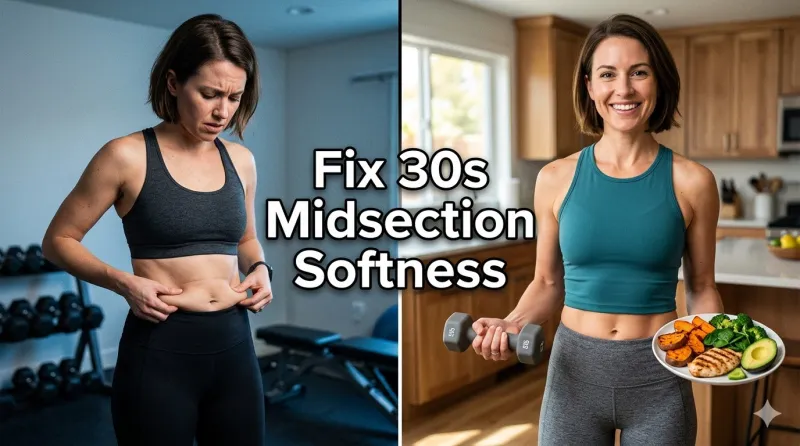
For many women, entering their 30s marks a subtle but significant shift in how their bodies respond to diet and exercise. You might find yourself eating the same clean foods and hitting the gym with the same intensity as you did in your 20s, yet noticing a persistent softness around the midsection that simply won't budge. This phenomenon is so common it has become a rite of passage, often dismissed as an inevitable part of aging. However, attributing this change solely to "getting older" overlooks the complex interplay of physiological, hormonal, and lifestyle factors uniquely at play during this decade.
The softness women experience in their 30s is rarely just about gaining weight; it is often about a redistribution of body composition and a shift in internal biology. It is a period where the protective effects of youth begin to wane, revealing the true impact of chronic stress, sedentary habits, and hormonal fluctuations. Understanding *why* this happens is the first step toward addressing it effectively. This comprehensive guide dives deep into the science behind midsection softness in your 30s, exploring the roles of muscle loss, hormonal shifts, stress physiology, and lifestyle creep, while providing actionable, sustainable solutions to restore core strength and confidence.
The Biological Shift: Sarcopenia and Metabolic Slowdown
One of the most critical yet overlooked factors contributing to midsection softness in the 30s is the natural onset of sarcopenia. Sarcopenia is the age-related loss of skeletal muscle mass and function. While it is often associated with old age, the process actually begins as early as our late 20s and accelerates in our 30s if not actively countered.
Muscle is metabolically active tissue; it burns calories even at rest. As muscle mass declines, your Basal Metabolic Rate (BMR) drops. This means your body requires fewer calories to maintain its current weight. If your dietary intake remains unchanged from your 20s while your muscle mass decreases, the excess energy is stored as fat. Unfortunately, due to genetic and hormonal predispositions, women tend to store this excess energy preferentially in the abdominal region.
Furthermore, the quality of the muscle changes. In your 20s, muscles recover quickly and grow readily in response to exercise. In your 30s, recovery slows down, and without specific stimulus (like progressive overload strength training), muscle fibers shrink. This loss of underlying muscle tone contributes significantly to the feeling of "softness." Even if you aren't gaining significant weight, the ratio of fat to muscle shifts, leading to a softer appearance despite a stable number on the scale.
The Hormonal Rollercoaster: Estrogen, Progesterone, and Insulin
Your 30s are often a decade of significant hormonal flux, driven by life stages such as pregnancy, postpartum recovery, breastfeeding, or simply the natural progression of the reproductive cycle. These hormonal shifts play a direct role in where and how your body stores fat.
Estrogen Dominance and Decline
Estrogen helps regulate fat distribution, typically encouraging storage in the hips and thighs (the gynoid pattern) rather than the abdomen. However, in your 30s, estrogen levels can become erratic. Periods of relative estrogen dominance (often paired with low progesterone) can lead to increased fat storage in the lower belly. Conversely, as you approach your late 30s, a gradual decline in estrogen can shift fat storage patterns towards the abdomen (the android pattern), mimicking the male pattern of fat distribution. This visceral fat is deeper, harder to lose, and surrounds the organs, contributing to a protruding, soft belly.
Cortisol: The Stress Hormone
The 30s are frequently characterized by high stress levels—balancing career advancement, financial responsibilities, relationships, and often young children. Chronic stress triggers the release of cortisol. Cortisol receptors are highly concentrated in the abdominal area. When cortisol levels remain chronically elevated, the body enters a survival mode, prioritizing the storage of visceral fat in the midsection as a quick energy reserve. This is an evolutionary mechanism that, in the modern world, manifests as stubborn belly fat that resists traditional diet and exercise.
Insulin Resistance
As metabolism slows and activity levels potentially decrease, cells can become less sensitive to insulin. When cells don't respond well to insulin, the pancreas pumps out more to compensate. High insulin levels signal the body to stop burning fat and start storing it, particularly in the abdominal region. This creates a vicious cycle where belly fat promotes further insulin resistance, making the softness increasingly difficult to reverse without targeted dietary changes.
The Impact of Pregnancy and Postpartum Changes
For many women, their 30s coincide with childbearing years. Pregnancy and childbirth bring unique structural changes to the midsection that contribute to long-term softness if not addressed properly.
Diastasis Recti
During pregnancy, the growing uterus stretches the rectus abdominis muscles (the "six-pack" muscles), causing them to separate along the linea alba. This condition, known as diastasis recti, can persist long after delivery if not rehabilitated correctly. A separated core cannot generate adequate tension, leading to a permanent "pooch" or softness in the lower belly, regardless of overall body fat percentage. Traditional ab exercises like crunches can sometimes worsen this condition, making professional guidance essential.
Visceral Fat Retention
Postpartum bodies often hold onto visceral fat as a protective mechanism, especially if breastfeeding or if sleep deprivation is chronic. The combination of hormonal resets and the physical demands of caring for an infant can make it incredibly difficult to prioritize the intense exercise needed to rebuild core density.
Lifestyle Creep: The Sedentary Trap
Beyond biology, lifestyle factors in your 30s often conspire against a tight midsection. This phenomenon, known as "lifestyle creep," involves subtle shifts in daily activity levels that accumulate over time.
The Desk Job Factor
Career progression in your 30s often means more time sitting in meetings, at desks, or commuting. Prolonged sitting leads to "gluteal amnesia" (weak glutes) and tight hip flexors. Tight hip flexors pull on the lumbar spine, causing an anterior pelvic tilt. This postural imbalance pushes the abdomen forward, making the belly appear softer and more protruded even if there isn't excess fat.
Sleep Deprivation
Whether due to career demands or young children, sleep is often the first casualty in your 30s. Lack of sleep disrupts the hormones ghrelin (hunger) and leptin (fullness), leading to increased cravings for high-carb, sugary foods. Furthermore, poor sleep elevates cortisol, compounding the stress-related fat storage issue. Without adequate rest, the body cannot repair muscle tissue effectively, hindering the results of your workouts.
Dietary Habits
In your 20s, you might have been able to "get away" with irregular eating, skipping meals, or consuming higher amounts of processed foods without immediate visible consequences. In your 30s, the margin for error shrinks. The body becomes less efficient at processing sugar and refined carbohydrates, leading to quicker spikes in blood glucose and subsequent fat storage in the midsection. Alcohol consumption, often a social staple, also hits harder; the liver prioritizes metabolizing alcohol over fat, pausing fat burning and often depositing those calories directly as visceral fat.
The Difference Between Subcutaneous and Visceral Fat
Understanding the type of fat contributing to your softness is crucial for selecting the right solution.
Subcutaneous Fat
This is the pinchable fat located just under the skin. It is generally softer and jiggly. While it can be frustrating aesthetically, subcutaneous fat is less dangerous metabolically. It responds relatively well to a consistent calorie deficit and general cardio exercise.
Visceral Fat
This is the hard fat stored deep within the abdominal cavity, surrounding organs like the liver and intestines. It pushes the abdominal wall outward, creating a firm but distended belly (though it can feel soft if covered by a layer of subcutaneous fat). Visceral fat is highly metabolically active and inflammatory. It is driven primarily by stress (cortisol), insulin resistance, and poor sleep. Crucially, visceral fat does *not* respond well to endless crunches or steady-state cardio alone; it requires stress management, strength training, and dietary changes focused on blood sugar control.
Actionable Solutions: Reclaiming Your Core
Addressing midsection softness in your 30s requires a multi-faceted approach that goes beyond "eat less, move more."
1. Prioritize Strength Training
To combat sarcopenia and boost metabolism, resistance training is non-negotiable. Aim for 2-4 sessions per week focusing on compound movements (squats, deadlifts, rows, presses) that engage multiple muscle groups. Building lean muscle mass increases your resting metabolic rate, helping you burn more calories throughout the day. Specifically for the core, focus on functional stability exercises like planks, bird-dogs, and dead bugs rather than repetitive flexion (crunches), which can exacerbate diastasis recti.
2. Manage Stress and Cortisol
Since cortisol is a primary driver of abdominal fat, stress management is a physical necessity, not just a mental luxury. Incorporate daily practices such as meditation, deep breathing exercises, yoga, or simply walking in nature. Prioritizing sleep (7-9 hours) is arguably the most effective "supplement" for reducing cortisol and balancing hunger hormones.
3. Optimize Nutrition for Hormonal Balance
Shift your focus from calorie counting to nutrient density.
- Protein: Increase protein intake to support muscle synthesis and satiety (aim for 1.6g to 2.2g per kg of body weight).
- Fiber: Soluble fiber helps regulate blood sugar and reduces visceral fat.
- Healthy Fats: Avocados, nuts, and olive oil support hormone production.
- Reduce Sugar and Refined Carbs: Minimize insulin spikes by limiting processed sugars and white flour products.
- Alcohol Moderation: Limit alcohol intake to reduce the burden on your liver and prevent empty calorie storage.
4. Correct Posture and Mobility
Address the anterior pelvic tilt caused by sitting. Incorporate daily stretching for hip flexors and strengthening exercises for glutes and lower abs. Being mindful of your posture throughout the day—instantly engaging your core and rolling your shoulders back—can visually flatten the stomach and improve core function.
5. Seek Professional Guidance for Diastasis Recti
If you suspect diastasis recti, consult a pelvic floor physical therapist. They can provide a tailored rehabilitation program to close the gap and restore core tension, which is often the missing link for postpartum women struggling with a persistent pooch.
Myths vs. Facts About Midsection Softness
Myth: Doing 100 crunches a day will flatten your stomach.
Fact: Crunches build muscle underneath the fat but do not burn the fat covering them. Moreover, excessive crunches can worsen core separation. Fat loss comes from a calorie deficit and hormonal balance, not spot reduction.
Myth: Once you hit 30, your metabolism crashes and you can't get fit.
Fact: While metabolism slows slightly due to muscle loss, it is not a crash. You can maintain or even increase your metabolic rate by building muscle through strength training.
Myth: Cardio is the best way to lose belly fat.
Fact: While cardio burns calories during the activity, strength training builds muscle that burns calories 24/7. Furthermore, high-intensity interval training (HIIT) is more effective at reducing visceral fat than long, steady-state cardio, which can sometimes elevate cortisol.
Myth: Detox teas and wraps work.
Fact: These products offer temporary water weight loss through dehydration or laxative effects but do nothing to reduce actual body fat or improve muscle tone. Sustainable change comes from lifestyle habits.
Conclusion: Embracing Change with Strategy
Experiencing midsection softness in your 30s is a normal physiological response to a decade of profound changes. It is not a failure of willpower or a sign that your body is "broken." It is a signal that your previous strategies need to evolve to match your current biology. By understanding the roles of muscle loss, hormonal shifts, stress, and lifestyle, you can move away from frustration and toward a targeted, effective plan.
The goal is not necessarily to return to the body of your 20s, but to build the strongest, healthiest version of your body in your 30s. This involves shifting the focus from punishment to nourishment, from endless cardio to strategic strength, and from stress to recovery. With patience, consistency, and the right knowledge, you can reduce visceral fat, rebuild muscle density, and reclaim a strong, confident midsection that supports you for decades to come. Your 30s can be your strongest decade yet—if you listen to what your body needs and give it the right tools to thrive.
April 4, 2026 12:19 AM