

Best Bio-Harmonizing Bedroom Setups for Deep Cellular Recovery
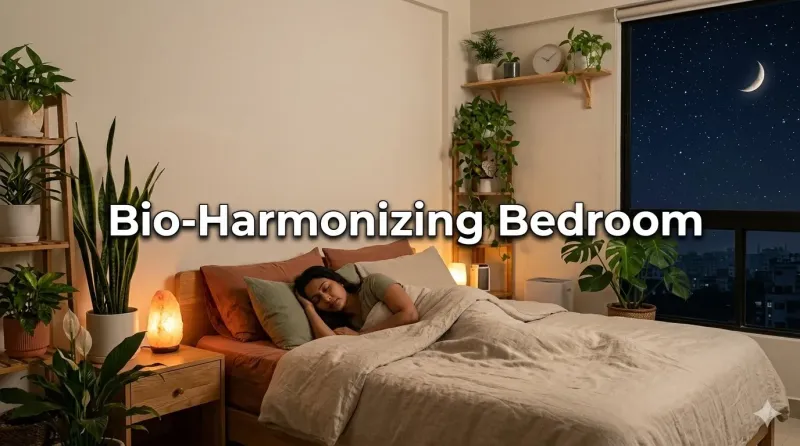
In our hyper-connected, always-on modern world, true rest has become a稀缺 commodity. We often view sleep as merely a pause button—a time to shut down before restarting the next day. However, biologically, sleep is an active, critical period of cellular regeneration, toxin clearance, and hormonal rebalancing. To maximize this process, our environment must do more than just look good; it must actively support our biology. This is the concept of a "Bio-Harmonizing" bedroom: a space intentionally designed to align with human circadian rhythms, minimize environmental stressors, and facilitate deep cellular recovery.
Creating a bio-harmonizing bedroom goes beyond standard sleep hygiene tips like avoiding caffeine. It involves a holistic approach to the physical environment, addressing factors like light spectrum, electromagnetic fields (EMFs), air quality, material toxicity, and even the earth's natural frequencies. By optimizing these elements, you create a sanctuary that signals safety to your nervous system, allowing your body to enter the deepest stages of restorative sleep (Slow Wave Sleep and REM) where the magic of repair happens.
This comprehensive guide explores the essential components of a bio-harmonizing bedroom setup, providing actionable steps to transform your sleeping space into a powerful tool for health, longevity, and vitality.
The Science of Cellular Recovery During Sleep
Before diving into the setup, it is crucial to understand what happens during deep sleep. During Slow Wave Sleep (SWS), the body releases growth hormone, which repairs tissues, builds muscle, and strengthens the immune system. Simultaneously, the glymphatic system activates, flushing out neurotoxins like beta-amyloid from the brain. Disruptions to this process—caused by poor light, toxins, or stressors—can impair cognitive function, accelerate aging, and weaken immunity.
A bio-harmonizing bedroom aims to remove all barriers to these processes, creating an environment where the body can effortlessly slip into deep recovery modes.
Pillar 1: Circadian Lighting Design
Light is the primary zeitgeber (time-giver) for our internal biological clock. The spectrum of light we are exposed to dictates our hormone production, specifically melatonin (the sleep hormone) and cortisol (the wakefulness hormone).
The Problem with Modern Lighting
Most modern homes are lit with cool, blue-rich LED lights that mimic midday sun. While great for productivity during the day, exposure to blue light (460-480nm) in the evening suppresses melatonin production, delaying sleep onset and reducing sleep quality. Even dim blue light can disrupt circadian rhythms.
The Bio-Harmonizing Solution
1. Eliminate Blue Light After Sunset: Replace standard bulbs in your bedroom with "sleep-friendly" bulbs that emit zero blue light. Look for bulbs with a color temperature of 2700K or lower, ideally amber or red-hued LEDs. Red light does not suppress melatonin and may even support mitochondrial function.
2. Layered Lighting Strategy: Avoid overhead lighting in the evening. Use low-level table lamps or floor lamps positioned below eye level. This mimics the natural setting of the sun and signals to the brain that it is time to wind down.
3. Blackout Perfection: Total darkness is essential for peak melatonin production. Install high-quality blackout curtains or wear a comfortable, contoured sleep mask. Even small amounts of light from streetlamps or electronics can fragment sleep architecture.
4. Morning Sunlight Exposure: While not part of the nighttime setup, ensuring your bedroom allows for immediate exposure to natural sunlight upon waking is crucial. This anchors your circadian rhythm, ensuring you feel tired at the right time the following night.
Pillar 2: EMF Mitigation and Digital Detox
Electromagnetic Fields (EMFs) are invisible energy fields emitted by electronic devices and wiring. While research is ongoing, many studies suggest that high exposure to EMFs, particularly at night, can interfere with melatonin production and disturb sleep patterns.
Identifying EMF Sources
Common bedroom EMF sources include Wi-Fi routers, smart meters, cell phones, Bluetooth devices, and even electrical wiring in walls.
The Bio-Harmonizing Solution
1. Create a Low-EMF Zone: The bedroom should be a tech-free sanctuary. Remove televisions, computers, and unnecessary electronics.
2. Hardwire Connections: If possible, use Ethernet cables for internet connections instead of Wi-Fi. If Wi-Fi is unavoidable, install a timer on your router to automatically turn off Wi-Fi signals during sleeping hours.
3. Distance is Your Friend: Keep cell phones on airplane mode or, ideally, outside the bedroom entirely. If you must keep it nearby for alarms, place it at least 6-10 feet away from your bed.
4. Check Wiring: In older homes or apartments, check for "dirty electricity" using a meter. If levels are high, consider installing dirty electricity filters or consulting an electrician to shield wiring behind the bed.
Pillar 3: Air Quality and Oxygen Optimization
We spend roughly one-third of our lives breathing bedroom air. Poor air quality, filled with VOCs (Volatile Organic Compounds), dust, and allergens, can cause inflammation and disrupt breathing, leading to fragmented sleep and reduced oxygen saturation.
The Bio-Harmonizing Solution
1. Ventilation: Ensure adequate airflow. If weather permits, crack a window slightly to allow fresh air exchange and reduce CO2 buildup, which can cause grogginess.
2. Air Purification: Invest in a high-quality HEPA air purifier with an activated carbon filter. The HEPA filter captures particulate matter (dust, pollen), while the carbon filter adsorbs VOCs and odors. Place it near the bed but not blowing directly on you.
3. Natural Humidity Control: Maintain humidity levels between 30-50%. Too dry causes irritation; too humid promotes mold and dust mites. Use a humidifier or dehumidifier as needed, cleaning them regularly to prevent bacterial growth.
4. Biophilic Design (Plants): Incorporate air-purifying plants like Snake Plants (Sansevieria), Peace Lilies, or Spider Plants. Uniquely, Snake Plants release oxygen at night, potentially boosting oxygen levels while you sleep. However, avoid over-cluttering with too many plants, as soil can harbor mold if not cared for.
Pillar 4: Non-Toxic Materials and Off-Gassing
Conventional furniture, mattresses, and carpets often contain flame retardants, formaldehyde, and other synthetic chemicals that "off-gas" into the air, especially in enclosed spaces. Chronic exposure to these toxins can burden the liver and disrupt endocrine function, hindering recovery.
The Bio-Harmonizing Solution
1. Organic Mattress and Bedding: Choose a mattress made from natural latex, organic wool, and organic cotton. Avoid polyurethane foams and chemical flame retardants. Wool is naturally fire-resistant, moisture-wicking, and temperature-regulating.
2. Natural Fibers: Swap synthetic sheets (polyester, nylon) for 100% organic cotton, linen, or bamboo lyocell. These materials breathe better, regulate temperature, and are free from microplastics and chemical residues.
3. Non-Toxic Furniture: Opt for solid wood furniture finished with natural oils or waxes rather than particleboard held together by formaldehyde-based glazes. If buying new, let furniture off-gas in a well-ventilated area before bringing it into the bedroom.
4. Natural Flooring: If possible, choose hardwood, cork, or tile over wall-to-wall carpeting, which traps dust, allergens, and chemicals. If you have carpet, vacuum frequently with a HEPA filter vacuum.
Pillar 5: Temperature Regulation for Deep Sleep
Core body temperature must drop by about 2-3 degrees Fahrenheit to initiate and maintain deep sleep. A bedroom that is too warm prevents this drop, leading to restlessness and reduced SWS.
The Bio-Harmonizing Solution
1. The Cool Sweet Spot: Aim for a bedroom temperature between 60-67°F (15-19°C). This range is widely considered optimal for facilitating the natural drop in core body temperature.
2. Breathable Bedding: As mentioned, natural fibers like wool and linen excel at thermoregulation, keeping you warm when it's cold and cool when it's warm.
3. Cooling Technology: If you live in a hot climate, consider cooling mattress pads or pillows that use water circulation or phase-change materials to actively dissipate heat.
Pillar 6: Grounding and Earth Connection
Grounding (or Earthing) is the practice of connecting physically with the Earth's surface electrons. Emerging research suggests this connection can reduce inflammation, improve sleep, and normalize cortisol rhythms. While sleeping directly on the ground isn't practical for most, you can simulate this effect.
The Bio-Harmonizing Solution
1. Grounding Sheets: Specialized conductive sheets connect to the ground port of your electrical outlet (or a ground rod outside), allowing you to be "grounded" while you sleep. Many users report deeper sleep and reduced pain.
2. Natural Materials: Even without electronic grounding systems, using natural materials (wood, cotton, wool, stone) in your bedroom helps maintain a more natural electrostatic environment compared to synthetic plastics and carpets.
Pillar 7: Sensory Sanctuary and Stress Reduction
Finally, a bio-harmonizing bedroom must signal safety to the primal brain. Clutter, noise, and chaotic visuals trigger low-level stress responses that inhibit relaxation.
The Bio-Harmonizing Solution
1. Declutter ruthlessly: A cluttered room leads to a cluttered mind. Keep surfaces clear and storage hidden. The bedroom should be for sleep and intimacy only.
2. Soundscaping: Use white noise machines, fans, or nature sound apps to mask disruptive external noises (traffic, neighbors). Consistent, soothing sound can deepen sleep stages.
3. Calming Aesthetics: Choose a color palette inspired by nature—soft greens, earthy browns, muted blues. Avoid bright, stimulating colors like red or neon orange.
4. Aromatherapy: Use essential oil diffusers with calming scents like lavender, cedarwood, or chamomile. These scents have been shown to lower heart rate and blood pressure, preparing the body for sleep.
Step-by-Step Implementation Plan
Transforming your bedroom doesn't have to happen overnight. Here is a phased approach:
Phase 1: Immediate Wins (Day 1)
- Remove all electronics (TV, phone, tablet) from the bedroom.
- Install blackout curtains or get a sleep mask.
- Change your light bulbs to amber/red sleep-friendly options.
- Set the thermostat to 65°F (18°C).
Phase 2: Air and Toxins (Week 1-2)
- Purchase and set up a HEPA air purifier.
- Wash all bedding in fragrance-free, non-toxic detergent.
- Add 2-3 air-purifying plants.
- Begin decluttering surfaces.
Phase 3: Investment Upgrades (Month 1-3)
- Transition to organic mattress and bedding (start with sheets and pillows if a mattress is too costly immediately).
- Replace synthetic furniture or treat existing furniture to reduce off-gassing.
- Consider grounding solutions or EMF shielding paint if you live in a high-radiation area.
Phase 4: Optimization (Ongoing)
- Monitor your sleep quality using a tracker (Ouraring, Whoop, etc.) to see how changes affect your deep sleep scores.
- Refine temperature and humidity based on seasonal changes.
- Maintain a consistent cleaning routine to keep dust and allergens low.
Common Mistakes to Avoid
1. Ignoring the Bathroom Connection: If your bedroom has an ensuite bathroom, ensure the door is closed and the fan is off. Humidity and odors from the bathroom can degrade bedroom air quality.
2. Over-reliance on Gadgets: While sleep trackers are useful, don't let them become a source of anxiety. If checking your score stresses you out, stop looking at it daily.
3. Neglecting the Window View: If you face a bright street light, blackout curtains are non-negotiable. If you face a stressful view (construction, traffic), use sheer curtains during the day and blackouts at night to create a visual buffer.
4. Forgetting to Clean the Purifier: An unmaintained air purifier can recirculate dust and mold. Change filters according to the manufacturer's schedule.
Conclusion: Your Bedroom as a Health Hub
A bio-harmonizing bedroom is more than a trend; it is a fundamental shift in how we view our living spaces. By aligning our environment with our biological needs, we turn sleep from a passive activity into an active healing modality. The investment in non-toxic materials, circadian lighting, and air quality pays dividends not just in better sleep, but in improved mood, sharper cognition, stronger immunity, and long-term disease prevention.
In a world that constantly demands our attention and energy, your bedroom should be the one place that gives back. By implementing these bio-harmonizing strategies, you create a sanctuary that supports deep cellular recovery, allowing you to wake up every day feeling truly restored, energized, and ready to thrive. Start small, stay consistent, and let your bedroom become the foundation of your ultimate health.
April 3, 2026 6:19 PM