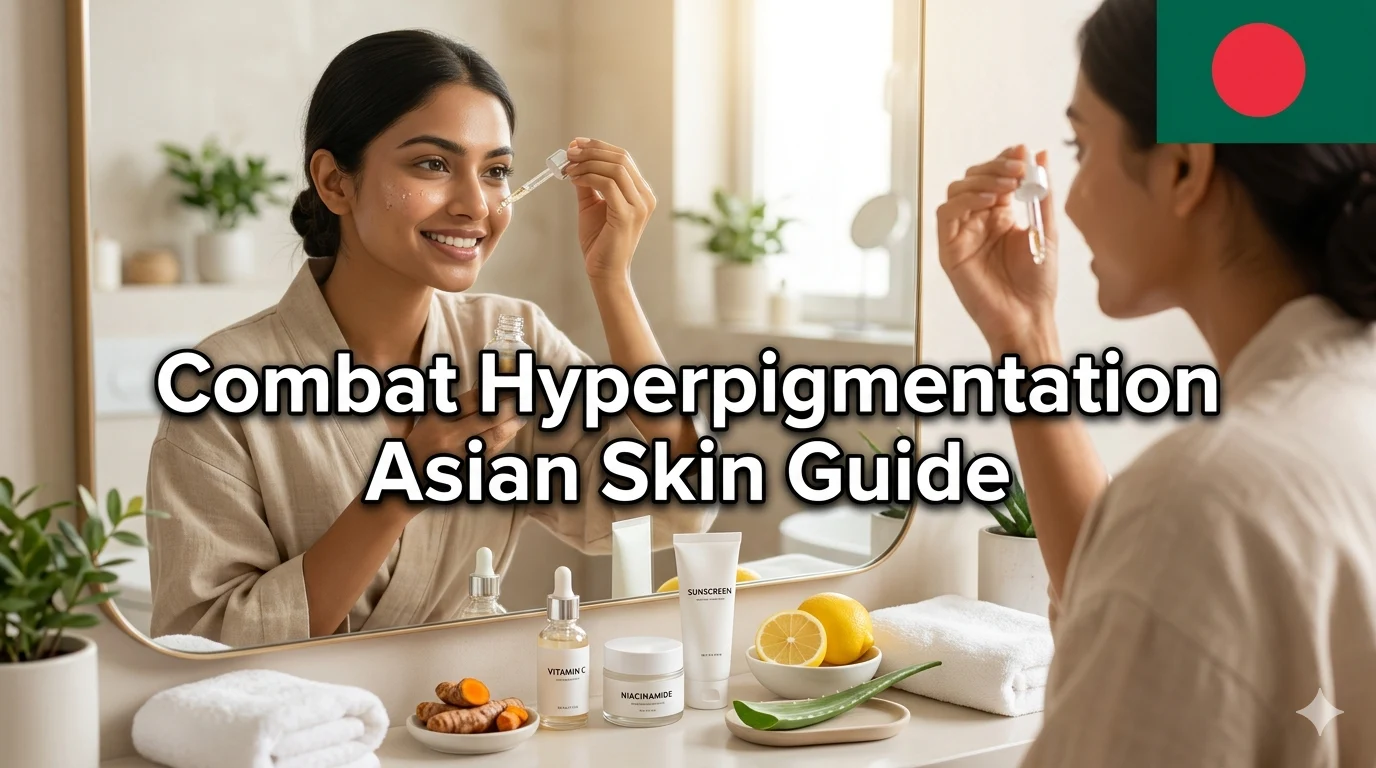
Hyperpigmentation is one of the most common and persistent skin concerns affecting people of South Asian descent. For those with Bangladeshi, Indian, Pakistani, or broader Asian skin tones, dark spots, uneven tone, and patchy discoloration are not just cosmetic concerns—they can impact confidence, self-esteem, and daily comfort. The good news? With the right understanding of your skin's unique needs and a targeted, consistent approach, hyperpigmentation can be significantly improved, and in many cases, dramatically reduced.
Combatting hyperpigmentation on Asian and Bangladeshi skin requires more than just buying the latest brightening serum. It demands understanding why your skin is prone to pigmentation issues, selecting ingredients proven effective for melanin-rich skin, protecting against triggers like sun exposure and inflammation, and building a sustainable routine that respects your skin's barrier. While results take patience—often 8-12 weeks for visible improvement—the journey toward clearer, more even-toned skin is absolutely achievable.
This comprehensive guide is specifically tailored for individuals with Asian and Bangladeshi skin tones. We will explore the root causes of hyperpigmentation in melanin-rich skin, break down the most effective ingredients and their mechanisms, provide step-by-step routine building for different skin types and concerns, address cultural considerations and local product availability in Bangladesh, and share realistic expectations for timelines and outcomes. Whether you are dealing with post-acne marks, melasma, sun spots, or general dullness, you will find practical, science-backed strategies to help you achieve a brighter, more confident complexion.
Understanding Hyperpigmentation in Asian and Bangladeshi Skin
Before diving into solutions, it is essential to understand why hyperpigmentation is so prevalent and persistent in South Asian skin.
Why Asian Skin Is More Prone to Hyperpigmentation
Higher Baseline Melanin: Asian skin typically contains more melanin—the pigment responsible for skin color. While this provides natural protection against UV damage and slower visible aging, it also means that any trigger (inflammation, sun exposure, hormonal changes) can stimulate excess melanin production, leading to visible dark spots.
Inflammatory Response: Skin of color tends to have a more robust inflammatory response to injury, acne, or irritation. This increases the risk of post-inflammatory hyperpigmentation (PIH), where dark marks linger long after the initial issue has healed.
Hormonal Sensitivity: Many South Asian women experience melasma triggered by hormonal fluctuations (pregnancy, birth control, menopause) combined with sun exposure. The combination of genetics, hormones, and UV exposure creates a perfect storm for stubborn facial pigmentation.
Cultural and Environmental Factors in Bangladesh:
- Intense sun exposure: Bangladesh's tropical climate means year-round UV exposure, a primary trigger for pigmentation
- Humidity and pollution: Can increase skin inflammation and oxidative stress, worsening discoloration
- Traditional skincare practices: Some home remedies (lemon juice, undiluted essential oils) can irritate skin and worsen PIH
- Limited access to dermatological care: Many rely on over-the-counter products without professional guidance
Types of Hyperpigmentation Common in Asian Skin
1. Post-Inflammatory Hyperpigmentation (PIH)
What it is: Dark spots that remain after acne, insect bites, cuts, eczema, or any skin injury heals.
Appearance: Flat, brown, gray, or purple marks that match the shape of the original injury.
Why it affects Asian skin: Higher melanin activity means inflammation triggers more pigment production, and the pigment can deposit deeper in the skin, making it slower to fade.
2. Melasma
What it is: Symmetrical patches of brown or gray-brown discoloration, typically on the cheeks, forehead, nose, or upper lip.
Triggers: Hormones (pregnancy, birth control), sun exposure, heat, and genetics.
Why it affects Asian skin: South Asian women have a higher genetic predisposition to melasma, and the tropical climate exacerbates it.
3. Solar Lentigines (Sun Spots/Age Spots)
What it is: Small, darkened patches caused by cumulative sun exposure.
Appearance: Well-defined, flat spots on sun-exposed areas (face, hands, arms).
Why it affects Asian skin: While melanin provides some UV protection, it is not complete; unprotected sun exposure still causes damage and pigmentation.
4. Freckles (Ephelides)
What it is: Small, light brown spots that darken with sun exposure.
Why it affects Asian skin: Less common in darker skin tones but can appear in lighter Asian complexions with sun exposure.
Most Effective Ingredients for Hyperpigmentation in Asian Skin
Selecting the right ingredients is crucial. Not all brightening agents work equally well for melanin-rich skin, and some can cause irritation that worsens pigmentation. Here are the most effective, well-researched options:
1. Vitamin C (L-Ascorbic Acid)
How it works: A potent antioxidant that inhibits tyrosinase (the enzyme that produces melanin), brightens existing pigmentation, and protects against UV-induced damage.
Benefits for Asian skin:
- Reduces existing dark spots and prevents new ones
- Boosts collagen production, improving overall skin texture
- Enhances the efficacy of sunscreen
- Generally well-tolerated by sensitive skin when formulated properly
How to use: Apply 10-20% L-ascorbic acid serum in the morning after cleansing, before moisturizer and sunscreen. Start with lower concentrations if you have sensitive skin.
Product considerations for Bangladesh: Look for stable, air-tight packaging (vitamin C oxidizes quickly). Local options may include some pharmacy brands; imported serums are available online but verify authenticity.
Featured snippet answer: Vitamin C (L-ascorbic acid) is highly effective for hyperpigmentation in Asian skin. It inhibits melanin production, brightens existing dark spots, and boosts sunscreen protection. Use a 10-20% serum in the morning before sunscreen for best results. Visible improvement typically appears in 8-12 weeks with consistent use.
2. Niacinamide (Vitamin B3)
How it works: Reduces the transfer of melanin to skin cells, strengthens the skin barrier, and has anti-inflammatory properties.
Benefits for Asian skin:
- Effectively fades PIH and evens skin tone
- Minimizes redness and irritation that can trigger more pigmentation
- Regulates oil production, beneficial for acne-prone skin
- Well-tolerated by most skin types, including sensitive skin
How to use: Apply 5-10% niacinamide serum morning and/or evening. Can be layered with other actives like vitamin C or retinoids.
Local availability: Widely available in Bangladesh through pharmacies and online retailers; many affordable options exist.
3. Azelaic Acid
How it works: Inhibits tyrosinase, has anti-inflammatory properties, and is particularly effective for PIH and melasma.
Benefits for Asian skin:
- Targets both active acne and post-acne marks
- Gentle enough for sensitive, reactive skin
- Safe for use during pregnancy (consult doctor)
- Reduces redness and inflammation that can worsen pigmentation
How to use: Apply 10-20% azelaic acid product once or twice daily. Start with lower concentration if new to the ingredient.
Prescription vs. OTC: 10% is available over-the-counter; 15-20% may require a prescription in some regions. Consult a dermatologist in Bangladesh for higher strengths.
4. Alpha Arbutin
How it works: A natural derivative of hydroquinone that inhibits tyrosinase without the potential side effects of hydroquinone.
Benefits for Asian skin:
- Effectively lightens dark spots with minimal irritation risk
- Suitable for long-term use
- Works well in combination with other brightening agents
- Gentle option for sensitive skin
How to use: Apply 2-3% alpha arbutin serum once or twice daily. Can be used morning or evening.
5. Kojic Acid
How it works: Derived from fungi, it inhibits tyrosinase and has antimicrobial properties.
Benefits for Asian skin:
- Effective for melasma and sun spots
- Often combined with other brighteners for enhanced effect
Cautions: Can cause irritation or contact dermatitis in some individuals, especially at higher concentrations. Patch test first. Not recommended for long-term continuous use without breaks.
6. Retinoids (Retinol, Tretinoin)
How they work: Increase cell turnover, helping to shed pigmented cells faster and revealing brighter skin underneath.
Benefits for Asian skin:
- Effective for both acne and post-acne pigmentation
- Improves skin texture and reduces fine lines
- Enhances penetration of other brightening ingredients
How to use: Start with low-concentration retinol (0.1-0.3%) 2-3 nights weekly, gradually increasing frequency. Always use sunscreen during the day.
Important for Asian skin: Retinoids can cause initial irritation, which may trigger PIH in skin of color. Introduce slowly and buffer with moisturizer if needed.
7. Chemical Exfoliants (AHAs: Glycolic Acid, Lactic Acid)
How they work: Dissolve the bonds between dead skin cells, promoting exfoliation and revealing brighter skin.
Benefits for Asian skin:
- Remove pigmented surface cells
- Improve product penetration
- Lactic acid is gentler and hydrating, suitable for sensitive skin
How to use: Start with low concentrations (5-10% AHA) 1-2 times weekly, gradually increasing. Use at night and always follow with sunscreen.
Critical caution: Over-exfoliation can damage the skin barrier and worsen hyperpigmentation in Asian skin. Less is more.
Building Your Hyperpigmentation-Fighting Routine
A consistent, well-structured routine is essential for results. Here is how to build one for Asian and Bangladeshi skin.
Morning Routine: Protect and Brighten
Step 1: Gentle Cleanser
- Use a pH-balanced, non-stripping cleanser
- Avoid hot water, which can increase inflammation
Step 2: Vitamin C Serum
- Apply to clean, dry skin
- Wait 1-2 minutes before next step
- Start with lower concentration if sensitive
Step 3: Niacinamide or Alpha Arbutin Serum (Optional)
- Can be layered with vitamin C or used alternatively
- Focus on areas with hyperpigmentation
Step 4: Moisturizer
- Use a lightweight, non-comedogenic formula
- Look for ingredients like hyaluronic acid or ceramides
Step 5: Sunscreen (NON-NEGOTIABLE)
- Use broad-spectrum SPF 50+ PA++++ (critical for Asian skin)
- Apply generously (1/4 teaspoon for face)
- Reapply every 2-3 hours if outdoors
- Look for lightweight, non-greasy formulas suitable for humid climates
Evening Routine: Treat and Repair
Step 1: Double Cleanse (if wearing makeup/sunscreen)
- First cleanse: Oil-based cleanser or micellar water
- Second cleanse: Gentle foaming or cream cleanser
Step 2: Treatment (Alternate Nights)
Night 1, 3, 5: Retinoid or AHA Exfoliant
- Apply to dry skin
- Start 1-2 times weekly, gradually increase
- Wait 20 minutes before moisturizing
Night 2, 4, 6: Azelaic Acid or Alpha Arbutin
- Gentler option for sensitive nights
- Can be used more frequently if well-tolerated
Night 7: Rest Night
- Focus on hydration and barrier repair
- Use soothing ingredients like centella asiatica or panthenol
Step 3: Moisturizer
- Use a slightly richer formula at night
- Look for ingredients that support barrier repair
Weekly Treatments
1. Gentle Chemical Exfoliation (1x/week)
- Use a low-concentration AHA or BHA peel
- Follow product instructions carefully
- Always follow with moisturizer and sunscreen next day
2. Soothing Mask (As Needed)
- Use aloe vera, centella, or oat-based masks to calm inflammation
- Helps prevent PIH from forming after minor irritation
Sun Protection: The Most Critical Step for Asian Skin
Without rigorous sun protection, all other hyperpigmentation treatments are largely wasted. UV exposure is the primary trigger for melanin production.
Choosing the Right Sunscreen for Bangladesh
Key Criteria:
- SPF 50+ PA++++: Highest UVA/UVB protection; PA rating is crucial for Asian skin
- Lightweight, non-greasy formula: Essential for humid climates to encourage consistent use
- Non-comedogenic: Won't clog pores or worsen acne
- Water-resistant: Important for humid weather and sweating
Chemical vs. Mineral:
- Chemical sunscreens: Often lighter texture, better for daily wear under makeup
- Mineral sunscreens (zinc oxide, titanium dioxide): Less likely to cause irritation, good for sensitive skin; may leave a white cast on deeper skin tones (look for tinted formulas)
Local Availability in Bangladesh:
- Pharmacy brands: Some local and Indian brands offer SPF 50+ options
- International brands: Available online (Daraz, Pickaboo) but verify authenticity
- Look for: Biore, Anessa, La Roche-Posay, Eucerin, or dermatologist-recommended local brands
Sun Protection Habits Beyond Sunscreen
- Seek shade: Especially between 10 AM and 4 PM when UV is strongest
- Wear protective clothing: Wide-brimmed hats, UV-protective sunglasses, long sleeves
- Reapply sunscreen: Every 2-3 hours when outdoors, or after sweating/swimming
- Don't skip cloudy days: Up to 80% of UV rays penetrate clouds
- Protect year-round: UV exposure occurs even in winter and through windows
Addressing Cultural Considerations and Local Realities in Bangladesh
Treating hyperpigmentation in Bangladesh requires navigating unique cultural, economic, and environmental factors.
Traditional Remedies: What Works and What to Avoid
Potentially Helpful (When Used Correctly):
- Turmeric: Contains curcumin with anti-inflammatory and mild brightening properties. Use as a diluted paste (with honey or yogurt), not undiluted.
- Aloe vera: Soothes inflammation and may help with mild pigmentation. Use fresh gel from the plant.
- Licorice root (Mulethi): Contains glabridin, a natural tyrosinase inhibitor. Often found in Ayurvedic products.
Common Remedies to Avoid:
- Lemon juice: Highly acidic, can cause phytophotodermatitis (severe burns when exposed to sun) and worsen PIH.
- Undiluted essential oils: Can cause irritation and contact dermatitis.
- Baking soda scrubs: Disrupts skin pH and barrier, leading to more inflammation and pigmentation.
- Harsh physical scrubs: Can cause micro-tears and trigger PIH in skin of color.
Access to Products and Professional Care
Over-the-Counter Options:
- Pharmacies in major cities (Dhaka, Chittagong) carry some international and regional skincare brands
- Online platforms (Daraz, Pickaboo) offer wider selection but require vigilance against counterfeits
- Look for products with clear ingredient lists, batch numbers, and expiration dates
When to See a Dermatologist in Bangladesh:
- For persistent melasma or severe PIH not responding to OTC products
- Before starting prescription-strength treatments (tretinoin, hydroquinone)
- For professional procedures like chemical peels or lasers (ensure provider has experience with skin of color)
- Reputable centers: Dermatology departments at major hospitals (BSMMU, Apollo, United), or board-certified private dermatologists
Professional Treatments Available in Bangladesh
1. Chemical Peels
- Best for: Superficial to medium-depth pigmentation
- Types: Glycolic acid, salicylic acid, or modified Jessner's peels
- Critical: Must be performed by a professional experienced with Asian skin to avoid post-inflammatory hyperpigmentation
- Cost in Bangladesh: Approximately BDT 2,000-8,000 per session
2. Laser and Light Therapies
- Best for: Stubborn melasma, sun spots, or deeper pigmentation
- Types: Q-switched Nd:YAG laser (safer for darker skin), Pico lasers, or IPL (with caution)
- Critical: Provider must have extensive experience treating skin of color; improper settings can worsen pigmentation
- Cost in Bangladesh: BDT 5,000-20,000+ per session; multiple sessions usually needed
3. Prescription Topicals
- Hydroquinone (2-4%): Gold standard for melasma but requires medical supervision due to potential side effects (ochronosis with long-term misuse)
- Combination creams: Often contain hydroquinone + tretinoin + a mild steroid (e.g., Tri-Luma); highly effective but prescription-only
- Important: Never use hydroquinone without dermatologist guidance, especially in Bangladesh where regulation may vary
Realistic Expectations: Timeline and Results
Patience is non-negotiable when treating hyperpigmentation in Asian skin.
Typical Timeline for Improvement
Weeks 1-4:
- Initial improvement in skin texture and brightness
- Possible mild purging or irritation when starting actives (normal)
- No significant fading of dark spots yet
Weeks 4-8:
- Noticeable lightening of newer, superficial pigmentation
- More even overall skin tone
- Reduced redness and inflammation
Weeks 8-12:
- Significant improvement in moderate hyperpigmentation
- Darker, older spots begin to fade
- Continued improvement in skin texture and radiance
Months 3-6:
- Major improvement in stubborn pigmentation
- Maintenance phase begins; focus shifts to prevention
Factors That Influence Results:
- Depth of pigmentation (epidermal fades faster than dermal)
- Consistency with routine and sun protection
- Underlying triggers (hormones, ongoing acne, sun exposure)
- Individual skin response to ingredients
Preventing Hyperpigmentation: Long-Term Strategies
Once you have achieved improvement, maintaining results requires ongoing prevention.
Daily Prevention Habits
- Sunscreen every single day: Rain or shine, indoors or out
- Treat acne promptly: Prevent PIH by addressing breakouts early with gentle, effective treatments
- Avoid picking or scratching: Any skin trauma can trigger PIH in Asian skin
- Manage inflammation: Use soothing ingredients if skin becomes irritated
- Continue brightening actives: Use niacinamide or vitamin C 2-3 times weekly for maintenance
Lifestyle Factors That Support Even Skin Tone
Diet:
- Antioxidant-rich foods (berries, leafy greens, green tea) combat oxidative stress that can trigger pigmentation
- Vitamin C-rich foods support collagen and brightening
- Stay hydrated; dehydration can make skin appear dull
Stress Management:
- Chronic stress increases cortisol, which can worsen inflammation and pigmentation
- Practice yoga, meditation, or deep breathing
- Prioritize 7-8 hours of quality sleep
Hormonal Health:
- If melasma is hormone-related, discuss options with a doctor (e.g., alternative birth control)
- Manage conditions like PCOS that can affect skin
Common Mistakes That Worsen Hyperpigmentation in Asian Skin
Avoid these pitfalls that can undo your progress:
1. Skipping Sunscreen or Using Inadequate SPF
This is the #1 mistake. Without SPF 50+ PA++++ applied generously and reapplied, all other treatments are compromised.
2. Using Too Many Actives at Once
Layering vitamin C, retinoids, and AHAs simultaneously can cause irritation and trigger more PIH. Introduce one new active at a time, waiting 2-4 weeks before adding another.
3. Over-Exfoliating
Physical scrubs or frequent chemical exfoliation can damage the skin barrier, leading to inflammation and worse pigmentation. Limit exfoliation to 1-2 times weekly maximum.
4. Expecting Overnight Results
Hyperpigmentation takes months to fade. Impatience leads to product-hopping or overuse, which can irritate skin. Trust the process.
5. Ignoring Underlying Triggers
If acne, hormonal imbalances, or chronic sun exposure are not addressed, pigmentation will recur. Treat the root cause, not just the symptom.
6. Using Harsh or Unproven Home Remedies
Lemon juice, baking soda, or undiluted essential oils can cause chemical burns or severe irritation, worsening PIH. Stick to evidence-based ingredients.
Special Considerations for Different Skin Concerns
Acne-Prone Skin with PIH
- Prioritize treating active acne first with gentle, non-drying treatments (azelaic acid, niacinamide)
- Use non-comedogenic, oil-free brightening products
- Avoid heavy occlusives that can clog pores
- Consider salicylic acid (BHA) for exfoliation—it is oil-soluble and helps clear pores
Melasma
- Sun protection is even more critical; melasma is highly photosensitive
- Consider prescription options (hydroquinone, tranexamic acid) under dermatologist care
- Avoid heat triggers (hot yoga, saunas, very hot showers) which can worsen melasma
- Be patient; melasma is one of the most stubborn forms of hyperpigmentation
Sensitive or Reactive Skin
- Start with the gentlest actives: niacinamide, azelaic acid, alpha arbutin
- Always patch test new products
- Buffer retinoids or acids with moisturizer to reduce irritation
- Prioritize barrier-repair ingredients (ceramides, panthenol, centella)
Frequently Asked Questions
Can hyperpigmentation be completely removed?
While significant improvement is achievable, complete removal is not always possible, especially for deeper dermal pigmentation. The goal is significant fading and prevention of new spots. Maintenance is key.
Is hydroquinone safe for Asian skin?
Hydroquinone can be effective but carries risks (irritation, ochronosis with misuse) especially in skin of color. It should only be used under dermatologist supervision, for limited periods (3-4 months max), and always with rigorous sun protection.
How do I know if a product is working?
Take consistent, well-lit photos monthly to track progress. Look for: gradual lightening of spots, more even overall tone, improved texture. If no improvement after 12 weeks of consistent use, reassess your routine or consult a dermatologist.
Can I use brightening products during pregnancy?
Many ingredients (vitamin C, niacinamide, azelaic acid) are considered safe, but always consult your obstetrician before starting any new skincare during pregnancy. Avoid retinoids and hydroquinone.
Why did my hyperpigmentation get worse after starting a new product?
This could be: irritation triggering PIH, purging (if using exfoliants/retinoids), or an allergic reaction. Discontinue the product, focus on soothing and barrier repair, and reintroduce actives more slowly once skin calms.
Conclusion: Your Journey to Clearer, More Confident Skin
Combatting hyperpigmentation on Asian and Bangladeshi skin is a journey that requires patience, consistency, and a deep understanding of your skin's unique needs. While the path may feel slow at times, the progress you make—toward a more even tone, reduced dark spots, and greater confidence—is profoundly worthwhile.
Remember that your skin is not flawed; hyperpigmentation is a common, treatable condition influenced by genetics, environment, and lifestyle. By combining targeted, evidence-based ingredients with rigorous sun protection, gentle care, and realistic expectations, you can achieve significant improvement.
Start where you are. Choose one or two strategies from this guide—perhaps adding a vitamin C serum to your morning routine or committing to daily SPF 50+. Build from there. Celebrate small victories. Be kind to your skin and to yourself throughout the process.
Your clearer, more radiant skin is not a distant dream—it is an achievable reality, one consistent step at a time.
Your journey begins today. Trust the process, protect your skin, and believe in your progress.
📖 আরও পড়ুন: Skin Care
- 🔗 Why Women Notice Texture Changes Before Wrinkles: Early Aging Signs
- 🔗 শুষ্ক নাকি পানিশূন্য ত্বক? সঠিক ময়েশ্চারাইজার নির্বাচন
- 🔗 ব্রণ কমাতে ফেসওয়াশ? ৫টি ক্ষতিকর উপাদান এড়িয়ে চলুন
- 🔗 Beyond Topicals: The Science of Psoriasis Patches and Skin Barrier Restoration
- 🔗 ঋতু পরিবর্তনে সংবেদনশীল ত্বকের যত্ন: ঘরোয়া টিপস