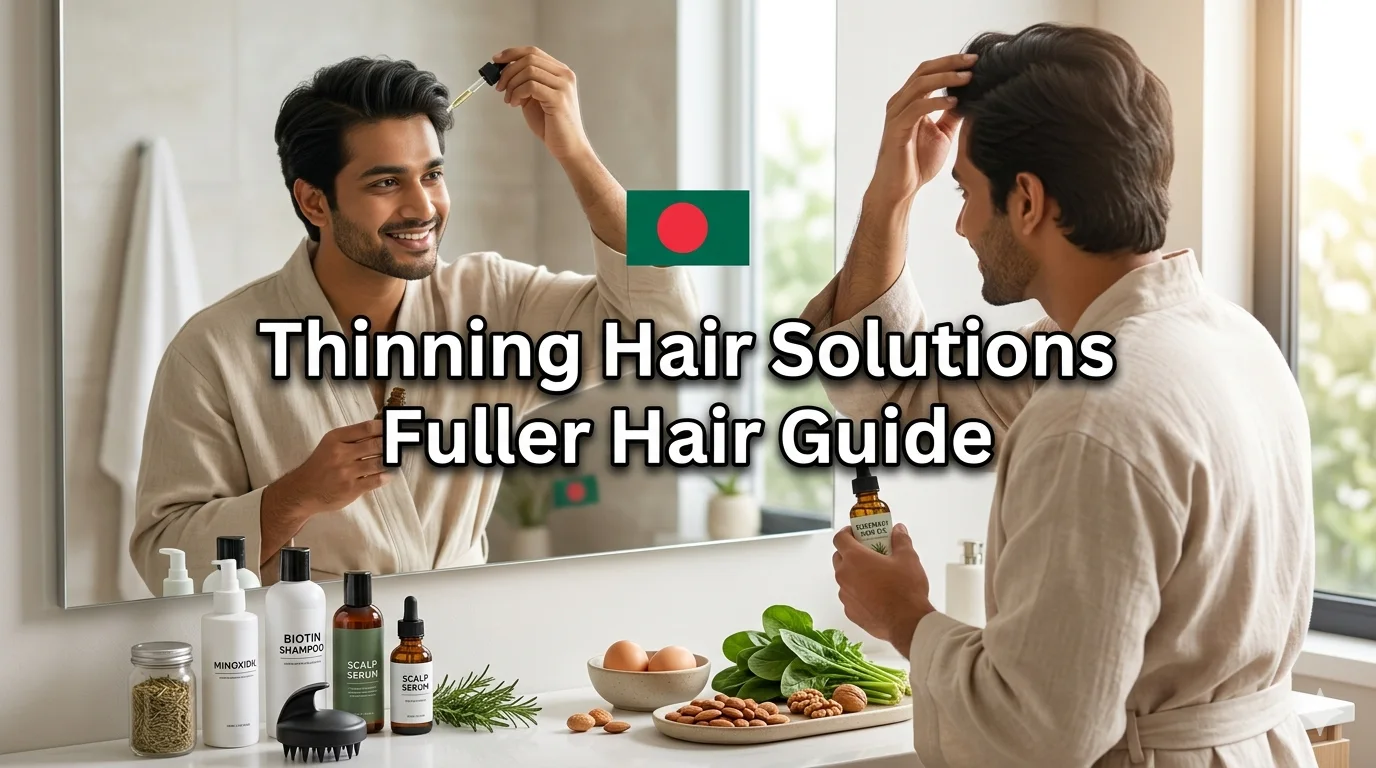
Noticing more hair in your brush, a widening part, or less volume than before can be deeply concerning. Hair thinning affects millions of people worldwide—men and women, young and old—and while it is a natural part of aging for many, it can also signal underlying health issues or be exacerbated by lifestyle factors. The good news? Thinning hair solutions exist that can promote regrowth, improve hair density, and create the appearance of fuller, healthier hair—often without invasive procedures or expensive treatments.
Whether your thinning is due to genetics, hormonal changes, stress, nutritional deficiencies, or styling habits, understanding the root cause is the first step toward effective treatment. This comprehensive guide provides science-backed strategies, practical routines, and realistic expectations for anyone seeking to address hair thinning and achieve fuller-looking hair. From evidence-based topical treatments and nutritional support to styling techniques and professional interventions, you will find actionable solutions tailored to different causes, hair types, and budgets.
By the end of this guide, you will have a clear roadmap to assess your hair thinning, select appropriate treatments, build a supportive hair care routine, and know when to seek professional help. While results take consistency and patience—typically 3-6 months for visible improvement—the journey toward healthier, fuller-looking hair is absolutely achievable with the right approach.
Understanding Hair Thinning: Causes and Types
Before selecting solutions, it is essential to understand what is causing your hair thinning. Different causes require different approaches.
Common Types of Hair Thinning
1. Androgenetic Alopecia (Pattern Hair Loss)
What it is: The most common cause of hair thinning, influenced by genetics and hormones (specifically dihydrotestosterone or DHT).
Appearance:
- Men: Receding hairline, thinning at crown, eventual balding patterns
- Women: Widening part, overall thinning on top of scalp, preserved frontal hairline
Why it happens: Hair follicles gradually shrink (miniaturize) due to genetic sensitivity to DHT, producing finer, shorter hairs with each growth cycle.
2. Telogen Effluvium (Temporary Shedding)
What it is: A temporary condition where significant stress pushes large numbers of hair follicles into the resting (telogen) phase, leading to increased shedding 2-4 months later.
Triggers:
- Physical stress: surgery, illness, rapid weight loss, childbirth
- Emotional stress: major life events, chronic anxiety
- Nutritional deficiencies: iron, vitamin D, protein, B vitamins
- Medications: certain antidepressants, blood pressure drugs, retinoids
- Hormonal changes: thyroid disorders, stopping birth control
Key feature: Usually reversible once the trigger is addressed; hair typically regrows within 6-12 months.
3. Alopecia Areata (Autoimmune)
What it is: An autoimmune condition where the immune system attacks hair follicles, causing patchy hair loss.
Appearance: Smooth, round patches of complete hair loss on scalp or body.
Important: Requires medical diagnosis and treatment; not addressed by over-the-counter solutions alone.
4. Traction Alopecia (Style-Induced)
What it is: Hair loss caused by prolonged tension on hair follicles from tight hairstyles.
Common causes: Tight ponytails, braids, extensions, weaves, or frequent use of harsh chemical treatments.
Prevention: Looser styles, protective styling, minimizing chemical processing.
5. Age-Related Thinning
What it is: Natural reduction in hair density and strand thickness with aging.
Why it happens: Hair growth cycles shorten, follicles produce finer hairs, and scalp circulation may decrease.
Management: Focus on optimizing scalp health, nutrition, and gentle care to maximize existing hair potential.
Featured snippet answer:
Hair thinning is commonly caused by androgenetic alopecia (genetic pattern loss), telogen effluvium (temporary shedding from stress or deficiency), or traction alopecia (from tight hairstyles). Treatment depends on the cause: minoxidil and DHT blockers for genetic loss, addressing triggers for telogen effluvium, and gentle styling for traction alopecia. Visible improvement typically takes 3-6 months of consistent treatment.
Effective Ingredients and Treatments for Thinning Hair
Not all hair loss solutions work for all causes. Here are the most evidence-backed options, categorized by mechanism.
Topical Treatments (Applied to Scalp)
1. Minoxidil (Rogaine)
How it works: A vasodilator that increases blood flow to hair follicles, prolongs the growth (anagen) phase, and may stimulate follicles to produce thicker hairs.
Evidence: FDA-approved for androgenetic alopecia; clinical studies show 30-40% of users experience moderate to significant regrowth after 4-6 months of consistent use.
How to use:
- Men: 5% solution or foam, twice daily
- Women: 2% solution twice daily or 5% foam once daily (check with doctor)
- Apply to dry scalp, not hair; allow to dry completely before styling
- Consistency is critical—results reverse if discontinued
What to expect: Initial shedding (2-8 weeks) is normal as follicles reset; visible regrowth typically appears at 3-4 months, with peak results at 6-12 months.
Side effects: Scalp irritation, unwanted facial hair (if product migrates), rare cardiovascular effects (consult doctor if you have heart conditions).
2. Ketoconazole Shampoo (Nizoral)
How it works: An antifungal that also has mild anti-androgenic properties, reducing scalp inflammation and DHT activity at the follicle level.
Evidence: Studies show 1-2% ketoconazole used 2-3 times weekly can improve hair density and reduce shedding, especially when combined with minoxidil.
How to use: Lather into scalp, leave for 3-5 minutes before rinsing; use 2-3 times weekly alongside regular shampoo.
Best for: Androgenetic alopecia, seborrheic dermatitis-related thinning.
3. Caffeine-Topical Solutions
How it works: Caffeine may counteract DHT effects on follicles and stimulate hair growth in laboratory studies.
Evidence: Emerging but promising; human studies are limited but show potential for reducing shedding and improving density.
How to use: Found in shampoos, serums, or leave-in treatments; apply as directed, typically daily.
Best for: Early-stage thinning, as adjunct to other treatments.
Oral Supplements and Medications
1. Biotin (Vitamin B7)
How it works: Supports keratin production, the protein that makes up hair.
Evidence: Effective primarily for people with biotin deficiency (rare); limited evidence for improving hair in non-deficient individuals.
Recommendation: Consider if you have brittle nails, hair breakage, or confirmed deficiency; typical dose 2.5-5 mg daily.
Caution: High doses can interfere with certain lab tests; consult doctor before starting.
2. Iron and Ferritin
How it works: Iron is essential for hair follicle cell division; low ferritin (stored iron) is linked to telogen effluvium, especially in women.
Evidence: Correcting iron deficiency (ferritin