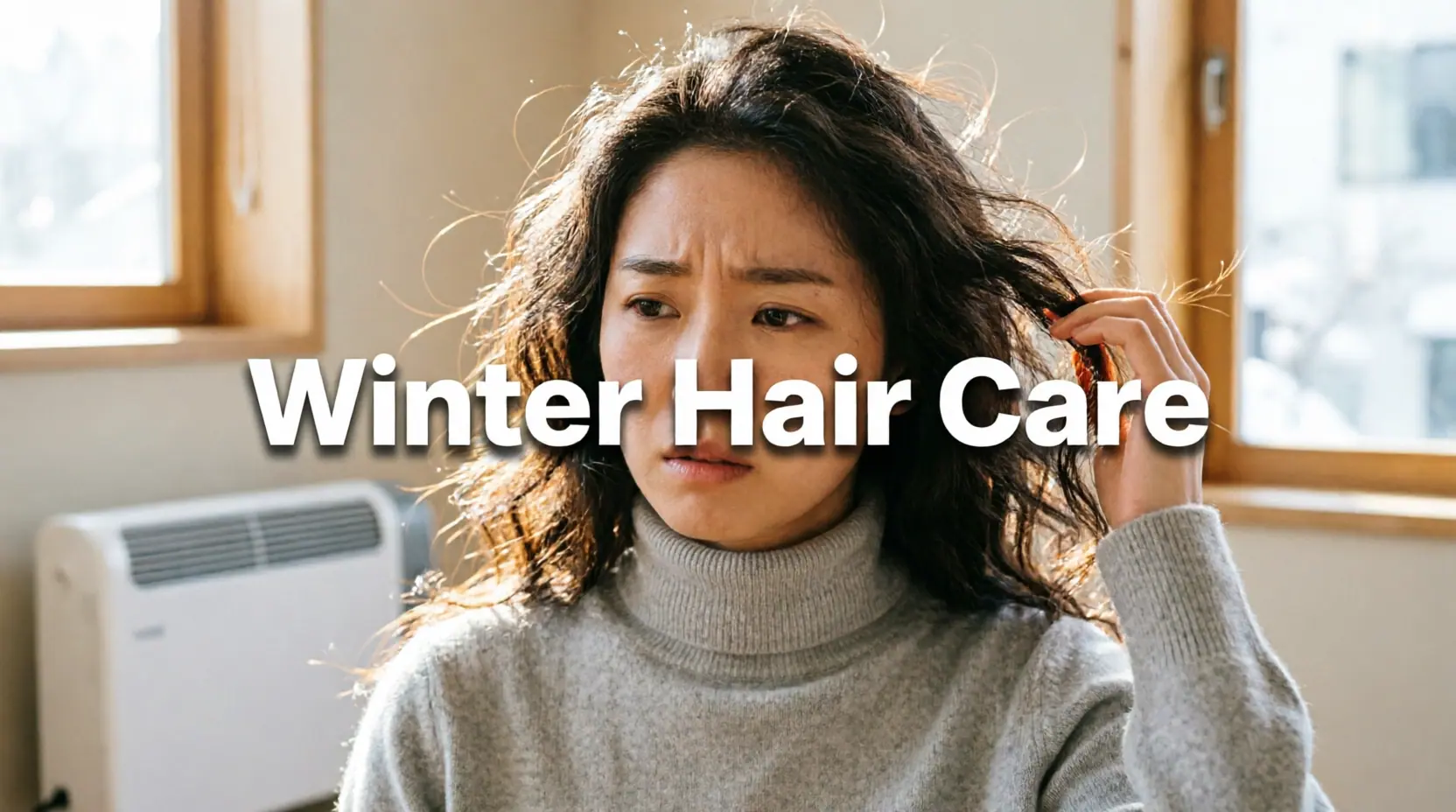
How Indoor Heating Seasons Affect Hair Health
Indoor heating systems create comfortable warmth during cold months, but they also significantly reduce indoor humidity levels, which can take a toll on hair health. Dry air from radiators, forced-air systems, and space heaters strips moisture from hair strands and scalp, leading to increased static, brittleness, breakage, and irritation. Understanding these effects empowers you to protect your hair throughout heating season.
Most women spend the majority of winter months in heated indoor environments, making this a seasonal challenge that requires proactive care. The good news: with targeted adjustments to your routine and environment, you can maintain healthy, resilient hair regardless of indoor climate conditions.
This guide explains how heating affects hair structure and scalp health, identifies common winter hair concerns, and provides actionable strategies to prevent and repair seasonal damage. Whether you're dealing with static flyaways, dry scalp, or increased breakage, these evidence-based insights will help you navigate heating season with confidence.
Why Indoor Heating Impacts Hair and Scalp
Featured answer: Indoor heating reduces relative humidity to 10-30 percent, far below the 40-60 percent ideal for hair and skin health. This dry environment increases transepidermal water loss from the scalp and evaporates moisture from hair shafts, leading to dryness, static electricity, cuticle damage, and increased breakage. Consistent protective care can mitigate these effects throughout heating season.
Heating systems work by warming air, which reduces its capacity to hold moisture. As indoor air becomes drier, it draws moisture from available sources—including your hair and scalp. This process happens gradually, making it easy to overlook until symptoms like frizz, static, or itching become noticeable.
Hair is particularly vulnerable because it cannot produce its own moisture. Unlike skin, which can adjust oil production, hair relies entirely on external hydration and protective products to maintain flexibility and strength. When indoor air is dry, these external supports become essential.
Common Hair Concerns During Heating Season
Dryness and Brittleness
Featured answer: Dry indoor air evaporates moisture from hair shafts, leaving strands dehydrated, rough, and prone to breakage. The cuticle layer lifts when moisture is lost, creating a rough texture that scatters light and appears dull. Consistent hydration through leave-in conditioners, oils, and humidifiers helps maintain hair flexibility and prevent seasonal brittleness.
Dehydrated hair loses elasticity, making it more likely to snap during brushing or styling. You may notice increased breakage at the ends or along the shaft, particularly if hair is chemically treated or heat-styled. This damage accumulates over weeks of exposure to dry air.
Signs of moisture-deficient hair include straw-like texture, difficulty detangling, excessive frizz, and lack of shine. These symptoms often worsen in the afternoon as indoor heating continues to dry the air throughout the day.
Static Electricity and Flyaways
Low humidity increases static electricity buildup on hair strands. When dry hair rubs against hats, scarves, pillowcases, or clothing, electrons transfer between surfaces, causing strands to repel each other and stand away from the head. This creates the frustrating "flyaway" effect common in winter months.
Static is more pronounced in fine or straight hair types, but all hair can be affected in sufficiently dry conditions. Synthetic fabrics like polyester and nylon generate more static than natural fibers, compounding the problem when wearing winter accessories.
While static doesn't directly damage hair structure, the friction that causes it can lift cuticles and contribute to breakage over time. Managing static also improves hair appearance and manageability during styling.
Scalp Dryness and Irritation
Featured answer: Dry indoor air depletes moisture from the scalp, potentially causing flakiness, itching, tightness, and increased sensitivity. A compromised scalp barrier may produce excess oil to compensate, leading to imbalance. Gentle cleansing, scalp hydration, and humidifier use support scalp health throughout heating season.
Scalp dryness differs from dandruff, which is typically caused by a yeast-like fungus. Dry scalp produces small, white flakes and feels tight or itchy. Dandruff flakes are larger, oilier, and may be accompanied by redness. Proper identification ensures appropriate treatment.
Heating season can exacerbate existing scalp conditions like eczema or psoriasis. If you experience persistent irritation, consult a dermatologist for targeted care alongside environmental adjustments.
Increased Breakage and Split Ends
Dehydrated hair is more fragile and prone to mechanical damage. Dry strands have reduced elasticity, meaning they break more easily when stretched during brushing, styling, or even normal movement. Split ends develop more quickly when cuticles are lifted and unprotected.
Breakage during heating season often concentrates at the ends, where hair is oldest and most vulnerable. However, severe dryness can cause breakage along the entire shaft. Regular trims and protective styling help minimize cumulative damage.
Chemically treated or heat-damaged hair is especially susceptible to seasonal breakage. These hair types require extra moisture and protein support to maintain integrity during dry months.
Understanding the Science: How Dry Air Affects Hair Structure
Cuticle Damage and Moisture Loss
Featured answer: Hair cuticles are overlapping scales that protect the inner cortex. Dry air causes cuticles to lift and separate, allowing moisture to escape and leaving the cortex vulnerable. This structural change reduces elasticity, increases friction, and creates a rough texture. Humectants, emollients, and occlusives in hair products help seal cuticles and retain moisture in dry conditions.
The cuticle layer functions like shingles on a roof: when intact and flat, it reflects light for shine and protects inner structures. When lifted or damaged, light scatters (causing dullness) and the cortex loses protection. Dry air accelerates this damage through repeated moisture cycling.
Humidity fluctuations—moving between dry heated indoors and cold outdoor air—cause hair to repeatedly swell and contract. This hygral fatigue weakens the hair shaft over time, contributing to breakage and reduced resilience.
Static Electricity Formation
Static occurs when dry air lacks sufficient moisture to conduct electrical charges away from hair strands. As hair rubs against other surfaces, electrons accumulate, creating repulsive forces between strands. Humidity above 40 percent allows charges to dissipate naturally, reducing static buildup.
Fine hair has less mass to weigh down static charges, making flyaways more noticeable. Curly or textured hair may experience less visible static but can still suffer from increased friction and breakage in dry conditions.
Anti-static products work by coating hair with ingredients that conduct charges or reduce friction. Natural oils, silicones, and cationic conditioners all help minimize static through different mechanisms.
Scalp Barrier Function
Featured answer: The scalp's acid mantle—a thin film of oils and sweat—protects against moisture loss and microbial growth. Dry indoor air disrupts this barrier, increasing transepidermal water loss and triggering inflammation. Supporting scalp health with gentle cleansing, hydration, and humidified air maintains barrier integrity during heating season.
When the scalp barrier is compromised, it may overproduce oil to compensate, leading to a cycle of dryness and greasiness. This imbalance can clog follicles and affect hair growth quality. Consistent, gentle care helps maintain equilibrium.
Scalp health directly influences hair quality. A well-hydrated, balanced scalp environment supports stronger, more resilient hair growth, even in challenging indoor climates.
Your Step-by-Step Winter Hair Care Routine
Morning Routine for Heated Indoor Environments
Featured answer: Start with a gentle, hydrating shampoo used 2-3 times weekly, follow with a rich conditioner focused on mid-lengths and ends, apply a leave-in conditioner or light oil to damp hair, and finish with a light-hold anti-static spray if needed. This sequence seals in moisture and creates a protective barrier against dry indoor air throughout the day.
- Gentle cleansing: Use a sulfate-free, moisturizing shampoo with ingredients like glycerin, panthenol, or natural oils. Massage scalp gently with fingertips, avoiding nails. Rinse with lukewarm—not hot—water to prevent further drying.
- Deep conditioning: Apply a rich conditioner containing shea butter, argan oil, or ceramides. Focus on mid-lengths and ends where hair is most vulnerable. Leave on for 3-5 minutes before rinsing thoroughly to replenish moisture and smooth cuticles.
- Leave-in protection: While hair is still damp, apply a leave-in conditioner or 2-3 drops of lightweight oil (argan, jojoba, or squalane). Distribute evenly with fingers or a wide-tooth comb. This seals in moisture and creates a barrier against dry air.
- Anti-static finish: If static is a concern, lightly mist with an anti-static spray or run a dryer sheet over the surface of dry hair. Avoid over-application, which can weigh hair down or cause buildup.
Evening Routine for Overnight Recovery
Featured answer: Evening care focuses on intensive hydration and protection while you sleep. Apply a nourishing hair mask or oil treatment 1-2 times weekly, detangle gently with a wide-tooth comb, and protect hair with a silk pillowcase or satin bonnet. These practices minimize overnight moisture loss and friction damage during heating season.
- Weekly deep treatment: Once or twice weekly, apply a rich hair mask or warm oil treatment to clean, damp hair. Cover with a shower cap and allow to penetrate for 15-20 minutes. Rinse thoroughly. This intensive hydration repairs seasonal dryness and strengthens strands.
- Gentle detangling: Always detangle on damp, conditioned hair using a wide-tooth comb. Start at the ends, working upward through small sections. Apply extra slip with leave-in conditioner if needed to minimize breakage.
- Nighttime protection: Sleep on a silk or satin pillowcase, or wrap hair in a satin bonnet or scarf. These smooth fabrics reduce friction, maintain moisture, and prevent static buildup overnight—a critical advantage in dry heated rooms.
- Scalp care: If scalp feels dry or itchy, massage a few drops of lightweight oil (jojoba or squalane) into the scalp before bed. This supports barrier function without weighing hair down.
Weekly Maintenance Practices
Incorporate these weekly habits to maintain hair health throughout heating season:
- Clarify monthly: Product buildup can trap dryness against hair. Use a gentle clarifying shampoo once monthly to remove residue, followed by deep conditioning.
- Trim regularly: Schedule trims every 8-12 weeks to remove split ends before they travel up the shaft. This maintains overall hair health during vulnerable months.
- Humidifier use: Run a cool-mist humidifier in your bedroom at night to maintain 40-60 percent humidity. This benefits both hair and skin while you sleep.
- Protective styling: Incorporate low-manipulation styles like loose braids or buns to minimize exposure to dry air and reduce friction from winter accessories.
Ingredients and Products That Combat Heating Season Damage
Humectants for Moisture Attraction
Featured answer: Humectants like glycerin, hyaluronic acid, and propylene glycol attract moisture from the environment to hair strands. In dry indoor air, pair humectants with emollients and occlusives to prevent them from drawing moisture out of hair. Look for balanced formulas that combine these ingredient types for optimal hydration during heating season.
Glycerin is a classic humectant that works well in moderate humidity. In very dry conditions (below 30 percent humidity), it may pull moisture from hair rather than air, so ensure formulas also contain sealing ingredients.
Hyaluronic acid holds up to 1000 times its weight in water and works effectively even in low humidity when paired with occlusives. It's lightweight and suitable for all hair types.
Emollients for Smoothness and Flexibility
Emollients like argan oil, jojoba oil, shea butter, and squalane fill gaps between cuticle scales, creating a smooth surface that reflects light and reduces friction. These ingredients improve manageability, reduce static, and help seal in moisture.
Lightweight oils (argan, jojoba, squalane) work well for fine or oily hair. Richer butters (shea, cocoa) benefit thick, coarse, or very dry hair. Choose textures that match your hair type to avoid weighing strands down.
Apply emollients to damp hair for best absorption. A few drops go a long way—start with a small amount and add more if needed to avoid buildup.
Occlusives for Moisture Retention
Featured answer: Occlusives like dimethicone, natural waxes, and heavier oils create a protective barrier that locks moisture into hair strands. They're essential in dry indoor environments to prevent evaporation. Use occlusive-containing products as the final step in your routine to seal in hydration from humectants and emollients.
Silicones like dimethicone provide excellent slip and static control without heavy buildup. Modern formulations are often water-soluble and rinse cleanly. If you prefer silicone-free options, look for plant waxes or heavier natural oils.
Occlusives are particularly important for the ends of hair, where cuticles are most damaged and moisture loss is greatest. Focus application on mid-lengths and ends rather than roots.
Protein for Strength and Repair
Dry, brittle hair benefits from periodic protein treatments that reinforce keratin structure. Hydrolyzed proteins (keratin, wheat, silk) penetrate the hair shaft to fill gaps and strengthen weakened areas. Use protein treatments every 4-6 weeks during heating season, always following with deep conditioning to maintain balance.
Signs you need protein include hair that feels mushy when wet, stretches excessively without returning, or breaks easily. If hair feels stiff or straw-like after protein, you may have overload—focus on moisture instead.
Protein needs vary by hair type and condition. Fine or chemically treated hair often benefits from more frequent protein support, while healthy virgin hair may need less.
Scalp-Soothing Ingredients
Featured answer: Ingredients like niacinamide, panthenol, aloe vera, and tea tree oil calm dry, irritated scalps common during heating season. Niacinamide supports barrier function, panthenol attracts moisture, aloe provides soothing hydration, and tea tree offers gentle antimicrobial benefits. Use scalp serums or gentle shampoos containing these ingredients to maintain scalp comfort.
Avoid harsh surfactants, high alcohol content, or strong fragrances in scalp products during dry months. These can further irritate compromised skin.
If scalp irritation persists despite gentle care, consult a dermatologist to rule out conditions like seborrheic dermatitis or contact dermatitis requiring targeted treatment.
Environmental Adjustments for Hair Health
Humidifier Use and Placement
Featured answer: Running a cool-mist humidifier in your bedroom at night maintains 40-60 percent humidity, reducing moisture loss from hair and scalp. Place the humidifier 3-6 feet from your bed, clean it weekly to prevent mold, and use distilled water to minimize mineral buildup. This simple environmental change significantly improves hair comfort during heating season.
Cool-mist humidifiers are safer than warm-mist models and equally effective for humidity control. Ultrasonic models are quiet and energy-efficient, making them ideal for bedroom use.
Monitor humidity with a hygrometer to ensure optimal levels. Above 60 percent humidity can promote mold growth; below 40 percent increases dryness risks.
Fabric and Accessory Choices
Natural fibers like cotton, wool, and silk generate less static than synthetic materials like polyester and nylon. Choose hats, scarves, and pillowcases made from natural or anti-static fabrics to reduce flyaways and friction damage.
If you prefer synthetic winter accessories, apply a light anti-static spray to the interior or line them with silk. This creates a barrier between synthetic fibers and your hair.
Silk or satin pillowcases and bonnets are particularly valuable for nighttime protection. They reduce friction, maintain moisture, and minimize static buildup while you sleep in dry heated rooms.
Temperature and Ventilation Balance
Featured answer: Avoid overheating indoor spaces, as higher temperatures further reduce relative humidity. Keep thermostat settings moderate (68-72°F) and ventilate briefly by opening windows for 5-10 minutes daily to exchange dry indoor air with fresher outdoor air. This balance supports both comfort and hair health during winter months.
Proper ventilation also reduces buildup of indoor pollutants that can settle on hair and scalp. Even brief window opening in cold weather provides benefits without significant heat loss.
If you use space heaters, position them away from where you sit or sleep to avoid direct exposure to extremely dry, hot air that accelerates moisture loss.
Customizing Care by Hair Type and Lifestyle
Fine or Straight Hair
Featured answer: Fine hair is prone to static and can be weighed down by heavy products. Use lightweight leave-in conditioners, anti-static sprays, and minimal oil application focused on ends. Avoid heavy butters that flatten volume. Humidifier use and silk pillowcases provide significant benefits without adding product buildup.
Fine hair shows static more visibly but also absorbs lightweight products efficiently. Choose water-based serums over oil-heavy formulas to maintain volume while controlling flyaways.
Protein needs are moderate—too much can make fine hair stiff. Use gentle protein conditioners rather than intensive reconstructors unless hair is chemically damaged.
Thick, Coarse, or Curly Hair
Thick and curly hair types often struggle with dryness during heating season. Prioritize rich conditioners, weekly deep treatments, and sealing with heavier oils or butters. The LOC (liquid, oil, cream) method helps layer moisture effectively. Protective styles like braids or twists minimize exposure to dry air.
Curly hair is naturally drier due to difficulty distributing scalp oils along the spiral shaft. Heating season intensifies this challenge, making consistent moisture essential. Use leave-in conditioners daily and refresh curls with water-based sprays between washes.
Heavier products work well for these hair types: shea butter, castor oil, and rich creams provide necessary emollience without overwhelming texture.
Chemically Treated or Color-Treated Hair
Featured answer: Chemically processed hair has compromised cuticles and requires extra moisture and protein support during heating season. Use sulfate-free shampoos, intensive conditioning treatments weekly, and bond-building products if available. Minimize heat styling and always use heat protectant. These practices preserve color vibrancy and prevent seasonal breakage.
Bleached or highlighted hair is particularly vulnerable to dryness. Incorporate purple or blue shampoos as needed to maintain tone, but follow with deep conditioning to counteract potential drying effects.
Extend time between chemical services during winter months to give hair recovery time. If you must color hair, ensure intensive conditioning before and after the service.
Active Lifestyles and Frequent Hat Wear
If you wear hats or helmets frequently during winter, protect hair with a silk liner or satin scarf underneath to reduce friction. Wash hats regularly to remove oil and product buildup that can transfer to hair. After removing headwear, gently detangle and refresh with a light leave-in conditioner.
Sweat combined with dry indoor air can create scalp irritation. Rinse hair after intense activity or use a gentle dry shampoo formulated for sensitive scalps.
Keep a travel-sized leave-in conditioner or anti-static spray in your bag for midday touch-ups after removing winter accessories.
Common Mistakes That Worsen Heating Season Damage
Featured answer: Common mistakes include using hot water for washing, over-washing with harsh shampoos, skipping conditioner, ignoring humidity control, and expecting products alone to solve environmental dryness. These habits compound moisture loss and increase breakage. Avoiding these mistakes while implementing gentle, consistent care preserves hair health throughout heating season.
- Hot water washing: Hot water strips natural oils and opens cuticles, increasing moisture loss. Always use lukewarm water for cleansing and finish with a cool rinse to seal cuticles.
- Over-washing: Washing daily with sulfate shampoos strips protective oils. Limit washing to 2-3 times weekly with gentle, moisturizing formulas.
- Skipping leave-in products: Rinse-out conditioner isn't enough in dry conditions. Leave-in products provide ongoing protection between washes.
- Ignoring humidity: Products alone can't overcome extremely dry air. Use a humidifier to address the environmental root cause.
- Overusing heat styling: Heat compounds dryness. Reduce heat frequency and always use protectant during heating season.
- Neglecting scalp care: Scalp health affects hair quality. Include gentle scalp massage and hydration in your routine.
- Expecting overnight fixes: Hair recovery takes weeks. Consistency with protective practices yields better results than occasional intensive treatments.
Expert Tips for Winter Hair Resilience
Protecting hair during heating season requires strategic, consistent care. These expert strategies optimize your efforts:
- Layer products strategically: Apply from thinnest to thickest consistency: water-based serums first, then light oils, finishing with heavier creams or butters on ends. This ensures each product can work effectively without pilling.
- Focus on ends: Hair ends are oldest and most damaged. Concentrate conditioning and sealing products on mid-lengths and ends rather than roots to avoid weighing hair down.
- Refresh between washes: Use a water-based leave-in spray or light oil to refresh hair on non-wash days. This maintains hydration without over-cleansing.
- Protect before exposure: Apply anti-static spray or light oil before putting on hats or scarves. This creates a barrier that reduces friction and static buildup.
- Monitor product buildup: Dry air can make buildup more noticeable. Clarify monthly and ensure thorough rinsing to prevent residue that traps dryness against hair.
- Adjust seasonally: Your summer routine may not work in winter. Be willing to switch to richer products and add humidity control as temperatures drop.
- Be patient: Hair improvements take weeks to appear. Track progress with monthly photos rather than daily mirror checks to stay motivated.
Frequently Asked Questions
How can I reduce static hair during heating season
Featured answer: Reduce static by maintaining 40-60 percent humidity with a humidifier, using leave-in conditioners or light oils to seal moisture, choosing natural fiber accessories, and applying anti-static spray as needed. Silk pillowcases and gentle detangling also minimize static buildup. Consistent hydration is the most effective long-term solution.
Should I wash hair more or less in winter
Most hair types benefit from washing less frequently during heating season—2-3 times weekly is usually sufficient. Over-washing strips natural oils that protect against dryness. If your scalp feels oily between washes, use dry shampoo focused on roots rather than washing entire head.
Can indoor heating cause hair loss
Featured answer: Indoor heating doesn't directly cause hair loss from follicles, but dryness-induced breakage can make hair appear thinner. Breakage occurs along the shaft rather than at the root. Preventing dryness through humidity control and protective care minimizes seasonal breakage and maintains hair density.
Do I need different products for winter hair care
Many people benefit from adjusting products seasonally. In winter, richer conditioners, leave-in treatments, and sealing oils help combat dryness. You may not need entirely new products—sometimes using existing products more frequently or layering them differently provides sufficient adjustment.
How long does it take to repair heating season damage
Featured answer: Visible improvement in dryness and breakage typically appears after 4-6 weeks of consistent protective care. Significant repair of damaged ends requires regular trims over 2-3 months. New growth will be healthier with ongoing preventive care. Patience and consistency yield the best results.
Is a humidifier really necessary for hair health
While not absolutely necessary, humidifiers significantly improve hair comfort in dry heated environments. If you experience persistent dryness, static, or scalp irritation despite good product use, a humidifier addresses the environmental root cause. It benefits skin and respiratory health too, making it a worthwhile investment for many.
Your Action Plan for Heating Season Hair Health
Start with one or two changes this week rather than overhauling your entire routine. Perhaps begin with adding a leave-in conditioner or investing in a silk pillowcase. Once these become habits, introduce a humidifier or adjust your washing frequency.
Week one: Switch to a sulfate-free, moisturizing shampoo and apply leave-in conditioner to damp hair after every wash.
Week two: Add a weekly deep conditioning treatment and start using lukewarm (not hot) water for washing.
Week three: Introduce a humidifier in your bedroom or begin using anti-static spray before wearing winter accessories.
Week four: Schedule a trim if you haven't had one in over 12 weeks, and evaluate which products are working best for your hair type.
Remember: protecting hair during heating season is about consistent, preventive care rather than dramatic fixes. Small daily actions compound into significant protection over time.
Your hair can thrive even in dry indoor environments with the right support. Be patient with the process, listen to your hair's needs, and adjust your routine as seasons change. With intentional care, you can maintain healthy, resilient hair year-round.