Why Hair Loses Elasticity Gradually Over Time
Hair elasticity, the ability of hair strands to stretch and return to their original length without breaking, naturally declines with age and environmental exposure. Healthy hair can stretch up to 30 percent of its original length when wet and snap back without damage. When elasticity diminishes, hair becomes brittle, breaks easily, and loses its natural bounce and movement.
Understanding why elasticity decreases empowers you to take preventive action and restore your hair's resilience. While some decline is inevitable with aging, many factors are within your control. With proper care, nutrition, and targeted treatments, you can maintain or improve your hair's elasticity at any age.
Why Hair Elasticity Matters for Healthy Hair
Featured answer: Hair elasticity indicates overall hair health and strength. Good elasticity means your hair can withstand daily manipulation, styling, and environmental stress without breaking. Poor elasticity leads to frequent breakage, split ends, and inability to hold styles. Maintaining elasticity is essential for length retention and achieving your hair goals.
Elasticity reflects the balance between protein and moisture in your hair shaft. When this balance is disrupted, hair becomes either too rigid and brittle or too soft and weak. Both extremes result in breakage and compromised hair health. Monitoring your hair's elasticity helps you adjust your care routine before serious damage occurs.
Unlike skin, hair is dead tissue once it emerges from the scalp. This means you cannot repair damaged hair, only prevent further damage and support new growth with better elasticity. This makes prevention and early intervention crucial for maintaining hair quality.
The Science of Hair Elasticity
Hair Structure and Elastic Properties
Featured answer: Hair elasticity depends on the cortex, the inner layer containing keratin proteins and disulfide bonds that provide strength and flexibility. The outer cuticle layer protects the cortex. When cuticles are damaged, moisture escapes and proteins weaken, reducing elasticity. Healthy cuticles and balanced protein-moisture content maintain optimal elasticity.
Each hair strand consists of three layers: the cuticle (outer protective layer), cortex (middle layer with keratin and pigment), and medulla (innermost core, not always present). The cortex contains long protein chains held together by hydrogen bonds, salt bonds, and disulfide bonds. These bonds allow hair to stretch and return to shape.
Hydrogen bonds break and reform easily with water and heat, allowing temporary styling changes. Disulfide bonds are stronger and require chemical processes to break, providing permanent structural integrity. When these bonds are compromised through damage, elasticity declines.
Protein and Moisture Balance
Elasticity requires a precise balance between protein (keratin) and moisture (water content). Protein provides structure and strength, while moisture provides flexibility and pliability. Too much protein makes hair stiff and brittle with low elasticity. Too much moisture without adequate protein makes hair overly soft, mushy, and prone to breakage when stretched.
The ideal balance varies by hair type, texture, and condition. Fine hair typically needs less protein than coarse hair. Chemically treated hair requires more protein to rebuild damaged bonds. Understanding your hair's specific needs helps you maintain optimal elasticity.
Primary Causes of Gradual Elasticity Loss
Age-Related Changes
Featured answer: Hair elasticity naturally declines with age due to reduced sebum production, slower cell turnover, and decreased protein synthesis. After age 40, hair becomes drier, thinner, and less elastic. Hormonal changes during menopause accelerate this process. While aging cannot be stopped, targeted care can slow elasticity loss and maintain hair quality longer.
As you age, scalp oil glands produce less sebum, the natural conditioner that keeps hair flexible. Reduced blood circulation to hair follicles means fewer nutrients reach growing hair. Hormonal shifts, particularly declining estrogen during perimenopause and menopause, affect hair texture, thickness, and elasticity.
Older hair also has more cumulative damage from years of styling, coloring, and environmental exposure. This damage compounds over time, making elasticity decline more noticeable. Starting preventive care early helps maintain elasticity as you age.
Heat Styling Damage
Frequent use of flat irons, curling wands, and blow dryers at high temperatures damages the cuticle and denatures keratin proteins. Heat above 300°F can cause bubbles to form within the hair shaft, permanently weakening structure and reducing elasticity. Repeated heat exposure creates cumulative damage that progressively diminishes hair's ability to stretch and recover.
Heat styling also evaporates natural moisture from hair, leaving it dry and brittle. Without adequate moisture, hair loses flexibility and snaps under tension. The combination of protein damage and moisture loss creates a double assault on elasticity.
Using heat protectants helps but doesn't eliminate damage entirely. The most effective strategy is reducing heat frequency, lowering temperatures, and incorporating heat-free styling methods to give hair time to recover.
Chemical Processing
Featured answer: Chemical treatments like coloring, bleaching, perming, and relaxing break disulfide bonds to alter hair structure. While this achieves desired changes, it permanently weakens hair's elastic properties. Bleaching is particularly damaging, removing melanin and proteins simultaneously. Multiple chemical services compound damage, making elasticity loss progressive and cumulative over time.
Hair coloring, especially bleaching, oxidizes melanin and damages keratin proteins. The alkaline agents in color lift cuticles, allowing color penetration but also causing moisture loss and protein degradation. Each chemical service removes some of hair's natural resilience.
Perms and relaxers chemically restructure hair bonds to create curls or straighten texture. These processes break and reform disulfide bonds, permanently altering hair's natural elasticity. Over-processed hair may never fully recover its original elastic properties.
Minimizing chemical services, extending time between treatments, and using intensive protein and moisture treatments between services helps preserve remaining elasticity.
Environmental Stressors
UV radiation from sun exposure breaks down keratin proteins and degrades hair's structural integrity. Chlorine from swimming pools strips natural oils and causes protein loss. Salt water dehydrates hair and creates friction that damages cuticles. Pollution particles accumulate on hair, generating free radicals that damage proteins and lipids.
These environmental factors cause oxidative stress that weakens hair bonds over time. Unlike acute damage from heat or chemicals, environmental damage accumulates gradually, making it easy to overlook until elasticity significantly declines.
Protection strategies include wearing hats outdoors, rinsing hair before and after swimming, using leave-in conditioners with UV filters, and clarifying regularly to remove pollutant buildup.
Mechanical Damage
Featured answer: Rough brushing, tight hairstyles, towel drying, and friction from cotton pillowcases cause physical damage that weakens hair structure. Wet hair is most vulnerable, stretching more easily but breaking with less force. Habitual mechanical stress creates micro-fractures in the cuticle that accumulate over time, progressively reducing elasticity and increasing breakage.
Brushing hair when wet, especially with fine-toothed combs, causes excessive stretching that can exceed hair's elastic limit, leading to breakage. Tight ponytails, braids, and buns create tension that stresses hair shafts and follicles, causing traction alopecia and weakened elasticity at stress points.
Rough towel drying with terry cloth creates friction that lifts and damages cuticles. Sleeping on cotton pillowcases causes friction that weakens hair overnight. These daily habits cause cumulative damage that gradually diminishes elasticity.
Gentler practices like using wide-tooth combs on damp hair, microfiber towels or cotton t-shirts for drying, silk or satin pillowcases, and loose hairstyles preserve elasticity.
Nutritional Deficiencies
Hair requires adequate protein, biotin, iron, zinc, omega-3 fatty acids, and vitamins A, C, D, and E for optimal elasticity. Deficiencies in these nutrients weaken hair structure, reduce moisture retention, and impair protein synthesis. Poor nutrition manifests in hair 2-3 months after deficiencies begin, causing progressive elasticity loss.
Protein deficiency is particularly damaging since hair is 80-90 percent keratin. Without adequate amino acids, hair grows weaker with poor elasticity. Iron deficiency reduces oxygen delivery to follicles, affecting hair quality. Omega-3 deficiency causes dryness and brittleness.
Correcting nutritional deficiencies takes 3-6 months to show in new hair growth. Consistent adequate nutrition supports better elasticity in hair growing after deficiencies are resolved.
Signs Your Hair Is Losing Elasticity
The Stretch Test
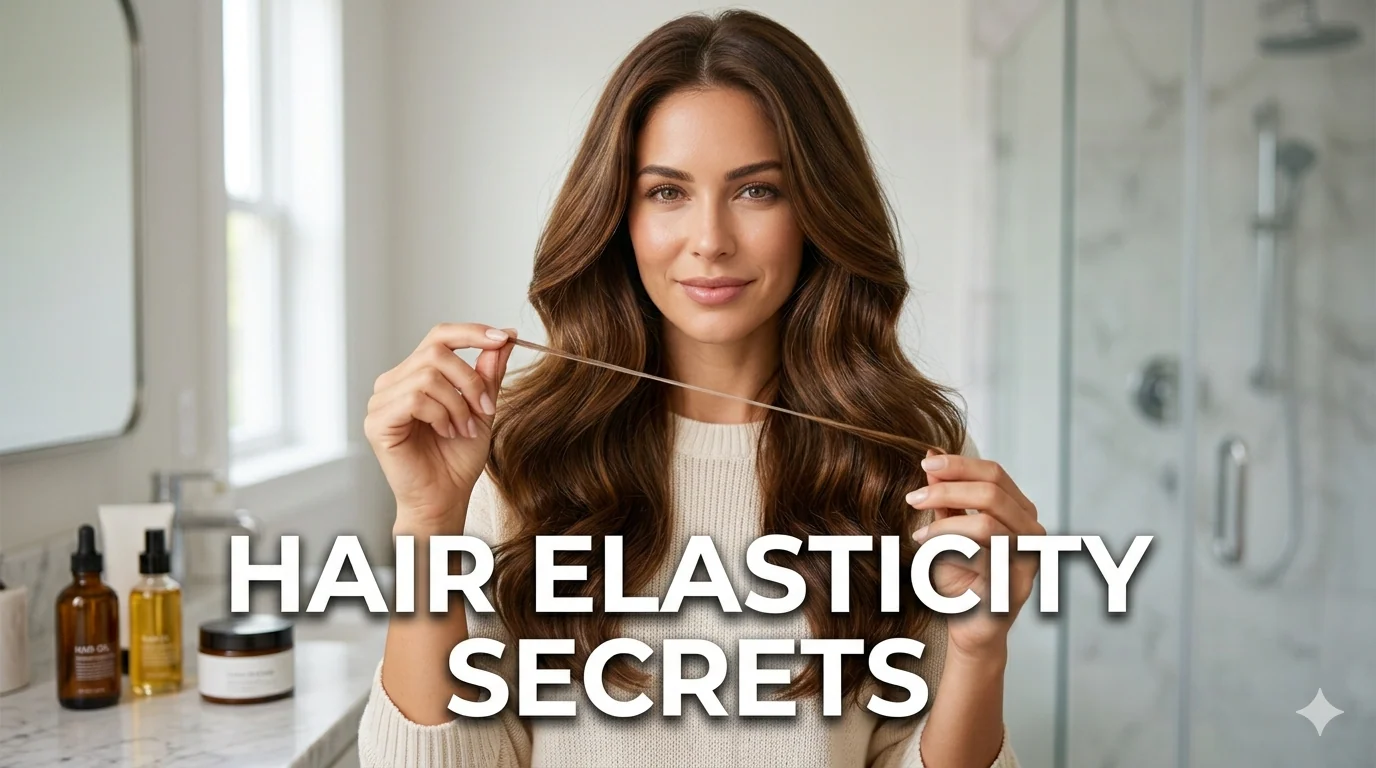
Featured answer: To test elasticity, take a single strand of clean, wet hair and gently stretch it. Healthy hair stretches 30-50 percent of its original length and returns without breaking. Low elasticity hair stretches minimally and snaps immediately or stretches excessively without returning, breaking easily. Test multiple strands from different areas for accurate assessment.
Perform the stretch test on clean, conditioned hair when wet, as this is when hair is most elastic. Take strands from different areas of your head, as damage may vary. Normal elasticity shows moderate stretch with return to original length. Poor elasticity shows either no stretch (protein overload or severe damage) or excessive stretch without return (moisture overload or bond damage).
Test monthly to monitor changes. Improvement indicates your care routine is working. Declining elasticity signals need for routine adjustment or professional evaluation.
Increased Breakage
Noticeable increase in hair breakage during brushing, styling, or even gentle manipulation indicates declining elasticity. You may find short broken hairs on your pillow, in the shower drain, or on your clothes. Breakage occurs at various lengths rather than just at the ends, suggesting structural weakness throughout the shaft.
Breakage differs from normal shedding. Shed hairs have white bulbs at the root and are full length. Broken hairs are shorter, lack bulbs, and have frayed or split ends. Tracking the type and amount of hair loss helps identify elasticity issues versus other causes.
Difficulty Holding Styles
Featured answer: Hair with poor elasticity struggles to hold curls, waves, or straight styles. Curls fall out quickly, or hair won't stay straight. This happens because damaged bonds cannot maintain new configurations. If your styles don't last as long as they used to despite using the same products and techniques, declining elasticity may be the cause.
Healthy hair with good elasticity can be styled and maintain that style until exposed to moisture or heat. Damaged hair with compromised bonds reverts quickly or won't hold the desired shape. This frustration often signals underlying elasticity issues.
Dry, Brittle Texture
Hair that feels dry, rough, or straw-like despite regular conditioning indicates moisture deficiency and protein damage that reduce elasticity. The cuticle layer is likely lifted or damaged, allowing moisture to escape and leaving hair inflexible. Brittle hair snaps easily when combed or styled.
This texture change develops gradually, making it easy to normalize. Compare your current hair texture to photos from months or years ago. Significant changes suggest progressive damage affecting elasticity.
Split Ends and Single-Strand Knots
Frequent split ends that appear soon after trims and single-strand knots (fairy knots) indicate weak, damaged hair with poor elasticity. When hair lacks flexibility, it's more prone to tangling and breaking. Split ends travel up the shaft if not trimmed, causing further damage.
While split ends don't directly measure elasticity, their frequency indicates overall hair health and structural integrity. Healthy, elastic hair resists splitting and knotting better than damaged hair.
Restoring and Maintaining Hair Elasticity
Protein Treatments
Featured answer: Protein treatments rebuild damaged keratin structure and strengthen hair bonds, improving elasticity. Use hydrolyzed protein products that penetrate the hair shaft. Apply protein treatments every 4-6 weeks for moderately damaged hair, or every 2-3 weeks for severely damaged hair. Always follow with deep conditioning to maintain protein-moisture balance and prevent brittleness.
Hydrolyzed proteins (keratin, wheat, silk, soy) have small molecular weights that penetrate the hair shaft, filling in gaps in the cortex and reinforcing damaged areas. These treatments temporarily restore elasticity by rebuilding protein structure.
Overuse of protein causes overload, making hair stiff and brittle. Signs of protein overload include hair that feels straw-like, tangles easily, and breaks when stretched. If this occurs, discontinue protein treatments and focus on moisture until balance is restored.
Choose protein treatments based on damage level: light protein conditioners for maintenance, moderate protein treatments for color-treated or heat-damaged hair, and intensive reconstructors for severely damaged or chemically processed hair.
Deep Conditioning and Moisture
Deep conditioning restores moisture, improves flexibility, and maintains elasticity. Use rich, emollient conditioners with ingredients like shea butter, coconut oil, argan oil, and glycerin. Apply weekly or bi-weekly, leaving on for 15-30 minutes with heat for deeper penetration. Moisturized hair maintains better elasticity and resists breakage.
The moisture-protein balance is individual and may require experimentation. If hair feels mushy or overly soft when wet and breaks easily, you need more protein. If hair feels stiff and brittle, you need more moisture. Adjust your routine based on how your hair responds.
Leave-in conditioners provide ongoing moisture between wash days. Apply to damp hair after washing, focusing on mid-lengths and ends. This maintains hydration and elasticity throughout the week.
Heat Protection and Reduction
Featured answer: Always use heat protectant sprays or serums before heat styling. These create a barrier that reduces protein damage and moisture loss. Lower heat settings (below 350°F) cause less damage. Incorporate heat-free styling methods like air drying, braids, twists, or rollers to give hair recovery time. Limit heat styling to 2-3 times weekly maximum.
Heat protectants contain polymers and silicones that coat hair, reducing direct heat exposure and friction. They don't prevent all damage but significantly reduce it. Apply evenly to clean, damp or dry hair before any heat styling.
Reducing heat frequency allows hair to recover. Try air-drying with styling products designed for natural texture, or use heat-free methods like overnight braids for waves, flexi rods for curls, or wrap techniques for smoothness.
When you do use heat, invest in quality tools with precise temperature control and ceramic or tourmaline technology that distributes heat evenly, reducing hot spots that cause damage.
Gentle Handling Practices
Adopt gentle handling practices to preserve elasticity: detangle with wide-tooth combs starting from ends and working up, use microfiber towels or cotton t-shirts to dry hair, sleep on silk or satin pillowcases, avoid tight hairstyles, and minimize brushing. These practices reduce mechanical stress that gradually weakens hair.
Wet hair is most vulnerable to damage. Always detangle gently when hair is damp and coated with conditioner, never when soaking wet or dry. Use your fingers or a wide-tooth comb, working through small sections patiently.
Protective styles like loose braids, buns, or silk wraps minimize daily manipulation and friction. However, ensure styles aren't too tight, which causes traction damage. Vary style placement to avoid constant stress on the same areas.
Nutritional Support
Featured answer: Support hair elasticity from within with adequate protein (0.8-1.2g per kg body weight), omega-3 fatty acids from fish or flaxseed, biotin from eggs and nuts, iron from leafy greens and lean meats, and vitamins C and E for collagen support. Stay hydrated with 2-3 liters of water daily. Nutritional improvements take 3-6 months to show in new hair growth.
Protein provides the building blocks for keratin. Include complete proteins like eggs, fish, lean meats, or plant combinations like beans and rice. Aim for protein at every meal for consistent amino acid supply.
Omega-3 fatty acids maintain scalp health and hair moisture. Eat fatty fish twice weekly or take 1,000 mg fish oil supplements. Vegetarians can use algae-based DHA supplements.
Biotin, iron, zinc, and vitamins support hair structure and growth. A balanced diet with colorful vegetables, lean proteins, whole grains, and healthy fats provides these nutrients. Consider a multivitamin if your diet is inconsistent, but prioritize food sources.
Regular Trims
Regular trims every 8-12 weeks remove split ends before they travel up the shaft, preventing further damage. While trims don't directly improve elasticity of existing hair, they prevent compromised ends from weakening the entire strand and allow you to maintain healthier hair overall.
Don't skip trims trying to grow hair longer. Split ends cause breakage that prevents length retention. Healthy hair with regular trims actually grows longer because it retains length better.
Customizing Care by Hair Type
Fine or Thin Hair
Featured answer: Fine hair is more fragile and prone to breakage, requiring gentle protein treatments and lightweight moisture. Use hydrolyzed protein conditioners weekly and avoid heavy oils that weigh hair down. Focus on scalp health for optimal growth. Limit heat styling and use low temperatures. Fine hair shows damage quickly, so prevention is essential for maintaining elasticity.
Fine hair has a smaller diameter, making it more susceptible to damage. Use lightweight products that strengthen without buildup. Avoid heavy butters and oils that can make fine hair limp and greasy.
Protein needs are moderate—too much makes fine hair stiff and brittle. Use gentle protein conditioners rather than intensive reconstructors unless hair is severely damaged.
Thick or Coarse Hair
Thick, coarse hair can tolerate more protein and heavier moisturizers. Use intensive protein treatments monthly and deep condition weekly. Coarse hair often needs more moisture to maintain elasticity. Heavy creams, butters, and oils work well. Don't skip protein, as coarse hair needs strength to prevent breakage despite its apparent thickness.
Coarse hair has a larger diameter but can still lack elasticity if protein-moisture balance is off. It often feels dry and needs rich emollients to maintain flexibility.
Curly or Textured Hair
Featured answer: Curly and textured hair is naturally drier and more prone to breakage due to difficulty distributing natural oils. Prioritize moisture with regular deep conditioning, use protein treatments every 4-6 weeks, and seal moisture with oils. Detangle gently when wet with conditioner. Minimize manipulation and heat styling. Protective styles help retain length and elasticity.
Curl pattern affects elasticity needs. Tighter curls need more moisture and gentle handling. The spiral structure makes it harder for natural oils to travel down the shaft, requiring more intensive moisturizing.
Use the LOC (liquid, oil, cream) or LCO (liquid, cream, oil) method to layer moisture and seal it in. This maintains elasticity between wash days.
Chemically Treated Hair
Color-treated, bleached, permed, or relaxed hair has compromised elasticity and needs intensive care. Use protein treatments every 2-3 weeks, deep condition weekly, and minimize additional chemical processing. Bleached hair needs the most intensive reconstruction. Extend time between color services and use bond-building treatments to preserve elasticity.
Chemical processing breaks bonds permanently, so focus on preventing further damage and supporting new growth. Bond-building treatments like Olaplex or K18 can help repair some disulfide bond damage.
Common Mistakes That Worsen Elasticity
Featured answer: Common mistakes include overusing protein treatments, skipping deep conditioning, excessive heat styling without protection, brushing wet hair roughly, ignoring split ends, and poor nutrition. These habits compound damage and accelerate elasticity loss. Avoiding these mistakes while implementing proper care preserves and gradually restores hair elasticity over 3-6 months.
- Protein overload: Using protein treatments too frequently makes hair stiff and brittle. Balance protein with moisture, adjusting based on how your hair responds.
- Moisture overload: Too much moisture without protein makes hair mushy and weak. If hair stretches excessively and doesn't return, add protein.
- Heat damage: Daily heat styling at high temperatures without protectant destroys elasticity. Reduce frequency and temperature, always use protectant.
- Rough handling: Aggressive brushing, tight styles, and friction damage cuticles. Handle hair gently, especially when wet.
- Skipping trims: Letting split ends travel causes further damage. Trim regularly to maintain hair health.
- Poor nutrition: Inadequate protein and nutrients weaken hair from within. Eat a balanced diet to support hair health.
- Ignoring underlying issues: Hormonal imbalances, thyroid problems, and medical conditions affect hair elasticity. Consult a professional if elasticity loss is sudden or severe.
Expert Tips for Long-Term Elasticity
Maintaining hair elasticity requires consistent, long-term care rather than quick fixes. These expert strategies support lasting hair health:
- Listen to your hair: Your hair's needs change with seasons, health, and age. Adjust your routine based on how your hair feels and responds rather than following rigid schedules.
- Prevent before you repair: It's easier to maintain elasticity than restore it. Protect hair proactively with gentle practices, heat protection, and regular conditioning.
- Be patient: Hair grows about half an inch monthly. Improving elasticity takes 3-6 months to show in new growth. Consistency matters more than intensity.
- Document progress: Take monthly photos and notes on how your hair feels. Subtle improvements become visible over time, maintaining motivation.
- Invest in quality: Good tools, quality products, and professional treatments when needed are investments in long-term hair health.
- Protect at night: Sleep on silk or satin pillowcases, or wrap hair in a silk scarf. This reduces friction and moisture loss overnight.
- Clarify regularly: Product buildup prevents moisture and nutrients from penetrating hair. Clarify monthly with a gentle clarifying shampoo.
- Manage stress: Chronic stress affects hair health and can cause shedding. Practice stress management for overall hair wellness.
Frequently Asked Questions
Can you completely restore lost hair elasticity
Featured answer: You can significantly improve hair elasticity with proper care, but severely damaged hair may never fully return to its original state. Hair that has grown out after damage occurred will have better elasticity. Focus on preventing further damage, supporting new growth with proper nutrition and care, and trimming damaged ends. Expect 3-6 months to see meaningful improvement.
How often should I do protein treatments
Frequency depends on damage level and hair type. For healthy hair, use light protein conditioner weekly or bi-weekly. For moderately damaged hair, use moderate protein treatment every 4-6 weeks. For severely damaged or chemically processed hair, use intensive protein treatment every 2-3 weeks. Always follow with deep conditioning and adjust based on how your hair responds.
Does cutting hair improve elasticity
Featured answer: Trimming doesn't improve elasticity of existing hair, but it removes damaged ends that can cause further breakage and splitting. Regular trims every 8-12 weeks prevent damage from traveling up the shaft, allowing you to maintain healthier hair overall. New growth from the scalp determines elasticity, so focus on scalp health and proper care.
Can low elasticity hair grow long
Yes, but it's challenging. Low elasticity hair breaks easily, preventing length retention. Focus on restoring elasticity through protein-moisture balance, gentle handling, and protective styling while maintaining regular trims. As elasticity improves, length retention becomes easier. Patience and consistency are essential.
What vitamins help hair elasticity
Featured answer: Biotin, vitamins C and E, vitamin D, and B-complex vitamins support hair structure and elasticity. Minerals like iron, zinc, and selenium are also important. Omega-3 fatty acids maintain moisture and flexibility. However, supplements only help if you're deficient. Prioritize a balanced diet rich in protein, fruits, vegetables, and healthy fats for comprehensive nutritional support.
Is low elasticity permanent
Damage to existing hair is permanent since hair is dead tissue, but you can prevent further damage and new growth will have better elasticity with proper care. Hormonal or medical causes may be reversible with treatment. Focus on protecting existing hair while supporting healthy new growth through nutrition, gentle care, and avoiding damaging practices.
Your Action Plan for Better Elasticity
Start by assessing your current hair condition with the stretch test and identifying areas needing improvement. Implement one or two changes at a time rather than overhauling everything at once. Perhaps begin with weekly deep conditioning and reducing heat styling frequency. Once these become habits, add protein treatments or improve your nutrition.
Track your progress monthly with photos and notes on how your hair feels. Celebrate small improvements—they add up to significant change over time. Remember that hair transformation is a marathon, not a sprint. Consistency with gentle, nourishing care yields better results than aggressive treatments.
Be patient with yourself and your hair. Elasticity loss happened gradually over months or years, and restoration takes time. Trust the process, stay consistent, and your hair will reward you with improved strength, flexibility, and health.