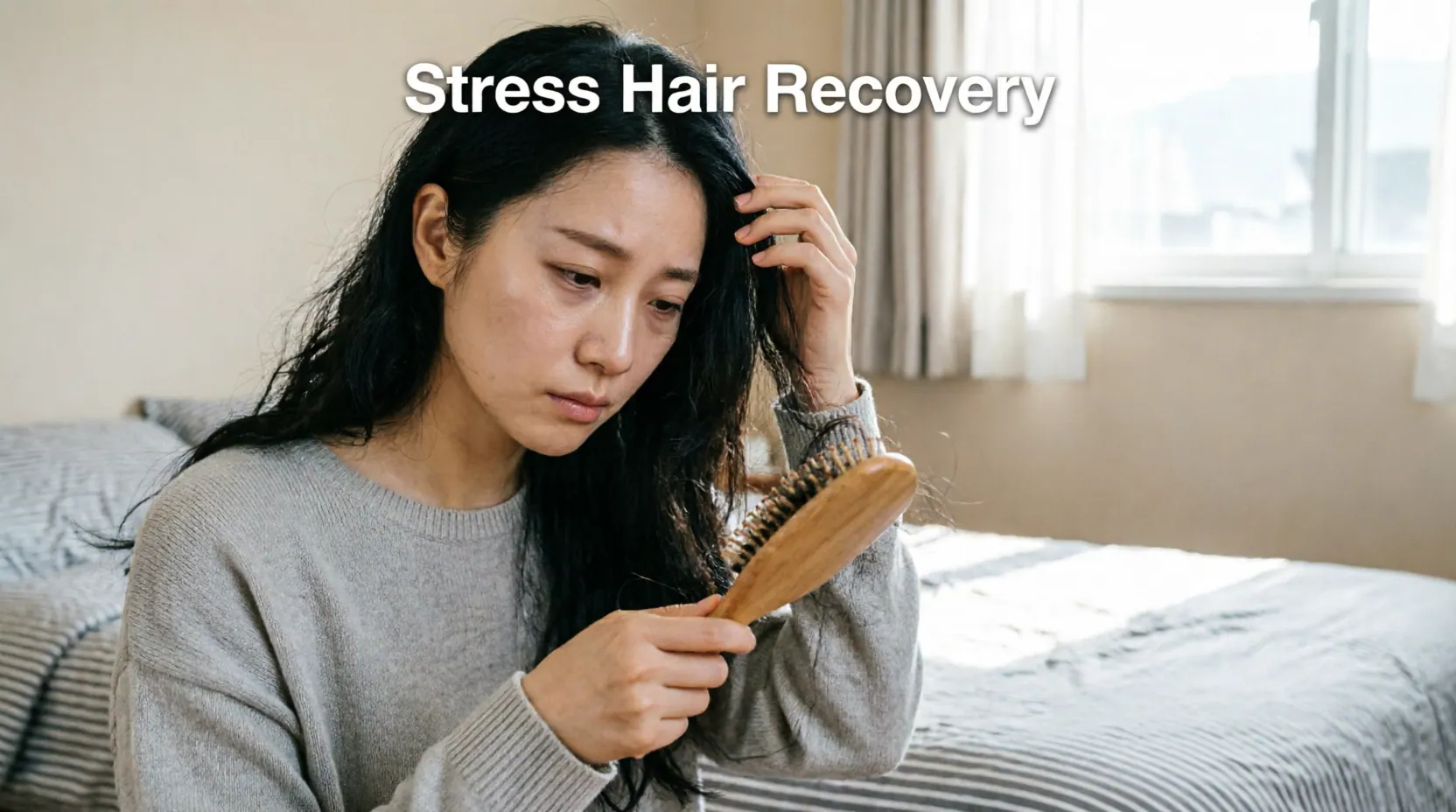
Why Hair Feels Weak After Stressful Periods
Hair weakness following stressful periods is a common yet often misunderstood experience. When you endure prolonged stress—whether from work pressures, emotional challenges, illness, or major life changes—your hair may suddenly feel brittle, shed excessively, or lose its usual strength and bounce. This isn't imaginary; it's a well-documented physiological response rooted in how stress affects your body's resource allocation and hair growth cycles.
Understanding this connection empowers you to respond with targeted care rather than frustration. The good news: stress-related hair weakness is typically temporary. With consistent, supportive practices, your hair can recover its strength and resilience over time.
This guide explains the science behind stress-induced hair changes, identifies what to expect during recovery, and provides actionable strategies to support your hair's return to health. Whether you're currently experiencing weakness or preparing to protect your hair during future stressful times, these evidence-based insights will help you navigate the process with confidence.
Why Stress Affects Hair Strength
Featured answer: Stress triggers hormonal and inflammatory responses that disrupt hair growth cycles and weaken hair structure. Elevated cortisol redirects nutrients away from non-essential functions like hair production, while inflammation can damage follicles. This leads to increased shedding, brittle texture, and reduced elasticity. Recovery typically begins 2-3 months after stress resolves, with visible improvement in 3-6 months.
Hair follicles are highly sensitive to internal changes. Unlike skin that regenerates monthly, hair grows in cycles that span months to years. When stress disrupts these cycles, the effects appear with a delay—often 2-4 months after the stressful event—making it easy to miss the connection between cause and symptom.
Recognizing this timeline helps set realistic expectations. Hair recovery requires patience and consistent care, but the process is reversible for most people once stress levels normalize and supportive practices are implemented.
The Science: How Stress Impacts Hair Biology
Cortisol and Resource Allocation
Featured answer: Chronic stress elevates cortisol, a hormone that prioritizes survival functions over non-essential processes like hair growth. This redirection reduces nutrient delivery to hair follicles, slows cell division in the hair matrix, and can trigger premature entry into the resting phase. The result is weaker new growth and increased shedding of existing hair.
Cortisol affects multiple pathways relevant to hair health. It can suppress immune function, alter blood flow to the scalp, and interfere with the production of growth factors that support follicle activity. Over time, these changes manifest as hair that feels thin, brittle, or lacks its usual vitality.
The body's response is adaptive—during perceived threat, resources shift to immediate survival needs. However, when stress becomes chronic, this adaptation becomes maladaptive for hair health. Managing stress levels helps restore balanced resource allocation.
Telogen Effluvium: The Shedding Response
Telogen effluvium is a common stress-related condition where a significant number of hair follicles prematurely enter the resting (telogen) phase. Normally, 10-15 percent of scalp hair is in telogen at any time. During telogen effluvium, this percentage can rise to 30 percent or more, causing noticeable shedding 2-4 months after the triggering stressor.
This shedding is diffuse—affecting the entire scalp rather than specific patches—and typically resolves spontaneously once the stressor is addressed. However, the recovery period requires supportive care to ensure new growth emerges strong and healthy.
Common triggers include major surgery, severe illness, emotional trauma, rapid weight loss, or prolonged work stress. Identifying and addressing the root cause is essential for recovery.
Inflammation and Follicle Health
Featured answer: Stress increases systemic inflammation, which can damage hair follicles and impair their function. Inflammatory cytokines may disrupt the hair growth cycle, reduce blood flow to the scalp, and weaken the structural integrity of new hair strands. Anti-inflammatory nutrition and stress management help mitigate these effects and support follicle recovery.
Chronic low-grade inflammation affects the microenvironment around hair follicles. This can alter the signaling molecules that regulate growth phases, leading to shorter growth cycles and finer, weaker hair. Reducing inflammation through diet, sleep, and stress reduction creates a more favorable environment for healthy hair regeneration.
Topical anti-inflammatory ingredients like niacinamide, centella asiatica, and green tea extract may provide additional support by calming the scalp environment, though internal management remains foundational.
Oxidative Stress and Hair Structure
Stress generates free radicals that cause oxidative damage to cells throughout the body, including hair follicles and the hair shaft itself. This oxidative stress can weaken keratin proteins, degrade lipids that maintain hair flexibility, and compromise the cuticle layer that protects inner structures.
Antioxidant nutrients like vitamins C and E, selenium, and polyphenols help neutralize free radicals. Incorporating antioxidant-rich foods and topical products supports hair's defense against oxidative damage during and after stressful periods.
While the body has natural antioxidant systems, chronic stress can overwhelm these defenses. Strategic nutritional support helps restore balance and protect hair structure.
Recognizing Stress-Related Hair Weakness
Common Signs and Symptoms
Featured answer: Stress-related hair weakness typically presents as increased shedding (more than 100 hairs daily), brittle texture that breaks easily, reduced elasticity, dull appearance, and slower growth. These changes usually appear 2-4 months after the stressful period. If shedding persists beyond 6 months or is accompanied by scalp symptoms, consult a healthcare provider to rule out other causes.
Increased shedding is often the first noticeable sign. You may find more hair in your brush, on your pillow, or in the shower drain. Unlike pattern hair loss, stress-related shedding affects the entire scalp uniformly rather than specific areas.
Texture changes include hair that feels dry, rough, or straw-like despite regular conditioning. Strands may snap when gently stretched or during routine brushing. These changes reflect compromised protein structure and moisture balance.
Timeline of Changes
Understanding the typical timeline helps manage expectations and track recovery progress:
- During stress: Hair may appear normal as changes occur internally at the follicle level.
- 2-4 months post-stress: Increased shedding becomes noticeable as affected follicles enter telogen phase.
- 4-6 months post-stress: Shedding typically peaks then begins to decrease as follicles re-enter growth phase.
- 6-9 months post-stress: New growth emerges, initially fine or soft, gradually thickening with continued care.
- 9-12 months post-stress: Significant improvement in density, texture, and strength as new hair reaches visible length.
This timeline varies based on stress severity, individual biology, and consistency of recovery practices. Patience through the early months is essential, as visible improvement lags behind internal recovery.
When to Seek Professional Guidance
Featured answer: Consult a dermatologist or healthcare provider if hair shedding persists beyond 6 months after stress resolution, if you notice bald patches, scalp redness or pain, or if hair weakness is accompanied by fatigue, weight changes, or other systemic symptoms. Professional evaluation can identify underlying conditions like thyroid disorders, iron deficiency, or autoimmune issues requiring targeted treatment.
While stress is a common cause of temporary hair changes, other conditions can present similarly. Blood tests for iron, ferritin, vitamin D, thyroid function, and hormonal panels help rule out contributing factors.
Early professional input ensures you're addressing the right causes and not delaying treatment for conditions that require medical intervention.
Your Step-by-Step Recovery Routine
Immediate Support: Weeks 1-4
Featured answer: Begin recovery by simplifying your hair care routine to reduce additional stress on fragile strands. Use a gentle, sulfate-free shampoo, apply a moisturizing conditioner focused on mid-lengths and ends, and avoid heat styling. Incorporate a lightweight leave-in conditioner for daily protection. These foundational steps minimize further damage while your hair begins internal recovery.
- Gentle cleansing: Wash hair 2-3 times weekly with a pH-balanced, sulfate-free shampoo. Massage scalp gently with fingertips, avoiding nails. Rinse with lukewarm water to prevent cuticle damage.
- Conditioning focus: Apply conditioner primarily to mid-lengths and ends where hair is oldest and most vulnerable. Leave on for 3-5 minutes before rinsing thoroughly to replenish moisture and smooth cuticles.
- Leave-in protection: After washing, apply a lightweight leave-in conditioner or detangling spray to damp hair. This creates a protective barrier that reduces friction and seals in moisture throughout the day.
- Avoid heat styling: Pause flat irons, curling wands, and high-heat blow drying for at least 4 weeks. If you must use heat, apply a heat protectant and use the lowest effective temperature.
Building Strength: Weeks 5-12
As shedding stabilizes, introduce targeted treatments to support new growth and strengthen existing hair. Focus on protein-moisture balance, scalp health, and gentle handling practices that promote resilience.
- Weekly deep conditioning: Use a rich, emollient mask containing proteins, ceramides, or natural oils. Apply to clean, damp hair, cover with a shower cap, and allow to penetrate for 15-20 minutes. Rinse thoroughly. This intensive treatment repairs damage and improves elasticity.
- Protein treatment (if needed): If hair feels mushy or overly soft when wet, incorporate a hydrolyzed protein treatment every 4-6 weeks. Follow immediately with deep conditioning to maintain balance. Discontinue if hair feels stiff or brittle.
- Scalp massage: Spend 5 minutes daily massaging your scalp with fingertips in circular motions. This increases blood circulation, delivering more nutrients to follicles. Use a few drops of lightweight oil like jojoba if desired.
- Gentle detangling: Always detangle on damp, conditioned hair using a wide-tooth comb. Start at the ends, working upward through small sections. Apply extra slip with leave-in conditioner if needed to minimize breakage.
Long-Term Resilience: Months 4-6+
Featured answer: By months 4-6, focus shifts to maintaining gains and supporting continued improvement. Maintain your gentle routine, incorporate regular trims every 8-12 weeks to remove damaged ends, and continue stress management practices. New growth should feel stronger and more resilient. Consistency with these practices prevents recurrence during future stressful periods.
- Regular trims: Schedule trims every 8-12 weeks to prevent split ends from traveling up the shaft. This maintains overall hair health and allows you to monitor progress.
- Nutritional support: Continue adequate protein intake (0.8-1.2g per kg body weight), iron-rich foods, omega-3 fatty acids, and antioxidant vitamins. These support ongoing hair strength from within.
- Stress management integration: Make stress-reduction practices like mindfulness, exercise, or adequate sleep non-negotiable parts of your routine. This protects hair from future stress-related weakness.
- Protective styling: Incorporate low-manipulation styles like loose braids or buns to minimize daily stress on hair. Always use silk or satin pillowcases to reduce nighttime friction.
Nutritional Support for Hair Recovery
Protein and Amino Acids
Featured answer: Hair is 80-90 percent keratin protein, making adequate protein intake essential for recovery. Consume 0.8-1.2 grams per kilogram of body weight daily from complete sources like eggs, fish, lean meat, or plant combinations. Protein provides the building blocks for strong new hair growth. Improvement in hair strength typically appears 3-6 months after increasing protein intake.
Key amino acids for hair include cysteine, methionine, lysine, and arginine. These support keratin synthesis and structural integrity. Include varied protein sources throughout the day to ensure consistent amino acid availability.
Vegetarian and vegan diets can provide adequate protein but require planning to ensure complete amino acid profiles. Combine legumes with grains, or include soy, quinoa, and hemp seeds for complete proteins.
Iron and Ferritin
Iron deficiency is common in women and can compound stress-related hair weakness. Ferritin (stored iron) levels below 30-40 ng/mL may contribute to shedding and weak hair. Optimal hair growth typically requires ferritin above 50-70 ng/mL.
Include iron-rich foods like red meat, spinach, lentils, and fortified cereals. Pair plant-based iron sources with vitamin C (citrus, bell peppers) to enhance absorption. Avoid consuming iron with calcium, tea, or coffee, which inhibit absorption.
If supplementation is needed based on blood tests, work with a healthcare provider to determine appropriate dosage and form. Iron supplementation can take 3-6 months to show effects in hair.
B Vitamins and Stress Support
Featured answer: B vitamins, particularly biotin, B12, and folate, support cellular energy production and red blood cell formation essential for hair growth. Stress increases demand for these nutrients. Include whole grains, eggs, leafy greens, and lean proteins in your diet. Supplementation may help if dietary intake is insufficient or deficiencies are confirmed through testing.
Biotin participates in keratin production, though true deficiency is rare. Focus on meeting daily requirements (30 mcg) through food rather than excessive supplementation, which doesn't accelerate growth in non-deficient individuals.
B12 deficiency affects energy levels and oxygen delivery to follicles. It's more common in vegetarians, vegans, and older adults. Supplementation or fortified foods may be necessary for adequate intake.
Omega-3 Fatty Acids and Antioxidants
Omega-3 fatty acids reduce inflammation, support scalp health, and add natural moisture to hair. Sources include fatty fish, flaxseeds, chia seeds, walnuts, and algae-based supplements. Aim for 250-500 mg combined EPA and DHA daily.
Antioxidants like vitamins C and E, selenium, and polyphenols neutralize free radicals generated during stress. Include colorful fruits and vegetables, nuts, seeds, and green tea in your diet to support hair's defense systems.
These nutrients work synergistically—no single supplement replaces a balanced, varied diet. Focus on whole foods first, using supplements to fill specific gaps identified through testing.
External Care Practices That Support Recovery
Gentle Handling Techniques
Featured answer: Fragile hair requires extra care to prevent mechanical damage. Always detangle on damp, conditioned hair using a wide-tooth comb, starting from ends and working upward. Avoid tight hairstyles that create tension. Use microfiber towels or cotton t-shirts to dry hair instead of rough terry cloth. These practices minimize breakage while hair regains strength.
Wet hair is most vulnerable to stretching and breaking. Never brush soaking wet hair or yank through tangles. Patience during detangling preserves existing strands while new growth emerges.
Protective styles like loose braids, buns, or silk wraps reduce daily manipulation. However, ensure styles aren't too tight, as tension can cause traction alopecia and further weaken hair.
Heat and Chemical Minimization
During recovery, minimize heat styling and avoid additional chemical processing. Heat above 300°F can denature keratin proteins and evaporate moisture, worsening weakness. If you must use heat, apply a heat protectant and use the lowest effective temperature.
Chemical treatments like coloring, bleaching, or relaxing break hair bonds and increase vulnerability. Postpone these services until hair has regained strength, typically 6+ months after stress resolution.
Embrace heat-free styling alternatives: air drying with styling cream, overnight braids for waves, flexi rods for curls, or wrap techniques for smoothness. These methods protect hair while achieving beautiful results.
Scalp Care for Optimal Growth
Featured answer: Healthy hair grows from a healthy scalp. Keep scalp clean but not over-stripped with gentle, sulfate-free shampoos. Massage scalp regularly to increase circulation. Address issues like dandruff or excess oil promptly. A balanced scalp environment supports stronger new growth and faster recovery from stress-related weakness.
Scalp buildup from products or natural oils can clog follicles and impair growth. Clarify monthly with a gentle scalp scrub or clarifying shampoo, focusing on the scalp rather than lengths.
If you experience scalp sensitivity, itching, or flaking during recovery, consult a dermatologist. These symptoms may indicate conditions like seborrheic dermatitis that require targeted treatment.
Customizing Recovery by Hair Type
Fine or Thin Hair
Featured answer: Fine hair is more fragile and shows stress-related weakness quickly. Use lightweight protein treatments weekly, avoid heavy oils that weigh hair down, and minimize manipulation. Focus on scalp health for optimal growth. Fine hair benefits from gentle volumizing products that strengthen without buildup. Recovery may appear faster due to shorter growth cycles, but prevention of further damage is essential.
Fine hair has a smaller diameter, making it more susceptible to breakage. Use wide-tooth combs, avoid tight elastics, and handle wet hair with extra care. Silk pillowcases and gentle detangling are non-negotiable.
Protein needs are moderate—too much makes fine hair stiff and brittle. Use gentle protein conditioners rather than intensive reconstructors unless hair is severely damaged.
Thick or Coarse Hair
Thick, coarse hair can tolerate more intensive treatments but still requires consistent care for recovery. Use protein treatments monthly, deep condition weekly with rich formulas, and seal moisture with heavier oils and butters. Coarse hair often appears strong but can be dry and brittle without adequate moisture.
Thick hair benefits from regular trims to prevent split ends from traveling up the shaft. Despite its apparent strength, coarse hair is prone to breakage when dry or protein-deficient. Balance is key: adequate protein for structure, abundant moisture for flexibility.
Heavier products work well for coarse hair: shea butter, coconut oil, castor oil, and rich creams. Layer products using the LOC (liquid, oil, cream) method to maximize moisture retention.
Curly or Textured Hair
Featured answer: Curly and textured hair requires intensive moisture and gentle handling during recovery. Deep condition weekly, use protein treatments every 4-6 weeks, and seal moisture with oils. Detangle only when wet with conditioner, minimize manipulation, and protect at night with silk. Curly hair is naturally drier, making consistent moisture essential for preventing breakage and supporting recovery from stress-related weakness.
Curl pattern affects recovery needs. Tighter curls have more difficulty distributing natural oils from scalp to ends, requiring more intensive moisturizing. The spiral structure also creates more opportunities for tangling and breakage if not handled gently.
Use the LOC or LCO method to layer moisture: start with water or leave-in conditioner, add oil to seal, finish with cream or butter. This maintains hydration between wash days and prevents dryness that leads to breakage.
Chemically Treated Hair
Color-treated, bleached, permed, or relaxed hair has compromised resilience and needs extra support during stress recovery. Use bond-building treatments if available, protein treatments every 4-6 weeks, and deep condition weekly. Minimize additional chemical processing and extend time between services.
Chemical processing permanently alters hair structure, making prevention of further damage critical during recovery. Use sulfate-free products, minimize heat styling, and always use heat protectant.
Bond builders can help repair some disulfide bond damage from previous chemical services, supporting overall strength during the recovery period.
Common Mistakes That Delay Recovery
Featured answer: Common mistakes include aggressive styling during fragile periods, skipping conditioning, overusing protein treatments, ignoring nutritional needs, and expecting immediate results. These habits compound damage and prolong recovery. Avoiding these mistakes while implementing gentle, consistent care allows hair to strengthen over 3-6 months.
- Over-manipulation: Excessive brushing, tight styles, or frequent heat styling adds mechanical stress to already fragile hair. Minimize handling during recovery.
- Skipping conditioner: Conditioner replenishes moisture and smooths cuticles after cleansing. It's essential for preventing further damage during recovery.
- Protein overload: Using protein treatments too frequently makes hair stiff and brittle. Balance protein with moisture, adjusting based on how your hair responds.
- Poor nutrition: Hair reflects internal health. Inadequate protein, iron, or essential nutrients result in weak new growth regardless of external care.
- Impatience: Hair recovery takes months, not weeks. Expecting immediate results leads to frustration and potentially harmful quick-fix attempts.
- Ignoring stress management: Continuing high stress levels undermines recovery efforts. Address root causes alongside topical care for best outcomes.
- Skipping professional guidance: If shedding persists beyond 6 months or is severe, consult a dermatologist. Underlying conditions may require medical treatment.
Expert Tips for Supporting Recovery
Recovering hair strength after stress requires a holistic, patient approach. These expert strategies optimize your efforts:
- Track progress objectively: Take monthly photos in consistent lighting and note shedding levels. Subtle improvements become visible over 3-6 months, maintaining motivation during the slow early phase.
- Focus on consistency over perfection: Daily gentle handling and weekly deep conditioning matter more than occasional intensive treatments. Build sustainable habits you can maintain long-term.
- Address stress at the source: Topical care supports recovery, but managing stress through sleep, exercise, mindfulness, or professional support addresses the root cause.
- Listen to your hair: Adjust your routine based on how your hair responds. If a product causes irritation or increased breakage, discontinue use and try alternatives.
- Protect new growth: As new hair emerges, it's initially fine and vulnerable. Continue gentle practices to allow it to strengthen before subjecting to styling stress.
- Be compassionate with yourself: Stress-related hair changes are a normal physiological response, not a personal failure. Respond with kindness to your hair and yourself during recovery.
- Plan for resilience: Once recovered, maintain supportive practices to protect hair during future stressful periods. Prevention is easier than recovery.
Frequently Asked Questions
How long does it take for hair to recover after stress
Featured answer: Hair recovery after stress typically takes 3-6 months for noticeable improvement and 6-12 months for significant transformation. Shedding usually peaks 2-4 months post-stress then gradually decreases. New growth emerges around 4-6 months, initially fine but thickening with continued care. Patience and consistent supportive practices are essential throughout the process.
Can stress cause permanent hair damage
Stress-related hair weakness is typically temporary and reversible. Telogen effluvium resolves spontaneously once stress normalizes. However, chronic, unmanaged stress combined with poor care practices can lead to cumulative damage. Early intervention and consistent recovery practices prevent long-term issues.
Should I cut my hair during recovery
Featured answer: Regular trims every 8-12 weeks during recovery help prevent split ends from traveling up the shaft and causing further breakage. While cutting doesn't speed up growth from the scalp, it maintains overall hair health and allows you to monitor progress. Consider a modest trim rather than dramatic cutting unless damage is severe.
Do supplements help hair recover from stress
Supplements help only if you have specific nutritional deficiencies confirmed through blood testing. Biotin, iron, vitamin D, or B-complex supplements benefit deficient individuals but won't accelerate recovery in well-nourished people. Prioritize a balanced diet rich in protein, fruits, vegetables, and healthy fats. Consult a healthcare provider before starting supplements.
Can I color or chemically treat hair during recovery
Featured answer: Postpone chemical processing until hair has regained strength, typically 6+ months after stress resolution. Chemical treatments break hair bonds and increase vulnerability, potentially worsening weakness. If you must color hair, opt for gentle, ammonia-free formulas and ensure intensive conditioning before and after service. Consult a professional stylist experienced with damaged hair.
When should I worry about stress-related hair loss
Consult a dermatologist if shedding persists beyond 6 months after stress resolution, if you notice bald patches, scalp symptoms like redness or pain, or if hair weakness is accompanied by fatigue, weight changes, or other systemic symptoms. Professional evaluation ensures you're addressing the right causes and not delaying treatment for conditions requiring medical intervention.
Your Path Forward: Patience and Consistency
Recovering hair strength after stressful periods is a journey that rewards patience and consistent care. The changes you see today reflect choices made months ago, and the care you provide now will shape your hair's health in the months ahead.
Start where you are. If your routine needs simplification, begin with gentle cleansing and conditioning. If nutrition requires attention, add one protein-rich meal or omega-3 source this week. Small, sustainable changes compound into meaningful improvement over time.
Remember: your hair's response to stress is a normal biological process, not a reflection of your worth or efforts. Respond with compassion—to your hair and to yourself. Prioritize stress management alongside hair care, as both are essential for lasting recovery.
Trust the process. With consistent, gentle support, your hair will regain its strength, resilience, and vitality. Celebrate small victories along the way: less shedding in the shower, smoother texture, easier detangling. These signs indicate progress even before dramatic changes appear.
You've navigated the stressful period. Now, with knowledge and intention, you can guide your hair back to health. Be patient, stay consistent, and trust that your care will make a difference.