
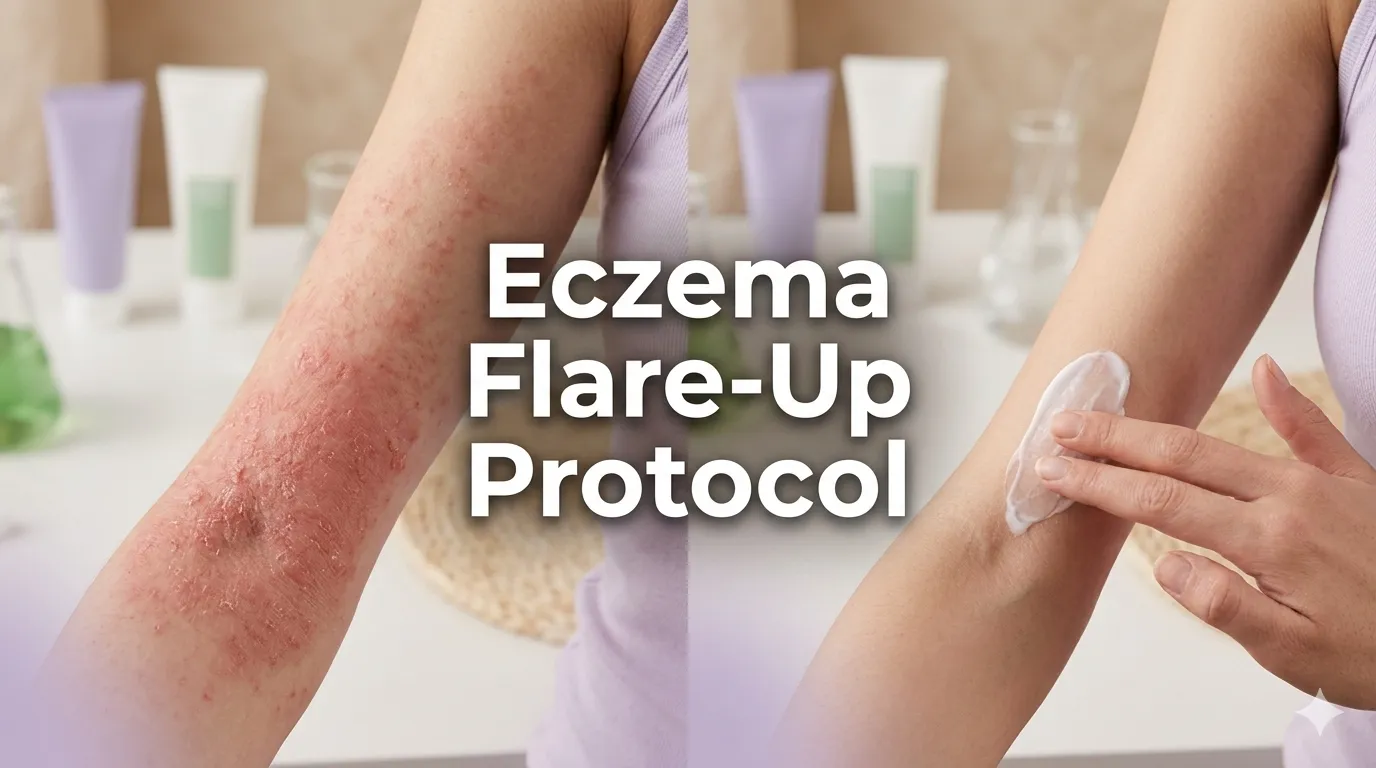
Introduction: Understanding Eczema Flare Ups and Taking Control
Featured Snippet Answer: Eczema flare ups are periods of intensified skin inflammation characterized by redness, itching, dryness, and sometimes oozing or crusting. A complete management protocol includes trigger identification, gentle skincare routines, barrier repair strategies, and medical guidance when needed to reduce frequency and severity of flare ups.
If you've ever experienced the intense itch, redness, and discomfort of an eczema flare up, you know how disruptive it can be to daily life. Eczema, also known as atopic dermatitis, is a chronic inflammatory skin condition that affects millions worldwide. While there is no cure, understanding how to manage flare ups effectively can significantly improve quality of life and skin health.
This comprehensive guide provides a science-backed, step-by-step protocol for managing eczema flare ups. You'll learn how to identify personal triggers, build a gentle skincare routine, repair your skin barrier, and know when to seek professional help. Whether you're managing your own eczema or caring for a loved one, these evidence-based strategies offer practical support for calmer, healthier skin. For families navigating infant skin concerns, integrating these principles with baby rash solutions for humid climates provides additional climate-specific guidance.
What Are Eczema Flare Ups and Why Do They Happen
Eczema flare ups represent periods when the skin's inflammatory response becomes heightened, leading to visible and uncomfortable symptoms. Understanding the underlying mechanisms helps inform more effective management strategies.
The Biology of Eczema
Eczema involves a complex interplay of genetic predisposition, immune system dysfunction, and environmental factors. Key biological features include:
- Barrier Dysfunction: Reduced production of filaggrin and other proteins weakens the skin's protective barrier, allowing moisture loss and irritant penetration
- Immune Overreaction: The immune system responds excessively to triggers, releasing inflammatory compounds like histamine and cytokines
- Microbiome Imbalance: Disrupted skin bacteria populations may contribute to inflammation and infection risk
- Nerve Sensitivity: Heightened nerve endings increase itch perception, creating an itch-scratch cycle that worsens symptoms
These factors combine to make eczema-prone skin more vulnerable to environmental stressors. For those exploring skin barrier health, understanding barrier repair fundamentals provides essential context for eczema management.
Common Triggers of Flare Ups
Identifying personal triggers is a cornerstone of eczema management. Common culprits include:
| Trigger Category | Examples | Management Strategy |
|---|---|---|
| Environmental | Dry air, humidity changes, pollen, dust mites | Use humidifiers; maintain consistent indoor climate; practice regular cleaning |
| Irritants | Harsh soaps, fragrances, detergents, wool fabrics | Choose fragrance-free, dye-free products; wear soft cotton clothing |
| Allergens | Food allergens, pet dander, mold | Consider allergy testing; minimize exposure to known allergens |
| Stress | Emotional stress, anxiety, sleep disruption | Practice stress-reduction techniques; prioritize sleep hygiene |
| Physical Factors | Sweating, overheating, friction from clothing | Wear breathable fabrics; shower after exercise; avoid tight garments |
Keeping a symptom journal can help identify patterns between exposures and flare ups. For those managing multiple skin sensitivities, exploring clean beauty options supports broader skin tolerance.
Building a Gentle Daily Skincare Routine for Eczema
A consistent, gentle skincare routine forms the foundation of eczema management. The goal is to cleanse without stripping, hydrate without irritating, and protect without overwhelming.
Cleansing: Gentle and Effective
Featured Snippet Answer: For eczema-prone skin, use a fragrance-free, soap-free cleanser with a pH close to skin's natural level (4.5-5.5). Cleanse with lukewarm water, avoid scrubbing, and pat dry gently to preserve the skin barrier and minimize irritation.
Cleansing Guidelines:
- Choose syndet (synthetic detergent) or cream-based cleansers labeled "for sensitive skin" or "eczema-friendly"
- Avoid products containing sulfates, alcohol, or artificial fragrances
- Use lukewarm water—hot water strips natural oils and worsens dryness
- Limit cleansing to once or twice daily; over-washing can compromise the barrier
- Pat skin dry with a soft towel; never rub
For those selecting barrier-supportive cleansers, reviewing barrier-friendly cleanser guides helps identify products that clean without compromising skin health.
Moisturizing: The Cornerstone of Management
Regular moisturizing helps repair the skin barrier, reduce water loss, and minimize flare up frequency.
Moisturizer Selection Criteria:
- Occlusives: Ingredients like petrolatum, dimethicone, or shea butter seal in moisture
- Humectants: Glycerin, hyaluronic acid, or urea attract water to the skin
- Emollients: Ceramides, fatty acids, or cholesterol help restore the lipid barrier
- Avoid: Fragrances, essential oils, alcohol, and harsh preservatives
Application Protocol:
- Apply moisturizer within 3 minutes of bathing to lock in hydration
- Use generous amounts—eczema-prone skin often needs more than typical
- Reapply at least twice daily, or more often if skin feels dry
- Choose thicker creams or ointments over lotions for better barrier support
For those exploring microbiome-supportive skincare, understanding microbiome skincare principles may offer additional insights into long-term skin balance.
Bathing Practices for Sensitive Skin
Bathing can soothe eczema when done correctly, but improper techniques may worsen symptoms.
Bath Guidelines:
- Keep baths or showers short (5-10 minutes) and use lukewarm water
- Add colloidal oatmeal, baking soda, or diluted bleach (under medical guidance) for anti-itch benefits
- Avoid bubble baths, bath oils with fragrance, or harsh bath additives
- Gently pat skin dry and immediately apply moisturizer
For families managing infant bathing, integrating these practices with safe baby bathing guidelines ensures gentle care across age groups.
Identifying and Managing Personal Triggers
Because eczema triggers vary widely between individuals, personalized identification is essential for effective management.
Keeping a Trigger Journal
Documenting daily exposures and skin responses helps uncover patterns:
- Note foods consumed, products used, environmental conditions, stress levels, and sleep quality
- Record flare up timing, severity, and location on the body
- Review entries weekly to identify potential correlations
- Test suspected triggers one at a time to confirm relationships
This systematic approach reduces guesswork and supports targeted interventions. For those building organized care systems, digital organization tools can help track symptoms alongside other health metrics.
Common Trigger Categories and Management
Environmental Triggers:
- Dry Air: Use a humidifier, especially in heated or air-conditioned spaces
- Humidity: In humid climates like Bangladesh, choose lightweight, non-occlusive moisturizers to avoid trapping sweat
- Allergens: Wash bedding weekly in hot water; use dust-mite-proof covers; keep pets out of bedrooms
Product Triggers:
- Switch to fragrance-free, dye-free laundry detergents and fabric softeners
- Avoid personal care products with alcohol, essential oils, or complex botanical extracts
- Patch test new products on a small area before full application
Lifestyle Triggers:
- Manage stress through mindfulness, gentle movement, or creative outlets
- Prioritize consistent sleep schedules to support skin repair
- Wear loose, breathable cotton clothing to minimize friction and overheating
For those navigating seasonal changes, adapting routines with seasonal skincare strategies helps maintain skin balance year-round.
Medical and Professional Support Options
While home care is foundational, professional guidance enhances management, especially for moderate to severe eczema.
When to Consult a Healthcare Provider
Seek medical evaluation if:
- Flare ups are frequent, severe, or interfere with daily activities or sleep
- Home care measures provide insufficient relief after 2-4 weeks of consistent use
- Signs of infection appear: increased redness, warmth, pus, or fever
- Eczema affects large body areas or sensitive regions like the face or genitals
- You're uncertain about diagnosis or appropriate treatments
Early professional input can prevent complications and optimize treatment plans. For those seeking specialized care, understanding dermatology selection frameworks supports informed provider choices.
Treatment Options Overview
Topical Therapies:
- Topical Corticosteroids: Reduce inflammation during flare ups; use as directed to avoid side effects
- Topical Calcineurin Inhibitors: Non-steroidal options for sensitive areas or long-term maintenance
- Barrier Repair Creams: Medical-grade formulations with optimized ceramide ratios
Systemic and Advanced Therapies:
- Antihistamines: May help reduce itch, especially at night
- Phototherapy: Controlled UV light exposure under medical supervision
- Biologics and JAK Inhibitors: Targeted medications for moderate to severe eczema
These options work best when combined with consistent home care. For those exploring holistic approaches, integrating medical guidance with mind-body wellness practices supports comprehensive care.
Lifestyle and Environmental Adaptations
Beyond skincare products, daily habits and surroundings significantly influence eczema management.
Creating an Eczema-Friendly Home Environment
Air Quality:
- Use HEPA filters to reduce airborne allergens like dust and pollen
- Maintain indoor humidity between 40-60% to support skin hydration
- Avoid smoking indoors and minimize exposure to strong chemical fumes
Laundry Practices:
- Wash new clothing before wearing to remove manufacturing residues
- Use fragrance-free, dye-free detergents and skip fabric softeners
- Rinse laundry twice to ensure thorough removal of cleaning agents
Bedding and Sleep:
- Choose 100% cotton sheets and pillowcases for breathability
- Wash bedding weekly in hot water to reduce dust mites
- Keep bedroom temperature cool to minimize nighttime sweating
For families creating wellness-focused spaces, chemical-free nursery principles offer transferable strategies for reducing environmental irritants.
Stress Management and Emotional Well-Being
Stress can trigger or worsen eczema flare ups through neuroimmune pathways. Supporting emotional health is an essential component of management.
Practical Stress-Reduction Strategies:
- Practice deep breathing or meditation for 5-10 minutes daily
- Engage in gentle movement like walking, yoga, or tai chi
- Maintain social connections and seek support from understanding friends or groups
- Set realistic expectations and practice self-compassion during flare ups
For those building resilience practices, integrating sensory anchoring techniques provides accessible tools for managing daily stressors.
Special Considerations for Humid Climates
For individuals living in humid regions like Bangladesh, eczema management requires climate-specific adaptations.
Humidity-Related Challenges
High humidity can both help and hinder eczema-prone skin:
- Benefits: Ambient moisture may reduce dryness and support barrier function
- Challenges: Sweat accumulation can irritate skin; fungal or bacterial overgrowth may complicate eczema
Humid Climate Management Tips:
- Choose lightweight, breathable moisturizers that hydrate without trapping sweat
- Shower promptly after sweating to remove salt and bacteria that can irritate skin
- Use antifungal powders or creams in skin folds if prone to secondary infections
- Wear moisture-wicking fabrics during physical activity to minimize sweat retention
For comprehensive humid climate skin care, adaptive comfort strategies offer principles applicable to both skin and hair management.
Measuring Progress and Adjusting Your Protocol
Effective eczema management is an ongoing process of observation, adjustment, and refinement.
Tracking Improvement
Use these metrics to assess progress:
- Flare Up Frequency: Note how often symptoms intensify and whether intervals lengthen
- Symptom Severity: Rate itch, redness, and dryness on a simple scale (1-10) weekly
- Sleep Quality: Track nighttime awakenings due to itching or discomfort
- Quality of Life: Consider how eczema affects daily activities, mood, and confidence
Improvement may be gradual; consistent care over weeks to months often yields the best results. For those tracking multiple wellness goals, understanding how consistency compounds results reinforces the value of patient, sustained effort.
When to Adjust Your Approach
Consider protocol modifications if:
- Current routines provide insufficient relief after 4-6 weeks of consistent use
- New triggers emerge due to seasonal changes, lifestyle shifts, or product introductions
- Skin becomes more sensitive or reactive to previously tolerated products
- Flare ups increase in frequency or severity despite adherence to management strategies
Adjustments should be made thoughtfully, changing one variable at a time to identify what works. For those navigating complex skin concerns, texture management insights provide frameworks for systematic problem-solving.
Conclusion: Empowerment Through Knowledge and Consistent Care
Managing eczema flare ups is not about achieving perfect skin—it's about building a sustainable, personalized protocol that reduces discomfort, minimizes disruptions, and supports long-term skin health. By understanding your triggers, committing to gentle daily care, adapting to your environment, and seeking professional support when needed, you can gain greater control over this chronic condition.
Start with one change: switch to a fragrance-free moisturizer, begin a trigger journal, or practice a 5-minute stress-reduction technique. Let that small step build momentum. Over time, these intentional choices accumulate into meaningful improvements in both skin health and quality of life.
Remember that eczema management is a journey, not a destination. Flare ups may still occur, but with knowledge, preparation, and self-compassion, you can respond with confidence rather than frustration. Your skin deserves care that honors its complexity—and so do you.
For those integrating eczema care into broader wellness practices, exploring how sleep and recovery influence skin health provides additional insights into creating holistic routines that support both physical and emotional well-being.