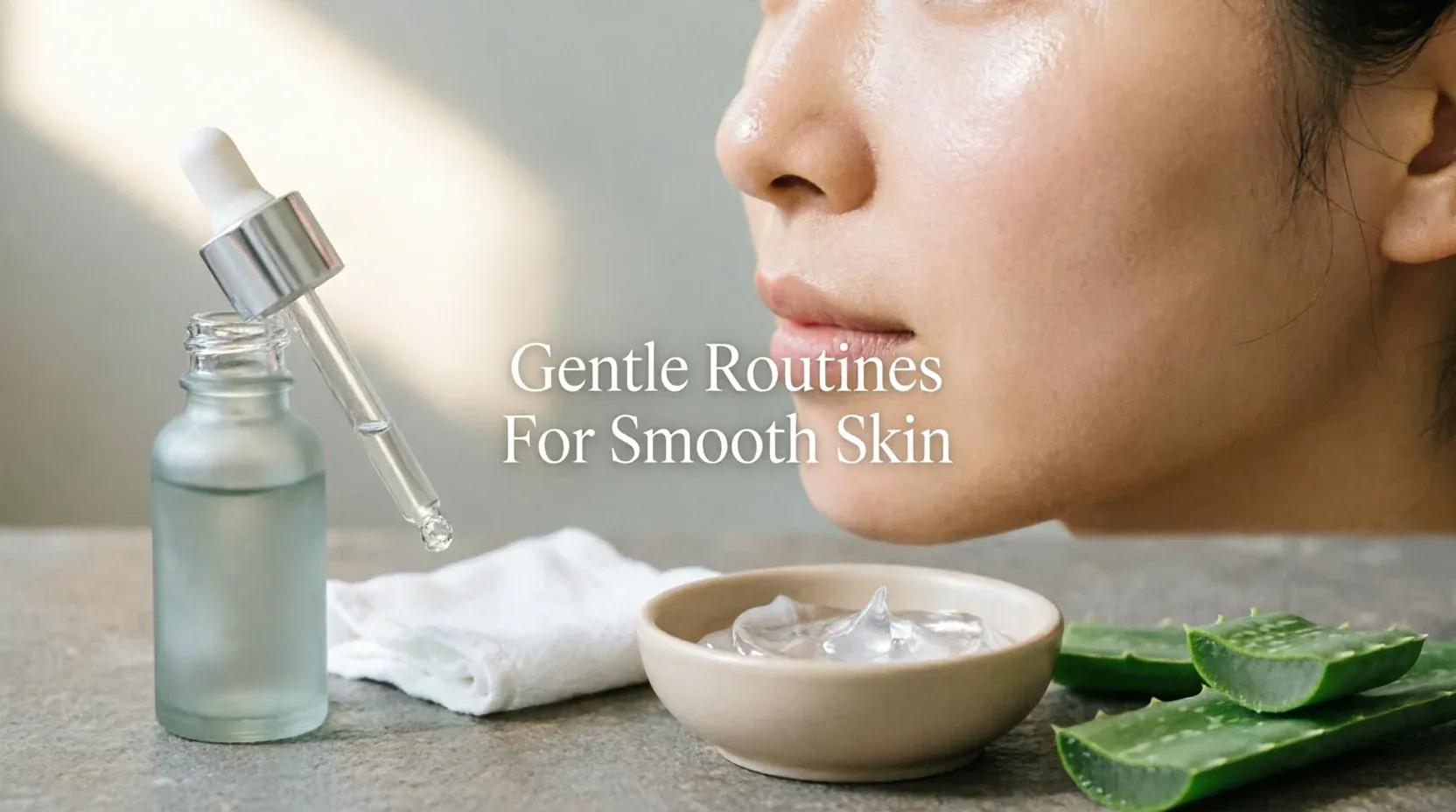
Introduction: Why Consistency Outperforms Intensity in Skincare
Featured Snippet Answer: Gentle routines improve long-term skin texture by consistently supporting the moisture barrier, reducing chronic inflammation, and allowing natural cell turnover to occur without disruption. This steady approach builds resilience, smooths irregularities, and maintains hydration balance over months and years.
When it comes to achieving smoother, more refined skin, the beauty industry often promotes aggressive exfoliation, high-strength actives, and rapid-result treatments. While these approaches may deliver temporary improvements, they frequently compromise the skin's foundational health, leading to rebound irritation, increased sensitivity, and uneven texture over time. Gentle skincare routines operate on a different principle: they work with your skin's natural biology rather than against it, creating an environment where cellular renewal, hydration, and barrier function can thrive consistently.
This comprehensive guide explores the science behind texture improvement, why gentle methods yield lasting results, and exactly how to build a routine that supports your skin for years to come. You'll discover step-by-step application protocols, ingredient selection frameworks, timeline expectations, and practical adjustments for different environments. Whether you're managing occasional roughness or addressing long-standing texture concerns, this approach provides a sustainable path to smoother, healthier skin without the cycle of irritation and recovery. For those navigating busy schedules, integrating gentle routines for busy phases ensures consistency without overwhelm.
The Science of Skin Texture and Barrier Function
Skin texture refers to the surface quality of your epidermis—how smooth, even, or refined it feels and appears to the eye. Healthy texture results from balanced cellular turnover, adequate hydration, intact lipid barriers, and minimal chronic inflammation. When these systems function harmoniously, skin reflects light evenly, feels soft to the touch, and maintains resilience against environmental stressors.
How the Moisture Barrier Shapes Texture:
- Lipid Matrix: Ceramides, cholesterol, and fatty acids form a protective seal that prevents water loss and blocks irritants
- Natural Moisturizing Factors (NMFs): Amino acids, lactate, and urea attract and bind water within the stratum corneum
- Acid Mantle: A slightly acidic pH (4.5-5.5) maintains enzymatic activity required for proper desquamation
- Cellular Turnover: A consistent 28-40 day cycle sheds dead cells evenly, preventing buildup that creates rough patches
When the barrier weakens, texture suffers. Water evaporates more quickly, inflammation increases, and cell shedding becomes irregular. This creates the uneven, sandpaper-like feel many associate with poor texture. Understanding this biological framework is essential because barrier repair fundamentals dictate that texture improvement begins with stabilization, not stimulation.
Why Chronic Inflammation Disrupts Smoothness
Low-grade inflammation, often invisible but biologically active, accelerates collagen degradation, thickens the stratum corneum unevenly, and triggers hyperkeratinization. Harsh routines frequently initiate this cycle by stripping protective lipids, raising skin pH, and activating immune responses. Over time, the skin compensates by producing excess keratin and irregular cell layers, which manifest as persistent roughness, enlarged-looking pores, and patchy dryness.
Gentle routines interrupt this cycle by maintaining pH balance, delivering consistent hydration, and avoiding unnecessary immune activation. This allows the skin to return to its natural turnover rhythm, gradually smoothing surface irregularities without triggering compensatory thickening. For readers experiencing stubborn texture despite clear complexions, exploring uneven texture management reveals how barrier-first approaches resolve surface inconsistencies.
Why Aggressive Routines Damage Long-Term Texture
Aggressive skincare typically combines high-concentration acids, physical scrubs, frequent exfoliation, and multiple active layers. While this strategy may produce rapid short-term smoothing, it frequently compromises long-term texture through several mechanisms.
The Over-Exfoliation Cycle
Exfoliation removes dead cells to reveal smoother skin underneath. However, when performed too frequently or with overly potent formulations, it strips the lipid barrier faster than it can regenerate. This triggers:
- Rebound Dryness: Compensatory water loss increases tightness and flakiness
- Micro-Inflammation: Repeated barrier disruption activates inflammatory cytokines
- Irregular Desquamation: Cells detach unevenly, creating patchy roughness instead of uniform smoothness
- Increased Sensitivity: Nerve endings become more exposed, making skin reactive to previously tolerated products
Research indicates that consistent, mild stimulation supports healthier turnover than periodic aggressive stripping. Many professionals now emphasize reducing active ingredients over time to preserve barrier integrity while maintaining texture improvements. This shift reflects a broader understanding that skin thrives on stability, not shock.
pH Disruption and Enzymatic Imbalance
The skin's surface enzymes require a specific pH range to function optimally. Alkaline cleansers, strong acids, and frequent washing can raise surface pH, inhibiting the enzymes responsible for natural desquamation. When these enzymes slow down, dead cells accumulate in irregular patterns, creating a rough, dull surface that feels uneven to the touch.
Restoring and maintaining a healthy pH allows these enzymes to resume normal function, gradually dissolving the bonds between dead cells without mechanical or chemical aggression. Choosing barrier-friendly cleansers supports this enzymatic balance while removing impurities effectively. This foundational step proves essential for anyone seeking sustainable texture improvement without recurring rough patches.
Core Principles of a Gentle Texture-Improving Routine
Building a gentle routine requires intentional product selection, mindful application techniques, and realistic expectations. These core principles ensure your approach supports long-term texture refinement rather than temporary smoothing followed by regression.
Principle 1: Hydration Before Correction
Hydrated skin appears smoother because plump cells reflect light evenly and maintain flexible surface architecture. Dehydrated skin contracts, emphasizing fine lines, texture irregularities, and pore appearance. Prioritizing hydration before introducing any corrective ingredients ensures the barrier remains resilient enough to tolerate gentle actives.
Hydration Layering Strategy:
- Apply water-based products to slightly damp skin to maximize absorption
- Use humectants like glycerin, sodium hyaluronate, or beta-glucan to attract moisture
- Follow with lightweight emollients to prevent immediate evaporation
- Seal with a non-comedogenic occlusive only in areas prone to transepidermal water loss
This approach maintains cellular hydration without overwhelming the skin, creating an optimal environment for natural smoothing processes to occur consistently.
Principle 2: Consistent Mild Stimulation Over Intense Bursts
Texture improvement relies on regular, gentle encouragement of cell turnover rather than periodic aggressive removal. Mild stimulation can include low-concentration lactic acid, polyhydroxy acids (PHAs), enzymatic exfoliants, or consistent massage techniques that support lymphatic drainage and circulation.
Why Gentle Stimulation Works:
- Maintains barrier integrity while encouraging desquamation
- Reduces inflammation risk that triggers irregular cell buildup
- Supports natural collagen synthesis through improved microcirculation
- Allows skin to adapt gradually without triggering sensitivity responses
When selecting exfoliating ingredients, prioritize formulations under 5% concentration for acids or those featuring PHAs, which offer larger molecular structures that penetrate more slowly and irritate less frequently. This aligns with evidence showing gentle care preserves long-term skin strength while maintaining texture refinement.
Principle 3: Barrier-First Ingredient Selection
Every product in your routine should either support barrier function or at minimum avoid compromising it. This means selecting formulations that contain barrier-identical lipids, avoiding high concentrations of denatured alcohols, and prioritizing pH-balanced systems.
Barrier-Supporting Ingredients to Seek:
- Ceramides: Replenish lipid matrix and improve moisture retention
- Niacinamide (2-5%): Supports ceramide synthesis and reduces trans-epidermal water loss
- Panthenol: Enhances hydration and supports tissue repair processes
- Squalane: Mimics natural sebum, providing lightweight moisture without congestion
Avoiding known barrier disruptors—such as sodium lauryl sulfate at high concentrations, denatured alcohol in primary positions, and fragrance in leave-on products for sensitive skin—ensures your routine builds rather than breaks down texture-supporting structures.
Step-by-Step Gentle Routine for Texture Improvement
Implementing a gentle routine requires clear sequencing, appropriate product amounts, and consistent timing. This step-by-step protocol provides a practical framework that you can adapt to your specific skin type and environmental conditions.
Morning Routine Protocol
- Gentle Cleansing (30 seconds): Use a pH-balanced, low-foaming cleanser with lukewarm water. Massage lightly using upward circular motions, avoiding excessive pressure. Rinse thoroughly and pat dry with a clean, soft cloth.
- Hydration Layer (15 seconds): While skin remains slightly damp, apply a lightweight hydrating serum containing glycerin, beta-glucan, or low-molecular-weight hyaluronic acid. Press gently into skin rather than rubbing to minimize friction.
- Barrier Support Moisturizer (20 seconds): Apply a pea-sized amount of ceramide-containing moisturizer. Warm between fingertips first to improve spreadability and absorption. Focus on areas prone to dryness or roughness.
- Sun Protection (30 seconds): Use broad-spectrum SPF 30 or higher. Apply evenly using gentle patting motions until fully absorbed. Reapply every 2 hours during prolonged sun exposure.
This morning sequence prioritizes protection and hydration, setting the foundation for barrier resilience throughout the day. For those customizing routines to specific skin types, reviewing a science-backed routine builder ensures ingredient compatibility and optimal results.
Evening Routine Protocol
- Double Cleansing (Optional, 60 seconds total): If wearing sunscreen or makeup, begin with a lightweight oil or balm cleanser. Massage gently for 30 seconds to dissolve impurities without stripping. Follow with the same gentle water-based cleanser used in the morning.
- Targeted Texture Support (2-3 times weekly, 20 seconds): Apply a low-concentration PHA or lactic acid serum (3-5%) to damp skin. Allow 2-3 minutes for absorption before proceeding. On non-exfoliating evenings, replace with a hydrating or barrier-repair serum.
- Nourishing Moisturizer (20 seconds): Apply a slightly richer formulation containing ceramides, squalane, or plant-based fatty acids. Use gentle pressing motions to seal in hydration and support overnight repair processes.
The evening routine focuses on recovery and gentle stimulation. By limiting active exfoliation to 2-3 times weekly and prioritizing hydration on remaining evenings, you maintain steady progress without triggering barrier compromise. Understanding consistency over product cost reinforces that regular, gentle application yields superior long-term texture compared to sporadic intensive treatments.
Comparing Harsh vs Gentle Approaches
Evaluating different skincare philosophies helps clarify why gentle routines outperform aggressive methods for sustained texture improvement. This comparison highlights key differences in mechanism, timeline, and long-term outcomes.
Mechanism of Action
Harsh Approach: Relies on rapid cell removal through high-strength acids, physical abrasion, or frequent chemical peeling. This creates immediate smoothness by forcibly stripping the stratum corneum, but frequently damages underlying lipid structures and triggers inflammatory responses that disrupt normal turnover patterns.
Gentle Approach: Supports natural desquamation through hydration maintenance, pH balance, and mild enzymatic or low-concentration acid stimulation. This encourages even cell shedding without barrier disruption, allowing texture to improve gradually as the skin's biological processes stabilize.
Timeline and Sustainability
Harsh Results Timeline: Visible smoothing within 3-7 days, followed by increased dryness, sensitivity, or rebound roughness by week 2-3. Requires frequent recovery periods and often leads to product cycling as skin becomes reactive.
Gentle Results Timeline: Noticeable hydration improvement within 1-2 weeks, progressive texture smoothing between weeks 3-6, and sustained refinement after 8-12 weeks. Results compound over months as barrier strength increases and natural turnover stabilizes.
Sustainability Comparison:
| Factor | Harsh Routine | Gentle Routine |
|---|---|---|
| Barrier Integrity | Compromised, requires frequent repair | Maintained, strengthens over time |
| Inflammation Risk | High, triggers rebound texture issues | Low, supports calm cellular environment |
| Product Tolerance | Decreases, leads to sensitivity cycles | Increases, allows gradual enhancement |
| Long-Term Texture | Unpredictable, prone to regression | Stable, improves with continued care |
This comparison demonstrates why many dermatologists now recommend barrier-first, consistency-driven protocols for texture concerns. Recognizing over-cleansing consequences further reinforces how gentle cleansing preserves the structural foundations necessary for smooth, youthful-looking texture.
Timeline for Visible Texture Changes
Understanding realistic timelines prevents frustration and supports adherence to gentle protocols. Skin biology operates on predictable cycles, and texture improvement follows these natural rhythms when supported consistently.
Phase 1: Barrier Stabilization (Weeks 1-2)
During the initial phase, you may not notice dramatic texture changes, but internal stabilization is occurring. Reduced tightness, decreased reactivity, and improved moisture retention indicate the barrier is recovering. Some individuals experience temporary mild flaking as irregular cell layers shed naturally. This phase establishes the foundation for smoother surface architecture.
Measurable Indicators:
- Reduced post-cleansing tightness
- Improved product absorption without stinging
- More even skin tone under consistent lighting
Phase 2: Progressive Smoothing (Weeks 3-6)
As cellular turnover stabilizes, surface roughness gradually decreases. Fine texture irregularities soften, and skin begins reflecting light more evenly. Gentle exfoliation introduced during this phase works more effectively because the barrier can tolerate mild stimulation without triggering inflammation.
Measurable Indicators:
- Noticeable reduction in sandpaper-like patches
- Softer feel when touching cheeks and forehead
- Improved makeup application without patchiness
Phase 3: Sustained Refinement (Weeks 8-12+)
By this stage, consistent gentle care has established a stable turnover rhythm and robust barrier function. Texture appears refined, resilient, and adaptable to environmental changes. Occasional roughness may occur during seasonal shifts or stress periods, but recovery occurs more quickly due to strengthened barrier reserves.
Measurable Indicators:
- Consistently smooth surface under magnification
- Reduced appearance of enlarged-looking pores
- Faster recovery from environmental exposure
Individual timelines vary based on age, genetics, environmental exposure, and previous routine history. Understanding age-related recovery timelines helps set realistic expectations and adjust protocols accordingly. Patience during these phases ensures long-term texture stability rather than short-term gains followed by regression.
Common Mistakes That Sabotage Texture Progress
Even with the best intentions, certain habits can undermine gentle routines and delay texture improvement. Recognizing and correcting these mistakes accelerates progress and prevents recurring roughness.
Mistake 1: Switching Products Too Frequently
Introducing new formulations every 1-2 weeks prevents your skin from adapting to any single protocol. Texture improvement requires consistent exposure to barrier-supporting ingredients over multiple cellular cycles. Frequent switching resets the stabilization process and often introduces conflicting pH levels or ingredient interactions that cause micro-irritation.
Solution: Commit to a core routine for at least 8-12 weeks before evaluating results. Introduce only one new product at a time, waiting 2 weeks between additions to monitor tolerance and effectiveness.
Mistake 2: Overlapping Multiple Actives
Combining retinoids, high-strength acids, vitamin C, and physical scrubs in the same routine overwhelms the barrier and triggers inflammation. Even if individual products are labeled "gentle," layering multiple active ingredients compounds irritation risk and disrupts normal turnover patterns.
Solution: Limit active treatments to 1-2 per routine, separating them by evening. Use hydrating, barrier-focused products on alternating nights to maintain moisture balance while preventing cumulative stress.
Mistake 3: Ignoring Environmental Adjustments
Humidity, temperature, water quality, and indoor air conditions significantly impact how your skin responds to skincare. Using identical products year-round without seasonal adjustments can lead to dehydration in winter or congestion in summer, both of which disrupt texture refinement.
Solution: Modify moisturizer weight and cleansing frequency based on seasonal conditions. Consider water filters for hard water areas, and use humidifiers during dry months to support consistent hydration levels.
Mistake 4: Inconsistent Application Techniques
Rubbing vigorously, using excessive product amounts, or applying to completely dry skin reduces absorption efficiency and increases friction-related irritation. Gentle routines rely on precise application to maintain barrier integrity while delivering active ingredients effectively.
Solution: Use the "press and pat" method for serums and moisturizers. Apply products to slightly damp skin when possible, and limit product amounts to pea-sized portions unless specifically directed otherwise.
Maintaining Results Through Consistency and Lifestyle Support
Long-term texture improvement extends beyond topical routines. Lifestyle factors significantly influence barrier function, cellular turnover, and overall skin resilience. Integrating supportive habits ensures your gentle routine continues delivering results over years rather than months.
Nutritional Support for Texture Health
Dietary patterns directly impact lipid production, hydration capacity, and inflammatory response. Supporting skin from within requires adequate intake of barrier-building nutrients and hydration-supporting compounds.
Texture-Supporting Nutrients:
- Omega-3 Fatty Acids: Support cell membrane flexibility and reduce inflammatory responses
- Vitamin E: Protects lipid structures from oxidative stress that accelerates roughness
- Zinc: Supports enzymatic processes involved in normal desquamation
- Adequate Water Intake: Maintains systemic hydration that supports epidermal moisture reserves
While no specific diet guarantees perfect texture, consistent nutritional support enhances the effectiveness of gentle topical routines and promotes resilient, smooth skin from multiple angles.
Sleep and Stress Management
Chronic stress elevates cortisol levels, which can disrupt lipid synthesis, increase inflammation, and slow cellular repair processes. Quality sleep provides the extended repair window necessary for barrier restoration and texture refinement.
Supportive Practices:
- Maintain consistent sleep schedules to support circadian-driven repair cycles
- Practice stress-reduction techniques like deep breathing, gentle movement, or mindfulness
- Use silk or satin pillowcases to reduce friction-related texture disruption overnight
- Avoid late-night screen exposure that can disrupt melatonin-driven recovery processes
These lifestyle adjustments complement gentle skincare by creating an internal environment that supports external routine efforts. Recognizing how mental rest impacts skin reinforces the connection between holistic wellness and sustained texture improvement.
Environmental Protection Strategies
Daily exposure to UV radiation, pollution, wind, and temperature fluctuations continuously challenges skin texture. Consistent protection minimizes cumulative damage and preserves the smooth surface achieved through gentle routines.
Daily Protection Protocol:
- Apply broad-spectrum sun protection daily, regardless of cloud cover or indoor status
- Use antioxidant serums containing vitamin C, ferulic acid, or niacinamide to neutralize environmental stressors
- Wear protective clothing or seek shade during peak UV hours
- Cleanse thoroughly but gently after prolonged environmental exposure to remove particulate matter without stripping
These protective measures prevent texture degradation from external factors, ensuring your gentle routine continues building rather than repairing damage. Consistent application of these strategies transforms texture improvement from a temporary achievement into a long-term reality.
Conclusion: The Sustainable Path to Smoother Skin
Achieving and maintaining refined skin texture requires patience, consistency, and respect for your skin's biological processes. Gentle routines outperform aggressive approaches because they work with your skin's natural barrier function, support steady cellular turnover, and minimize the inflammation that triggers irregular surface architecture. By prioritizing hydration, selecting barrier-supporting ingredients, and applying products with mindful technique, you create an environment where smoothness develops organically and sustains itself over time.
Start by simplifying your current routine, eliminating overlapping actives, and focusing on consistent hydration and mild exfoliation. Track your progress using the timeline outlined in this guide, and adjust gradually based on your skin's responses rather than external expectations. Remember that texture improvement is not a race—it's a commitment to supporting your skin's inherent capacity for renewal and resilience.
As you continue this journey, recognize that lasting smoothness emerges from daily consistency rather than periodic intensity. The gentle approach may feel slower initially, but it builds a foundation that withstands environmental stress, aging processes, and lifestyle fluctuations. Your skin's long-term health and texture depend on the choices you make today, and choosing gentleness ensures those choices compound into years of smoother, healthier skin.
For those integrating texture care into broader wellness practices, exploring how emotional wellness influences skin provides additional insights into maintaining holistic balance that supports both inner vitality and outer smoothness.