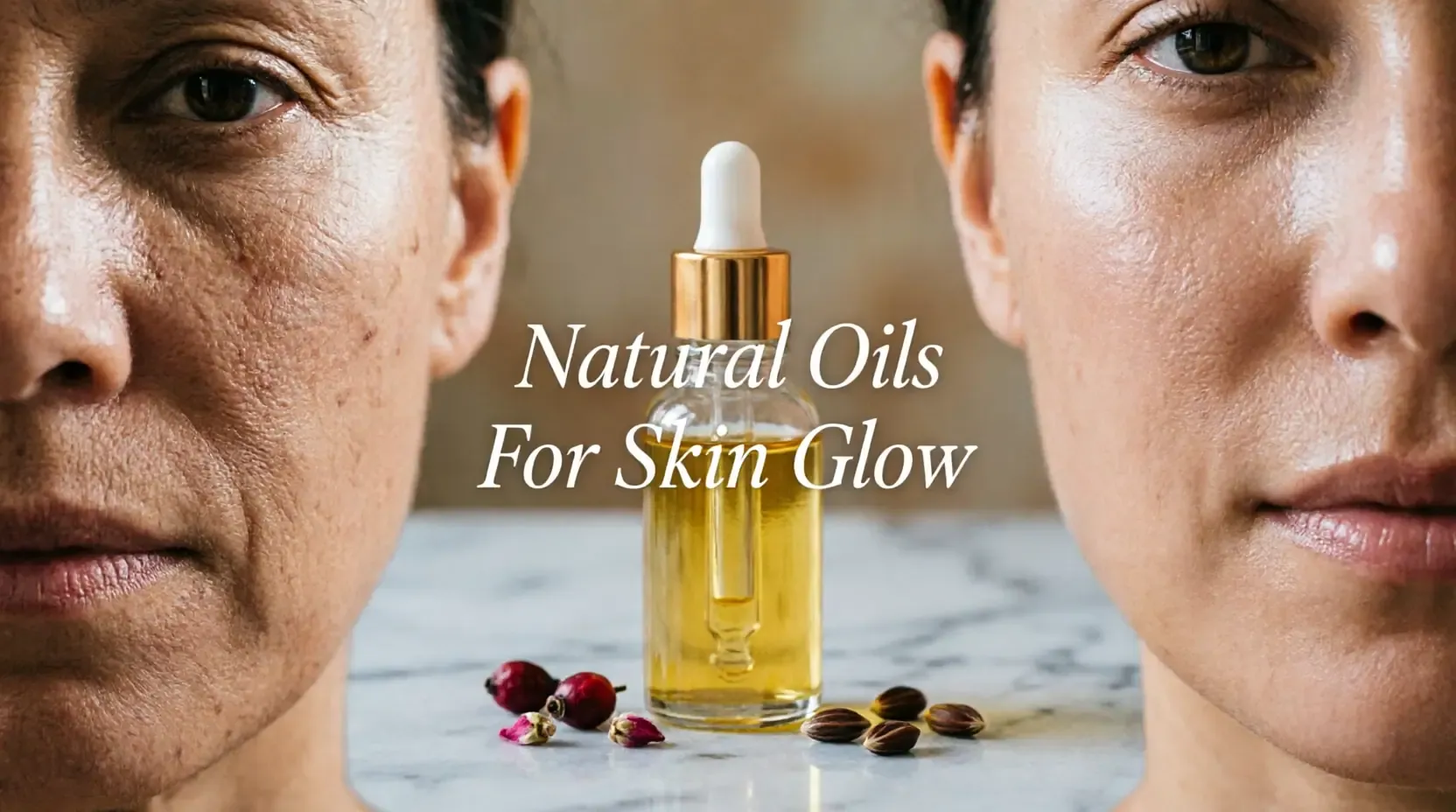
Introduction: The Hidden Role of Natural Oils in Skin Radiance
Have you ever noticed your skin looking dull, lifeless, or "flat" despite following a consistent skincare routine? The culprit might not be what you think. Skin that lacks natural oils often appears flat because lipids are essential for light reflection, barrier function, and that coveted healthy glow. When your skin's natural oil balance is disrupted—whether by over-cleansing, harsh products, or environmental stress—it loses its ability to reflect light evenly, resulting in a matte, tired appearance.
Featured Snippet Answer: Skin looks flat without natural oils because lipids create the skin's light-reflective surface, support barrier integrity, and maintain hydration. Without adequate sebum and plant-derived oils, skin appears dull, lacks dimension, and shows fine lines more prominently.
This comprehensive guide explores the science behind skin radiance, why natural oils matter more than you think, and how to restore your skin's luminosity safely. Whether you have oily, dry, or combination skin, understanding your lipid needs is key to achieving that healthy, three-dimensional glow. For those navigating humid climates like Bangladesh, integrating these principles with seasonal skincare strategies ensures your routine adapts to environmental changes without compromising radiance.
Understanding Skin's Natural Oil Production
Your skin produces sebum—a complex mixture of lipids including triglycerides, wax esters, and squalene—from sebaceous glands. This natural oil isn't the enemy; it's essential for healthy skin function and appearance.
What Sebum Actually Does for Your Skin
Key Functions of Natural Skin Oils:
- Light Reflection: Creates a subtle sheen that gives skin dimension and luminosity
- Barrier Protection: Forms part of the acid mantle that shields against pollutants and moisture loss
- Hydration Lock: Prevents transepidermal water loss by sealing moisture into the skin
- Antimicrobial Defense: Contains fatty acids that help protect against harmful bacteria
- Flexibility Support: Keeps skin supple and prevents premature fine lines
When sebum production is balanced, skin appears healthy and radiant. When it's depleted—through aggressive cleansing, certain medications, or aging—skin can look flat, tight, and lackluster. For those with sensitive skin concerns, exploring clean beauty options can help maintain this delicate balance without irritation.
Why "Oil-Free" Isn't Always Better
The beauty industry has long promoted oil-free products for fear of clogged pores. However, completely stripping skin of oils often backfires:
- Compensatory Overproduction: Stripped skin may overproduce oil, leading to congestion
- Barrier Compromise: Without lipids, the skin barrier weakens, increasing sensitivity
- Dull Appearance: Lack of surface lipids reduces light reflection, creating flatness
- Increased Water Loss: Compromised barrier leads to dehydration, emphasizing texture
Understanding your skin's unique oil needs is crucial. For guidance on identifying your skin type, skin type identification guides provide science-backed frameworks for personalized care.
Signs Your Skin Is Lacking Natural Oils
Recognizing oil deficiency helps you adjust your routine before flatness becomes pronounced.
Visual and Tactile Indicators
Visual Signs:
- Dull, matte appearance even after moisturizing
- Visible fine lines that seem more prominent
- Uneven light reflection across the face
- Grayish or ashy undertone, especially on deeper skin tones
Tactile Signs:
- Tight feeling shortly after cleansing
- Rough or sandpaper-like texture
- Products absorb too quickly without leaving a healthy finish
- Makeup appears cakey or settles into fine lines
These signs often indicate compromised barrier function. For those experiencing sudden texture changes, understanding dry patches can help identify underlying causes beyond simple oil deficiency.
Common Causes of Oil Depletion
Multiple factors can disrupt your skin's natural oil balance:
| Cause | How It Affects Skin Oils | Quick Fix |
|---|---|---|
| Over-cleansing | Strips sebum and damages lipid barrier | Limit cleansing to twice daily; use gentle, pH-balanced formulas |
| Harsh actives | High concentrations of acids or retinoids can compromise barrier | Introduce actives slowly; buffer with oils or moisturizers |
| Low humidity environments | Increases transepidermal water loss, depleting surface lipids | Use humidifiers; layer hydrating products under oils |
| Aging | Sebum production naturally declines after age 30 | Incorporate plant oils rich in squalene and fatty acids |
| Medications | Some prescriptions (like isotretinoin) reduce oil production | Work with a dermatologist; use barrier-supporting oils |
For those using active ingredients, learning proper skincare tool integration can enhance product absorption without over-stripping the skin.
The Science of Light Reflection and Skin Radiance
Skin "glow" isn't magic—it's physics. Understanding how light interacts with your skin explains why oils matter for radiance.
How Lipids Create Dimension
Healthy skin has a slightly uneven surface at the microscopic level. Natural oils fill micro-irregularities, creating a smoother surface that reflects light more evenly. This phenomenon, called specular reflection, gives skin that coveted luminous quality.
Light Reflection Stages:
- Diffuse Reflection: Light scatters across textured skin, creating matte appearance
- Specular Reflection: Light reflects uniformly off smooth, lipid-coated surface
- Subsurface Scattering: Light penetrates slightly, bounces off hydrated layers, and exits with a soft glow
Without adequate surface lipids, skin relies only on diffuse reflection, appearing flat and two-dimensional. This is why even well-hydrated skin can look dull if lipid levels are low. For those pursuing glass skin aesthetics, Korean skincare routines emphasize layering techniques that support both hydration and lipid balance.
The Hydration-Lipid Connection
Water and oil work together for optimal radiance. Hydration plumps skin cells, while lipids seal that moisture in and create the reflective surface. One without the other leads to suboptimal results:
- Hydrated but oil-deficient: Skin feels plump but looks matte and lacks glow
- Oily but dehydrated: Skin appears shiny but feels tight and shows texture
- Balanced hydration and lipids: Skin looks luminous, feels comfortable, and reflects light beautifully
This synergy explains why layering a hydrating serum under a facial oil often yields better results than using either alone. For nighttime routines that maximize this effect, nighttime skincare rituals provide step-by-step guidance for optimal product layering.
Best Natural Oils for Restoring Skin Radiance
Not all oils are created equal. Choosing the right plant-derived oils for your skin type ensures you restore radiance without causing congestion.
Top Radiance-Boosting Oils by Skin Type
For Dry or Mature Skin:
- Marula Oil: Rich in antioxidants and oleic acid; absorbs quickly while providing intense nourishment
- Argan Oil: High in vitamin E and fatty acids; repairs barrier while adding subtle luminosity
- Rosehip Seed Oil: Contains natural retinoic acid; supports cell turnover for brighter complexion
For Combination or Oily Skin:
- Jojoba Oil: Mimics skin's natural sebum; balances oil production without clogging pores
- Grapeseed Oil: Lightweight, high in linoleic acid; helps regulate sebum while adding glow
- Squalane (Plant-Derived): Non-comedogenic, mimics skin's natural squalene; provides lightweight luminosity
For Sensitive Skin:
- Camellia Oil: Gentle, rich in oleic acid; soothes while adding subtle radiance
- Sunflower Oil (High-Linoleic): Anti-inflammatory, supports barrier repair without irritation
- Evening Primrose Oil: Contains GLA; calms redness while improving skin texture
For those preferring plant-based formulations, vegan skincare guides highlight ethical options that deliver results without animal-derived ingredients.
How to Incorporate Oils Into Your Routine
Proper application maximizes benefits while minimizing risks of congestion:
- Cleanse gently: Use a pH-balanced cleanser that doesn't strip natural oils
- Layer hydration first: Apply water-based serums or essences to damp skin
- Warm oil between palms: Rub 2-4 drops between hands to activate and warm the oil
- Press, don't rub: Gently press oil onto skin to avoid tugging or over-exfoliation
- Focus on dry areas: Apply more generously to cheeks, forehead, or any flat-looking zones
- Follow with sunscreen (AM): Oils don't replace sun protection; always finish with SPF
For those concerned about product interactions, understanding barrier repair fundamentals helps you layer products safely and effectively.
Common Mistakes That Make Skin Look Flat
Even with good intentions, certain habits can deplete your skin's natural oils and diminish radiance.
Over-Cleansing and Harsh Formulas
Washing your face too frequently or using high-pH cleansers strips away essential lipids. This is especially problematic in humid climates where people may feel the need to cleanse more often.
Signs You're Over-Cleansing:
- Skin feels tight or squeaky-clean after washing
- Increased oiliness shortly after cleansing (compensatory production)
- Products sting or cause redness on freshly cleansed skin
- Makeup applies unevenly due to compromised barrier
Solution: Limit cleansing to twice daily maximum. Use lukewarm water (not hot) and choose cream or gel cleansers with pH 4.5-5.5. For guidance on selecting gentle cleansers, cleanser selection guides help you avoid common pitfalls.
Skipping Moisture-Locking Steps
Applying hydrating products without sealing them in allows moisture to evaporate, leaving skin flat and dehydrated.
The Layering Principle:
- Step 1: Hydrating toner or essence on damp skin
- Step 2: Water-based serum with humectants (hyaluronic acid, glycerin)
- Step 3: Lightweight emulsion or gel cream
- Step 4: Facial oil or richer cream to seal everything in
Skipping step 4 is like filling a glass with water but leaving it uncovered—the moisture evaporates. For those in air-conditioned environments, indoor air quality considerations highlight how environmental factors affect skin hydration needs.
Using Too Many Active Ingredients
While actives like retinoids, AHAs, and vitamin C offer benefits, overusing them can compromise your barrier and deplete natural oils.
Signs of Active Overload:
- Increased sensitivity or stinging with previously tolerated products
- Redness, flaking, or irritation despite "gentle" formulations
- Skin looks dull or ashy even with consistent hydration
- Breakouts or congestion from barrier compromise
Solution: Introduce one active at a time, start with low frequency (1-2x weekly), and always buffer with moisturizer or oil. For those managing hyperpigmentation concerns, hyperpigmentation guides provide balanced approaches that protect barrier health while targeting discoloration.
Creating a Radiance-Focused Routine for Your Climate
Your environment significantly impacts how your skin uses and retains natural oils. Tailoring your routine to your climate ensures optimal results.
Humid Climate Adjustments (Like Bangladesh)
In high-humidity environments, skin may produce more sebum, but this doesn't mean you should avoid oils entirely.
Humid Climate Strategy:
- Choose lightweight oils: Jojoba, squalane, or grapeseed absorb quickly without feeling heavy
- Apply to damp skin: Helps oils spread evenly and absorb better in humidity
- Focus on evening use: Apply oils at night when humidity is lower and skin repairs itself
- Don't skip sunscreen: Humidity doesn't block UV damage; use lightweight, non-comedogenic SPF
For those managing pollution exposure in urban areas, anti-pollution skincare strategies complement oil-based routines by strengthening barrier defense against environmental aggressors.
Dry or Cold Climate Adjustments
In low-humidity environments, skin loses moisture faster, making lipid support even more critical.
Dry Climate Strategy:
- Layer richer oils: Marula, argan, or rosehip provide deeper nourishment
- Use occlusive at night: Add a thin layer of petrolatum or shea butter over oil to prevent overnight water loss
- Humidify your space: Indoor humidifiers help maintain ambient moisture levels
- Limit hot water exposure: Hot showers and washing strip oils more aggressively in dry air
For comprehensive dry skin management, dry skin hydration guides offer science-backed techniques for maintaining radiance in challenging climates.
Measuring Progress: What to Expect and When
Restoring skin radiance with natural oils takes consistency. Knowing what to expect helps you stay motivated.
Timeline for Visible Improvements
Week 1-2: Skin feels more comfortable, less tight after cleansing. Subtle improvement in light reflection may be noticeable in certain lighting.
Week 3-4: Dullness begins to fade; skin appears more even-toned. Fine lines may look softer due to improved hydration and lipid support.
Week 5-8: Consistent luminosity emerges; skin reflects light more evenly. Texture appears smoother, and makeup applies more seamlessly.
Week 9+: Long-term barrier support leads to resilient, radiant skin that maintains glow even with environmental stressors.
Track progress with consistent lighting and photos. For those interested in holistic wellness approaches, skin clarity and wellness connections highlight how lifestyle factors complement topical care for optimal results.
When to Adjust Your Approach
If you don't see improvements after 4-6 weeks of consistent oil use, consider these adjustments:
- Try a different oil: Your skin may respond better to a different fatty acid profile
- Adjust application timing: Switch from morning to evening use, or vice versa
- Review your cleanser: Ensure it's not counteracting your oil efforts
- Consult a professional: Persistent flatness may indicate underlying concerns needing expert guidance
For those navigating complex skin concerns, dermatology selection guides help you find qualified professionals for personalized advice.
Conclusion: Embracing Your Skin's Natural Luminosity
Flat-looking skin isn't a permanent condition—it's often a sign that your skin's natural oil balance needs support. By understanding the critical role lipids play in radiance, choosing the right natural oils for your skin type, and avoiding common depletion mistakes, you can restore that healthy, three-dimensional glow.
Start small: introduce one compatible oil into your evening routine, apply it to damp skin, and observe how your skin responds over 4-6 weeks. Remember, radiance isn't about perfection—it's about supporting your skin's natural functions so it can reflect light beautifully.
Your skin has an innate capacity for luminosity. With the right lipid support, consistent care, and climate-aware adjustments, you can unlock that glow from within. For those building comprehensive wellness routines, integrating these oil-based principles with emotional wellness practices creates a holistic approach to radiant, healthy skin.