
Introduction: Why Updated Breast Milk Storage Guidelines Matter for Working Moms
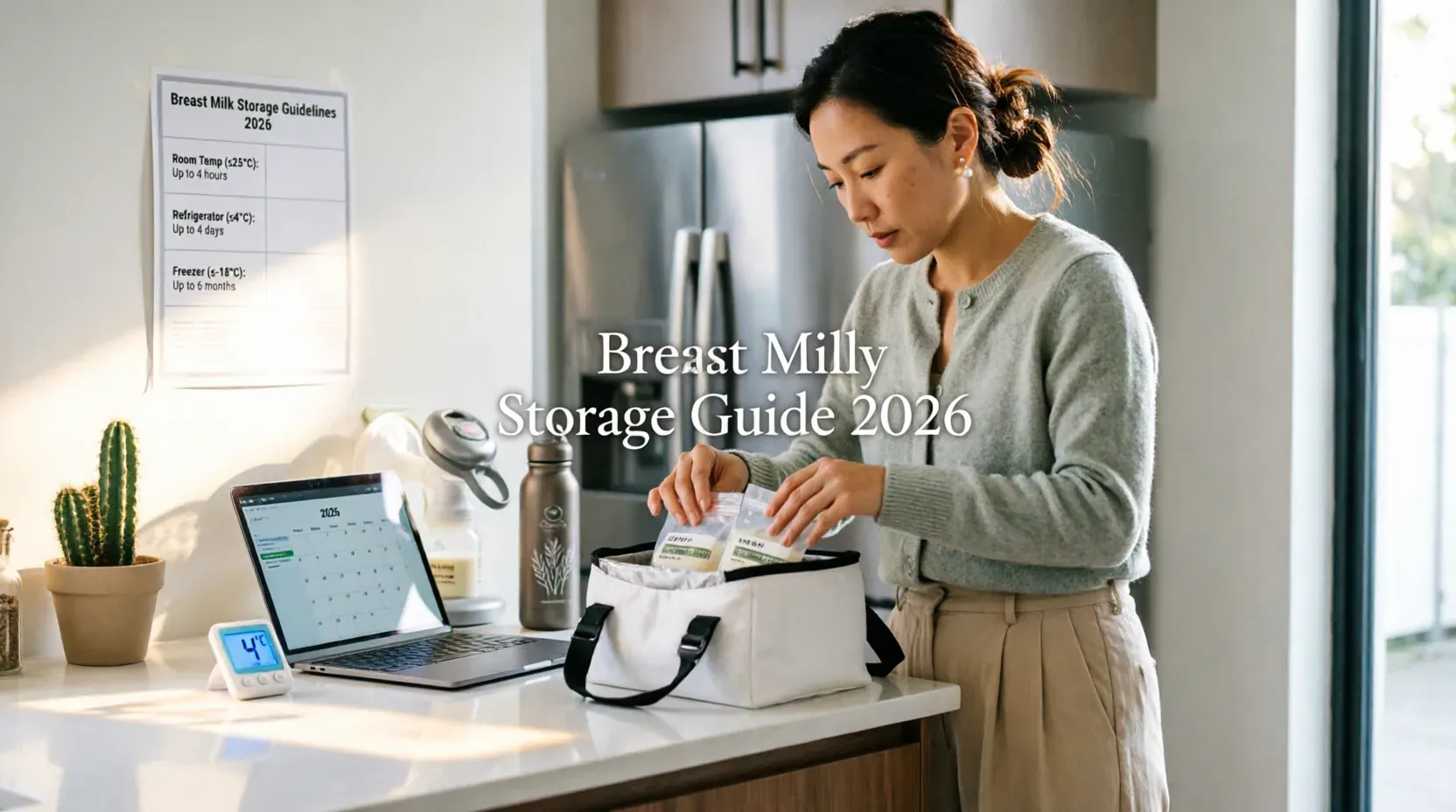
Featured Snippet Answer: The 2026 breast milk storage guidelines recommend fresh milk can stay at room temperature (up to 77°F/25°C) for 4 hours, in a refrigerator (39°F/4°C) for 4 days, and in a freezer (0°F/-18°C) for 6-12 months. Working moms should label containers with date and time, use clean storage bags or BPA-free bottles, and follow the first-in-first-out rule to ensure baby receives safe, nutrient-rich milk.
For working mothers who express breast milk, safe storage isn't just a convenience—it's a critical component of infant health. Every drop of expressed milk carries vital antibodies, nutrients, and immune factors that support your baby's development. But improper storage can compromise these benefits, potentially exposing your little one to bacterial growth or nutrient degradation.
In 2026, updated guidelines from leading health organizations reflect new research on breast milk preservation, temperature stability, and handling protocols. These evidence-based recommendations are designed to help working moms navigate the complex logistics of pumping, storing, and transporting milk while maintaining safety and quality.
This comprehensive guide walks you through the latest 2026 breast milk storage protocols, practical strategies for working mothers, and climate-specific considerations for families in humid regions like Bangladesh. Whether you're returning to work after maternity leave or managing a hybrid schedule, you'll find actionable, science-backed steps to store breast milk with confidence. For parents building holistic infant care routines, integrating these storage practices with month-by-month baby care timelines ensures feeding aligns with developmental milestones.
Understanding the 2026 Breast Milk Storage Guidelines
The 2026 guidelines synthesize recommendations from the CDC, WHO, and Academy of Breastfeeding Medicine, updated to reflect new research on milk composition stability and bacterial growth patterns.
Temperature-Based Storage Timelines
Featured Snippet Answer: Freshly expressed breast milk can be stored at room temperature (up to 77°F/25°C) for up to 4 hours, in a refrigerator (39°F/4°C) for up to 4 days, and in a freezer (0°F/-18°C) for 6-12 months. Previously frozen milk thawed in the refrigerator should be used within 24 hours and never refrozen.
These timelines assume proper hygiene during expression and storage. Deviations—such as warmer ambient temperatures, unclean containers, or inconsistent refrigeration—can shorten safe storage windows.
2026 Storage Timeline Summary:
| Storage Condition | Temperature | Maximum Duration | Notes |
|---|---|---|---|
| Room Temperature | Up to 77°F (25°C) | 4 hours | Reduce to 2 hours if room exceeds 80°F/27°C |
| Insulated Cooler with Ice Packs | 39°F (4°C) or below | 24 hours | Keep cooler closed; replace ice packs as needed |
| Refrigerator | 39°F (4°C) or below | 4 days | Store in back of fridge, not door; label with date/time |
| Freezer (Fridge-Freezer Combo) | 0°F (-18°C) | 6 months | Place milk in back of freezer for stable temperature |
| Deep Freezer (Separate) | 0°F (-18°C) or below | 12 months | Best for long-term storage; maintain consistent temperature |
For working moms managing milk transport, pairing these guidelines with AI-powered baby tracking apps can help log pumping times, storage locations, and feeding schedules for seamless coordination with caregivers.
Key Changes in 2026 Guidelines
Recent updates reflect improved understanding of milk stability and real-world usage patterns:
- Extended refrigerator storage: Increased from 3 to 4 days based on new bacterial growth research
- Clearer cooler guidelines: Specific protocols for insulated bags with ice packs during commutes
- Thawing recommendations: Emphasis on refrigerator thawing over warm water to preserve immune factors
- Labeling requirements: Mandatory date, time, and volume notation to support first-in-first-out use
These refinements help working moms make informed decisions without unnecessary waste or anxiety. For parents navigating infant feeding transitions, understanding allergen-safe solid food introduction complements breast milk storage planning as babies approach 6 months.
Essential Equipment for Safe Breast Milk Storage
Choosing the right tools simplifies storage and maximizes milk safety. These 2026-approved items form the foundation of a working mom's pumping toolkit.
Storage Containers: Bags vs. Bottles
Breast Milk Storage Bags:
- Pros: Space-efficient for freezing; pre-sterilized; often include date/volume fields; single-use reduces contamination risk
- Cons: Can puncture if overfilled; less durable for repeated handling; environmental impact of single-use plastics
- 2026 Recommendation: Choose BPA-free, phthalate-free bags with double-zip seals; avoid overfilling (leave 1-inch headspace for expansion)
BPA-Free Bottles:
- Pros: Reusable and eco-friendly; compatible with most pumps; easy to clean and inspect for residue
- Cons: Take more freezer space; require thorough sterilization between uses
- 2026 Recommendation: Use glass or high-quality plastic bottles with tight-sealing lids; label with removable stickers or dry-erase markers
For environmentally conscious families, pairing storage choices with eco-friendly baby products supports a holistic approach to sustainable parenting.
Temperature Control Tools
Accurate temperature monitoring prevents accidental spoilage:
- Refrigerator thermometer: Place in the main compartment (not door) to verify consistent 39°F/4°C or below
- Freezer thermometer: Ensure deep freezers maintain 0°F/-18°C; fluctuations degrade milk quality
- Insulated cooler bags: Choose models with thick insulation and leak-proof liners; include multiple ice packs for 24-hour protection
- Portable bottle warmers: Select models with precise temperature control to avoid overheating milk during feeding
For working moms in humid climates like Bangladesh, where power outages may occur, hot weather baby care tips include backup cooling strategies applicable to milk storage.
Hygiene and Handling Supplies
Preventing contamination starts before milk enters storage:
- Hand sanitizer or soap: Wash hands thoroughly before pumping or handling milk
- Pump cleaning brushes: Use dedicated brushes to clean valves, membranes, and bottles after each use
- Sanitizing solution or steam sterilizer: Follow manufacturer guidelines for frequency (typically daily for working moms)
- Permanent markers or labels: Clearly mark date, time, and volume on every container
These practices align with broader infant hygiene principles. For guidance on safe baby product selection, safe baby product guides emphasize material safety across all feeding items.
Step-by-Step Protocol for Storing Breast Milk
Following a consistent routine minimizes errors and maximizes milk quality. This protocol reflects 2026 best practices for working mothers.
Immediately After Pumping
- Cool milk quickly: If not feeding immediately, place expressed milk in the refrigerator within 30 minutes to slow bacterial growth
- Combine with caution: You may add freshly pumped milk to already-chilled milk, but cool the new milk first; never add warm milk to frozen milk
- Label immediately: Write date, time, and volume on the container before storing to avoid confusion later
- Store in small portions: Freeze or refrigerate in 2-4 oz servings to reduce waste; babies typically consume 2-5 oz per feeding in early months
For parents tracking feeding patterns, integrating this protocol with baby growth tracking apps helps monitor intake and adjust pumping schedules accordingly.
Transporting Milk from Work to Home
- Pre-cool your cooler: Place ice packs in your insulated bag 30 minutes before departure to ensure optimal cooling
- Seal containers securely: Double-check zippers or lids to prevent leaks during transit
- Minimize cooler openings: Keep the bag closed as much as possible to maintain cold temperature
- Transfer promptly upon arrival: Move milk to refrigerator or freezer within 30 minutes of reaching home
For working moms managing complex schedules, digital organization tools can help coordinate pumping times, transport logistics, and caregiver instructions.
Thawing and Using Stored Milk
- Thaw in refrigerator: Place frozen milk in the fridge 12-24 hours before use for gentle, even thawing that preserves nutrients
- Alternative thawing: If needed, hold sealed container under cool running water, gradually increasing to warm; never use microwave (creates hot spots that destroy antibodies)
- Use thawed milk promptly: Once thawed in refrigerator, use within 24 hours; if thawed at room temperature, use within 2 hours
- Never refreeze: Previously frozen milk should not be refrozen after thawing, as this compromises safety and quality
These thawing practices support the gentle handling principles emphasized in slow parenting approaches, where patience and observation enhance infant care outcomes.
Climate-Specific Considerations for Humid Regions
Working moms in tropical climates like Bangladesh face unique challenges: higher ambient temperatures, humidity-related bacterial growth, and potential power instability. These adaptations ensure safe storage despite environmental factors.
Managing High Ambient Temperatures
Featured Snippet Answer: In temperatures above 80°F (27°C), reduce room-temperature storage time for breast milk to 2 hours. Use insulated cooler bags with extra ice packs during commutes, and prioritize refrigerator storage over counter storage whenever possible.
- Pre-chill containers: Store empty bottles or bags in the refrigerator before pumping to help cool milk faster
- Double-insulate coolers: Wrap ice packs in thin towels to prevent direct contact with milk containers while maintaining cold temperature
- Monitor ambient conditions: Use a small thermometer in your pumping area to track room temperature and adjust storage decisions accordingly
For comprehensive humid climate infant care, baby rash solutions for humid weather offers additional guidance on environmental factors affecting infant wellness.
Power Outage Preparedness
Unplanned power disruptions can threaten milk safety. These strategies build resilience:
- Keep freezer full: A full freezer maintains cold temperature longer during outages; use water jugs to fill empty space if needed
- Invest in a battery-powered cooler: Portable refrigeration units with USB charging provide backup storage during outages
- Know your freezer's hold time: Test how long your freezer stays cold when unplanned; most maintain safe temperatures for 24-48 hours if unopened
- Have a backup plan: Identify a nearby location with reliable power (family member's home, workplace) for emergency milk transfer
These preparedness steps complement broader infant safety practices. For guidance on creating secure sleep environments, safe sleep practices emphasizes proactive planning across all aspects of infant care.
Common Mistakes to Avoid
Even well-intentioned moms can make storage errors. Recognizing these pitfalls helps protect milk quality and infant health.
Mistake 1: Storing Milk in the Refrigerator Door
Why it's problematic: The door experiences temperature fluctuations every time it opens, potentially allowing bacterial growth.
2026 Solution: Always store breast milk in the back of the main refrigerator compartment, where temperature remains most stable.
Mistake 2: Overfilling Storage Containers
Why it's problematic: Breast milk expands when frozen; overfilled bags or bottles can burst, causing waste and contamination risk.
2026 Solution: Leave 1 inch (2.5 cm) of headspace in containers before freezing to accommodate expansion.
Mistake 3: Using Microwave to Thaw or Warm Milk
Why it's problematic: Microwaves create uneven hot spots that can destroy beneficial antibodies and pose burn risks to babies.
2026 Solution: Thaw milk in the refrigerator or under cool-to-warm running water; warm gently in a bottle warmer with temperature control.
Mistake 4: Combining Milk of Different Temperatures
Why it's problematic: Adding warm freshly pumped milk to already-chilled or frozen milk can raise the temperature of the stored milk, promoting bacterial growth.
2026 Solution: Cool freshly pumped milk in the refrigerator before combining with previously chilled milk; never add warm milk to frozen milk.
Mistake 5: Ignoring Labeling and Rotation
Why it's problematic: Without clear labels and a first-in-first-out system, older milk may be used after newer milk, increasing spoilage risk.
2026 Solution: Label every container with date, time, and volume; organize storage so oldest milk is used first.
For parents building organized care systems, digital organization tools can help track milk inventory alongside other infant care tasks.
Integrating Breast Milk Storage into Working Mom Routines
Practical strategies help busy mothers implement storage guidelines without adding stress.
Creating a Pumping and Storage Workflow
Streamline your routine with these time-saving steps:
- Prep the night before: Clean and sterilize pump parts; label empty storage containers; pack cooler with ice packs
- Batch label: Prepare multiple labels with date/time fields to fill in quickly after pumping
- Designate a home storage zone: Reserve a specific shelf in fridge/freezer for breast milk to avoid confusion with family food
- Communicate with caregivers: Provide written instructions on milk handling, thawing, and feeding protocols
These workflow optimizations reflect principles in habit-stacking strategies, where intentional systems reduce decision fatigue and support consistency.
Managing Milk Supply and Storage Capacity
Balance pumping output with available storage space:
- Freeze strategically: If refrigerator space is limited, freeze milk in small batches to maintain a rotating supply
- Track consumption patterns: Note how much baby typically eats per feeding to avoid over-pumping and excess storage needs
- Plan for growth: As baby's intake increases (typically around 4-6 months), adjust pumping frequency and storage capacity accordingly
For parents navigating infant feeding milestones, understanding baby-led weaning approaches helps anticipate transitions from exclusive milk feeding to solid foods.
When to Discard Breast Milk
Knowing when milk is no longer safe prevents infant illness and reduces uncertainty.
Signs Milk Should Be Discarded
- Exceeded storage time: Milk stored beyond recommended timelines for its temperature condition
- Unusual odor: Sour, rancid, or "soapy" smell (note: some milk develops a soapy scent due to lipase activity but is still safe; when in doubt, consult a lactation consultant)
- Discoloration or separation: Milk that remains separated after gentle swirling, or shows unusual color changes
- Temperature abuse: Milk left at room temperature too long, or exposed to inconsistent refrigeration
- Container compromise: Leaking bags, cracked bottles, or containers with visible residue that can't be cleaned
When uncertain about milk safety, the precautionary principle applies: when in doubt, throw it out. For parents managing infant health concerns, plant-based baby skincare guides emphasize gentle, evidence-based approaches applicable across infant care domains.
Conclusion: Confidence Through Knowledge and Preparation
Storing breast milk safely is a skill that improves with practice, knowledge, and the right tools. The 2026 guidelines provide a clear, evidence-based framework to help working moms navigate the logistics of pumping, storing, and transporting milk while prioritizing infant health.
Remember that perfection isn't the goal—consistent, informed care is. By following these protocols, adapting to your climate and schedule, and leaning on supportive resources, you can provide your baby with the benefits of breast milk even while managing a demanding work life.
As you implement these practices, consider how they integrate with your broader parenting philosophy. For families embracing holistic infant wellness, pairing safe milk storage with skin-to-skin contact practices creates nurturing routines that support both physical health and emotional bonding.
Every drop of breast milk represents your love, effort, and commitment to your child's well-being. With these 2026 guidelines as your guide, you can store that precious liquid with confidence, knowing you're providing the safest, most nourishing start possible.