
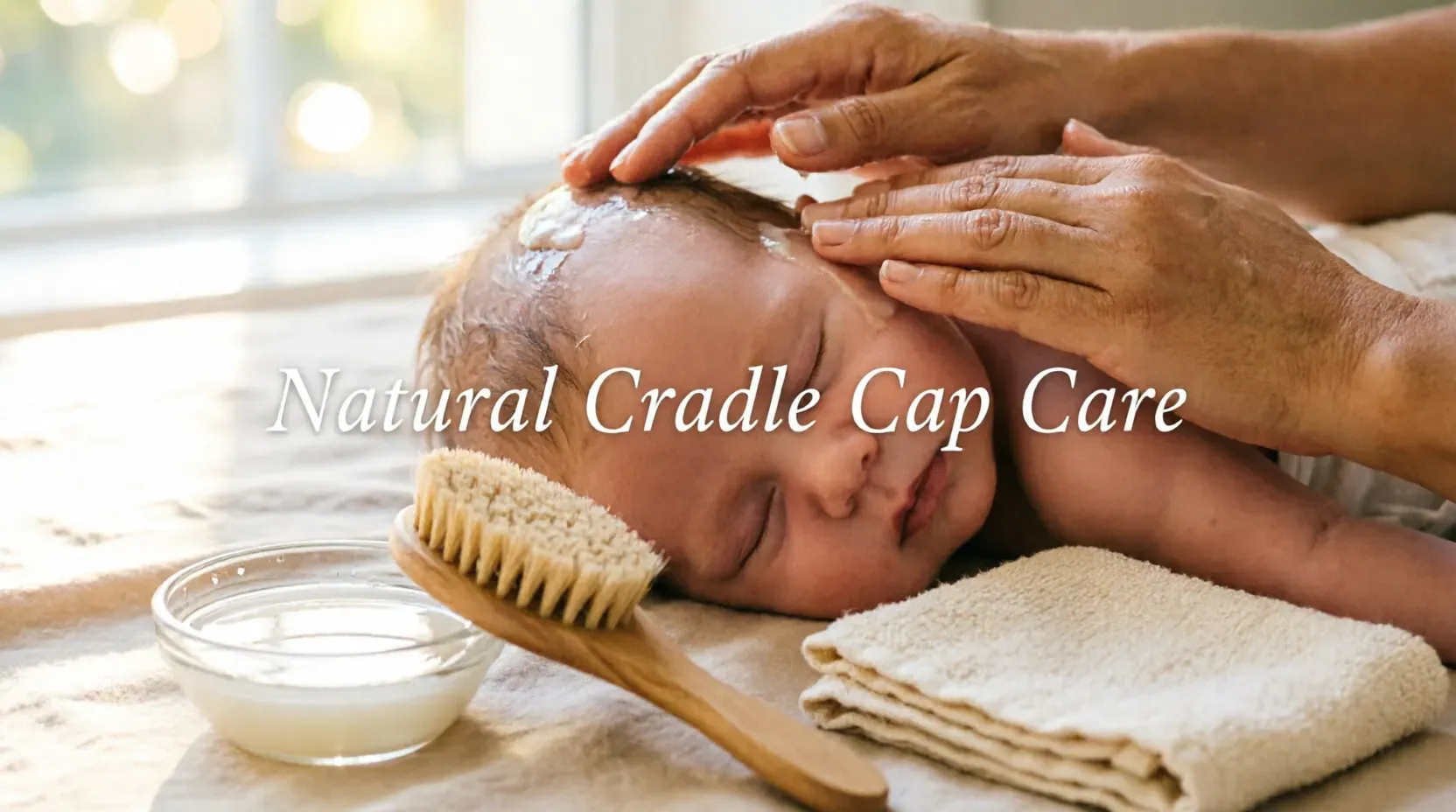
Introduction: Understanding Common Newborn Skin Concerns
Featured Snippet Answer: Cradle cap and newborn acne are common, harmless conditions that typically resolve on their own. Natural remedies like gentle washing, coconut oil application, and breast milk may help soothe symptoms, but always consult a pediatrician before trying new treatments on your baby.
When you notice yellowish scales on your newborn's scalp or tiny red bumps on their cheeks, it's natural to feel concerned. The good news is that both cradle cap and newborn acne are extremely common, completely harmless conditions that affect many babies in their first months of life. While these skin changes may look unsettling, they rarely cause discomfort to your little one and usually clear up without medical intervention.
Natural remedies can offer gentle support for managing these conditions while your baby's skin matures. This comprehensive guide explores safe, evidence-informed approaches to caring for cradle cap and newborn acne using natural methods. You'll learn what causes these conditions, which gentle remedies may help, and crucial safety guidelines to protect your baby's delicate skin. For parents navigating infant skincare in humid climates, integrating these principles with baby rash solutions for humid weather provides additional climate-specific guidance.
What Are Cradle Cap and Newborn Acne
Understanding these common conditions helps parents respond appropriately without unnecessary worry.
Cradle Cap: Seborrheic Dermatitis in Infants
Featured Snippet Answer: Cradle cap is a harmless form of seborrheic dermatitis causing yellowish, greasy scales on a baby's scalp. It typically appears in the first 3 months, affects up to 70% of infants, and usually resolves on its own by 6-12 months without treatment.
Cradle cap presents as thick, yellow or brown scales or crusts on the scalp. It may also appear on the forehead, eyebrows, or behind the ears. Despite its appearance, cradle cap is not painful, itchy, or contagious. The exact cause isn't fully understood but may involve overactive oil glands and a common yeast called Malassezia that lives on everyone's skin.
Key Characteristics:
- Yellowish or brownish scales or crusts on scalp
- Greaasy or waxy appearance
- Patches that may flake off
- No redness, swelling, or discomfort in most cases
- Typically appears between 2 weeks and 3 months of age
For parents concerned about scalp care, learning about safe natural oils for baby scalp massage can help inform gentle care choices.
Newborn Acne: Neonatal Cephalic Pustulosis
Featured Snippet Answer: Newborn acne appears as small red or white bumps on a baby's face, typically emerging between 2-4 weeks of age. It's caused by maternal hormones stimulating oil glands and usually resolves within weeks to months without treatment.
Newborn acne, also called neonatal acne or neonatal cephalic pustulosis, appears as small red or white bumps primarily on the cheeks, nose, forehead, and sometimes the scalp or chest. Unlike teenage acne, newborn acne isn't related to dirt or poor hygiene. Instead, it's thought to result from maternal hormones that cross the placenta before birth, temporarily stimulating the baby's oil glands.
Key Characteristics:
- Small red or white bumps on face, especially cheeks and nose
- May have tiny whiteheads
- Appears between 2-6 weeks of age
- Not itchy or painful for baby
- Usually clears within weeks to a few months
Understanding the difference between acne and other rashes is important. For guidance on identifying various infant skin concerns, diaper rash vs fungal infection guides offer helpful comparison frameworks.
Natural Approaches for Cradle Cap Care
While cradle cap often resolves on its own, gentle natural methods may help manage symptoms and support your baby's comfort.
Gentle Washing Routine
Regular, gentle cleansing is the foundation of cradle cap care. This approach helps prevent buildup of oil and dead skin cells without irritating delicate skin.
Recommended Washing Protocol:
- Use a mild, fragrance-free baby shampoo 2-3 times per week
- Gently massage scalp with fingertips in circular motions
- Rinse thoroughly with lukewarm water
- Pat dry with a soft, clean towel—never rub
Avoid daily shampooing, which can dry the scalp and potentially worsen flaking. For families seeking chemical-free nursery environments, pairing gentle washing with chemical-free nursery practices supports overall infant wellness.
Natural Oil Application
Applying a small amount of natural oil before bathing may help soften scales, making them easier to gently remove.
Oils Commonly Used for Cradle Cap:
- Coconut oil: Contains lauric acid with antimicrobial properties; patch test first
- Olive oil: Moisturizing but may not suit all skin types; use sparingly
- Sunflower seed oil: Rich in linoleic acid, may support skin barrier function
- Jojoba oil: Mimics natural skin oils; generally well-tolerated
Application Method:
- Apply a few drops of oil to affected areas
- Gently massage for 1-2 minutes to soften scales
- Leave on for 15-20 minutes before bathing
- Wash gently with mild baby shampoo to remove oil and loosened scales
- Use a soft baby brush to gently lift softened flakes—never pick or scrape
Always perform a patch test on a small area of skin 24 hours before full application. For guidance on selecting safe oils, natural oils for baby scalp massage provides detailed safety considerations.
Breast Milk Application
Some parents apply expressed breast milk to cradle cap areas, drawn by its natural antimicrobial and soothing properties.
Considerations:
- Breast milk contains antibodies and beneficial compounds that may support skin health
- Apply a few drops to affected areas and allow to air dry
- Monitor for any signs of irritation or sensitivity
- Consult your pediatrician before trying this approach
While anecdotal reports suggest benefits, scientific evidence is limited. For parents exploring breastfeeding-related skincare, breastfeeding and baby skin guidance offers additional context.
Soft Brushing Technique
Gentle mechanical removal of softened scales may help manage cradle cap appearance.
Safe Brushing Guidelines:
- Use a soft-bristled baby brush or fine-toothed comb
- Brush only after oil application and gentle washing
- Use light, circular motions—never scrub or pick
- Stop immediately if skin appears red or irritated
Never use adult brushes, fingernails, or sharp objects to remove scales, as this can cause irritation or infection. For safe baby product selection, safe baby product guides emphasize material safety considerations.
Natural Approaches for Newborn Acne Care
Newborn acne typically requires minimal intervention. The focus should be on gentle care and avoiding actions that might worsen the condition.
Gentle Cleansing
Featured Snippet Answer: For newborn acne, wash the face once daily with warm water and a soft cloth. Avoid soaps, lotions, or oils on affected areas, as these may irritate sensitive skin. Most cases resolve without treatment within weeks to months.
Simple, gentle cleansing helps keep the skin clean without disrupting its natural balance.
Recommended Cleansing Routine:
- Use lukewarm water and a soft, clean cloth
- Gently wipe the face once daily, focusing on affected areas
- Pat dry with a soft towel—never rub
- Avoid using soap, cleansers, or wipes on acne-prone areas
Over-washing can strip natural oils and potentially worsen irritation. For families managing multiple skin concerns, safe baby bathing practices help prevent common pitfalls.
Avoiding Potential Irritants
Certain products and practices may aggravate newborn acne and should be avoided.
Items to Avoid on Acne-Prone Areas:
- Lotions, oils, or creams unless recommended by a pediatrician
- Fragranced baby products or harsh soaps
- Rough fabrics or tight clothing that rubs the face
- Adult acne treatments or medicated products
For parents concerned about product safety, understanding baby powder safety and alternatives supports informed decision-making about infant skincare products.
Allowing Natural Resolution
Patience is often the most important "treatment" for newborn acne.
What to Expect:
- Acne typically appears between 2-6 weeks of age
- Most cases improve within 4-6 weeks without intervention
- Complete resolution usually occurs by 3-4 months
- Scarring is extremely rare with gentle care
Resisting the urge to squeeze, pick, or aggressively treat bumps helps prevent irritation and supports natural healing. For parents tracking infant development milestones, month-by-month baby care timelines provide helpful context for developmental changes.
Safety Guidelines for Natural Remedies
When using natural approaches with newborns, safety must always come first. These guidelines help protect your baby's delicate skin.
Essential Safety Practices
Before Trying Any Remedy:
- Consult your pediatrician, especially for babies under 3 months
- Perform a patch test on a small skin area 24 hours before full application
- Use only pure, organic, cold-pressed oils without additives
- Apply sparingly—a little goes a long way on infant skin
- Discontinue immediately if redness, swelling, or irritation occurs
During Application:
- Use clean hands and sanitized tools
- Avoid eyes, mouth, and broken skin
- Never pick, scrape, or aggressively rub affected areas
- Keep products away from baby's reach to prevent accidental ingestion
For parents seeking to minimize chemical exposure overall, plant-based baby skincare guides offer additional product selection criteria.
When to Avoid Natural Remedies
Certain situations require professional medical evaluation rather than home care.
Consult a Pediatrician If:
- Cradle cap spreads to face, neck, or body
- Skin appears red, swollen, warm, or oozing
- Baby seems uncomfortable, itchy, or fussy
- Condition persists beyond 12 months without improvement
- Newborn acne becomes severe, widespread, or doesn't improve by 4 months
- You're unsure whether the rash is cradle cap, acne, or another condition
Early professional guidance ensures appropriate care and peace of mind. For comprehensive infant care planning, AI-powered baby tracking apps can help monitor skin changes alongside other health milestones.
Myths and Misconceptions About Infant Skin Conditions
Understanding what's true helps parents respond appropriately without unnecessary worry or harmful interventions.
Common Myths Debunked
| Myth | Fact |
|---|---|
| Cradle cap means poor hygiene | Cradle cap is not related to cleanliness; it's a common physiological condition |
| Newborn acne will cause teenage acne | There's no evidence linking newborn acne to future acne; they have different causes |
| You should scrub cradle cap scales off | Aggressive removal can irritate skin and increase infection risk; gentle care is best |
| Breastfeeding causes newborn acne | Newborn acne results from maternal hormones present before birth, not ongoing breastfeeding |
| Natural remedies work faster than time | Most infant skin conditions resolve with time; remedies may support comfort but aren't cures |
For parents navigating infant feeding and skin health, infant feeding guidelines provide evidence-based nutritional guidance.
Setting Realistic Expectations
Understanding typical timelines helps parents stay patient and avoid over-treatment.
Typical Resolution Timelines:
- Cradle cap: Often improves by 6-8 months; usually resolves by 12 months
- Newborn acne: Typically clears within 4-6 weeks; complete resolution by 3-4 months
- Recurrence: Cradle cap may temporarily worsen during growth spurts or illness
Consistency with gentle care matters more than trying multiple remedies. For parents building sustainable infant care routines, infant massage practices offer additional gentle care techniques.
Climate Considerations for Infant Skincare
Environmental factors like humidity and temperature can influence infant skin conditions. Adapting care to your climate supports optimal outcomes.
Caring for Baby Skin in Humid Climates
In humid environments like Bangladesh, sweat and moisture can affect infant skin.
Humid Climate Tips:
- Dress baby in lightweight, breathable cotton clothing
- Keep baby cool to reduce sweating that may worsen cradle cap
- Ensure good air circulation in sleeping areas
- Use lighter oil applications; heavy oils may trap moisture
- Monitor for fungal infections that can mimic cradle cap
For comprehensive humid climate infant care, hot weather baby care tips provide additional climate-specific guidance.
Seasonal Adjustments
Skincare needs may shift with changing seasons.
Seasonal Considerations:
- Hot/humid months: Focus on keeping skin dry; use lighter oils sparingly
- Cool/dry months: May need slightly more moisturizing; watch for dryness
- Monsoon season: Increase vigilance for fungal or bacterial complications
Adapting care to seasonal changes supports consistent skin health. For parents creating organized care systems, digital organization tools can help track seasonal care adjustments.
When to Seek Professional Medical Care
While most cases of cradle cap and newborn acne resolve with gentle home care, certain signs warrant professional evaluation.
Red Flags Requiring Pediatric Consultation
Seek Medical Advice If:
- Skin appears red, inflamed, warm, or painful
- There's oozing, crusting, or signs of infection
- Rash spreads rapidly or appears on unusual areas
- Baby develops fever, seems unusually fussy, or has feeding changes
- Condition doesn't improve after several weeks of gentle care
- You're uncertain about the diagnosis or appropriate care
Early professional guidance ensures appropriate treatment and prevents complications. For parents seeking qualified care, dermatology selection guides offer frameworks for finding appropriate specialists when needed.
Conclusion: Gentle Care with Patience and Professional Partnership
Cradle cap and newborn acne are common, temporary conditions that reflect your baby's developing skin—not poor care or health concerns. Natural remedies like gentle washing, careful oil application, and patient observation may help support comfort while these conditions resolve on their own timeline.
Remember that your baby's skin is remarkably resilient. With gentle, consistent care and attention to safety guidelines, most infants navigate these early skin changes without complications. Trust your instincts, consult your pediatrician when uncertain, and celebrate the small moments of connection that come with caring for your newborn.
As you build your infant care knowledge, consider how these gentle skincare principles align with broader wellness practices. For families embracing holistic infant care, integrating these approaches with skin-to-skin contact practices creates nurturing routines that support both physical comfort and emotional bonding.