Introduction: Understanding the Skin Barrier Crisis
Your skin barrier is your body's first line of defense against environmental aggressors, pollutants, bacteria, and moisture loss. Also known as the stratum corneum or acid mantle, this protective layer is essential for maintaining healthy, resilient, and radiant skin. Yet, millions of people unknowingly damage their skin barrier daily through harsh products, over-exfoliation, environmental stress, and improper skincare routines.
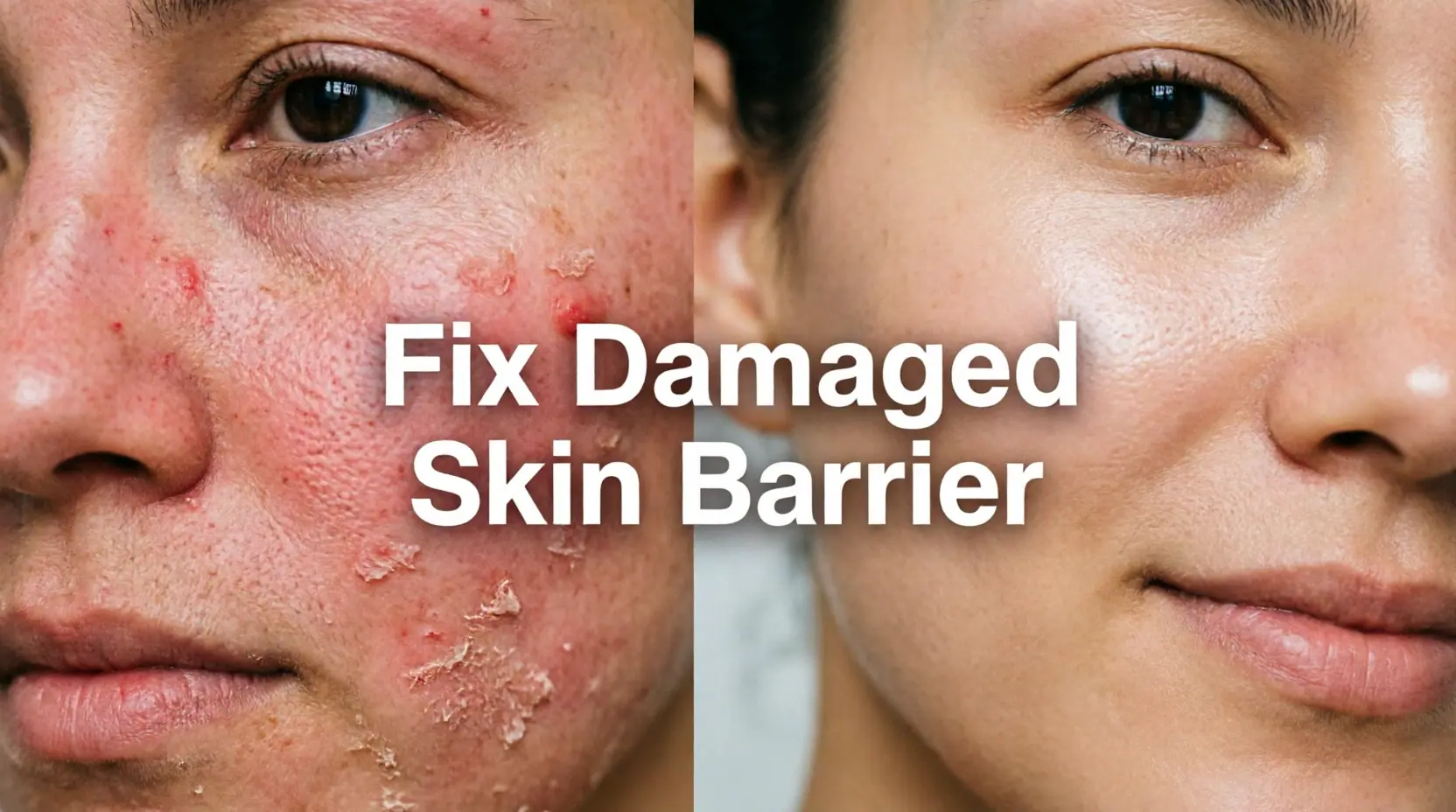
When your skin barrier becomes compromised, the consequences are immediate and visible: persistent redness, unexplained dryness, stinging sensations, increased sensitivity, and breakouts that won't heal. Many people mistake these symptoms for other skin concerns and continue using products that further damage their barrier, creating a vicious cycle of irritation and inflammation.
This comprehensive guide will help you identify the signs of a damaged skin barrier, understand the science behind barrier function, and follow a proven repair protocol to restore your skin's natural protective layer. Whether you're dealing with sudden sensitivity or long-term barrier damage, this evidence-based approach will help you rebuild healthier, more resilient skin.
What Is the Skin Barrier and Why Does It Matter?
The skin barrier, scientifically known as the stratum corneum, is the outermost layer of your epidermis. Think of it as a brick wall: skin cells (corneocytes) are the bricks, and lipids (ceramides, cholesterol, and fatty acids) are the mortar that holds them together. This structure serves several critical functions:
Key Functions of a Healthy Skin Barrier
- Moisture Retention: Prevents transepidermal water loss (TEWL), keeping skin hydrated and plump
- Environmental Protection: Shields against pollutants, UV radiation, bacteria, and allergens
- pH Balance: Maintains the skin's slightly acidic pH (4.5-5.5), which supports healthy microbiome function
- Inflammation Control: A strong barrier prevents irritants from penetrating and triggering inflammatory responses
The Acid Mantle: Your Skin's Natural Shield
The acid mantle is a thin, slightly acidic film on the skin's surface composed of sebum, sweat, and natural moisturizing factors. This protective layer:
- Inhibits growth of harmful bacteria and fungi
- Supports the skin's natural microbiome
- Helps enzymes function properly for skin renewal
- Contributes to the barrier's overall integrity
Featured Snippet: The skin barrier (stratum corneum) is your skin's protective outer layer made of cells and lipids. It retains moisture, blocks irritants, maintains pH balance, and controls inflammation. A compromised barrier leads to dryness, sensitivity, redness, and breakouts.
Signs Your Skin Barrier Is Damaged
Recognizing barrier damage early is crucial for preventing long-term skin issues. Here are the most common signs that your acid mantle is compromised:
Physical Symptoms
- Persistent Dryness: Skin feels tight, rough, or flaky even after moisturizing
- Increased Sensitivity: Products that never caused issues now sting, burn, or cause redness
- Redness and Irritation: Unexplained flushing, blotchiness, or visible inflammation
- Itching or Burning: Persistent discomfort without an obvious external cause
- Flakiness or Peeling: Visible scaling or peeling, especially around the nose, cheeks, or forehead
Functional Symptoms
- Moisture Loss: Skin feels dehydrated shortly after applying moisturizer
- Product Intolerance: Multiple products cause reactions, making routine building difficult
- Slow Healing: Minor irritations, breakouts, or cuts take longer to heal than usual
- Increased Breakouts: Paradoxical acne or small bumps appear despite consistent routine
- Oily Yet Dehydrated: Skin produces excess oil but still feels tight and uncomfortable
Visual Indicators
- Dull, lackluster complexion despite good skincare
- Visible fine lines appearing more pronounced due to dehydration
- Uneven texture with rough patches
- Redness that doesn't resolve with typical soothing products
Featured Snippet: Signs of damaged skin barrier include persistent dryness, increased sensitivity to products, redness, itching, flakiness, moisture loss despite moisturizing, slow healing, and paradoxical oiliness with dehydration. If multiple symptoms persist for 2+ weeks, your barrier likely needs repair.
What Causes Skin Barrier Damage?
Understanding the root causes of barrier damage helps you avoid repeating harmful practices. Common culprits include:
Skincare-Related Causes
- Over-Exfoliation: Using physical scrubs or chemical exfoliants (AHAs/BHAs) too frequently strips lipids and disrupts cell turnover
- Harsh Cleansers: Sulfate-based or high-pH cleansers remove natural oils and disrupt the acid mantle
- Product Overload: Using too many active ingredients simultaneously overwhelms the barrier's repair capacity
- Incorrect Product Layering: Applying actives in wrong order or combining incompatible ingredients causes irritation
Environmental Factors
- Extreme Weather: Cold, dry air or hot, humid conditions stress the barrier
- UV Exposure: Sun damage weakens barrier lipids and increases inflammation
- Pollution: Particulate matter and free radicals compromise barrier function
- Hard Water: Mineral deposits can disrupt skin pH and leave residue that irritates
Lifestyle and Health Factors
- Chronic Stress: Elevates cortisol, which impairs barrier repair and increases inflammation
- Poor Sleep: Reduces skin's overnight repair processes
- Nutritional Deficiencies: Lack of essential fatty acids, vitamins A, C, E, and zinc weakens barrier structure
- Underlying Conditions: Eczema, rosacea, psoriasis, or hormonal imbalances predispose to barrier dysfunction
The Damage Cycle
Once the barrier is compromised, a destructive cycle often develops: damage causes sensitivity, leading to product changes that cause more damage. Breaking this cycle requires a strategic, gentle approach focused on repair rather than treatment.
Featured Snippet: Skin barrier damage is commonly caused by over-exfoliation, harsh cleansers, product overload, extreme weather, UV exposure, pollution, chronic stress, poor sleep, and nutritional deficiencies. These factors strip lipids, disrupt pH, and impair the skin's natural repair processes.
The Skin Barrier Repair Protocol: A Step-by-Step Guide
Repairing a damaged skin barrier requires patience, consistency, and a simplified routine focused on restoration. Follow this evidence-based protocol for 4-8 weeks to rebuild your skin's protective layer.
Phase 1: The Reset (Weeks 1-2)
Goal: Stop further damage and create a calm environment for healing.
Step 1: Simplify Your Routine
- Eliminate all actives: retinoids, AHAs, BHAs, vitamin C, and strong antioxidants
- Remove fragranced products, essential oils, and potential irritants
- Keep only: gentle cleanser, barrier-repair moisturizer, and mineral sunscreen
- Use lukewarm water only—avoid hot water that strips lipids
Step 2: Gentle Cleansing
- Choose a pH-balanced (5.5), sulfate-free, creamy or milky cleanser
- Cleanse only once daily (evening); rinse with water only in the morning
- Massage gently for 30 seconds maximum; never scrub
- Pat dry with a clean, soft towel—never rub
Step 3: Barrier-Supportive Moisturizing
- Apply moisturizer to damp skin to lock in hydration
- Look for these key ingredients:
- Ceramides: Replenish the "mortar" between skin cells
- Cholesterol: Supports lipid barrier structure
- Fatty Acids: Reinforce barrier integrity and flexibility
- Niacinamide (2-5%): Reduces inflammation and strengthens barrier function
- Panthenol (Pro-Vitamin B5): Soothes and supports healing
- Apply a generous layer; don't skimp on product during repair phase
Step 4: Mineral Sunscreen Protection
- Use a zinc oxide or titanium dioxide-based sunscreen (SPF 30+)
- Mineral filters are less irritating than chemical filters on compromised skin
- Reapply every 2 hours if outdoors
- Choose formulas labeled "for sensitive skin" or "barrier-supportive"
Featured Snippet: Phase 1 barrier repair: Simplify routine to gentle cleanser, ceramide moisturizer, and mineral sunscreen. Eliminate all actives and irritants. Cleanse once daily with lukewarm water. Apply moisturizer to damp skin. Use mineral SPF 30+ daily. Continue for 2 weeks minimum.
Phase 2: Reinforcement (Weeks 3-4)
Goal: Strengthen barrier function and gradually reintroduce gentle support.
Maintain Phase 1 Foundations
- Continue gentle cleansing, barrier moisturizer, and mineral sunscreen
- Monitor skin response: reduced redness, less sensitivity, improved hydration
Introduce One Supportive Ingredient
After 2 weeks of calm skin, add ONE of the following (not multiple):
- Low-concentration niacinamide (2-4%): Apply after cleansing, before moisturizer
- Centella asiatica (Cica): Soothes and supports barrier repair
- Allantoin or bisabolol: Calming ingredients that reduce irritation
Wait 3-4 days between introducing new ingredients to assess tolerance.
Optional: Occasional Hydration Boost
- Use a simple hyaluronic acid serum on damp skin before moisturizer
- Choose formulas without added actives or fragrances
- Limit to 2-3 times weekly initially
Phase 3: Restoration (Weeks 5-8)
Goal: Fully restore barrier function and cautiously reintroduce beneficial actives.
Assess Barrier Recovery
Your barrier is likely healing if you notice:
- Reduced sensitivity to previously irritating products
- Less redness, itching, or stinging
- Improved hydration that lasts throughout the day
- Smoother texture and more even tone
Gradual Reintroduction of Actives
If your skin is calm and resilient, you may cautiously add back one active at a time:
- Start with: Low-concentration retinol (0.1-0.3%) or gentle AHA (5% lactic acid)
- Frequency: Once weekly initially, gradually increasing to 2-3 times weekly
- Buffering: Apply moisturizer before and after the active to reduce irritation
- Monitor closely: Discontinue immediately if sensitivity returns
Maintain Barrier-Supportive Habits
- Continue using ceramide-rich moisturizer daily
- Keep sunscreen non-negotiable
- Avoid over-exfoliating even after recovery
- Listen to your skin: scale back if sensitivity returns
Featured Snippet: Phase 2-3 barrier repair: After 2 weeks of calm skin, gradually reintroduce one gentle supportive ingredient (niacinamide, centella). By weeks 5-8, if skin is resilient, cautiously add back one active at low concentration. Always maintain ceramide moisturizer and daily mineral sunscreen.
Best Ingredients for Skin Barrier Repair
Choosing products with barrier-supportive ingredients accelerates healing and prevents future damage.
Essential Barrier-Repair Ingredients
- Ceramides: The cornerstone of barrier repair. Look for products containing ceramide NP, AP, or EOP. Ideal ratio: ceramides, cholesterol, and fatty acids in a 3:1:1 proportion.
- Niacinamide (Vitamin B3): At 2-5% concentration, reduces inflammation, strengthens barrier function, and regulates oil production without irritation.
- Panthenol (Pro-Vitamin B5): Enhances hydration, soothes irritation, and supports skin healing.
- Fatty Acids: Linoleic acid, oleic acid, and others replenish the lipid matrix. Found in squalane, jojoba oil, and sunflower oil.
- Cholesterol: Works synergistically with ceramides to rebuild the lipid barrier.
Soothing and Protective Ingredients
- Centella Asiatica (Cica): Reduces inflammation and promotes wound healing.
- Allantoin: Calms irritation and supports cell regeneration.
- Bisabolol: Derived from chamomile; reduces redness and sensitivity.
- Oat Extract: Contains beta-glucan for hydration and anti-inflammatory benefits.
Hydration Without Heaviness
- Hyaluronic Acid: Use low-molecular-weight forms for deeper hydration; apply to damp skin.
- Glycerin: A reliable humectant that draws moisture without irritation.
- Sodium PCA: A natural moisturizing factor that supports barrier hydration.
Ingredients to Avoid During Repair
- High-concentration actives: Retinoids >0.3%, AHAs >10%, BHAs >2%
- Denatured alcohol: Strips lipids and increases TEWL
- Fragrance and essential oils: Common irritants for compromised skin
- Physical exfoliants: Scrubs, brushes, or rough cloths damage fragile barrier
- Harsh surfactants: SLS, SLES, and other sulfates disrupt the acid mantle
Featured Snippet: Best barrier repair ingredients: ceramides (rebuild lipid matrix), niacinamide 2-5% (strengthens barrier), panthenol (soothes), fatty acids (reinforce structure), and centella (calms). Avoid high-concentration actives, alcohol, fragrance, and physical exfoliants during repair.
Common Mistakes That Delay Barrier Recovery
Even with the right products, certain habits can sabotage your repair efforts.
Mistake 1: Rushing the Process
The Problem: Expecting results in days leads to adding products too quickly, causing further irritation.
The Solution: Commit to the full 4-8 week protocol. Barrier repair is a marathon, not a sprint.
Mistake 2: Over-Moisturizing
The Problem: Applying thick layers of heavy creams can trap heat and sweat, potentially worsening irritation.
The Solution: Use appropriate amounts of barrier-repair moisturizer; focus on ingredient quality over quantity.
Mistake 3: Ignoring Sun Protection
The Problem: UV exposure further damages a compromised barrier and increases inflammation.
The Solution: Make mineral sunscreen non-negotiable, even indoors near windows.
Mistake 4: Skipping Professional Help
The Problem: Persistent barrier damage may indicate underlying conditions like eczema or rosacea.
The Solution: Consult a dermatologist if symptoms don't improve after 4-6 weeks of consistent care.
Mistake 5: Returning to Old Habits Too Soon
The Problem: Once skin feels better, reverting to harsh products or over-exfoliation triggers relapse.
The Solution: Maintain barrier-supportive habits long-term; reintroduce actives slowly and mindfully.
Lifestyle Support for Barrier Health
Beyond topical care, internal factors significantly influence barrier repair and long-term resilience.
Nutrition for Skin Barrier Support
- Essential Fatty Acids: Omega-3s (fatty fish, flaxseeds, walnuts) support lipid barrier structure
- Vitamins A, C, E: Antioxidants that protect against oxidative stress and support skin repair
- Zinc: Critical for wound healing and barrier function; found in pumpkin seeds, legumes, and lean meats
- Probiotics: Support gut-skin axis; fermented foods may reduce inflammation
- Hydration: Drink adequate water daily to support skin hydration from within
Stress and Sleep Management
- Prioritize Sleep: Aim for 7-9 hours nightly; skin repair peaks during deep sleep
- Manage Stress: Practice meditation, yoga, or deep breathing to lower cortisol
- Limit Screen Time: Blue light exposure may contribute to inflammation; take regular breaks
Environmental Protection
- Humidify Dry Air: Use a humidifier in dry climates or heated indoor spaces
- Protect from Extreme Weather: Cover skin in cold/windy conditions; seek shade in intense sun
- Filter Water: Consider a shower filter if you have hard water to reduce mineral irritation
When to See a Dermatologist
While many barrier issues resolve with proper at-home care, certain situations warrant professional evaluation:
- Symptoms persist or worsen after 6-8 weeks of consistent barrier repair protocol
- Severe pain, oozing, crusting, or signs of infection develop
- Sudden, widespread redness or rash appears without clear trigger
- You suspect an underlying condition like eczema, rosacea, or contact dermatitis
- Over-the-counter products consistently cause reactions
A dermatologist can provide prescription treatments (like topical calcineurin inhibitors or specialized barrier creams) and rule out other conditions that mimic barrier damage.
Frequently Asked Questions (FAQs)
How long does it take to repair a damaged skin barrier?
Most people see initial improvement in 2-4 weeks with consistent care, but full barrier restoration typically takes 4-8 weeks. Severely damaged barriers or those with underlying conditions may require 3+ months. Patience and consistency are essential.
Can I use vitamin C or retinol while repairing my barrier?
Avoid these actives during the initial repair phase (weeks 1-4). Once your skin is calm and resilient (weeks 5-8), you may cautiously reintroduce one at a time at low concentration, buffered with moisturizer. Always patch test first.
Is it normal for skin to purge during barrier repair?
True "purging" only occurs with ingredients that increase cell turnover (retinoids, AHAs). During barrier repair, you should see calming, not purging. New breakouts likely indicate irritation or product incompatibility—discontinue the offending product.
Can I wear makeup while repairing my barrier?
Yes, but choose non-comedogenic, fragrance-free formulas. Mineral makeup is often better tolerated. Always remove makeup gently with a mild cleanser or micellar water, and never sleep in makeup.
Should I exfoliate during barrier repair?
Avoid all exfoliation (physical and chemical) during the initial repair phase. Once your barrier is restored, reintroduce gentle chemical exfoliants (like 5% lactic acid) no more than once weekly, and always follow with barrier-supportive moisturizer.
What's the difference between dry skin and a damaged barrier?
Dry skin is a skin type lacking oil; a damaged barrier is a condition where the protective layer is compromised. Dry skin can be managed with richer moisturizers; a damaged barrier requires specific repair ingredients (ceramides, cholesterol) and avoidance of irritants.
Conclusion: Patience and Consistency Are Key
A damaged skin barrier is a common but often misunderstood concern. The signs—persistent dryness, sensitivity, redness, and irritation—are your skin's signal that it needs support, not more treatment. By following this evidence-based repair protocol, you can restore your skin's natural protective function and achieve the healthy, resilient complexion you deserve.
Remember: barrier repair is not about quick fixes. It requires simplifying your routine, choosing ingredients that support your skin's biology, protecting against environmental stressors, and giving your skin time to heal. The investment you make in your barrier today pays dividends in long-term skin health, reduced sensitivity, and a more radiant complexion.
Listen to your skin. If a product causes stinging or redness, pause and reassess. If progress stalls after 6-8 weeks of consistent care, consult a dermatologist. Your skin barrier is your foundation—nurture it with patience, science-backed care, and compassion.
Healthy skin isn't about perfection; it's about resilience. With the right protocol, your barrier can recover, and your skin can thrive.