
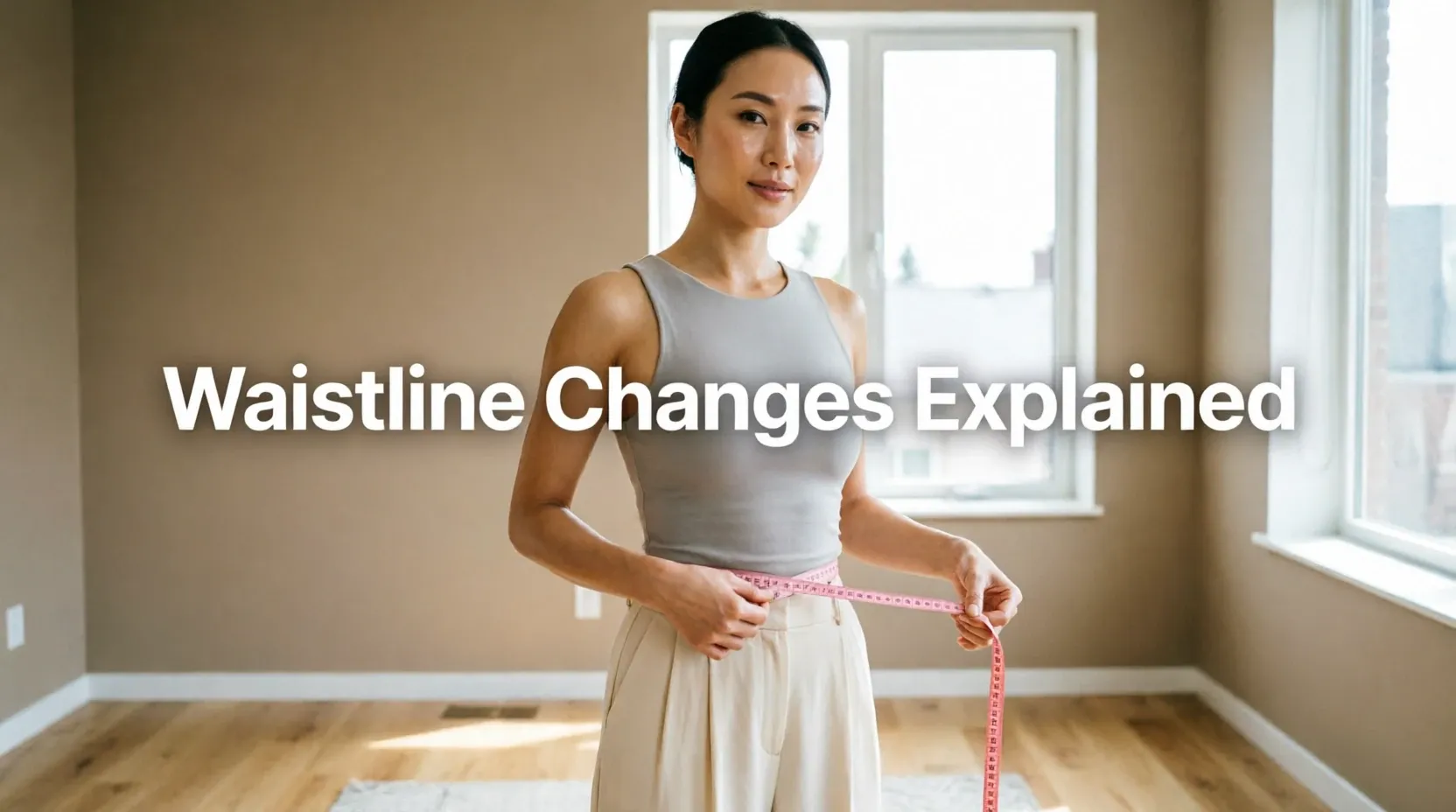
Why Women Notice Waistline Changes Before Weight Gain
Many women experience a frustrating phenomenon: their waistline feels tighter, clothes fit differently, or measurements increase before the scale shows any meaningful weight change. This isn't imagination or inconsistency—it reflects how female bodies store fat, respond to hormones, and distribute weight in ways that prioritize the midsection long before overall mass shifts noticeably.
Understanding this pattern empowers you to respond with informed strategies rather than frustration. Waistline changes often signal shifts in body composition, hormonal balance, or lifestyle factors that deserve attention. By recognizing early signs and addressing root causes, you can support healthier body composition and comfort in your clothes.
This guide explains the science behind waist-focused changes, identifies common triggers unique to women, and provides actionable steps for managing waistline shifts with compassion and evidence-based care. Whether you're navigating hormonal transitions, stress-related changes, or simply seeking clarity about your body's signals, these insights will help you move forward with confidence.
Why Waistline Changes Matter for Women's Health
Featured answer: Waistline changes often reflect shifts in visceral fat, hormonal balance, or fluid retention before overall weight changes appear. Monitoring waist circumference can provide earlier insight into metabolic health than scale weight alone. Addressing waist changes proactively supports long-term wellness, comfortable clothing fit, and confidence in your body's natural rhythms.
For women, the waist is a sensitive indicator of internal changes. Unlike men, who tend to store fat more evenly or in the abdomen, women experience hormonally driven fat distribution patterns that prioritize the hips, thighs, and—during certain life stages—the midsection. Recognizing these patterns helps you interpret body signals accurately.
Waist measurements also correlate with health markers. Research suggests that waist circumference above 35 inches in women may indicate increased risk for metabolic concerns, making early awareness valuable for preventive care.
The Science: Why Waist Changes Appear First
Visceral Fat Versus Subcutaneous Fat
Featured answer: Visceral fat surrounds internal organs in the abdominal cavity and expands before subcutaneous fat (under the skin) becomes visibly noticeable. Women may experience waist tightness from visceral fat accumulation even when overall weight remains stable. This type of fat responds strongly to stress, insulin levels, and hormonal shifts, making the waist an early indicator of metabolic changes.
Visceral fat is metabolically active, releasing inflammatory compounds that can affect insulin sensitivity and hormone balance. Unlike subcutaneous fat, which provides cushioning and insulation, visceral fat prioritizes energy storage near vital organs—a survival mechanism that becomes less adaptive in modern environments.
Because visceral fat expands inward before outward, you may feel waist tightness or notice clothing fit changes before seeing visible weight gain. This explains why the scale can remain stable while your waistline shifts.
Hormonal Influences on Fat Distribution
Estrogen, progesterone, cortisol, and insulin all influence where women store fat. During menstrual cycles, perimenopause, pregnancy, or periods of high stress, hormonal fluctuations can redirect fat storage toward the abdomen. This shift may occur without significant weight change, creating the sensation of waist expansion before the scale reflects it.
Estrogen typically encourages fat storage in hips and thighs. When estrogen declines—such as during perimenopause—fat distribution may shift toward the abdomen. Similarly, elevated cortisol from chronic stress promotes visceral fat accumulation, often manifesting as waist tightness before overall weight increases.
Insulin resistance, which can develop gradually, also favors abdominal fat storage. Women may notice waist changes as an early sign of metabolic shifts long before weight gain becomes apparent.
Fluid Retention and Bloating Patterns
Featured answer: Hormonal fluctuations, dietary factors, and stress can cause temporary fluid retention that increases waist circumference without adding fat. Bloating from digestion, salt intake, or menstrual cycle changes may make waistlines feel tighter days before weight changes register. Distinguishing temporary bloating from fat accumulation helps guide appropriate responses.
Progesterone rises in the luteal phase (after ovulation), which can slow digestion and promote water retention. Many women experience waist expansion of 1-3 inches during this phase, returning to baseline after menstruation begins.
Dietary triggers like high sodium, carbonated beverages, or certain fibers can also cause temporary bloating. These fluctuations are normal but may feel concerning if you're unaware of their cyclical nature.
Muscle Mass and Body Composition Shifts
As women age or reduce physical activity, muscle mass may decline while fat percentage increases—a change called sarcopenia. Since muscle is denser than fat, you can maintain the same weight while experiencing waist expansion due to shifting body composition. This explains why the scale stays stable while clothing fits differently.
Strength training helps preserve muscle mass, which supports metabolic health and maintains a more defined waistline. Without resistance exercise, natural age-related muscle loss can contribute to waist changes even without weight gain.
Body composition matters more than scale weight for understanding waist changes. Two women at the same weight can have very different waist measurements based on muscle-to-fat ratios.
Common Triggers for Early Waistline Changes
Hormonal Transitions
Featured answer: Life stages like perimenopause, postpartum recovery, or menstrual cycle shifts can redirect fat storage toward the abdomen. Estrogen declines during perimenopause often correlate with increased waist circumference, even without weight gain. Understanding these transitions helps you adjust expectations and support your body with targeted nutrition and movement.
Perimenopause typically begins in the 40s, with hormonal fluctuations that affect fat distribution, metabolism, and fluid balance. Waist changes during this phase are common and manageable with proactive care.
Postpartum bodies also experience hormonal recalibration. The abdomen may feel different for months after delivery as hormones normalize, muscles recover, and fat distribution shifts. Patience and gentle support yield better results than aggressive interventions.
Chronic Stress and Cortisol
Elevated cortisol from prolonged stress encourages visceral fat storage in the abdominal area. This adaptive response prioritizes energy availability near vital organs but can manifest as waist tightness before overall weight changes. Women juggling multiple responsibilities may notice waist changes as an early signal of stress impact.
Cortisol also affects appetite and cravings, potentially leading to subtle dietary shifts that compound waist changes. Stress management becomes an important component of waistline support.
Signs of stress-related waist changes include tightness that fluctuates with workload, difficulty sleeping, or increased cravings for comfort foods. Addressing stress holistically supports both waist comfort and overall wellness.
Dietary Patterns and Digestive Factors
Featured answer: High sodium intake, low fiber consumption, food sensitivities, or irregular eating patterns can cause bloating that increases waist circumference temporarily. Identifying dietary triggers through mindful observation helps distinguish temporary bloating from fat accumulation. Simple adjustments like hydration, fiber intake, and meal timing often reduce bloating-related waist changes.
Sodium causes water retention, which may increase waist measurement by 1-2 inches temporarily. Reducing processed foods and increasing potassium-rich foods (leafy greens, bananas, avocados) helps balance fluid levels.
Food sensitivities to dairy, gluten, or certain fibers can cause digestive bloating. Keeping a symptom journal helps identify patterns without unnecessary restriction.
Sleep and Recovery Factors
Poor sleep quality or insufficient rest affects hormones that regulate appetite, metabolism, and fat storage. Women who consistently sleep less than 7 hours may experience waist changes before weight shifts due to cortisol elevation and insulin sensitivity changes.
Sleep also influences recovery from exercise. Without adequate rest, muscle repair slows, potentially affecting body composition over time. Prioritizing sleep supports waistline health alongside nutrition and movement.
Signs of sleep-related waist changes include morning bloating that persists, increased evening cravings, or fatigue that reduces motivation for movement. Improving sleep hygiene often yields noticeable waist comfort within 2-4 weeks.
Your Step-by-Step Approach to Managing Waistline Changes
Week 1-2: Assessment and Awareness
Featured answer: Begin by tracking waist measurements weekly at the same time of day, noting menstrual cycle phase, stress levels, and dietary patterns. Use a soft tape measure at the narrowest point or just above the hip bones. This baseline data helps distinguish temporary fluctuations from sustained changes and guides personalized adjustments.
- Measure consistently: Take waist measurements first thing in the morning, before eating, with the tape snug but not compressing skin. Record the number and how your clothes fit.
- Track cycle phase: Note where you are in your menstrual cycle, as bloating typically peaks 3-7 days before menstruation. This context prevents misinterpreting normal fluctuations.
- Log lifestyle factors: Briefly note sleep quality, stress levels, and notable dietary choices. Patterns often emerge after 2 weeks of tracking.
- Assess clothing fit: Pay attention to how waistbands feel throughout the day. Tightness that varies with meals or time of day often indicates bloating rather than fat gain.
Week 3-4: Targeted Adjustments
Based on your observations, implement one or two focused changes. If bloating correlates with high-sodium meals, increase hydration and potassium-rich foods. If waist tightness aligns with high-stress periods, prioritize stress-reduction practices. Small, consistent adjustments yield better results than dramatic overhauls.
- Hydration focus: Aim for 2-3 liters of water daily to support fluid balance. Add lemon or cucumber for flavor without sodium.
- Fiber optimization: Include 25-30 grams of fiber daily from vegetables, fruits, legumes, and whole grains to support digestion and reduce bloating.
- Stress management: Incorporate 10 minutes of deep breathing, walking, or gentle stretching daily. These practices lower cortisol and support waist comfort.
- Sleep prioritization: Aim for 7-9 hours of quality sleep. Create a calming bedtime routine and limit screens 1 hour before bed to support hormonal balance.
Week 5-8: Consistency and Refinement
Featured answer: By weeks 5-8, evaluate which adjustments improved waist comfort. Continue practices that work and refine those that don't. Add gentle strength training 2-3 times weekly to support muscle mass and metabolic health. Consistency over this period often yields noticeable improvements in waist comfort and clothing fit, even without scale changes.
- Strength training: Include bodyweight exercises, resistance bands, or light weights 2-3 times weekly. Focus on core, legs, and back to support overall composition.
- Mindful eating: Eat slowly, chew thoroughly, and stop when comfortably full. This supports digestion and reduces bloating triggers.
- Cycle-syncing: Adjust activity and nutrition based on menstrual phase. Lighter movement and extra hydration during the luteal phase may reduce bloating.
- Progress tracking: Re-measure waist weekly and note clothing fit. Take photos monthly in consistent lighting to observe subtle changes.
Nutrition Strategies That Support Waist Comfort
Balanced Macronutrients
Featured answer: Adequate protein (0.8-1.2g per kg body weight), healthy fats, and complex carbohydrates support stable blood sugar and reduce visceral fat accumulation. Protein promotes satiety and muscle preservation, while fiber-rich carbs support digestion. Focus on whole foods rather than restriction for sustainable waistline support.
Include protein at each meal: eggs, Greek yogurt, fish, lean poultry, legumes, or tofu. Protein helps maintain muscle mass, which supports metabolic health and waist definition.
Choose complex carbohydrates like oats, quinoa, sweet potatoes, and vegetables over refined options. These provide sustained energy and fiber that supports digestive comfort.
Sodium and Fluid Balance
Excess sodium promotes water retention that can increase waist circumference temporarily. Aim for under 2,300 mg sodium daily, focusing on whole foods rather than processed items. Increase potassium-rich foods to support fluid balance.
Potassium sources include bananas, spinach, avocados, beans, and coconut water. These help counterbalance sodium effects and support comfortable waist measurements.
Hydration matters: drink water consistently throughout the day. Herbal teas like peppermint or ginger may also support digestive comfort without adding sodium.
Fiber and Digestive Support
Featured answer: Adequate fiber (25-30g daily) supports regular digestion and reduces bloating that can affect waist comfort. Increase fiber gradually to avoid gas, and pair with sufficient water. Include diverse sources: vegetables, fruits, legumes, nuts, seeds, and whole grains for comprehensive digestive support.
Soluble fiber (oats, apples, beans) forms a gel that slows digestion and supports stable blood sugar. Insoluble fiber (whole grains, vegetables) adds bulk to support regularity. Both types contribute to waist comfort.
If increasing fiber causes temporary bloating, start with small portions and increase slowly over 2-3 weeks. Probiotic foods like yogurt, kefir, or fermented vegetables may also support digestive balance.
Timing and Meal Patterns
Eating patterns influence digestion and fluid balance. Some women find that avoiding large meals late in the evening reduces morning bloating. Others benefit from consistent meal timing to support hormonal rhythms.
Experiment with your schedule: notice whether waist comfort improves with earlier dinners, smaller frequent meals, or mindful eating practices. Personalization matters more than rigid rules.
Allow 2-3 hours between dinner and bedtime to support digestion. This simple adjustment often reduces overnight bloating and morning waist tightness.
Lifestyle Practices for Waistline Wellness
Stress Management Techniques
Featured answer: Chronic stress elevates cortisol, which promotes visceral fat storage and waist tightness. Incorporate daily stress-reduction practices like deep breathing, gentle movement, or mindfulness. Even 10 minutes of focused relaxation can lower cortisol and support waist comfort over time.
Deep breathing activates the parasympathetic nervous system, counteracting stress responses. Try 4-7-8 breathing: inhale 4 seconds, hold 7, exhale 8. Repeat 3-5 times when feeling tense.
Gentle movement like walking, yoga, or stretching reduces cortisol without adding physical stress. These practices support both waist comfort and overall well-being.
Sleep Optimization
Quality sleep regulates hormones that influence appetite, metabolism, and fat distribution. Prioritize 7-9 hours of restful sleep with a consistent schedule. Create a calming bedtime routine: dim lights, limit screens, and engage in relaxing activities.
Sleep environment matters: keep your bedroom cool, dark, and quiet. Consider blackout curtains, white noise, or a comfortable mattress to support restorative rest.
If sleep challenges persist, consult a healthcare provider. Addressing underlying issues supports both waist health and overall wellness.
Movement and Strength Support
Featured answer: Regular movement supports metabolic health and muscle preservation, which influences waist composition. Include both cardiovascular activity and strength training 3-5 times weekly. Focus on consistency rather than intensity—gentle, sustainable movement yields better long-term results than occasional intense sessions.
Strength training preserves muscle mass, which supports metabolism and waist definition. Start with bodyweight exercises: squats, lunges, planks, or resistance bands. Aim for 2-3 sessions weekly.
Cardiovascular activity supports circulation and stress reduction. Walking, cycling, or dancing for 20-30 minutes most days provides benefits without overwhelming your schedule.
Customizing Care by Life Stage
Reproductive Years and Cycle Awareness
Featured answer: During reproductive years, menstrual cycle phases influence waist comfort. The luteal phase (after ovulation) often brings bloating and fluid retention. Track your cycle and adjust hydration, sodium intake, and movement accordingly. This awareness prevents misinterpreting normal fluctuations as weight gain.
In the follicular phase (after menstruation), many women feel more energetic and less bloated. This may be an ideal time for more active movement or trying new recipes.
During the luteal phase, prioritize hydration, gentle movement, and magnesium-rich foods (leafy greens, nuts, seeds) that may reduce bloating. Self-compassion matters—your body is doing exactly what it's designed to do.
Perimenopause and Menopause Transitions
Hormonal shifts during perimenopause often redirect fat storage toward the abdomen. Waist changes during this phase are common and manageable. Focus on strength training, adequate protein, stress management, and sleep support to navigate transitions with confidence.
Estrogen decline affects metabolism and fat distribution. While you can't stop aging, you can support your body with targeted nutrition and movement. Consult a healthcare provider about personalized strategies if needed.
Many women find that adjusting expectations and focusing on health rather than appearance reduces frustration. Waist comfort and metabolic health matter more than fitting a specific size.
Postpartum Recovery
Featured answer: Postpartum bodies undergo significant hormonal and physical changes. Waist changes after delivery reflect healing, hormonal recalibration, and lifestyle adjustments. Prioritize gentle movement, nutrient-dense nutrition, and rest. Allow 6-12 months for your body to find its new baseline before evaluating waist changes critically.
Diastasis recti (abdominal muscle separation) affects many postpartum women. If you suspect this, consult a pelvic floor physical therapist for personalized guidance.
Self-compassion is essential. Your body has accomplished something remarkable. Support its recovery with patience and evidence-based care rather than pressure to "bounce back."
Managing Stress-Heavy Periods
During high-stress seasons—work deadlines, family demands, or life transitions—waist changes may appear before weight shifts. Prioritize stress-reduction practices, even in small doses. Five minutes of deep breathing, a short walk, or a consistent bedtime can make a meaningful difference.
Accept that waist comfort may fluctuate during stressful times. Focus on sustainable habits rather than perfection. Small, consistent actions compound into noticeable improvements over weeks.
Common Mistakes That Worsen Waist Concerns
Featured answer: Common mistakes include restrictive dieting that increases cortisol, over-measuring that fuels anxiety, ignoring cycle patterns, and expecting immediate results. These approaches often worsen waist concerns rather than resolving them. Focus on sustainable habits, compassionate self-observation, and realistic timelines for meaningful change.
- Restrictive dieting: Severe calorie restriction elevates cortisol and may promote visceral fat storage. Focus on nutrient density and balanced meals rather than deprivation.
- Over-measuring: Checking waist daily fuels anxiety and misinterprets normal fluctuations. Measure weekly at most, and focus on trends rather than daily numbers.
- Ignoring cycle patterns: Not accounting for menstrual phase leads to misinterpreting normal bloating as weight gain. Track your cycle to contextualize waist changes.
- Comparing to others: Every body responds uniquely to hormones, stress, and lifestyle. Focus on your personal patterns rather than external standards.
- Expecting overnight fixes: Waist changes reflect cumulative habits. Allow 4-8 weeks of consistent practices before evaluating results.
- Neglecting sleep and stress: Topical strategies alone can't overcome poor sleep or chronic stress. Address foundational wellness for comprehensive support.
Expert Tips for Sustainable Waist Wellness
Supporting waist comfort requires a holistic, patient approach. These expert strategies optimize your efforts:
- Focus on health, not appearance: Waist measurements correlate with metabolic health, but comfort and function matter more than fitting a specific size. Prioritize how you feel over how you look.
- Track non-scale victories: Notice improved energy, better sleep, or clothing that fits more comfortably. These indicators often appear before measurement changes.
- Practice body neutrality: You don't have to love your waist every day to care for it well. Neutral observation reduces stress and supports consistent habits.
- Adjust seasonally: Waist comfort may vary with temperature, activity levels, or life demands. Allow flexibility within your routine rather than rigid adherence.
- Seek professional guidance when needed: If waist changes are sudden, severe, or accompanied by other symptoms, consult a healthcare provider to rule out underlying conditions.
- Celebrate consistency: Small daily actions compound into meaningful change. Acknowledge your commitment to sustainable wellness, regardless of immediate outcomes.
Frequently Asked Questions
Is waist expansion always a sign of weight gain
Featured answer: No, waist expansion isn't always weight gain. Bloating, fluid retention, hormonal shifts, or changes in body composition can increase waist circumference without adding fat. Tracking patterns over weeks—not days—helps distinguish temporary fluctuations from sustained changes that may warrant attention.
How can I tell if waist changes are bloating or fat
Bloating typically fluctuates within hours or days, often correlating with meals, cycle phase, or stress. Fat accumulation changes more gradually over weeks. If waist tightness varies significantly throughout the day or resolves after bowel movements, bloating is likely the primary factor.
Should I measure my waist daily
Featured answer: Daily measurement often increases anxiety and misinterprets normal fluctuations. Measure waist weekly at most, at the same time of day and cycle phase. Focus on trends over months rather than daily numbers. Clothing fit and how you feel provide valuable complementary feedback.
Can stress really change where I store fat
Yes, chronic stress elevates cortisol, which promotes visceral fat storage in the abdominal area. This adaptive response prioritizes energy availability near vital organs. Managing stress through sleep, movement, and relaxation supports healthier fat distribution over time.
Do I need special exercises for waist changes
Featured answer: No single exercise targets waist fat specifically. Overall strength training supports muscle mass and metabolic health, which influences body composition. Combine resistance exercise with cardiovascular activity and stress management for comprehensive waist wellness. Consistency matters more than specific exercises.
When should I consult a professional about waist changes
Consult a healthcare provider if waist changes are sudden, severe, or accompanied by pain, digestive issues, irregular periods, or other concerning symptoms. Professional evaluation ensures you're addressing the right causes and not delaying care for conditions requiring medical attention.
Your Path Forward: Compassionate Consistency
Noticing waistline changes before weight gain is a common experience rooted in biology, not personal failure. Your body communicates through subtle signals, and waist tightness often reflects hormonal shifts, stress responses, or lifestyle patterns that deserve gentle attention.
Start where you are. This week, track your waist measurement once and note how your clothes fit. Observe without judgment. Next week, add one supportive practice: perhaps an extra glass of water, a 10-minute walk, or a consistent bedtime.
Remember: sustainable change unfolds over weeks and months, not days. Focus on habits you can maintain long-term rather than quick fixes. Your waist comfort and overall health benefit from consistency, not perfection.
Be kind to yourself. Your body has carried you through countless experiences. Supporting its wellness with compassion and evidence-based care honors both your health and your humanity. Trust the process, stay consistent, and allow your body the time it needs to find its balance.