
Understanding Thigh Changes as Women Age
Many women notice their thighs feel softer, less defined, or change shape as they move through their 30s, 40s, and beyond—even when their weight stays stable. This common experience stems from natural hormonal shifts, gradual muscle loss, and changes in how the body stores fat. Understanding these biological processes is the first step toward maintaining strength and confidence at every age. The good news: targeted lifestyle strategies may help support thigh tone and overall lower body strength at any stage of life.
What Causes Thigh Softness as Women Age
Thigh softness in aging women typically results from three interconnected factors: declining estrogen levels that affect fat distribution, age-related muscle loss called sarcopenia that begins around age 30, and changes in collagen production that impact skin elasticity. These processes may start subtly in the early 30s and become more noticeable after 40, though lifestyle choices can significantly influence their pace and impact.
Key biological factors include:
- Hormonal transitions: Estrogen influences where the body stores fat. As levels shift during perimenopause and menopause, fat distribution may move toward the lower abdomen and thighs.
- Muscle mass changes: Women naturally lose about 3-8% of muscle mass per decade after age 30, which can affect thigh definition and strength.
- Collagen and elastin decline: Skin's supportive proteins decrease over time, potentially contributing to a softer appearance in areas like the thighs.
- Lifestyle factors: Reduced physical activity, changes in nutrition, and stress levels may accelerate these natural processes.
Research suggests that understanding how hormonal shifts affect body fat distribution in women can help set realistic expectations and guide personalized care strategies. Importantly, these changes are normal variations in human physiology—not flaws requiring correction.
The Role of Estrogen in Lower Body Composition
Estrogen plays a significant role in regulating fat storage patterns. During reproductive years, estrogen commonly encourages fat storage in the hips and thighs—a pattern sometimes called "gynoid" distribution. As estrogen levels fluctuate and decline during perimenopause (typically starting in the mid-40s) and menopause, this pattern may shift.
What the science suggests: Studies indicate that lower estrogen levels may be associated with increased fat storage in the abdominal area while still maintaining some lower body fat. This doesn't mean thighs will necessarily "sag," but the texture and firmness may feel different due to changes in the ratio of muscle to fat tissue.
For women navigating these transitions, exploring why women experience midsection softness in their 30s causes and solutions may provide helpful context, as hormonal influences often affect multiple areas simultaneously.
Sarcopenia: Age-Related Muscle Changes
Sarcopenia refers to the gradual loss of skeletal muscle mass and strength that occurs with aging. This process typically begins around age 30 and may accelerate after 50 if not addressed through lifestyle habits.
Measurable timeline:
- Ages 30-40: Muscle loss may begin at approximately 3-5% per decade without targeted strength activities
- Ages 40-60: Loss may increase to 5-8% per decade without intervention
- After 60: Rates may vary significantly based on activity level, nutrition, and overall health
The thighs contain large muscle groups (quadriceps, hamstrings, adductors) that are particularly important for mobility and daily function. When these muscles gradually decrease in mass, the overlying tissue may feel softer or less defined—even if body weight remains stable.
Learning why women lose muscle definition after 30 and how to stop it offers practical strategies specifically designed to support muscle retention through targeted movement and nutrition.
How Lifestyle Factors Influence Thigh Tone
While biological changes are natural, daily habits significantly influence how these changes manifest. Research in lifestyle medicine suggests that consistent, moderate interventions may help support muscle tone, skin elasticity, and overall confidence.
Movement Patterns That Support Lower Body Strength
Regular movement is one of the most evidence-supported approaches for maintaining muscle mass and function. You don't need intense workouts—consistency matters more than intensity.
Practical movement guidelines:
- Strength activities: Aim for 2-3 sessions weekly focusing on lower body. Examples: bodyweight squats (10-15 reps), step-ups (8-10 per leg), glute bridges (12-15 reps).
- Walking: Daily walks of 30 minutes may support circulation, muscle engagement, and overall metabolic health. Walking habits and female body contour health guide explores how simple movement patterns shape body composition over time.
- Balance and flexibility: Gentle yoga or tai chi 1-2 times weekly may support joint health and functional movement.
For those preferring minimal equipment approaches, support lean muscle without heavy lifting strength guide provides science-backed methods using resistance bands, bodyweight, or light weights.
Nutrition Considerations for Muscle and Skin Support
Nutrition plays a supportive role in maintaining muscle mass and skin health. Focus on consistent patterns rather than restrictive diets.
Evidence-informed nutrition tips:
- Protein timing: Including 20-30g of protein per meal may support muscle protein synthesis. Sources: Greek yogurt, lentils, eggs, fish, tofu.
- Hydration: Drinking adequate water (commonly 1.5-2L daily, adjusted for activity and climate) supports skin elasticity and cellular function.
- Collagen-supportive nutrients: Vitamin C (citrus, bell peppers), zinc (pumpkin seeds, chickpeas), and copper (cashews, lentils) are commonly involved in collagen production.
- Anti-inflammatory patterns: Emphasizing whole foods, colorful plants, and healthy fats may support overall tissue health.
Understanding body fat distribution changes during midlife health guide can help contextualize how nutrition interacts with hormonal shifts during different life stages.
Practical Strategies to Support Thigh Firmness
While we cannot stop natural aging processes, evidence suggests that consistent, gentle practices may help maintain strength, mobility, and confidence in the lower body.
Step-by-Step Home Routine for Lower Body Support
This beginner-friendly routine requires no equipment and takes approximately 15 minutes. Perform 2-3 times weekly, allowing rest days between sessions.
Warm-up (3 minutes):
- Gentle marching in place: 60 seconds
- Leg swings (forward/side): 30 seconds per leg
- Ankle circles: 30 seconds per direction
Main sequence (10 minutes):
- Chair squats: Stand in front of a sturdy chair, lower hips toward seat (tap lightly if comfortable), return to standing. 10-12 reps. Focus on controlled movement.
- Standing leg lifts: Hold onto chair for balance. Lift one leg straight back (keeping torso upright), lower slowly. 10 reps per leg.
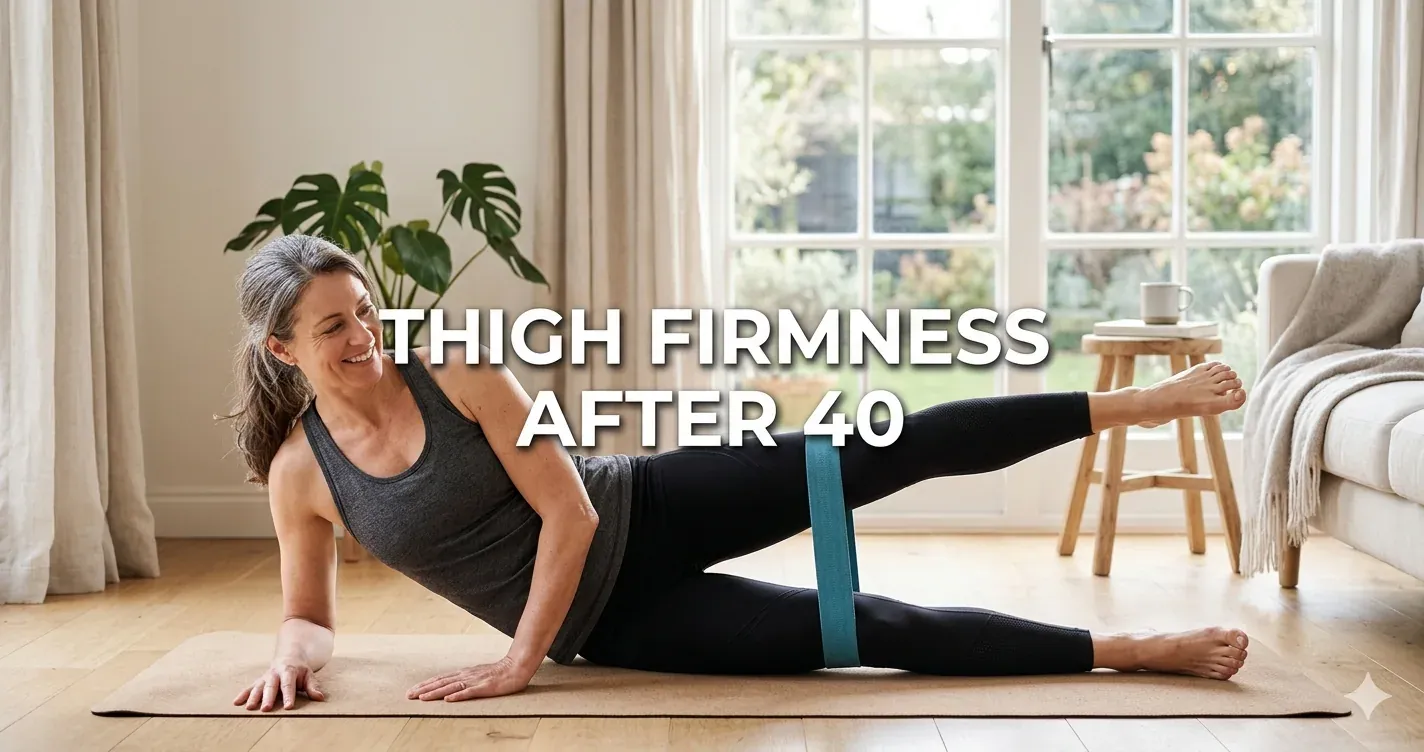
- Side leg raises: Same stance, lift leg out to the side. 10 reps per leg.
- Glute bridges: Lie on back, knees bent, feet flat. Lift hips toward ceiling, squeeze glutes, lower slowly. 12-15 reps.
- Calf raises: Hold chair, rise onto toes, lower slowly. 15 reps.
Cool-down (2 minutes):
- Gentle hamstring stretch: 30 seconds per leg
- Quad stretch (holding chair): 30 seconds per leg
- Deep breathing: 60 seconds
Consistency matters more than intensity. Starting with this routine 2x weekly and gradually building to 3x may yield noticeable improvements in strength and confidence within 6-8 weeks.
Skin Care Approaches for Lower Body Confidence
While thigh softness primarily relates to muscle and fat composition, skin health contributes to overall appearance and comfort.
Gentle care practices that may help:
- Moisturizing: Applying a fragrance-free moisturizer after bathing may support skin barrier function. Look for ingredients like glycerin, ceramides, or hyaluronic acid.
- Gentle exfoliation: Using a soft washcloth or mild chemical exfoliant (like lactic acid) 1-2x weekly may support skin texture. Always patch test new products.
- Sun protection: UV exposure affects collagen. If thighs are exposed, applying broad-spectrum SPF 30+ may help maintain skin health.
For those interested in evidence-based skincare approaches, skin elasticity after 30 natural support methods that work offers practical guidance tailored to mature skin needs.
Comparing Approaches: What Works and What to Approach Cautiously
With abundant information available, distinguishing evidence-informed strategies from trends is essential.
| Approach | Potential Benefits | Considerations | Evidence Level |
|---|---|---|---|
| Regular strength activities | May support muscle retention, bone health, functional mobility | Start gradually; consult professional if new to exercise | Strong |
| Balanced protein intake | May support muscle protein synthesis when combined with movement | Individual needs vary; focus on whole food sources first | Moderate to Strong |
| Topical firming creams | May temporarily improve skin hydration and texture | Limited evidence for significant structural changes; manage expectations | Limited |
| Extreme calorie restriction | May lead to short-term weight changes | May accelerate muscle loss; not sustainable; consult professional before major changes | Not Recommended |
| Consistent hydration | Supports overall cellular function and skin health | Simple, low-risk practice with broad wellness benefits | Strong for general health |
Understanding why body tightness depends on muscle tone and not weight helps reframe goals from scale numbers to functional strength and how you feel in your body.
When to Consult a Professional
While thigh changes with age are typically normal, certain situations warrant professional guidance:
- Sudden, unexplained changes in body composition
- Pain, swelling, or discomfort in the legs
- Significant mobility limitations affecting daily activities
- Questions about hormone therapy or medical interventions
Registered dietitians, physical therapists, or healthcare providers can offer personalized recommendations based on your health history and goals. Remember: seeking guidance is a proactive step toward wellness, not a sign of failure.
Mindset and Body Confidence at Every Age
Beyond physical strategies, cultivating a compassionate relationship with your body supports long-term well-being. Research in health psychology suggests that self-compassion and realistic expectations correlate with greater adherence to healthy habits.
Practical mindset shifts:
- Focus on function: Celebrate what your body can do—walking, dancing, playing with grandchildren—rather than solely appearance.
- Progress over perfection: Small, consistent actions compound over time. Missing a workout doesn't erase previous efforts.
- Community connection: Sharing experiences with others navigating similar changes may reduce isolation and provide mutual support.
Exploring how women maintain firmness through lifestyle stability emphasizes that sustainable habits, not quick fixes, create lasting confidence.
Putting It All Together: A 4-Week Starter Plan
This flexible framework helps integrate the strategies discussed. Adjust based on your schedule, energy, and preferences.
Week 1: Foundation
- Perform the home routine 2x this week
- Add one protein-rich food to two meals daily
- Practice 5 minutes of mindful breathing post-workout
Week 2: Build Consistency
- Increase routine to 3x if comfortable
- Try one new vegetable or legume
- Take a 20-minute walk on non-strength days
Week 3: Add Variety
- Modify one exercise (e.g., add a pause at the bottom of squats)
- Experiment with a new hydration habit (herbal tea, infused water)
- Notice and acknowledge one strength-related win this week
Week 4: Reflect and Adjust
- Assess what felt sustainable; adjust frequency or exercises as needed
- Plan for the next month using insights from weeks 1-3
- Celebrate consistency, not perfection
For additional support in creating sustainable habits, prevent gradual body softening women strength guide offers expanded strategies for long-term success.
Final Thoughts: Embracing Change With Confidence
Experiencing changes in thigh tone or texture as you age is a normal part of human physiology—not a personal shortcoming. By understanding the biological factors at play and implementing gentle, consistent practices, you can support your body's strength and function at every stage.
Remember: wellness is not about achieving a specific appearance. It's about feeling capable, comfortable, and confident in your own skin. Small, sustainable steps—whether a 10-minute walk, an extra serving of vegetables, or a moment of self-compassion—accumulate into meaningful change over time.
If you're exploring related topics, daily movement patterns shape female bodies and natural body tightness support without extreme dieting provide complementary insights for holistic well-being.
Disclaimer: This content is for informational purposes only and is not medical advice. Consult a qualified healthcare professional before making significant changes to your exercise, nutrition, or wellness routine, especially if you have underlying health conditions.