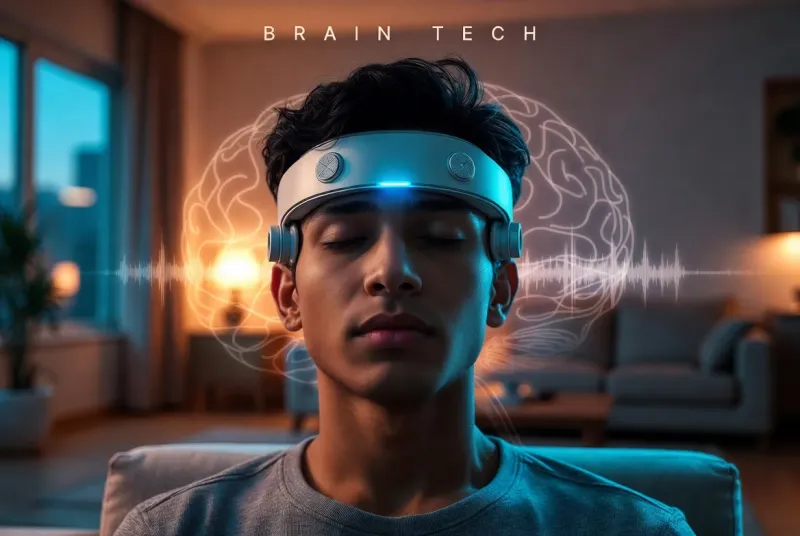
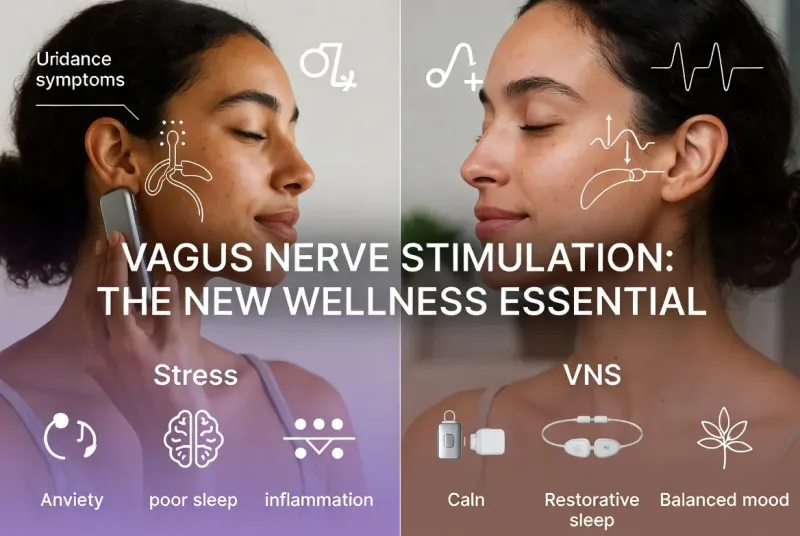
In an era where stress, anxiety, and burnout have become almost universal experiences, the wellness industry continues to evolve in search of effective, accessible solutions. Enter vagus nerve stimulation (VNS) gadgets: sleek, wearable devices that promise to calm your nervous system, reduce stress, and enhance overall wellbeing through gentle electrical stimulation of the body's longest cranial nerve. What was once a medical treatment reserved for epilepsy and depression has now entered the consumer wellness market, positioning itself as the next essential tool for modern self-care.
Vagus nerve stimulation gadgets represent a fascinating convergence of neuroscience, wearable technology, and holistic wellness. These devices, ranging from ear-clips to neck-worn wearables, use mild electrical currents to activate the vagus nerve, triggering the body's natural relaxation response. For wellness enthusiasts seeking alternatives to medication, meditation skeptics looking for tangible tools, or anyone overwhelmed by modern life's demands, VNS gadgets offer a compelling promise: scientific backing meets everyday accessibility.
This comprehensive guide explores why vagus nerve stimulation gadgets are emerging as the new wellness essential. You'll discover the science behind how VNS works, evaluate the evidence for consumer-grade devices, learn which gadgets lead the market in 2026, understand how to use them safely and effectively, and determine whether investing in a VNS gadget aligns with your wellness goals. Whether you're curious about this emerging trend or ready to incorporate VNS into your self-care routine, this guide provides the knowledge you need to make informed decisions.
Understanding the Vagus Nerve: Your Body's Calming Superhighway
Before exploring VNS gadgets, it's essential to understand the vagus nerve itself and why stimulating it matters for wellness. The vagus nerve, the tenth cranial nerve, is the longest nerve in your body, extending from your brainstem through your neck and chest to your abdomen. It serves as a critical communication pathway between your brain and major organs, playing a central role in the parasympathetic nervous system, your body's "rest and digest" response.
When activated, the vagus nerve triggers a cascade of physiological changes: heart rate slows, blood pressure decreases, breathing deepens, digestion improves, and stress hormones like cortisol decline. This is why activities that naturally stimulate the vagus nerve, deep breathing, meditation, singing, cold exposure, and social connection, are so effective for reducing stress and promoting relaxation.
Why Vagus Nerve Tone Matters for Wellness
Vagus nerve tone, a measure of how effectively your vagus nerve functions, is increasingly recognized as a key indicator of overall health and resilience. High vagal tone is associated with: better stress management and emotional regulation, improved heart health and lower inflammation, enhanced digestion and gut health, stronger immune function, better sleep quality, and greater emotional resilience.
Conversely, low vagal tone is linked to chronic stress, anxiety, depression, digestive issues, cardiovascular problems, and impaired immune function. Modern lifestyles, characterized by chronic stress, poor sleep, sedentary behavior, and constant digital stimulation, can suppress vagal tone, making intentional stimulation increasingly valuable for maintaining wellness.
How Vagus Nerve Stimulation Works
Vagus nerve stimulation works by delivering mild electrical impulses to the nerve, mimicking the natural signals that activate the parasympathetic nervous system. When the vagus nerve is stimulated, it sends signals to the brainstem, which then influences multiple brain regions involved in mood regulation, stress response, and autonomic function.
Consumer VNS gadgets typically use transcutaneous vagus nerve stimulation (tVNS), which stimulates the nerve through the skin rather than requiring surgical implantation. Most consumer devices target the auricular branch of the vagus nerve, which has endings in the outer ear, making ear-based stimulation both effective and non-invasive.
The Science Behind Consumer VNS Gadgets
While implantable VNS devices have been FDA-approved for treating epilepsy and depression since the 1990s, consumer-grade tVNS gadgets are a newer phenomenon. Understanding the scientific evidence helps separate marketing claims from realistic expectations.
Clinical Research on tVNS
Research on transcutaneous vagus nerve stimulation has grown significantly in recent years, with promising findings across multiple wellness domains:
Stress and Anxiety: Multiple studies show that tVNS can reduce subjective stress and anxiety levels. A 2023 meta-analysis in "Neuroscience & Biobehavioral Reviews" found moderate effects of tVNS on anxiety reduction, with effects comparable to some mindfulness interventions.
Heart Rate Variability: HRV, a marker of autonomic nervous system balance, consistently improves with tVNS. Higher HRV indicates better stress resilience and cardiovascular health, making this a meaningful outcome for wellness-focused users.
Inflammation: The vagus nerve plays a key role in the body's inflammatory response through the "cholinergic anti-inflammatory pathway." Early research suggests tVNS may help reduce inflammatory markers, though more studies are needed to confirm clinical significance.
Sleep Quality: Some studies report improved sleep quality and duration with regular tVNS use, likely related to its calming effects on the nervous system.
Mood and Depression: While implantable VNS is approved for treatment-resistant depression, evidence for consumer tVNS devices is more limited. Preliminary studies suggest potential mood benefits, but larger, longer-term trials are needed.
Limitations of Current Evidence
While the science is promising, important limitations exist: most studies are small and short-term, optimal stimulation parameters (frequency, intensity, duration) aren't fully established, individual responses vary significantly, and many studies use research-grade equipment rather than consumer gadgets.
Additionally, consumer VNS gadgets are typically marketed as wellness devices rather than medical treatments, meaning they haven't undergone the rigorous clinical testing required for medical device approval. This doesn't mean they're ineffective, but it does mean managing expectations and understanding that results may vary.
Top VNS Gadgets for Wellness in 2026
The consumer VNS market has expanded rapidly, with devices ranging from affordable ear-clips to premium neck-worn wearables. These leading gadgets represent the best options for wellness-focused users in 2026.
Pulsetto: Affordable and Accessible
Pulsetto has emerged as a popular entry-level VNS gadget, offering vagus nerve stimulation at an accessible price point without sacrificing core functionality.
Key Features:
- Ear-clip design targeting the auricular vagus nerve
- Adjustable intensity levels for personalized comfort
- Pre-programmed sessions for stress relief, sleep, and focus
- Rechargeable battery with USB-C charging
- Companion app for session tracking and customization
- Compact, portable design for on-the-go use
Best For: Beginners exploring VNS, budget-conscious wellness enthusiasts, users seeking portable stress relief.
Price Range: $99-149, making it one of the most affordable options with solid features.
User Experience: Users report noticeable relaxation within 5-10 minutes of use, with many incorporating Pulsetto into pre-sleep or pre-meeting routines. The ear-clip design is discreet and comfortable for most users.
TruVaga: Premium Performance
TruVaga positions itself as a premium VNS device, combining clinical-grade technology with consumer-friendly design for users seeking maximum effectiveness.
Key Features:
- Neck-worn design targeting the cervical vagus nerve for potentially stronger stimulation
- Clinically-tested stimulation parameters
- Multiple program modes for stress, sleep, focus, and recovery
- Advanced app with biometric integration and progress tracking
- Premium materials and ergonomic design
- Long battery life with fast charging
Best For: Users prioritizing effectiveness over price, those with significant stress or sleep challenges, wellness enthusiasts seeking premium features.
Price Range: $299-399, reflecting its premium positioning and advanced features.
User Experience: TruVaga users often report more pronounced effects compared to ear-based devices, likely due to the cervical nerve's larger size. The neck-worn design requires some adjustment but is generally comfortable for session-length use.
Nemospa: Balanced Value
Nemospa strikes a balance between affordability and functionality, offering solid VNS performance without premium pricing.
Key Features:
- Ear-clip design with ergonomic fit
- Three intensity levels and two session durations
- Simple, intuitive controls requiring no app
- Rechargeable battery with magnetic charging
- Travel-friendly carrying case included
- CE-certified for safety and quality
Best For: Users seeking simplicity and reliability, those who prefer app-free operation, travelers wanting portable stress relief.
Price Range: $179-229, offering mid-range pricing with reliable performance.
User Experience: Nemospa's simplicity appeals to users who want effective VNS without complexity. The lack of app dependency is a plus for privacy-conscious users, though it limits customization options.
Gamma Core: Medical-Grade Option
Gamma Core, originally developed for medical use, offers a consumer version that brings clinical-grade technology to the wellness market.
Key Features:
- Handheld device applied to the neck for cervical VNS
- FDA-cleared for certain medical indications (consumer version is wellness-focused)
- Precise, clinically-tested stimulation parameters
- Prescription-level technology adapted for consumer use
- Comprehensive user guidance and support
Best For: Users with specific health concerns, those seeking medical-grade technology, individuals who've tried other VNS devices without satisfaction.
Price Range: $499-699, reflecting its medical-grade technology and development.
User Experience: Gamma Core users often report strong, consistent effects, though the handheld design requires active application rather than passive wear. The higher price point is justified for users prioritizing clinical backing.
How to Use VNS Gadgets Safely and Effectively
Maximizing the benefits of VNS gadgets while minimizing risks requires understanding proper usage techniques and safety considerations.
Getting Started: Best Practices
Start Low, Go Slow: Begin with the lowest intensity setting and shortest session duration. Gradually increase as your body adapts, typically over 1-2 weeks. This approach minimizes discomfort and helps you identify your optimal settings.
Consistency Matters: Like any wellness practice, VNS works best with regular use. Most users benefit from daily sessions of 5-15 minutes, though some prefer multiple shorter sessions throughout the day.
Timing for Specific Goals: For stress relief: use during or after stressful situations, or as a preventive morning routine. For sleep support: use 30-60 minutes before bedtime. For focus: use before demanding cognitive tasks. For recovery: use after intense physical or mental exertion.
Proper Placement: Follow manufacturer instructions precisely for electrode placement. For ear-based devices, target the tragus or concha area where vagus nerve endings are concentrated. For neck devices, position according to anatomical guidance to ensure effective stimulation.
What to Expect During and After Use
During a VNS session, you may feel: a mild tingling or tapping sensation at the stimulation site, slight muscle twitching in the ear or neck (normal and harmless), a sense of relaxation or calm developing within minutes, and possibly mild drowsiness, especially with evening sessions.
After regular use, users commonly report: reduced baseline stress levels, improved sleep quality and duration, better emotional regulation during challenging situations, enhanced recovery after stress or exertion, and increased awareness of bodily stress signals.
Effects vary by individual. Some notice benefits immediately; others require weeks of consistent use. Patience and consistency are key.
Safety Considerations and Contraindications
While consumer VNS gadgets are generally safe when used as directed, certain precautions are essential:
Consult Your Doctor If: You have a pacemaker or other implanted electronic device, you have epilepsy or a history of seizures, you're pregnant or breastfeeding, you have heart conditions or arrhythmias, you take medications affecting heart rate or nervous system function.
Avoid Use If: You have open wounds or skin conditions at the stimulation site, you experience dizziness, nausea, or unusual symptoms during use, you have been advised against electrical stimulation by a healthcare provider.
General Safety Tips: Never use while driving or operating machinery, discontinue use if you experience discomfort or adverse effects, keep devices away from water unless specifically designed for wet use, store devices safely away from children.
Integrating VNS Gadgets into Your Wellness Routine
VNS gadgets work best as part of a comprehensive wellness approach rather than standalone solutions. Here's how to integrate them effectively.
Pairing VNS with Complementary Practices
Breathing Exercises: Combine VNS with diaphragmatic breathing or box breathing for amplified parasympathetic activation. The vagus nerve responds to both electrical stimulation and respiratory patterns, creating synergistic effects.
Mindfulness and Meditation: Use VNS to enhance meditation practice by reducing mental chatter and promoting physical relaxation. Many users find VNS helps them reach meditative states more easily.
Sleep Hygiene: Incorporate VNS into your pre-sleep routine alongside other sleep-supportive practices like dimming lights, avoiding screens, and maintaining a consistent bedtime.
Physical Activity: Use VNS for post-workout recovery to support parasympathetic rebound after exercise-induced sympathetic activation.
Creating a Personalized VNS Protocol
Develop a VNS routine tailored to your specific needs and lifestyle:
Identify Your Primary Goal: Stress reduction, sleep improvement, focus enhancement, or general wellness? Your goal guides session timing and frequency.
Start with a Baseline: Use your device consistently for 2-4 weeks at moderate settings before adjusting. Track subjective outcomes like stress levels, sleep quality, and mood.
Adjust Based on Response: If you don't notice benefits after 4 weeks, consider adjusting intensity, duration, or timing. If you experience benefits, maintain your protocol or experiment with minor optimizations.
Reassess Periodically: Your needs may change over time. Reassess your VNS protocol quarterly to ensure it continues serving your wellness goals.
Tracking Progress and Outcomes
Objective tracking helps you evaluate whether VNS is working for you:
- Subjective measures: Rate stress, sleep quality, and mood daily on a 1-10 scale
- Heart rate variability: Use a wearable HRV tracker to monitor autonomic balance changes
- Sleep tracking: Monitor sleep duration and quality with a sleep tracker or app
- Journaling: Note observations about how VNS affects your daily experience
Look for trends over weeks rather than day-to-day fluctuations. Meaningful changes often emerge gradually with consistent use.
VNS Gadgets vs. Other Stress Management Tools
Understanding how VNS gadgets compare to other wellness tools helps you make informed decisions about where to invest your time and money.
VNS vs. Meditation Apps
VNS Advantages: Provides physiological stimulation regardless of mental state, requires less cognitive effort, may work for meditation skeptics, offers tangible, immediate sensations.
Meditation Advantages: Develops long-term mental skills, no device required, free or low-cost options available, broader cognitive and emotional benefits.
Best Approach: Many users benefit from combining both: VNS for immediate physiological support, meditation for long-term mental training.
VNS vs. Breathwork Devices
VNS Advantages: Direct nerve stimulation may produce stronger physiological effects, works independently of breathing patterns, may benefit those who struggle with breathwork.
Breathwork Advantages: Teaches portable, device-free skills, strengthens respiratory muscles, can be practiced anywhere without equipment.
Best Approach: Breathwork and VNS both activate the parasympathetic nervous system; using them together may amplify benefits.
VNS vs. Supplements for Stress
VNS Advantages: Non-ingestible, no risk of interactions with medications, immediate effects, no tolerance development.
Supplement Advantages: May address nutritional deficiencies contributing to stress, can support multiple body systems, often more affordable long-term.
Best Approach: VNS and supplements can complement each other; consult a healthcare provider before combining interventions.
Cost Considerations and Value Assessment
VNS gadgets represent a financial investment, so understanding their value proposition helps you decide whether they're worth it for your situation.
Upfront and Ongoing Costs
Device Cost: Consumer VNS gadgets range from $99 for basic models to $699 for premium or medical-grade options. Consider this a one-time investment with potential multi-year use.
App Subscriptions: Some devices require or offer premium app features for $5-15/month. Evaluate whether these features provide meaningful value for your needs.
Replacement Parts: Electrodes or ear-clips may need replacement every 6-12 months at $20-50 per set, depending on the device.
Opportunity Cost: Consider what else you could invest that money in: therapy, fitness memberships, sleep improvements, or other wellness interventions.
Assessing Personal Value
Ask yourself these questions to evaluate whether a VNS gadget is worth the investment:
- How significantly does stress or poor sleep impact my daily life and health?
- Have I tried other evidence-based stress management approaches with limited success?
- Do I prefer tangible, device-based interventions over purely behavioral approaches?
- Am I committed to consistent use, or likely to abandon the device after initial enthusiasm?
- Does the potential benefit justify the financial investment for my situation?
If you answer "yes" to most of these, a VNS gadget may provide meaningful value. If you're uncertain, consider starting with a lower-cost option or borrowing a friend's device to test before committing.
Frequently Asked Questions
Are VNS gadgets safe for long-term use?
Consumer VNS gadgets are generally considered safe for long-term use when used as directed. Most devices undergo safety testing and carry certifications like CE or FCC. However, long-term studies specifically on consumer tVNS devices are limited. To maximize safety: follow manufacturer instructions precisely, start with low intensity and gradually increase, take periodic breaks (e.g., one day off per week), discontinue use if you experience adverse effects, and consult a healthcare provider if you have underlying health conditions.
How quickly will I notice results from a VNS gadget?
Experiences vary significantly. Some users report feeling calmer or more relaxed within a single session, particularly for acute stress relief. For cumulative benefits like improved sleep quality or reduced baseline anxiety, most users notice changes after 2-4 weeks of consistent daily use. Individual factors like stress levels, overall health, and consistency of use influence the timeline. Patience and consistent use are key to experiencing meaningful benefits.
Can VNS gadgets replace therapy or medication for anxiety or depression?
No, consumer VNS gadgets should not replace professional mental health treatment. While research suggests tVNS may support mood and stress management, these devices are wellness tools, not medical treatments. If you have diagnosed anxiety, depression, or other mental health conditions, work with a qualified healthcare provider to develop a comprehensive treatment plan. VNS gadgets may complement professional care but should not substitute for evidence-based therapies or prescribed medications.
Do VNS gadgets work for everyone?
Individual responses to VNS vary. Factors influencing effectiveness include: anatomical differences in vagus nerve location, baseline vagal tone and autonomic function, consistency and correctness of use, underlying health conditions, and individual neurophysiology. Some users experience significant benefits; others notice minimal effects. If you don't notice benefits after 4-6 weeks of consistent, correct use, the device may not be the right fit for your physiology or needs.
Can I use a VNS gadget while pregnant or breastfeeding?
Most manufacturers recommend consulting a healthcare provider before using VNS gadgets during pregnancy or breastfeeding. While transcutaneous VNS is non-invasive and generally low-risk, the effects on fetal development or breast milk haven't been thoroughly studied. If you're pregnant or breastfeeding and considering VNS, discuss it with your obstetrician or healthcare provider to weigh potential benefits against unknown risks.
Conclusion
Vagus nerve stimulation gadgets represent an exciting frontier in accessible, science-informed wellness. By harnessing the body's natural relaxation pathways through gentle electrical stimulation, these devices offer a tangible tool for managing stress, improving sleep, and enhancing overall wellbeing in our increasingly demanding world.
While the science supporting consumer VNS gadgets is promising but still evolving, many users report meaningful benefits from consistent, proper use. The key is approaching these devices with realistic expectations, using them as part of a comprehensive wellness strategy rather than standalone solutions, and prioritizing safety through proper usage and medical consultation when appropriate.
As with any wellness investment, the value of a VNS gadget depends on your individual needs, preferences, and circumstances. If you struggle with chronic stress, poor sleep, or difficulty activating your body's relaxation response, and if you prefer tangible, device-based interventions, a VNS gadget may be a worthwhile addition to your wellness toolkit.
Ultimately, the rise of VNS gadgets as wellness essentials reflects a broader shift toward personalized, science-backed self-care. By understanding the vagus nerve's role in health, evaluating the evidence for available devices, and integrating VNS thoughtfully into your routine, you can harness this emerging technology to support your journey toward greater calm, resilience, and wellbeing.
The vagus nerve has been calming humans for millennia through breath, connection, and presence. VNS gadgets simply offer a modern tool to access that ancient wisdom. Used wisely, they can be a valuable ally in cultivating the calm, resilient nervous system that supports a thriving life.
📖 আরও পড়ুন: Trending Now
- 🔗 রিমোট জব ও ডিজিটাল নোম্যাড লাইফ: ডলার আয়ের স্বপ্ন বনাম বাস্তবতা - সম্পূর্ণ গাইড
- 🔗 Top 10 High-Protein Vegan Meal Prep Ideas for Busy Remote Workers
- 🔗 Personal AI Twin for Social Media Branding: Complete Guide
- 🔗 Digital Nomad Guide 2026: Work and Travel Smart
- 🔗 এআই টুলস দিয়ে প্রোডাক্টিভিটি বাড়ান: বিগিনারদের সম্পূর্ণ গাইড