
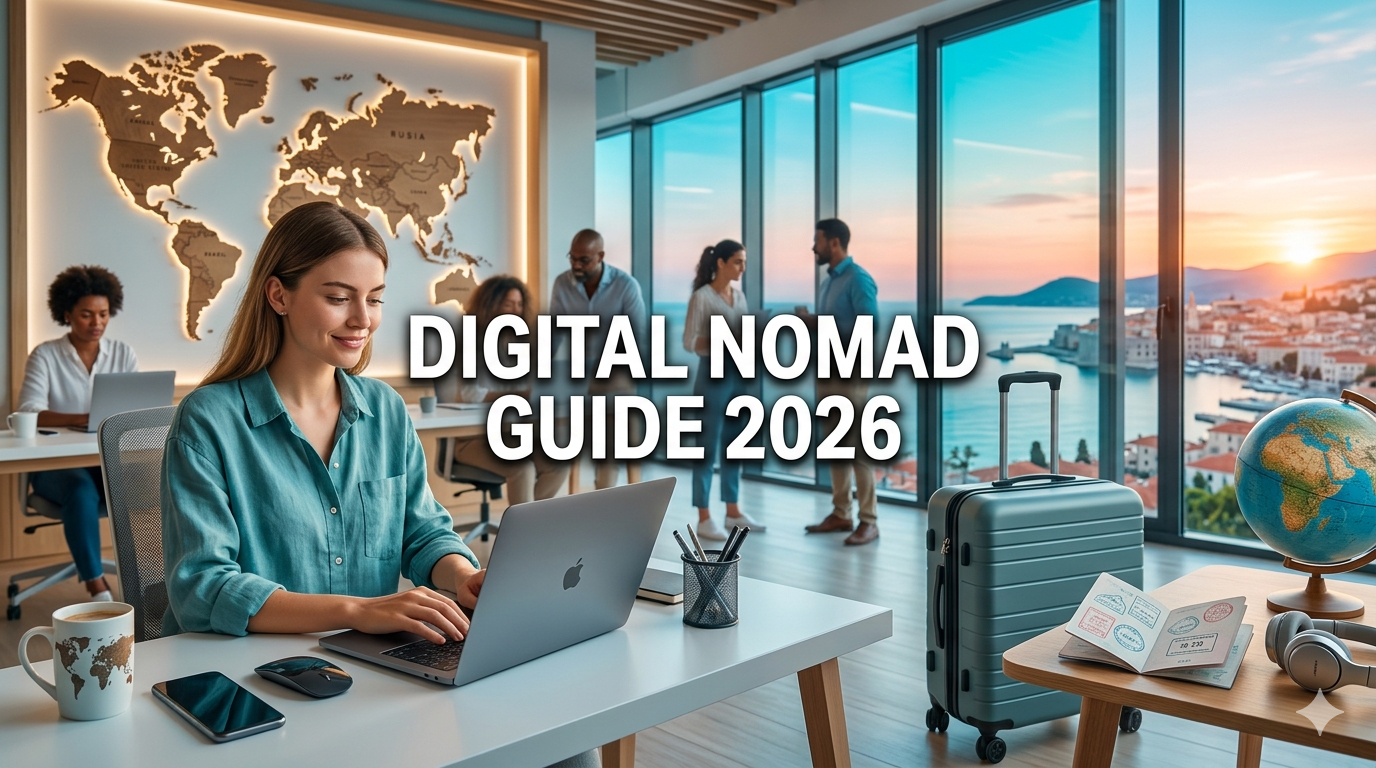
Mastering the Art of Working Remotely While Traveling the World
The digital nomad lifestyle has evolved from a niche trend into a mainstream career path, and 2026 is the perfect time to embrace location independence. With remote work becoming the norm, more countries offering digital nomad visas, and technology making global connectivity seamless, the barriers to working while traveling have never been lower. This comprehensive guide will equip you with everything you need to know about becoming a successful digital nomad in 2026—from choosing the right destinations to managing finances, staying productive, and traveling smart.
Being a digital nomad isn't just about working from exotic beaches. It's about creating a sustainable lifestyle that balances professional productivity with cultural immersion, financial responsibility with adventure, and personal growth with career advancement. Whether you're a seasoned remote worker looking to add travel to your routine or a complete beginner dreaming of location independence, this guide provides actionable strategies to make your digital nomad dreams a reality.
In 2026, the digital nomad ecosystem is more robust than ever. Over 60 countries now offer specific digital nomad visas, co-working spaces have proliferated in every corner of the globe, and communities of location-independent professionals provide support and networking opportunities worldwide. The question isn't whether you can become a digital nomad—it's how to do it smartly, sustainably, and successfully.
Is the Digital Nomad Lifestyle Right for You?
Assessing Your Readiness
Before packing your bags, it's crucial to honestly evaluate whether the digital nomad lifestyle aligns with your personality, career, and life circumstances.
Ideal candidates for digital nomad life typically:
- Have a stable remote income source or marketable remote skills
- Are self-motivated and disciplined without traditional office structure
- Adapt easily to new environments and unexpected challenges
- Comfortable with uncertainty and problem-solving on the fly
- Can maintain work-life boundaries in changing environments
- Have minimal physical possessions or are willing to downsize
- Possess strong communication skills for remote collaboration
Challenges to consider: Loneliness and isolation can affect even the most extroverted nomads. Time zone differences may require odd working hours. Constant travel can become exhausting. Visa regulations add complexity. And maintaining relationships back home requires intentional effort.
Reality check: The Instagram-perfect image of digital nomad life often omits the challenges. Success requires planning, resilience, and realistic expectations. It's not an escape from work—it's a different way of working that demands discipline and organization.
Skills That Translate to Remote Work
Certain professions and skills are particularly well-suited to location independence:
Tech and Development: Software development, web design, UX/UI design, data analysis, cybersecurity, and IT support are naturally remote-friendly fields with high demand globally.
Creative Services: Content writing, copywriting, graphic design, video editing, photography, social media management, and digital marketing can be done from anywhere with internet access.
Business and Consulting: Virtual assistance, business consulting, coaching, online teaching, translation, and customer success roles offer flexibility for remote work.
E-commerce and Entrepreneurship: Running an online store, dropshipping, affiliate marketing, or managing digital products allows complete location freedom.
Emerging opportunities in 2026: AI prompt engineering, virtual event management, remote team coordination, blockchain consulting, and sustainability consulting are growing fields perfect for nomads.
Preparing for Digital Nomad Life: Essential Steps
Financial Preparation and Budgeting
Financial stability is the foundation of successful digital nomad life. Proper preparation prevents stress and allows you to focus on work and exploration.
Build an emergency fund: Save at least 3-6 months of living expenses before departing. This safety net covers unexpected costs, slow business periods, or emergency travel home. Aim for $5,000-$15,000 minimum depending on your lifestyle and risk tolerance.
Understand your income needs: Calculate your monthly budget including:
- Accommodation ($500-$2,500 depending on destination)
- Food and dining ($300-$800)
- Co-working space or café expenses ($50-$300)
- Transportation and local travel ($100-$400)
- Health insurance ($50-$300)
- Visa and administrative fees (varies)
- Entertainment and activities ($200-$500)
- Miscellaneous and buffer (10-15% of total)
Banking strategy: Maintain accounts in your home country while opening accounts with international-friendly banks. Consider digital banks like Wise, Revolut, or N26 that offer low foreign transaction fees and easy currency conversion. Always have backup payment methods—multiple debit cards, credit cards, and some emergency cash in USD or EUR.
Tax considerations: Consult a tax professional familiar with international remote work. Understand tax residency rules, potential double taxation, and reporting requirements. Many countries have tax treaties, but rules vary significantly. Keep meticulous records of days spent in each country.
Securing Remote Income
Before becoming a digital nomad, ensure you have reliable income streams:
Negotiate remote work: If currently employed, propose a remote work arrangement to your employer. Highlight your productivity, propose a trial period, and address potential concerns about time zones and communication. Many companies now embrace remote work or hybrid models.
Freelance platforms: Build profiles on Upwork, Fiverr, Toptal, or specialized platforms in your field. Start building client relationships and portfolio before traveling. Aim to have 2-3 steady clients before departing.
Passive income streams: Develop income that doesn't require constant active work—online courses, digital products, affiliate marketing, rental income, or dividend investments. These provide stability during slow periods.
Remote job boards: Utilize platforms like Remote.co, We Work Remotely, FlexJobs, and LinkedIn's remote work filters to find full-time remote positions.
Diversify income: Don't rely on a single client or income source. Multiple streams provide security if one dries up unexpectedly.
Choosing the Right Destinations
Destination selection impacts your productivity, budget, and quality of life. Consider these factors:
Internet reliability: This is non-negotiable. Research internet speeds and reliability before committing. Use resources like Speedtest.net and nomad community forums. Aim for minimum 25 Mbps download speed for video calls and file transfers.
Cost of living: Match destinations to your budget. Southeast Asia (Thailand, Vietnam, Indonesia) and Eastern Europe (Portugal, Georgia, Albania) offer excellent value. Western Europe, North America, and Australia are significantly more expensive but offer different advantages.
Time zone compatibility: If working with clients or teams in specific regions, choose destinations with overlapping business hours. A 3-5 hour difference is manageable; 8+ hours creates challenges.
Digital nomad visa availability: Over 60 countries now offer specific visas for remote workers. These typically allow 6 months to 2 years of legal residence. Popular options include Portugal, Spain, Estonia, Thailand, Mexico, Costa Rica, and Indonesia (Bali).
Community and networking: Established nomad hubs like Chiang Mai, Lisbon, Medellín, and Bali offer built-in communities, co-working spaces, and social opportunities. Smaller towns offer authenticity but may lack infrastructure and community.
Safety and healthcare: Research crime rates, political stability, and healthcare quality. Ensure your insurance covers your destination and understand local medical facilities.
Essential Gear and Technology for Digital Nomads
The Minimalist Tech Setup
Your technology is your lifeline. Invest in quality, reliability, and portability:
Laptop: Choose a lightweight, powerful machine with excellent battery life. MacBook Air M-series or high-end Windows ultrabooks (Dell XPS, Lenovo ThinkPad X1) are popular choices. Ensure at least 16GB RAM and 512GB storage.
Backup devices: Carry a tablet or Chromebook as emergency backup. Cloud storage (Google Drive, Dropbox) ensures you can access work from any device if your primary fails.
Phone: An unlocked smartphone that works internationally is essential. Consider eSIM-compatible phones for easy carrier switching.
Connectivity tools:
- Portable WiFi hotspot or global eSIM (Airalo, Holafly)
- Universal power adapter with USB-C charging
- Multiple charging cables and portable power bank (20,000+ mAh)
- Noise-canceling headphones for calls and focus
- Webcam upgrade if laptop camera is poor quality
Data security: Use a VPN (Virtual Private Network) on public networks. Enable two-factor authentication on all accounts. Use password managers (LastPass, 1Password). Encrypt sensitive files and maintain regular backups.
Productivity Software Stack
Optimize your workflow with these essential tools:
Communication: Slack, Microsoft Teams, or Discord for team chat. Zoom or Google Meet for video calls. Loom for async video messages.
Project management: Asana, Trello, Notion, or Monday.com to track tasks and collaborate with clients or teams.
Cloud storage and collaboration: Google Workspace or Microsoft 365 for documents, spreadsheets, and real-time collaboration.
Time zone management: World Time Buddy or Every Time Zone to coordinate across time zones. Set your calendar to show multiple time zones.
Focus and productivity: RescueTime or Toggl for time tracking. Forest or Freedom to block distractions. Notion or Obsidian for knowledge management.
Managing Logistics: Visas, Accommodation, and Travel
Navigating Visa Requirements
Visa strategy is crucial for long-term travel:
Tourist visas: Many countries offer 30-90 day tourist visas, sometimes extendable. However, working on a tourist visa is technically illegal in most countries, though enforcement varies. Digital nomad visas provide legal clarity.
Digital nomad visas (2026 options):
- Portugal: D7/D8 visa, 1-2 years, requires proof of income (€820/month minimum)
- Spain: Digital Nomad Visa, up to 5 years, requires €2,400/month income
- Estonia: 1-year visa, requires €4,500/month income
- Thailand: Destination Thailand Visa, 6 months renewable, requires $80,000 annual income or $10,000 savings
- Indonesia (Bali): Second Home Visa, 5-10 years, requires $130,000 in savings or senior executive position
- Mexico: Temporary Resident Visa, 1-4 years, requires $2,700/month income
- Costa Rica: 1-2 years, requires $3,000/month income
- Georgia: Remotely from Georgia, 1 year, requires $2,000/month income
Visa runs: Some nomads do "visa runs"—leaving a country briefly to reset tourist visa limits. This is becoming harder as countries tighten regulations. Research current policies carefully.
Documentation: Keep digital and physical copies of passport, visas, insurance, and important documents. Use apps like Google Drive and physical waterproof document holders.
Finding Accommodation
Where you stay impacts productivity and budget:
Short-term (1-4 weeks): Hotels, hostels, or Airbnb. Good for testing a destination before committing longer.
Medium-term (1-6 months): Furnished apartments via Airbnb (monthly discounts), Booking.com, or local rental sites. Often 30-50% cheaper than nightly rates.
Long-term (6+ months): Local rental agreements, Facebook expat groups, or platforms like Spotahome. Requires more effort but offers best value and local experience.
Key considerations:
- Reliable WiFi (ask for speed test screenshots)
- Dedicated workspace or desk
- Quiet environment for calls
- Air conditioning or heating as needed
- Proximity to co-working spaces, cafes, and amenities
- Safety and neighborhood quality
- Kitchen facilities to save on food costs
Red flags: Vague WiFi descriptions, no reviews, pressure to pay outside platforms, prices significantly below market rate (often scams).
Co-working Spaces vs. Cafés
Choosing where to work daily:
Co-working spaces: Offer reliable internet, professional environment, networking opportunities, meeting rooms, and community. Monthly memberships range $50-$300. Popular chains include WeWork, Regus, and local independent spaces.
Cafés: Lower cost, authentic local experience, but less reliable WiFi, potential noise, and social pressure to keep buying. Best for short work sessions.
Hybrid approach: Many nomads use co-working spaces 2-3 days weekly for focused work and meetings, cafés for lighter tasks, and accommodation for evening work.
Health, Wellness, and Safety on the Road
Health Insurance and Medical Care
Health coverage is non-negotiable for digital nomads:
Specialized nomad insurance: Standard travel insurance often excludes long-term stays or remote work. Consider:
- SafetyWing: Popular among nomads, $45/month, covers 180+ countries
- Genki: Flexible plans, good for long-term
- World Nomads: Adventure activities coverage
- Cigna Global: Comprehensive but expensive
- Allianz Care: Good for families
Coverage essentials: Ensure your policy covers emergency medical, evacuation, repatriation, pre-existing conditions (if applicable), mental health, and routine care. Check coverage limits and deductibles.
Vaccinations and preventive care: Visit a travel clinic 2-3 months before departure. Get recommended vaccines for your destinations. Carry prescription medications with original packaging and doctor's notes.
Mental health: Nomad life can be isolating. Maintain therapy via telehealth platforms (BetterHelp, Talkspace). Build routines, stay connected with loved ones, and recognize burnout signs.
Physical Wellness
Maintaining health while traveling requires intention:
Exercise: Use co-working space gyms, local fitness classes, running, or bodyweight workouts in your accommodation. Apps like Nike Training Club or Peloton Digital provide structure.
Nutrition: Balance local cuisine exploration with healthy eating. Cook when possible to control ingredients. Stay hydrated, especially in new climates. Be cautious with street food initially.
Sleep: Combat jet lag with strategic light exposure, melatonin if needed, and gradual schedule adjustment. Prioritize 7-9 hours nightly. Create sleep routines even while traveling.
Ergonomics: Invest in a portable laptop stand and external keyboard/mouse for proper posture. Don't hunch over laptops for hours—this causes long-term injury.
Safety Strategies
Protect yourself and your belongings:
Personal safety: Research neighborhood safety before booking accommodation. Avoid displaying expensive equipment. Use hotel safes or portable safes for valuables. Share itinerary with trusted contacts.
Digital security: Use VPNs on public WiFi. Enable device tracking (Find My iPhone, Find My Device). Regularly backup data. Use strong, unique passwords.
Scam awareness: Research common scams in each destination. Be skeptical of deals that seem too good to be true. Never wire money to strangers. Use reputable booking platforms.
Emergency preparedness: Know local emergency numbers. Register with your embassy if staying long-term. Keep emergency cash in local currency and USD. Have evacuation plan and insurance that covers it.
Productivity and Work-Life Balance
Building Effective Routines
Structure enables freedom:
Time blocking: Schedule work hours, exploration time, and rest. Treat work blocks as non-negotiable appointments. Example: 8am-12pm deep work, 12-1pm lunch/exploration, 1-4pm meetings/admin, evenings free.
Morning routines: Start consistently even while traveling. Exercise, meditation, breakfast, and planning set positive tone. Avoid checking email immediately upon waking.
Weekly planning: Sunday evening, review upcoming week. Schedule critical calls, set priorities, plan work locations, and schedule exploration activities. Balance prevents burnout.
Deep work blocks: Protect 2-4 hour blocks for focused work without interruptions. Use co-working spaces or quiet cafés. Silence notifications. Communicate availability to clients/team.
Managing Time Zones
Working across time zones requires strategy:
Overlap hours: Identify 2-4 hour windows that overlap with clients/team. Schedule meetings during these times. Use early mornings or evenings if needed.
Async communication: Reduce meeting dependency. Use Loom videos, detailed written updates, and project management tools. This allows flexibility across time zones.
Set boundaries: Communicate your working hours clearly. Use calendar tools showing your time zone. Don't feel obligated to be available 24/7 just because you're in a different location.
Strategic location changes: If constantly working odd hours, consider relocating to a time zone with better overlap. Your health and relationships matter.
Avoiding Burnout
The nomad lifestyle can be exhausting:
Slow travel: Stay in each location 1-3 months minimum. Constant movement is draining. Deeper stays reduce logistics stress and allow meaningful connections.
Rest days: Schedule non-working days. Explore without laptop. Say no to activities when tired. Rest is productive.
Community: Combat isolation through co-working spaces, nomad meetups, Facebook groups, or coliving arrangements. Human connection is essential.
Hobbies and interests: Maintain activities unrelated to work or travel—reading, creative pursuits, sports. These ground you and prevent identity fusion with "nomad" label.
Building Community and Networking
Connecting with Other Nomads
Community enriches the experience:
Co-working spaces: Natural networking hubs. Attend events, join Slack channels, participate in skill-shares. Many spaces host social activities.
Online communities: Facebook groups (Digital Nomads Around the World, Nomad List), Reddit (r/digitalnomad), Discord servers, and Slack communities provide advice, meetups, and support.
Coliving spaces: Organizations like Outsite, Selina, and Hubud offer accommodation with built-in community. Great for solo travelers seeking connection.
Meetup platforms: Meetup.com, InterNations, and local expat groups organize events. Attend even if introverted—push comfort zone.
Professional networking: LinkedIn, industry-specific forums, and virtual conferences maintain professional connections. Don't let networking lapse while traveling.
Financial Management and Taxes
Managing Money Across Borders
Smart financial systems prevent headaches:
Multi-currency accounts: Wise, Revolut, or N26 allow holding and converting multiple currencies with low fees. Essential for receiving payments and local spending.
Payment platforms: PayPal, Payoneer, or Wise for receiving international client payments. Understand fees and withdrawal options.
Tracking expenses: Use apps like Trail Wallet, Spendee, or YNAB to monitor spending across currencies. Set monthly budgets and review weekly.
Tax optimization: Understand tax residency rules. Some countries have favorable tax treaties. Consult international tax professionals. Keep meticulous records of income, expenses, and days in each country.
Common Mistakes to Avoid
Pitfalls That Derail Nomads
Learn from others' mistakes:
Mistake 1: Moving too fast. Visiting a new city weekly sounds exciting but leads to burnout and shallow experiences. Slow down.
Mistake 2: Underestimating costs. Budget 20-30% buffer for unexpected expenses, currency fluctuations, and emergencies.
Mistake 3: Neglecting visas. Overstaying visas creates legal problems and future entry bans. Research requirements thoroughly.
Mistake 4: No emergency fund. Unexpected events happen—illness, equipment failure, family emergencies. Financial cushion is essential.
Mistake 5: Isolating yourself. Working alone in accommodation daily leads to loneliness. Get out, join communities, make connections.
Mistake 6: Poor work boundaries. Working from beaches or constantly exploring during work hours leads to client dissatisfaction and stress. Maintain professionalism.
Mistake 7: Not having insurance. Medical emergencies abroad can cost tens of thousands. Insurance is worth every penny.
The Future of Digital Nomad Life in 2026 and Beyond
Emerging Trends
The landscape continues evolving:
More visa options: Countries compete for remote workers. Expect more digital nomad visas with competitive benefits.
Nomad-friendly cities: Destinations actively marketing to remote workers, improving infrastructure, co-working spaces, and community events.
Coliving evolution: More sophisticated coliving options balancing privacy and community, often with work amenities included.
Remote work policies: More companies embracing permanent remote work, expanding opportunities for location independence.
Sustainability focus: Growing emphasis on slow travel, carbon offsetting, and supporting local economies rather than nomad gentrification.
Conclusion: Your Digital Nomad Journey Starts Now
Becoming a successful digital nomad in 2026 is more achievable than ever, but it requires preparation, adaptability, and realistic expectations. The freedom to work from anywhere while exploring the world is incredibly rewarding, but it demands discipline, financial planning, and emotional resilience.
Start where you are. You don't need to quit your job tomorrow or sell everything. Begin by negotiating remote work, building freelance income, or taking a working vacation to test the lifestyle. Save money, research destinations, and connect with the nomad community.
Embrace the learning curve. Your first months will have challenges—visa confusion, loneliness, productivity dips, travel mishaps. These are normal. Each problem solved makes you more capable and confident.
Prioritize sustainability. The goal isn't to visit every country in a year. It's to create a lifestyle you can maintain long-term that supports your career, health, relationships, and personal growth.
Remember your why. On difficult days—when WiFi fails, when you're lonely, when work is stressful—remember why you chose this path. The sunsets, the connections, the growth, the freedom. These moments make the challenges worthwhile.
The world is waiting, and the tools to explore it while building your career have never been better. Take that first step. Research your first destination. Have that conversation with your boss about remote work. Book that one-way ticket.
Your digital nomad journey starts now. Work hard, travel smart, stay curious, and build a life that doesn't require a vacation to feel alive.
📖 আরও পড়ুন: Trending Now
- 🔗 How to Use Agentic AI to Automate Your Daily Business Operations in 2026
- 🔗 ডিজিটাল মার্কেটিং ২০২৬: এসইও, এআই ও সোশ্যাল মিডিয়া ট্রেন্ডস গাইড
- 🔗 ২০২৬ সালে এজেন্টিক এআই ব্যবহার করে আপনার প্রতিদিনের ব্যবসায়িক কার্যক্রম কীভাবে অটোমেট করবেন
- 🔗 Smart Home and Tech Trends 2026: What’s Worth Buying Right Now
- 🔗 রিমোট জব ও ডিজিটাল নোম্যাড লাইফ: ডলার আয়ের স্বপ্ন বনাম বাস্তবতা - সম্পূর্ণ গাইড