
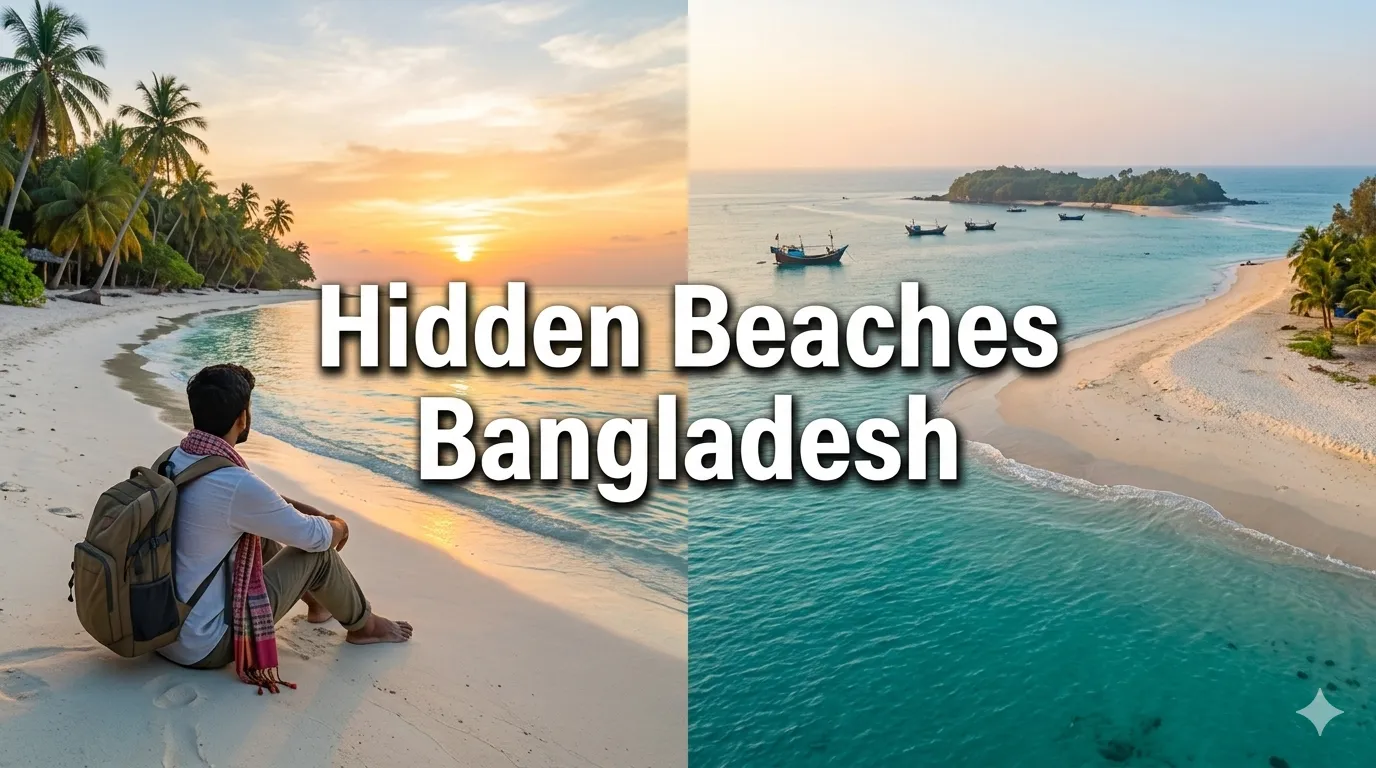
Discovering Bangladesh's Secret Coastal Paradises for the Soulful Traveler
When most people think of beaches in Bangladesh, Cox's Bazar immediately comes to mind—the world's longest natural sea beach, bustling with tourists, hotels, and vendors. But beyond this famous stretch of sand lies a different Bangladesh: one of pristine, untouched beaches and remote islands where the ocean whispers ancient stories, where time slows to the rhythm of tides, and where soulful travelers can find the peace and connection they crave.
Bangladesh's coastline stretches over 700 kilometers along the Bay of Bengal, dotted with islands, estuaries, and hidden beaches that remain largely unexplored by mass tourism. These off-beat destinations offer something increasingly rare in our hyperconnected world: genuine solitude, unspoiled natural beauty, and the chance to reconnect with nature and yourself.
From the coral paradise of St. Martin's Island to the mysterious mangroves surrounding Nijhum Dwip, from Kuakata's unique sunrise and sunset views to the remote sands of Kutubdia, this guide reveals seven extraordinary coastal destinations that showcase Bangladesh's diverse and breathtaking maritime landscape. Whether you're a solo traveler seeking introspection, a nature lover chasing rare biodiversity, or simply someone who dreams of beaches without crowds, these hidden gems promise experiences that will touch your soul and create memories that last a lifetime.
1. St. Martin's Island: Bangladesh's Only Coral Paradise
The Blue Jewel of the Bay of Bengal
St. Martin's Island, locally known as "Narikel Jinjira" (Coconut Island), is Bangladesh's only coral island and arguably its most spectacular coastal destination. Located about 9 kilometers south of the Tip of the Teknaf Peninsula, this small island (only about 3 square kilometers) packs an extraordinary punch with its crystal-clear waters, vibrant coral reefs, and pristine white sand beaches.
What makes it special: Unlike the crowded beaches of Cox's Bazar, St. Martin's offers a more intimate connection with the ocean. The water here is remarkably clear, allowing you to see colorful fish, coral formations, and even sea turtles in their natural habitat. During low tide, vast stretches of coral reef become exposed, creating a surreal landscape unlike anything else in Bangladesh.
The Soulful Experience
St. Martin's Island is perfect for travelers seeking tranquility and natural wonder. Imagine waking up to the sound of waves, walking barefoot on warm sand, snorkeling in turquoise waters teeming with marine life, and watching stars illuminate the night sky with minimal light pollution. The island's small size means you can explore it entirely on foot, discovering hidden coves, local fishing villages, and spots where you might be the only person for miles.
Best time to visit: November to March, when the weather is pleasant and the sea is calm. The island closes during monsoon season (June-September) due to rough seas.
Practical Information
How to get there: Take a bus from Dhaka to Teknaf (12-14 hours), then hire a local boat from Teknaf or Shah Porir Dwip. The boat journey takes 2-3 hours. Alternatively, speed boats are available but more expensive.
Where to stay: Basic guesthouses and eco-resorts are available on the island. For a more comfortable experience, some travelers stay in Teknaf and visit as a day trip, though staying overnight allows you to experience the island's magical evenings and early mornings.
What to do:
- Snorkeling and swimming in clear waters
- Exploring coral reefs during low tide
- Visiting the local fishing village
- Bird watching (the island attracts migratory birds)
- Enjoying fresh seafood caught by local fishermen
- Stargazing on the beach at night
Important note: St. Martin's Island is ecologically fragile. Practice responsible tourism: don't touch or break coral, don't litter, respect local customs, and minimize plastic use. The island's beauty depends on preserving its delicate ecosystem.
2. Kuakata: Where Sunrise and Sunset Embrace the Sea
The Daughter of the Sea
Kuakata, known as "Sagar Kannya" (Daughter of the Sea), holds a rare distinction: it's one of the few beaches in the world where you can witness both sunrise and sunset over the water. Located in the southernmost part of Bangladesh in Patuakhali district, about 70 kilometers from Barisal, Kuakata offers a 18-kilometer-long beach with gentle slopes into the Bay of Bengal.
What makes it special: Beyond the unique dual-sunset phenomenon, Kuakata is steeped in cultural and spiritual significance. The beach is named after a tank (dighi) dug by early Rakhain settlers, and the area remains home to a significant Rakhain community whose Buddhist temples and traditional villages add cultural depth to the natural beauty.
The Soulful Experience
Kuakata moves at a slower pace than Cox's Bazar. The beach is wide and spacious, meaning even during peak times, you can find your own stretch of sand. The gentle slope into the water makes it perfect for long, meditative walks as the tide recedes, revealing vast expanses of wet sand that reflect the sky like a mirror.
Early mornings here are particularly magical. Watch fishing boats (known as "navanas") return with their overnight catch, their colorful sails creating silhouettes against the rising sun. The local fish market comes alive with activity, offering a glimpse into the coastal way of life that has continued for generations.
Cultural encounters: Visit the Rakhain villages to experience their unique culture, traditional weaving, and Buddhist heritage. The area's temples, including the Misripara Buddhist Temple, offer peaceful spaces for reflection.
Practical Information
How to get there: From Dhaka, take a bus to Barisal (6-7 hours), then another bus or launch to Kuakata (3-4 hours). Direct buses from Dhaka are also available but take longer (10-12 hours).
Best time to visit: October to March for pleasant weather. The beach is accessible year-round, though monsoon season brings heavy rain.
Where to stay: Range of accommodations from budget guesthouses to mid-range hotels. Beachfront properties offer the best experience but book in advance during peak season.
What to do:
- Watch sunrise and sunset over the water
- Visit Fatra Forest and Gangamati Island (nearby mangrove areas)
- Explore Rakhain villages and Buddhist temples
- Enjoy fresh seafood, especially Ilish (hilsa) during season
- Take a boat ride to see dolphins (occasionally spotted)
- Photograph the colorful fishing boats
3. Nijhum Dwip: The Silent Island of Mangroves and Mystery
Bangladesh's Best-Kept Secret
Nijhum Dwip, meaning "Silent Island," lives up to its name. Located at the mouth of the Meghna River in Noakhali district, this island remained largely uninhabited until the 1970s and still retains an aura of untouched wilderness. Covering about 160 square kilometers, it's part of the Nijhum Dwip National Park, established to protect its unique ecosystem of mangrove forests, grasslands, and coastal habitats.
What makes it special: Nijhum Dwip is a haven for biodiversity. The island is home to spotted deer (chital), wild boar, rhesus macaques, and numerous bird species including migratory birds that visit during winter. The mangrove forests, though smaller than the Sundarbans, offer a more accessible way to experience this unique ecosystem.
The Soulful Experience
This is a destination for travelers who find peace in nature's raw, unfiltered beauty. Nijhum Dwip doesn't have the polished infrastructure of tourist hotspots, and that's precisely its charm. The island feels remote and wild, with dirt paths winding through mangrove forests, fishing villages living simple lives, and beaches where you might not see another soul for hours.
Wildlife encounters: Early morning or late afternoon walks through the mangrove forests offer chances to spot deer grazing in clearings, monkeys swinging through branches, and countless bird species. The island is particularly beautiful during winter when migratory birds arrive, transforming the landscape into a birdwatcher's paradise.
Tidal phenomena: The island experiences dramatic tidal changes. During high tide, large areas submerge, while low tide reveals vast mudflats and sandbars. Walking along these exposed areas during low tide, watching the water slowly return, is a meditative experience that connects you to the ocean's ancient rhythms.
Practical Information
How to get there: Take a bus from Dhaka to Hatiya or Noakhali (6-8 hours), then hire a local boat to Nijhum Dwip (1-2 hours depending on departure point). Boats are weather-dependent, so flexibility is essential.
Best time to visit: November to February for pleasant weather and migratory birds. Avoid monsoon season (June-September) when flooding is common.
Where to stay: Very basic guesthouses are available on the island. Some travelers bring tents for camping (check local regulations). For more comfort, stay in Hatiya and visit as a day trip.
What to do:
- Explore mangrove forests on foot or by boat
- Wildlife spotting (deer, birds, monkeys)
- Visit local fishing villages
- Walk on beaches and tidal flats
- Photograph sunrise and sunset
- Experience rural island life
Important considerations: Facilities are extremely basic. Bring essentials: water, food, medications, flashlight, and cash (no ATMs). Respect the national park regulations and local communities. This is an eco-tourism destination—leave no trace.
4. Kutubdia Island: Where Time Stands Still
The Forgotten Island
Kutubdia Island, located in the Bay of Bengal off the coast of Cox's Bazar district, is one of Bangladesh's most remote inhabited islands. Despite being relatively close to Cox's Bazar (about 30 kilometers offshore), it feels worlds away from the tourist crowds. The island covers approximately 60 square kilometers and is home to around 100,000 people living in traditional fishing villages.
What makes it special: Kutubdia remains largely untouched by modern tourism. The island's economy revolves around fishing and salt production, and life moves at a pace dictated by tides and seasons rather than clocks and calendars. This authenticity offers travelers a genuine glimpse into coastal Bangladeshi life that's increasingly rare.
The Soulful Experience
Kutubdia is for travelers seeking solitude and authenticity over comfort and convenience. The island's beaches are pristine and empty, stretching for kilometers without the vendors, hotels, and crowds that characterize Cox's Bazar. Walking along these shores, you'll feel a profound sense of peace and connection to nature.
The lighthouse: The island's most prominent landmark is the Kutubdia Lighthouse, built during the British colonial period. Climbing to the top (when accessible) offers panoramic views of the Bay of Bengal and the island's landscape—a perfect spot for contemplation and photography.
Salt fields: During the dry season (November to May), vast areas of the island transform into salt fields. Watching workers harvest salt using traditional methods is both visually striking and culturally informative, connecting you to practices that have sustained island communities for generations.
Fishing culture: The island's fishing heritage is alive and vibrant. Visit the fishing harbor to see boats returning with their catch, watch fish being sorted and dried in the sun, and perhaps share a meal with local families who welcome visitors with traditional hospitality.
Practical Information
How to get there: Take a bus from Dhaka to Cox's Bazar (10-12 hours), then travel to Chakaria or Teknaf and hire a boat to Kutubdia. Boat schedules depend on tides and weather, so plan for flexibility. The journey takes 2-4 hours.
Best time to visit: November to March for pleasant weather and calm seas. Avoid monsoon season when boat travel is dangerous.
Where to stay: Very basic accommodations are available. Some travelers arrange homestays with local families, which offers a more authentic experience. Bring a sleeping bag for added comfort.
What to do:
- Explore pristine, empty beaches
- Visit the lighthouse
- Observe salt harvesting (dry season)
- Experience fishing village life
- Enjoy fresh seafood
- Photograph traditional island architecture
- Stargaze with minimal light pollution
Important considerations: This is a remote destination with minimal tourist infrastructure. Bring all necessities: medications, toiletries, cash, water purification tablets, and snacks. Respect local customs and dress modestly. The island's Muslim majority appreciates cultural sensitivity.
5. Inani Beach: Where Mountains Meet the Sea
The Scenic Alternative
While technically part of the Cox's Bazar district, Inani Beach remains relatively uncrowded compared to the main Cox's Bazar beach. Located about 23 kilometers south of Cox's Bazar town, Inani offers a different coastal experience: a beach backed by the Lameda hills, creating a dramatic landscape where mountains meet the sea.
What makes it special: The unique geography sets Inani apart. The beach is narrower than Cox's Bazar but more scenic, with rocky outcrops, coral patches visible during low tide, and the green hills providing a stunning backdrop. This combination of marine and terrestrial beauty creates diverse opportunities for exploration.
The Soulful Experience
Inani Beach is perfect for travelers who want coastal beauty without overwhelming crowds. The beach maintains a peaceful atmosphere even during peak tourist season, making it ideal for meditation, long walks, and quiet contemplation. The sound of waves here feels more intimate, less drowned out by human activity.
Coral exploration: During low tide, coral formations become visible along parts of the beach. While not as extensive as St. Martin's Island, these corals offer a glimpse of marine biodiversity and make for interesting exploration. (Remember: observe but don't touch or remove coral.)
Hill trekking: The hills behind Inani Beach offer short treks with rewarding views. Climbing to viewpoints provides panoramic vistas of the beach, the Bay of Bengal, and the surrounding landscape—a perfect spot for sunrise or sunset photography and reflection.
Rakhain villages: The area is home to Rakhain communities whose traditional villages, Buddhist temples, and cultural practices add depth to the natural beauty. Visiting these villages (respectfully and with permission) offers cultural insights and supports local communities.
Practical Information
How to get there: From Cox's Bazar, take a local bus, CNG, or hired vehicle to Inani (30-45 minutes). Direct buses from Dhaka to Cox's Bazar pass near Inani.
Best time to visit: October to March for pleasant weather. The beach is accessible year-round.
Where to stay: Limited accommodations directly at Inani. Some eco-resorts and guesthouses are available. Many visitors stay in Cox's Bazar and visit Inani as a day trip.
What to do:
- Walk along the scenic beach
- Explore coral patches during low tide
- Trek the hills for viewpoints
- Visit nearby Rakhain villages and temples
- Enjoy fresh seafood at local restaurants
- Photograph the unique landscape
- Swim (be cautious of currents)
Safety note: Swimming can be dangerous due to strong currents and underwater coral. Always check local conditions and swim only in designated safe areas.
6. Moheshkhali Island: The Sacred Shore
Spirituality by the Sea
Moheshkhali Island, located about 10 kilometers off the coast of Cox's Bazar, is Bangladesh's only hilly island and home to the country's most important Buddhist pilgrimage site. Covering about 200 square kilometers, the island combines natural beauty with spiritual significance, offering a unique blend of coastal scenery and cultural heritage.
What makes it special: The Adinath Temple, dedicated to Lord Shiva, sits atop a hill overlooking the Bay of Bengal. This sacred site attracts thousands of pilgrims annually, particularly during the February-March festival. The combination of spiritual energy, panoramic views, and coastal setting creates a powerful atmosphere for reflection and peace.
The Soulful Experience
Moheshkhali offers a different kind of beach experience—one infused with spirituality and cultural depth. The island's pace is slow, its people welcoming, and its landscapes varied: mangrove forests, salt fields, fishing villages, and sacred sites all coexist in harmony.
The pilgrimage: Climbing the 300+ steps to Adinath Temple is both a physical and spiritual journey. Along the way, you'll encounter pilgrims, monkeys, and stunning views that expand with each step. At the top, the temple complex offers 360-degree views of the island and the Bay of Bengal—a perfect spot for meditation and gratitude.
Mangrove forests: Parts of the island are covered with mangrove forests, offering opportunities for nature walks and birdwatching. These ecosystems are crucial for coastal protection and biodiversity, and exploring them provides insight into the island's ecological importance.
Salt and dried fish: Moheshkhali is famous for salt production and dried fish (shutki). Watching these traditional industries in operation connects you to the island's economic and cultural heritage. The smell of drying fish is strong but represents a way of life that has sustained communities for generations.
Practical Information
How to get there: From Cox's Bazar, take a boat from Kalghatia ghat to Moheshkhali (30-45 minutes). Boats run regularly during daylight hours. Alternatively, there's now a bridge connecting the island to the mainland, making access easier.
Best time to visit: October to March for pleasant weather. February-March is pilgrimage season if you want to experience the festival (but expect crowds).
Where to stay: Basic guesthouses near the temple and in the main village. For more comfort, stay in Cox's Bazar and visit as a day trip.
What to do:
- Visit Adinath Temple and climb to the viewpoint
- Explore mangrove forests
- Observe salt production and dried fish industries
- Visit local fishing villages
- Walk along quiet beaches
- Experience Buddhist and Hindu cultural sites
- Enjoy fresh seafood
Cultural respect: This is a sacred site. Dress modestly, remove shoes before entering temples, and respect pilgrims and religious practices. Photography may be restricted in certain areas—always ask permission.
7. Char Fasson: The Emerging Coastal Gem
The Undiscovered Coast
Char Fasson, located in Bhola district in the heart of the Ganges-Brahmaputra delta, represents a different kind of coastal experience. While not a traditional beach destination, this riverine coastal area offers unique landscapes where rivers meet the sea, mangrove forests thrive, and island life continues largely unchanged by tourism.
What makes it special: Char Fasson is part of Bangladesh's dynamic "char" landscape—temporary islands formed by river sediment. These lands are constantly changing, shaped by monsoon floods and river currents. This impermanence creates a unique relationship between people and nature, one of adaptation and resilience.
The Soulful Experience
Char Fasson is for adventurous travelers seeking authentic experiences far from tourist trails. The area's beauty lies in its raw, unfiltered reality: fishing communities living in harmony with nature's rhythms, vast river vistas, and the profound silence of remote coastal landscapes.
River life: The rivers here are highways, markets, and livelihoods. Taking a local boat through the waterways, watching daily life unfold along the banks, and interacting with river communities offers insights into a way of life that's disappearing in many parts of the world.
Mangrove exploration: While smaller than the Sundarbans, the mangrove forests around Char Fasson offer opportunities to explore these vital ecosystems. Guided boat tours can take you through narrow channels where you might spot birds, monkeys, and if very lucky, dolphins.
Sunset vistas: The wide rivers and open skies create spectacular sunset views. Finding a quiet spot along the riverbank to watch the day end, with fishing boats silhouetted against colorful skies, is a deeply peaceful experience.
Practical Information
How to get there: From Dhaka, take a bus to Bhola (8-10 hours), then local transport to Char Fasson. Alternatively, launch services connect Dhaka to Bhola. The journey requires patience and flexibility.
Best time to visit: November to February for pleasant weather and lower water levels. Avoid monsoon season when flooding is common and travel is difficult.
Where to stay: Very basic accommodations in local villages. Homestays may be arranged through local contacts. This is not a destination for luxury; it's for authentic cultural immersion.
What to do:
- Explore river channels by local boat
- Visit fishing and farming villages
- Observe mangrove ecosystems
- Experience rural delta life
- Photograph river landscapes and sunsets
- Learn about char formation and river dynamics
- Enjoy fresh river fish
Important considerations: This is a remote, undeveloped area with minimal tourist infrastructure. Travel with a local guide if possible. Bring all necessities. Be prepared for basic conditions. Respect local customs and communities. This is eco-tourism in its most authentic form.
Planning Your Off-Beat Beach Adventure: Essential Tips
Best Time to Visit Bangladesh's Coastal Areas
Peak season (November-February): Pleasant weather, minimal rain, calm seas. This is the ideal time for beach visits and island hopping. However, it's also peak tourist season, so book accommodations in advance.
Shoulder season (March-May): Warmer temperatures but still manageable. Good for visiting if you don't mind heat. Some islands become less accessible as monsoon approaches.
Monsoon season (June-September): Heavy rainfall, rough seas, and potential flooding. Many islands become inaccessible or dangerous to visit. Not recommended for beach travel unless you're experienced and prepared for challenges.
Post-monsoon (October): Transition period with decreasing rain. Landscapes are lush and green. Good time to visit if you don't mind occasional showers.
Packing Essentials for Remote Beach Travel
Clothing:
- Light, breathable fabrics (cotton, linen)
- Modest clothing for visiting villages and religious sites
- Swimwear (though swimming may be limited)
- Light jacket or shawl for evenings
- Rain gear if traveling during shoulder season
- Comfortable walking shoes and sandals
Health and safety:
- Personal medications and basic first aid kit
- Insect repellent (mosquitoes are common)
- Sunscreen and hat
- Oral rehydration salts
- Water purification tablets or filter
- Hand sanitizer
Practical items:
-
li>Cash (ATMs are rare or non-existent on islands)
- Power bank for charging devices
- Flashlight or headlamp
- Reusable water bottle
- Dry bag to protect electronics
- Snacks and emergency food
- Copies of important documents
Responsible Tourism Practices
Environmental protection:
- Don't litter—carry out what you carry in
- Avoid single-use plastics; bring reusable alternatives
- Don't touch or damage coral, marine life, or vegetation
- Respect wildlife; observe from a distance
- Use eco-friendly toiletries (biodegradable soap, shampoo)
Cultural respect:
- Dress modestly, especially in villages and religious sites
- Ask permission before photographing people
- Learn basic Bangla greetings
- Respect local customs and traditions
- Support local businesses and guides
Community impact:
- Choose locally-owned accommodations when possible
- Hire local guides to support the economy
- Buy local products and crafts
- Be mindful of resource use (water, electricity)
- Leave places as you found them or better
Safety Considerations
Water safety: Many of Bangladesh's beaches have strong currents, undertows, and dangerous swimming conditions. Always check local advice before entering the water. Never swim alone or under the influence of alcohol.
Weather awareness: Coastal weather can change rapidly. Monitor forecasts, heed warnings about cyclones or storms, and have evacuation plans. During monsoon season, be especially cautious.
Transportation safety: Boat travel is essential for reaching islands. Use reputable operators, check weather conditions, wear life jackets, and avoid traveling in rough seas.
Health precautions: Drink only bottled or purified water. Eat freshly cooked food. Be cautious with street food if you have a sensitive stomach. Consider vaccinations before travel (consult a travel clinic).
Conclusion: Finding Your Soul by the Sea
Bangladesh's off-beat beaches and islands offer more than just scenic beauty—they provide opportunities for profound connection: with nature, with local cultures, and with yourself. In our fast-paced, digitally-dominated world, these remote coastal destinations offer something increasingly precious: space to breathe, time to reflect, and experiences that remind us of life's simple, essential truths.
Each of these seven destinations has its own character and gifts. St. Martin's Island dazzles with coral and marine life. Kuakata offers the rare privilege of witnessing both sunrise and sunset over water. Nijhum Dwip invites you into wilderness and wildlife. Kutubdia shares authentic island life untouched by mass tourism. Inani combines mountain and sea in dramatic beauty. Moheshkhali blends spirituality with coastal scenery. Char Fasson reveals the dynamic heart of the delta.
But they all share something deeper: the capacity to slow you down, to quiet the noise of everyday life, and to create space for what matters. Whether you're walking alone on an empty beach at dawn, sharing tea with a fishing family, watching deer emerge from mangrove forests, or simply sitting in silence as the tide comes in, these experiences touch the soul in ways that crowded tourist destinations cannot.
The journey to these places requires patience, flexibility, and an adventurous spirit. Infrastructure is basic, comforts are limited, and plans may change due to weather or tides. But these challenges are part of the experience—they remind us to let go of control, to trust the journey, and to find beauty in simplicity.
Bangladesh's coastal treasures won't remain hidden forever. As tourism grows, these places will change. Visit them now, but visit them responsibly. Leave only footprints, take only photographs and memories, and carry home not just souvenirs but a deeper appreciation for the delicate balance between human communities and coastal ecosystems.
Your soulful journey awaits. The beaches are calling, the islands are waiting, and the Bay of Bengal holds countless stories ready to be discovered. Beyond Cox's Bazar, beyond the crowds and commerce, Bangladesh's true coastal magic awaits those brave enough to seek it.
Pack lightly, travel slowly, and open your heart. The sea has wisdom to share.
📖 আরও পড়ুন: Travel
- 🔗 ২০২৬-২০২৭: কম খরচে সেরা ২০টি ভ্রমণ গন্তব্যের মেগা গাইড
- 🔗 7 Hidden Weekend Getaways from Dhaka for Families
- 🔗 ২০২৬ গ্রীষ্ম: দেশ-বিদেশের সেরা ৫ সমুদ্র সৈকত ভ্রমণ গাইড - সম্পূর্ণ তথ্য ও টিপস
- 🔗 Top 10 Noctourism Destinations for Stargazing and Night Safaris in Europe
- 🔗 Beyond Amalfi: Curator's Guide to Summer 2026's Most Coveted Beach Destinations