
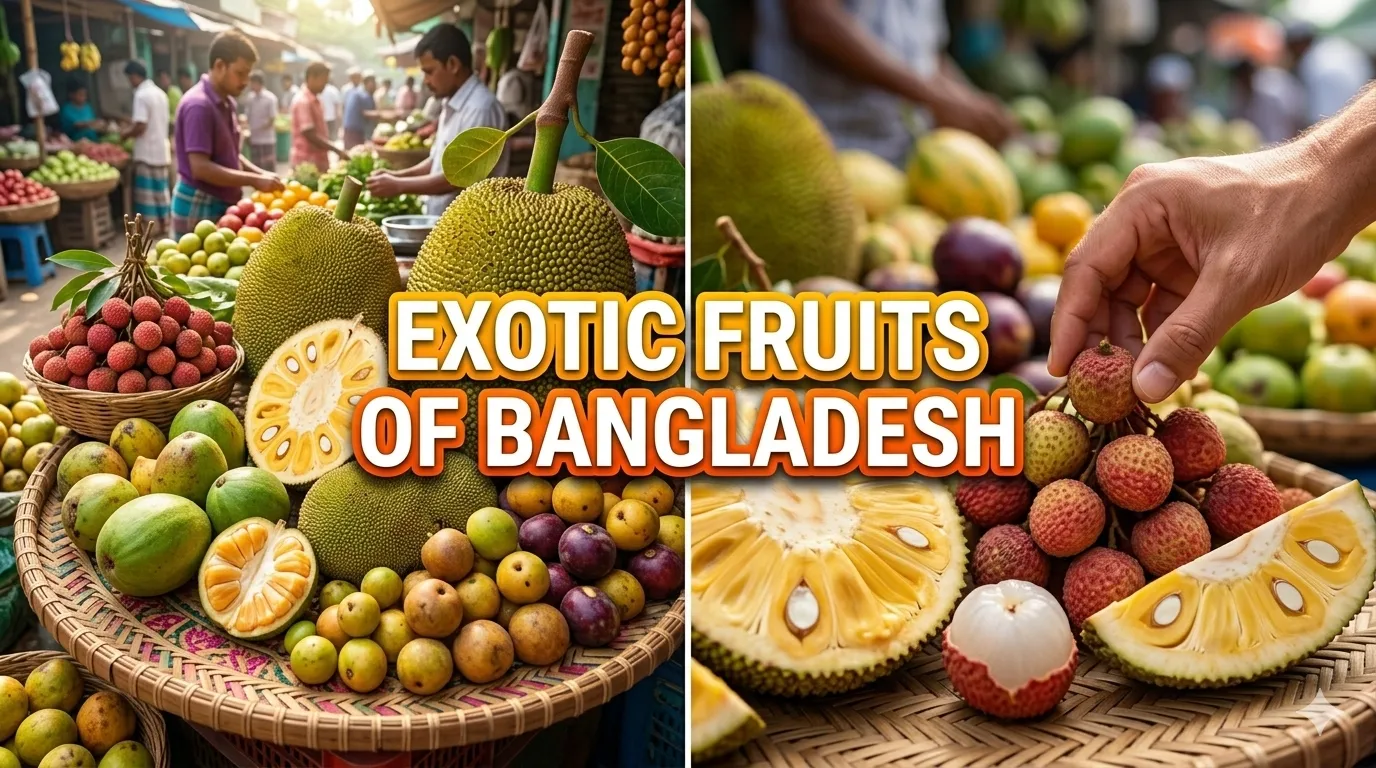
Discovering Bangladesh's Hidden Tropical Treasures
When travelers think of Bangladeshi fruits, the majestic mango immediately springs to mind—and rightfully so. The "King of Fruits" reigns supreme in Bangladesh, with over 150 varieties cultivated across the country. But beyond the mango lies a vibrant, diverse world of exotic and underrated fruits that offer extraordinary flavors, unique textures, and fascinating cultural stories. These tropical treasures are waiting to be discovered by adventurous travelers willing to venture beyond the familiar.
Bangladesh's tropical climate and fertile delta soil create ideal conditions for growing an astonishing variety of fruits year-round. From the sweet, fragrant lychees of early summer to the creamy, custard-like custard apples of winter; from the massive, meaty jackfruit that can weigh up to 50 kilograms to the tiny, tangy boroi berries that pack a punch—Bangladesh's fruit landscape is as diverse as its culture.
This comprehensive guide takes you on a flavorful journey through Bangladesh's lesser-known fruits. You'll discover where to find them, when they're in season, how to eat them like a local, and the cultural significance behind each variety. Whether you're a food enthusiast, a curious traveler, or someone seeking authentic cultural experiences, this guide will transform how you experience Bangladesh—one exotic fruit at a time.
Understanding Bangladesh's Fruit Seasons
The Tropical Calendar
Bangladesh experiences three main seasons that dictate fruit availability:
Summer (March-June): The peak fruit season, bringing mangoes, lychees, jackfruit, and watermelons. This is when fruit markets burst with color and variety.
Monsoon (July-October): Despite heavy rains, this season yields unique fruits like kul (Indian jujube), aamra (ambarella), and various wild berries that thrive in the humidity.
Winter (November-February): Cooler temperatures bring dates, custard apples, guavas, and the sweetest oranges. Winter fruits are often considered the most nutritious.
Travel tip: For the ultimate fruit experience, visit during late spring (May-June) when summer and monsoon fruits overlap, giving you access to the widest variety.
The Underrated Giants: Jackfruit and Beyond
Jackfruit (Kathal): The Versatile Giant
What it is: The world's largest tree-borne fruit, jackfruit can weigh between 10-50 kilograms. Despite its intimidating size and spiky exterior, jackfruit is incredibly versatile and nutritious.
Flavor profile: When ripe, jackfruit has a sweet, tropical flavor often compared to a combination of banana, pineapple, and mango. Unripe (green) jackfruit has a neutral taste and meat-like texture, making it popular as a vegetarian meat substitute.
Where to find it: Available year-round in Bangladesh, with peak season from March to June. Look for it in local markets (bazaars), roadside stalls, and village markets. The districts of Rajshahi, Natore, and Dinajpur are particularly famous for quality jackfruit.
How to eat it:
- Ripe: Eat the yellow bulbs fresh, being careful to avoid the sticky latex. Remove the large seeds (which can be boiled and eaten separately).
- Unripe: Cooked as a vegetable in curries (kathal bhaji), stir-fries, or as a meat substitute in various dishes.
- Seeds: Boiled or roasted, they taste similar to chestnuts.
Cultural significance: Jackfruit is Bangladesh's national fruit and holds deep cultural importance. It's mentioned in ancient Bengali literature and is considered a symbol of prosperity. During times of food scarcity, jackfruit has historically served as a vital food source.
Nutritional benefits: Rich in vitamin C, potassium, fiber, and antioxidants. The unripe fruit is particularly high in resistant starch, which aids digestion.
Papaya (Pepe): The Year-Round Treasure
What it is: While papaya is common globally, Bangladeshi papayas have a distinct sweetness and are available year-round, making them a reliable fruit option for travelers.
Flavor profile: Ripe papayas are sweet with a musky undertone and buttery texture. Green papayas are bland and used as vegetables.
Where to find it: Available year-round in all markets. The best varieties come from Gazipur, Tangail, and Comilla districts.
How to eat it:
- Ripe: Eat fresh, add to fruit salads, or blend into smoothies.
- Green: Cooked in curries, made into pickles (achar), or shredded for salads.
- Seeds: Can be dried and used as a pepper substitute.
Local tip: Ask vendors for "lal pepe" (red papaya) for the sweetest variety. Avoid papayas with black spots or overly soft texture.
Sweet Delights: The Berry Family
Lychee (Lichu): The Fragrant Jewel
What it is: Lychee is one of Bangladesh's most beloved summer fruits, with a short but spectacular season from May to June.
Flavor profile: Delicate, floral sweetness with hints of rose and grape. The translucent white flesh is juicy and fragrant, surrounding a single large seed.
Where to find it: The city of Rajshahi is famous for producing the finest lychees in Bangladesh, particularly the "China-3" and "Bombay" varieties. Also available in Dhaka's markets during season.
How to eat it: Peel the rough red skin to reveal the translucent flesh. Eat fresh and chilled for the best experience. The flesh should separate easily from the seed.
Cultural significance: Lychee season is celebrated in Bangladesh, with families gathering for "lichu parties" where they enjoy the fruit together. It's considered a luxury fruit and is often given as a gift.
Travel tip: Visit Rajshahi during lychee season (late May to mid-June) for the authentic experience. Many orchards offer "pick-your-own" experiences.
Warning: Don't eat lychees on an empty stomach, especially if you're not accustomed to them. The high sugar content can cause a rapid drop in blood sugar.
Longan (Lotkon): The Dragon's Eye
What it is: Related to lychee but less known internationally, longan is a small, round fruit with brown skin and translucent flesh.
Flavor profile: Sweeter and less floral than lychee, with a musky, honey-like flavor. The flesh is firmer and less juicy.
Where to find it: Grown in Sylhet, Chittagong, and some parts of Dhaka division. Available from June to August.
How to eat it: Peel the brown shell and eat the translucent flesh fresh. Can also be dried (known as "longan meat") and used in desserts and traditional medicine.
Health benefits: In traditional Bengali medicine, longan is believed to improve memory, reduce anxiety, and improve sleep quality.
Jamun (Black Plum): The Purple Powerhouse
What it is: Also known as Java plum or black plum, jamun is a small, oblong fruit with deep purple-black skin and purple or white flesh.
Flavor profile: A unique combination of sweet, sour, and astringent. The flesh stains your tongue purple, which is part of the fun!
Where to find it: Available from June to August across Bangladesh. Common in rural areas and village markets.
How to eat it: Eat fresh, skin and all. The seed is large and should be discarded. Can also be made into jam, wine, or vinegar.
Health benefits: Jamun is renowned in Ayurvedic medicine for controlling blood sugar levels. It's rich in vitamin C, iron, and antioxidants.
Cultural note: Jamun trees are considered sacred in some Bengali communities and are often planted near temples and mosques.
The Custard Family: Creamy and Sweet
Custard Apple (Sharifa/Ata): The Winter Delight
What it is: Also known as sugar apple or sweetsop, custard apple has a knobby green exterior and creamy white flesh inside.
Flavor profile: Incredibly sweet and creamy, with a texture similar to custard (hence the name). The flavor is often described as a mix of banana, pineapple, and strawberry.
Where to find it: Winter fruit (December to February). Best varieties come from Rajshahi, Pabna, and Jessore districts.
How to eat it: Break open the fruit when it's soft to the touch. Scoop out the creamy flesh with a spoon, being careful to avoid the black seeds. Eat fresh or chill for a refreshing treat.
Travel tip: Choose fruits that yield slightly to pressure. Hard fruits need a few days to ripen at room temperature.
Caution: The seeds are toxic and should not be crushed or consumed. Avoid getting the seeds in your eyes.
Soursop (Hanuman Fal): The Tropical Giant
What it is: Also known as graviola or guanabana, soursop is a large, spiky green fruit related to custard apple.
Flavor profile: A complex combination of sweet and sour, with notes of strawberry, pineapple, and citrus. The flesh is fibrous and creamy.
Where to find it: Grown in coastal areas and some parts of Sylhet. Available from May to September.
How to eat it: Cut open when ripe (soft to touch), remove the fibrous flesh, and discard the seeds. Can be eaten fresh, made into juice, smoothies, or ice cream.
Health claims: While traditionally used in folk medicine for various ailments, scientific evidence for health benefits is limited. Enjoy it for its unique flavor rather than medicinal properties.
The Citrus Collection: Tangy and Refreshing
Kamala (Mandarin Orange): The Winter Vitamin
What it is: Bangladesh's version of mandarin orange, smaller and sweeter than regular oranges.
Flavor profile: Sweet with a hint of tartness, very juicy, and easy to peel.
Where to find it: Winter fruit (November to February). Sylhet and Moulvibazar are famous for kamala cultivation.
How to eat it: Peel and eat fresh. The segments separate easily. Can also be juiced or used in desserts.
Cultural significance: Kamala is traditionally associated with winter festivals and is often included in winter picnic baskets.
Jambura (Pomelo): The Giant Citrus
What it is: The largest citrus fruit, with thick green or yellow skin and pale flesh.
Flavor profile: Mild, sweet-tart flavor, less acidic than grapefruit. The flesh is firm and juicy.
Where to find it: Available from November to March. Grown in various districts, with good varieties from Comilla and Noakhali.
How to eat it: Peel the thick skin, separate the segments, and remove the membrane before eating. Can be eaten fresh or used in salads.
Local preparation: In Bangladesh, jambura is often made into a sweet-and-sour pickle (achar) or candied.
The Exotic and Unusual
Star Fruit (Kamranga): The Star-Shaped Wonder
What it is: Also known as carambola, this fruit has a distinctive star shape when sliced crosswise.
Flavor profile: A unique combination of sweet, sour, and slightly tart. The flavor is often compared to a mix of apple, grape, and citrus.
Where to find it: Available from August to December. Grown in home gardens and small orchards across Bangladesh.
How to eat it: Wash thoroughly, slice crosswise to reveal the star shape, and eat fresh (skin and all). Can be used in salads, juices, or as a garnish.
Warning: People with kidney problems should avoid star fruit as it contains a neurotoxin that healthy kidneys can filter out but damaged kidneys cannot.
Wood Apple (Kath Bel): The Hard Shell Surprise
What it is: A round fruit with an extremely hard, woody shell that requires a hammer or heavy stone to crack open.
Flavor profile: The brown pulp inside is sour, tangy, and slightly sweet with a strong, distinctive aroma. It's an acquired taste.
Where to find it: Available from May to July. Found in rural areas and wild in some regions.
How to eat it: Crack the hard shell, scoop out the pulp, mix with water and sugar/jaggery to make a refreshing drink. The pulp can also be made into jam or chutney.
Cultural significance: Wood apple is highly valued in traditional medicine for digestive issues. It's also mentioned in ancient Bengali literature.
Travel tip: Ask a local vendor to crack it open for you and prepare the drink. It's a unique experience you shouldn't miss!
Bael (Bel Fruit): The Sacred Fruit
What it is: A round or oval fruit with a hard shell and aromatic pulp inside.
Flavor profile: The pulp is sweet, fragrant, and slightly astringent. It has a unique, musky aroma.
Where to find it: Available from May to July. Grown across Bangladesh, particularly in Rajshahi and Rangpur divisions.
How to eat it: Crack the hard shell, scoop out the pulp, and eat fresh or make into a drink (bel sherbet) by mixing with water and sugar.
Cultural significance: Bael is considered sacred in Hinduism and is offered to Lord Shiva. The tree is also important in Bengali folklore.
Berries and Small Fruits
Boroi (Indian Jujube): The Crunchy Delight
What it is: A small, round to oval fruit that can be green, yellow, or brown when ripe.
Flavor profile: Crisp and juicy when fresh, with a sweet-tart flavor similar to an apple. Dried boroi tastes like dates.
Where to find it: Winter fruit (December to March). Available in markets across Bangladesh, with the best varieties from Rajshahi and Natore.
How to eat it: Eat fresh like an apple (skin and all), or dry them for a chewy, sweet snack. Can also be made into candy or preserved.
Travel tip: Look for boroi that are firm and have a slight give. Avoid fruits with wrinkles or soft spots.
Tentul (Tamarind): The Sour Treasure
What it is: While technically a legume, tamarind is used as a fruit in Bangladesh. The brown pods contain sticky pulp and seeds.
Flavor profile: Intensely sour when raw, sweet-sour when ripe. The flavor is complex and tangy.
Where to find it: Available year-round, with peak season from December to March. Grown throughout Bangladesh.
How to eat it: Remove the shell and fibers, soak the pulp in water, and strain to make tamarind water. Used extensively in cooking, chutneys, and drinks.
Cultural significance: Tamarind is essential in Bengali cuisine, used in dishes like chutney, dal, and various curries to add sourness.
Wild and Foraged Fruits
Kul (Indian Jujube/Wild Variety): The Forest Fruit
What it is: A smaller, wilder cousin of the cultivated boroi, found growing wild in forests and rural areas.
Flavor profile: More intense and tangy than cultivated varieties, with a crisp texture.
Where to find it: Monsoon season (July to September). Found in forested areas, particularly in Sylhet, Chittagong Hill Tracts, and northern districts.
How to eat it: Eat fresh when you find them. They're often sold by street vendors during monsoon season.
Travel tip: If you're trekking in the hills, keep an eye out for wild kul trees. Locals can help you identify them.
Aamra (Ambarella/Golden Apple): The Tropical Surprise
What it is: A small, oval fruit with golden-yellow skin when ripe.
Flavor profile: Crunchy and juicy when unripe (sour), sweet and fragrant when ripe. The flavor is often compared to a mix of pineapple and mango.
Where to find it: Available from June to September. Grown in home gardens and small orchards.
How to eat it: Unripe: eat with salt and chili as a snack. Ripe: eat fresh or make into juice, jam, or chutney.
Where to Find These Fruits: A Traveler's Guide
Local Markets (Bazaars)
Best markets for fruit hunting:
- Dhaka: Kawran Bazar, New Market, Gulshan Market
- Chittagong: GEC Circle, Agrabad Market
- Sylhet: Zindabazar, Amberkhana Market
- Rajshahi: Shaheb Bazar, Boalia Market (famous for lychee and mango)
- Khulna: Rupsha Market, Sonadanga Market
Market etiquette:
- Go early in the morning (6-9 AM) for the freshest selection
- Bargain politely—start at 70% of the asking price
- Ask vendors for recommendations and tasting samples
- Learn a few Bengali phrases: "Etar dam koto?" (How much is this?), "Ami aste parbo?" (Can I taste?)
Roadside Stalls and Village Markets
For the most authentic experience, venture beyond city markets:
- Roadside fruit stalls along highways often have seasonal specialties
- Village markets (haat bazaars) operate on specific days of the week and offer the freshest, locally-grown produce
- Farm stands near orchards offer the best prices and quality
Orchard Visits and Fruit Tourism
Popular fruit tourism destinations:
- Rajshahi: Famous for mango and lychee orchards. Many offer pick-your-own experiences during season.
- Sylhet: Known for kamala (oranges) and tropical fruits. Orchard tours available.
- Comilla: Known for jambura (pomelo) and other citrus fruits.
- Chittagong Hill Tracts: Wild and exotic fruits, including some varieties not found elsewhere.
Orchard visit tips:
- Visit during peak season for the best experience
- Hire a local guide who knows the area
- Respect the trees and follow the owner's instructions
- Ask permission before taking photos
- Buy directly from the orchard to support local farmers
How to Choose and Store Tropical Fruits
Selection Guide
General rules:
- Smell: Ripe fruits should have a fragrant aroma
- Touch: Should yield slightly to pressure (except for fruits meant to be eaten crisp)
- Appearance: Look for vibrant color, avoid bruises, cuts, or mold
- Weight: Heavier fruits are usually juicier
Fruit-specific tips:
- Jackfruit: Should have a strong sweet smell and give slightly when pressed
- Custard apple: Should be soft to touch with no black spots
- Lychee: Skin should be bright red (not brown), flesh should be firm
- Mango: Should have a fruity aroma and yield to gentle pressure
Storage Tips
At room temperature:
- Most tropical fruits ripen best at room temperature
- Keep away from direct sunlight
- Store in a well-ventilated area
In the refrigerator:
- Once ripe, most fruits can be refrigerated for 2-3 days
- Cut fruits should be refrigerated immediately in airtight containers
- Don't refrigerate unripe fruits—they won't ripen properly
Special cases:
- Jackfruit: Once cut, store in airtight container for up to 5 days
- Lychee: Refrigerate and consume within 3-4 days
- Bananas: Don't refrigerate—they'll turn black
Cultural Significance and Traditions
Fruits in Bengali Culture
Fruits hold deep cultural significance in Bangladesh:
Festivals and celebrations:
- Fruits are essential in religious ceremonies and festivals
- Mango and lychee seasons are celebrated with family gatherings
- Fruit baskets are common gifts during Eid, Pohela Boishakh (Bengali New Year), and other celebrations
Traditional medicine:
- Many fruits are used in Ayurvedic and traditional Bengali medicine
- Jamun for diabetes, bael for digestive issues, and wood apple for stomach problems
- Fruit-based home remedies are still widely practiced
Literature and art:
- Fruits feature prominently in Bengali poetry, songs, and literature
- The mango, in particular, is a symbol of Bengal's identity
- Traditional paintings often depict fruit-laden trees
Food Safety and Health Considerations
Safe Consumption Tips
Washing fruits:
- Always wash fruits thoroughly before eating, especially if eating the skin
- Use clean water, and if possible, a fruit/vegetable wash
- Peel fruits when in doubt about water quality
Street fruit safety:
- Choose vendors with high turnover (fresh stock)
- Avoid pre-cut fruits that have been sitting out
- Watch the vendor prepare your fruit
- Stick to fruits you can peel yourself
Allergies and sensitivities:
- Some people may be allergic to certain tropical fruits
- Try small amounts first if you've never eaten a fruit before
- Be aware that some fruits (like star fruit) can be harmful to people with kidney problems
Health Benefits
Most Bangladeshi fruits are:
- Rich in vitamins (especially vitamin C)
- High in fiber and antioxidants
- Low in calories (with some exceptions)
- Natural sources of energy and hydration
Seasonal Fruit Calendar
Month-by-Month Guide
January-February (Winter):
- Kamala (mandarin oranges)
- Boroi (Indian jujube)
- Custard apple (sharifa)
- Guava
- Date palm fruits
March-April (Early Summer):
- Early mango varieties
- Wood apple (bel)
- Bael fruit
- Early jackfruit
May-June (Peak Summer):
- Mango (peak season)
- Lychee (lichu)
- Jackfruit (kathal)
- Watermelon
- Longan (lotkon)
July-September (Monsoon):
- Jamun (black plum)
- Aamra (ambarella)
- Kul (wild jujube)
- Papaya (year-round but abundant)
October-December (Late Monsoon/Early Winter):
- Guava (peak season)
- Persimmon
- Star fruit (kamranga)
- Early winter fruits begin appearing
Recipes and Preparation Methods
Traditional Bengali Fruit Preparations
Fruit Chutney (Pholer Chutney):
- Made with various fruits (mango, pineapple, dates, raisins)
- Sweet, sour, and spicy flavor profile
- Served as a condiment with meals
Fruit Drinks:
- Borhani: Yogurt-based drink with fruits and spices
- Bel sherbet: Bael fruit drink, refreshing and cooling
- Tentul water: Tamarind drink, sweet and sour
Fruit-based Desserts:
- Phirni with fruits: Rice pudding topped with seasonal fruits
- Fruit chaat: Mixed fruit salad with chaat masala
- Dried fruit preserves: Various fruits preserved in sugar syrup
Shopping Tips and Bargaining
How to Bargain Like a Local
Bargaining etiquette:
- Always bargain politely and with a smile
- Start at 60-70% of the asking price
- Be prepared to walk away if the price isn't right
- Buying in bulk usually gets you a better price
- Learn basic Bengali numbers to understand prices
Price ranges (approximate, in Bangladeshi Taka):
- Mangoes: 50-300 per kg (depending on variety and season)
- Lychee: 100-400 per kg (peak season cheaper)
- Jackfruit: 200-800 per whole fruit
- Bananas: 40-80 per dozen
- Papaya: 30-60 per kg
Note: Prices vary by season, location, and quality. Tourist areas may charge more.
Sustainable and Ethical Fruit Tourism
Supporting Local Communities
How to be a responsible fruit tourist:
- Buy directly from farmers and local vendors
- Pay fair prices—don't bargain excessively
- Respect orchard owners and their property
- Don't waste food—only buy what you can consume
- Learn about the farmers' challenges and support sustainable practices
Environmental considerations:
- Avoid single-use plastics when buying fruits
- Carry a reusable bag for market shopping
- Don't litter fruit peels or seeds in natural areas
- Support organic and sustainably-grown fruits when possible
Conclusion: Embrace the Fruit Adventure
Bangladesh's fruit landscape is as rich and diverse as its culture. Beyond the famous mango lies a world of exotic flavors, unique textures, and fascinating stories waiting to be discovered. Each fruit offers not just a taste experience but a window into Bangladesh's agricultural heritage, cultural traditions, and the daily lives of its people.
As you embark on your fruit journey through Bangladesh:
- Be adventurous—try fruits you've never heard of
- Engage with local vendors—they're often the best source of knowledge
- Visit during different seasons to experience the full range
- Respect local customs and traditions around fruit
- Share your experiences and support local communities
From the sweet fragrance of lychees in Rajshahi to the tangy crunch of boroi in winter markets, from the massive jackfruit that feeds families to the tiny jamun that stains your tongue purple—each fruit tells a story. These stories are woven into the fabric of Bangladeshi life, from ancient literature to modern celebrations, from rural orchards to bustling city markets.
Your fruit adventure in Bangladesh is more than just tasting—it's about connection. Connection to the land, to the farmers who cultivate these treasures, to the culture that celebrates them, and to fellow travelers who share your curiosity.
So venture beyond the mango. Explore the markets, taste the unfamiliar, ask questions, and savor every bite. Bangladesh's exotic fruits are waiting to surprise and delight you. Your taste buds—and your sense of adventure—will thank you.
Happy fruit hunting!
📖 আরও পড়ুন: Bangladesh
- 🔗 বাংলাদেশের দেশি ফল: যা একবার হলেও খাওয়া উচিত
- 🔗 গ্রামের মেয়েদের কোডিং বিপ্লব: স্মার্টফোনে শেখা
- 🔗 How Girls in Rural Bangladesh Started Learning to Code Using Only Smartphones
- 🔗 পুরবাচল নিউ টাউন লাক্সারি গেস্ট হাউস ২০২৬: সেরা ৭টি রিসোর্টের পূর্ণাঙ্গ গাইড
- 🔗 প্রথমবার বাংলাদেশ: লাল-সবুজের দেশে আপনার অবিস্মরণীয় যাত্রার সম্পূর্ণ গাইড - ২০২৬