Why Hair Masks Are Essential for Healthy, Beautiful Hair
In the world of hair care, few treatments deliver as much visible impact as a well-chosen hair mask. Whether you're battling dryness, damage, frizz, or simply want to enhance your hair's natural shine and strength, hair masks offer concentrated nourishment that regular conditioners can't match. Think of them as a spa day for your strands—intensive, targeted, and deeply restorative.
What exactly is a hair mask? A hair mask is a deep-conditioning treatment formulated with higher concentrations of nourishing ingredients than daily conditioners. Designed to be left on hair for 10-30 minutes (or longer), masks penetrate the hair shaft to repair damage, restore moisture, strengthen strands, and improve overall texture and manageability.
The beauty of hair masks lies in their versatility. You can choose from countless commercial options tailored to specific concerns, or create customized DIY blends using ingredients from your kitchen. Both approaches have merit, and the best choice depends on your hair type, goals, budget, and preferences.
Why hair masks matter for long-term hair health:
- Deep repair: Penetrate beyond the surface to rebuild damaged hair structure
- Intense hydration: Restore moisture to dry, brittle, or chemically treated hair
- Strength building: Reinforce weak strands to reduce breakage and split ends
- Shine enhancement: Smooth the cuticle for light-reflecting, glossy hair
- Scalp support: Many masks nourish the scalp, promoting healthier growth
- Protection: Create a barrier against heat styling, environmental stress, and daily wear
This comprehensive guide explores everything you need to know about hair masks: how they work, which ingredients target specific concerns, DIY recipes you can make at home, top commercial products worth trying, and how to customize your approach for your unique hair type. Whether you have fine, straight hair or thick, curly coils, there's a mask strategy that will revitalize your locks.
Understanding Hair Structure and Why Masks Work
To choose the right mask, it helps to understand what's happening inside your hair strands. Hair is primarily made of a protein called keratin, arranged in overlapping scales (the cuticle) that protect the inner cortex.
How damage occurs:
- Chemical treatments: Coloring, bleaching, perming, or relaxing break down keratin bonds
- Heat styling: Flat irons, curling wands, and blow dryers can lift cuticles and dehydrate strands
- Environmental stress: UV rays, pollution, and hard water weaken hair structure
- Mechanical damage: Brushing, tight hairstyles, and friction cause cuticle wear
- Nutritional gaps: Poor diet affects hair strength and growth from within
When the cuticle is damaged, hair loses moisture, becomes prone to breakage, and appears dull. Hair masks work by delivering concentrated ingredients that either replenish lost moisture, reinforce protein structure, or both—depending on your hair's needs.
Moisture vs. Protein: Knowing What Your Hair Needs
One of the most important distinctions in hair masking is understanding whether your hair needs moisture (hydration) or protein (strength). Using the wrong type can actually worsen problems.
Signs your hair needs moisture:
- Feels dry, rough, or straw-like
- Looks dull and lacks shine
- Is prone to frizz, especially in humidity
- Breaks easily when stretched
- Feels tangled and difficult to manage
Signs your hair needs protein:
- Feels mushy or overly soft when wet
- Stretches excessively without snapping back
- Is limp, lifeless, or lacks elasticity
- Has been chemically treated or heat-damaged
- Sheds more than usual
The balance matters: Too much moisture without protein can make hair weak; too much protein without moisture can make it brittle. Most hair benefits from alternating between hydrating and protein masks based on its current condition.
Key Ingredients in Effective Hair Masks
Whether you're buying commercial or making DIY, knowing which ingredients deliver results helps you choose wisely.
Hydrating Ingredients for Dry or Damaged Hair
Hyaluronic Acid: Holds up to 1000 times its weight in water, providing intense hydration without heaviness.
Glycerin: A humectant that draws moisture from the air into hair, keeping strands supple.
Aloe Vera: Soothes scalp, hydrates hair, and contains enzymes that promote healthy growth.
Honey: Natural humectant with antimicrobial properties; adds shine and softness.
Coconut Oil: One of the few oils proven to penetrate the hair shaft, reducing protein loss and adding moisture.
Argan Oil: Rich in vitamin E and fatty acids; nourishes without weighing hair down.
Shea Butter: Deeply emollient; ideal for very dry, coarse, or curly hair.
Protein and Strengthening Ingredients
Keratin: The primary protein in hair; topical application helps rebuild damaged strands.
Hydrolyzed Wheat or Soy Protein: Small protein molecules that penetrate hair to reinforce structure.
Eggs: Natural source of protein and biotin; strengthens and adds shine in DIY masks.
Greek Yogurt: Contains protein and lactic acid that gently exfoliates scalp while conditioning hair.
Rice Water: Rich in amino acids and inositol; strengthens hair and improves elasticity.
Scalp-Supporting and Growth-Promoting Ingredients
Rosemary Oil: Shown to stimulate circulation and support hair growth; also has antimicrobial benefits.
Peppermint Oil: Increases blood flow to follicles; creates a refreshing, tingling sensation.
Tea Tree Oil: Antifungal and antibacterial; helps with dandruff and scalp buildup.
Jojoba Oil: Mimics natural scalp sebum; balances oil production and soothes irritation.
Apple Cider Vinegar: Clarifies buildup, balances scalp pH, and adds shine.
Ingredients to Approach with Caution
Heavy oils on fine hair: Coconut or castor oil can weigh down fine strands; use sparingly or choose lighter alternatives like argan or grapeseed.
Undiluted essential oils: Always dilute in a carrier oil before applying to scalp to avoid irritation.
Overuse of protein: Too much protein can make hair stiff and brittle; balance with hydrating treatments.
Harsh DIY ingredients: Lemon juice or baking soda can disrupt scalp pH; use cautiously and rinse thoroughly.
DIY Hair Masks: Recipes for Every Hair Type
Making your own hair masks lets you control ingredients, avoid additives, and customize treatments to your exact needs. Here are effective, easy-to-make recipes organized by hair concern.
For Dry or Damaged Hair: Deep Hydration Mask
Ingredients:
- 2 tablespoons coconut oil (warmed to liquid)
- 1 ripe avocado, mashed
- 1 tablespoon honey
- 1 teaspoon argan oil (optional)
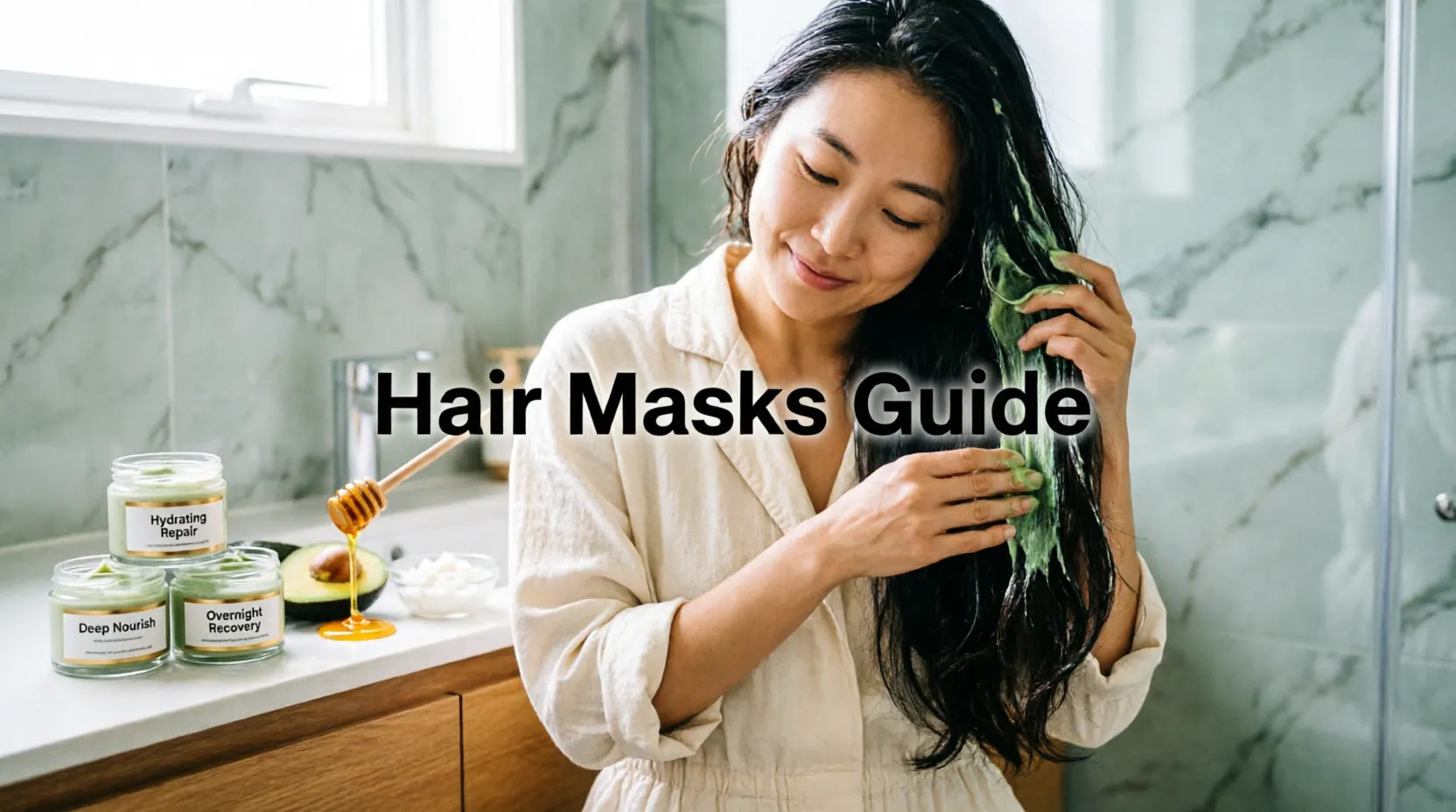
Instructions: Mix ingredients until smooth. Apply to damp hair from mid-lengths to ends. Cover with a shower cap and leave for 20-30 minutes. Rinse thoroughly and shampoo as usual.
Why it works: Coconut oil penetrates to reduce protein loss, avocado provides vitamins and fatty acids, and honey locks in moisture.
Frequency: Once weekly for very dry hair; every 2 weeks for maintenance.
For Fine or Oily Hair: Lightweight Volume Mask
Ingredients:
- 1/4 cup plain Greek yogurt
- 1 tablespoon aloe vera gel
- 1 teaspoon apple cider vinegar
- 3-5 drops rosemary essential oil (optional)
Instructions: Combine ingredients well. Apply to clean, damp hair focusing on ends. Leave for 15-20 minutes. Rinse with cool water to seal cuticles.
Why it works: Greek yogurt provides lightweight protein, aloe hydrates without heaviness, and apple cider vinegar clarifies and adds shine.
Frequency: Every 1-2 weeks as needed.
For Curly or Coily Hair: Intensive Moisture Mask
Ingredients:
- 3 tablespoons shea butter (softened)
- 2 tablespoons coconut or olive oil
- 1 tablespoon honey
- 5-10 drops lavender or peppermint oil (optional)
Instructions: Whip ingredients until creamy. Apply generously to damp hair, section by section. Cover with a plastic cap and warm towel for 30 minutes. Rinse thoroughly and follow with your regular routine.
Why it works: Shea butter deeply nourishes curly textures, oils seal in moisture, and honey enhances softness and manageability.
Frequency: Weekly for very dry curls; biweekly for maintenance.
For Color-Treated Hair: Color-Protecting Mask
Ingredients:
- 2 tablespoons coconut oil
- 1 egg yolk
- 1 tablespoon plain yogurt
- 1 teaspoon vitamin E oil (optional)
Instructions: Whisk ingredients together. Apply to damp hair, focusing on mid-lengths and ends. Leave for 20 minutes. Rinse with cool water to prevent color fading.
Why it works: Coconut oil protects color molecules, egg yolk adds protein without stripping, and vitamin E provides antioxidant protection.
Frequency: Every 1-2 weeks to maintain vibrancy and strength.
For Scalp Health: Clarifying and Soothing Mask
Ingredients:
- 2 tablespoons bentonite or kaolin clay
- 1 tablespoon apple cider vinegar
- 1 tablespoon aloe vera gel
- 3-5 drops tea tree oil
- Water as needed to form paste
Instructions: Mix clay and apple cider vinegar first (it will fizz), then add remaining ingredients. Apply to scalp and roots, avoiding lengths. Leave for 10-15 minutes. Rinse thoroughly and follow with conditioner on ends.
Why it works: Clay draws out impurities, apple cider vinegar balances pH, aloe soothes, and tea tree oil combats buildup and irritation.
Frequency: Once every 2-4 weeks; avoid overuse to prevent dryness.
For Strength and Repair: Protein Power Mask
Ingredients:
- 1 egg
- 2 tablespoons Greek yogurt
- 1 tablespoon olive oil
- 1 teaspoon honey
Instructions: Whisk all ingredients until smooth. Apply to damp hair from roots to ends. Cover and leave for 20-30 minutes. Rinse with cool water (to avoid cooking the egg), then shampoo gently.
Why it works: Egg and yogurt provide rebuilding protein, olive oil adds moisture to prevent brittleness, and honey enhances shine.
Frequency: Every 2-3 weeks for damaged hair; monthly for maintenance.
Top Commercial Hair Masks Worth Trying
While DIY masks offer customization, commercial products provide convenience, precise formulations, and tested results. Here are standout options across categories and price points.
Best Overall: Olaplex No. 8 Bond Intense Moisture Mask
Why it's great: Combines Olaplex's bond-building technology with intense hydration. Repairs damage from coloring, heat, and environmental stress while adding shine and softness.
Best for: Chemically treated, damaged, or fragile hair of any type.
How to use: Apply to clean, damp hair. Leave for 10+ minutes. Rinse. Use weekly or as needed.
Price range: Premium ($30)
Best Drugstore: Garnier Fructis Hair Food Masks
Why it's great: Affordable, vegan formulas with 98% biodegradable ingredients. Available in multiple varieties (banana, aloe, papaya) for different hair needs.
Best for: Budget-conscious shoppers seeking effective, accessible options.
How to use: Apply after shampooing. Leave for 3 minutes for conditioning or 10+ for deep treatment. Rinse.
Price range: Budget ($8-12)
Best for Curly Hair: SheaMoisture Manuka Honey and Yogurt Hydrate + Repair Mask
Why it's great: Rich, creamy formula with shea butter, manuka honey, and yogurt protein. Deeply nourishes curls without weighing them down.
Best for: Curly, coily, or textured hair needing moisture and definition.
How to use: Apply generously to clean, damp hair. Cover and leave for 5-30 minutes. Rinse thoroughly.
Price range: Mid-range ($12-15)
Best for Fine Hair: Living Proof Restore Mask
Why it's great: Lightweight yet reparative formula strengthens without heaviness. Patented healthy hair molecule (OFPMA) repels dirt and oil.
Best for: Fine, thin, or limp hair that needs strength without weight.
How to use: Apply to clean, damp hair. Leave for 3-5 minutes. Rinse.
Price range: Premium ($45)
Best for Scalp Health: Briogeo Scalp Revival Charcoal + Coconut Oil Mask
Why it's great: Exfoliating charcoal removes buildup while coconut oil and peppermint soothe and hydrate the scalp.
Best for: Oily scalp, dandruff, or product buildup concerns.
How to use: Apply to dry or damp scalp before shampooing. Massage gently. Leave for 10 minutes. Rinse and shampoo as usual.
Price range: Premium ($42)
Best Natural/Organic: Acure Seriously Soothing Blue Tansy Night Oil
Why it's great: Certified organic ingredients including blue tansy, argan oil, and pumpkin seed oil. Calms irritation and nourishes hair overnight.
Best for: Sensitive scalp, dry hair, or those preferring clean beauty formulations.
How to use: Apply a few drops to ends or scalp before bed. Can also be used as a pre-shampoo treatment.
Price range: Mid-range ($16-20)
How to Apply Hair Masks for Maximum Results
Using a mask correctly is as important as choosing the right one. Follow these steps for optimal absorption and effectiveness.
Step-by-Step Application Guide
- Start with clean, damp hair: Shampoo first to remove buildup so mask ingredients can penetrate effectively.
- Towel-dry gently: Remove excess water so mask isn't diluted, but keep hair damp for better absorption.
- Section your hair: Divide into 4-6 sections to ensure even coverage from roots to ends.
- Apply strategically: Focus hydrating masks on mid-lengths and ends; apply scalp treatments directly to roots.
- Use the right amount: Start with a quarter-sized amount for short hair, half for medium, and a full palm for long or thick hair. Add more if needed.
- Comb through: Use a wide-tooth comb to distribute mask evenly and detangle gently.
- Cover and wait: Use a shower cap or warm towel to trap heat, which enhances penetration. Leave on for recommended time (usually 10-30 minutes).
- Rinse thoroughly: Use cool or lukewarm water to seal cuticles and lock in benefits.
- Follow with conditioner if needed: For very dry hair, a light conditioner after rinsing can add extra slip.
Pro Tips for Better Results
- Warm the mask: For oil-based DIY masks, warm slightly (not hot) to improve spreadability and absorption.
- Use heat: A warm towel or hooded dryer boosts penetration for deep treatments.
- Don't overdo it: More isn't always better—excess mask can be hard to rinse and weigh hair down.
- Rinse with cool water: Helps seal the cuticle for added shine and reduced frizz.
- Be consistent: Regular masking (weekly or biweekly) yields better long-term results than occasional intensive treatments.
How Often Should You Use Hair Masks?
Frequency depends on your hair type, condition, and the mask you're using.
General guidelines:
- Healthy hair: Every 2-4 weeks for maintenance
- Dry or damaged hair: Weekly hydrating masks; protein masks every 2-3 weeks
- Chemically treated hair: Weekly deep conditioning; protein treatments monthly
- Curly or coily hair: Weekly moisture masks; protein as needed based on elasticity
- Fine or oily hair: Every 1-2 weeks with lightweight formulas
- Scalp treatments: Every 2-4 weeks to avoid over-drying
Listen to your hair: If hair feels stiff or brittle, you may be overusing protein. If it feels mushy or limp, you may need more moisture. Adjust frequency based on how your hair responds.
Common Hair Mask Mistakes to Avoid
Even with great products, certain habits can undermine your results.
Mistake #1: Applying to Dry Hair
Masks absorb best on damp hair. Dry hair repels water-based ingredients, reducing effectiveness. Always start with clean, towel-dried strands.
Mistake #2: Leaving on Too Long
More time doesn't always mean better results. Over-leaving protein masks can cause brittleness; over-leaving heavy oils can lead to buildup. Follow product instructions or DIY recipe guidelines.
Mistake #3: Skipping the Rinse
Residue from masks can weigh hair down or cause scalp irritation. Rinse thoroughly with cool water to seal benefits and prevent buildup.
Mistake #4: Using the Wrong Mask for Your Hair Type
Heavy masks can overwhelm fine hair; lightweight formulas may not suffice for thick, curly textures. Choose products formulated for your specific needs.
Mistake #5: Expecting Instant Miracles
Hair repair takes time. While some masks provide immediate softness, structural improvements require consistent use over weeks. Be patient and track progress with photos.
Mistake #6: Ignoring Scalp Health
Healthy hair starts at the root. Include scalp-focused treatments occasionally to support growth and prevent issues like buildup or irritation.
FAQs About Hair Masks
Can I leave a hair mask on overnight?
Yes, but with caution. Overnight masking can provide intense hydration for very dry or damaged hair. However, heavy oils or protein masks left too long may cause buildup or brittleness. If trying overnight, use a lightweight hydrating mask, protect your pillowcase with a towel or cap, and rinse thoroughly in the morning. Start with shorter durations (1-2 hours) before attempting overnight.
Should I shampoo after using a hair mask?
Generally no—masks are designed to be the final conditioning step. Shampooing afterward would strip away the benefits. However, if your mask feels heavy or leaves residue, you can do a very light rinse with diluted shampoo, followed by a quick cool-water rinse to seal cuticles.
Can I mix DIY and commercial masks?
It's best to use one treatment at a time to avoid ingredient conflicts or overloading hair. If you want to combine benefits, apply a commercial mask first, then add a lightweight DIY oil to ends only. Always patch test new combinations to check for reactions.
Do hair masks work on all hair types?
Yes, but formulation matters. Fine hair needs lightweight, protein-balanced masks; thick or curly hair benefits from richer, moisture-focused formulas. Choose products labeled for your hair type, or customize DIY recipes accordingly.
How do I know if a mask is working?
Look for signs like improved softness, reduced breakage, enhanced shine, easier detangling, and better manageability. Take photos before starting a new mask routine and compare after 4-6 weeks of consistent use. If you see no improvement or hair feels worse, reassess your product choice or frequency.
Can hair masks help with hair growth?
While masks don't directly stimulate growth, they support the conditions for healthy growth by strengthening strands, reducing breakage, and nourishing the scalp. Less breakage means retained length, which can make hair appear to grow faster. For direct growth support, combine masks with scalp treatments and a nutrient-rich diet.
Creating Your Personalized Hair Mask Plan
Building an effective masking routine requires strategy. Use this framework to design your approach.
Step 1: Assess your hair's current needs
Is your hair dry, damaged, oily, fine, curly, or color-treated? Identify your primary concern to guide product selection.
Step 2: Choose your mask type
Decide between DIY (customizable, budget-friendly) or commercial (convenient, precisely formulated) based on your preferences and lifestyle.
Step 3: Set a realistic schedule
Start with once weekly or biweekly treatments. Adjust frequency based on results and how your hair feels.
Step 4: Track your progress
Note changes in texture, shine, breakage, and manageability. Photos help visualize improvement over time.
Step 5: Rotate treatments
Alternate between hydrating and protein masks to maintain balance. Include scalp-focused treatments monthly for comprehensive care.
Sample monthly plan for damaged, color-treated hair:
- Week 1: Hydrating DIY avocado-coconut mask
- Week 2: Commercial protein mask (e.g., Olaplex No. 8)
- Week 3: Scalp clarifying mask with apple cider vinegar
- Week 4: Rest week or lightweight conditioning treatment
Customize based on your hair's response—flexibility is key to long-term success.
Conclusion: Revitalize Your Hair, One Mask at a Time
Whether you choose the creativity of DIY blends or the precision of commercial formulations, hair masks offer a powerful way to transform your hair's health and appearance. By understanding your hair's unique needs, selecting targeted ingredients, and applying treatments consistently, you can achieve stronger, shinier, more resilient locks.
Remember that hair care is personal. What works wonders for one person may need adjustment for another. Pay attention to how your hair responds, be willing to experiment, and prioritize balance—moisture and protein, DIY and commercial, treatment and rest.
Start today with one simple step: choose a mask that addresses your top concern, set a reminder for your first treatment, and commit to the process. Your hair deserves nourishment, and with the right approach, you'll see—and feel—the difference.
Here's to healthier, happier hair. May your locks be strong, your shine be bright, and your masking ritual be a moment of self-care in your busy life. Revitalize your hair, one mask at a time.