Introduction: Why Less Is More for Your Baby Registry
Creating a baby registry can feel overwhelming. Store aisles overflow with gadgets, gear, and "must-have" items promising to make parenting easier. But here's the truth: your baby needs far less than marketing campaigns suggest. A minimalist baby registry focuses on essential, high-quality items that truly support your newborn's development while saving you significant money and precious space.
This approach isn't about deprivation—it's about intentionality. By curating a thoughtful list of versatile, durable essentials, you reduce clutter, lower stress, and create a calmer environment for both baby and caregiver. Research shows that simplified spaces support infant attention development and parental well-being, making minimalism a practical choice for modern families.
In this comprehensive guide, you'll discover exactly which items belong on a minimalist registry, how to prioritize purchases, and smart strategies to maximize value. Whether you're preparing for your first child or adding to your family, these principles help you build a registry that aligns with your budget, space, and values. For families creating serene spaces in compact homes, integrating these ideas with calm clutter-free nursery design creates environments that nurture without overwhelming.
The Minimalist Registry Philosophy: Essentials Only
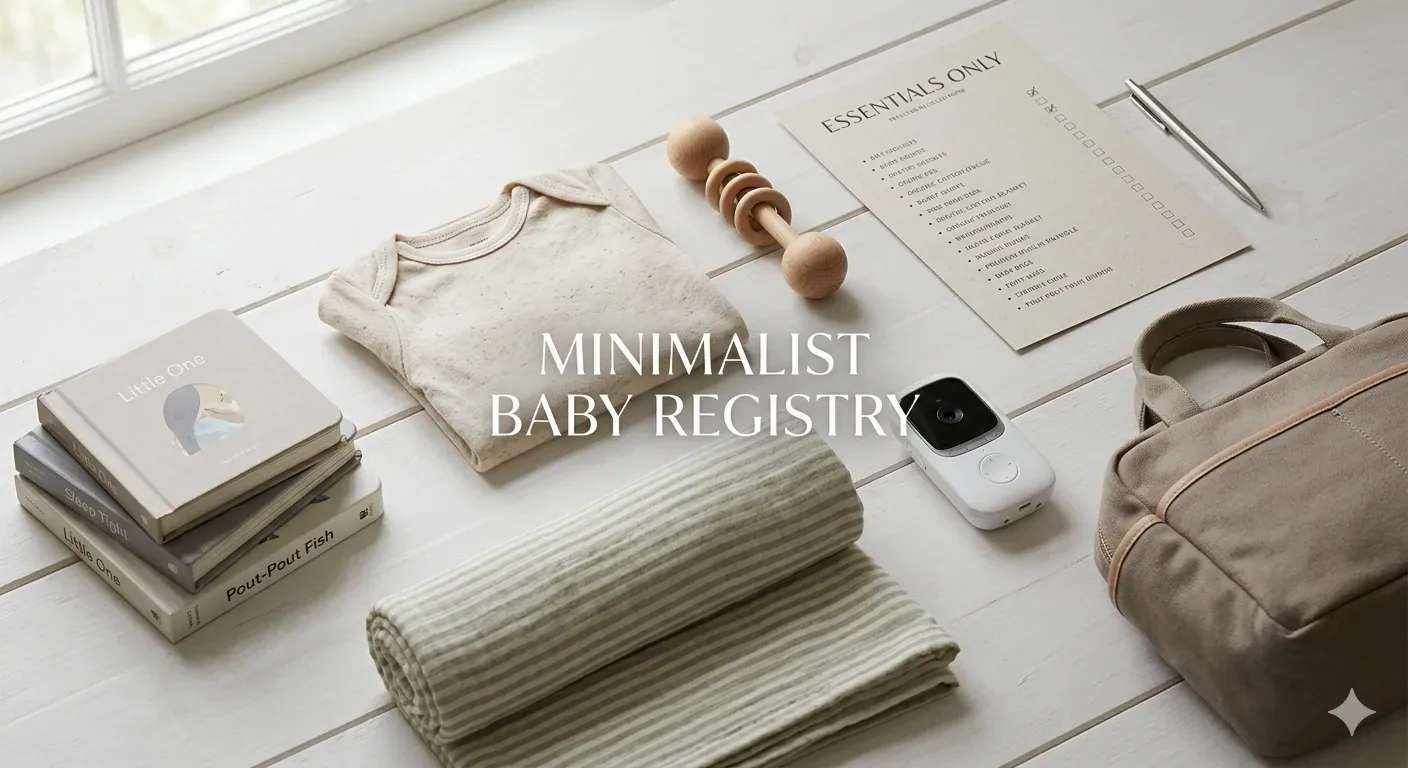
Minimalism in baby preparation means selecting items that serve clear purposes, offer longevity, and align with your family's actual lifestyle—not aspirational marketing. This philosophy rests on three core principles.
Featured Snippet Answer: A minimalist baby registry includes only essential items that serve multiple purposes, prioritize safety and quality over quantity, and adapt as your baby grows—typically 15-25 core items versus 50+ on traditional lists.
Principle 1: Function Over Fashion
Choose items based on utility, not aesthetics or trends. A simple, well-made crib matters more than a designer changing table. Prioritize:
- Safety certifications: JPMA, ASTM, or equivalent standards
- Durability: Materials that withstand daily use and multiple children
- Versatility: Items that grow with your child or serve multiple functions
For example, a convertible crib that transforms into a toddler bed offers years of use, while a basic high chair with removable parts simplifies cleaning and adapts to developmental stages.
Principle 2: Quality Over Quantity
Investing in fewer, higher-quality items often costs less long-term than repeatedly replacing cheap alternatives. Consider total cost of ownership:
| Item Category | Budget Option (3 replacements) | Quality Minimalist Choice | Long-Term Savings |
|---|---|---|---|
| Car Seat | $120 × 3 = $360 | $280 (extended use, better safety) | $80 + enhanced protection |
| Diaper Bag | $35 × 4 = $140 | $150 (lifetime warranty, versatile) | $10 + durability |
| Swaddles | $15 × 6 = $90 | $45 × 2 organic cotton (longer lasting) | $45 + skin benefits |
This mindset supports sustainable consumption and aligns with sustainable organic cotton brands that prioritize ethical production and material transparency.
Principle 3: Adaptability Over Specialization
Specialized gadgets often become clutter once baby outgrows their narrow use case. Favor items that adapt:
- Convertible furniture (crib to toddler bed)
- Adjustable carriers (newborn to toddler weight ranges)
- Multi-stage feeding supplies (newborn bottles to sippy cups)
This approach reduces waste and simplifies transitions between developmental stages.
Essential Categories: What Your Baby Actually Needs
Break your registry into core categories. For each, identify the minimum viable items that meet safety, comfort, and practical needs.
Sleep Essentials (3-4 Items)
Featured Snippet Answer: Baby sleep essentials include a firm crib mattress with fitted sheet, a safe sleep space meeting current safety standards, and 2-3 wearable blankets or sleep sacks—no loose bedding, pillows, or bumpers needed.
- Crib or bassinet: Choose one that meets current safety standards; a bedside bassinet works well for newborns
- Firm mattress: Non-negotiable for safe infant sleep; ensure snug fit with no gaps
- Fitted sheets (2-3): Organic cotton preferred for sensitive skin; have extras for middle-of-night changes
- Wearable blankets or sleep sacks: Replace loose blankets for safe, warm sleep
For families prioritizing chemical-free environments, pairing these with chemical-free nursery setup principles creates healthier indoor air quality for developing lungs.
Feeding Essentials (4-6 Items)
Whether breastfeeding, formula-feeding, or combining, these basics cover early feeding needs:
- Bottles (2-4): Start with a small variety pack to test nipple flow preferences
- Bottle brush: Essential for thorough cleaning
- Burp cloths (6-8): Multipurpose for spills, drool, and quick cleanups
- Bibs (3-5): Soft, absorbent cotton for early days; waterproof backing helpful later
- High chair or booster: Wait until baby sits independently (~6 months) unless space allows early purchase
For parents exploring solid foods, baby-led weaning approaches minimize specialized feeding tools, aligning perfectly with minimalist principles.
Diapering and Clothing (5-7 Items)
Streamline diapering and dressing with versatile, easy-care items:
- Diapers: Register for one size (Newborn or Size 1) plus gift cards for future sizes
- Wipes: Fragrance-free, water-based options for sensitive skin
- Changing pad: Portable option works for small spaces; pair with a dresser top
- Onesies/bodysuits (6-8): Mix of short and long sleeves in neutral, mix-and-match colors
- Sleepers/footed pajamas (4-6): Zippered styles simplify nighttime changes
- Socks or booties (3-4 pairs): Non-slip soles helpful once baby starts moving
Choose organic cotton when possible to reduce chemical exposure. Brands featured in plant-based baby skincare guides often offer complementary clothing lines with similar values.
Transport and Mobility (2-3 Items)
Focus on safety and practicality for getting around:
- Infant car seat: Non-negotiable for hospital discharge; choose one that fits your vehicle
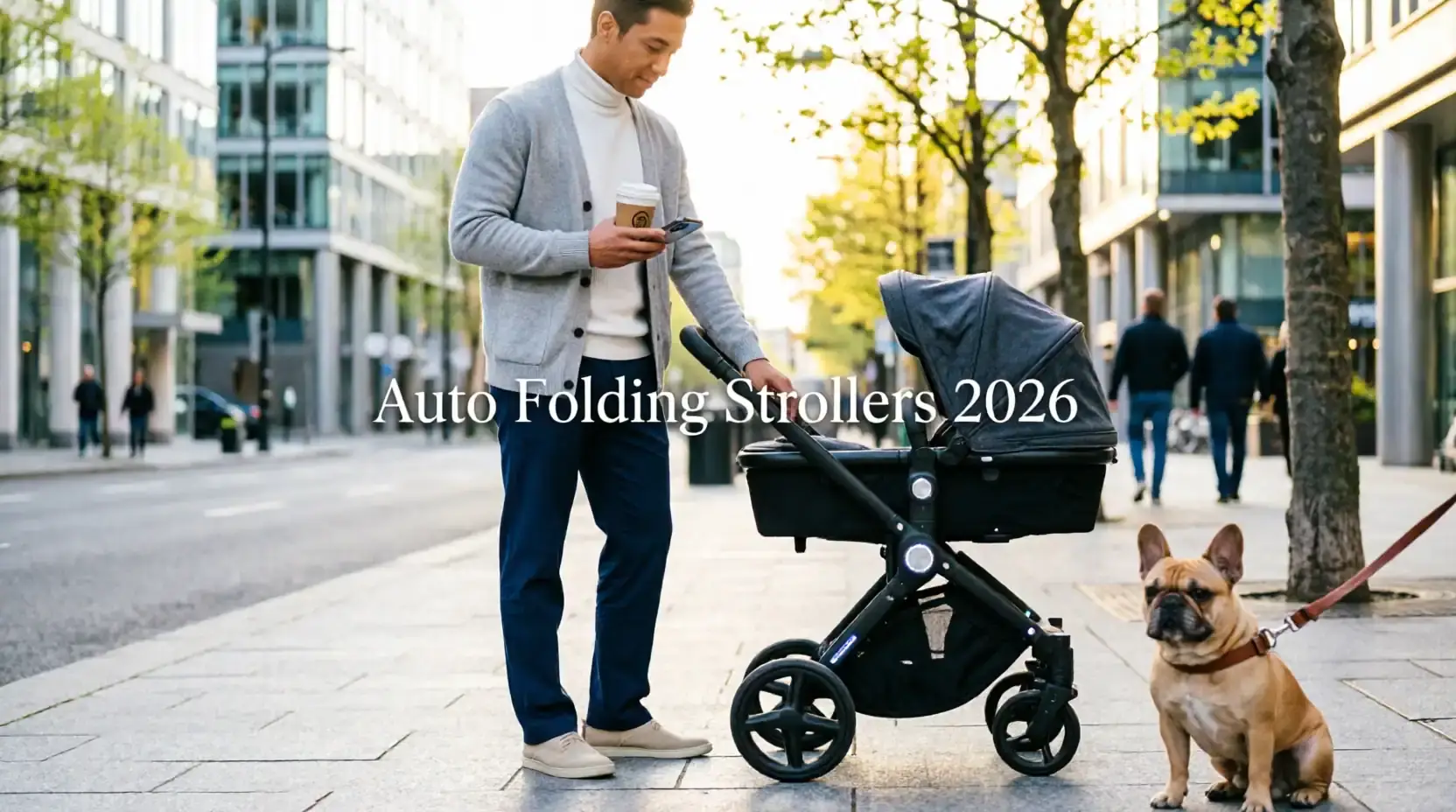
- Stroller or carrier: Select based on lifestyle: lightweight stroller for urban walking, ergonomic carrier for hands-free mobility
- Diaper bag: One versatile bag with insulated pockets and easy-clean lining
For parents prioritizing ergonomic development, ergonomic baby carriers support healthy hip positioning while enabling close contact that benefits bonding.
Health and Safety (3-4 Items)
Essential items for monitoring and protecting baby's well-being:
- Digital thermometer: Rectal or temporal for accurate infant readings
- Nasal aspirator: Bulb syringe or electric option for congestion relief
- Baby monitor: Audio-only suffices for many; video adds convenience but isn't essential
- Basic first aid kit: Infant acetaminophen (with pediatrician approval), saline drops, bandages
For tech-minded parents, smart bassinets with automated motion-sensing offer peace of mind, though traditional monitoring remains effective and budget-friendly.
Smart Registry Strategies to Maximize Value
Building a minimalist registry requires thoughtful planning. These strategies help you prioritize, save, and avoid common pitfalls.
The 80/20 Rule for Baby Gear
Allocate 80% of your registry budget to 20% of items you'll use daily. These high-impact categories deserve investment:
- Sleep system: Crib, mattress, safe sleep accessories
- Transport: Car seat and primary mobility solution
- Feeding basics: Bottles, cleaning supplies, early feeding support
For secondary items like toys, decor, or occasional-use gear, prioritize safety and function over premium features. This balanced approach maximizes value while maintaining minimalist aesthetics where it matters most.
Leverage Hand-Me-Downs and Community Sharing
Minimalism embraces reuse. Many baby items have short use windows, making them ideal for sharing:
- Accept gently used clothing, books, and toys from trusted sources
- Join local parenting groups for gear swaps or lending libraries
- Register for consumables (diapers, wipes) while borrowing durable goods
This approach reduces waste, saves money, and builds community connections—values central to slow parenting principles that prioritize presence over consumption.
Use Registry Completion Discounts Strategically
Most retailers offer 10-15% discounts on unpurchased registry items as your due date approaches. Maximize this benefit:
- Register at 1-2 stores with strong completion policies
- Include higher-ticket essentials you can purchase yourself later
- Wait until 2-4 weeks before due date to buy remaining items at discount
This tactic stretches your budget while ensuring you have essentials ready for baby's arrival.
Phase Your Registry by Developmental Stage
Babies' needs evolve rapidly. Avoid registering for items needed months in advance:
Newborn Phase (0-3 months): Focus on sleep, feeding, diapering, and basic comfort items
Infant Phase (4-9 months): Add mobility supports, feeding transitions, and developmental toys
Toddler Phase (10+ months): Register later for high chairs, toddler bed conversions, and advanced safety gear
This phased approach prevents clutter and ensures items match your baby's actual developmental timeline.
What to Skip: Common Registry Items You Don't Need
Marketing creates perceived needs. These popular registry items often become unused clutter:
Specialized Gear with Narrow Use Windows
- Wipe warmers: Room-temperature wipes work fine; warmers add cost and maintenance
- Bottle sterilizers: Dishwasher or boiling water suffices for most families
- Diaper pails: Regular trash cans with tight lids work effectively
- Specialized baby bathtubs: A clean sink or basin works for infant baths
These items solve minor inconveniences but rarely justify their cost, space, or environmental impact.
Excessive Clothing and Decor
- Outfits for every occasion: Babies grow quickly; prioritize comfortable, easy-change basics
- Seasonal clothing in newborn sizes: Register for 3-6 month sizes instead; newborns outgrow clothes before seasons change
- Nursery decor sets: Simple, adaptable decor allows flexibility as your child grows
Focus on versatile pieces that mix, match, and transition across seasons and developmental stages.
Redundant or Duplicate Items
- Multiple swaddle types: Choose 2-3 of your preferred style rather than sampling every option
- Several pacifier brands: Register for one style; babies often have strong preferences
- Multiple thermometers or monitors: One reliable device per category suffices
Minimalism thrives on intentionality. Register for what you'll actually use, not what might be convenient "just in case."
Space-Saving Solutions for Small Homes
Urban families or those in compact living spaces benefit especially from minimalist registries. These strategies maximize functionality without sacrificing essentials.
Multi-Functional Furniture Choices
- Dresser with changing topper: Eliminates need for separate changing table
- Crib with under-bed storage: Utilizes vertical space for diapers, clothing, or linens
- Convertible high chair: Transforms from infant seat to toddler booster to youth chair
For families designing compact nurseries, wellness nook designs demonstrate how thoughtful curation creates functional, calming spaces even in limited square footage.
Vertical Storage and Organization
- Wall-mounted shelves for books, supplies, or decor
- Over-door organizers for diapers, wipes, or toiletries
- Stackable bins for clothing categories or toy rotation
These solutions keep essentials accessible while minimizing floor space usage—a critical consideration in small apartments.
Portable and Compact Designs
- Lightweight strollers that fold compactly for storage or transport
- Collapsible bassinets or travel cribs for multi-room use
- Modular diaper bags with removable inserts for flexibility
Portable items adapt to changing needs and living situations, supporting minimalist values of flexibility and intentionality.
Budget Breakdown: Sample Minimalist Registry Costs
Understanding realistic costs helps set expectations and prioritize spending. Here's a sample budget for essential minimalist items:
Core Essentials Budget (Approximate)
| Category | Item | Estimated Cost |
|---|---|---|
| Sleep | Crib + mattress + 2 sheets + 2 sleep sacks | $300-500 |
| Transport | Car seat + lightweight stroller or carrier | $250-450 |
| Feeding | 4 bottles + brush + 8 burp cloths + 4 bibs | $80-150 |
| Clothing | 8 onesies + 4 sleepers + 4 socks | $100-200 |
| Diapering | Changing pad + 1 pack diapers + 2 packs wipes | $60-100 |
| Health/Safety | Thermometer + aspirator + basic first aid | $40-80 |
| Total | 15-20 essential items | $830-1480 |
Compare this to traditional registries listing 50+ items often exceeding $2000-3000. Minimalism delivers significant savings while covering all genuine needs.
Money-Saving Tips Beyond the Registry
- Accept gift cards for consumables (diapers, wipes) to match baby's growth
- Join retailer loyalty programs for additional discounts or rewards
- Consider gently used items for short-use categories (clothing, books, toys)
- Coordinate with family to avoid duplicate gifts
These strategies stretch your budget while maintaining the quality and safety standards essential for baby care.
Conclusion: Intentionality as the Ultimate Gift
Building a minimalist baby registry isn't about having less—it's about making room for what matters most. By focusing on essential, high-quality items that serve clear purposes, you create a calmer environment for your baby, reduce financial stress, and simplify daily routines.
Start with the categories outlined here: sleep, feeding, diapering, transport, and health. Apply the principles of function over fashion, quality over quantity, and adaptability over specialization. Use smart strategies like phased registration, completion discounts, and community sharing to maximize value.
Remember, your baby's needs are simple: safety, comfort, nourishment, and love. A minimalist registry honors these fundamentals while freeing you from the overwhelm of endless options. As your family grows, this intentional approach creates space—both physical and mental—for the joy, connection, and presence that define the early parenting journey.
For families embracing holistic wellness, consider how minimalist principles extend beyond gear to routines, relationships, and rhythms. Integrating these values with bio-harmonizing bedroom setups creates environments that support restorative rest and developmental growth for your little one.