
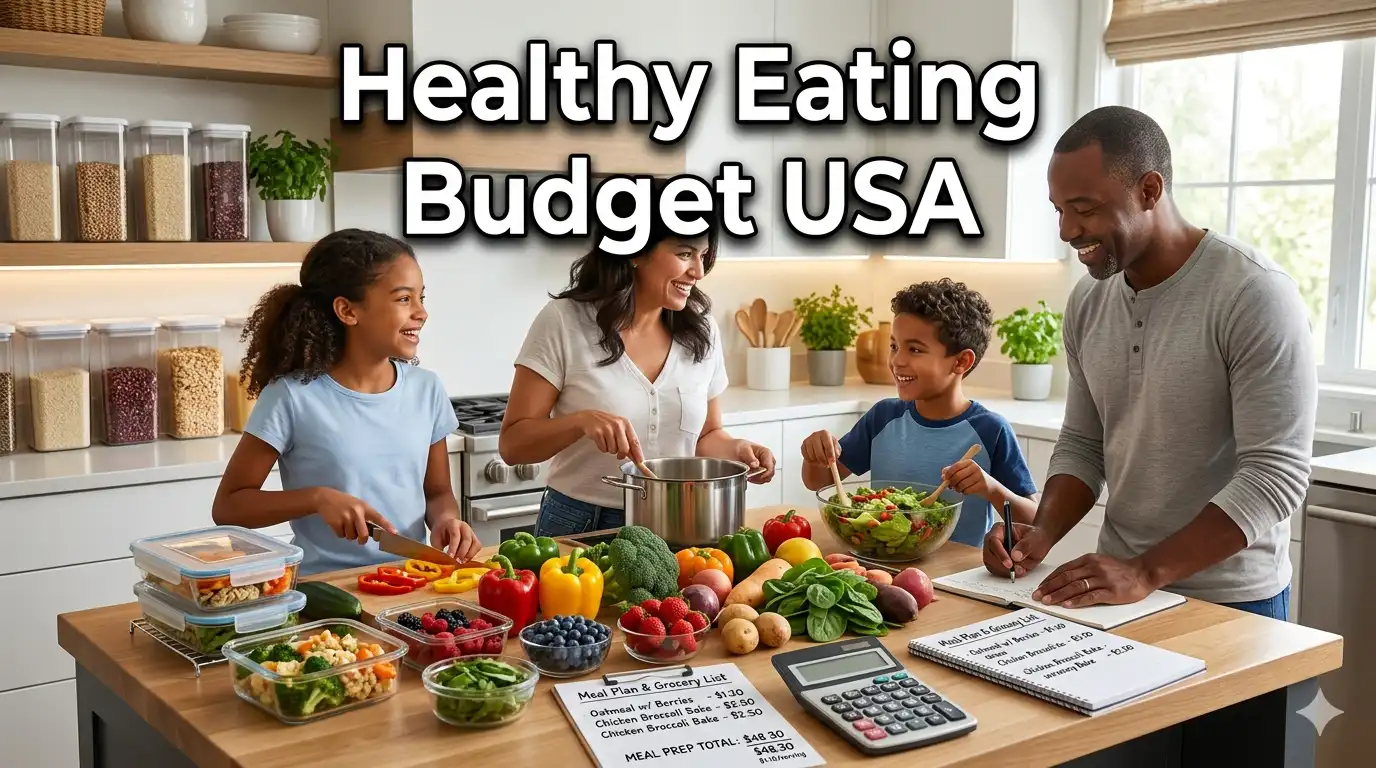
Eating healthy in the United States often feels like a luxury reserved for those with deep pockets. With rising food costs, busy schedules, and the pervasive marketing of processed convenience foods, many Americans believe that nutritious eating requires sacrificing either their budget or their taste buds. But this is a myth that needs debunking. Healthy eating on a budget in the USA is absolutely achievable—and it doesn't mean settling for bland, repetitive meals or sacrificing flavor for affordability.
The reality is that some of the most nutritious foods available—beans, lentils, eggs, frozen vegetables, oats, and seasonal produce—are also among the most affordable. The challenge isn't the cost of healthy food itself; it's navigating a food system designed to make processed options seem easier and more appealing. With strategic planning, smart shopping habits, and a few kitchen skills, you can nourish your family with delicious, wholesome meals without breaking the bank.
This comprehensive guide is designed specifically for Americans seeking to eat well while managing tight budgets. Whether you're a college student stretching limited funds, a parent feeding a family on SNAP benefits, or anyone looking to reduce grocery expenses without compromising nutrition, you'll find practical, actionable strategies grounded in real-world experience. We'll cover everything from decoding grocery store psychology and mastering meal planning to leveraging government programs and cooking techniques that maximize flavor and minimize waste.
By the end of this guide, you'll have a clear roadmap to transform your relationship with food—proving that healthy eating in America can be affordable, enjoyable, and sustainable for the long term.
Understanding the True Cost of Food in America
Before diving into solutions, it's essential to understand the landscape of food costs in the United States today.
The Inflation Reality: Food prices in the U.S. have risen significantly in recent years. According to the USDA, food-at-home prices increased by over 25% between 2020 and 2024. This inflation hits budget-conscious shoppers hardest, making strategic shopping more critical than ever.
The Hidden Costs of "Cheap" Food: While processed foods often appear cheaper upfront, they carry hidden costs: lower nutritional value means you may need to eat more to feel satisfied; health consequences of poor nutrition lead to higher medical costs over time; and the environmental impact of heavily processed foods affects us all.
Regional Variations Matter: Food costs vary dramatically across the U.S. Urban areas may have higher prices but more competition and access to diverse options. Rural areas may have fewer stores but lower overall costs. Understanding your local food landscape is key to smart shopping.
The Budget Breakdown: The USDA's Thrifty Food Plan—the basis for SNAP benefits—suggests a weekly budget of approximately $75-100 per person for healthy eating. While tight, this is achievable with planning. Many families successfully feed themselves on $50-75 per person weekly by implementing the strategies in this guide.
Foundation Principles: Mindset Shifts for Budget Healthy Eating
Success starts with the right mindset. These foundational principles will guide all your decisions:
1. Nutrition First, Not Perfection
Aim for progress, not perfection. A meal with frozen vegetables and canned beans is far healthier than skipping a meal or choosing fast food. Every nutritious choice counts, regardless of whether it's "Instagram-worthy."
2. Plan to Save, Don't Just React
Impulse purchases are budget killers. Planning meals, making lists, and sticking to them can reduce grocery spending by 20-30% according to consumer studies.
3. Value Time as Well as Money
Batch cooking, freezer meals, and simple recipes save both money and time. Investing a few hours on Sunday can save hours and dollars throughout the week.
4. Embrace Seasonality and Flexibility
Buying what's in season and being willing to substitute ingredients based on sales dramatically reduces costs while often improving flavor and nutrition.
5. Reduce Waste, Increase Value
The average American household throws away nearly $1,500 worth of food annually. Using leftovers creatively and storing food properly turns waste into savings.
Smart Grocery Shopping Strategies for American Stores
Where and how you shop dramatically impacts your budget. Here's how to navigate U.S. grocery stores like a pro.
Choose the Right Stores
Discount Grocers: Stores like Aldi, Lidl, and WinCo offer significant savings on staples. Aldi's private label products are typically 20-30% cheaper than name brands while maintaining quality.
Warehouse Clubs: Costco, Sam's Club, and BJ's offer bulk pricing on non-perishables, frozen items, and proteins. Calculate unit prices to ensure you're truly saving, and consider splitting bulk purchases with friends or family.
Ethnic Markets: Asian, Latin American, and Middle Eastern markets often offer fresh produce, spices, and proteins at lower prices than mainstream stores. Explore these for affordable flavor boosters.
Farmers Markets: Visit near closing time for discounts. Many vendors offer "seconds" (slightly imperfect produce) at reduced prices—perfect for cooking, sauces, or freezing.
Online Grocery Options: Walmart Grocery, Amazon Fresh, and Instacart can help avoid impulse buys. Compare prices across platforms and watch for digital coupons.
Master the Art of the Grocery List
Plan Meals Around Sales: Check weekly flyers (online or in-store) before planning meals. Build your menu around discounted proteins and produce.
Organize by Store Layout: Group items by store sections (produce, dairy, pantry) to avoid backtracking and impulse purchases.
Include Quantities: Specify exact amounts needed to avoid overbuying. "2 lbs chicken breast" is better than just "chicken."
Stick to the List: Treat your list like a contract. If it's not on the list, don't buy it—unless it's a genuinely exceptional sale on a staple you use regularly.
Decode Store Psychology
Eye-Level = Premium Prices: Stores place higher-margin items at eye level. Look up and down for better deals on store brands.
End Caps Aren't Always Deals: Promotional displays often feature items at regular price. Check unit prices before assuming it's a sale.
Checkout Lane Traps: Avoid impulse buys at checkout. Keep healthy snacks in your bag if needed.
Unit Price is Your Friend: Always check the price per ounce/pound/unit. Larger packages aren't always cheaper per unit.
Building a Budget-Friendly Pantry: Essential Staples
A well-stocked pantry is the foundation of affordable healthy eating. Focus on versatile, nutrient-dense staples with long shelf lives.
Protein Powerhouses (Under $2/Serving)
- Canned Beans: Black beans, chickpeas, kidney beans ($0.80-1.20/can). Rinse to reduce sodium.
- Lentils: Dried lentils cook quickly, require no soaking, and cost ~$1.50/lb.
- Eggs: One of the most affordable complete proteins. Buy in bulk when on sale and freeze extras.
- Canned Tuna/Salmon: Look for water-packed, BPA-free cans. Great for salads, sandwiches, casseroles.
- Peanut Butter: Natural versions without added sugar offer protein and healthy fats.
- Chicken Thighs: Often cheaper than breasts and more flavorful. Buy family packs and freeze portions.
Grains and Carbohydrates
- Oats: Old-fashioned or rolled oats are incredibly versatile and cost pennies per serving.
- Brown Rice: Buy in bulk; cooks in large batches and freezes well.
- Whole Wheat Pasta: Often same price as regular pasta with more fiber and nutrients.
- Potatoes and Sweet Potatoes: Nutrient-dense, filling, and very affordable year-round.
- Whole Grain Bread: Freeze half the loaf to prevent waste; toast directly from frozen.
Produce Strategies
Frozen is Fantastic: Frozen fruits and vegetables are picked at peak ripeness, flash-frozen, and often more nutritious than "fresh" produce that has traveled long distances. They're also typically cheaper and reduce waste.
Seasonal Buying Guide:
- Winter: Citrus, kale, cabbage, carrots, potatoes
- Spring: Asparagus, strawberries, peas, spinach
- Summer: Berries, tomatoes, zucchini, corn, peppers
- Fall: Apples, squash, Brussels sprouts, pears
Ugly Produce: Many stores now offer "imperfect" produce at discounts. These items are perfectly nutritious—just cosmetically different.
Flavor Boosters on a Budget
- Spices: Buy from ethnic markets or in bulk sections. Start with garlic powder, cumin, paprika, oregano.
- Vinegars: Apple cider vinegar and white vinegar add acidity and brightness to dishes.
- Canned Tomatoes: Diced, crushed, or whole—versatile base for sauces, soups, and stews.
- Onions and Garlic: Flavor foundations that are inexpensive and long-lasting.
- Lemons/Limes: A squeeze of citrus brightens almost any dish.
Meal Planning That Actually Works for Busy Americans
Effective meal planning is the single most powerful tool for eating healthy on a budget. Here's a practical system:
The Weekly Planning Process
Step 1: Inventory Check (5 minutes)
Before planning, check what you already have. Note proteins, grains, and produce that need to be used first.
Step 2: Review Sales Flyers (10 minutes)
Check store apps or websites for weekly deals. Build meals around discounted proteins and produce.
Step 3: Plan 3-4 Core Meals
Don't over-plan. Focus on dinners, then plan simple breakfasts and lunches using leftovers or staples.
Step 4: Create a Master List
Organize your grocery list by store sections. Include quantities to avoid overbuying.
Step 5: Prep Components, Not Full Meals
Instead of cooking entire meals in advance, prep versatile components: cooked grains, chopped veggies, marinated proteins. Mix and match throughout the week.
Sample Budget Meal Plan ($50/Person/Week)
Breakfasts:
- Oatmeal with frozen berries and peanut butter
- Eggs with whole wheat toast and fruit
- Yogurt parfaits with store-brand yogurt and seasonal fruit
Lunches:
- Leftovers from dinner
- Bean and rice bowls with salsa and avocado
- Tuna or chickpea salad sandwiches
Dinners:
- Monday: Lentil soup with whole grain bread and side salad
- Tuesday: Chicken thighs roasted with potatoes and frozen broccoli
- Wednesday: Black bean tacos with cabbage slaw and corn tortillas
- Thursday: Pasta with marinara sauce, white beans, and frozen spinach
- Friday: "Clean out the fridge" fried rice with eggs and leftover veggies
- Saturday: Homemade pizza with whole wheat crust, canned tomatoes, and veggies
- Sunday: Slow-cooker chili with beans, ground turkey, and cornbread
Snacks: Apple slices with peanut butter, carrots with hummus, popcorn, hard-boiled eggs
Batch Cooking Strategies
Cook Once, Eat Twice (or Thrice): Double recipes and freeze half. Chili, soups, and casseroles freeze exceptionally well.
Theme Nights Simplify Planning: Meatless Monday, Taco Tuesday, Soup Sunday—themes reduce decision fatigue and streamline shopping.
Repurpose Leftovers Creatively: Roasted chicken becomes chicken salad, then chicken soup. Cooked rice becomes fried rice, then rice pudding.
Cooking Techniques That Maximize Flavor and Minimize Cost
How you cook matters as much as what you buy. These techniques elevate affordable ingredients:
Master One-Pot Meals
One-pot meals minimize cleanup, save energy, and allow flavors to meld beautifully.
Formula: Protein + Grain + Vegetables + Liquid + Seasonings = Delicious Meal
Examples:
- One-Pot Pasta: Pasta, canned tomatoes, beans, frozen spinach, garlic, broth
- Sheet Pan Dinners: Chicken thighs, potatoes, carrots, onions tossed with oil and spices, roasted together
- Grain Bowls: Base of rice or quinoa topped with beans, roasted veggies, and simple sauce
Embrace the Power of Beans
Beans are nutritional powerhouses and budget superstars. Here's how to make them exciting:
Flavor Building: Sauté onions, garlic, and spices before adding beans. A splash of vinegar or lemon at the end brightens flavors.
Texture Variety: Mash some beans for creaminess, leave others whole for texture.
Global Inspirations: Transform beans with simple spice blends: cumin and chili powder for Mexican, curry powder for Indian, herbs de Provence for Mediterranean.
Transform Frozen Vegetables
Frozen veggies are convenient and nutritious, but they can be bland if not prepared well.
Roasting: Toss frozen vegetables with oil and spices, roast at 425°F until caramelized. This concentrates flavors and improves texture.
Sautéing: Cook frozen veggies directly in a hot pan with garlic and a splash of broth or soy sauce.
Blending: Add frozen spinach or cauliflower to smoothies, soups, or sauces for hidden nutrition.
Make Your Own Sauces and Dressings
Store-bought sauces are expensive and often loaded with sugar and preservatives. Homemade versions are cheaper and healthier.
Simple Vinaigrette: 3 parts oil, 1 part vinegar, mustard, garlic, salt, pepper. Shake in a jar.
Yogurt-Based Sauce: Plain yogurt + lemon juice + garlic + herbs = versatile dip or dressing.
Bean Blends: Blend canned beans with garlic, lemon, and olive oil for a quick, protein-rich spread.
Leveraging Government Programs and Community Resources
Many Americans qualify for assistance programs that can stretch food budgets significantly.
SNAP (Supplemental Nutrition Assistance Program)
Maximizing SNAP Benefits:
- Shop at farmers markets that double SNAP benefits (ask about "Double Up Food Bucks" programs)
- Use SNAP for seeds and plants to grow your own food
- Combine SNAP with store loyalty programs for additional savings
SNAP-Ed Resources: Free nutrition education classes teach budget cooking, meal planning, and healthy eating on a budget. Find classes through your state's SNAP-Ed program.
WIC (Women, Infants, and Children)
If eligible, WIC provides specific nutritious foods, nutrition education, and breastfeeding support. The WIC food list includes staples like milk, eggs, whole grains, beans, and produce.
Community Resources
Food Pantries: Many pantries now offer fresh produce and protein, not just canned goods. Find local pantries through Feeding America's website.
Community Gardens: Grow your own produce at low cost. Many gardens offer plots for $20-50/year.
Meal Sharing Programs: Apps like Olio connect neighbors to share surplus food, reducing waste and costs.
Reducing Food Waste: Every Dollar Counts
The average American household wastes 30-40% of its food supply. Reducing waste is one of the fastest ways to stretch your budget.
Smart Storage Techniques
Produce Preservation:
- Herbs: Store like flowers in water, or freeze in olive oil in ice cube trays
- Berries: Wash in vinegar water, dry thoroughly, store in airtight container with paper towel
- Leafy Greens: Wrap in dry paper towels, store in airtight container
- Mushrooms: Store in paper bag, not plastic
Freezer Mastery:
- Label and date everything
- Freeze in portion-sized containers for easy use
- Blanch vegetables before freezing to preserve texture and nutrients
- Freeze leftover wine, broth, or tomato paste in ice cube trays
Creative Leftover Strategies
"Clean Out the Fridge" Meals:
- Frittatas: Eggs + any veggies + cheese = easy dinner
- Grain Bowls: Base grain + leftover protein + veggies + sauce
- Soups: Simmer leftover veggies, beans, and broth with spices
- Stir-fries: Quick-cooking method perfect for using up odds and ends
Repurpose Ingredients:
- Stale bread → croutons, breadcrumbs, or bread pudding
- Overripe fruit → smoothies, oatmeal, or baked goods
- Vegetable scraps → homemade vegetable broth
- Leftover cooked grains → breakfast porridge or fried rice
Track and Learn
Keep a simple "waste log" for one week. Note what gets thrown away and why. Patterns will emerge, helping you adjust shopping and cooking habits.
Healthy Eating on Extreme Budgets: $25-40/Week Strategies
For those facing severe budget constraints, these targeted strategies maximize nutrition per dollar:
Prioritize Nutrient Density
Focus on foods that deliver the most nutrition per penny:
- Beans and lentils: Protein, fiber, iron, folate
- Eggs: Complete protein, vitamins D and B12
- Oats: Fiber, B vitamins, sustained energy
- Potatoes: Vitamin C, potassium, fiber (with skin)
- Cabbage: Vitamin C, K, fiber, very affordable
- Carrots: Vitamin A, long shelf life
Protein on a Shoestring
Plant Proteins: Beans, lentils, and chickpeas cost $0.10-0.20 per serving versus $1-2 for animal proteins.
Eggs: At ~$0.20-0.30 per egg, they're one of the most affordable complete proteins.
Canned Fish: Tuna and sardines provide omega-3s at ~$1 per serving.
Chicken Thighs: Often 30-50% cheaper than breasts; buy family packs and freeze.
Stretch Expensive Ingredients
Meat as Condiment: Use small amounts of meat to flavor bean dishes, soups, or grain bowls rather than as the main focus.
Bulk Up Meals: Add beans, lentils, or extra vegetables to stretch meat-based dishes.
Homemade Versions: Make your own granola, yogurt, or bread to save 50-70% versus store-bought.
Community and Sharing
Food Co-ops: Join or start a buying club to access wholesale prices.
Meal Swaps: Coordinate with friends or family to cook large batches and swap meals, adding variety without extra cost.
Healthy Snacking on a Budget
Snacks don't have to be expensive or unhealthy. These options are nutritious, satisfying, and budget-friendly:
Prep-Ahead Snack Ideas
- Hard-Boiled Eggs: Prep a dozen at once for quick protein snacks
- Roasted Chickpeas: Toss canned chickpeas with oil and spices, roast until crispy
- Apple "Cookies": Apple slices with peanut butter and a sprinkle of oats
- Popcorn: Air-popped popcorn seasoned with nutritional yeast or spices
- Yogurt Parfaits: Layer store-brand yogurt with frozen berries and oats
- Vegetable Sticks: Carrots, cucumbers, bell peppers with hummus or yogurt dip
Smart Snack Shopping
- Buy snacks in bulk and portion into small containers
- Choose whole foods over packaged snacks when possible
- Keep healthy snacks visible and convenient to avoid impulse buys
- Make your own trail mix with bulk nuts, seeds, and dried fruit
Navigating Food Deserts and Limited Access
For Americans living in food deserts—areas with limited access to affordable, nutritious food—these strategies can help:
Maximize Limited Store Options
- Focus on shelf-stable nutritious items: canned beans, tomatoes, tuna, oats, rice
- Buy frozen produce when fresh isn't available or affordable
- Choose store brands over name brands for significant savings
Leverage Online Options
- Many online grocers now accept SNAP benefits
- Compare prices across platforms to find the best deals
- Order in bulk to reduce delivery frequency and cost
Community Solutions
- Advocate for mobile markets or pop-up produce stands in your community
- Support local initiatives to bring grocery stores to underserved areas
- Participate in or start a community garden
Teaching Kids Healthy Eating on a Budget
Involving children in budget-friendly healthy eating builds lifelong skills and reduces picky eating:
Make It Fun and Educational
- Grocery Store Scavenger Hunts: "Find three orange vegetables" or "Find a food with protein"
- Cooking Together: Let kids wash veggies, stir batter, or assemble their own snacks
- Gardening: Even a windowsill herb garden teaches where food comes from
Smart Strategies for Picky Eaters
- Involve Them in Planning: Let kids choose between two healthy options
- Hide Veggies Creatively: Blend spinach into smoothies, add grated carrots to sauces
- Make Healthy Foods Accessible: Keep washed fruit and veggies at kid-height in the fridge
- Model Healthy Eating: Children learn more from what you do than what you say
Tracking Progress and Staying Motivated
Sustainable change requires tracking and celebration:
Simple Tracking Methods
- Weekly Grocery Receipt Review: Note total spend and identify one area to improve next week
- Meal Success Journal: Jot down which budget meals your family enjoyed most
- Waste Reduction Log: Track how much less food you're throwing away
Celebrate Non-Scale Victories
- More energy throughout the day
- Reduced food waste
- Trying new recipes or ingredients
- Teaching kids about healthy eating
- Feeling more in control of your food budget
Frequently Asked Questions
Can you really eat healthy on $50 a week per person in the USA?
Yes, with careful planning. Focus on whole foods: beans, lentils, eggs, oats, seasonal produce, and store brands. Plan meals around sales, minimize waste, and cook at home. The USDA Thrifty Food Plan demonstrates it's possible, though it requires commitment and skill-building.
Is organic food worth the extra cost on a budget?
Prioritize organic for the "Dirty Dozen" (produce with highest pesticide residues) if budget allows, but don't stress. Conventionally grown fruits and vegetables are far healthier than no fruits and vegetables. Wash produce thoroughly regardless of type.
How do I eat healthy with limited cooking time?
Embrace batch cooking, slow cooker meals, and no-cook options. Prep components (grains, proteins, chopped veggies) in advance. Keep a repertoire of 15-minute meals using pantry staples. Frozen and canned ingredients are your friends for quick, nutritious meals.
What if my family prefers processed foods?
Make gradual swaps: whole grain pasta instead of white, baked chips instead of fried, fruit instead of candy. Involve family in meal planning and cooking. Focus on adding nutritious foods rather than restricting favorites. Flavor is key—use herbs, spices, and healthy fats to make healthy food delicious.
How can I eat healthy with dietary restrictions on a budget?
Focus on naturally compliant whole foods: gluten-free grains like rice and quinoa, dairy-free proteins like beans and lentils. Buy in bulk, cook from scratch to avoid premium "free-from" labels, and connect with online communities for budget-friendly recipes specific to your needs.
Conclusion: Your Journey to Affordable, Delicious, Healthy Eating
Healthy eating on a budget in the USA isn't about deprivation or settling for bland, repetitive meals. It's about working smarter within the food system—making informed choices, developing practical skills, and embracing the abundance of nutritious, affordable foods available to us.
The strategies in this guide aren't quick fixes; they're foundational habits that compound over time. Start with one or two changes: maybe meal planning on Sundays, or trying one new budget-friendly recipe each week. Celebrate small wins. Learn from setbacks. Build your skills and confidence gradually.
Remember that food is more than fuel—it's culture, connection, and joy. Eating healthy on a budget doesn't mean sacrificing pleasure. It means discovering the deep satisfaction of a home-cooked meal made with care, the pride of nourishing your family well within your means, and the freedom that comes from mastering your food choices.
You have the power to transform your relationship with food. With planning, creativity, and the practical tools in this guide, you can eat deliciously, nutritiously, and affordably—proving that in America, healthy eating is a right, not a luxury.
Your journey starts with the next meal. Make it count.