Why Breathwork is Replacing Traditional Cardio for Stress Management
In today's fast-paced world, stress has become a constant companion for many. While traditional cardio exercises like running, cycling, or high-intensity interval training have long been recommended for stress relief, a growing body of research suggests that breathwork may offer faster, more accessible, and equally effective benefits for managing stress and anxiety. Breathwork refers to intentional breathing techniques that influence mental, emotional, and physical states. Unlike cardio, which requires time, equipment, and physical exertion, breathwork can be practiced anywhere, anytime, in as little as one to five minutes. For busy professionals, parents, and anyone seeking immediate calm without breaking a sweat, breathwork is emerging as a powerful, science-backed alternative.
If you are wondering whether breathwork can truly replace cardio for stress management, the short answer is: for mental and emotional regulation, yes—breathwork may offer superior results with less time investment. A meta-analysis of randomized controlled trials showed that breathwork interventions significantly reduced self-reported stress, anxiety, and depressive symptoms. Meanwhile, slow breathing exercises have been found to reduce resting heart rate and improve heart rate variability, a key marker of nervous system resilience. This article explores the science behind breathwork, compares it to traditional cardio for stress relief, and provides actionable, step-by-step routines you can start today.
What Is Breathwork and How Does It Reduce Stress?
Breathwork encompasses a range of conscious breathing practices rooted in ancient traditions like yoga (pranayama) and modern therapeutic approaches. The core principle is simple: by controlling the pace, depth, and pattern of your breath, you can directly influence your autonomic nervous system. When you are stressed, your body activates the sympathetic nervous system—the "fight or flight" response—releasing cortisol and adrenaline. Breathwork techniques that emphasize slow, deep, and extended exhalations activate the parasympathetic nervous system, often called the "rest and digest" state, which helps lower heart rate, reduce blood pressure, and promote a sense of calm.
Featured Snippet Answer: Breathwork reduces stress by activating the parasympathetic nervous system through slow, controlled breathing patterns. This lowers cortisol levels, improves heart rate variability, and promotes mental clarity—all within minutes of practice.
Unlike cardio, which primarily addresses stress through endorphin release and physical fatigue, breathwork works at the neurological level. Research indicates that just five minutes of focused breathing can lower perceived stress and improve emotional regulation. For individuals with limited time, mobility concerns, or high anxiety that makes vigorous exercise challenging, breathwork offers a gentle yet potent entry point to stress management.
Breathwork vs Cardio: A Science-Backed Comparison
To understand why breathwork is gaining popularity over traditional cardio for stress relief, let us compare the two approaches across key dimensions:
| Factor | Breathwork | Traditional Cardio |
|---|---|---|
| Time Required | 1-10 minutes per session | 20-45 minutes minimum for benefits |
| Accessibility | Anywhere, no equipment needed | Requires space, gear, or gym access |
| Immediate Effect | Calm within 2-5 minutes | Endorphin rush after 15-20 minutes |
| Physical Demand | Low impact, suitable for all fitness levels | Moderate to high intensity |
| Nervous System Impact | Direct parasympathetic activation | Indirect via endorphins and fatigue |
| Best For | Anxiety, acute stress, sleep issues | Overall fitness, weight management |
While cardio remains excellent for cardiovascular health and long-term fitness, breathwork excels at rapid nervous system regulation. A study comparing mindfulness breathing to other stress interventions found that breath-focused practices produced notable reductions in daily stress with minimal time commitment. For those juggling work, family, and personal wellness, this efficiency is transformative.
Moreover, breathwork complements other wellness practices. If you follow a 5-minute nighttime ritual for better sleep, adding a brief breathwork session before bed may enhance relaxation and sleep quality. Similarly, integrating breathwork into your morning routine aligns with morning routine trends for successful people, setting a calm tone for the day ahead.
Top Breathwork Techniques for Stress Relief
Not all breathing exercises are equally effective for stress management. Research suggests that techniques emphasizing slow pacing, extended exhalation, and diaphragmatic engagement yield the best results. Here are five evidence-based breathwork methods you can try:
1. Box Breathing (4-4-4-4)
Also known as square breathing, this technique involves four equal parts: inhale for 4 seconds, hold for 4 seconds, exhale for 4 seconds, and hold empty for 4 seconds. Box breathing is widely used by military personnel and healthcare professionals to maintain focus under pressure. Practice for 3-5 cycles to activate calm.
2. 4-7-8 Breathing
Developed by Dr. Andrew Weil, this method involves inhaling through the nose for 4 seconds, holding the breath for 7 seconds, and exhaling slowly through the mouth for 8 seconds. The extended exhale stimulates the vagus nerve, promoting deep relaxation. Use this technique before sleep or during moments of acute anxiety.
3. Diaphragmatic (Belly) Breathing
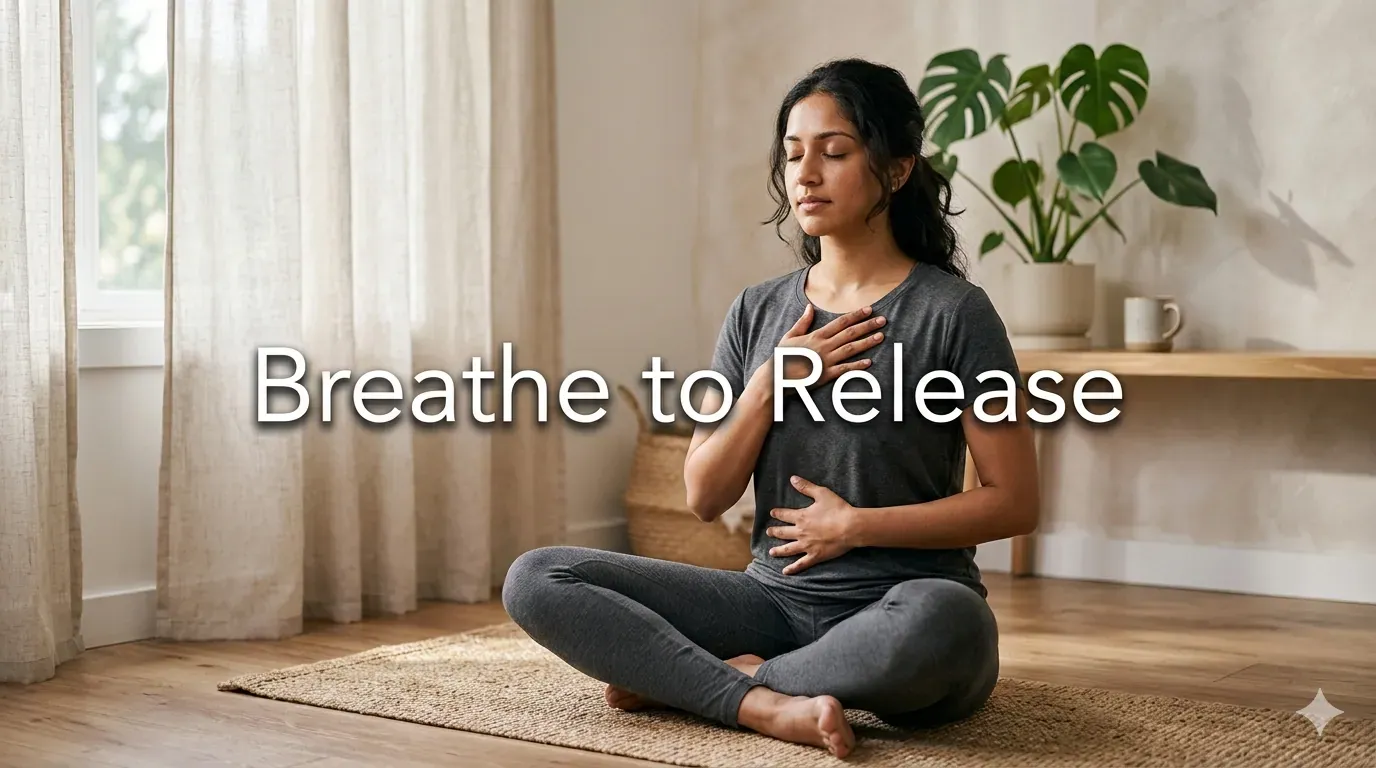
Place one hand on your chest and the other on your belly. Inhale deeply through your nose, allowing your belly to rise while keeping your chest relatively still. Exhale slowly through pursed lips. This technique strengthens the diaphragm and improves oxygen exchange, which may help reduce stress markers over time.
4. Coherent or Resonance Breathing
Breathe at a rate of 5-6 breaths per minute (inhale for 5 seconds, exhale for 5 seconds). This pace aligns with your body's natural resonance frequency, optimizing heart rate variability and emotional balance. Practice for 10 minutes daily for cumulative benefits.
5. Physiological Sigh
A natural stress-reset pattern: take two quick inhales through the nose (one full, one short top-up), followed by a long, slow exhale through the mouth. Repeat 3-5 times. This technique rapidly reduces physiological arousal and is backed by emerging neuroscience research.
Pro Tip: Consistency matters more than duration. Practicing any of these techniques for just 5 minutes daily may yield noticeable improvements in stress levels within 1-2 weeks. Pair breathwork with other lifestyle habits, such as natural fat-burning foods or a short home workout, for holistic wellness.
How to Build a Daily Breathwork Routine
Creating a sustainable breathwork practice requires minimal planning but intentional consistency. Follow this step-by-step guide to integrate breathwork into your busy life:
- Step 1: Choose Your Anchor Time – Link breathwork to an existing habit (habit stacking). Practice after brushing your teeth, before your morning coffee, or during your lunch break.
- Step 2: Start Small – Begin with 2-3 minutes per session. Even brief practices can reduce stress when done consistently.
- Step 3: Select One Technique – Master one method before adding others. Box breathing is ideal for beginners due to its simple structure.
- Step 4: Create a Calm Environment – Find a quiet spot, sit comfortably, and minimize distractions. If noise is unavoidable, use noise-canceling headphones with calming sounds.
- Step 5: Track Your Progress – Note how you feel before and after each session. Over time, you may notice improved focus, better sleep, or reduced reactivity to stressors.
For those managing multiple responsibilities, breathwork can be a portable tool for self-care. Remember, prioritizing your mental well-being is not selfish—it is essential. Learn more about this mindset in our guide on why self-care isn't selfish.
Safety Considerations and Who Should Consult a Professional
While breathwork is generally safe for most people, certain techniques involving rapid breathing, prolonged breath holds, or intense exertion may not be suitable for everyone. Individuals with the following conditions should consult a healthcare provider before starting breathwork:
- Cardiovascular conditions (e.g., uncontrolled hypertension, history of heart attack)
- Respiratory disorders (e.g., severe asthma, COPD)
- History of panic attacks or severe anxiety
- Pregnancy (certain advanced techniques)
- Glaucoma or detached retina (due to pressure changes)
Always listen to your body. If you feel dizzy, lightheaded, or uncomfortable during any breathing exercise, stop immediately and return to normal breathing. Start with gentle techniques like diaphragmatic breathing before progressing to more advanced practices. For personalized guidance, consider working with a certified breathwork facilitator or healthcare professional.
Integrating Breathwork into a Holistic Stress Management Plan
Breathwork is most effective when combined with other evidence-based strategies for stress reduction. Consider these complementary approaches:
- Digital Detox – Reducing screen time may lower cognitive overload and enhance the benefits of breathwork. Explore our guide on digital detox strategies for practical tips.
- Mindful Movement – Gentle practices like yoga or walking in nature can amplify breathwork's calming effects.
- Nutrition Support – A balanced diet rich in magnesium, omega-3s, and antioxidants may support nervous system resilience.
- Sleep Hygiene – Quality sleep is foundational for stress recovery. Pair evening breathwork with good sleep habits for optimal results.
- Work-Life Balance – Setting boundaries and prioritizing rest are crucial. Our article on balancing work and wellness offers actionable frameworks.
For those living in urban environments like Dhaka, where pollution and congestion add to daily stress, breathwork can be a powerful tool for reclaiming inner calm. Combine it with protective skincare practices, such as those outlined in our anti-pollution skincare guide, to support both mental and physical well-being.
Common Myths About Breathwork Debunked
As breathwork gains popularity, misconceptions can create unnecessary barriers. Let us clarify a few common myths:
Myth 1: Breathwork is just "deep breathing" and not scientifically valid.
Reality: Modern research validates specific breathing patterns for measurable physiological changes, including reduced cortisol, improved heart rate variability, and enhanced emotional regulation.
Myth 2: You need to practice for 30 minutes to see benefits.
Reality: Studies show that even 1-5 minutes of focused breathing can produce acute stress relief. Consistency over time yields cumulative benefits.
Myth 3: Breathwork replaces all other forms of exercise.
Reality: Breathwork excels at nervous system regulation but does not replace cardio for cardiovascular fitness or strength training for muscle health. Think of it as a complementary tool, not a total substitute.
Myth 4: Breathwork is only for people with anxiety or stress issues.
Reality: Anyone can benefit from breathwork. Athletes use it to enhance performance, students use it to improve focus, and professionals use it to manage work pressure.
Real-Life Success: Breathwork for Busy Lifestyles
Consider the story of Ayesha, a marketing manager and mother of two in Dhaka. Struggling with chronic stress and limited time for self-care, she tried adding 30-minute cardio sessions to her routine but found them unsustainable. After learning about breathwork, she began practicing box breathing for 5 minutes each morning and 4-7-8 breathing before bed. Within two weeks, she reported feeling calmer during work meetings, sleeping more soundly, and reacting less impulsively to daily challenges. By integrating breathwork into her existing routine—rather than adding another time-consuming task—she achieved meaningful stress relief without sacrificing family or work time.
Ayesha's experience reflects a broader trend: in a world where time is scarce, breathwork offers a high-impact, low-time-investment solution for stress management. For more inspiration on simplifying wellness, explore our article on slow living in Dhaka.
Getting Started Today: Your 7-Day Breathwork Challenge
Ready to experience the benefits of breathwork? Try this simple 7-day challenge:
- Day 1-2: Practice diaphragmatic breathing for 3 minutes upon waking.
- Day 3-4: Add box breathing (4-4-4-4) for 3 minutes during your lunch break.
- Day 5-6: Use 4-7-8 breathing for 4 cycles before bedtime.
- Day 7: Reflect on how you feel. Notice changes in stress levels, focus, or sleep quality.
After the challenge, continue with the technique that resonated most. Remember, the goal is not perfection but progress. Even imperfect practice yields benefits over time.
Conclusion: Embrace the Power of Your Breath
As scientific evidence mounts, breathwork is rightfully earning its place as a cornerstone of modern stress management. While traditional cardio remains valuable for physical health, breathwork offers a uniquely accessible, efficient, and neurologically targeted approach to calming the mind and body. By dedicating just a few minutes each day to intentional breathing, you may experience reduced anxiety, improved focus, better sleep, and greater emotional resilience—all without leaving your chair.
In a world that often demands we do more, breathe more, and achieve more, breathwork invites us to simply be. It is a reminder that one of the most powerful tools for wellness has been with us all along: our breath. Start small, stay consistent, and let each inhale and exhale guide you toward greater calm.
Disclaimer: This content is for informational purposes only and is not medical advice. Consult a qualified healthcare professional before starting any new wellness practice, especially if you have pre-existing health conditions. Breathwork may help support stress management but is not a substitute for professional mental health treatment.