Introduction: Why Seed Saving Matters for Home Gardeners
Every seed carries a story—a genetic legacy passed down through generations of farmers, gardeners, and communities. In an era of commercial hybridization and biodiversity loss, starting a seed-saving hobby is one of the most meaningful actions you can take to preserve local plant varieties, support food sovereignty, and connect with agricultural heritage.
Seed saving isn't just for expert botanists or large-scale farmers. With basic knowledge and simple techniques, any home gardener can begin collecting, storing, and sharing seeds from their favorite plants. This practice not only reduces gardening costs but also helps maintain genetic diversity that's crucial for climate resilience and cultural identity.
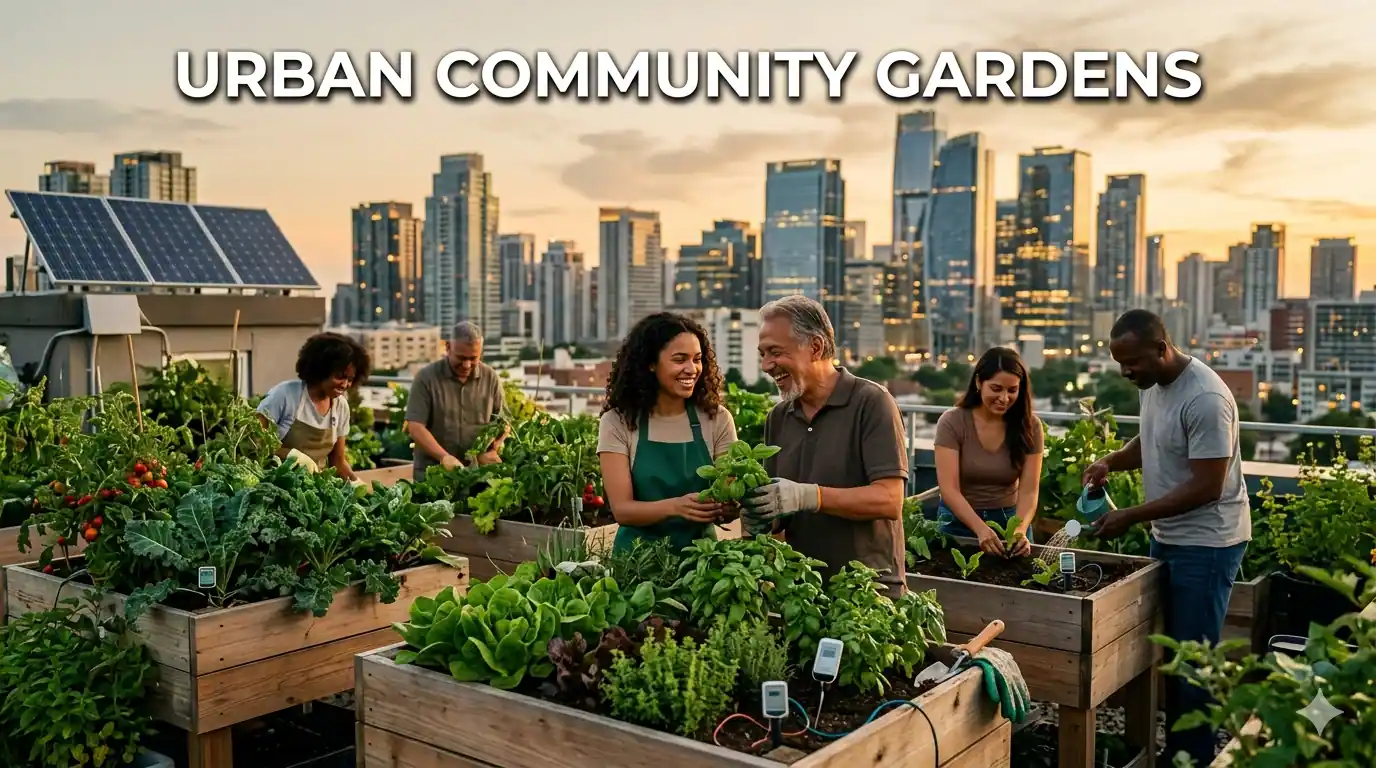
This comprehensive guide walks you through everything needed to start your seed-saving journey. From selecting the right plants to proper harvesting, drying, and storage methods, you'll discover practical, science-backed steps to preserve local varieties starting this season. For those interested in expanding their sustainable gardening practices, integrating seed saving with rooftop vegetable gardening creates a powerful closed-loop system for urban growers.
Understanding Seed Saving Basics
Seed saving is the practice of collecting mature seeds from plants and storing them for future planting. While it may seem simple, successful seed preservation requires understanding plant biology, pollination methods, and proper storage conditions.
Key Benefits of Seed Saving:
- Preserve Genetic Diversity: Protect heirloom and landrace varieties adapted to local climates
- Save Money: Reduce annual seed purchasing costs by 70-90%
- Develop Locally Adapted Plants: Over time, saved seeds become better suited to your specific microclimate
- Cultural Preservation: Maintain traditional varieties with historical and culinary significance
- Climate Resilience: Diverse genetics help gardens withstand pests, diseases, and weather extremes
Before beginning, understand that not all plants are equally suitable for beginner seed savers. Self-pollinating plants like tomatoes, beans, and lettuce are ideal starting points, while cross-pollinating species like squash and corn require isolation techniques to maintain variety purity. For gardeners exploring vertical farming setups, compact seed-saving varieties maximize space efficiency while preserving biodiversity.
Selecting Plants for Beginner Seed Saving
Choosing the right plants dramatically increases your success rate as a new seed saver. Focus on species with straightforward harvesting and minimal cross-pollination risks.
Top 10 Beginner-Friendly Seed Saving Plants
Self-Pollinating Vegetables (Easiest):
- Tomatoes: Allow fruit to fully ripen on vine, ferment seeds to remove gel coating
- Beans and Peas: Let pods dry completely on plant before harvesting
- Lettuce: Allow plants to bolt and flower, collect fluffy seed heads
- Peppers: Wait until fruit changes color and softens, extract and dry seeds
- Eggplant: Harvest when fruit is overripe and dull-colored
Moderate Difficulty (Require Isolation):
- Squash and Pumpkins: Hand-pollinate or isolate varieties by distance
- Cucumbers: Similar isolation needs as squash
- Herbs like Basil: Allow flowering, collect seeds when flower spikes brown
For those managing small spaces, space-efficient gardening principles apply equally to seed-saving plots—prioritize high-value, easy-to-save varieties that maximize your harvest potential.
Identifying Heirloom and Open-Pollinated Varieties
Not all seeds produce true-to-type offspring. Understanding seed types prevents disappointment:
Heirloom Seeds: Open-pollinated varieties passed down for 50+ years, stable genetics, excellent for saving
Open-Pollinated: Seeds that produce plants similar to parent when properly isolated
Hybrid (F1): Crosses that don't breed true—avoid saving seeds from these
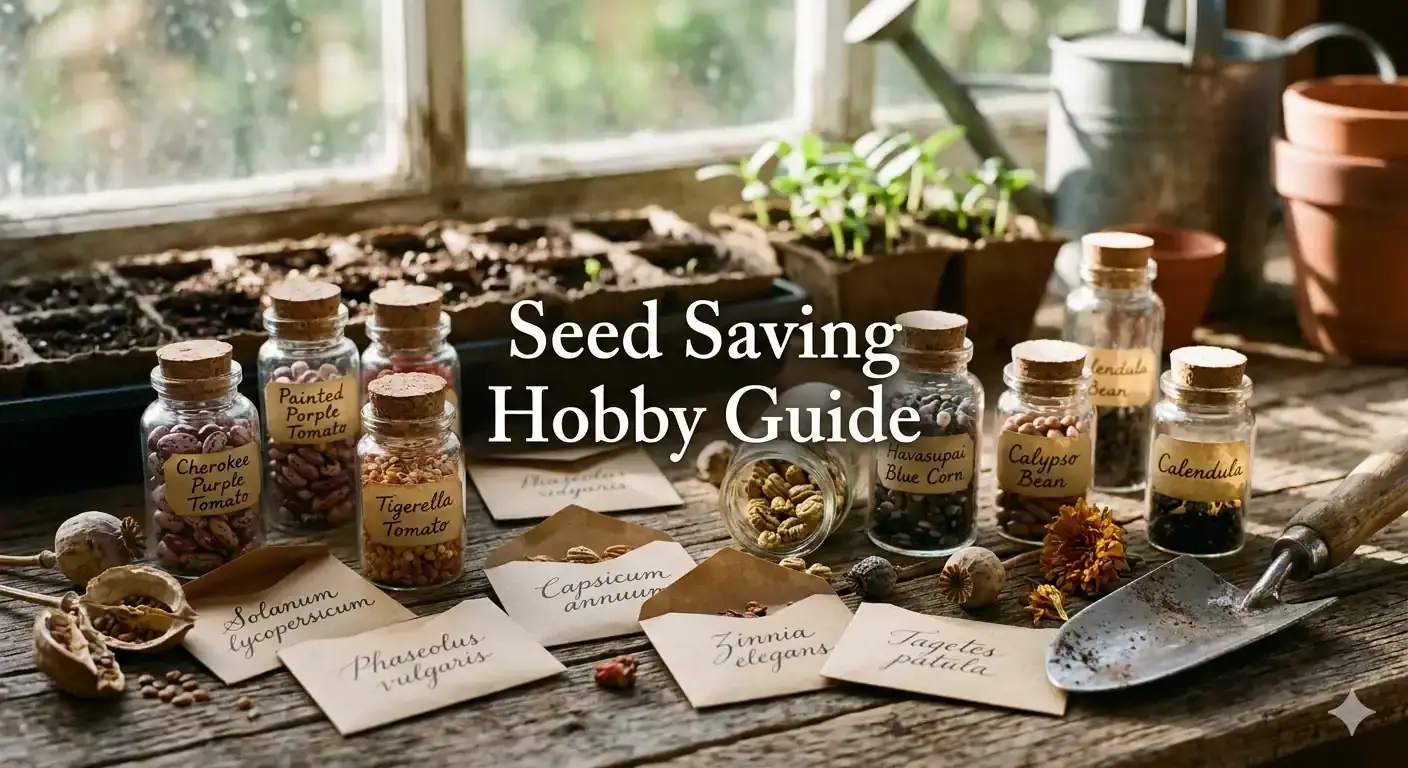
Always label your saved seeds with variety name, source, and harvest date. This documentation becomes invaluable as your collection grows and supports community seed-sharing networks.
Harvesting Seeds at Peak Maturity
Timing is critical for viable seed collection. Harvesting too early yields immature seeds with poor germination; too late risks seed loss to weather or pests.
Visual and Tactile Harvest Indicators
Fruit-Bearing Plants (Tomatoes, Peppers, Eggplant):
- Harvest when fruit is fully ripe or slightly overripe
- Color should be deep and uniform
- Fruit may feel softer than eating-stage harvest
- Seeds inside should be plump and firm
Dry-Seeded Crops (Beans, Peas, Lettuce, Flowers):
- Allow seed pods or heads to dry completely on plant
- Pods should rattle when shaken
- Stems turn brown and brittle
- Harvest on dry mornings to avoid moisture
For gardeners in humid climates like Bangladesh, consider bringing drying seed heads indoors to prevent mold. This aligns with humidity management strategies used for other home care practices.
Processing Methods by Seed Type
Wet Processing (Tomatoes, Cucumbers, Squash):
- Scoop seeds with surrounding gel into container
- Add small amount of water, cover loosely
- Ferment 2-4 days at room temperature (stirs daily)
- Viable seeds sink; pour off floating debris and gel
- Rinse thoroughly, spread on coffee filter or screen to dry
Dry Processing (Beans, Peas, Flowers, Herbs):
- Thresh dried pods by rubbing between hands or gentle beating
- Winnow by pouring seeds between containers in light breeze
- Remove chaff and debris manually
- Spread cleaned seeds on tray for final drying
Proper drying prevents mold during storage—a principle that echoes indoor environmental management techniques for preserving other organic materials.
Drying and Curing Seeds Properly
Moisture is the enemy of seed longevity. Even seemingly dry seeds can harbor internal moisture that triggers premature germination or fungal growth during storage.
Optimal Drying Conditions
Environment:
- Temperature: 20-30°C (68-86°F)
- Relative Humidity: Below 40%
- Airflow: Gentle, indirect circulation
- Light: Indirect or dark (avoid direct sun which can damage embryos)
Drying Timeline:
- Small seeds (lettuce, basil): 3-7 days
- Medium seeds (tomato, pepper): 7-14 days
- Large seeds (beans, squash): 14-21 days
Test dryness by bending a seed—it should snap, not flex. For humid regions, use silica gel packets or uncooked rice in sealed containers with seeds during final drying phase.
Common Drying Mistakes to Avoid
- Using heat sources: Ovens, radiators, or direct sun can kill seed embryos
- Rushing the process: Incomplete drying leads to mold in storage
- Stacking seeds too thickly: Prevents even air circulation
- Ignoring humidity: Monitor with hygrometer in tropical climates
These principles mirror moisture management strategies used in personal care—balance is key to preservation.
Storage Techniques for Long-Term Viability
Proper storage extends seed viability from one season to many years. The goal: cool, dark, dry, and stable conditions.
The Golden Rule: Cool, Dark, Dry
Temperature: Every 5°C decrease doubles seed lifespan. Ideal: 0-10°C (32-50°F)
Moisture: Seeds should contain 5-8% moisture at storage. Use desiccants if needed.
Light: Store in opaque containers to prevent light-induced degradation.
Containers:
- Glass jars with rubber seals: Excellent for small collections, reusable
- Envelopes inside airtight bins: Space-efficient, allows labeling
- Vacuum-sealed bags: Maximum protection for long-term storage
- Avoid: Plastic bags alone (permeable to moisture)
For Bangladeshi gardeners facing high humidity, store seed containers inside larger bins with silica gel, and consider refrigeration during monsoon months. This approach aligns with environmental optimization principles used for creating restorative home spaces.
Labeling and Documentation Systems
Detailed records transform seed saving from hobby to heritage preservation:
Essential Label Information:
- Variety name and source
- Harvest date and location
- Plant characteristics observed
- Germination test results (when available)
- Special notes (flavor, disease resistance, etc.)
Use waterproof ink or pencil on paper labels. Digital backups via spreadsheet or gardening apps provide searchable archives. This documentation practice supports organization systems applicable to many home management tasks.
Testing Germination and Maintaining Seed Vitality
Not all stored seeds remain viable. Regular testing ensures you plant with confidence and identify varieties needing refreshment.
Simple Germination Test Protocol
- Place 10 seeds on damp paper towel
- Roll towel loosely, place in sealed plastic bag
- Keep at room temperature (20-25°C)
- Check daily for sprouting, record results after 7-14 days
- Calculate germination rate: (sprouted seeds ÷ total) × 100
Interpreting Results:
- 80-100%: Excellent viability, plant as normal
- 50-79%: Good, sow more densely to compensate
- 20-49%: Marginal, consider refreshing stock
- Below 20%: Replace with fresh seeds
Test seeds 2-3 months before planting season to allow time for acquiring replacements if needed. This proactive approach mirrors preventive habit strategies that yield long-term benefits through small, consistent actions.
Factors Affecting Seed Longevity
Viability varies significantly by species and storage conditions:
Long-Lived Seeds (4-10 years): Tomatoes, peppers, beans, peas, lettuce
Medium-Lived (2-4 years): Cucumbers, squash, herbs like basil
Short-Lived (1-2 years): Onions, parsley, parsnips, some flowers
Even within categories, optimal storage extends life; poor conditions shorten it dramatically. Regular germination testing is the only reliable way to know your seeds' true viability.
Isolation Techniques to Prevent Cross-Pollination
For cross-pollinating plants, maintaining variety purity requires preventing unwanted pollen transfer. Several methods suit different garden scales.
Distance Isolation
Separate varieties by sufficient distance to minimize insect or wind pollination:
- Tomatoes, peppers, beans: 3-10 meters usually sufficient
- Squash, cucumbers: 400-800 meters ideal (challenging for home gardens)
- Corn: 200+ meters or staggered planting times
Urban gardeners with limited space may focus on self-pollinating crops or use physical barriers instead.
Physical Barriers and Timing
Caging: Cover flowering plants with fine mesh or row cover before blooms open
Bagging: Place individual flower clusters in breathable bags
Hand Pollination: Transfer pollen manually with brush, then re-bag flowers
Staggered Planting: Plant varieties with different flowering times to avoid overlap
These techniques require planning but enable saving seeds from diverse cross-pollinating crops. For gardeners interested in community gardening networks, coordinating variety planting with neighbors expands isolation options through shared space management.
Building a Community Seed Library
Seed saving gains exponential impact when shared. Community seed libraries preserve regional varieties, build resilience, and strengthen local food systems.
Starting Small: Sharing with Friends and Neighbors
Begin by exchanging seeds with trusted gardening contacts:
- Package seeds in labeled envelopes with growing notes
- Include germination test results if available
- Share stories about variety history and performance
- Request feedback on how seeds perform in different microclimates
This informal exchange builds relationships and diversifies your own seed stock through reciprocal sharing.
Formalizing: Creating a Neighborhood Seed Library
For broader impact, establish a structured seed-sharing system:
- Identify a host location (community center, library, garden shed)
- Create simple borrowing guidelines and record-keeping
- Organize seeds by type, season, and difficulty level
- Host seasonal seed swap events to refresh inventory
- Document local varieties and adaptation notes
Such initiatives align with sustainable living principles that emphasize community resilience and resource sharing. They also preserve cultural heritage, much like traditional craft preservation maintains artisanal knowledge across generations.
Troubleshooting Common Seed Saving Challenges
Even experienced seed savers encounter setbacks. Understanding common issues helps you adapt and succeed.
Problem: Low Germination Rates
Potential Causes:
- Seeds harvested immature or processed incorrectly
- Inadequate drying before storage
- Poor storage conditions (heat, humidity, light)
- Seeds stored beyond viable lifespan
Solutions: Review harvesting timing, improve drying protocols, optimize storage environment, test viability before planting season.
Problem: Unexpected Plant Characteristics
Potential Causes:
- Cross-pollination with nearby varieties
- Genetic instability in parent plants
- Environmental stress affecting expression
Solutions: Implement isolation techniques, select stable parent plants, document growing conditions, embrace beneficial variations as potential new selections.
Problem: Mold or Pest Damage in Storage
Potential Causes:
- Residual moisture in stored seeds
- Inadequate container sealing
- Infested storage area
Solutions: Ensure thorough drying, use airtight containers with desiccants, store in cool pest-proof locations, inspect seeds periodically.
These troubleshooting approaches reflect problem-solving frameworks applicable to many lifestyle challenges—identify root causes, implement targeted solutions, and iterate based on results.
Conclusion: Your Role in Preserving Plant Heritage
Starting a seed-saving hobby connects you to a timeless human practice while addressing modern challenges of biodiversity loss and food system fragility. Each seed you save carries genetic information refined over centuries of adaptation—a living library of resilience, flavor, and cultural meaning.
Begin small: choose one or two easy plants this season, master their harvesting and storage, then expand your collection gradually. Document your journey, share successes and lessons with fellow gardeners, and contribute to the growing movement of citizen seed stewards.
Remember, seed saving isn't about perfection—it's about participation. Every seed preserved, every variety shared, every gardener empowered strengthens our collective capacity to grow food that's adapted to local conditions and rich in heritage. Your garden, however modest, can be a sanctuary for botanical diversity and a node in a global network of preservation.
As you embark on this journey, consider how seed saving complements other sustainable practices. Integrating saved seeds with eco-conscious lifestyle choices creates a holistic approach to environmental stewardship that benefits both personal well-being and planetary health.