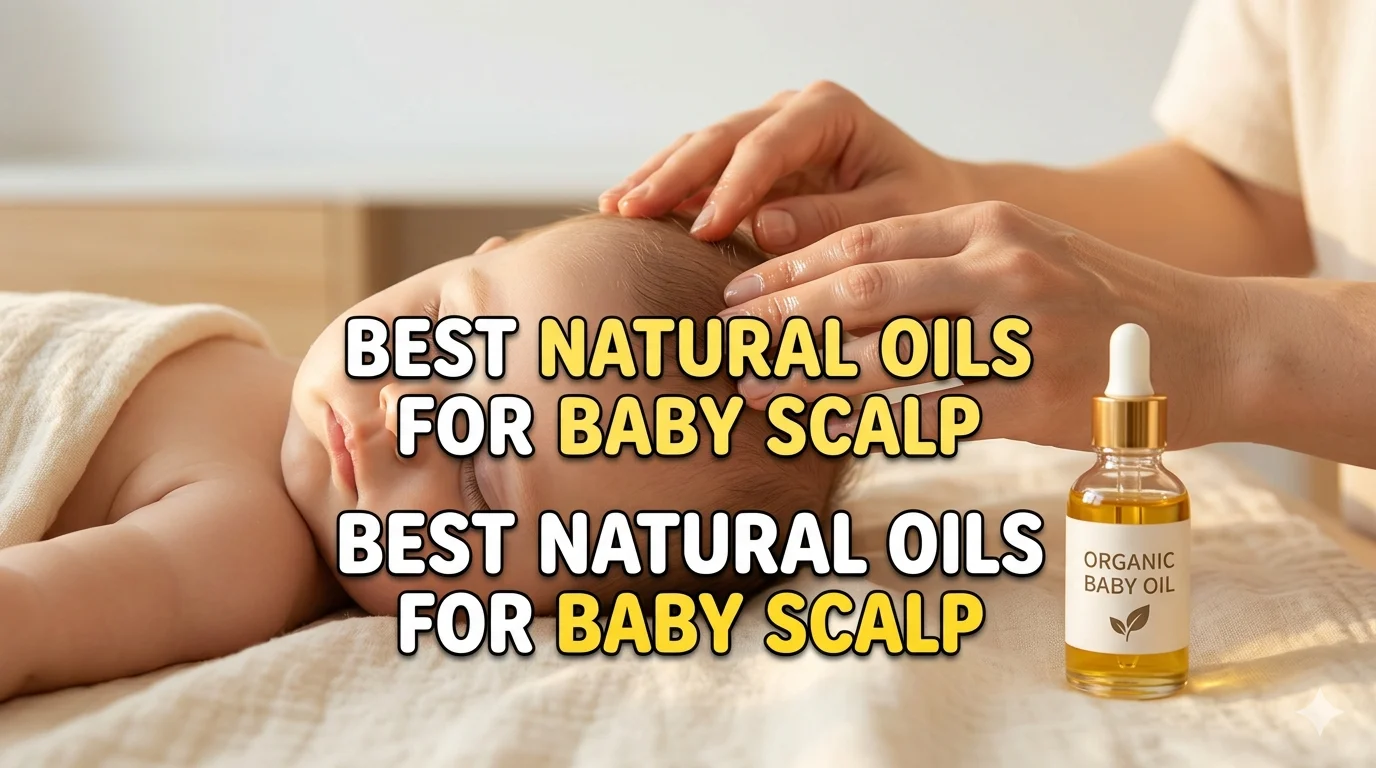
Giving your baby a gentle scalp massage with natural oils is a time-honored tradition that promotes bonding, supports healthy hair growth, and can even help soothe common issues like cradle cap. However, not all oils are created equal when it comes to your baby's delicate skin and scalp. With so many options available, parents often wonder: Which natural oils are truly safe and beneficial for baby scalp massage, and which ones should be avoided?
Your baby's scalp is incredibly sensitive—up to 30% thinner than adult skin—and what works for adults can sometimes cause irritation, allergic reactions, or other issues for infants. The good news is that nature provides several excellent options that are both safe and highly effective for nurturing your baby's scalp and promoting healthy hair development.
In this comprehensive guide, we'll explore the top 5 natural oils for baby scalp massage, backed by pediatric recommendations and traditional wisdom. You'll learn about each oil's unique benefits, how to use them properly, which oils to avoid entirely, and important safety considerations to keep your little one comfortable and protected. Whether you're dealing with cradle cap, dry scalp, or simply want to establish a nurturing bonding ritual, this guide will help you make informed choices for your baby's delicate scalp care.
Why Scalp Massage Matters for Babies
Before diving into specific oils, it's important to understand why scalp massage is beneficial for your baby's overall health and development.
Benefits of Baby Scalp Massage
Promotes Healthy Hair Growth: Gentle massage stimulates blood circulation to the hair follicles, delivering essential nutrients that support healthy hair development. Regular massage can help prevent hair loss common in newborns and promote thicker, stronger hair growth.
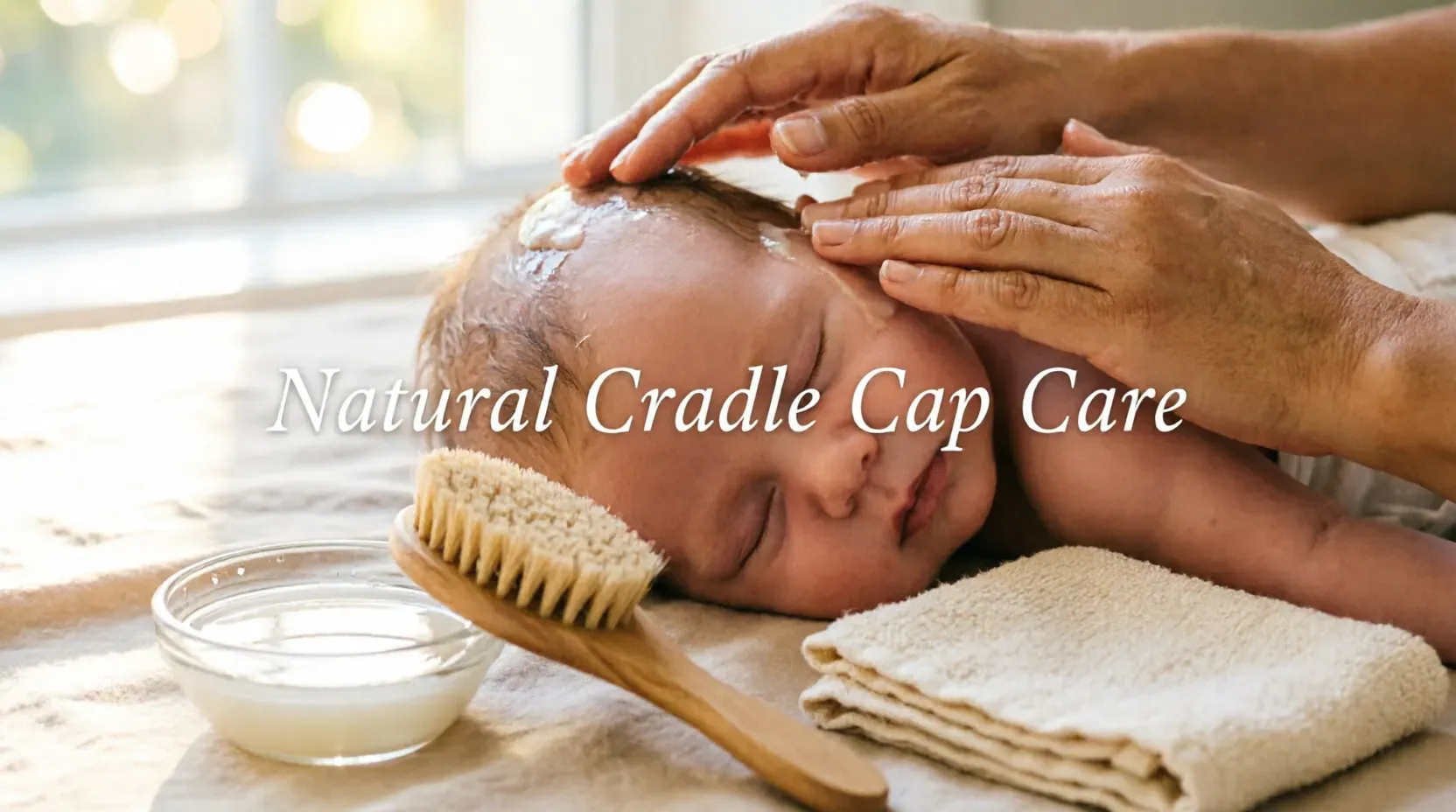
Relieves Cradle Cap: Also known as seborrheic dermatitis, cradle cap affects many infants and appears as yellowish, scaly patches on the scalp. Gentle massage with appropriate oils helps loosen these scales naturally without harsh chemicals.
Enhances Bonding: The skin-to-skin contact during massage releases oxytocin (the "love hormone") in both parent and baby, strengthening your emotional connection and providing comfort and security to your little one.
Improves Sleep Quality: A gentle scalp massage before bedtime can help relax your baby, making it easier for them to fall asleep and stay asleep longer.
Stimulates Sensory Development: The tactile stimulation from massage supports neurological development and helps babies become more aware of their bodies.
Relieves Tension: Just like adults, babies can hold tension in their bodies. Scalp massage helps release this tension and promotes overall relaxation.
The Top 5 Natural Oils for Baby Scalp Massage
These five natural oils have been trusted for generations and are supported by both traditional practices and modern pediatric recommendations for baby scalp care.
1. Coconut Oil: The Gold Standard
Why it's excellent:
- Antimicrobial properties: Contains lauric acid, which has natural antibacterial and antifungal properties that protect your baby's scalp from infections
- Deep moisturizing: Penetrates the hair shaft deeply, providing intense hydration without clogging pores
- Helps with cradle cap: Effectively loosens dry, flaky scales associated with cradle cap
- Hypoallergenic: Rarely causes allergic reactions, making it safe for sensitive baby skin
- Promotes hair growth: Rich in vitamins E and K, plus iron, which support healthy hair development
Best type to use: Organic, cold-pressed, unrefined (virgin) coconut oil
How to use:
- Warm a small amount between your palms until it becomes liquid
- Gently massage into baby's scalp using circular motions for 5-10 minutes
- Leave on for 20-30 minutes (or overnight for cradle cap treatment)
- Wash out with a gentle baby shampoo
- Use 2-3 times per week
Special benefits: Particularly effective for treating cradle cap and dry, flaky scalp conditions
2. Almond Oil: The Gentle Nourisher
Why it's excellent:
- Rich in vitamin E: Powerful antioxidant that protects and nourishes delicate baby skin
- Lightweight texture: Absorbs easily without leaving a greasy residue
- Emollient properties: Softens and smooths the scalp and hair
- Anti-inflammatory: Helps soothe irritated or inflamed scalp
- Strengthens hair: Contains magnesium and omega fatty acids that strengthen hair follicles
Best type to use: Sweet almond oil (Prunus dulcis), cold-pressed and organic
Important note: Avoid bitter almond oil, which can be toxic. Always use sweet almond oil for babies.
How to use:
- No need to warm—almond oil is liquid at room temperature
- Apply 2-3 drops to your fingertips
- Gently massage into scalp in gentle circular motions
- Leave on for 15-20 minutes
- Wash with mild baby shampoo
- Can be used 2-3 times weekly
Allergy consideration: If there's a family history of nut allergies, do a patch test first or choose an alternative oil.
3. Sunflower Oil: The Pediatrician's Choice
Why it's excellent:
- Research-backed: Multiple studies show sunflower oil helps maintain skin barrier function in infants
- High in linoleic acid: Supports skin barrier development and prevents moisture loss
- Non-comedogenic: Won't clog pores or cause acne
- Anti-inflammatory: Helps reduce redness and irritation
- Readily available: Easy to find and affordable
- Low allergy risk: Generally well-tolerated by most babies
Best type to use: Organic, cold-pressed, high-linoleic sunflower oil (not high-oleic)
How to use:
- Apply a few drops to clean fingertips
- Gently massage into baby's scalp
- Can be left on or washed out after 15-20 minutes
- Safe for daily use if needed
Special benefits: Particularly recommended for premature babies and those with very sensitive or compromised skin barriers
4. Olive Oil: The Traditional Remedy
Why it's excellent:
- Time-tested: Used for centuries in Mediterranean and Middle Eastern cultures for baby care
- Rich in antioxidants: Contains vitamin E and polyphenols that protect skin
- Effective for cradle cap: Helps loosen and remove dry, flaky scales
- Moisturizing: Provides deep hydration to dry scalp
- Anti-inflammatory: Contains oleocanthal, which has natural anti-inflammatory properties
Best type to use: Extra virgin olive oil, organic, cold-pressed
How to use:
- Warm slightly between palms
- Massage gently into scalp
- Leave on for 15-20 minutes (or overnight for severe cradle cap)
- Wash thoroughly with baby shampoo (may require two washes)
- Use 1-2 times per week
Important note: Some recent studies suggest olive oil may temporarily disrupt the skin barrier in some babies. If you notice increased dryness or irritation, discontinue use and try sunflower or coconut oil instead.
5. Sesame Oil: The Ayurvedic Treasure
Why it's excellent:
- Ayurvedic tradition: Used in traditional Indian baby massage (abhyanga) for thousands of years
- Warming properties: Believed to improve circulation and promote relaxation
- Antibacterial: Natural antimicrobial properties protect the scalp
- Rich in nutrients: Contains vitamins E, B-complex, and minerals like calcium and magnesium
- Promotes bone health: Traditional belief that it strengthens bones and muscles
Best type to use: Organic, cold-pressed sesame oil (preferably light/white sesame, not black)
How to use:
- Warm the oil slightly (test temperature on your wrist)
- Massage gently into scalp and body if doing full massage
- Leave on for 15-30 minutes
- Wash with gentle baby soap
- Best used in cooler weather due to warming properties
Cultural note: In many South Asian cultures, sesame oil massage is an integral part of infant care and is believed to promote overall development and immunity.
Oils to Avoid for Baby Scalp Massage
While many natural oils are beneficial, some should be avoided or used with extreme caution on your baby's delicate scalp.
Essential Oils (Use with Extreme Caution)
Why to avoid or dilute heavily:
- Too concentrated: Essential oils are highly concentrated and can cause severe skin irritation, allergic reactions, or even toxicity in infants
- Not for newborns: Most pediatricians recommend avoiding essential oils entirely for babies under 3 months
- Proper dilution required: If used after 3 months, must be diluted to 0.5-1% concentration (1-2 drops per ounce of carrier oil)
Essential oils to NEVER use on babies:
- Peppermint (can cause breathing difficulties)
- Eucalyptus (can cause seizures in infants)
- Rosemary (can cause seizures)
- Wintergreen (contains aspirin-like compounds)
- Camphor (toxic to infants)
- Clove (can cause liver damage)
Safer alternatives for older babies (6+ months):
- Lavender (highly diluted, for relaxation)
- Chamomile (highly diluted, for soothing)
Bottom line: Stick to pure carrier oils (coconut, almond, etc.) for baby scalp massage. Essential oils are unnecessary and potentially dangerous for infants.
Mineral Oil and Baby Oil
Why to avoid:
- Petroleum-based: Derived from petroleum, not a natural product
- Clogs pores: Can clog pores and prevent skin from breathing
- Doesn't nourish: Creates a barrier on the skin but doesn't provide nutrients
- Potential contaminants: May contain harmful impurities if not highly refined
Better alternative: Use natural plant-based oils that nourish and protect while allowing the skin to breathe.
Mustard Oil
Why to avoid or use cautiously:
- Can be irritating: Contains erucic acid, which can irritate sensitive baby skin
- Strong smell: Pungent odor may be overwhelming for babies
- Regulatory concerns: Banned for edible use in some countries (though traditionally used for massage in South Asia)
If you choose to use it:
- Always mix with a gentler oil (like coconut or almond)
- Do a patch test first
- Use sparingly and discontinue if any irritation occurs
- Consider safer alternatives like sesame or coconut oil
Corn Oil
Why to avoid:
- High in omega-6: Can promote inflammation rather than reduce it
- Oxidizes easily: Becomes rancid quickly, which can irritate skin
- Often genetically modified: Most corn oil is from GMO corn
- Less effective: Doesn't provide the same skin barrier benefits as sunflower or coconut oil
Peanut Oil
Why to avoid:
- Allergy risk: High risk of triggering peanut allergies, which can be severe
- Cross-contamination: Even refined peanut oil may contain allergenic proteins
Safer alternative: If you want a nut-based oil, use sweet almond oil (if no nut allergies in family) or stick to seed oils like sunflower.
How to Choose the Right Oil for Your Baby
Selecting the best oil depends on several factors specific to your baby's needs and your circumstances.
Consider Your Baby's Skin Type
Normal skin: Any of the top 5 oils will work well. Coconut and almond oil are excellent all-around choices.
Dry or flaky skin: Coconut oil or olive oil provide deep moisturizing benefits.
Sensitive skin: Sunflower oil is the gentlest option with the lowest risk of irritation.
Cradle cap: Coconut oil or olive oil are most effective for loosening scales.
Eczema-prone skin: Sunflower oil or coconut oil (do a patch test first).
Consider Climate and Season
Hot, humid weather: Lighter oils like sunflower or almond oil absorb quickly without feeling greasy.
Cold, dry weather: Richer oils like coconut or olive oil provide extra protection against dryness.
Winter months: Sesame oil's warming properties make it ideal for colder weather.
Consider Family Allergy History
Nut allergies in family: Avoid almond oil; choose coconut, sunflower, or olive oil instead.
No allergy concerns: All top 5 oils are generally safe options.
Quality Matters
Always choose:
- Organic: Free from pesticides and chemicals
- Cold-pressed: Retains nutrients and beneficial compounds
- Unrefined: Less processed, more natural benefits
- No additives: Pure oil without fragrances or preservatives
Proper Technique for Baby Scalp Massage
Using the right oil is only half the equation—proper technique ensures maximum benefits and keeps your baby comfortable.
Step-by-Step Guide
Step 1: Prepare the Environment
- Choose a warm, comfortable room
- Lay baby on a soft towel or changing mat
- Ensure your hands are clean and nails are trimmed
- Remove rings or jewelry that could scratch baby
Step 2: Warm the Oil
- Pour a small amount (1-2 teaspoons) into your palm
- Rub hands together to warm the oil
- Test temperature on your inner wrist—it should be lukewarm, not hot
Step 3: Apply Gently
- Part baby's hair gently with your fingers
- Apply oil directly to the scalp, not the hair
- Use small amounts—you can always add more
Step 4: Massage Technique
- Use your fingertips (not nails)
- Make small circular motions
- Apply very gentle pressure—baby's skull is soft
- Work from front to back, covering the entire scalp
- Spend 5-10 minutes total
- Watch baby's cues—if they seem uncomfortable, stop
Step 5: Let It Absorb
- Leave oil on for 15-30 minutes
- For cradle cap treatment, can leave overnight
- Cover baby's head with a soft cotton cap if leaving on overnight
Step 6: Wash Out
- Use a gentle, tear-free baby shampoo
- You may need to shampoo twice to remove all oil
- Rinse thoroughly with lukewarm water
- Pat dry gently with a soft towel
Best Time for Scalp Massage
Morning: Energizing and can be part of your morning routine
Before bath: Allows oil to penetrate, then washes out easily
Before bedtime: Promotes relaxation and better sleep
Avoid: Immediately after feeding (wait 30-45 minutes to avoid spitting up)
Frequency Recommendations
- Normal scalp: 2-3 times per week
- Dry scalp: 3-4 times per week
- Cradle cap: Daily until improved, then 2-3 times weekly
- Very oily scalp: Once weekly
Treating Cradle Cap with Natural Oils
Cradle cap (seborrheic dermatitis) is extremely common in infants and can be effectively treated with natural oils.
What Is Cradle Cap?
Cradle cap appears as:
- Yellowish, greasy scales on the scalp
- Thick, crusty patches
- Sometimes mild redness
- Usually not itchy or painful for baby
- Most common in babies 2 weeks to 12 months old
Best Oils for Cradle Cap
1. Coconut Oil (Most Effective)
- Antifungal properties combat the yeast that contributes to cradle cap
- Softens and loosens scales effectively
2. Olive Oil
- Excellent for softening thick, stubborn scales
- Traditional remedy with proven effectiveness
3. Almond Oil
- Gentle option for sensitive scalps
- Effective for mild to moderate cradle cap
Treatment Protocol
- Apply oil generously to affected areas
- Leave on overnight (or at least 1-2 hours)
- In the morning, gently brush with a soft baby brush to loosen scales
- Wash with baby shampoo, gently massaging to remove scales
- Don't pick or scratch scales—this can cause bleeding and infection
- Repeat daily until cradle cap clears (usually 1-2 weeks)
- Maintenance: Once cleared, use oil 1-2 times weekly to prevent recurrence
When to See a Doctor
Consult your pediatrician if:
- Cradle cap spreads to face or body
- Scalp becomes red, swollen, or warm to touch
- Baby seems uncomfortable or itchy
- No improvement after 2 weeks of treatment
- Scales bleed or ooze
Safety Precautions and Patch Testing
Even natural oils can cause reactions in some babies. Follow these safety guidelines.
How to Do a Patch Test
- Apply a small amount of oil to baby's inner arm or behind the ear
- Wait 24 hours without washing the area
- Check for reactions: Redness, rash, swelling, or irritation
- If no reaction: Oil is likely safe to use
- If reaction occurs: Discontinue use immediately and try a different oil
General Safety Tips
Never use hot oil: Always test temperature on your wrist first. Baby's skin is much more sensitive than yours.
Avoid the fontanelle: Be extra gentle around the soft spots (fontanelles) on baby's head. Don't apply pressure.
Watch for slipping: Oil can make baby slippery. Always keep one hand on baby during massage.
Don't force it: If baby cries or seems uncomfortable, stop the massage and try again later.
Keep away from eyes: Be careful not to get oil in baby's eyes. If it happens, rinse gently with clean water.
Store properly: Keep oils in a cool, dark place to prevent rancidity. Discard if oil smells off or looks cloudy.
Signs of Allergic Reaction
Stop using the oil immediately if you notice:
- Red, inflamed skin
- Rash or hives
- Swelling
- Excessive fussiness during or after massage
- Difficulty breathing (seek emergency care immediately)
Frequently Asked Questions
At what age can I start massaging my baby's scalp with oil?
You can start gentle scalp massage as early as 2 weeks old, once the umbilical cord has fallen off and the area has healed. However, some pediatricians recommend waiting until 4-6 weeks for very premature or sensitive babies. Always consult your pediatrician first, especially if your baby has skin conditions or was born prematurely.
How long should I leave oil on my baby's scalp?
For regular moisturizing: 15-30 minutes is sufficient. For cradle cap treatment: You can leave oil on overnight (cover with a soft cotton cap to protect bedding). Never leave oil on for more than 24 hours, as it can attract dirt and bacteria.
Can I mix different oils together?
Yes, you can mix oils to combine their benefits. For example:
- Coconut + almond oil: Deep moisture with vitamin E
- Sesame + coconut oil: Warming properties with antimicrobial benefits
However, when first introducing oils, use one at a time so you can identify any allergic reactions. Once you know your baby tolerates individual oils well, mixing is safe.
Will oiling my baby's scalp make their hair grow faster?
While oiling doesn't directly speed up hair growth, it creates a healthy scalp environment that supports optimal hair growth. Regular massage improves blood circulation to hair follicles, and the nutrients in natural oils nourish the scalp. This can help prevent hair loss common in newborns and promote thicker, healthier hair over time.
My baby has very little hair. Should I still oil the scalp?
Absolutely! Scalp massage and oiling benefit the scalp itself, regardless of hair amount. It helps:
- Maintain healthy skin barrier
- Prevent dryness and flakiness
- Promote healthy hair follicle development
- Provide bonding time with your baby
Can I use the same oil for body massage and scalp massage?
Yes, you can use the same oil for both body and scalp massage. In fact, many parents do full-body massage with oil, which provides additional benefits like improved circulation, better sleep, and enhanced bonding. Just be extra gentle on the scalp area.
How do I remove oil from my baby's scalp completely?
To remove oil effectively:
- Use a gentle, tear-free baby shampoo
- You may need to shampoo twice
- Gently massage shampoo into scalp to emulsify the oil
- Rinse thoroughly with lukewarm water
- If oil persists, apply a small amount of shampoo to dry, oily scalp before wetting, then rinse and shampoo normally
Is it normal for baby to lose hair after oiling?
Some hair loss during massage is normal, especially in the first 6 months. This is typically:
- Telogen effluvium: Normal newborn hair shedding as baby transitions from fetal to mature hair
- Friction: Gentle massage may dislodge hairs already in the shedding phase
This is temporary and new, stronger hair will grow back. However, if you notice bald patches or excessive hair loss, consult your pediatrician.
Can I use hair oil on my baby every day?
Daily oiling isn't necessary and may actually be counterproductive:
- Can clog pores if used excessively
- May make scalp too oily, attracting dirt
- Can interfere with natural oil production
Recommended frequency: 2-3 times per week for most babies. Daily use only if treating severe cradle cap, and then reduce to 2-3 times weekly once improved.
What if my baby hates scalp massage?
Some babies are more sensitive to touch than others. Try these tips:
- Timing: Choose when baby is calm and alert, not hungry or tired
- Shorter sessions: Start with 2-3 minutes and gradually increase
- Lighter touch: Use even gentler pressure
- Different position: Try massaging while holding baby or during bath time
- Distraction: Sing softly or talk to baby during massage
- Be patient: Some babies take time to enjoy massage
If baby consistently cries or seems distressed, don't force it. Try again in a few weeks.
Conclusion: Nurturing Your Baby with Nature's Best
Choosing the right natural oil for your baby's scalp massage is an important decision that can support their comfort, health, and your bonding experience. Among the top 5 oils—coconut, almond, sunflower, olive, and sesame—each offers unique benefits that can address different needs, from treating cradle cap to promoting healthy hair growth and providing deep nourishment.
Key takeaways:
- Coconut oil is the most versatile and effective for most babies, especially for cradle cap
- Sunflower oil is the gentlest option for sensitive or premature babies
- Almond oil provides excellent nourishment with vitamin E
- Olive oil is a traditional remedy effective for dry, flaky scalp
- Sesame oil offers warming properties ideal for cooler weather
Equally important is knowing which oils to avoid—particularly essential oils, mineral oil, and oils that may trigger allergies. Always prioritize organic, cold-pressed, unrefined oils without additives or fragrances.
Remember that every baby is unique. What works wonderfully for one may not be ideal for another. Start with a patch test, observe how your baby responds, and don't hesitate to try different oils until you find the perfect match. The gentle ritual of scalp massage is about more than just hair health—it's a precious opportunity for connection, comfort, and care that both you and your baby will cherish.
Start your baby's scalp care journey today with confidence, knowing you're choosing safe, natural, and beneficial oils that have been trusted by parents for generations. Your baby's healthy, happy scalp—and your special bonding moments—are worth it.
📖 আরও পড়ুন: Baby Care
- 🔗 Monsoon Ear Care: Protecting Infants from Infections
- 🔗 Baby Sunburn Protection: Monsoon Skincare Essentials
- 🔗 How to Use Smart Thermometers for Instant Accurate Fever Tracking
- 🔗 Best Portable UV-C Sterilizers for Sanitizing Baby Bottles on the Go: 2026 Expert Guide
- 🔗 How to Use AI Generated Soundscapes for Infant Focus