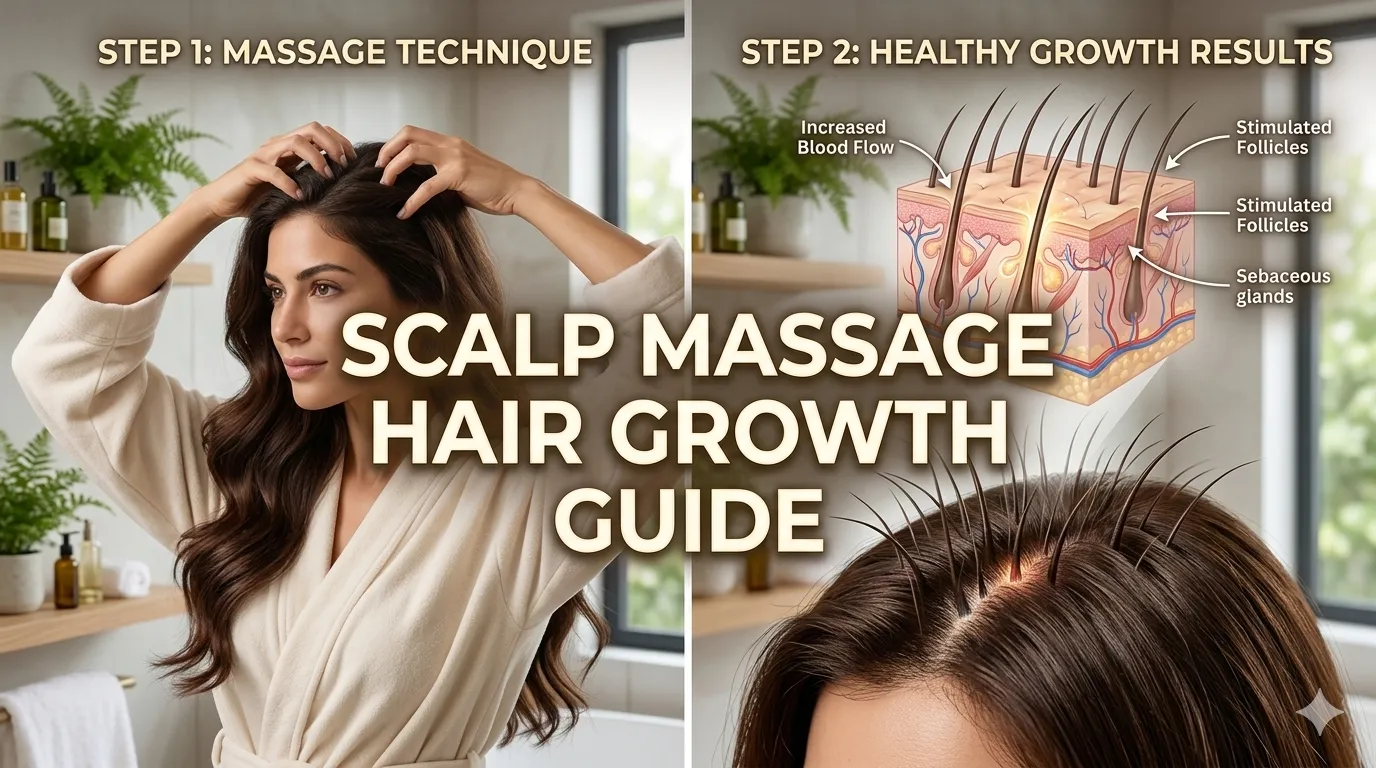
Unlocking Sustainable Hair Growth Through Science-Backed Scalp Stimulation
Hair growth begins at the root—and the health of your scalp determines the health of your strands. While countless serums, supplements, and treatments promise thicker, longer hair, one of the most powerful, accessible, and scientifically supported tools for sustainable hair growth has been overlooked: advanced scalp massage. This ancient practice, now validated by modern research, offers a natural, non-invasive pathway to revitalize dormant follicles, enhance circulation, and create the optimal environment for hair to thrive.
Scalp massage isn't just relaxation; it's a targeted therapeutic technique that influences hair biology at the cellular level. When performed with intention, proper technique, and consistency, scalp massage can increase blood flow to follicles, reduce inflammation, stimulate dermal papilla cells, and even influence gene expression related to hair growth. For women seeking sustainable solutions to thinning, slow growth, or lackluster hair, mastering advanced scalp massage techniques offers a foundational practice that complements any hair care regimen.
This comprehensive, dermatologist-backed guide explores the science behind scalp massage and hair growth, breaks down advanced techniques used by trichologists and hair wellness experts, provides step-by-step protocols for different concerns, and reveals how to integrate these practices into a sustainable routine. Whether you're addressing postpartum shedding, age-related thinning, stress-induced hair loss, or simply seeking to optimize your hair's natural growth potential, you'll discover evidence-based strategies to revitalize your roots from the inside out.
The Science of Scalp Massage: How Mechanical Stimulation Promotes Hair Growth
Understanding Hair Follicle Biology
To appreciate how scalp massage supports hair growth, we must first understand the structure and function of the hair follicle:
The Hair Growth Cycle: Each follicle cycles through three phases: anagen (growth, 2-7 years), catagen (transition, 2-3 weeks), and telogen (resting, 3-4 months). Scalp massage primarily influences the anagen phase by extending its duration and stimulating follicles to re-enter growth from telogen.
The Dermal Papilla: This cluster of specialized cells at the base of the follicle regulates hair growth through signaling molecules. Mechanical stimulation from massage can activate dermal papilla cells, promoting the release of growth factors like VEGF (vascular endothelial growth factor) and IGF-1 (insulin-like growth factor).
Blood Supply: Hair follicles are among the most metabolically active structures in the body, requiring robust blood flow for oxygen, nutrients, and waste removal. The scalp's vascular network is dense but can become compromised by tension, inflammation, or poor circulation.
Scientific insight: Dr. Amara Johnson, trichologist and researcher in hair follicle mechanobiology, explains: "Mechanical forces from scalp massage trigger mechanotransduction—the process by which cells convert physical stimuli into biochemical signals. This activates pathways that promote follicle health, reduce inflammation, and support the anagen phase. It's not magic; it's biology."
Research Evidence: What Studies Show
Multiple studies validate the hair growth benefits of scalp massage:
2016 Study (Eplasty): Men with androgenetic alopecia who performed 4 minutes of daily scalp massage for 24 weeks showed significant increases in hair thickness. Researchers attributed this to mechanical stretching of dermal papilla cells, which altered gene expression related to hair growth.
2019 Study (Skin Appendage Disorders): Participants using a standardized scalp massage device for 12 weeks demonstrated increased hair density and reduced shedding compared to controls. The study highlighted improved scalp microcirculation as a key mechanism.
2021 Review (Journal of Cosmetic Dermatology): A systematic review concluded that scalp massage, particularly when combined with topical treatments, enhances hair growth outcomes by improving product penetration, reducing inflammation, and stimulating follicular activity.
Key takeaway: While scalp massage alone may not reverse advanced hair loss, it's a powerful adjunct therapy that supports follicle health, enhances treatment efficacy, and promotes sustainable growth when practiced consistently.
Advanced Scalp Massage Techniques: Step-by-Step Protocols
Foundation: Preparing for Effective Massage
Proper preparation maximizes the benefits of scalp massage:
Timing: Massage on clean, dry or lightly damp hair. Avoid heavy products that create slip but block absorption. Morning massage can boost circulation for the day; evening massage supports relaxation and overnight repair.
Hand hygiene: Wash hands thoroughly to avoid transferring bacteria to the scalp. Keep nails trimmed to prevent scratching.
Environment: Create a calm space with minimal distractions. Consider adding calming scents (lavender, rosemary) to enhance relaxation.
Mindset: Approach massage with intention. Visualize increased circulation and follicle stimulation. Stress reduction itself supports hair health by lowering cortisol.
Technique 1: Circular Friction Method (For General Circulation)
Best for: Daily maintenance, improving overall scalp circulation, enhancing product absorption
How to perform:
- Place fingertips (not nails) on the scalp at the hairline
- Apply light-to-moderate pressure—enough to move the scalp, not just the hair
- Make small, firm circles (about 1 inch diameter) moving slowly across the scalp
- Cover the entire scalp systematically: hairline → temples → crown → nape
- Spend 30-60 seconds per section; total time: 4-5 minutes
Key cues: Keep wrists relaxed; use finger pads, not tips; maintain consistent pressure; breathe deeply to enhance parasympathetic response.
Scientific rationale: Circular friction stimulates mechanoreceptors in the scalp, triggering vasodilation (widening of blood vessels) and increasing blood flow to follicles. The rhythmic motion also reduces muscle tension in the scalp and neck, which can contribute to tension-related hair loss.
Technique 2: Knuckle Kneading (For Deep Tissue Stimulation)
Best for: Thick or tense scalps, addressing chronic tension, stimulating deeper follicular layers
How to perform:
- Make loose fists with both hands
- Place knuckles (not fingertips) on the scalp at the temples
- Apply firm, downward pressure and make small kneading motions
- Move slowly across the scalp in sections, focusing on areas of tension
- Spend 1-2 minutes per section; total time: 5-7 minutes
Key cues: Use the flat part of knuckles, not bony prominences; adjust pressure to comfort level; avoid dragging hair; focus on scalp movement, not hair pulling.
Scientific rationale: Deeper pressure engages the subcutaneous layer and fascia, releasing adhesions that can restrict blood flow. This technique also stimulates fibroblasts, cells that produce collagen and support follicle structure.
Technique 3: Acupressure Point Stimulation (For Hormonal Balance)
Best for: Hormone-related hair loss, stress-induced shedding, enhancing overall wellness
Key acupressure points for hair health:
- Baihui (GV20): Top center of head; believed to stimulate scalp circulation and calm the mind
- Fengchi (GB20): Base of skull, in the hollows beside the neck muscles; supports blood flow to scalp
- Taiyang (EX-HN5): Temples; reduces tension headaches that can contribute to hair loss
- Hegu (LI4): Web between thumb and index finger; balances hormones and reduces stress
How to perform:
- Locate each point using anatomical landmarks (see diagrams in resources)
- Apply firm, steady pressure with thumb or index finger
- Hold for 30-60 seconds while breathing deeply
- Release slowly; repeat 2-3 times per point
- Complete the sequence 2-3 times weekly
Key cues: Pressure should feel like a "good ache," not pain; coordinate pressure with exhalation; maintain relaxed posture.
Scientific rationale: Acupressure may modulate the autonomic nervous system, reducing cortisol and supporting hormonal balance. While research on acupressure for hair growth is emerging, its stress-reduction benefits are well-established—and stress is a major contributor to hair loss.
Technique 4: Inversion Method with Massage (For Maximum Circulation)
Best for: Boosting blood flow rapidly, enhancing product penetration, occasional intensive treatment
How to perform:
- Sit on the edge of a bed or couch with feet flat on floor
- Slowly lower your head toward the floor, supporting your neck with hands
- Once inverted (head below heart), begin circular friction massage
- Continue massage for 4 minutes while inverted
- Slowly return to upright position; rest 1-2 minutes
Safety precautions:
- Avoid if you have high blood pressure, glaucoma, neck injuries, or are pregnant
- Never invert for more than 4 minutes
- Rise slowly to avoid dizziness
- Stop immediately if you feel pain, numbness, or severe discomfort
Frequency: 2-3 times weekly maximum; not for daily use
Scientific rationale: Inversion temporarily increases blood pressure in the scalp, delivering a surge of oxygen and nutrients to follicles. Combined with massage, this may enhance mechanotransduction signals that promote growth. However, research is limited, so use cautiously and prioritize safety.
Technique 5: Tool-Assisted Massage (For Precision and Consistency)
Best for: Those with limited hand strength, seeking consistent pressure, enhancing product application
Recommended tools:
- Scalp massagers (silicone or metal): Provide consistent pressure and reach difficult areas
- Jade or rose quartz rollers: Offer cooling sensation and lymphatic drainage benefits
- Electric scalp massagers: Provide vibration therapy that may enhance circulation
- Wide-tooth combs: Gentle detangling combined with scalp stimulation
How to use tools effectively:
- Apply a few drops of scalp oil or serum for slip
- Use gentle, circular motions with light-to-moderate pressure
- Cover the entire scalp systematically
- Limit sessions to 5-10 minutes to avoid overstimulation
- Clean tools after each use to prevent bacterial buildup
Scientific rationale: Tools can provide more consistent pressure and reach than fingers alone. Vibration therapy may enhance microcirculation through mechanoreceptor stimulation. However, avoid excessive pressure that could damage follicles.
Enhancing Massage with Topical Products
Oils and Serums That Synergize with Massage
Certain topical products amplify the benefits of scalp massage by providing nutrients, reducing inflammation, or enhancing absorption:
Rosemary Oil:
- Evidence: A 2015 study found rosemary oil as effective as minoxidil for androgenetic alopecia after 6 months
- How to use: Dilute 3-5 drops in 1 tablespoon carrier oil; massage into scalp before washing
- Best for: Hormonal hair loss, improving circulation
Peppermint Oil:
- Evidence: Animal studies show peppermint oil promotes hair growth by increasing blood flow and follicle depth
- How to use: Dilute 2-3 drops in carrier oil; use 2-3 times weekly
- Best for: Stimulating dormant follicles, refreshing scalp
Castor Oil:
- Evidence: Rich in ricinoleic acid, which has anti-inflammatory and antimicrobial properties
- How to use: Mix with lighter oil (jojoba, argan) 1:1; massage into scalp 30 minutes before washing
- Best for: Thickening hair, reducing breakage
Caffeine Serums:
- Evidence: Topical caffeine may counteract DHT effects and prolong anagen phase
- How to use: Apply to scalp after massage; no rinsing required
- Best for: Androgenetic alopecia, enhancing follicle activity
Hyaluronic Acid Scalp Serums:
- Evidence: Hydration supports scalp barrier function and follicle health
- How to use: Apply to damp scalp after massage; follow with moisturizer if needed
- Best for: Dry or sensitive scalps, enhancing product penetration
Application Protocol for Maximum Absorption
To enhance product efficacy during massage:
- Prep: Start with clean, towel-dried hair (slightly damp enhances absorption)
- Apply: Dispense product onto fingertips or tool; distribute evenly across scalp
- Massage: Use chosen technique for 4-5 minutes to enhance penetration
- Wait: Allow 10-15 minutes for absorption before styling or covering
- Frequency: Use treatment oils 2-3 times weekly; lightweight serums can be used daily
Programming Your Scalp Massage Routine
Daily Maintenance Protocol (5 Minutes)
Best for: General hair health, stress reduction, enhancing product absorption
Sequence:
- 1 minute circular friction at hairline and temples
- 2 minutes circular friction across crown and mid-scalp
- 1 minute circular friction at nape and base of skull
- 1 minute gentle knuckle kneading on tense areas
Timing: Morning or evening; pair with skincare routine for consistency
Expected results: Improved scalp comfort, enhanced product efficacy, reduced tension within 2-4 weeks
Intensive Growth Protocol (10-15 Minutes, 3x Weekly)
Best for: Addressing thinning, postpartum shedding, or optimizing growth potential
Sequence:
- 2 minutes circular friction to warm up scalp
- 3 minutes knuckle kneading for deep stimulation
- 2 minutes acupressure point work (Baihui, Fengchi, Taiyang)
- 2 minutes tool-assisted massage for consistency
- 1-2 minutes applying treatment oil with gentle massage
- Optional: 4-minute inversion method (2x weekly max)
Timing: Evening, 2-3 hours before bed to allow product absorption
Expected results: Reduced shedding within 4-6 weeks; visible density improvements in 3-6 months with consistency
Recovery Protocol for Sensitive or Inflamed Scalps
Best for: Post-chemical treatment, scalp psoriasis, eczema, or postpartum sensitivity
Sequence:
- 1 minute gentle circular friction with fingertips only
- 2 minutes light acupressure at Fengchi and Taiyang points
- 2 minutes applying soothing serum (aloe, centella, or hyaluronic acid)
- 1 minute gentle patting (no rubbing) to enhance absorption
Key modifications: Use minimal pressure; avoid essential oils if scalp is broken or inflamed; consult dermatologist for persistent issues
Frequency: Daily or every other day until scalp calms; then transition to maintenance protocol
Common Mistakes That Undermine Scalp Massage Benefits
Mistake 1: Using Excessive Pressure
The problem: Aggressive massage can damage follicles, cause inflammation, and trigger shedding.
The fix: Use light-to-moderate pressure—enough to move the scalp, not cause pain. If you see redness lasting more than 10 minutes, you're pressing too hard.
Mistake 2: Inconsistent Practice
The problem: Scalp massage benefits accumulate over time. Sporadic practice yields minimal results.
The fix: Start with 5 minutes daily. Pair massage with an existing habit (brushing teeth, skincare) to build consistency. Track sessions in a journal or app.
Mistake 3: Ignoring Scalp Health Basics
The problem: Massage can't overcome chronic issues like severe dandruff, fungal infections, or nutritional deficiencies.
The fix: Address underlying scalp health first: treat dandruff, manage seborrheic dermatitis, ensure adequate protein and iron intake. Use massage as a complementary practice, not a cure-all.
Mistake 4: Using Dirty Tools or Hands
The problem: Bacteria and product buildup on tools or hands can cause folliculitis or worsen existing scalp conditions.
The fix: Wash hands before every session. Clean tools weekly with mild soap and water; disinfect metal tools with alcohol. Replace silicone tools every 3-6 months.
Mistake 5: Expecting Overnight Results
The problem: Hair growth is slow (about 0.5 inches per month). Impatience leads to abandoning effective practices.
The fix: Track progress with photos, measurements, and shedding counts. Celebrate non-scale victories: reduced tension, improved scalp comfort, enhanced product absorption. Commit to 3-6 months for visible results.
Special Considerations for Different Hair and Scalp Types
Fine or Thin Hair
Challenges: More visible scalp; follicles may be more sensitive to pressure.
Adaptations:
- Use lighter pressure and fingertips only (avoid knuckles)
- Focus on circular friction rather than deep kneading
- Use lightweight, non-greasy serums to avoid weighing hair down
- Massage in the direction of hair growth to minimize breakage
Curly or Coily Hair
Challenges: Tangles can make massage difficult; scalp may be less accessible.
Adaptations:
Oily Scalp
Challenges: Excess sebum can clog follicles; heavy oils may worsen oiliness.
Adaptations:
- Massage on clean, dry scalp to avoid adding oil
- Use lightweight, non-comedogenic serums (niacinamide, hyaluronic acid)
- Focus on techniques that promote lymphatic drainage (gentle upward strokes)
- Limit oil-based treatments to 1x weekly; rinse thoroughly
Dry or Flaky Scalp
Challenges: Massage can irritate compromised skin barrier.
Adaptations:
- Use ultra-gentle pressure; avoid friction on flaky areas
- Apply soothing oils (jojoba, squalane) before massage to reduce friction
- Focus on hydration-focused serums (ceramides, panthenol)
- Consult dermatologist if flaking persists—may indicate seborrheic dermatitis or psoriasis
Tracking Progress: Measuring Scalp Massage Results
Objective Metrics
Shedding count: Collect shed hairs during brushing or washing for 1 week monthly. A reduction indicates improved follicle retention.
Scalp photography: Take consistent photos (same lighting, angle, hair part) monthly. Look for improved density, reduced visible scalp, or new baby hairs.
Scalp comfort scale: Rate scalp tension, itching, or sensitivity on a 1-10 scale weekly. Improvement indicates reduced inflammation.
Hair growth measurements: Mark a small section of hair at the roots; measure length monthly. Note: growth is slow (0.5 inches/month), so track over 3-6 months.
Subjective Indicators
Improved scalp sensation: Reduced tightness, itching, or tenderness.
Enhanced product efficacy: Serums and oils absorb better; hair feels healthier.
Stress reduction: Scalp massage activates the parasympathetic nervous system. Notice improved sleep, mood, or relaxation.
Hair texture changes: Strands may feel stronger, shinier, or less brittle as scalp health improves.
Integrating Scalp Massage into a Holistic Hair Health Routine
Complementary Practices for Sustainable Growth
Nutrition: Ensure adequate protein (hair is 90% keratin), iron, zinc, biotin, and omega-3s. Consider a blood test to identify deficiencies.
Stress management: Chronic stress elevates cortisol, which can trigger telogen effluvium (shedding). Pair scalp massage with meditation, yoga, or deep breathing.
Gentle hair care: Avoid tight styles, excessive heat, or harsh chemicals that damage follicles. Use sulfate-free shampoos and wide-tooth combs.
Scalp hygiene: Wash regularly to prevent buildup that can clog follicles. Clarify monthly if using heavy products.
Sleep optimization: Growth hormone peaks during deep sleep. Aim for 7-9 hours nightly; use a silk pillowcase to reduce friction.
When to Seek Professional Help
Consult a dermatologist or trichologist if you experience:
- Sudden or patchy hair loss
- Scalp pain, burning, or severe itching
- Visible scarring, sores, or unusual discoloration
- No improvement after 6 months of consistent scalp massage and holistic care
- Signs of hormonal imbalance (irregular periods, acne, excess facial hair)
Professional treatments that complement scalp massage: Platelet-rich plasma (PRP), low-level laser therapy (LLLT), prescription topicals (minoxidil, finasteride), or nutritional counseling.
Frequently Asked Questions
How long before I see results from scalp massage?
Most people notice improved scalp comfort and reduced shedding within 4-6 weeks. Visible density improvements typically take 3-6 months of consistent practice. Hair growth is slow (0.5 inches/month), so patience and consistency are essential.
Can scalp massage reverse genetic hair loss?
Scalp massage alone is unlikely to reverse androgenetic alopecia (genetic pattern loss), but it can support follicle health, enhance the efficacy of medical treatments, and potentially slow progression. Combine with evidence-based treatments for best results.
Is daily scalp massage safe?
Yes, gentle daily massage is safe for most people. Avoid excessive pressure or aggressive techniques. If you have a scalp condition (psoriasis, eczema, active infection), consult a dermatologist before starting.
Can I massage my scalp with long nails?
It's best to keep nails short to avoid scratching the scalp. If you have long nails, use the pads of your fingers (not tips) or a scalp massager tool to protect your scalp.
Does scalp massage work for all hair types?
Yes, but technique and product choices should be adapted to your hair and scalp type. Fine hair needs lighter pressure; curly hair may benefit from tools; oily scalps need lightweight products. Customize your approach for best results.
Conclusion: Nurture Your Roots for Lifelong Hair Health
Scalp massage is more than a beauty ritual—it's a scientifically supported practice that honors the biology of hair growth. By stimulating circulation, reducing inflammation, and activating follicular signaling pathways, advanced massage techniques offer a natural, sustainable pathway to healthier, stronger hair.
Remember: Consistency is your greatest ally. Five minutes of intentional massage daily yields far greater results than an hour of sporadic effort. Pair massage with holistic hair care—nutrition, stress management, gentle styling—and you create a foundation for lifelong hair health.
Start where you are. Choose one technique from this guide to try today. Master the form. Build the habit. Small, consistent actions compound into transformative change.
Your hair tells a story. With mindful care, you can nurture that story toward strength, vitality, and beauty. Revitalize your roots—not for perfection, but for the joy of feeling confident in your own skin.
Your healthiest hair begins at the scalp. Honor it with knowledge, intention, and consistent care. The results will follow.