Understanding Breast Firmness: What's Possible Naturally
Many women wonder whether it's possible to improve breast firmness and appearance through natural, at-home methods. While it's important to set realistic expectations—breast shape is largely determined by genetics, age, hormones, and life events like pregnancy—there are evidence-based strategies that can support breast health, improve posture, strengthen underlying muscles, and enhance the appearance of firmness naturally.
What influences breast appearance? Breasts are composed primarily of fatty tissue, glandular tissue, and connective ligaments (Cooper's ligaments) that provide structural support. Unlike muscle, breast tissue itself cannot be "toned" through exercise. However, the pectoral muscles beneath the breasts can be strengthened, posture can be improved, skin elasticity can be supported, and overall body composition can be optimized—all of which contribute to a lifted, confident appearance.
This guide focuses on safe, science-backed home techniques that support breast health and enhance natural firmness. We'll cover targeted exercises, posture correction, skincare strategies, nutrition for skin elasticity, supportive lifestyle habits, and realistic expectations. The goal isn't to promise dramatic transformations, but to empower you with practical tools that promote confidence, comfort, and body positivity.
What these techniques can do:
- Strengthen pectoral muscles to provide subtle underlying support
- Improve posture, which instantly enhances breast appearance and confidence
- Support skin elasticity through hydration, nutrition, and gentle care
- Promote overall body composition that supports a lifted silhouette
- Build body confidence through intentional self-care practices
What to expect realistically: Natural methods support health and appearance but won't reverse significant sagging caused by aging, major weight changes, or genetics. For concerns about breast health, persistent pain, or dramatic changes, consult a healthcare provider. This guide complements—not replaces—professional medical advice.
The Role of Posture in Breast Appearance
One of the most immediate, impactful ways to enhance breast appearance is through posture correction. Poor posture—rounded shoulders, forward head position, slouched spine—can make breasts appear lower, less defined, and less confident. Improving posture creates an instant visual lift while supporting long-term musculoskeletal health.
How posture affects breast appearance:
- Shoulder position: Rolled-forward shoulders pull chest tissue downward; pulling shoulders back and down opens the chest and creates a lifted appearance
- Spinal alignment: A neutral spine supports optimal breast positioning; excessive kyphosis (rounded upper back) can accentuate sagging
- Core engagement: A strong core supports upright posture, reducing strain on chest and shoulders
- Confidence effect: Upright posture not only improves appearance but also boosts self-perception and presence
Simple posture corrections to practice daily:
- Wall check: Stand with heels, hips, shoulders, and head against a wall. Hold for 30 seconds, breathing deeply. Practice 2-3 times daily to retrain posture awareness.
- Shoulder rolls: Roll shoulders backward and down in slow circles for 1 minute, 2-3 times daily. This releases tension and encourages proper alignment.
- Chin tucks: Gently draw chin straight back (not down) to align head over spine. Hold 5 seconds, repeat 10 times. Counteracts forward head posture from screen use.
- Chest opener stretch: Clasp hands behind back, gently straighten arms, and lift chest. Hold 20-30 seconds. Stretches tight chest muscles that pull shoulders forward.
Pro tip: Set phone reminders to check posture hourly. Place a small sticker on your computer monitor as a visual cue. Consistency retrains muscle memory over 4-6 weeks.
Chest-Strengthening Exercises for Underlying Support
While you can't exercise breast tissue itself, strengthening the pectoral muscles beneath can provide subtle structural support and enhance overall chest appearance. These exercises also improve upper body strength, posture, and confidence.
Key principles for effective chest training:
- Focus on form over weight: Proper technique prevents injury and ensures target muscles are engaged
- Progress gradually: Start with bodyweight, add resistance only when movements feel controlled
- Balanced training: Include back and shoulder exercises to avoid muscle imbalances that worsen posture
- Consistency matters: 2-3 sessions weekly yields better results than occasional intense workouts
Beginner-Friendly Chest Exercises
1. Wall Push-Ups
Why it works: Builds foundational chest strength with minimal joint stress.
How to do it: Stand arm's length from a wall. Place palms flat against wall at shoulder height. Bend elbows to bring chest toward wall, then press back to start. Keep core engaged and body in straight line.
Reps: 2-3 sets of 10-15 repetitions.
Progression: Move to incline push-ups on a counter or sturdy chair as strength improves.
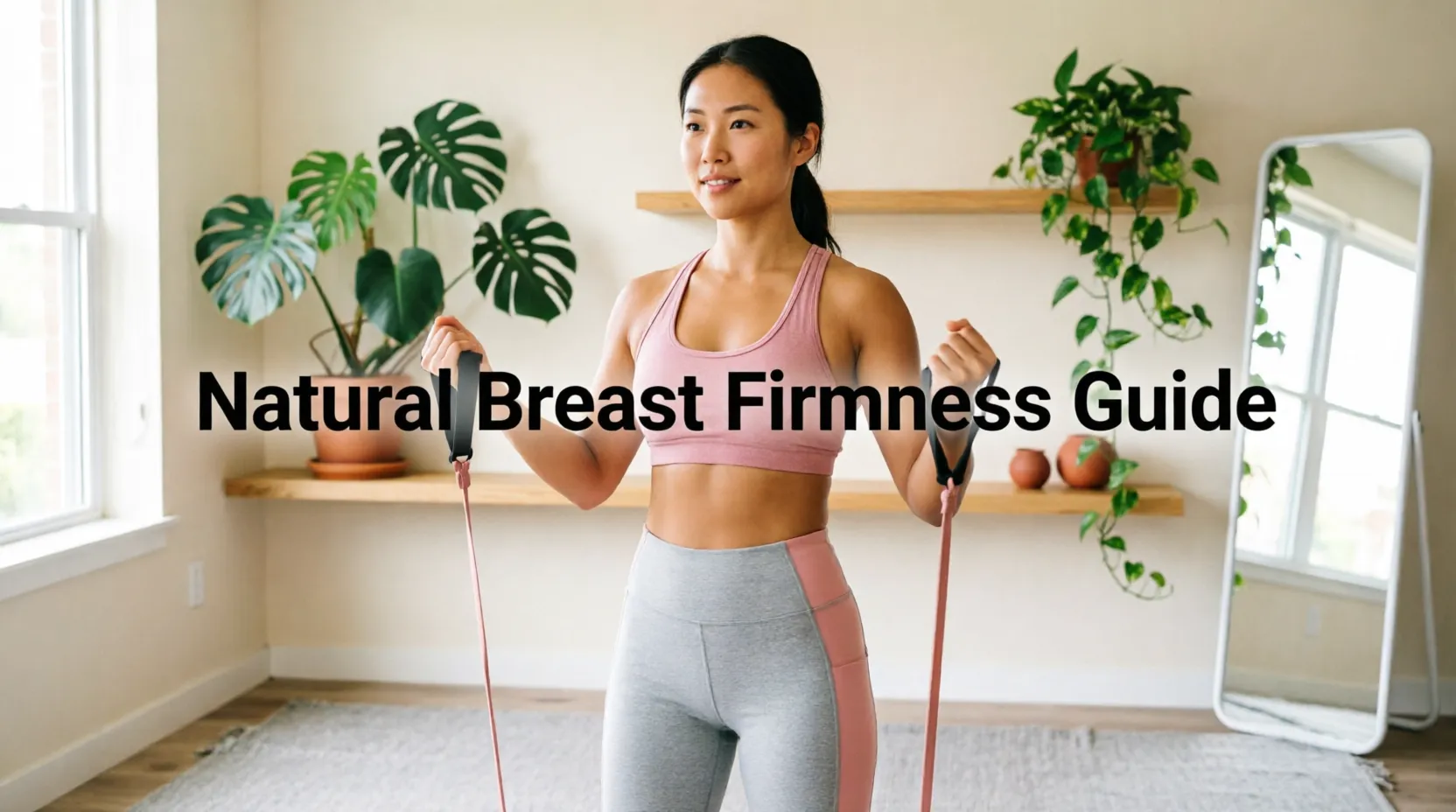
2. Chest Press with Resistance Bands
Why it works: Provides adjustable resistance that's joint-friendly and portable.
How to do it: Anchor band at chest height behind you. Hold handles, step forward to create tension. Press hands forward until arms are extended, then slowly return. Keep shoulders down and back.
Reps: 2-3 sets of 12-15 repetitions.
Pro tip: Use lighter resistance to focus on controlled movement rather than speed.
3. Dumbbell Chest Fly (Floor or Bench)
Why it works: Targets pectoral muscles through a full range of motion.
How to do it: Lie on back with knees bent. Hold light dumbbells (1-5 lbs) above chest, palms facing each other. With slight elbow bend, lower weights out to sides in wide arc until upper arms are parallel to floor. Press back to start.
Reps: 2 sets of 10-12 repetitions.
Safety: Never let weights drop below shoulder level; stop if you feel shoulder strain.
4. Isometric Chest Squeeze
Why it works: Activates chest muscles without equipment; great for posture awareness.
How to do it: Press palms together firmly at chest level, elbows bent. Hold maximum squeeze for 5-10 seconds while breathing steadily. Relax and repeat.
Reps: 10-15 holds, 1-2 times daily.
Pro tip: Practice while sitting at your desk to combine posture work with muscle activation.
Supporting Exercises for Posture and Balance
Rows (with bands or light weights): Strengthen upper back muscles that pull shoulders back, counteracting forward posture.
Planks: Build core stability that supports upright alignment.
Face pulls with bands: Target rear shoulders and upper back for balanced chest development.
Sample weekly routine:
- Monday: Wall push-ups + rows + posture checks
- Wednesday: Resistance band chest press + planks + chest opener stretch
- Friday: Isometric squeezes + face pulls + wall posture practice
Rest days are essential for muscle recovery. Listen to your body and adjust intensity as needed.
Skincare Strategies for Chest Elasticity and Health
The skin on the chest (décolletage) is thinner and more prone to showing signs of aging than facial skin. Supporting skin elasticity through gentle care can enhance overall breast appearance and confidence.
Key principles for chest skincare:
- Gentle cleansing: Use pH-balanced, non-stripping cleansers to maintain skin barrier
- Consistent hydration: Well-hydrated skin appears plumper and more resilient
- Sun protection: UV exposure breaks down collagen; daily SPF is non-negotiable
- Targeted nourishment: Ingredients that support collagen and elasticity benefit chest skin
Effective Chest Skincare Routine
Morning:
- Gentle cleanse or rinse: Use lukewarm water or a mild cleanser to remove overnight buildup
- Antioxidant serum: Apply vitamin C or niacinamide serum to chest to protect against environmental damage and support collagen
- Moisturizer: Use a lightweight, non-comedogenic moisturizer with hyaluronic acid or ceramides
- Sunscreen (essential): Apply broad-spectrum SPF 30+ to chest and décolletage. Reapply if exposed to sun
Evening:
- Double cleanse if wearing sunscreen: Oil-based cleanser followed by water-based to remove pollutants and SPF
- Hydrating treatment: Apply a peptide serum or gentle retinol alternative (bakuchiol) 2-3 times weekly to support skin renewal
- Nourishing moisturizer: Use a richer cream with squalane, shea butter, or facial oil to support overnight repair
Weekly boost: Apply a hydrating sheet mask or gentle exfoliant (PHA or lactic acid) to chest 1x weekly to maintain smooth texture.
Ingredients That Support Chest Skin
For elasticity: Peptides, vitamin C, retinol alternatives (bakuchiol), niacinamide
For hydration: Hyaluronic acid, glycerin, squalane, ceramides
For protection: Antioxidants (vitamin E, green tea extract), broad-spectrum sunscreen
For gentle renewal: PHAs, low-concentration lactic acid, enzyme exfoliants
Application tip: Extend your facial skincare routine down to your chest and décolletage. These areas benefit from the same protective and nourishing ingredients.
Nutrition and Hydration for Skin and Tissue Support
What you eat and drink influences skin elasticity, collagen production, and overall tissue health. While no food can "lift" breasts, a nutrient-rich diet supports the structural components that maintain firmness.
Key nutrients for skin and connective tissue:
- Protein: Essential for collagen and elastin production. Aim for 0.8-1.2g per kg body weight daily from eggs, fish, legumes, or lean meats
- Vitamin C: Critical cofactor for collagen synthesis. Found in citrus, bell peppers, strawberries, broccoli
- Zinc: Supports protein synthesis and tissue repair. Found in pumpkin seeds, chickpeas, shellfish
- Omega-3 fatty acids: Reduce inflammation and support skin barrier function. Found in fatty fish, flaxseeds, walnuts
- Vitamin E: Antioxidant that protects skin cells from oxidative damage. Found in almonds, sunflower seeds, avocado
- Hydration: Well-hydrated skin appears plumper and more resilient. Aim for 2-3L water daily, adjusting for activity and climate
Practical nutrition strategies:
- Start your day with protein and vitamin C (e.g., Greek yogurt with berries) to support morning collagen production
- Include colorful vegetables at every meal for diverse antioxidants
- Snack on nuts or seeds for healthy fats and zinc
- Limit excessive sugar and processed foods, which can contribute to glycation (collagen damage)
- Stay consistently hydrated—carry a water bottle and sip throughout the day
Research note: A study in the Journal of Clinical and Aesthetic Dermatology found that women who consumed adequate protein, vitamin C, and hydration had better skin elasticity scores compared to those with deficiencies. Nutrition supports skin health systemically.
Lifestyle Habits That Support Breast Health and Appearance
Beyond exercise and skincare, daily habits influence breast appearance and overall confidence.
Supportive bra fitting: Wearing a properly fitted bra provides immediate support and can improve posture. Get professionally fitted every 1-2 years, as size can change with weight fluctuations, pregnancy, or age. Look for bras with wide straps, full cups, and adequate band support.
Sleep position awareness: Sleeping on your back reduces pressure on breast tissue and may help maintain shape over time. If you prefer side sleeping, use a supportive pillow between knees to align spine and reduce chest compression.
Weight management: Significant weight fluctuations can stretch skin and connective tissue. Focus on sustainable, gradual changes through balanced nutrition and consistent movement rather than rapid loss or gain.
Smoking cessation: Smoking accelerates collagen breakdown and reduces skin elasticity. Quitting supports overall skin health and tissue integrity.
Stress management: Chronic stress elevates cortisol, which can affect skin health and body composition. Practice daily stress-reduction techniques like deep breathing, meditation, or gentle movement.
Body confidence practices: How you perceive your body influences how you carry yourself. Practice positive self-talk, wear clothes that make you feel confident, and focus on what your body can do rather than solely on appearance.
Managing Expectations: What's Realistic
It's essential to approach natural breast firmness techniques with realistic expectations and self-compassion.
What natural methods can achieve:
- Subtle improvement in chest muscle tone and posture
- Enhanced skin hydration and elasticity with consistent care
- Greater confidence through intentional self-care practices
- Overall health benefits that support long-term wellbeing
What natural methods cannot do:
- Reverse significant sagging caused by aging, genetics, or major life events
- Replace medical evaluation for breast health concerns
- Guarantee dramatic visual changes without surgical intervention
When to consult a professional: If you notice sudden changes in breast shape, persistent pain, lumps, skin dimpling, or nipple changes, consult a healthcare provider promptly. These techniques support wellness but are not substitutes for medical care.
Body positivity reminder: Breasts come in countless shapes, sizes, and levels of firmness—all of which are normal and valid. These techniques are about supporting your health and confidence, not conforming to a single ideal. Your worth is not determined by appearance.
Common Myths About Natural Breast Lifting
Separating fact from fiction helps you focus on strategies that truly support your goals.
Myth #1: Certain exercises can "lift" breast tissue directly
Reality: Breast tissue itself isn't muscle and can't be toned. However, strengthening underlying pectoral muscles and improving posture can create a subtle supportive effect and enhance appearance.
Myth #2: Creams or oils can dramatically firm breasts overnight
Reality: Topical products can support skin hydration and elasticity but cannot significantly alter breast structure. Consistent skincare contributes to overall skin health but manages expectations.
Myth #3: Rapid weight loss improves breast firmness
Reality: Rapid weight loss often stretches skin and can accentuate sagging. Gradual, sustainable changes with strength training better support tissue integrity.
Myth #4: Only young women benefit from these techniques
Reality: Posture work, strength training, and skincare benefit breast appearance and overall health at any age. It's never too late to start supportive habits.
Myth #5: Natural methods work equally for everyone
Reality: Genetics, age, hormones, and life history influence breast characteristics. Focus on what you can control—health, posture, confidence—rather than comparing to others.
FAQs About Natural Breast Firmness Techniques
How long does it take to see results from these techniques?
Posture improvements can create an instant visual difference. Strength gains and skin hydration benefits typically become noticeable after 4-8 weeks of consistent practice. Remember: these techniques support long-term health and confidence, not quick fixes. Celebrate small wins like improved posture awareness or stronger chest muscles.
Can these exercises be done during pregnancy or breastfeeding?
Many gentle chest exercises and posture practices are safe during pregnancy and postpartum, but always consult your healthcare provider before starting or continuing any exercise routine during these times. Focus on comfort, proper form, and listening to your body's signals.
Are there risks to chest exercises?
When performed with proper form and appropriate resistance, chest exercises are generally safe. Start with light resistance, prioritize controlled movement over speed, and stop if you feel pain (distinct from normal muscle fatigue). If you have shoulder, neck, or chest concerns, consult a physical therapist for personalized guidance.
Can skincare products really help with chest firmness?
Skincare supports skin elasticity and hydration, which can enhance the appearance of the décolletage. While products can't dramatically alter breast structure, consistent use of sunscreen, moisturizers, and antioxidants contributes to overall skin health and confidence.
What if I've tried these techniques and don't see changes?
Everyone's body responds differently. If you're not seeing desired changes after 8-12 weeks of consistent effort, consider consulting a physical therapist for personalized exercise guidance or a dermatologist for skincare advice. Also reflect on whether your goals align with realistic outcomes—sometimes shifting focus to overall health and confidence yields greater satisfaction.
How do I stay motivated with these practices?
Focus on how these habits make you feel—stronger posture, increased energy, greater confidence—rather than solely on appearance. Track non-scale victories like improved exercise form, better sleep, or feeling more comfortable in your clothes. Find a workout buddy or online community for support. Remember: consistency over perfection.
Creating Your Personalized Home Care Plan
Building sustainable habits requires a clear, manageable approach. Use this framework to design your routine.
Week 1: Foundation
- Choose 1-2 posture corrections to practice daily (e.g., wall checks, shoulder rolls)
- Start one beginner chest exercise (e.g., wall push-ups) 2x this week
- Extend your facial skincare routine to include chest and décolletage
Week 2: Build Momentum
- Add one more chest exercise or increase reps slightly
- Incorporate one nutrition focus (e.g., adding vitamin C-rich foods)
- Practice one stress-reduction technique daily (deep breathing, short walk)
Week 3-4: Solidify and Expand
- Review which habits feel sustainable and adjust as needed
- Consider adding a weekly chest-focused workout session
- Celebrate consistency: note improvements in posture awareness or confidence
Ongoing: Sustain and Evolve
- Keep your routine flexible—life changes, and your habits can too
- Periodically reassess your goals and adjust your approach
- Practice self-compassion: progress isn't linear, and every effort counts
Remember: this is about supporting your health and confidence, not achieving perfection.
Conclusion: Embrace Confidence Through Intentional Care
Supporting breast firmness naturally isn't about chasing an ideal—it's about honoring your body with intentional, evidence-based care. By strengthening underlying muscles, improving posture, nourishing your skin, and cultivating confidence, you create a foundation for feeling strong and comfortable in your own skin.
These techniques work best when approached with patience and self-compassion. Small, consistent actions—standing taller, moving with intention, hydrating well, protecting your skin—compound over time into meaningful improvements in how you feel and carry yourself.
Most importantly, remember that your worth isn't defined by appearance. Breasts come in endless beautiful variations, and confidence comes from within. Use these practices to support your health and wellbeing, not to conform to external standards.
Start today with one small step: practice a posture check, apply sunscreen to your chest, or do five wall push-ups. Let your journey be guided by kindness, curiosity, and respect for the remarkable body that carries you through life. Here's to strength, confidence, and embracing your unique beauty—naturally, intentionally, and unapologetically.
📖 আরও পড়ুন: Body & Health Care
- 🔗 Why Women Experience Body Water Retention Cycles: Understanding Hormonal Fluid Balance and Management Strategies
- 🔗 ভিতর থেকে শরীর পরিষ্কার: উজ্জ্বল ত্বক আর অফুরন্ত এনার্জির জন্য পূর্ণাঙ্গ বডি ডিটক্স গাইড
- 🔗 হাঁটু ব্যথা ছাড়াই মেদ কমান: লো-ইমপ্যাক্ট ব্যায়ামের সম্পূর্ণ গাইড
- 🔗 How Stress Changes Where Women Store Fat
- 🔗 Body Recomposition Guide: Lose Fat and Gain Muscle Science