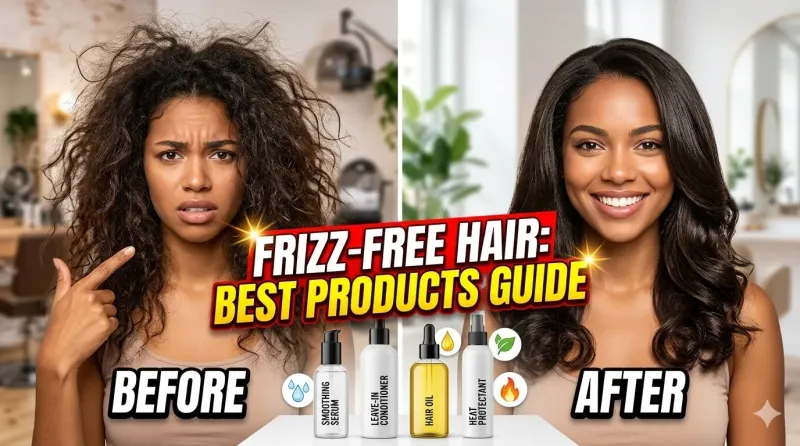
Frizzy hair can feel like an unwelcome companion that shows up uninvited, especially when humidity rises or the weather changes. You've probably experienced it: you spend time styling your hair to perfection, only to step outside and watch it transform into an unruly, frizzy mess within minutes. If you're tired of battling frizz and dreaming of smooth, sleek locks, you're not alone. The good news is that achieving frizz-free hair is absolutely possible with the right products, techniques, and understanding of what causes frizz in the first place.
Frizz occurs when hair lacks moisture and seeks it from the surrounding environment, causing the hair cuticle to lift and create that fuzzy, uneven texture we all want to avoid. Whether you have naturally curly hair, wavy locks, or straight strands that turn frizzy in humidity, the solution lies in using products specifically formulated to smooth the cuticle, lock in moisture, and create a protective barrier against environmental stressors.
This comprehensive guide explores the best products to tame unruly locks, from cult-favorite serums and innovative leave-in conditioners to game-changing styling creams and masks. You'll discover which ingredients actually work, how to build an effective anti-frizz routine tailored to your hair type, and expert application techniques that maximize results. Say goodbye to bad hair days and hello to smooth, shiny, frizz-free hair that looks salon-fresh all day long.
Understanding What Causes Frizz and How to Fight It
Before diving into product recommendations, it's essential to understand why frizz happens. This knowledge helps you choose the right products and avoid common mistakes that actually make frizz worse.
The Science Behind Frizz
Each strand of hair has a protective outer layer called the cuticle, made up of overlapping scales similar to roof shingles. When these scales lie flat, your hair appears smooth and shiny. However, when the cuticle lifts due to dryness, damage, or humidity, the hair strand becomes rough and uneven, creating frizz.
Primary causes of frizz include:
- Humidity: Moisture in the air penetrates the hair shaft, causing it to swell and the cuticle to lift
- Dryness: Lack of moisture causes hair to seek hydration from the environment
- Damage: Heat styling, chemical treatments, and mechanical stress damage the cuticle
- Hair texture: Curly and wavy hair is naturally more prone to frizz due to its structure
- Porous hair: High porosity hair absorbs and loses moisture quickly, leading to frizz
Identifying Your Frizz Type
Not all frizz is created equal. Understanding your specific frizz pattern helps you target it effectively:
Surface frizz: Appears on the top layer of hair, often caused by dryness or damage. Best treated with smoothing serums and oils.
Halo frizz: Occurs around the crown and hairline, typically from breakage or new growth. Requires strengthening treatments and gentle handling.
Curly frizz: Affects curly or wavy hair throughout, caused by lack of moisture. Needs hydrating products and curl-defining formulas.
Frizz from damage: Results from chemical processing or heat styling. Requires protein treatments and deep conditioning.
Essential Product Categories for Frizz Control
Achieving frizz-free hair requires a multi-product approach. Each category serves a specific purpose in smoothing, hydrating, and protecting your strands.
Anti-Frizz Serums: Your First Line of Defense
Serums are lightweight, silicone-based or oil-based products that coat the hair shaft, creating a smooth surface and sealing the cuticle. They're particularly effective for:
- Instant smoothing and shine
- Humidity protection
- Heat protection during styling
- Taming flyaways and surface frizz
Key ingredients to look for:
- Dimethicone or cyclomethicone (silicones that smooth)
- Argan oil (nourishes and adds shine)
- Marula oil (lightweight moisture)
- Keratin (strengthens and smooths)
Application tip: Apply to damp or dry hair, focusing on mid-lengths to ends. Use sparingly—a pea-sized amount is usually sufficient. Too much serum can weigh hair down or make it look greasy.
Leave-In Conditioners: Hydration That Lasts
Unlike rinse-out conditioners, leave-ins provide ongoing moisture and protection throughout the day. They're essential for:
- Detangling without breakage
- Providing continuous hydration
- Creating a moisture barrier
- Prepping hair for styling
Best for: All hair types, especially dry, curly, or damaged hair that needs extra moisture.
Look for: Glycerin (humectant that attracts moisture), panthenol (pro-vitamin B5 for hydration), natural oils, and hydrolyzed proteins.
Smoothing Creams and Styling Products
These products combine hold with frizz control, making them perfect for styling while keeping strands smooth:
- Smoothing creams: Provide moisture and light hold for natural-looking styles
- Anti-frizz mousses: Add volume while controlling frizz
- Curl creams: Define curls while preventing frizz
- Blow-dry creams: Protect from heat and smooth during styling
Application strategy: Apply to damp hair before styling. Distribute evenly using a wide-tooth comb or fingers, then style as desired.
Deep Conditioning Masks: Weekly Frizz Prevention
While daily products manage frizz on the surface, deep conditioning masks address the root cause: dryness and damage. Use 1-2 times weekly for:
- Intense moisture restoration
- Cuticle repair and smoothing
- Improved elasticity and strength
- Long-term frizz reduction
Key ingredients: Shea butter, coconut oil, argan oil, keratin, amino acids, and ceramides.
Pro tip: Apply to clean, damp hair, cover with a shower cap, and leave on for 15-30 minutes. For deeper penetration, apply gentle heat with a warm towel or hooded dryer.
Hair Oils: Sealing in Smoothness
Natural and synthetic oils seal the cuticle, lock in moisture, and add brilliant shine. They're particularly effective for:
- Taming flyaways
- Adding shine without weight
- Protecting ends from splitting
- Boosting moisture retention
Best oils for frizz control:
- Argan oil: Lightweight, non-greasy, rich in vitamin E
- Jojoba oil: Mimics natural scalp oils, easily absorbed
- Marula oil: Fast-absorbing, antioxidant-rich
- Coconut oil: Penetrates hair shaft, prevents protein loss
Usage: Apply a few drops to palms, rub together, and smooth over hair. Use on damp hair to seal in moisture or on dry hair to tame frizz and add shine.
Top Product Recommendations by Hair Type
Different hair types have different needs. Here's how to choose the best frizz-fighting products based on your specific hair characteristics.
For Curly and Coily Hair
Curly hair is naturally drier and more prone to frizz due to its structure, which makes it difficult for natural oils to travel down the hair shaft.
Product priorities:
- Rich, creamy leave-in conditioners
- Curl-defining creams with hold
- Lightweight oils that won't weigh down curls
- Deep conditioning masks weekly
Recommended ingredients: Shea butter, coconut oil, glycerin (in moderate humidity), aloe vera, and flaxseed.
Avoid: Heavy silicones that build up, drying alcohols, and sulfates that strip natural oils.
For Wavy Hair
Wavy hair sits between straight and curly, often experiencing frizz at the crown and ends while maintaining some wave pattern.
Product priorities:
- Lightweight smoothing serums
- Wave-enhancing mousses or creams
- Leave-in conditioners (lighter formula)
- Anti-humidity sprays
Recommended ingredients: Hydrolyzed wheat protein, panthenol, lightweight oils like argan or grapeseed.
Application tip: Apply products to soaking wet hair, scrunch gently, and air dry or diffuse to enhance waves while controlling frizz.
For Straight Hair
Straight hair can still experience frizz, particularly in humid conditions or when damaged. The goal is smoothness without weighing hair down.
Product priorities:
- Lightweight serums for shine
- Heat protectant sprays
- Smoothing blow-dry creams
- Dry oils for finishing
Recommended ingredients: Dimethicone, keratin, argan oil, and UV filters for sun protection.
Avoid: Heavy creams or butters that make straight hair look greasy or flat.
For Color-Treated or Chemically Processed Hair
Chemical treatments damage the cuticle, making hair more porous and prone to frizz. These strands need extra care and protection.
Product priorities:
- Sulfate-free shampoos and conditioners
- Protein treatments for strength
- Intensive moisture masks
- UV-protectant products
- Color-safe serums
Recommended ingredients: Keratin, amino acids, UV filters, antioxidants, and color-protecting polymers.
For Fine or Thin Hair
Fine hair needs frizz control without heavy products that weigh it down and reduce volume.
Product priorities:
- Volumizing anti-frizz mousses
- Lightweight serums (silicone-based)
- Dry shampoos with smoothing properties
- Root-lifting sprays
Recommended ingredients: Lightweight silicones, rice protein, panthenol, and volumizing polymers.
Application strategy: Focus products on mid-lengths and ends, avoiding the roots to maintain volume.
For Thick or Coarse Hair
Thick, coarse hair often needs heavier products to smooth the cuticle and control frizz effectively.
Product priorities:
- Rich leave-in conditioners
- Smoothing creams with hold
- Heavier oils like castor or coconut
- Deep conditioning treatments
Recommended ingredients: Shea butter, coconut oil, castor oil, keratin, and silicones for smoothing.
Building Your Complete Anti-Frizz Routine
Using the right products is only half the battle. How you use them matters just as much. Here's a step-by-step routine for frizz-free hair.
Morning Routine for Frizz Control
Step 1: Gentle Cleansing
Use a sulfate-free, moisturizing shampoo. Sulfates strip natural oils, leading to dryness and frizz. If your hair isn't dirty, consider co-washing (conditioner-only washing) or just rinsing with water.
Step 2: Condition Generously
Apply conditioner from mid-lengths to ends, detangling gently with fingers or a wide-tooth comb. Leave it on for 2-3 minutes before rinsing with cool water to seal the cuticle.
Step 3: Apply Leave-In Conditioner
While hair is still damp, apply a leave-in conditioner. This provides a moisture base and protects throughout the day.
Step 4: Layer Styling Products
Apply smoothing cream or serum, followed by any heat protectant if you're styling with hot tools. Always apply products in order of consistency: thinnest to thickest.
Step 5: Dry Properly
Use a microfiber towel or cotton t-shirt to gently squeeze out water—never rub. If blow-drying, use a concentrator nozzle and direct airflow downward to smooth the cuticle.
Step 6: Finish with Oil or Serum
Once hair is dry, apply a small amount of oil or serum to tame any remaining frizz and add shine.
Evening Routine for Overnight Frizz Prevention
Protective styling:
- Braid hair loosely or put it in a loose bun
- Use a silk or satin pillowcase to reduce friction
- Apply a light oil to ends before bed
- Consider a silk bonnet or scarf for extra protection
Why it works: Cotton pillowcases create friction that roughens the cuticle and causes frizz. Silk and satin allow hair to glide smoothly, preserving your style and preventing breakage.
Weekly Maintenance
Once a week:
- Deep condition with a hydrating mask
- Clarify with a gentle clarifying shampoo to remove product buildup
- Trim ends every 6-8 weeks to prevent split ends from traveling up the shaft
- Assess your routine and adjust products as needed
Professional Treatments for Long-Term Frizz Control
If you're looking for more permanent solutions, professional treatments can significantly reduce frizz for extended periods.
Keratin Treatments
What it is: A semi-permanent treatment that infuses keratin protein into the hair shaft, smoothing the cuticle and reducing frizz for 3-5 months.
Best for: All hair types, especially curly, frizzy, or unmanageable hair.
Pros:
- Dramatically reduces frizz
- Makes hair more manageable
- Reduces styling time
- Adds shine and smoothness
Cons:
- Expensive ($200-$500)
- Contains formaldehyde or formaldehyde-releasing agents (some formulations)
- Requires maintenance with sulfate-free products
- Not permanent
Brazilian Blowout
What it is: Similar to keratin treatments but typically less intensive, lasting 10-12 weeks.
Benefits:
- Reduces frizz by 40-60%
- Maintains some natural texture
- Can be done more frequently
- Shorter processing time
Japanese Hair Straightening
What it is: A permanent straightening treatment that breaks and reforms hair bonds.
Best for: Those who want permanently straight, frizz-free hair.
Considerations:
- Permanent (lasts until hair grows out)
- More damaging than keratin treatments
- Cannot be reversed
- Requires professional application
Glossing or Glazing Treatments
What it is: A semi-permanent color treatment that adds shine and smooths the cuticle.
Benefits:
- Adds brilliant shine
- Smooths frizz temporarily
- Less damaging than other treatments
- Can be done frequently
Common Mistakes That Make Frizz Worse
Even with the best products, certain habits can sabotage your frizz-fighting efforts. Avoid these common mistakes:
Over-Washing Your Hair
The problem: Washing too frequently strips natural oils, leaving hair dry and prone to frizz.
The solution: Wash 2-3 times per week, or as needed based on your hair type. Use dry shampoo between washes if necessary.
Using Hot Water
The problem: Hot water opens the cuticle and strips moisture, leading to frizz.
The solution: Rinse with cool or lukewarm water, especially for the final rinse, to seal the cuticle.
Rubbing Hair with a Towel
The problem: Rough terry cloth towels create friction that roughens the cuticle.
The solution: Gently squeeze water out using a microfiber towel or cotton t-shirt.
Brushing Dry Hair
The problem: Brushing dry hair, especially curly or wavy hair, breaks up the natural pattern and creates frizz.
The solution: Detangle when hair is wet and saturated with conditioner using a wide-tooth comb or detangling brush.
Skipping Heat Protectant
The problem: Heat styling without protection damages the cuticle, leading to chronic frizz.
The solution: Always apply a heat protectant before using hot tools, and keep temperatures below 350°F when possible.
Using Too Much Product
The problem: Over-applying products can weigh hair down, create buildup, and actually increase frizz.
The solution: Start with a small amount and add more only if needed. Remember: you can always add more, but you can't take it away.
Touching Hair Too Much
The problem: Constantly running fingers through hair transfers oils and creates friction, causing frizz.
The solution: Once styled, leave your hair alone. Use a light-hold hairspray if you need to resist the urge to touch.
Seasonal Frizz Management Strategies
Different seasons bring different frizz challenges. Adjust your routine accordingly:
Summer: Humidity Defense
- Use anti-humidity serums and sprays
- Incorporate products with UV protection
- Wear protective styles like braids or buns
- Rinse hair after swimming to remove chlorine or salt
- Use lighter products to avoid heaviness in heat
Winter: Dryness Prevention
- Increase deep conditioning frequency
- Use richer, more emollient products
- Protect hair from cold wind with hats or scarves (use silk lining)
- Run a humidifier indoors to add moisture to dry air
- Avoid excessive heat styling which further dries hair
Spring/Fall: Transition Periods
- Adjust product weight based on humidity levels
- Keep anti-frizz serum handy for unpredictable weather
- Maintain consistent moisture routine
- Clarify regularly to remove seasonal product buildup
Frequently Asked Questions About Frizz-Free Hair
Can frizz be completely eliminated?
While you can significantly reduce frizz with the right products and routine, completely eliminating it is unrealistic, especially in high humidity. Some frizz is natural, particularly for curly and wavy hair types. The goal should be manageable, healthy hair—not perfection. Embrace your hair's natural texture while keeping frizz under control.
How long does it take to see results from anti-frizz products?
You should see immediate smoothing effects from serums and styling products. However, addressing the root cause of frizz (dryness, damage) takes time. With consistent use of deep conditioners and proper care, expect noticeable improvement in 2-4 weeks, with significant transformation in 2-3 months.
Are silicone-based products bad for hair?
No, silicones aren't inherently bad. They're highly effective at smoothing frizz and adding shine. The concern is buildup, which can be managed by using a clarifying shampoo once a month. If you prefer to avoid silicones, look for products labeled "silicone-free" that use natural oils and butters instead.
Why is my hair frizzy even though I use anti-frizz products?
Several factors could be at play: you might be using the wrong products for your hair type, applying them incorrectly, using too much heat, not addressing underlying damage, or experiencing extreme humidity. Evaluate your entire routine, not just the products. Technique, water temperature, and drying methods all impact frizz.
Can diet affect hair frizz?
Yes! Hair health starts from within. Dehydration, nutrient deficiencies (especially omega-3 fatty acids, biotin, and vitamins A, C, and E), and poor protein intake can all contribute to dry, frizzy hair. Stay hydrated, eat a balanced diet rich in healthy fats and proteins, and consider supplements if recommended by your healthcare provider.
Is it better to air dry or blow dry for frizz control?
Both methods can work, but technique matters more than the method itself. Air drying can cause frizz if you let hair dry completely undisturbed. Blow drying can cause frizz if you use high heat or rough techniques. For best results: gently blot excess water, apply anti-frizz products, and either air dry while occasionally smoothing strands or blow dry on low heat with a concentrator nozzle, directing airflow downward.
Conclusion: Your Path to Smoother, Healthier Hair
Achieving frizz-free hair isn't about finding one magical product—it's about understanding your hair's unique needs, choosing the right products for your hair type, and implementing a consistent routine that addresses both surface frizz and underlying causes. The journey to smoother hair requires patience, experimentation, and a willingness to adjust your approach as your hair's needs change.
Remember that some frizz is natural and healthy. The goal isn't pin-straight perfection unless that's what you want—it's healthy, manageable hair that looks and feels its best. With the right combination of quality products, proper technique, and consistent care, you can significantly reduce frizz and enjoy smoother, shinier, more beautiful hair every day.
Start today. Choose one new product or technique from this guide and incorporate it into your routine. Track your results, be patient with the process, and celebrate the progress. Your frizz-free hair journey begins now.