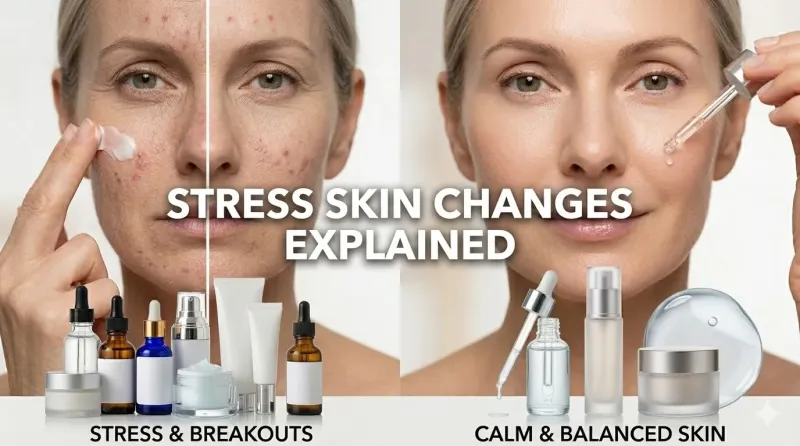
Stress doesn't just affect your mood—it leaves visible marks on your skin that accumulate over time. From breakouts and dullness to premature wrinkles and persistent discoloration, chronic stress accelerates skin aging in ways that become increasingly apparent with each passing year. Understanding how pressure transforms your appearance is the first step toward protecting your skin's health and maintaining a radiant complexion despite life's demands.
This comprehensive guide explores the science behind stress-related skin changes, identifies the visible signs that develop over months and years of chronic pressure, explains the biological mechanisms driving these transformations, and provides evidence-based strategies to prevent, minimize, and reverse stress-induced skin damage. Whether you're noticing new fine lines, persistent breakouts, or a loss of radiance that coincides with stressful periods, you'll find practical, science-backed information to help you protect and restore your skin's health.
The Biology of Stress: How Pressure Reaches Your Skin
To understand how stress changes your skin over time, we must first examine the physiological pathways that connect psychological pressure to visible skin changes.
The Stress Response System
When you experience stress—whether from work deadlines, relationship challenges, financial pressure, or health concerns—your body activates the hypothalamic-pituitary-adrenal (HPA) axis, triggering a cascade of hormonal responses:
Immediate Response (Minutes):
- Adrenaline and noradrenaline surge, preparing your body for "fight or flight"
- Blood vessels constrict in non-essential areas, including skin
- Heart rate and blood pressure increase
- Energy is redirected from non-essential functions (like skin repair) to immediate survival
Sustained Response (Hours to Days):
- Cortisol, the primary stress hormone, remains elevated
- Immune function is modulated (initially boosted, then suppressed with chronic stress)
- Inflammatory markers increase throughout the body
- Cellular repair processes slow or halt
Chronic Response (Weeks to Years):
- HPA axis dysregulation: cortisol rhythms become disrupted
- Chronic low-grade inflammation ("inflammaging") develops
- Oxidative stress accumulates, damaging cellular components
- Tissue repair and regeneration capacity declines
How These Responses Affect Skin
Your skin is not just a passive barrier—it's a dynamic, responsive organ with its own stress response system. When systemic stress hormones circulate, skin cells respond directly:
Cortisol's Direct Effects on Skin:
- Suppresses collagen production: Cortisol inhibits fibroblast activity, reducing synthesis of collagen and elastin—the structural proteins that keep skin firm and elastic
- Increases matrix metalloproteinases (MMPs): These enzymes break down existing collagen and elastin, accelerating wrinkle formation
- Impairs barrier function: Cortisol reduces production of ceramides and other barrier lipids, leading to increased water loss and sensitivity
- Disrupts cell turnover: Slows the shedding of dead cells and generation of new ones, contributing to dullness and uneven texture
- Alters sebum production: Can trigger both excess oil production (leading to breakouts) and reduced oil production (leading to dryness)
Inflammation's Role:
- Chronic stress triggers release of pro-inflammatory cytokines (IL-1, IL-6, TNF-α)
- These molecules activate inflammatory pathways in skin cells
- Result: redness, sensitivity, accelerated aging, and impaired healing
- Over time, chronic inflammation breaks down collagen and triggers hyperpigmentation
Oxidative Stress Accumulation:
- Stress increases production of reactive oxygen species (free radicals)
- These molecules damage cellular DNA, proteins, and lipids
- Skin's antioxidant defenses become overwhelmed with chronic stress
- Result: cumulative cellular damage that manifests as premature aging
Visible Skin Changes: The Timeline of Stress Impact
Stress-related skin changes don't appear overnight. They develop along a predictable timeline, with different signs emerging at different stages of chronic stress exposure.
Short-Term Changes (Days to Weeks)
1. Immediate Breakouts and Flare-Ups
- What happens: Stress hormones trigger increased sebum production and inflammation
- Visible signs: Sudden acne breakouts, rosacea flare-ups, eczema exacerbation
- Timeline: Can appear within 24-72 hours of acute stress
- Reversibility: Usually resolves within days to weeks after stress subsides
2. Dullness and Loss of Radiance
- What happens: Reduced blood flow to skin and slowed cell turnover
- Visible signs: Skin looks tired, lackluster, "gray," or uneven
- Timeline: Noticeable within days of sustained stress
- Reversibility: Improves quickly with stress reduction and proper skincare
3. Increased Sensitivity and Redness
- What happens: Inflammatory response and barrier compromise
- Visible signs: Flushing, redness, stinging, reactivity to products
- Timeline: Can develop within days to weeks
- Reversibility: Often reversible with barrier repair and stress management
Medium-Term Changes (Weeks to Months)
4. Persistent Dryness or Dehydration
- What happens: Cortisol impairs barrier lipid production; stress reduces hydration behaviors
- Visible signs: Rough texture, flakiness, tightness, emphasized fine lines
- Timeline: Develops over 2-8 weeks of chronic stress
- Reversibility: Reversible with consistent barrier repair and stress reduction
5. Post-Inflammatory Hyperpigmentation (PIH)
- What happens: Inflammation from stress-induced breakouts triggers excess melanin production
- Visible signs: Dark spots or patches remaining after breakouts heal
- Timeline: Appears weeks after initial breakout; can persist for months
- Reversibility: Slow to fade; requires targeted treatment and sun protection
6. Slower Wound Healing
- What happens: Cortisol suppresses immune function and cellular repair
- Visible signs: Blemishes, cuts, or procedures take longer to heal; more scarring
- Timeline: Noticeable over weeks to months of chronic stress
- Reversibility: Improves with stress management and wound care
Long-Term Changes (Months to Years)
7. Premature Fine Lines and Wrinkles
- What happens: Chronic cortisol exposure breaks down collagen; repeated facial expressions from stress (frowning, clenching) create dynamic lines
- Visible signs: Fine lines appear earlier than genetic predisposition would predict; deeper wrinkles develop faster
- Timeline: Becomes apparent over 6 months to several years of chronic stress
- Reversibility: Partially reversible with collagen-stimulating treatments; prevention is key
8. Loss of Firmness and Elasticity
- What happens: Cumulative collagen and elastin degradation; impaired fibroblast function
- Visible signs: Skin appears looser, less "bouncy"; jawline and cheek definition soften
- Timeline: Gradual change over 1-3+ years of chronic stress
- Reversibility: Limited reversal; focus on prevention and collagen support
9. Persistent Hyperpigmentation and Uneven Tone
- What happens: Chronic inflammation stimulates melanocytes; oxidative stress damages pigment regulation
- Visible signs: Melasma-like patches, persistent dark spots, overall uneven tone
- Timeline: Develops over months to years of stress and sun exposure
- Reversibility: Slow improvement with targeted treatments; sun protection essential
10. Accelerated Overall Aging Appearance
- What happens: Cumulative effects of collagen loss, inflammation, oxidative damage, and impaired repair
- Visible signs: Skin appears older than chronological age; multiple aging signs compound
- Timeline: Becomes apparent over years of unmanaged chronic stress
- Reversibility: Partial improvement possible; comprehensive approach required
Specific Stress-Related Skin Conditions
Beyond general aging signs, chronic stress can trigger or exacerbate specific dermatological conditions.
Stress-Induced Acne
Mechanism: Cortisol increases sebum production and inflammation; stress behaviors (touching face, poor sleep) compound the issue.
Characteristics:
- Breakouts often cluster along jawline, chin, and lower cheeks
- Lesions may be more inflamed and slower to heal
- Often coincides with stressful life events or periods
- May resist typical acne treatments if stress isn't addressed
Long-term impact: Repeated breakouts lead to post-inflammatory hyperpigmentation and potential scarring, creating lasting texture and tone issues.
Stress-Exacerbated Rosacea
Mechanism: Stress triggers neurovascular dysregulation and inflammation in susceptible individuals.
Characteristics:
- Increased frequency and severity of flushing episodes
- More persistent background redness
- Development of visible blood vessels (telangiectasia)
- Potential progression to papules and pustules
Long-term impact: Chronic inflammation can lead to permanent redness, visible vessels, and skin thickening if not managed.
Stress-Related Eczema and Dermatitis
Mechanism: Stress compromises barrier function and dysregulates immune response in predisposed individuals.
Characteristics:
- Increased frequency of flare-ups
- More intense itching and discomfort
- Slower healing of affected areas
- Greater sensitivity to triggers
Long-term impact: Repeated inflammation and scratching can lead to lichenification (thickened skin), hyperpigmentation, and permanent barrier impairment.
Stress-Induced Hair Changes That Affect Appearance
Telogen Effluvium:
- Stress pushes hair follicles prematurely into resting phase
- Increased shedding appears 2-3 months after stressful event
- Can create visible thinning, especially at temples and crown
- Usually reversible once stress resolves
Premature Graying:
- Chronic stress depletes melanocyte stem cells in hair follicles
- Research shows stress can accelerate graying beyond genetic predisposition
- May be partially reversible if stress is reduced early enough
The Compounding Effect: Stress + Other Aging Factors
Stress rarely acts in isolation. Its impact on skin is amplified when combined with other aging accelerators.
Stress + Sun Exposure
The Interaction: Stress impairs skin's ability to repair UV damage; UV exposure increases oxidative stress.
Visible Impact:
- Accelerated photoaging: deeper wrinkles, more pronounced sun spots
- Increased risk of hyperpigmentation and uneven tone
- Greater collagen degradation than either factor alone
Prevention: Rigorous sun protection becomes even more critical during stressful periods.
Stress + Poor Sleep
The Interaction: Stress disrupts sleep; poor sleep impairs skin repair and increases cortisol.
Visible Impact:
- Dark circles and under-eye hollows become more pronounced
- Dullness and lack of radiance intensify
- Fine lines appear more prominent due to dehydration
- Slower recovery from daily environmental damage
Prevention: Prioritizing sleep hygiene is a powerful anti-stress, anti-aging strategy.
Stress + Poor Nutrition
The Interaction: Stress alters eating patterns; poor nutrition impairs skin's ability to cope with stress.
Visible Impact:
- Increased inflammation manifests as redness and breakouts
- Reduced antioxidant intake accelerates oxidative damage
- Protein deficiency impairs collagen synthesis and repair
- Dehydration from poor habits emphasizes fine lines
Prevention: Maintaining balanced nutrition during stress supports skin resilience.
Stress + Smoking or Excessive Alcohol
The Interaction: Stress increases likelihood of coping behaviors that damage skin.
Visible Impact:
- Smoking + stress: dramatically accelerated wrinkle formation, dullness, poor wound healing
- Alcohol + stress: dehydration, inflammation, impaired barrier function
- Combined effect is greater than sum of individual factors
Prevention: Awareness of stress-coping behaviors allows for healthier alternatives.
Individual Variability: Why Stress Affects Skin Differently
Not everyone experiences the same skin changes from stress. Several factors influence individual susceptibility.
Genetic Factors
- Skin type: Oily skin may be more prone to stress breakouts; dry skin to barrier compromise
- Pigmentation: Darker skin tones more prone to post-inflammatory hyperpigmentation
- Inflammatory predisposition: Genetic variations in immune response affect stress reactivity
- Collagen quality: Genetic factors influence baseline collagen and response to degradation
Baseline Skin Health
- Healthy, well-cared-for skin has greater resilience to stress impacts
- Pre-existing conditions (acne, rosacea, eczema) may be more easily triggered
- Compromised barrier function amplifies stress-related damage
Lifestyle and Environmental Factors
- Sun protection habits: Consistent SPF use mitigates stress+UV damage
- Skincare routine: Supportive products can buffer stress impacts
- Overall health: Good physical health supports skin's stress resilience
- Environmental exposures: Pollution, climate, and other stressors compound effects
Stress Perception and Coping
- How you perceive and respond to stress affects physiological impact
- Effective coping strategies (exercise, meditation, social support) buffer skin impacts
- Chronic vs. acute stress: duration and intensity matter significantly
Prevention Strategies: Protecting Skin During Stressful Periods
While eliminating stress isn't always possible, you can minimize its impact on your skin through proactive strategies.
Skincare Adjustments for Stressful Times
1. Simplify and Support
- During high-stress periods, simplify your routine to reduce potential irritation
- Focus on barrier-supporting ingredients: ceramides, niacinamide, panthenol
- Avoid introducing new actives or aggressive treatments during acute stress
- Prioritize gentle cleansing, hydration, and sun protection
2. Boost Antioxidant Protection
- Apply vitamin C serum in the morning to combat stress-induced oxidative damage
- Consider additional antioxidants: vitamin E, ferulic acid, green tea extract
- Use products with multiple antioxidants for synergistic protection
3. Enhance Barrier Support
- Apply moisturizer to damp skin to maximize hydration
- Include ingredients that support barrier repair: ceramides, cholesterol, fatty acids
- Consider a light occlusive at night if skin feels compromised
4. Don't Skip Sunscreen
- Stress-compromised skin is more vulnerable to UV damage
- Use broad-spectrum SPF 30+ daily, regardless of weather or stress level
- Reapply every 2 hours with sun exposure
Lifestyle Strategies to Buffer Skin Impact
1. Prioritize Sleep
- Aim for 7-9 hours of quality sleep nightly
- Establish a consistent sleep schedule, even during stressful periods
- Create a relaxing bedtime routine to support sleep onset
- Use silk or satin pillowcases to reduce friction and moisture loss
2. Manage Stress Directly
- Breathing exercises: 4-7-8 breathing or box breathing to activate parasympathetic response
- Mindfulness or meditation: Even 10 minutes daily can reduce cortisol
- Physical activity: Moderate exercise reduces stress hormones and improves circulation
- Social connection: Supportive relationships buffer stress impacts
3. Support Skin from Within
- Hydration: Drink adequate water; stress increases fluid needs
- Nutrition: Prioritize anti-inflammatory foods: omega-3s, colorful produce, lean protein
- Limit inflammatory triggers: Reduce excess sugar, processed foods, alcohol during high-stress periods
- Consider supplements: Omega-3s, vitamin D, adaptogens (ashwagandha, rhodiola) may support stress resilience
4. Practice Gentle Self-Care
- Take brief moments for skincare rituals: apply products mindfully, massage gently
- Use skincare time as a stress-reduction practice, not another task
- Avoid aggressive exfoliation or treatments when skin is stressed
Recovery Strategies: Reversing Stress-Related Skin Damage
If stress has already left visible marks on your skin, targeted strategies can help restore radiance and health.
Addressing Specific Concerns
For Breakouts and Inflammation:
- Use gentle, non-comedogenic products to avoid further irritation
- Spot-treat with niacinamide, azelaic acid, or low-concentration salicylic acid
- Avoid picking or aggressive treatments that can worsen post-inflammatory hyperpigmentation
- Focus on calming ingredients: centella asiatica, allantoin, oat extract
For Dullness and Uneven Tone:
- Introduce gentle exfoliation: PHA or low-concentration lactic acid 1-2x weekly
- Use brightening ingredients: vitamin C, niacinamide, licorice root extract
- Prioritize hydration: plump skin reflects light better, appearing more radiant
- Be patient: cell turnover takes 28-45+ days in mature skin
For Fine Lines and Loss of Firmness:
- Introduce retinoids gradually: start with low-concentration retinol 2-3x weekly
- Support collagen production: peptides, vitamin C, growth factors
- Protect existing collagen: daily sunscreen, avoid smoking, manage stress
- Consider professional treatments: microneedling, radiofrequency, laser (consult dermatologist)
For Hyperpigmentation:
- Strict sun protection: UV exposure worsens and perpetuates discoloration
- Use targeted brightening agents: vitamin C, azelaic acid, tranexamic acid, kojic acid
- Be consistent: hyperpigmentation takes months to fade
- Avoid irritation: inflammation can trigger more pigment production
Professional Treatments for Stress-Damaged Skin
When to Consider Professional Help:
- Persistent breakouts unresponsive to OTC treatments
- Significant hyperpigmentation or melasma
- Pronounced wrinkles or loss of firmness
- Chronic sensitivity or barrier impairment
Potential Treatments:
- Chemical peels: Gentle peels can improve texture and tone; avoid during acute stress
- Microneedling: Stimulates collagen; allow adequate recovery time
- Laser treatments: Can address pigmentation and texture; requires careful timing
- Prescription topicals: Tretinoin, hydroquinone, or other prescription-strength actives
- In-office procedures: PRP, radiofrequency, or ultrasound for collagen stimulation
Important: Always inform your provider about your stress levels and overall health; some treatments may need to be delayed during high-stress periods.
The Role of Patience and Consistency
Recovering from stress-related skin damage requires time:
- Short-term improvements: Hydration and barrier repair can show results in days to weeks
- Medium-term changes: Brightening and texture improvements take 6-12 weeks
- Long-term restoration: Collagen rebuilding and significant anti-aging results require 3-6+ months
Consistency matters more than intensity. A simple, consistent routine during and after stressful periods yields better results than aggressive, inconsistent treatments.
Recognizing When to Seek Help
While many stress-related skin changes can be managed with self-care, certain signs warrant professional evaluation.
Red Flags Requiring Medical Attention
- Sudden, severe breakouts: Could indicate hormonal imbalance or other medical issue
- Persistent redness or rash: May signal rosacea, eczema, or allergic reaction
- Unexplained hair loss: Could indicate thyroid issues, nutritional deficiencies, or other conditions
- Rapidly changing moles or lesions: Always evaluate for skin cancer
- Severe dryness or cracking: May indicate underlying dermatological condition
- Skin changes with systemic symptoms: Fatigue, weight changes, mood changes warrant medical evaluation
Mental Health Considerations
Skin changes from chronic stress may signal broader mental health concerns:
- If stress feels unmanageable or persistent, consider speaking with a mental health professional
- Skin-focused distress (excessive worry about appearance, compulsive skincare behaviors) may benefit from counseling
- Addressing mental health often improves skin outcomes more than topical treatments alone
Frequently Asked Questions
Can stress cause permanent skin damage?
Some stress-related changes can become long-lasting if not addressed: repeated inflammation can lead to persistent hyperpigmentation; chronic collagen breakdown can create permanent wrinkles; repeated barrier compromise can lead to chronic sensitivity. However, skin has remarkable resilience. With stress management, proper skincare, and time, many stress-related changes can be significantly improved or reversed. The key is early intervention and consistent care.
How long does it take for stress-related skin changes to appear?
Timeline varies by change type:
- Breakouts, redness: Can appear within 24-72 hours of acute stress
- Dullness, dehydration: Noticeable within days to weeks
- Hyperpigmentation: Appears weeks after initial inflammation
- Fine lines, loss of firmness: Develop over months to years of chronic stress
Individual factors (genetics, baseline skin health, other aging factors) influence timing.
Can reducing stress reverse existing skin damage?
Yes, to a significant degree. When stress is reduced:
- Cortisol levels normalize, allowing collagen production to resume
- Inflammation decreases, reducing ongoing damage
- Barrier function can repair with proper support
- Cell turnover and repair processes normalize
However, some changes (deep wrinkles, significant pigment changes) may require targeted treatments in addition to stress reduction. Prevention remains easier than reversal.
Are some people more susceptible to stress-related skin changes?
Yes. Factors increasing susceptibility include:
- Pre-existing skin conditions (acne, rosacea, eczema)
- Genetic predisposition to inflammation or pigmentation issues
- Poor baseline skin barrier function
- Inadequate sun protection habits
- Other lifestyle factors (poor sleep, nutrition, smoking)
- High perceived stress and poor coping strategies
Understanding your individual risk factors allows for more targeted prevention.
Can skincare products alone fix stress-related skin changes?
Skincare products can significantly improve stress-related skin changes, but they work best when combined with stress management. Topical treatments address the visible symptoms, while stress reduction addresses the root cause. The most effective approach combines: targeted skincare for specific concerns, lifestyle strategies to reduce stress and support skin health, and patience for the skin's natural renewal processes.
Conclusion: Taking Control of Stress and Skin Health
Stress is an inevitable part of life, but its impact on your skin doesn't have to be permanent or progressive. By understanding how pressure transforms your appearance over time, you gain the power to intervene—preventing damage before it accumulates and reversing changes that have already occurred.
The connection between stress and skin is bidirectional: stress affects your skin, and your skin's appearance affects your stress levels. Breaking this cycle requires a holistic approach that addresses both the visible signs and the underlying causes.
Key Takeaways:
- Stress changes skin through multiple pathways: Cortisol, inflammation, and oxidative stress all contribute to visible aging.
- Changes develop along a timeline: From immediate breakouts to long-term wrinkles, different signs emerge at different stages.
- Prevention is powerful: Supporting your skin during stressful periods minimizes long-term damage.
- Recovery is possible: With stress management, targeted skincare, and patience, many stress-related changes can be reversed.
- Holistic care matters: Skincare, lifestyle, and mental health work together to support skin health.
- Consistency beats intensity: Simple, consistent care during and after stress yields better results than aggressive, sporadic treatments.
Your skin tells the story of your life—including your stress. But that story isn't fixed. With knowledge, intention, and compassionate care, you can write a new chapter: one where your skin reflects not just the pressures you've faced, but the resilience you've cultivated.
Start today. Choose one strategy from this guide—whether it's simplifying your skincare, prioritizing sleep, or practicing a stress-reduction technique. Small, consistent actions compound over time, just as stress does. But while stress compounds damage, self-care compounds resilience.
Your skin is resilient. With the right support, it can recover, renew, and radiate—regardless of the pressures you face. The power to protect and restore your skin's health is in your hands.
📖 আরও পড়ুন: Skin Care
- 🔗 Excess Facial Hair in Women: Causes and Safe Removal Guide
- 🔗 Cystic Acne Treatment: Clinical Protocol to Heal Fast
- 🔗 ইমোশনাল বার্নআউট: মানসিক ক্লান্তি কীভাবে ত্বকের সৌন্দর্য কেড়ে নেয়
- 🔗 Why Skin Reacts Differently After Illness: Understanding Post-Sickness Skin Changes & Recovery Guide
- 🔗 কম্বিনেশন স্কিন বা মিশ্র ত্বকের সঠিক স্কিনকেয়ার রুটিন