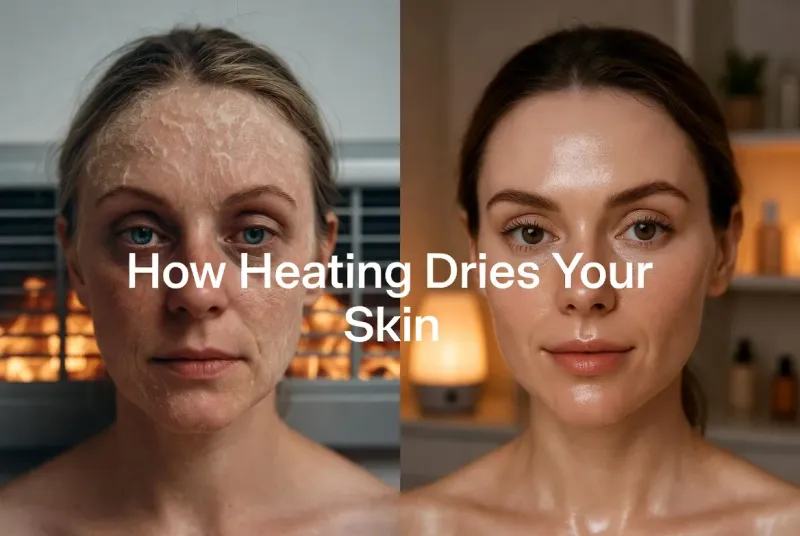
As temperatures drop and heating systems kick into high gear, many women notice an unwelcome change in their skin: increased dryness, tightness, flakiness, and a loss of that coveted healthy glow. While winter weather itself can be harsh on skin, the dry, heated air indoors often poses an even greater threat to skin hydration and barrier function. For women, whose skin is naturally thinner and more sensitive to environmental changes due to hormonal influences, the impact of indoor heating on skin dryness can be particularly pronounced.
Understanding the connection between indoor heating and female skin dryness isn't just about comfort—it's about protecting your skin's barrier function, preventing premature aging, and maintaining overall skin health during the colder months. The good news is that with the right knowledge and strategies, you can enjoy a warm, cozy home without sacrificing your skin's hydration and radiance.
This comprehensive guide explores the science behind how indoor heating systems affect female skin, identifies the specific mechanisms that lead to dryness and barrier compromise, and provides evidence-based solutions to protect, hydrate, and nourish your skin throughout the heating season. Whether you rely on central heating, radiators, forced air, or space heaters, you'll find practical, science-backed strategies to maintain healthy, hydrated skin all winter long.
The Science: How Indoor Heating Affects Skin Hydration
To effectively combat heating-related skin dryness, we must first understand the physiological mechanisms at play when skin is exposed to dry, heated indoor air.
How Heating Systems Reduce Indoor Humidity
Most heating systems—whether central forced air, radiators, baseboard heaters, or space heaters—work by warming the air in your home. However, this process has an unintended side effect: it significantly reduces relative humidity.
Relative Humidity Explained:
- Relative humidity measures the amount of water vapor in the air compared to the maximum amount the air can hold at a given temperature
- Cold outdoor air holds less moisture than warm air
- When cold, dry outdoor air is heated indoors without adding moisture, relative humidity drops dramatically
- Typical winter indoor humidity: 10-30% (vs. ideal 40-60% for skin health)
Heating System Variations:
- Forced air systems: Often create the driest conditions as air is heated and circulated rapidly
- Radiators/baseboard: Can create localized dry zones near heat sources
- Heat pumps: May maintain slightly better humidity but still reduce moisture
- Fireplaces/wood stoves: Can significantly dry indoor air while providing warmth
The Skin Barrier and Transepidermal Water Loss (TEWL)
Your skin's outermost layer, the stratum corneum, acts as a barrier that prevents excessive water loss while protecting against environmental aggressors. This barrier depends on:
- Lipid matrix: Ceramides, cholesterol, and fatty acids that "cement" skin cells together
- Natural Moisturizing Factor (NMF): Amino acids, urea, and other compounds that bind water within skin cells
- Acid mantle: Slightly acidic pH (4.5-5.5) that supports barrier function and microbial balance
When indoor humidity drops due to heating, several things happen:
1. Increased Transepidermal Water Loss (TEWL)
- Low humidity creates a steep moisture gradient between skin and air
- Water naturally moves from areas of high concentration (skin) to low concentration (dry air)
- Result: accelerated water loss from the stratum corneum
2. Barrier Lipid Disruption
- Dry conditions can alter the organization of barrier lipids
- Compromised lipid matrix allows even more water to escape
- Result: a vicious cycle of increasing dryness and barrier impairment
3. NMF Depletion
- Natural moisturizing factors can leach out more readily in low-humidity conditions
- Reduced NMF means skin cells hold less water
- Result: decreased hydration at the cellular level
Why Women's Skin May Be More Vulnerable
Several biological and hormonal factors make female skin particularly susceptible to heating-related dryness:
1. Thinner Epidermis
- Women generally have thinner skin than men (about 20-25% thinner)
- Thinner stratum corneum may be less effective at preventing water loss
- Result: potentially higher baseline TEWL and greater sensitivity to dry conditions
2. Hormonal Influences on Barrier Function
- Estrogen supports skin barrier integrity, collagen production, and hydration
- Hormonal fluctuations (menstrual cycle, pregnancy, perimenopause, menopause) can affect barrier function
- Lower estrogen levels (postpartum, perimenopause, menopause) may reduce skin's ability to retain moisture
- Result: increased vulnerability to environmental dryness during hormonal transitions
3. Sebum Production Differences
- Women typically produce less sebum (natural skin oil) than men
- Sebum helps form a protective film that reduces water loss
- Result: potentially less natural protection against dry indoor air
4. Skincare Product Use
- Women often use more skincare products, including potential irritants (fragrances, actives)
- Compromised barrier from product use may be more sensitive to dry conditions
- Result: cumulative effects of product use and environmental dryness
Visible Signs of Heating-Related Skin Dryness
Recognizing the signs of heating-induced skin dryness helps you intervene early before more significant damage occurs.
Early Warning Signs
1. Tightness or "Pulling" Sensation
- What it feels like: Skin feels tight, especially after cleansing or upon waking
- Why it happens: Rapid water loss from the stratum corneum
- When to act: Address immediately to prevent progression to visible dryness
2. Subtle Flakiness or Rough Texture
- What it looks like: Fine, powdery flakes; skin feels rough to the touch
- Why it happens: Dehydrated corneocytes (dead skin cells) don't shed properly
- When to act: Gentle exfoliation and increased hydration can reverse this stage
3. Dullness or Loss of Radiance
- What it looks like: Skin appears lackluster, "gray," or tired
- Why it happens: Dehydrated skin reflects light less evenly; dead cell buildup scatters light
- When to act: Hydration and gentle exfoliation can restore radiance
Advanced Signs of Dryness
4. Visible Flaking or Peeling
- What it looks like: Noticeable white flakes, especially around nose, eyebrows, or hairline
- Why it happens: Significant barrier impairment and cell adhesion failure
- When to act: Requires intensive barrier repair; avoid harsh exfoliation
5. Increased Sensitivity or Stinging
- What it feels like: Products that previously felt comfortable now sting or burn
- Why it happens: Compromised barrier allows greater penetration of ingredients
- When to act: Simplify routine; focus on barrier repair before reintroducing actives
6. Emphasized Fine Lines
- What it looks like: Fine lines appear more prominent, especially around eyes and mouth
- Why it happens: Dehydrated skin lacks plumpness; lines become more visible
- When to act: Intensive hydration can temporarily improve appearance; long-term barrier support prevents worsening
7. Redness or Irritation
- What it looks like: Patches of redness, especially on cheeks or around nose
- Why it happens: Barrier impairment triggers inflammatory response
- When to act: Soothing, anti-inflammatory ingredients; avoid potential irritants
Factors That Amplify Heating-Related Skin Dryness
Several factors can make heating-related skin dryness worse for women. Understanding these helps you tailor your prevention strategy.
Heating System Characteristics
Temperature Settings:
- Higher indoor temperatures increase the humidity gradient, accelerating TEWL
- Each degree above 68°F (20°C) can significantly reduce relative humidity
- Recommendation: Keep thermostat at 68°F or lower when possible; layer clothing for warmth
Air Circulation:
- Forced air systems circulate dry air rapidly across skin surface
- Direct airflow from vents can create localized dry zones
- Recommendation: Redirect vents away from face; use humidifiers in frequently used rooms
Duration of Exposure:
- Longer time spent in heated environments increases cumulative dryness
- Overnight exposure (8+ hours) can significantly impact skin hydration
- Recommendation: Use bedroom humidifier; apply richer moisturizer before bed
Personal and Lifestyle Factors
Age and Hormonal Status:
- Perimenopausal and postmenopausal women experience reduced estrogen, which affects barrier function and hydration
- Younger women may have more resilient barriers but can still experience significant dryness
- Recommendation: Adjust skincare intensity based on hormonal status; consider hormone-informed care
Skincare Routine:
- Over-cleansing, harsh exfoliants, or high concentrations of actives can compromise barrier
- Using products not formulated for dry conditions may worsen heating-related dryness
- Recommendation: Simplify routine in winter; prioritize barrier-supporting ingredients
Hydration and Nutrition:
- Inadequate water intake reduces skin's ability to maintain hydration
- Deficiencies in essential fatty acids, vitamins A, C, E, and zinc can impair barrier function
- Recommendation: Prioritize hydration and nutrient-dense foods during heating season
Occupational Exposure:
- Office workers may spend 8+ hours in climate-controlled, low-humidity environments
- Healthcare workers may experience frequent hand washing plus dry air
- Recommendation: Keep hydrating mist and barrier cream at desk; protect hands with gloves and rich moisturizer
Evidence-Based Strategies to Protect Skin from Heating-Related Dryness
Combating heating-induced skin dryness requires a multi-pronged approach that addresses environmental factors, skincare routine, and overall health.
Environmental Modifications: Control Your Indoor Climate
1. Use a Humidifier
- How it helps: Adds moisture to dry indoor air, reducing the humidity gradient that drives TEWL
- Evidence: Studies show maintaining 40-60% relative humidity supports skin barrier function and reduces dryness
- Practical tips:
- Use a cool-mist humidifier in bedroom and main living areas
- Clean regularly to prevent mold or bacterial growth
- Use distilled water to minimize mineral deposits
- Aim for 40-50% humidity (use a hygrometer to monitor)
2. Optimize Heating Settings
- How it helps: Lower temperatures reduce the humidity drop when air is heated
- Evidence: Each degree reduction in indoor temperature can improve relative humidity by 2-3%
- Practical tips:
- Set thermostat to 68°F (20°C) or lower when home
- Lower further when sleeping or away
- Use programmable thermostat for automatic adjustments
- Layer clothing rather than cranking up heat
3. Reduce Direct Airflow on Skin
- How it helps: Minimizes localized drying from forced air systems
- Evidence: Direct airflow increases evaporation rate from skin surface
- Practical tips:
- Redirect HVAC vents away from seating areas and beds
- Use vent deflectors if needed
- Avoid sitting directly in front of space heaters
- Position workspace away from direct airflow
4. Create Micro-Humidity Zones
- How it helps: Small-scale humidity boosts in personal spaces
- Practical tips:
- Place bowls of water near radiators or heat sources
- Keep houseplants that release moisture through transpiration
- Use personal desktop humidifier at workspace
- Take shorter, lukewarm showers to avoid adding to indoor dryness
Skincare Adjustments for Heated Indoor Environments
1. Gentle Cleansing
- Why it matters: Harsh cleansers strip barrier lipids, worsening dryness in low-humidity conditions
- Evidence: Studies show low-pH, non-foaming cleansers better preserve barrier function
- Practical recommendations:
- Use cream, milk, or lotion cleansers instead of foaming formulas
- Choose pH 4.5-5.5 to support acid mantle
- Cleanse once daily (evening); rinse with water only in morning if skin isn't oily
- Avoid hot water; use lukewarm to minimize lipid stripping
2. Strategic Hydration Layering
- Why it matters: Multiple lightweight hydrating layers can be more effective than one heavy product
- Evidence: Humectants draw water to skin; emollients smooth; light occlusives seal—layering addresses all three
- Practical recommendations:
- Apply hydrating toner or essence to damp skin after cleansing
- Follow with hyaluronic acid or glycerin serum
- Seal with moisturizer containing ceramides, squalane, or light oils
- For very dry skin, add 1-2 drops of facial oil as final step
3. Barrier-Repair Ingredients
- Why they matter: Strengthening the barrier reduces TEWL and improves resilience to dry conditions
- Evidence: Clinical studies show ceramides, cholesterol, and fatty acids improve barrier function and hydration
- Key ingredients to prioritize:
- Ceramides: Primary structural lipids; look for NP, AP, EOP types
- Niacinamide (4-5%): Supports barrier, reduces inflammation, improves hydration
- Panthenol (Vitamin B5): Humectant and anti-inflammatory; supports barrier repair
- Squalane: Lightweight emollient that mimics skin's natural sebum
- Centella Asiatica: Soothes irritation and supports barrier recovery
4. Strategic Use of Occlusives
- Why they matter: Occlusives create a breathable barrier that reduces TEWL without feeling heavy
- Evidence: Studies show light occlusives like dimethicone or plant waxes reduce water loss effectively
- Practical recommendations:
- Use gel-creams or light lotions with dimethicone, squalane, or plant waxes
- For very dry areas (cheeks, around eyes), apply a tiny amount of richer balm
- Avoid heavy petrolatum-based products on face unless skin is severely compromised
- Apply occlusives as final step to seal in hydration
5. Gentle, Infrequent Exfoliation
- Why it matters: Removing dead cells improves product absorption and radiance, but over-exfoliation worsens dryness
- Evidence: PHAs and low-concentration AHAs provide gentle exfoliation with hydration benefits
- Practical recommendations:
- Limit exfoliation to 1x weekly maximum during heating season
- Choose PHAs (gluconolactone) or low-concentration lactic acid (5% or less)
- Avoid physical scrubs that can micro-tear compromised barrier
- Always follow exfoliation with intensive hydration and barrier support
6. Targeted Treatments for Problem Areas
- Why they matter: Some areas (around eyes, lips, cheeks) are more prone to heating-related dryness
- Practical recommendations:
- Eyes: Use peptide or caffeine eye cream; avoid rubbing
- Lips: Apply lanolin or beeswax-based balm frequently; avoid menthol or camphor
- Cheeks: Apply richer moisturizer or facial oil to high-exposure areas
- Hands: Use rich hand cream after every wash; wear cotton gloves overnight with moisturizer
Lifestyle and Behavioral Strategies
1. Hydration from Within
- Why it matters: Adequate systemic hydration supports skin's ability to maintain moisture
- Evidence: While topical hydration is primary, systemic dehydration can exacerbate skin dryness
- Practical recommendations:
- Aim for 2-3 liters of water daily, adjusting for activity and climate
- Include hydrating foods: cucumber, watermelon, citrus, leafy greens
- Limit dehydrating beverages: excess caffeine, alcohol
- Consider electrolyte balance if sweating or in very dry conditions
2. Nutritional Support for Skin Barrier
- Why it matters: Certain nutrients are essential for barrier lipid synthesis and skin hydration
- Evidence: Research links omega-3s, vitamins A/C/E, and zinc to improved barrier function
- Key nutrients to prioritize:
- Omega-3 fatty acids: Support barrier lipids; sources: fatty fish, flaxseeds, walnuts
- Vitamin A: Supports cell turnover; sources: sweet potatoes, carrots, leafy greens
- Vitamin C: Antioxidant and collagen support; sources: citrus, berries, peppers
- Vitamin E: Antioxidant protection; sources: nuts, seeds, avocados
- Zinc: Supports barrier repair; sources: oysters, beef, pumpkin seeds
3. Sleep Optimization
- Why it matters: Skin repair and barrier recovery are most active during sleep
- Evidence: Studies show sleep deprivation impairs barrier recovery and increases TEWL
- Practical recommendations:
- Aim for 7-9 hours of quality sleep nightly
- Use a humidifier in bedroom to maintain overnight humidity
- Apply richer moisturizer or facial oil before bed
- Use silk or satin pillowcase to reduce friction and moisture loss
4. Mindful Product Application
- Why it matters: How you apply products affects their efficacy in dry conditions
- Practical recommendations:
- Apply hydrating products to damp skin to maximize water binding
- Press products gently into skin rather than rubbing vigorously
- Allow 1-2 minutes between layers for absorption
- Use fingertips (clean) rather than cotton pads to minimize product waste and friction
Product Recommendations for Heating Season
These products feature ingredients and formulations specifically beneficial for combating heating-related skin dryness.
Gentle Cleansers
- CeraVe Hydrating Facial Cleanser: Ceramides, hyaluronic acid, non-foaming, pH-balanced
- La Roche-Posay Toleriane Hydrating Gentle Cleanser: Niacinamide, ceramides, thermal water
- Vanicream Gentle Facial Cleanser: Minimalist, fragrance-free, ideal for sensitive skin
- Krave Beauty Matcha Hemp Hydrating Cleanser: Antioxidants, gentle surfactants
- Avène Extremely Gentle Cleanser Lotion: Thermal spring water, minimal ingredients
Hydrating Toners and Essences
- Klairs Supple Preparation Unscented Toner: Hyaluronic acid, beta-glucan, fragrance-free
- Hada Labo Gokujyun Premium Lotion: Multiple HA types, glycerin, deeply hydrating
- Paula's Choice Advanced Replenishing Toner: Ceramides, antioxidants, barrier-supporting
- Pyunkang Yul Essence Toner: Minimalist, milk vetch root extract, soothing
- COSRX Full Fit Propolis Synergy Toner: Propolis, honey, hydrating and soothing
Serums for Hydration and Barrier Support
- The Ordinary Hyaluronic Acid 2% + B5: Multi-weight HA, panthenol, affordable
- Stratia Liquid Gold: Ceramides, cholesterol, fatty acids in ideal ratio
- Beauty of Joseon Glow Serum: Propolis, niacinamide, hydrating and brightening
- Paula's Choice 10% Niacinamide Booster: Barrier support, oil regulation, versatile
- Vichy Mineral 89: Hyaluronic acid, mineralizing thermal water, lightweight gel
Moisturizers for Dry, Heated Environments
- CeraVe PM Facial Moisturizing Lotion: Ceramides, niacinamide, lightweight, affordable
- Illiyoon Ceramide Ato Soothing Gel: Ceramides, panthenol, soothing, gel-cream texture
- Paula's Choice Omega+ Complex Moisturizer: Ceramides, fatty acids, cholesterol, barrier-focused
- First Aid Beauty Ultra Repair Cream: Colloidal oatmeal, ceramides, soothing for sensitive skin
- Dr. Jart+ Ceramidin Cream: Five-ceramide complex, rich but not greasy
Facial Oils and Occlusives
- The Ordinary 100% Plant-Derived Squalane: Pure squalane, lightweight, non-comedogenic
- Biossance Squalane + Vitamin C Rose Oil: Squalane, vitamin C, lightweight with brightening
- Herbivore Lapis Facial Oil: Blue tansy, squalane, lightweight for sensitive/oily skin
- Jack Black Intense Therapy Lip Balm: Shea butter, vitamin E, SPF 25 for lip protection
- La Roche-Posay Cicaplast Baume B5: Panthenol, madecassoside, barrier repair for compromised areas
Humidifiers for Indoor Use
- Levoit Classic 300S Smart Ultrasonic Humidifier: App-controlled, large capacity, quiet operation
- Honeywell Cool Moisture Humidifier: Easy to clean, no filters, affordable
- Dyson Purifier Humidify+Cool: Combines air purification with humidification, premium option
- Crane Drop Shape Ultrasonic Cool Mist Humidifier: Compact, stylish, good for small spaces
- Vicks Warm Mist Humidifier: Warm mist option, medicine cup for added comfort
Creating Your Heating-Season Skincare Routine
Here's a practical framework for adapting your routine to protect skin from indoor heating dryness.
AM Routine for Heated Indoor Environments
- Gentle Rinse or Cleanser: Water rinse or gentle cleanser if skin feels oily overnight
- Hydrating Toner/Essence: Apply to damp skin; press gently to enhance absorption
- Hydrating Serum: Hyaluronic acid, glycerin, or niacinamide serum
- Barrier-Supporting Moisturizer: Gel-cream or light lotion with ceramides
- Sunscreen (non-negotiable): Even indoors, UV penetrates windows; choose lightweight, non-drying formula
- Optional: 1 drop of squalane mixed with moisturizer for extra dry days
PM Routine for Barrier Repair
- Gentle Cleanser: Remove sunscreen and daily accumulation without stripping
- Hydrating Toner/Essence: Layer 1-2 times if skin feels particularly dry
- Treatment Serum (if using): Retinoid, antioxidant, or targeted treatment; buffer with moisturizer if sensitive
- Barrier-Repair Serum: Ceramides, panthenol, or centella-focused formula
- Rich Moisturizer: Slightly richer than AM formula; focus on barrier-supporting ingredients
- Targeted Treatment: Eye cream, lip balm, or facial oil for extra-dry areas
Weekly Practices
- Gentle Exfoliation (1x weekly max): PHA or low-concentration lactic acid; follow with intensive hydration
- Hydrating Mask (1-2x weekly): Sheet mask or wash-off mask with hyaluronic acid, glycerin, or ceramides
- Facial Massage (2-3x weekly): 3-5 minutes with oil or rich serum to promote circulation and product absorption
- Humidifier Maintenance: Clean humidifier weekly to prevent mold or bacterial growth
Special Considerations by Skin Type and Life Stage
Oily or Acne-Prone Skin
Challenge: Balancing hydration needs without triggering breakouts in dry, heated air.
Adaptations:
- Use gel-based hydrators instead of heavy creams
- Focus on niacinamide for barrier support and oil regulation
- Don't skip moisturizer—dehydration can worsen oil production
- Choose non-comedogenic, oil-free formulations
- Consider adding a lightweight facial oil (squalane) only if skin feels tight
Dry or Mature Skin
Challenge: Naturally lower sebum production and thinner barrier make dryness more severe.
Adaptations:
- Layer multiple hydrating steps (toner, essence, serum)
- Use richer moisturizers with ceramides and light occlusives
- Add 1-2 drops of facial oil to moisturizer for extra seal
- Consider overnight mask or richer night cream 2-3x weekly
- Be extra gentle—mature skin has reduced repair capacity
Sensitive or Reactive Skin
Challenge: Compromised barrier is more vulnerable to dryness and irritation.
Adaptations:
- Keep routine minimal: gentle cleanser, hydrating serum, barrier moisturizer
- Choose fragrance-free, minimal-ingredient products
- Include soothing ingredients: centella, panthenol, allantoin
- Patch test all new products before full-face application
- Avoid actives (retinoids, strong acids) during peak dryness
Perimenopausal and Postmenopausal Skin
Challenge: Declining estrogen reduces barrier function, collagen, and natural hydration.
Adaptations:
- Prioritize barrier-repair ingredients: ceramides, cholesterol, fatty acids
- Include phytoestrogens (soy, red clover) in skincare if tolerated
- Consider peptide serums to support collagen production
- Be consistent with hydration—hormonal skin is less resilient
- Consult healthcare provider about hormone-informed skincare options
Common Mistakes to Avoid
Even with good intentions, certain habits can worsen heating-related skin dryness.
1. Over-Cleansing or Using Hot Water
The Mistake: Washing face multiple times daily or with hot water to "feel clean."
Why It's a Problem: Each cleansing event removes barrier lipids; hot water strips more than lukewarm.
The Fix: Cleanse once daily (PM) with gentle, lukewarm water; rinse with water only in AM if needed.
2. Skipping Moisturizer Because Skin Feels Oily
The Mistake: Assuming oily-feeling skin doesn't need moisturizer in dry conditions.
Why It's a Problem: Dehydration can trigger compensatory oil production; skipping moisturizer worsens barrier impairment.
The Fix: Use lightweight, non-comedogenic moisturizer even if skin feels oily; focus on hydration, not oiliness.
3. Over-Exfoliating to Remove Flakes
The Mistake: Using harsh scrubs or frequent acids to remove dry, flaky skin.
Why It's a Problem: Aggressive exfoliation further compromises already-impaired barrier, worsening dryness.
The Fix: Limit exfoliation to 1x weekly with gentle PHA or low-concentration lactic acid; focus on hydration and barrier repair first.
4. Using Heavy Occlusives on Compromised Skin
The Mistake: Applying thick petrolatum-based products to very dry, irritated skin.
Why It's a Problem: Heavy occlusives can trap heat and irritants against compromised skin, potentially worsening inflammation.
The Fix: Start with barrier-repair ingredients (ceramides, niacinamide); add light occlusives only if needed; avoid heavy petrolatum on face unless skin is severely compromised.
5. Ignoring Humidity Management
The Mistake: Focusing only on topical skincare while ignoring environmental dryness.
Why It's a Problem: No amount of topical product can fully compensate for extremely low humidity.
The Fix: Use a humidifier to maintain 40-50% indoor humidity; combine with topical strategies for best results.
When to Seek Professional Help
While most heating-related skin dryness can be managed with self-care, certain signs warrant professional evaluation.
Consult a Dermatologist If:
- Dryness is accompanied by severe redness, itching, or pain
- You develop eczema-like patches, oozing, or crusting
- Over-the-counter products worsen rather than improve symptoms
- Dryness persists despite consistent care for 4-6 weeks
- You suspect an underlying condition (rosacea, contact dermatitis, etc.)
Consider a Wellness or Functional Medicine Practitioner If:
- You suspect nutritional deficiencies are contributing to skin dryness
- Hormonal changes seem to be amplifying skin sensitivity
- You want personalized nutrition or lifestyle strategies for skin health
Frequently Asked Questions
How long does it take to see improvement in heating-related skin dryness?
With consistent care:
- Immediate (hours): Humidifier use or hydrating products can provide temporary relief
- Short-term (1-2 weeks): Improved hydration and reduced tightness with consistent routine
- Medium-term (4-6 weeks): Visible improvement in texture, flakiness, and radiance
- Long-term (2-3 months): Barrier repair and sustained resilience to dry conditions
Patience and consistency are key—skin barrier repair takes time.
Can I use the same skincare routine year-round?
Most people benefit from seasonal adjustments. In heating season:
- Switch to gentler cleansers and richer moisturizers
- Reduce frequency of exfoliation and potent actives
- Add barrier-supporting ingredients
- Incorporate environmental strategies (humidifier, temperature management)
Listen to your skin—if it feels tight or looks dull, it's time to adjust.
Is it normal for skin to feel different in heated rooms?
Yes. It's completely normal for skin to feel tighter, look duller, or feel more sensitive in dry, heated environments. This doesn't mean your skincare isn't working—it means your environment has changed. Adjust your routine and environment accordingly.
Can heating-related dryness cause long-term damage?
Chronic, unaddressed barrier impairment can contribute to:
- Increased sensitivity and reactivity
- Accelerated appearance of fine lines from dehydration
- Impaired wound healing and increased inflammation
However, skin is remarkably resilient. With consistent barrier support and environmental management, most heating-related dryness is reversible.
Should I avoid all actives during heating season?
Not necessarily, but be strategic:
- Reduce frequency of potent actives (retinoids, strong acids)
- Buffer actives with moisturizer to reduce irritation
- Focus on one active at a time rather than layering multiple
- Pause actives temporarily if skin becomes irritated or overly dry
The goal is balance—maintaining benefits of actives while protecting barrier health.
Conclusion: Embracing Comfort Without Compromising Skin Health
Indoor heating is a modern necessity that brings comfort and safety during cold months, but it doesn't have to come at the cost of your skin's health and radiance. By understanding the science behind how dry, heated air affects female skin—and implementing targeted strategies to protect your barrier, maintain hydration, and support overall skin health—you can enjoy a warm home while keeping your skin soft, supple, and glowing.
Remember that skin dryness from indoor heating isn't a personal failing or a sign that your skincare isn't working. It's a predictable physiological response to environmental conditions. With the right knowledge and tools, you can adapt your routine and environment to support your skin through the heating season and beyond.
Key Takeaways:
- Indoor heating reduces humidity: This creates a moisture gradient that accelerates water loss from skin, leading to dryness and barrier impairment.
- Women's skin may be more vulnerable: Thinner skin, hormonal influences, and lower sebum production can increase susceptibility to heating-related dryness.
- Environmental modifications matter: Humidifiers, temperature management, and airflow control are as important as topical skincare.
- Barrier support is foundational: Ceramides, niacinamide, and gentle care strengthen skin's resilience to dry conditions.
- Consistency beats intensity: Small, daily habits (hydration, gentle cleansing, humidifier use) yield better results than occasional intensive treatments.
- Listen to your skin: Adjust your routine based on how your skin feels, not just the calendar or trends.
Start with one change today: add a humidifier to your bedroom, switch to a gentler cleanser, or apply moisturizer to damp skin. These small acts of care, consistently practiced, can transform your skin's experience of the heating season.
Your skin deserves to feel comfortable and look radiant, regardless of the weather outside or the temperature inside. With knowledge, intention, and compassionate care, you can nurture your skin through every season.
Stay warm, stay hydrated, and let your skin glow.
📖 আরও পড়ুন: Skin Care
- 🔗 পার্লার বা লেজার ট্রিটমেন্ট পর ত্বকের জ্বালাপোড়া ও লালচে ভাব: ঘরে বসে যত্ন নেয়ার সম্পূর্ণ গাইড
- 🔗 রাতে ত্বকের যত্ন: হেলদি গ্লো পাওয়ার সম্পূর্ণ নাইট স্কিনকেয়ার গাইড
- 🔗 Maintain Balanced Skin Year Round Women Guide
- 🔗 Melasma Treatment: Clinical Approach to Prevent Relapse
- 🔗 Gentle Care Preserves Long-Term Skin Strength Guide