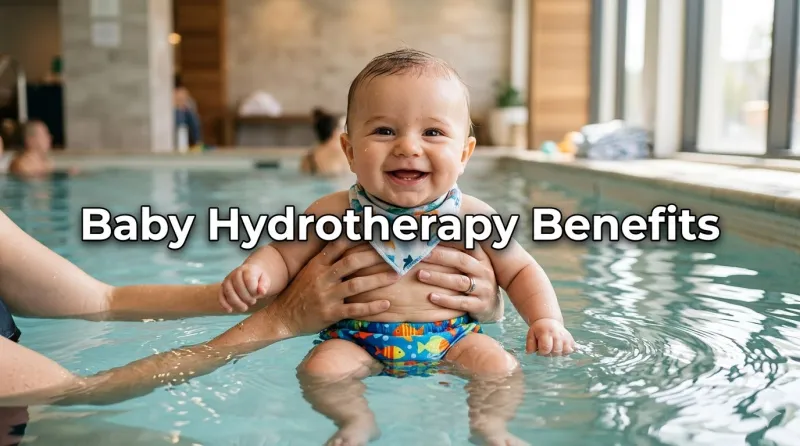
For parents seeking ways to support their infant's development, hydrotherapy and baby swimming programs have gained significant attention. The image of a smiling baby splashing in warm water, supported by a caring adult, is undeniably appealing. But beyond the adorable photos lies an important question: Is infant hydrotherapy truly beneficial, and more importantly, is it safe?
Hydrotherapy for infants—also called infant aquatic therapy, baby swimming, or infant water therapy—involves guided water-based activities designed to support physical development, sensory integration, and parent-child bonding. While these programs can offer meaningful benefits when conducted safely, they also carry risks that parents must carefully consider. The key lies in understanding the evidence, recognizing developmental readiness, and prioritizing safety above all else.
This comprehensive, evidence-based guide explores the potential benefits of hydrotherapy for infants, examines the safety considerations and risks, reviews current research and expert recommendations, and provides practical guidance for parents considering infant aquatic programs. Whether you're drawn to hydrotherapy for developmental support, water confidence building, or simply the joy of shared water play, you'll find science-backed information to help you make informed, safe decisions for your little one.
What Is Infant Hydrotherapy? Understanding the Basics
Before evaluating benefits and safety, it's essential to understand what infant hydrotherapy actually involves.
Defining Infant Hydrotherapy
Infant hydrotherapy refers to therapeutic or recreational water-based activities designed for babies, typically from birth to 24 months. It encompasses several approaches:
Therapeutic Hydrotherapy:
- Guided by physical therapists or trained specialists
- Designed to address specific developmental concerns (muscle tone, coordination, sensory processing)
- Often used for infants with medical conditions (cerebral palsy, prematurity, developmental delays)
- Conducted in warm, controlled environments with individualized attention
Recreational Baby Swimming:
- Focused on water confidence, parent-child bonding, and fun
- Typically offered through community centers, swim schools, or private instructors
- Emphasizes playful interaction rather than therapeutic goals
- May include gentle submersion exercises (controversial; see safety section)
Parent-Infant Aquatic Programs:
- Structured classes where parents participate alongside their infants
- Combine elements of therapy, recreation, and education
- Often include songs, games, and developmental activities in water
- Emphasize safety education for parents alongside infant activities
Typical Session Structure
A well-designed infant hydrotherapy session typically includes:
- Warm-up: Gentle entry into water, acclimation to temperature and environment
- Supported movement: Parent or instructor supports infant in various positions (back, front, upright)
- Play-based activities: Songs, games, and toys to engage infant and encourage movement
- Gentle exercises: Kicking, reaching, or floating exercises appropriate for developmental stage
- Cool-down: Gradual exit from water, warming, and soothing
- Duration: Typically 20-30 minutes for infants under 12 months
Essential Environmental Requirements
Safe infant hydrotherapy requires specific environmental conditions:
- Water temperature: 32-34°C (90-93°F) for infants to prevent hypothermia
- Air temperature: Slightly warmer than water to prevent chilling during exit
- Water quality: Properly chlorinated or saltwater-treated; low chemical irritation
- Hygiene protocols: Strict cleaning, diaper policies, and illness screening
- Staff qualifications: Instructors trained in infant development, water safety, and emergency response
- Ratios: Low infant-to-instructor ratios (ideally 1:1 or 2:1 for therapeutic programs)
Potential Benefits of Infant Hydrotherapy: What Does the Evidence Say?
Research on infant hydrotherapy is growing but still limited. Here's what current evidence suggests about potential benefits.
Physical Development Benefits
Motor Skill Development:
- Evidence: Water's buoyancy reduces gravity's effects, allowing infants to practice movements they may not yet manage on land
- Potential benefits: May support development of kicking, reaching, head control, and core strength
- Research status: Small studies show promising results for motor development, but larger, rigorous trials are needed
- Important note: Benefits are most pronounced when activities are developmentally appropriate and individually tailored
Muscle Tone and Strength:
- Evidence: Water resistance provides gentle strengthening without joint stress
- Potential benefits: May support infants with low muscle tone (hypotonia) or developmental delays
- Research status: Clinical observations support benefits for specific populations; general infant population data limited
Sensory Integration:
- Evidence: Water provides unique sensory input (temperature, pressure, movement) that may support sensory processing
- Potential benefits: May help infants who are over- or under-responsive to sensory input
- Research status: Anecdotal reports and small studies suggest benefits; more research needed
Psychological and Emotional Benefits
Parent-Infant Bonding:
- Evidence: Skin-to-skin contact, eye contact, and shared playful experiences in water can strengthen attachment
- Potential benefits: Enhanced bonding, reduced parental stress, increased infant security
- Research status: Well-established that responsive, playful interaction supports attachment; water-based interaction is one modality
Water Confidence and Safety Awareness:
- Evidence: Early, positive water experiences may reduce fear and build comfort in aquatic environments
- Potential benefits: May support later swimming skill acquisition and water safety awareness
- Important caveat: Early water exposure does NOT make infants "drown-proof"; supervision is always essential
- Research status: Limited evidence on long-term impact of infant swimming on later water safety; supervision remains critical
Stress Reduction and Relaxation:
- Evidence: Warm water can have calming effects; gentle movement may reduce infant stress
- Potential benefits: May support infants who are fussy, colicky, or have difficulty settling
- Research status: Anecdotal reports support calming effects; controlled studies limited
Benefits for Specific Populations
Infants with Developmental Delays or Disabilities:
- Evidence: Hydrotherapy is well-established in pediatric rehabilitation for children with cerebral palsy, prematurity, or neuromuscular conditions
- Potential benefits: May support motor development, reduce spasticity, improve range of motion, and enhance participation in therapy
- Research status: Stronger evidence base for therapeutic use in specific clinical populations than for general infant population
- Key requirement: Should be guided by qualified pediatric physical or occupational therapists
Premature Infants:
- Evidence: Some NICUs use hydrotherapy as part of developmental care for preterm infants
- Potential benefits: May support neuromotor development and sensory integration in medically stable preterm infants
- Important note: Should only be conducted under medical supervision with strict protocols
Safety Considerations: Essential Guidelines for Infant Hydrotherapy
While benefits are promising, safety must be the paramount concern. Infant hydrotherapy carries real risks that require careful management.
Critical Safety Risks
1. Drowning and Near-Drowning
- Risk: Infants cannot swim or save themselves; drowning can occur in seconds, silently, and in shallow water
- Key facts:
- Drowning is a leading cause of injury-related death in children 1-4 years
- Infants under 12 months are at particular risk due to limited head control and inability to self-rescue
- Most infant drownings occur during lapses in supervision, even brief ones
- Prevention:
- Constant, touch-distance supervision by a responsible adult (not just watching from poolside)
- Never rely on "swim lessons" to make an infant water-safe
- Avoid programs that promote infant submersion or "drown-proofing" techniques
2. Water Temperature and Hypothermia
- Risk: Infants lose body heat 4x faster than adults; cold water can cause hypothermia even in brief exposure
- Key facts:
- Infants have limited ability to regulate body temperature
- Hypothermia can occur even in water that feels comfortable to adults
- Signs include shivering, pale or blue-tinged skin, lethargy, or unusual fussiness
- Prevention:
- Maintain water temperature at 32-34°C (90-93°F) for infants under 12 months
- Limit session duration to 20-30 minutes for young infants
- Monitor infant for signs of chilling; exit water immediately if concerned
- Wrap infant in warm towel immediately upon exit
3. Water Quality and Infection Risk
- Risk: Infants are more susceptible to waterborne illnesses; improper pool maintenance can expose them to bacteria, viruses, or chemical irritation
- Key facts:
- Infants may swallow pool water, increasing exposure to contaminants
- Diaper accidents can contaminate pools with fecal bacteria (e.g., Cryptosporidium)
- Chlorine byproducts can irritate infant skin, eyes, and respiratory system
- Prevention:
- Choose facilities with strict hygiene protocols and proper water treatment
- Use swim diapers designed for pool use (note: these reduce but don't eliminate contamination risk)
- Shower infant before and after pool use
- Avoid pools if infant has diarrhea, open wounds, or active infection
4. Submersion and Breath-Holding Risks
- Risk: Intentional submersion or breath-holding exercises can be dangerous for infants
- Key facts:
- Infants have a diving reflex that can cause breath-holding, but this is not reliable or safe to depend on
- Forced submersion can cause water aspiration, panic, or psychological distress
- Some programs promote "infant self-rescue" techniques involving submersion; these are controversial and not endorsed by major pediatric organizations
- Prevention:
- Avoid any program that submerges infants or teaches breath-holding as a "skill"
- Ensure infant's face remains above water at all times unless under very specific, medically-supervised therapeutic protocols
- Never force an infant underwater or encourage breath-holding
5. Chemical Exposure and Skin Irritation
- Risk: Chlorine and other pool chemicals can irritate infant skin, eyes, and respiratory system
- Key facts:
- Infant skin is thinner and more permeable than adult skin
- Chlorine byproducts (chloramines) can cause respiratory irritation, especially in enclosed facilities
- Some infants may develop contact dermatitis or eczema flares from pool chemicals
- Prevention:
- Rinse infant with fresh water before and after pool use
- Apply gentle, fragrance-free moisturizer after swimming if skin is dry
- Choose facilities with good ventilation and proper chemical balance
- Consider saltwater pools if infant has sensitive skin (note: saltwater pools still use chlorine)
Age and Developmental Readiness
General Age Guidelines:
- 0-6 months: Most pediatric organizations do not recommend formal swim lessons; focus on parent-infant bonding in water with extreme caution
- 6-12 months: May begin gentle, parent-participation water play if infant shows readiness (good head control, enjoys water)
- 12-24 months: May begin structured parent-infant swim classes focused on water confidence and safety skills
- Important: Readiness varies by individual infant; consult pediatrician before starting any program
Developmental Readiness Signs:
- Good head and neck control
- Enjoys bath time and water play
- Comfortable with being held by others besides parents
- Not overly fearful of new environments
- Medically stable with no contraindications (see below)
Medical Contraindications: When to Avoid Hydrotherapy
Consult your pediatrician before starting hydrotherapy if your infant has:
- Recent illness: Fever, diarrhea, respiratory infection, or ear infection
- Skin conditions: Open wounds, active eczema, or contagious skin conditions
- Cardiac or respiratory conditions: Congenital heart disease, asthma, or other conditions affecting breathing
- Neurological concerns: Seizure disorder, significant developmental delay without therapeutic supervision
- Immunocompromised status: Due to medical condition or treatment
- Ear concerns: Recent ear tubes or frequent ear infections (discuss water exposure with ENT)
Choosing a Safe Infant Hydrotherapy Program: Essential Criteria
If you decide to pursue infant hydrotherapy, selecting a safe, high-quality program is critical.
Questions to Ask Before Enrolling
Instructor Qualifications:
- Are instructors certified in infant/child water safety AND infant development?
- Do they have training in infant CPR and emergency response?
- For therapeutic programs: Are sessions led by licensed pediatric physical or occupational therapists?
Safety Protocols:
- What is the infant-to-instructor ratio? (Ideal: 1:1 or 2:1 for therapeutic; 3:1 max for recreational)
- Is constant, touch-distance supervision required? (Answer should be yes)
- What is the policy on infant submersion or breath-holding exercises? (Answer should be: not performed)
- What emergency equipment and protocols are in place?
Environmental Standards:
- What is the water temperature? (Should be 32-34°C / 90-93°F for infants under 12 months)
- How is water quality monitored and maintained?
- What are the hygiene policies (diapers, illness screening, cleaning protocols)?
- Is the facility well-ventilated to reduce chemical exposure?
Program Philosophy:
- Is the focus on infant-led, playful interaction rather than skill achievement?
- Does the program emphasize parent education and involvement?
- Are activities developmentally appropriate and individually adapted?
- Does the program align with guidelines from pediatric organizations (AAP, WHO, etc.)?
Red Flags to Avoid
- Programs that promise to make infants "drown-proof" or teach "self-rescue" through submersion
- Instructors who encourage or force infant submersion or breath-holding
- Large class sizes with minimal supervision
- Facilities that cannot verify water temperature, quality, or hygiene protocols
- Programs that pressure parents to enroll infants before they show developmental readiness
- Instructors without appropriate certifications in infant development and water safety
Practical Tips for Safe Infant Hydrotherapy at Home or in Programs
Whether participating in a formal program or enjoying water play at home, these tips support safety and enjoyment.
Before the Session
- Consult your pediatrician: Discuss your infant's readiness and any health considerations
- Feed timing: Avoid feeding immediately before water activity (wait 30-60 minutes) to reduce spit-up risk, but don't let infant become hungry or fussy
- Diaper strategy: Use a swim diaper designed for pool use; change immediately before entering water
- Prepare supplies: Bring warm towels, change of clothes, gentle moisturizer, and infant-safe sunscreen if outdoors
- Check infant's health: Skip the session if infant has fever, diarrhea, rash, or seems unwell
During the Session
- Stay within touch distance: Always keep infant within arm's reach; never rely on flotation devices for safety
- Keep face above water: Avoid submersion; keep infant's face clear of water at all times
- Watch for cues: Exit water immediately if infant shows signs of chilling, distress, or fatigue
- Follow infant's lead: Let infant set the pace; don't force activities or positions
- Limit duration: Keep sessions to 20-30 minutes for infants under 12 months
- Stay engaged: Maintain eye contact, talk, sing, and smile to support bonding and reduce anxiety
After the Session
- Rinse immediately: Use fresh, warm water to rinse off pool chemicals
- Warm and dry: Wrap infant in warm towel immediately; dry thoroughly, especially skin folds
- Moisturize: Apply gentle, fragrance-free moisturizer if skin seems dry
- Monitor: Watch for signs of irritation, rash, or illness in the hours after swimming
- Hydrate: Offer breast milk, formula, or water (if age-appropriate) to rehydrate
What Major Health Organizations Say About Infant Swimming
Understanding official guidelines helps inform your decision.
American Academy of Pediatrics (AAP)
Key Recommendations (2023 Policy Statement):
- Formal swim lessons are not recommended for children under 1 year due to lack of evidence for drowning prevention and developmental readiness concerns
- Parent-child water play classes may be enjoyable and promote bonding but should not be viewed as drowning prevention
- If parents choose to enroll infants in water programs, programs should:
- Emphasize parent education and involvement
- Avoid submersion or breath-holding techniques
- Be taught by instructors trained in infant development and water safety
- Maintain appropriate water temperature and hygiene standards
- Regardless of swim lesson participation, constant, touch-distance supervision is essential whenever infants are near water
World Health Organization (WHO) and UNICEF
Key Guidance:
- Emphasize that water safety education should be age-appropriate and developmentally informed
- Support parent-infant water activities that promote bonding and positive water experiences
- Stress that no amount of swim training replaces the need for constant supervision and environmental safety measures (pool fencing, etc.)
International Lifesaving Federation
Key Position:
- Supports parent-infant water programs that focus on water familiarization and safety education for parents
- Opposes programs that claim to teach infants to "self-rescue" through submersion techniques
- Emphasizes that water safety is a layered approach: supervision, barriers, education, and emergency response
Maximizing Benefits While Minimizing Risks: A Balanced Approach
You can enjoy the potential benefits of infant hydrotherapy while prioritizing safety by adopting a balanced, informed approach.
Focus on Bonding, Not Achievement
- Frame water time as playful bonding rather than skill-building
- Celebrate your infant's enjoyment and comfort, not "progress" in swimming skills
- Remember: The goal is positive water experiences, not early swimming proficiency
Prioritize Safety Over "Tradition" or Pressure
- Don't feel pressured to enroll because "everyone is doing it" or because of marketing claims
- Trust your instincts: If a program feels unsafe or pushes boundaries, it's okay to walk away
- Remember: No swim program replaces constant supervision and environmental safety measures
Integrate Hydrotherapy into a Holistic Developmental Approach
- View hydrotherapy as one potential component of infant development, not a standalone solution
- Combine water play with other developmentally supportive activities (tummy time, reading, outdoor play)
- Focus on overall infant wellbeing, not just aquatic skills
Stay Informed and Adaptable
- Keep up with evolving research and guidelines on infant water safety
- Be willing to adjust or discontinue hydrotherapy if your infant shows discomfort or if safety concerns arise
- Reassess readiness regularly as your infant grows and develops
Frequently Asked Questions
At what age can babies start hydrotherapy or swimming?
There's no universal "right" age, as readiness depends on individual development. General guidance:
- 0-6 months: Formal lessons not recommended; gentle parent-infant water play may be appropriate with extreme caution and pediatrician approval
- 6-12 months: May begin parent-participation water confidence classes if infant shows readiness (good head control, enjoys water)
- 12+ months: May begin more structured parent-infant swim classes focused on safety and water comfort
Always consult your pediatrician before starting any aquatic program, and prioritize programs that follow AAP guidelines.
Can hydrotherapy help my infant learn to swim faster?
Early water exposure may build comfort and familiarity, but research does not show that infant hydrotherapy accelerates independent swimming skill acquisition. Most children develop swimming proficiency between ages 4-6, regardless of early water exposure. Focus on positive experiences and safety education rather than early skill achievement.
Is it safe to submerge my infant during hydrotherapy?
Intentional submersion of infants is not recommended by major pediatric and safety organizations. While infants have a diving reflex that can cause breath-holding, this reflex is not reliable or safe to depend on. Submersion carries risks of water aspiration, panic, and psychological distress. Safe infant hydrotherapy keeps the infant's face above water at all times.
How do I know if my infant is ready for hydrotherapy?
Signs of readiness may include:
- Good head and neck control
- Enjoys bath time and shows positive responses to water
- Comfortable being held by caregivers other than parents
- Not overly fearful of new environments or sensations
- Medically stable with no contraindications
However, readiness is individual. Consult your pediatrician and observe your infant's cues during initial water exposure.
Can hydrotherapy help with infant colic or sleep issues?
Some parents report that warm water activities help soothe fussy infants or support sleep, possibly due to the calming effects of warm water and gentle movement. However, research specifically linking infant hydrotherapy to colic relief or sleep improvement is limited. If you try hydrotherapy for these purposes, monitor your infant's response and discontinue if it causes distress. Always address persistent colic or sleep concerns with your pediatrician.
What if my infant cries or seems fearful during hydrotherapy?
Infant distress during water activities is a clear signal to pause or stop. Strategies:
- Exit the water calmly and comfort your infant
- Try again another day, starting with very brief, gentle exposure
- Never force an infant to stay in water if they're distressed
- Consider whether the program, instructor, or timing might be contributing to distress
- Remember: Positive, pressure-free experiences are more valuable than "pushing through" discomfort
Conclusion: Informed, Safe, and Joyful Water Experiences for Infants
Hydrotherapy and baby swimming can offer meaningful benefits for infants—from supporting physical development and sensory integration to strengthening parent-child bonds and building positive water associations. However, these benefits are only realized when safety is prioritized above all else.
The evidence is clear: infant hydrotherapy is not a substitute for constant supervision, environmental safety measures, or developmental readiness. It is not a drowning prevention strategy, and no amount of early water exposure makes an infant "water-safe." The most valuable outcome of infant aquatic programs is not swimming skill, but joyful, secure experiences that lay a foundation for lifelong water confidence.
Key Takeaways:
- Safety first: Constant, touch-distance supervision is non-negotiable; no program replaces parental vigilance.
- Developmental readiness matters: Wait until your infant shows signs of readiness; consult your pediatrician before starting any program.
- Choose programs wisely: Select programs that follow AAP guidelines, avoid submersion, and prioritize infant-led, playful interaction.
- Focus on bonding, not achievement: Celebrate positive water experiences rather than skill milestones.
- Monitor and adapt: Watch your infant's cues; be willing to pause or discontinue if concerns arise.
- Layer safety measures: Hydrotherapy is one component of water safety; pool fencing, supervision, and emergency preparedness are equally essential.
If you choose to explore infant hydrotherapy, do so with eyes wide open: informed by evidence, guided by safety, and centered on your infant's wellbeing. When approached thoughtfully, water play can be a joyful, developmentally supportive experience that you and your baby share. But remember: the most important skill your infant learns in the water isn't swimming—it's trust. Trust in you, trust in their own comfort, and trust that their safety is always your highest priority.
Consult your pediatrician, choose programs carefully, and let your infant's cues guide the way. With patience, caution, and joy, you can create positive water experiences that support your baby's development—and your bond—for years to come.