Introduction: When Your Hair Tells the Story Your Mind Can't
You've noticed it in the mirror: your once-silky, manageable hair now feels rough, frizzy, or lifeless. You've changed shampoos, tried new conditioners, even adjusted your washing routine—but the problem persists. What if the root cause isn't in your bathroom cabinet, but in your daily life? What if the stress you've been carrying is quietly rewriting the story of your strands?
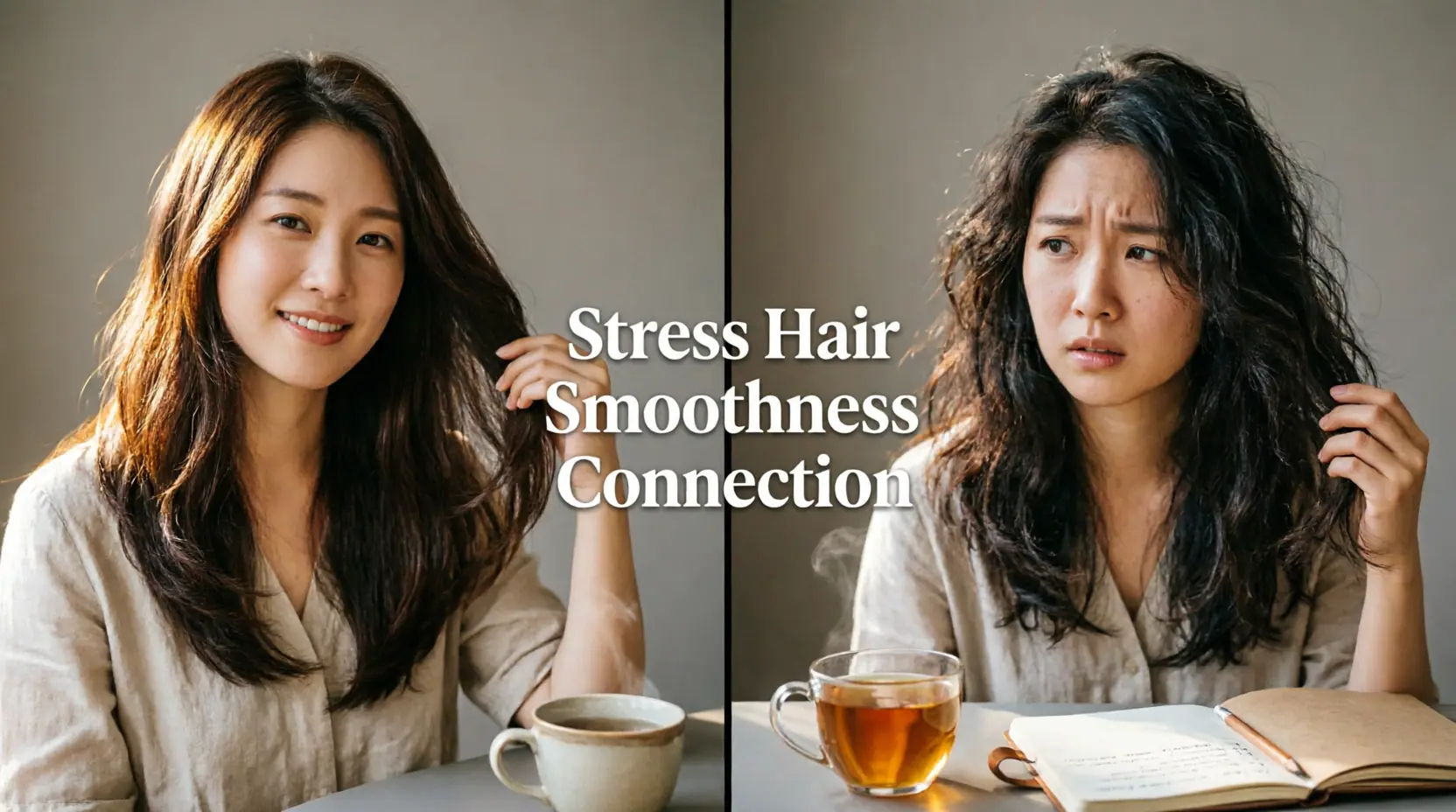
Hair smoothness isn't just about products or genetics. It's a visible reflection of your internal state—a mirror of your mind. When lifestyle stress accumulates, it doesn't just affect your mood or energy; it manifests physically in your hair's texture, shine, and manageability. This connection isn't anecdotal; it's biological, well-documented, and deeply personal.
Understanding how stress impacts hair smoothness empowers you to address the root cause, not just the symptom. This comprehensive guide explores the science behind stress-induced hair changes, identifies the specific signs to watch for, and provides evidence-based strategies to protect and restore your hair's natural smoothness—even during challenging times. Because truly healthy hair starts with a healthy, balanced life.
The Science: How Stress Biologically Disrupts Hair Smoothness
Stress isn't just a feeling—it's a physiological cascade that directly impacts hair structure and function. Understanding these mechanisms helps you intervene strategically.
Cortisol: The Stress Hormone That Reshapes Hair
When you experience chronic stress, your body produces elevated levels of cortisol. This hormone affects hair through multiple pathways:
- Disrupts growth cycles: Cortisol can push hair follicles prematurely into the telogen (resting) phase, leading to increased shedding and thinner regrowth
- Impairs protein synthesis: Hair is 90% keratin; cortisol interferes with the amino acids needed for strong, smooth strands
- Reduces sebum quality: Natural oils become less emollient, providing less conditioning and shine
- Increases inflammation: Triggers scalp irritation that disrupts follicle health and hair texture
Result: Hair grows back finer, rougher, and less resilient—directly impacting smoothness.
Oxidative Stress and Hair Damage
Chronic stress generates free radicals that cause oxidative damage to hair:
- Cuticle erosion: The outer protective layer becomes roughened, increasing friction and frizz
- Protein degradation: Keratin structure weakens, leading to breakage and uneven texture
- Moisture loss: Damaged cuticles can't retain hydration, causing dryness and dullness
- Pigment changes: Oxidative stress may accelerate graying, which often has a coarser texture
This cumulative damage manifests as loss of smoothness, increased tangling, and reduced shine.
Blood Flow and Nutrient Delivery
Stress triggers vasoconstriction (narrowing of blood vessels), reducing circulation to the scalp:
- Follicles receive fewer oxygen and nutrients needed for healthy growth
- Waste products accumulate, creating an inflammatory environment
- Hair growth slows, and new strands may emerge weaker and rougher
Poor scalp circulation is a hidden contributor to texture changes that many overlook.
The Gut-Hair Axis: Stress, Digestion, and Hair Health
Emerging research reveals a powerful connection between gut health and hair:
- Stress disrupts gut microbiome balance, impairing nutrient absorption
- Key hair nutrients (biotin, zinc, iron, B vitamins) become less available
- Inflammation from gut dysbiosis can trigger systemic inflammation affecting hair follicles
What happens in your digestive system directly influences the quality of your hair growth.
Featured Snippet: Stress affects hair smoothness biologically through: elevated cortisol (disrupts growth cycles, impairs protein synthesis), oxidative damage (erodes cuticles, degrades keratin), reduced scalp circulation (limits nutrient delivery), and gut-hair axis disruption (impairs nutrient absorption). These mechanisms cause rougher texture, increased frizz, and loss of shine.
Visible Signs: How Stress Shows Up in Your Hair
Recognizing stress-related hair changes helps you address them before they worsen.
Increased Frizz and Flyaways
What you notice: Hair appears unruly, with strands sticking out despite styling efforts.
Why it happens: Stress-induced cuticle damage creates rough surfaces that catch light unevenly and resist smoothing; dehydration from cortisol reduces hair's ability to maintain smooth alignment.
Key indicator: Frizz persists even with anti-frizz products and proper humidity control.
Loss of Shine and Luster
What you notice: Hair looks dull, flat, or "lifeless" regardless of products used.
Why it happens: Damaged cuticles scatter light instead of reflecting it smoothly; reduced sebum quality diminishes natural gloss; oxidative stress degrades hair's light-reflecting properties.
Distinction: Unlike product buildup (which can be clarified away), stress-related dullness requires internal and external intervention.
Increased Tangling and Breakage
What you notice: Hair knots more easily, snaps during brushing, or feels weaker overall.
Why it happens: Weakened protein structure reduces elasticity; roughened cuticles increase friction between strands; slower growth means older, more damaged hair comprises a larger percentage of your mane.
Warning sign: More hair in your brush or shower drain than usual.
Texture Changes: Coarse, Dry, or Brittle Feel
What you notice: Hair feels rougher to the touch, lacks softness, or breaks easily.
Why it happens: Cortisol reduces natural oil production and quality; oxidative damage compromises the hair shaft; nutrient deficiencies from stress impair keratin formation.
Important note: These changes often affect new growth first, appearing at the roots before traveling down the strand.
Slower Growth and Thinning Appearance
What you notice: Hair doesn't grow as long; overall volume seems reduced.
Why it happens: Stress shortens the anagen (growth) phase; increased shedding means fewer active follicles; regrowth may be finer and less visible.
Timeline: Stress-related shedding typically appears 2-3 months after the stressful event, making the connection easy to miss.
The Stress-Hair Cycle: A Vicious Loop
Perhaps the most challenging aspect is how hair changes can worsen stress:
- Stress triggers hair texture changes
- Visible hair concerns cause distress about appearance
- Appearance-related stress elevates cortisol further
- Worsened hair reinforces feelings of frustration or inadequacy
Breaking this cycle requires addressing both the emotional and physical aspects with compassion and strategy.
Featured Snippet: Stress-related hair signs include: increased frizz (cuticle damage), loss of shine (light scattering), more tangling/breakage (weakened protein), coarse/dry texture (reduced oils, nutrient issues), and slower growth/thinning (shortened growth phase). These changes can create a vicious cycle where hair concerns worsen stress. Recognizing the pattern is the first step to breaking it.
Identifying If Stress Is Affecting Your Hair Smoothness
Not every hair change stems from stress. These questions help you assess whether lifestyle stress may be playing a role:
Hair-Specific Indicators
- Has your hair become frizzier despite using the same products and techniques?
- Does your hair look dull even after deep conditioning treatments?
- Are you experiencing more breakage or shedding during brushing or styling?
- Does your hair feel rougher or less manageable than it did 3-6 months ago?
- Have texture changes coincided with periods of high stress, poor sleep, or major life changes?
Lifestyle and Emotional Clues
- Do you feel chronically overwhelmed, anxious, or emotionally drained?
- Has your sleep quality declined (trouble falling asleep, waking frequently, non-restorative rest)?
- Are you relying on caffeine, alcohol, or other substances to cope with daily demands?
- Have you noticed changes in appetite, digestion, or energy levels alongside hair changes?
- Do you struggle to maintain self-care routines, including hair care, during stressful periods?
A Simple Self-Assessment
Rate these statements on a scale of 1 (never) to 5 (always):
- "I feel stressed or overwhelmed most days"
- "My hair feels rougher or less smooth than it used to"
- "I notice more frizz or flyaways despite styling efforts"
- "My hair lacks shine or looks dull"
- "I'm experiencing more breakage or shedding"
If you score 4 or 5 on three or more items, stress may be influencing your hair health. Consider discussing these patterns with a healthcare provider or trichologist.
Featured Snippet: Signs stress affects hair smoothness: increased frizz despite products, persistent dullness after conditioning, more breakage/shedding, rougher texture, changes coinciding with stressful periods. Lifestyle clues include chronic overwhelm, poor sleep, reliance on coping substances, and neglected self-care. A simple self-assessment can help identify stress-hair connections.
Protecting Hair Smoothness During Stressful Times: A Dual Approach
When stress is unavoidable, protecting your hair requires addressing both internal and external factors. This evidence-based protocol supports hair smoothness from the inside out.
Internal Strategies: Calming the Stress Response
Prioritize Sleep Quality
Why it matters: Hair repair and growth peak during deep sleep; poor sleep elevates cortisol and impairs follicle function.
Action steps:
- Aim for 7-9 hours nightly; consistency matters more than perfection
- Create a wind-down routine: dim lights, no screens 1 hour before bed, gentle stretching
- Keep bedroom cool, dark, and quiet; consider white noise if needed
- Use a silk or satin pillowcase to reduce friction and breakage while sleeping
Practice Micro-Stress Reduction
Why it matters: Even brief stress-reduction practices lower cortisol and inflammation that affect hair.
Accessible techniques:
- Box breathing: Inhale 4 seconds, hold 4, exhale 4, hold 4—repeat for 2 minutes
- Gratitude journaling: Write 3 things you're thankful for each night
- Nature exposure: 10 minutes outside lowers cortisol and improves mood
- Progressive muscle relaxation: Tense and release muscle groups to release physical tension
Key insight: Consistency matters more than duration. Five minutes daily is more beneficial than one hour weekly.
Nourish with Hair-Supportive Nutrition
Why it matters: Stress depletes nutrients essential for smooth, strong hair.
Focus on:
- Protein: 0.8-1g per kg body weight daily for keratin production (eggs, fish, legumes, Greek yogurt)
- Omega-3 fatty acids: Reduce inflammation and support scalp health (fatty fish, flaxseeds, walnuts)
- Biotin and B vitamins: Support keratin synthesis (eggs, almonds, whole grains, avocados)
- Iron and zinc: Essential for hair growth cycle and oil gland function (red meat, spinach, pumpkin seeds)
- Vitamin C and E: Antioxidants that combat oxidative stress on hair (citrus, berries, nuts, seeds)
Hydration: Aim for 8-10 glasses of water daily; dehydrated body = dehydrated hair.
Manage Inflammation
Why it matters: Chronic inflammation disrupts follicle function and damages hair structure.
Strategies:
- Limit pro-inflammatory foods: excess sugar, processed foods, trans fats
- Increase anti-inflammatory foods: turmeric, ginger, green tea, colorful vegetables
- Consider omega-3 supplementation if dietary intake is low
- Practice gentle movement (walking, yoga) to reduce inflammatory markers
External Strategies: Gentle Hair Care During Stress
Simplify Your Routine
Why it matters: Stress reduces decision-making capacity; complex routines add cognitive load and potential for damage.
How to apply:
- Reduce to essential products: gentle shampoo, hydrating conditioner, leave-in treatment, heat protectant
- Pause non-essential treatments (strong clarifiers, frequent coloring) until stress levels improve
- Choose multi-tasking products (conditioner with UV protection, leave-in with heat defense)
Prioritize Moisture and Protection
Why it matters: Stress-compromised hair is more vulnerable to damage; proactive protection preserves smoothness.
Key practices:
- Deep condition weekly: Use a hydrating mask to restore moisture and smooth cuticles
- Use leave-in treatments: Provide ongoing protection against environmental stressors
- Apply heat protectant: Always before using hot tools; lower temperature settings (below 350°F/180°C)
- Limit washing frequency: Preserve natural oils that smooth and protect hair
Handle Hair Gently
Why it matters: Stressed hair is more fragile; gentle handling prevents breakage that worsens texture.
Techniques:
- Use a wide-tooth comb on wet hair, starting from ends and working upward
- Avoid tight hairstyles that create tension and breakage
- Pat hair dry with a microfiber towel or cotton t-shirt instead of rubbing
- Sleep on silk/satin pillowcases to reduce friction overnight
Protect from Environmental Stressors
Why it matters: Stress-weakened hair is more susceptible to environmental damage.
Protection strategies:
- Wear hats or use UV-protective hair products in strong sun
- Rinse hair after swimming in chlorinated or salt water
- Use anti-pollution hair products or rinse thoroughly after exposure to urban environments
- Consider a humidifier in dry indoor environments to maintain hair moisture
Featured Snippet: Protect hair smoothness during stress with dual approach: Internally—prioritize sleep, practice micro-stress reduction, nourish with protein/omega-3s/B vitamins, manage inflammation. Externally—simplify routine, prioritize moisture/protection, handle hair gently, shield from environmental stressors. Consistency in both areas yields best results for smooth, healthy hair.
Targeted Products and Ingredients for Stress-Affected Hair
When stress impacts hair smoothness, choosing the right products can make a significant difference. Focus on ingredients that address stress-related damage.
Ingredients That Restore Smoothness
Humectants for Hydration
What they do: Attract and retain moisture in the hair shaft.
Best options:
- Hyaluronic acid: Holds 1000x its weight in water; lightweight hydration
- Glycerin: Classic humectant that smooths cuticles
- Panthenol (Pro-Vitamin B5): Penetrates hair shaft to strengthen and hydrate
Application tip: Apply to damp hair to maximize moisture retention; seal with a light oil or serum.
Ceramides and Lipids for Cuticle Repair
What they do: Replenish the lipids that smooth and protect the hair cuticle.
Best options:
- Ceramides: Fill gaps in damaged cuticles for smoother surface
- Squalane: Biocompatible oil that smooths without weighing hair down
- Argan oil: Rich in vitamin E and fatty acids for shine and manageability
Application tip: Focus on mid-lengths and ends where damage accumulates; avoid scalp if prone to oiliness.
Proteins for Strength and Elasticity
What they do: Reinforce hair's protein structure to prevent breakage and improve texture.
Best options:
- Hydrolyzed keratin: Small proteins that penetrate and strengthen hair
- Silk amino acids: Lightweight proteins that smooth cuticles
- Wheat or soy protein: Provide structure without heaviness
Important: Use protein treatments monthly or as needed; overuse can cause brittleness. Balance with moisture.
Antioxidants for Oxidative Protection
What they do: Neutralize free radicals that damage hair structure and smoothness.
Best options:
- Vitamin E: Protects hair lipids from oxidative damage
- Green tea extract: Reduces inflammation and protects against environmental stress
- Resveratrol: Powerful antioxidant that supports hair health
Application tip: Look for leave-in products with antioxidants for ongoing protection throughout the day.
Scalp-Soothing Ingredients
What they do: Calm inflammation that disrupts follicle health and hair growth.
Best options:
- Tea tree oil (diluted): Anti-inflammatory and antimicrobial
- Aloe vera: Soothes irritation and provides lightweight hydration
- Peppermint oil (diluted): Stimulates circulation and calms scalp
Application tip: Use scalp treatments 1-2x weekly; massage gently to boost circulation without irritation.
Product Selection Guidelines
- For frizz: Look for smoothing serums with silicones (dimethicone) or natural alternatives (argan oil)
- For dullness: Choose clarifying shampoo monthly + shine-enhancing conditioners with light-reflecting particles
- For breakage: Use protein treatments monthly + leave-in conditioners with strengthening ingredients
- For dryness: Prioritize hydrating masks, leave-in treatments, and oils that seal moisture
- For sensitivity: Choose fragrance-free, sulfate-free formulas with soothing ingredients
Featured Snippet: Target stress-affected hair with: humectants (hyaluronic acid, glycerin) for hydration; ceramides and lipids (squalane, argan oil) for cuticle repair; proteins (keratin, silk amino acids) for strength; antioxidants (vitamin E, green tea) for protection; scalp-soothers (tea tree, aloe) for inflammation. Match products to your specific concerns for optimal smoothness restoration.
Lifestyle Integration: Making Hair Care Sustainable During Stress
The most effective strategies are those you can maintain consistently, even during challenging times. These practical tips help integrate hair-protective habits into a stressful life.
Create a "Stress-Proof" Hair Routine
Why it works: Simplifying reduces decision fatigue and ensures consistency.
Sample minimal routine:
- Morning: Rinse hair, apply leave-in conditioner with UV protection, style gently
- Evening: Detangle with wide-tooth comb, apply light oil to ends, protect with silk pillowcase
- Weekly: One deep conditioning treatment; one scalp massage session
Key principle: Consistency with a simple routine beats perfection with a complex one.
Build Micro-Habits That Support Hair Health
Why it works: Small actions compound into significant protection without overwhelming your schedule.
Examples:
- Keep a travel-sized leave-in conditioner in your bag for midday refresh
- Set a phone reminder to drink water hourly (hydration supports hair)
- Keep a silk scrunchie at your desk to avoid tight, damaging hairstyles
- Practice 2 minutes of deep breathing while applying hair products (dual benefit)
Design Your Environment for Hair Protection
Why it works: Your surroundings influence choices more than willpower.
Practical adjustments:
- Bathroom: Keep essential hair products visible and accessible; store styling tools with heat protectant nearby
- Workspace: Keep a hair tie and mini brush for quick touch-ups; avoid tight ponytails during long work sessions
- Bedroom: Use silk pillowcase; keep overnight hair treatment within reach
- Bag: Pack travel-sized protectants for on-the-go care
Practice Self-Compassion With Your Hair
Why it matters: Stress about hair appearance can worsen the very stress affecting your hair.
How to apply:
- Accept that hair may not look "perfect" during stressful periods—and that's okay
- Focus on health over appearance: strong, protected hair will regain smoothness with time
- Celebrate small wins: less breakage, improved manageability, consistent care
- Talk to yourself kindly: "My hair is responding to stress; I'm doing my best to care for it"
Featured Snippet: Make hair care sustainable during stress: create a minimal routine (rinse, leave-in, weekly treatment); build micro-habits (water reminders, silk scrunchies); design environment for protection (visible products, silk pillowcase); practice self-compassion (health over perfection). Consistency with kindness yields better results than perfectionism under pressure.
When to Seek Professional Help
While lifestyle adjustments help many people, professional guidance is essential if:
- Hair changes are sudden, severe, or accompanied by scalp pain, redness, or sores
- Shedding exceeds 100 strands daily for more than 2-3 months
- Texture changes persist despite 3-6 months of consistent, gentle care
- Stress feels unmanageable or is accompanied by anxiety, depression, or burnout symptoms
- You suspect underlying conditions (thyroid issues, hormonal imbalances, nutritional deficiencies)
Who to Consult
- Dermatologist or trichologist: For hair and scalp evaluation, medical treatments, or to rule out conditions like alopecia
- Mental health professional: For stress, anxiety, or burnout management strategies
- Registered dietitian: For personalized nutrition support to address potential deficiencies
- Primary care provider: For comprehensive health assessment and referrals
Seeking help isn't a sign of weakness—it's an act of self-respect and proactive care.
Frequently Asked Questions (FAQs)
Can stress really change my hair texture permanently?
Stress-induced texture changes are often reversible with consistent care and stress management. However, prolonged severe stress can accelerate age-related changes. The key is addressing stress early and supporting hair health proactively. Most women see improvement in smoothness within 3-6 months of reducing stress and optimizing care.
How long before I see improvement in hair smoothness after reducing stress?
Initial changes (reduced frizz, improved shine) may appear in 4-8 weeks. More significant texture improvements typically take 3-6 months of consistent care. Remember: hair grows about 1/2 inch per month, so new, healthier growth takes time to become visible. Patience and consistency are essential.
Should I stop coloring or chemically treating my hair during stressful periods?
If possible, yes. Chemical processes add stress to already vulnerable hair. If you choose to continue, space treatments farther apart, use gentler formulas, and intensify conditioning care. Consult a professional colorist experienced with stressed or damaged hair for personalized advice.
Can supplements help with stress-related hair issues?
Supplements can support hair health if you have deficiencies, but they're not a substitute for stress management or balanced nutrition. Get tested before supplementing, especially with iron, vitamin D, or B12. A high-quality multivitamin may provide insurance, but targeted supplementation based on test results is more effective.
Is it normal to shed more hair during stressful times?
Yes. Stress can trigger telogen effluvium, where more hairs than usual enter the shedding phase. This typically appears 2-3 months after the stressful event and resolves within 6-9 months once stress is managed. If shedding is severe or persistent, consult a dermatologist to rule out other causes.
Can I prevent stress from affecting my hair?
While you can't eliminate all stress, you can build resilience through: consistent sleep, stress-reduction practices, balanced nutrition, gentle hair care, and proactive protection. These habits create a buffer that minimizes stress's impact on hair smoothness. Prevention focuses on overall wellness, not just hair-specific actions.
Conclusion: Your Hair as a Compass, Not a Critic
Your hair isn't judging you—it's informing you. When smoothness fades, frizz increases, or shine dims, these changes aren't failures; they're signals. They're your body's way of saying, "I need support." Listening to these signals with compassion, not criticism, is the first step toward restoration.
Healing stress-affected hair isn't about perfection or expensive products. It's about consistent, gentle care that honors both your strands and your spirit. Simplify your routine. Nourish your body. Practice moments of calm. Protect your hair with intention. And above all, be kind to yourself in the process.
Remember: hair grows in cycles, and so does healing. Some days your hair will feel resilient; other days, it may need extra grace. Both are valid. Both are part of the journey.
You've carried so much. It's okay to set down the weight, even for a moment. Your hair—and your whole self—deserve that kindness.
Start where you are. Use what you have. Do what you can. One gentle breath, one nourishing choice, one moment of self-compassion at a time. Your hair will follow.