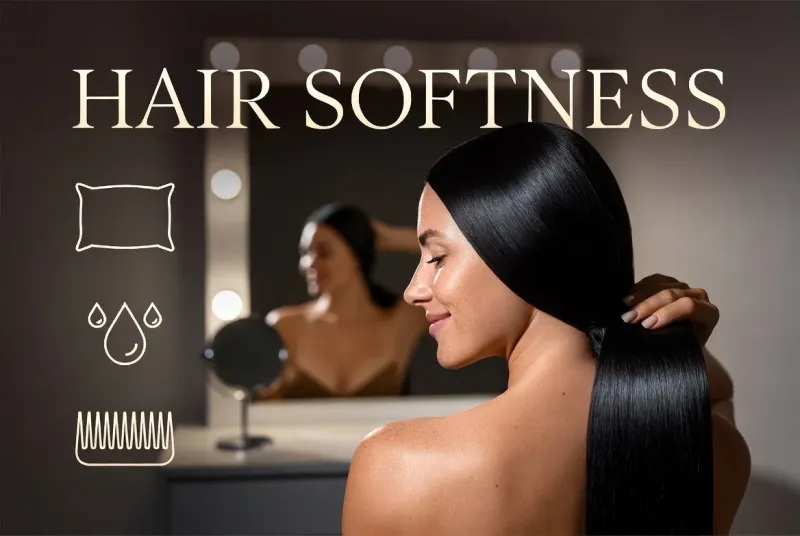
Your hair's softness isn't just determined by the products you use or your genetics. The truth is, your daily habits, those small, seemingly insignificant choices you make every single day, are quietly shaping the texture and feel of your hair. From the way you sleep to what you eat, from your shower routine to how you manage stress, countless everyday behaviors are either nurturing your hair toward silky softness or slowly stripping it away.
Most people focus on expensive hair masks, serums, and salon treatments in their quest for softer hair, while overlooking the powerful impact of their daily routines. You might be using the best conditioning products on the market, but if you're washing your hair with scalding hot water, sleeping on a cotton pillowcase, or constantly skipping meals, you're working against your own goals without even realizing it.
This comprehensive guide reveals the hidden ways your daily habits influence hair softness, helping you identify which behaviors are sabotaging your efforts and which small changes can transform your hair's texture. Understanding these connections empowers you to make informed choices that support naturally soft, smooth, healthy hair from the inside out.
The Foundation of Hair Softness
To understand how daily habits affect hair softness, we must first understand what makes hair feel soft in the first place. Hair softness is determined by the condition of the cuticle, the outermost layer of the hair shaft. When cuticles lie flat and smooth, hair feels soft, looks shiny, and is easy to manage. When cuticles are raised, damaged, or rough, hair feels coarse, looks dull, and becomes difficult to style.
The cuticle's condition is influenced by both internal and external factors. Internally, your body's production of natural oils (sebum), your nutritional status, hydration levels, and hormonal balance all play crucial roles. Externally, environmental exposure, mechanical stress from styling, chemical treatments, and your hair care routine determine how much damage your hair sustains and how well it can maintain its smooth texture.
Daily habits bridge these internal and external factors. The choices you make each day either support your body's natural ability to produce healthy, soft hair or create obstacles that prevent it. Unlike occasional treatments or products, daily habits have a cumulative effect, building up over weeks and months to create noticeable changes in your hair's texture.
The Role of Natural Oils
Your scalp naturally produces sebum, an oily substance that coats hair strands, providing moisture, protection, and that coveted soft feel. This natural conditioning system is remarkably effective when allowed to function properly. However, many daily habits interfere with sebum production and distribution.
Over-washing strips away these beneficial oils, leaving hair dry and rough. Conversely, not washing enough allows product buildup and excess oil to accumulate at the scalp while the lengths remain dry. Finding the right balance through mindful washing habits is essential for maintaining natural softness.
Moisture Balance and Hair Texture
Soft hair requires proper moisture balance, not too dry, not too greasy. Your daily hydration habits, both internal (drinking water) and external (hair care products), directly impact this balance. Dehydrated hair becomes brittle and rough, while well-hydrated hair maintains flexibility and softness.
Environmental factors like humidity, temperature, and sun exposure also affect moisture levels. Daily habits like using heat styling tools without protection, skipping leave-in conditioners, or exposing hair to harsh weather without protection can tip the balance toward dryness and roughness.
Nutritional Habits and Hair Texture
What you eat every day has a profound impact on your hair's softness. Hair is primarily made of protein, and it requires specific nutrients to maintain its structure, moisture content, and overall health. Poor nutritional habits can lead to hair that feels dry, brittle, and rough, no matter how much conditioner you apply.
Protein Intake and Hair Structure
Since hair is composed mainly of keratin, a structural protein, inadequate protein intake directly affects hair quality. When your diet lacks sufficient protein, your body prioritizes essential functions over hair health, resulting in hair that grows in weaker and less smooth.
Daily habits like skipping breakfast, following extreme low-protein diets, or relying heavily on processed foods can lead to protein deficiency. Aim to include protein-rich foods like eggs, fish, lean meats, legumes, nuts, and Greek yogurt in your daily meals. Even small improvements in daily protein intake can noticeably improve hair texture over time.
Essential Fatty Acids for Softness
Omega-3 and omega-6 fatty acids are crucial for maintaining the lipid layer that coats hair shafts and contributes to softness. These healthy fats support sebum production and help maintain hair's moisture balance. When your diet lacks essential fatty acids, hair becomes dry, dull, and rough.
Daily habits like avoiding all fats, following very low-fat diets, or not consuming enough omega-3 rich foods contribute to fatty acid deficiency. Include fatty fish like salmon, walnuts, flaxseeds, chia seeds, and avocados in your regular diet. Even small daily servings can improve hair softness within a few months.
Vitamins and Minerals
Several vitamins and minerals play crucial roles in hair softness:
- Vitamin A: Supports sebum production; deficiency leads to dry, rough hair
- B vitamins (especially Biotin): Support keratin production and overall hair health
- Vitamin C: Essential for collagen production and iron absorption
- Vitamin E: Powerful antioxidant that protects hair from oxidative damage
- Iron: Deficiency causes dry, brittle hair even without hair loss
- Zinc: Supports protein synthesis and cell division for healthy hair
Daily habits like eating a varied, nutrient-rich diet versus relying on processed foods make a significant difference in whether your hair receives these essential nutrients consistently.
Hydration Habits
Water intake directly affects hair moisture levels. When you're chronically dehydrated, your body prioritizes vital organs over hair, resulting in dry, rough strands. Daily habits like replacing water with sugary drinks, caffeine, or alcohol can contribute to dehydration.
Aim to drink at least 8-10 glasses of water daily, adjusting for activity level and climate. Carry a water bottle, set reminders, or flavor water with fruit if plain water feels boring. Consistent hydration supports not just hair softness but overall health and skin quality too.
Washing and Conditioning Routines
How you wash and condition your hair daily (or several times weekly) has perhaps the most direct impact on softness. Small adjustments to your washing routine can dramatically improve how soft your hair feels.
Water Temperature Matters
One of the most common habits that damage hair softness is washing with water that's too hot. Hot water strips away natural oils, opens the cuticle excessively, and leaves hair dry and rough. While hot water feels luxurious and creates more lather, it's one of the worst habits for hair softness.
Instead, wash your hair with lukewarm water and finish with a cool water rinse. Cool water helps seal the cuticle, locking in moisture and creating a smoother surface that feels softer and reflects light better. This simple habit change costs nothing but can transform your hair's texture.
Washing Frequency
How often you wash your hair significantly affects softness. Daily washing strips away natural oils before they can condition your hair, leading to dryness and roughness. However, washing too infrequently allows product buildup and excess oil to accumulate, which can also affect texture.
Most hair types benefit from washing 2-3 times per week. If you have oily hair, you might need to wash more frequently, but try using a gentle, sulfate-free shampoo. If your hair is dry or damaged, extend time between washes and use dry shampoo strategically. Listen to your hair and adjust frequency based on how it feels and looks.
Shampoo Application Technique
How you apply shampoo matters as much as the product itself. A common mistake is piling hair on top of your head and scrubbing vigorously, which creates tangles and damages the cuticle. Instead, apply shampoo primarily to your scalp where oil and buildup accumulate, then let the suds run through the lengths as you rinse.
Gently massage your scalp with your fingertips (not nails) in circular motions to cleanse without causing damage. This technique effectively removes dirt and oil while preserving the condition of your hair lengths, maintaining softness.
Conditioning Habits
Conditioner is essential for soft hair, but how you use it affects results. Apply conditioner mainly to mid-lengths and ends, avoiding the scalp where it can cause greasiness. Use a wide-tooth comb to distribute conditioner evenly while your hair is saturated, then leave it on for at least 2-3 minutes before rinsing.
Many people rinse conditioner out immediately, not giving it time to work. This habit wastes product and prevents you from experiencing maximum softness. Set a timer or use conditioning time to wash your body, then rinse thoroughly with cool water.
Deep Conditioning Consistency
Regular deep conditioning treatments provide intensive moisture and repair that regular conditioner can't match. However, many people skip this step or do it inconsistently. Make deep conditioning a weekly habit, applying a rich mask or treatment and leaving it on for 15-30 minutes.
For enhanced results, apply deep conditioner to damp hair, cover with a shower cap, and apply gentle heat using a warm towel or hooded dryer. Heat helps the treatment penetrate deeper, maximizing softness benefits.
Styling and Drying Practices
How you dry and style your hair daily has enormous impact on softness. Heat styling, rough towel drying, and aggressive brushing can all damage the cuticle and create rough, frizzy texture.
Towel Drying Techniques
Roughly rubbing wet hair with a regular bath towel is one of the most damaging daily habits. Wet hair is at its most vulnerable, and the friction from rough towels lifts and damages the cuticle, creating frizz and roughness.
Instead, gently squeeze excess water from your hair, then wrap it in a microfiber towel or soft cotton t-shirt. These materials create less friction and absorb water effectively without damaging the cuticle. Leave the wrap on for 10-15 minutes to absorb moisture, then air dry or style gently.
Heat Styling Habits
Regular use of hot tools like blow dryers, flat irons, and curling wands can severely damage hair softness. High heat boils moisture inside the hair shaft, creates bubbles in the cuticle, and leaves hair dry and brittle. Yet many people use these tools daily without protection.
If you must use heat styling, always apply a heat protectant product first. Use the lowest effective temperature, ideally below 350°F (180°C). Give your hair regular heat-free days to recover. Consider air drying or heatless styling methods like braids or rollers to give your hair breaks from heat damage.
Blow Drying Technique
How you blow dry affects softness as much as whether you use heat. Blasting hair with high heat from close range causes damage and frizz. Instead, use a medium heat setting, keep the dryer moving, and maintain at least 6 inches distance from your hair.
Use a concentrator nozzle to direct airflow down the hair shaft, which helps smooth the cuticle. Finish with a cool shot to seal the cuticle and lock in shine. Don't over-dry; stop when hair is about 90% dry and let it air dry the rest of the way.
Brushing and Detangling
Aggressive brushing, especially when hair is wet, is a common habit that damages softness. Wet hair stretches and breaks more easily, and yanking through tangles damages the cuticle and causes breakage.
Always detangle gently, starting from the ends and working up gradually. Use a wide-tooth comb or brush designed for wet hair. Apply a leave-in conditioner or detangling spray to slippery hair before brushing. Never brush soaking wet hair; wait until it's damp or mostly dry.
Sleep Habits and Hair Protection
How you sleep affects your hair's softness more than you might realize. You spend roughly one-third of your life sleeping, which means your hair experiences hours of friction and stress each night. Poor sleep habits can undo all the care you give your hair during the day.
Pillowcase Material
Sleeping on cotton pillowcases creates significant friction that roughens the cuticle and causes breakage. Cotton absorbs moisture from your hair, leaving it dry and brittle. Over time, this nightly damage accumulates, making hair progressively rougher.
Switch to a silk or satin pillowcase to dramatically reduce friction and moisture loss. These smooth materials allow hair to glide across the surface without catching or tangling. Many people notice softer, smoother hair within weeks of making this simple change.
Sleeping Hairstyles
How you arrange your hair for bed affects morning softness. Sleeping with hair loose allows it to tangle and摩擦 throughout the night, creating knots and breakage. Tight hairstyles like high ponytails or buns create stress and breakage at the hairline.
Instead, loosely braid your hair or gather it in a loose, low ponytail using a silk scrunchie. For shorter hair, simply arrange it gently on your pillow. These protective styles minimize friction and tangling while you sleep, preserving softness.
Nighttime Hair Care
Applying a small amount of leave-in conditioner or hair oil before bed can provide overnight nourishment. Focus on the ends where hair is oldest and most damaged. This habit allows products to work uninterrupted for hours, maximizing their softening effects.
For extra dry or damaged hair, try the "pineapple" method: gather hair loosely at the top of your head in a very loose ponytail to prevent flattening and friction while maintaining volume and softness.
Environmental Protection Habits
Daily environmental exposure significantly impacts hair softness. Sun, wind, pollution, and chlorine all damage the cuticle and strip moisture. Protective habits shield your hair from these stressors.
Sun Protection
UV radiation damages hair proteins and degrades the lipids that coat hair shafts, leading to dryness and roughness. Unlike skin, hair can't repair itself from sun damage, so the effects are cumulative. Daily sun exposure without protection gradually robs hair of softness.
Wear a hat or use hair products with UV filters when spending extended time outdoors. Leave-in conditioners with SPF provide convenient protection. If you swim outdoors, wet hair with clean water and apply conditioner before entering the water to create a protective barrier.
Chlorine and Salt Water
Regular swimming in chlorinated pools or salt water can severely damage hair softness. Chlorine strips natural oils and proteins, while salt water dehydrates hair and roughens the cuticle. Without protection, frequent swimming leaves hair dry, brittle, and rough.
Always wet hair with clean water and apply conditioner before swimming to reduce chemical absorption. Wear a swim cap when possible. After swimming, rinse immediately and use a clarifying shampoo followed by deep conditioning to remove chlorine or salt and restore moisture.
Pollution Protection
Air pollution deposits particles on hair that penetrate the cuticle and cause oxidative stress, leading to dullness and roughness. Urban environments expose hair to heavy metals, particulate matter, and other pollutants daily.
Wash hair regularly to remove pollutants, use antioxidant-rich hair products, and consider wearing hair up or covered in heavily polluted areas. Clarifying treatments once weekly help remove buildup that regular washing misses.
Stress Management and Hair Health
Chronic stress affects hair softness through multiple pathways. Stress hormones disrupt sebum production, impair nutrient absorption, and can trigger inflammatory responses that affect hair health. Daily stress management habits support softer, healthier hair.
Cortisol and Hair Quality
Elevated cortisol from chronic stress can reduce sebum production, leaving hair dry and rough. Stress also affects sleep quality, and poor sleep further impacts hair health. Additionally, stress often leads to poor nutritional choices and neglect of hair care routines.
Daily stress management through meditation, exercise, adequate sleep, and relaxation techniques helps maintain hormonal balance and supports healthy hair. Even 10-15 minutes of daily meditation can reduce cortisol levels and improve overall hair quality.
Stress-Related Hair Habits
Stress often triggers damaging hair habits like excessive heat styling, neglecting conditioning, or even compulsive hair touching and pulling. These behaviors compound stress's physiological effects on hair.
Develop awareness of stress-related hair habits and create alternative coping strategies. Keep a soft-bristle brush handy for stress relief instead of touching hair constantly. Maintain your hair care routine even during stressful periods, as consistency supports hair health.
Lifestyle Factors Affecting Softness
Beyond specific hair care habits, broader lifestyle choices influence hair softness. Exercise, smoking, alcohol consumption, and sleep quality all play roles in determining how soft your hair feels.
Exercise and Circulation
Regular physical activity improves blood circulation, delivering oxygen and nutrients to hair follicles. Better circulation supports healthier hair growth and natural oil production, contributing to softness.
However, intense exercise without proper hair care can cause damage. Sweat contains salt that can dry hair, and tight hairstyles during workouts cause breakage. Wash hair after intense exercise, or at least rinse thoroughly. Wear hair in loose, protective styles during workouts.
Smoking and Hair Quality
Smoking damages hair softness through multiple mechanisms. It reduces blood circulation to hair follicles, depletes vitamin C (essential for collagen), and exposes hair to thousands of toxic chemicals. Smokers often have drier, rougher hair with premature graying.
Quitting smoking improves circulation and nutrient delivery to hair, often resulting in softer, healthier hair within months. If you smoke, this is one of the most impactful changes you can make for hair health.
Alcohol Consumption
Excessive alcohol consumption dehydrates the body and depletes B vitamins essential for hair health. Dehydrated hair feels dry and rough, while nutrient deficiencies affect hair quality. Alcohol also disrupts sleep, further impacting hair health.
Moderate alcohol consumption and adequate water intake help minimize these effects. If you drink regularly, increase water intake and ensure adequate nutrition to support hair health.
Frequently Asked Questions
How long does it take for daily habit changes to improve hair softness?
You may notice some improvements in hair softness within 2-4 weeks of implementing better daily habits, particularly changes to washing routines, conditioning practices, and heat styling. However, significant transformation typically takes 2-3 months, as this is how long it takes for new, healthier hair to grow and for existing hair to recover from damage. Consistency is crucial, sporadic good habits won't create lasting change. The older, damaged portions of your hair won't fully repair, but preventing further damage while nurturing new growth creates progressive improvement over time.
Can I have soft hair without using expensive products?
Absolutely! While quality products help, daily habits have far more impact on hair softness than product price tags. Simple changes like washing with cool water, reducing heat styling, sleeping on a silk pillowcase, staying hydrated, and eating nutritious foods cost little or nothing but dramatically improve softness. Many people achieve beautiful, soft hair using affordable products combined with excellent daily habits. Focus on consistency and technique rather than expensive products.
Why is my hair still rough despite using good conditioner?
If your hair remains rough despite regular conditioning, examine your daily habits. You might be washing with water that's too hot, using heat styling without protection, towel-drying roughly, not leaving conditioner on long enough, or not deep conditioning regularly. Environmental factors like sun exposure, chlorine, or hard water can also override conditioning benefits. Additionally, nutritional deficiencies, dehydration, or stress can prevent hair from responding to topical treatments. Address these underlying habits alongside your conditioning routine for best results.
Does diet really affect hair softness that much?
Yes, diet significantly affects hair softness because hair is built from the nutrients you consume. Protein deficiency creates weak, rough hair. Lack of essential fatty acids leads to dryness. Vitamin and mineral deficiencies affect sebum production and hair structure. You can apply all the conditioner in the world, but if your body lacks the building blocks for healthy hair, results will be limited. Think of hair care as working from both inside and outside, nutrition provides the foundation while topical products provide surface conditioning.
Can over-washing make hair rough?
Yes, over-washing is one of the most common habits that cause rough hair. Daily washing, especially with harsh sulfates, strips away natural oils that keep hair soft and moisturized. Without these oils, hair becomes dry, brittle, and rough. The scalp may overcompensate by producing more oil, but this oil doesn't distribute evenly along the hair shaft. Most hair types benefit from washing 2-3 times weekly. If you must wash daily, use a gentle, sulfate-free shampoo and always follow with conditioner.
Conclusion
Your hair's softness is a reflection of your daily habits, not just your hair care products. From the moment you wake up to when you go to bed, countless small choices either nurture your hair toward silky smoothness or gradually strip it away. The good news is that you have the power to change these habits and transform your hair's texture.
Start by identifying which habits are working against your goals. Are you washing with water that's too hot? Skipping conditioner? Roughly towel-drying? Sleeping on cotton pillowcases? Neglecting nutrition? Once you recognize these patterns, you can make targeted changes that create real improvement.
Remember that transformation takes time and consistency. Don't expect overnight results, but do expect progressive improvement as healthier habits compound over weeks and months. Be patient with yourself and your hair, celebrate small victories, and focus on building sustainable routines rather than perfection.
Soft, smooth, healthy hair is absolutely achievable through mindful daily habits. You don't need expensive treatments or miracle products, just consistent care, gentle handling, proper nutrition, and protection from damage. Your hair will reward these efforts with the softness and vitality you desire.
📖 আরও পড়ুন: Hair Care
- 🔗 Why Hair Needs Moisture Balance and Not Just Oils
- 🔗 প্রাকৃতিক চুলের যত্ন: ঘন, কালো ও ঝলমলে চুল পাওয়ার ঘরোয়া সমাধান
- 🔗 ৩০-এর পর চুলের টেক্সচার: হারানো জেল্লা ফিরে পাওয়ার সম্পূর্ণ গাইড
- 🔗 Curly Hair Care Guide 2026: Products, Techniques and Tips
- 🔗 Scalp SOS: How to Soothe Irritation and Achieve a Healthier Scalp