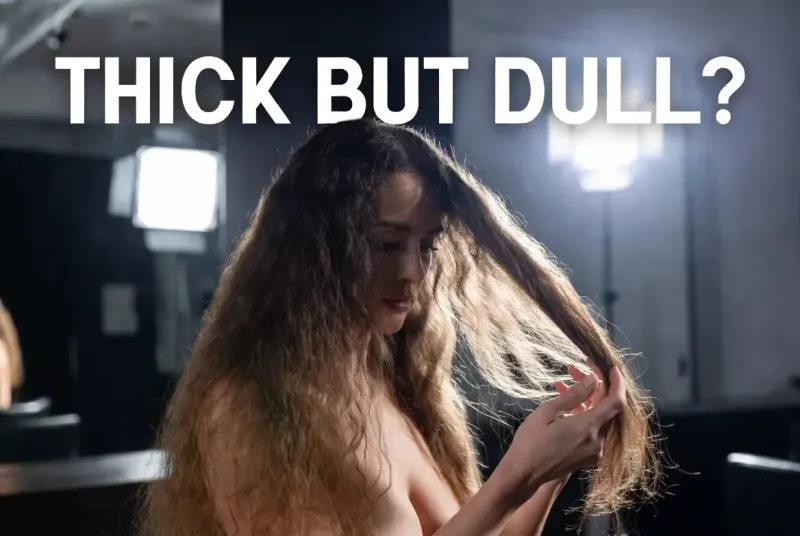
Have you ever noticed that your hair looks dull and lifeless, lacking that natural glossy sheen it once had, yet you're not experiencing any noticeable hair fall? This frustrating phenomenon is more common than you might think, and it can be just as concerning as actual hair loss. Understanding why some women lose hair shine without experiencing hair fall is essential for restoring your locks to their former glory.
Hair shine is one of the most visible indicators of hair health. That natural luster comes from smooth, flat cuticles that reflect light beautifully. When your hair loses its shine, it's sending you a message about its condition, even if the strands themselves aren't falling out. This comprehensive guide will explore the various reasons behind shine loss and help you understand what's really happening to your hair.
The good news is that dull hair without hair fall is often reversible with the right approach. By identifying the underlying causes and making targeted changes to your hair care routine, lifestyle, and diet, you can restore that coveted glossy appearance. Let's dive deep into the science of hair shine and discover why it disappears even when your hair density remains intact.
Understanding Hair Shine and Light Reflection
To understand why hair loses its shine, you first need to understand what creates that glossy appearance in the first place. Hair shine is all about light reflection, and the key player in this process is the hair cuticle, the outermost layer of your hair shaft.
Each strand of hair is composed of three layers: the medulla (innermost), the cortex (middle), and the cuticle (outermost). The cuticle consists of overlapping scales, much like shingles on a roof. When these scales lie flat and smooth, they create a reflective surface that bounces light back, creating that desirable shine. However, when the cuticles are raised, damaged, or rough, light scatters in different directions instead of reflecting uniformly, resulting in dull, lackluster hair.
This is why you can have thick, dense hair with no visible fall but still struggle with dullness. The issue isn't with hair quantity but with hair quality, specifically the condition of the cuticle layer. Even if you're not losing strands, damage to the cuticle surface can rob your hair of its natural luster.
The Role of Natural Oils
Sebum, the natural oil produced by your scalp, plays a crucial role in hair shine. These oils coat the hair shaft, smoothing the cuticles and adding a natural glossy finish. When sebum production is balanced and distributes evenly along the hair shaft, it enhances shine and protects the hair from environmental damage.
However, several factors can disrupt this natural oil distribution. Over-washing strips away these beneficial oils, leaving hair dry and dull. Conversely, product buildup can prevent natural oils from coating the hair shaft properly. Even if your scalp produces adequate sebum, it may not be reaching the lengths of your hair where it's needed most.
Hair Porosity and Shine
Hair porosity refers to your hair's ability to absorb and retain moisture, and it's directly related to cuticle condition. Low porosity hair has tightly bound cuticles that resist moisture absorption but reflect light well, often appearing shiny. High porosity hair has raised or damaged cuticles that absorb moisture easily but lose it just as quickly, typically appearing dull and frizzy.
You can develop high porosity over time through chemical treatments, heat styling, and environmental damage, even without experiencing hair fall. This change in porosity affects how light interacts with your hair, reducing shine while maintaining hair density.
Cuticle Damage Without Hair Loss
One of the primary reasons for shine loss without hair fall is cuticle damage. The cuticle layer can become compromised through various means, creating a rough, uneven surface that scatters light instead of reflecting it smoothly.
Mechanical Damage
Everyday styling habits can cause significant cuticle damage without necessarily causing hair to fall out. Brushing wet hair, using rough towels to dry your hair, tight hairstyles that create friction, and sleeping on cotton pillowcases all contribute to cuticle lifting and damage.
When you brush your hair aggressively, especially when it's wet and most vulnerable, you physically lift and tear the cuticle scales. This doesn't always cause the hair to break off or fall out immediately, but it creates a rough surface that appears dull. Over time, this cumulative damage becomes increasingly visible as your hair loses its reflective quality.
Chemical Damage
Chemical treatments like coloring, bleaching, perming, and relaxing are notorious for damaging the cuticle layer. These processes work by opening the cuticle to allow chemicals to penetrate the hair shaft, but they often leave the cuticle permanently raised or damaged.
Even if you're not experiencing breakage or hair fall from these treatments, the cuticle damage they cause significantly reduces shine. Bleaching is particularly damaging because it strips away melanin and lipids that contribute to hair's natural luster. The result is hair that may still be thick and full but appears dry, rough, and dull.
Heat Styling Damage
Regular use of hot tools like flat irons, curling wands, and blow dryers can cause what's known as "bubble hair," where moisture inside the hair shaft boils and creates microscopic bubbles that damage the cuticle. This type of damage doesn't always cause immediate breakage, but it creates a rough, uneven surface that scatters light.
Heat styling above 350°F (180°C) can cause the cuticle scales to lift and crack. Even if you use heat protectant products, frequent high-heat styling accumulates damage over time. Your hair may maintain its length and density, but the surface becomes increasingly rough and dull-looking.
Nutritional Deficiencies Affecting Hair Shine
Your hair's appearance is a direct reflection of your nutritional status. While severe nutritional deficiencies can cause hair fall, milder deficiencies often manifest as dull, lackluster hair without noticeable shedding.
Protein Deficiency
Hair is primarily composed of a protein called keratin. When your diet lacks adequate protein, your body prioritizes essential functions over hair health, resulting in hair that grows in weaker and less shiny. The cuticle layer may not form properly, creating a rough surface that doesn't reflect light well.
You don't need to be severely protein-deficient to experience this effect. Even marginal protein intake can affect hair quality, particularly if you're physically active or under stress. The hair may continue to grow and stay on your head, but it lacks the smooth, glossy appearance of well-nourished hair.
Essential Fatty Acids
Omega-3 and omega-6 fatty acids are crucial for maintaining the lipid layer that coats the hair shaft and contributes to shine. These healthy fats support sebum production and help maintain the hair's moisture balance. When your diet is deficient in essential fatty acids, your hair can become dry, brittle, and dull.
Sources of omega-3 fatty acids include fatty fish like salmon, mackerel, and sardines, as well as flaxseeds, chia seeds, and walnuts. Women who follow very low-fat diets or don't consume enough of these foods often notice their hair losing its natural luster, even without experiencing hair fall.
Vitamin Deficiencies
Several vitamins play crucial roles in hair shine:
- Vitamin A: Supports sebum production; deficiency leads to dry, dull hair
- B vitamins (especially Biotin): Support keratin production; deficiency causes lackluster hair
- Vitamin C: Essential for collagen production and iron absorption; deficiency affects hair texture
- Vitamin D: Supports hair follicle health; low levels linked to dull hair
- Vitamin E: Powerful antioxidant that protects hair from oxidative stress
Mild deficiencies in these vitamins may not cause hair fall but can significantly impact shine and overall hair quality.
Mineral Deficiencies
Minerals like iron, zinc, and selenium are essential for healthy hair. Iron deficiency, even without anemia, can cause hair to become dull and brittle. Zinc plays a crucial role in protein synthesis and cell division, affecting hair quality. Selenium deficiency can lead to dry, lackluster hair.
These mineral deficiencies often develop gradually and may not cause immediate hair fall, but they definitely affect how your hair looks and feels. The hair continues to grow but lacks vitality and shine.
Environmental Factors and Hair Dullness
Your hair is constantly exposed to environmental stressors that can damage the cuticle and reduce shine without causing hair fall. These factors accumulate over time, gradually robbing your hair of its luster.
Sun Exposure
UV radiation from the sun damages hair proteins and degrades the lipids that coat the hair shaft, leading to dryness and dullness. Unlike skin, hair can't repair itself from sun damage, so the effects are cumulative. UV rays break down keratin proteins and melanin, causing the cuticle to become rough and lifted.
This photo-damage doesn't necessarily cause hair to fall out, but it significantly reduces shine and makes hair appear dry and lifeless. Women who spend a lot of time in the sun without protecting their hair often notice progressive dullness, especially in the outer layers most exposed to sunlight.
Pollution and Hard Water
Air pollution deposits particles on your hair that can penetrate the cuticle and cause oxidative stress, leading to dullness. Heavy metals, particulate matter, and other pollutants build up on the hair shaft, creating a film that blocks light reflection.
Hard water, which contains high levels of minerals like calcium and magnesium, is particularly damaging to hair shine. These minerals build up on the hair shaft, creating a coating that makes hair feel rough and look dull. Hard water also prevents shampoos from lathering properly, making it harder to cleanse hair effectively.
Women living in areas with hard water often notice their hair becoming progressively duller, even with regular washing. The mineral buildup creates a barrier that prevents natural oils from coating the hair shaft and blocks light reflection.
Chlorine and Salt Water
Swimming in chlorinated pools or salt water can severely damage hair shine. Chlorine strips away natural oils and proteins, leaving hair dry and brittle. Salt water dehydrates hair and can cause the cuticle to lift and roughen.
While occasional swimming won't cause permanent damage, regular exposure without proper protection and aftercare can lead to chronically dull hair. The damage occurs at the cuticle level, affecting shine without necessarily causing hair fall.
Product Buildup and Residue
Ironically, the products you use to care for your hair can sometimes be the very thing robbing it of shine. Product buildup occurs when styling products, hard water minerals, and natural oils accumulate on the hair shaft, creating a coating that blocks light reflection.
Common Buildup Culprits
Certain ingredients are more likely to cause buildup:
- Silicones: While they provide temporary smoothness and shine, some silicones (particularly non-water-soluble ones) build up over time, creating a heavy coating that eventually dulls hair
- Heavy oils and butters: Products containing coconut oil, shea butter, or other heavy emollients can accumulate if not properly cleansed
- Styling products: Hairsprays, mousses, gels, and serums leave residues that build up with repeated use
- Dry shampoo: While convenient, dry shampoo absorbs oils and leaves starch or powder residues that can dull hair if not washed out regularly
The Buildup Cycle
As buildup accumulates, it creates a barrier that prevents moisture and beneficial ingredients from penetrating the hair shaft. This leads to dryness and dullness, which often prompts people to use more products, creating a vicious cycle. The hair may feel weighed down, look greasy at the roots but dry at the ends, and lack natural shine.
Regular clarifying washes can help remove buildup, but over-clarifying can strip away natural oils and cause further dryness. Finding the right balance is key to maintaining shine without buildup.
Hormonal Influences on Hair Shine
Hormonal fluctuations throughout a woman's life can significantly affect hair shine without causing hair fall. These hormonal changes influence sebum production, hair texture, and overall hair health.
Thyroid Hormones
Thyroid hormones play a crucial role in hair health. Both hypothyroidism (underactive thyroid) and hyperthyroidism (overactive thyroid) can affect hair shine. Hypothyroidism often causes hair to become dry, coarse, and dull, while hyperthyroidism can make hair fine and brittle.
These changes occur because thyroid hormones regulate metabolism and affect the hair growth cycle. Even subclinical thyroid issues (mild imbalances that don't cause full-blown disease) can affect hair quality, leading to dullness without significant hair fall.
Sex Hormones
Estrogen and progesterone influence sebum production and hair texture. During different phases of the menstrual cycle, pregnancy, and menopause, fluctuating hormone levels can change how shiny your hair appears.
Many women notice their hair looks particularly glossy during pregnancy when estrogen levels are high, then becomes duller postpartum as hormones normalize. Similarly, perimenopause and menopause often bring changes in hair texture and shine due to declining estrogen levels.
Stress Hormones
Chronic stress elevates cortisol levels, which can affect sebum production and hair health. While severe stress can cause hair fall (telogen effluvium), moderate chronic stress often manifests as dull, lackluster hair without noticeable shedding.
Stress also affects your overall health habits, potentially leading to poor nutrition, inadequate sleep, and neglect of hair care routines, all of which contribute to dullness.
Incorrect Hair Care Practices
Sometimes the way you care for your hair is inadvertently causing shine loss. Common mistakes in hair care routines can damage the cuticle and reduce luster without causing hair fall.
Over-Washing
Washing your hair too frequently strips away natural oils that protect and add shine to your hair. While clean hair is important, daily washing (especially with harsh sulfates) can leave hair dry and dull. The scalp may overcompensate by producing more oil, but this oil doesn't distribute evenly along the hair shaft, leading to greasy roots and dull ends.
Most hair types benefit from washing 2-3 times per week rather than daily. This allows natural oils to nourish the hair and maintain shine without excessive buildup.
Water Temperature
Washing your hair with hot water opens the cuticle and strips away natural oils, leading to dryness and dullness. While hot water feels good and creates more lather, it's damaging to hair shine. Hot water can also cause the scalp to produce excess oil as it tries to compensate for the stripping effect.
Rinsing with cool or lukewarm water helps seal the cuticle, creating a smoother surface that reflects light better. A final cool water rinse is a simple trick to boost shine instantly.
Towel Drying Techniques
Roughly towel-drying your hair by rubbing vigorously creates friction that lifts and damages the cuticle. This mechanical damage doesn't cause hair fall but definitely reduces shine by creating a rough surface.
Instead, gently squeeze excess water from your hair and wrap it in a microfiber towel or soft cotton t-shirt. These materials create less friction and help maintain cuticle integrity.
Brushing Mistakes
Brushing your hair when it's wet, using the wrong type of brush, or brushing too aggressively can all damage the cuticle. Wet hair is more elastic and vulnerable to damage, making it prone to cuticle lifting when brushed.
Use a wide-tooth comb or brush designed for wet hair, and always start from the ends, working your way up gradually. This minimizes breakage and cuticle damage.
How to Restore Hair Shine
The good news is that dull hair without hair fall is often reversible. By addressing the underlying causes and implementing targeted strategies, you can restore your hair's natural luster.
Nutritional Support
Improve your diet to support hair shine:
- Increase protein intake from lean meats, fish, eggs, legumes, and nuts
- Include omega-3 rich foods like salmon, walnuts, and flaxseeds
- Eat plenty of colorful fruits and vegetables for vitamins and antioxidants
- Consider supplements if you have deficiencies (consult a healthcare provider)
- Stay well-hydrated by drinking adequate water throughout the day
Gentle Hair Care Routine
Adopt hair care practices that protect and enhance shine:
- Wash hair 2-3 times weekly with sulfate-free shampoo
- Use lukewarm or cool water for washing and rinsing
- Apply conditioner mainly to mid-lengths and ends
- Use a weekly deep conditioning treatment
- Apply leave-in conditioner or hair oil to damp hair
- Protect hair from heat styling; use lowest effective temperature
- Always use heat protectant before styling
Regular Clarifying
Use a clarifying shampoo once every 2-4 weeks to remove product buildup and mineral deposits. Follow with a deep conditioning treatment to restore moisture. If you have hard water, consider installing a shower filter or using a chelating shampoo designed to remove mineral buildup.
Protective Practices
Protect your hair from environmental damage:
- Wear a hat or use UV-protective hair products when in the sun
- Rinse hair with clean water before and after swimming
- Use a leave-in conditioner before swimming to create a barrier
- Sleep on a silk or satin pillowcase to reduce friction
- Avoid tight hairstyles that cause friction and breakage
Professional Treatments
Consider professional treatments for severe dullness:
- Glossing or glazing treatments add temporary shine
- Keratin treatments smooth the cuticle for enhanced reflectivity
- Deep conditioning treatments at salons provide intensive nourishment
- Scalp treatments improve overall hair health
Frequently Asked Questions
Can hair regain its natural shine after becoming dull?
Yes, hair can regain its shine with proper care and attention to underlying causes. While you can't repair damaged cuticles (hair is dead tissue), you can prevent further damage and create conditions for new growth to be healthier and shinier. With consistent proper care, most women see noticeable improvements in hair shine within 4-8 weeks, though complete restoration may take several months as damaged hair grows out and is replaced by healthier strands.
Why is my hair dull even though I use good products?
Using good products isn't enough if other factors are working against you. Common reasons include product buildup preventing products from working effectively, hard water minerals blocking absorption, nutritional deficiencies affecting hair quality from within, heat damage overwhelming product benefits, or using products not suited to your hair type. Sometimes less is more, and simplifying your routine while addressing internal factors yields better results than layering multiple products.
Does drinking more water improve hair shine?
Adequate hydration is essential for overall hair health, but drinking more water alone won't transform dull hair into shiny hair if other issues are present. Water supports overall health and helps maintain moisture balance, but hair shine is more directly affected by cuticle condition, sebum production, and external care. That said, chronic dehydration can contribute to dry, dull hair, so maintaining proper hydration is an important part of overall hair health.
Can stress cause hair to lose its shine?
Yes, chronic stress can definitely cause hair to become dull and lackluster. Stress affects sebum production, disrupts sleep (when hair repairs itself), often leads to poor nutritional choices, and can trigger inflammatory responses that affect hair health. While severe stress causes hair fall, moderate chronic stress often manifests as dull, lifeless hair without noticeable shedding. Managing stress through exercise, meditation, adequate sleep, and relaxation techniques can help restore hair shine.
How long does it take to restore hair shine?
The timeline for restoring hair shine varies depending on the cause and severity of damage. If dullness is due to product buildup, you may see immediate improvement after clarifying. For damage from heat styling or chemical treatments, expect 4-8 weeks of consistent proper care to see noticeable improvement. Nutritional deficiencies may take 2-3 months to show results as your body needs time to rebuild healthy hair. Remember that hair grows about half an inch per month, so completely replacing damaged hair takes time, but you should see progressive improvement with consistent care.
Conclusion
Losing hair shine without experiencing hair fall is a common concern that affects many women. While it can be frustrating to see your hair look dull and lifeless despite maintaining good hair density, understanding the underlying causes is the first step toward restoration.
From cuticle damage and nutritional deficiencies to environmental stressors and improper hair care practices, multiple factors can rob your hair of its natural luster. The good news is that most causes of shine loss are reversible with the right approach. By addressing internal factors like nutrition and hydration, protecting your hair from damage, adopting gentle hair care practices, and being patient with the process, you can restore your hair's natural shine.
Remember that healthy, shiny hair is a reflection of overall health and proper care. It's not about using the most expensive products or following the latest trends, but rather about consistency, gentleness, and addressing your hair's specific needs. With time and dedication, you can enjoy the glossy, vibrant hair you desire.