
Introduction: The Silent Shift That Defies the Scale
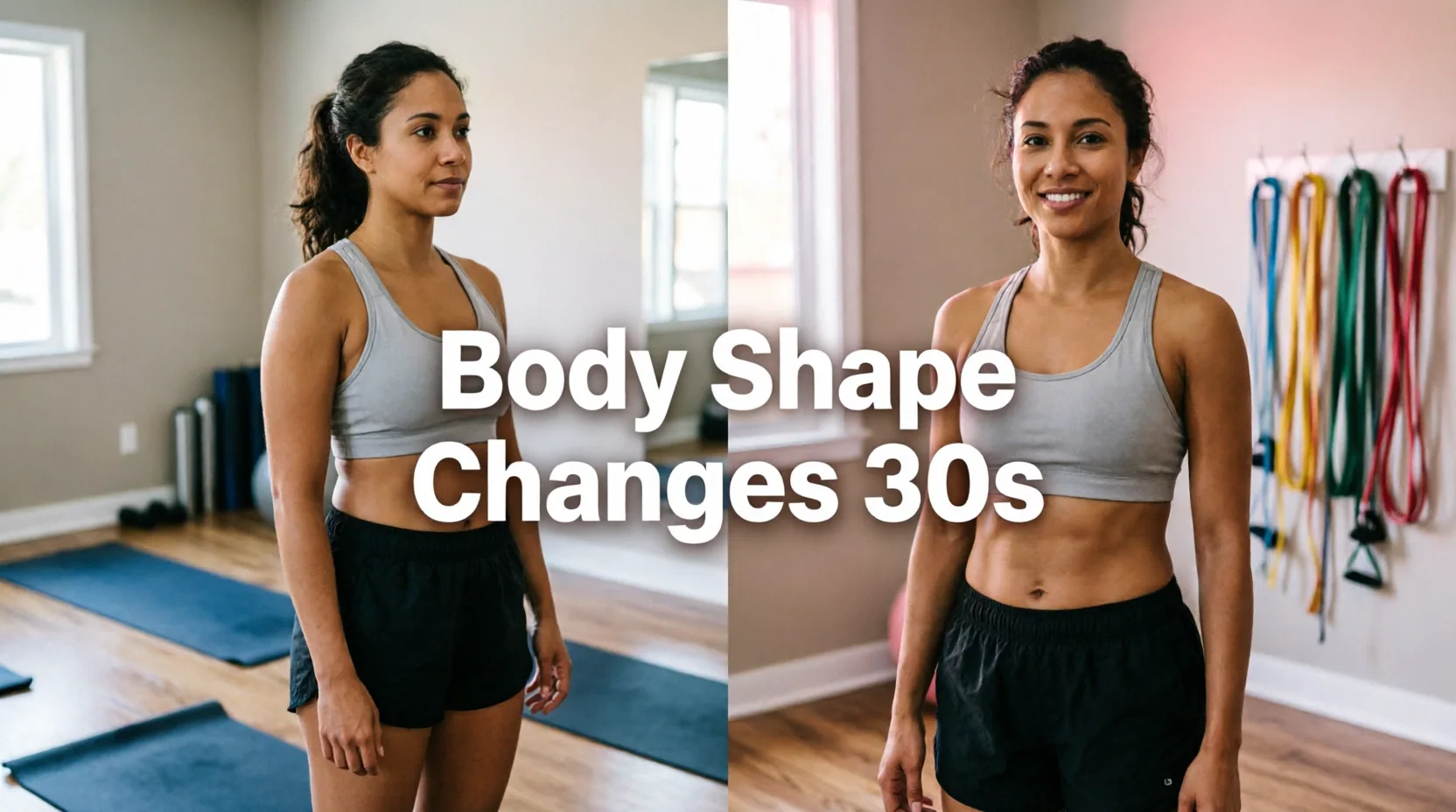
You step on the scale and the number looks exactly the same as it did in your mid-20s. Yet, when you look in the mirror, your silhouette tells a different story. Your waistline feels less defined. Your hips appear wider. Your arms and thighs carry a softer appearance. Your posture feels subtly different, and clothes that once fit perfectly now sit strangely. If this sounds familiar, you are experiencing one of the most misunderstood yet universally normal biological transitions in women’s health: body shape changes after 30, independent of actual weight gain.
For decades, society has reduced body composition to a simple equation of calories in versus calories out. But the reality is far more complex. After age 30, women undergo a cascade of physiological, hormonal, and biomechanical shifts that fundamentally alter how fat, muscle, bone, and connective tissue are distributed throughout the body. The scale cannot measure tissue quality, density, posture alignment, or hormonal influence on fat storage. That is why many women feel confused, frustrated, or even betrayed by their reflection despite maintaining consistent eating habits and exercise routines.
Understanding the science behind these changes is not about fighting nature or chasing an impossible standard. It is about empowerment through knowledge. When you know why your body is changing, you can respond with targeted strategies that work with your biology rather than against it. This comprehensive guide explores the physics, biology, and lifestyle factors that drive body shape transformation after 30, debunk common myths, and provide evidence-based approaches to maintain strength, posture, metabolic health, and confidence for decades to come.
The Biological Reality: What Actually Changes After 30?
Body shape is not determined by weight alone. It is the visible result of four interconnected systems working in harmony: muscle tissue, adipose (fat) tissue, bone structure, and connective tissue. After age 30, each of these systems undergoes measurable changes that collectively alter your silhouette.
1. Muscle Mass Decline (Sarcopenia)
Beginning in your early 30s, women naturally lose approximately 3 to 8 percent of muscle mass per decade if they do not engage in regular resistance training. This process, known as sarcopenia, is driven by hormonal shifts, decreased protein synthesis efficiency, and reduced neuromuscular activation. Muscle is metabolically active tissue that shapes your contours, supports posture, and occupies less volume than fat. As muscle density decreases, your body may maintain the same weight while appearing softer, less defined, and physically different. The loss of muscle tone in the glutes, core, and back is particularly responsible for the sensation of "spreading out" or losing a defined waistline.
2. Bone Density and Skeletal Remodeling
Women reach peak bone mass around age 30. After this point, bone resorption slowly outpaces bone formation. While noticeable bone loss typically accelerates during perimenopause and menopause, the early shifts after 30 subtly impact body shape. The spine can experience slight compression due to intervertebral disc dehydration and vertebral micro-changes, leading to a reduction in height of approximately 1 millimeter per year. This may seem minor, but it affects torso proportions, alters how clothing drapes, and can contribute to a forward-leaning posture that changes your overall silhouette.
3. Connective Tissue and Fascial Changes
Your body is wrapped in a continuous web of connective tissue called fascia. It surrounds muscles, organs, and bones, providing structural integrity and smooth movement. After 30, collagen production declines by roughly 1 percent annually, while elastin fibers lose resilience. Fascia becomes less pliable and more prone to dehydration and cross-linking. When connective tissue stiffens, it restricts natural movement patterns, encourages compensatory postural habits, and can create a "tightened" or "compressed" appearance around the midsection and shoulders. This loss of tissue elasticity directly impacts how your body holds its shape, regardless of weight.
4. Fat Redistribution Patterns
Even without weight gain, the location of your adipose tissue shifts. Estrogen plays a critical role in directing fat storage to the hips, thighs, and buttocks (subcutaneous fat). As estrogen levels gradually fluctuate and decline after 30, the body begins storing more fat viscerally (around internal organs) and centrally (abdomen, lower back, upper arms). Visceral fat is metabolically different from subcutaneous fat. It is denser, sits deeper, and pushes outward, altering waist-to-hip ratios and creating a straighter, more rectangular torso shape over time. This hormonal-driven redistribution explains why your pants feel tighter around the waist even when the scale hasn’t moved.
The Physics of Gravity and Tissue Support
Beyond biology, simple physics plays a major role in how body shape evolves. Gravity is a constant downward force that acts on every tissue in your body. In your 20s, high collagen density, robust muscle tone, and optimal hydration work together to counteract gravitational pull. After 30, as structural support weakens, gravity’s effects become more visible.
Tissue Descent and Volume Redistribution
When connective tissue loosens and muscle support diminishes, soft tissue naturally shifts downward. This is most noticeable in the midsection, where the abdominal wall weakens slightly, allowing the lower belly to protrude more easily. It also affects the breasts, where Cooper’s ligaments stretch over time, and the glutes, where reduced gluteal muscle tone leads to a loss of upward lift. The result is not "weight gain," but rather a gravitational redistribution of existing tissue volume.
Fluid Dynamics and Water Retention
Body shape is also influenced by fluid balance. Hormonal fluctuations after 30, particularly around the menstrual cycle, can alter how your kidneys manage sodium and water. Elevated progesterone in the luteal phase, combined with dietary sodium and stress-induced cortisol, can cause interstitial water retention. This fluid accumulates in dependent areas like the lower abdomen, thighs, and ankles, temporarily altering shape and creating a heavier, softer appearance. Chronic mild inflammation, often driven by poor sleep or high stress, exacerbates this effect.
Postural Biomechanics and Alignment Shifts
How you hold yourself dramatically impacts how your shape appears. After 30, years of desk work, screen time, and repetitive movement patterns accumulate. The pectoral muscles tighten, the upper back weakens, and the pelvis often tilts anteriorly or posteriorly to compensate. An anterior pelvic tilt, for example, pushes the lower belly forward and exaggerates the curve of the lower back, creating the illusion of weight gain in the midsection even when fat mass hasn’t increased. Correcting alignment alone can instantly change how your body shape is perceived.
Hormonal Drivers: The Invisible Architects of Shape
Hormones are the master regulators of tissue composition, metabolism, and fat distribution. After 30, several key hormonal shifts quietly reshape your body.
Estrogen Fluctuations
Estrogen is not just a reproductive hormone. It maintains collagen synthesis, supports bone mineralization, regulates insulin sensitivity, and directs fat storage to the lower body. Beginning in your early 30s, estrogen levels begin a gradual, irregular decline. This shift signals adipocytes (fat cells) to change their storage behavior. The body becomes more insulin resistant at the cellular level, making it easier to store fat around the abdomen and harder to mobilize it during calorie deficits. Estrogen decline also reduces skin thickness and elasticity, contributing to a softer tissue appearance.
Cortisol and Stress-Induced Storage
Chronic stress elevates cortisol, which directly influences body shape. Cortisol increases appetite for high-energy foods, promotes visceral fat storage, and breaks down muscle protein for energy. Women in their 30s often juggle career demands, family responsibilities, and societal expectations, creating a perfect storm for sustained cortisol elevation. Over time, this hormonal environment favors abdominal fat accumulation, muscle loss, and water retention, dramatically altering body contours without significant weight changes.
Thyroid Function and Metabolic Pace
Thyroid hormones regulate basal metabolic rate, temperature, and cellular energy production. Subclinical hypothyroidism becomes increasingly common after 30, often going undiagnosed. Even mild reductions in thyroid activity slow metabolism, reduce thermogenesis, increase fluid retention, and promote a sluggish, puffy appearance. This can mimic weight gain but is actually a shift in metabolic efficiency and tissue hydration.
Insulin Sensitivity Changes
As you age, cells become less responsive to insulin. When insulin resistance develops, the body compensates by producing more insulin. High insulin levels promote fat storage, particularly in the abdominal region, and inhibit fat breakdown. This shift often occurs without obvious symptoms but profoundly affects waistline definition and overall body composition.
Why Cardio Alone Won’t Preserve Your Shape
Many women attempt to counteract post-30 body changes with increased cardio. While cardiovascular exercise is excellent for heart health and calorie expenditure, it does not address the root causes of shape transformation.
The Muscle Preservation Gap
Extended steady-state cardio can actually accelerate muscle loss when performed without adequate protein intake and resistance training. Muscle is the primary tissue that determines your metabolic rate and physical contours. When you lose muscle, your resting metabolic rate drops, your body becomes less efficient at burning fat, and your shape softens. Cardio burns calories during the activity but does little to build the structural foundation needed to maintain a toned silhouette.
Adaptive Thermogenesis and Metabolic Slowdown
The human body is remarkably adaptive. When you increase cardio without adjusting nutrition or strength training, your metabolism downregulates to conserve energy. This phenomenon, known as adaptive thermogenesis, means you burn fewer calories at rest and during daily activities. Over time, this makes it increasingly difficult to maintain shape, even with consistent exercise.
The Need for Resistance and Load
Body shape is sculpted through mechanical tension, metabolic stress, and muscle damage. Resistance training provides the stimulus needed to maintain muscle fiber recruitment, stimulate collagen production in tendons and fascia, and support bone density. Without progressive overload, tissues adapt to minimal demand and gradually lose density and definition. Strength training is not optional after 30; it is essential for structural integrity.
The Post-30 Body Optimization Protocol
Understanding the science is only half the battle. The following evidence-based protocol helps you adapt your lifestyle to preserve, and even improve, your body shape after 30.
1. Prioritize Progressive Strength Training
Strength training is the single most effective intervention for post-30 body composition. Focus on compound movements that engage multiple muscle groups and stimulate systemic hormonal responses.
- Frequency: 2 to 4 sessions per week
- Focus: Squats, deadlifts, lunges, push-ups, rows, overhead presses
- Progression: Gradually increase weight, reps, or time under tension every 2 to 4 weeks
- Form over ego: Proper biomechanics prevent injury and maximize tissue recruitment
Strength training increases resting metabolic rate, improves insulin sensitivity, supports bone density, and creates the structural tension needed to maintain a lifted, defined silhouette.
2. Optimize Protein Intake and Nutrient Timing
After 30, your body becomes less efficient at synthesizing protein. You need more high-quality protein to maintain muscle mass.
- Daily target: 1.6 to 2.2 grams of protein per kilogram of body weight
- Distribution: 25 to 40 grams per meal, spread across 3 to 4 meals
- Quality sources: Lean meats, fish, eggs, dairy, legumes, tofu, whey or plant-based protein isolates
- Post-workout: Consume protein within 2 hours of training to maximize muscle protein synthesis
Combine adequate protein with complex carbohydrates and healthy fats to support hormonal balance and sustained energy.
3. Correct Posture and Improve Mobility
Alignment dictates how your body shape appears and functions. Daily mobility work prevents compensatory patterns that distort your silhouette.
- Thoracic mobility: Cat-cow stretches, foam rolling, wall angels to open the upper back
- Hip flexor stretches: Counteract sitting-related tightness and anterior pelvic tilt
- Core bracing practice: Diaphragmatic breathing and dead bugs to strengthen deep stabilizers
- Daily movement: Walk 7,000 to 10,000 steps to maintain joint lubrication and circulation
Even 10 minutes of targeted mobility daily can dramatically improve posture, reduce bloating, and restore natural body proportions.
4. Manage Stress and Prioritize Recovery
Chronic stress directly alters fat distribution, muscle retention, and fluid balance. Recovery is not passive; it is an active physiological process.
- Sleep: 7 to 9 hours nightly. Sleep deprivation increases cortisol, disrupts hunger hormones, and impairs tissue repair
- Stress reduction: Daily mindfulness, breathwork, or nature exposure to lower sympathetic nervous system activation
- Active recovery: Gentle yoga, walking, or swimming to promote circulation without adding systemic stress
- Deload weeks: Reduce training volume every 4 to 6 weeks to allow connective tissue and nervous system adaptation
Managing stress is not a luxury; it is a physiological necessity for maintaining healthy body composition.
5. Adjust Cardio Strategically
Cardio remains valuable for cardiovascular health and metabolic flexibility, but it should complement strength training, not replace it.
- Zone 2 training: 150 to 180 minutes weekly of low-intensity steady-state cardio (conversational pace)
- High-intensity intervals: 1 to 2 sessions weekly of 10 to 20 minutes to boost mitochondrial density
- Avoid overtraining: Monitor heart rate variability, resting heart rate, and perceived recovery to prevent burnout
Strategic cardio supports fat oxidation and heart health without compromising muscle mass or elevating chronic cortisol.
Debunking Common Myths About Post-30 Body Changes
Misinformation surrounds women’s body composition after 30. Clearing these myths is essential for developing effective, science-backed strategies.
Myth 1: Your Metabolism Crashes at 30
Reality: Metabolism does not suddenly crash. It gradually slows due to muscle loss, decreased non-exercise activity thermogenesis (NEAT), and hormonal shifts. The decline is manageable and reversible through strength training, adequate protein, and consistent daily movement. Research shows that metabolic rate remains relatively stable when lifestyle factors are optimized.
Myth 2: Weight Gain Is Inevitable After 30
Reality: Weight gain is not biologically mandatory. Many women maintain or lose weight after 30 through intentional nutrition and movement. However, body composition changes often occur independently of weight. Focusing solely on the scale ignores muscle retention, bone density, and fat redistribution, which are far more important markers of health and shape.
Myth 3: You Must Cut Calories Drastically to See Changes
Reality: Severe calorie restriction accelerates muscle loss, downregulates thyroid function, and increases cortisol, ultimately worsening body composition. Sustainable changes come from nutrient-dense meals, adequate protein, strength training, and stress management. Extreme deficits trigger adaptive responses that make shape preservation harder, not easier.
Myth 4: Genetics Determine Everything
Reality: Genetics influence predisposition, not destiny. While you cannot change your bone structure or hormonal baseline, you can profoundly influence muscle mass, fat distribution, posture, and metabolic health through lifestyle choices. Epigenetics shows that environment and behavior actively modulate gene expression. Your daily habits shape your biology more than your DNA alone.
Myth 5: Ab Exercises Will Fix a Soft Midsection
Reality: Spot reduction is a myth. The midsection changes shape due to visceral fat storage, core muscle tone, posture, and digestive health. While core strengthening is important for spinal support and intra-abdominal pressure, visible waistline definition requires systemic fat management, resistance training, and stress reduction. Crunches alone cannot override hormonal and metabolic factors.
When Body Shape Changes Signal Underlying Issues
While gradual changes after 30 are normal, sudden or severe shifts may indicate underlying medical conditions that require professional evaluation.
Red Flags to Monitor
- Rapid abdominal swelling or persistent bloating unresponsive to dietary changes
- Unexplained weight gain accompanied by fatigue, cold intolerance, or hair loss (possible thyroid dysfunction)
- Sudden fat accumulation around the neck, upper back, or face with muscle weakness in arms and legs
- Menstrual irregularities, severe acne, or excess facial hair (potential PCOS or hormonal imbalance)
- Significant postural collapse, chronic back pain, or height loss exceeding 1 inch in a short period
Recommended Medical Evaluations
If you notice concerning changes, consult a healthcare provider for targeted testing:
- Thyroid panel: TSH, free T3, free T4, and thyroid antibodies
- Hormone assessment: Estradiol, progesterone, testosterone, DHEA-S, cortisol patterns
- Metabolic markers: Fasting insulin, HbA1c, lipid panel, inflammatory markers (CRP)
- Bone density scan: DEXA scan if risk factors for osteopenia exist
- Gut health evaluation: To rule out dysbiosis, food sensitivities, or digestive inflammation causing bloating
Addressing underlying medical issues often resolves shape changes that lifestyle modifications alone cannot fix.
Practical Daily Habits for Long-Term Shape Preservation
Sustainable body composition management relies on micro-habits that compound over time. Integrate these practices into your daily routine for lasting results.
Morning Anchors
- Drink 16 ounces of water upon waking to rehydrate fascia and support cellular metabolism
- Perform 5 minutes of dynamic mobility (hip circles, shoulder rolls, cat-cow) to prime joint lubrication
- Consume a protein-rich breakfast to stabilize blood sugar and initiate muscle protein synthesis
Workday Integration
- Stand or walk for 5 minutes every hour to counteract sedentary posture shifts
- Practice diaphragmatic breathing to reduce cortisol and engage deep core stabilizers
- Choose stairs over elevators and park farther away to accumulate NEAT
Evening Recovery
- Stop eating 2 to 3 hours before bed to support digestive rest and overnight fat oxidation
- Perform gentle stretching or yoga to release fascial tension accumulated throughout the day
- Dim lights and avoid screens 60 minutes before sleep to optimize melatonin production and tissue repair
Consistency in these small habits creates a physiological environment that naturally supports healthy body composition, metabolic flexibility, and structural integrity.
Frequently Asked Questions (FAQs)
Why does my body shape change even when I eat the same as before?
Body shape after 30 is influenced more by tissue composition, hormonal shifts, and posture than calorie intake alone. Even with consistent eating, gradual muscle loss, collagen decline, and fat redistribution alter your silhouette. Focusing on protein intake, strength training, and mobility addresses these structural changes more effectively than dietary restriction alone.
Can I regain my exact pre-30 body shape?
Complete reversal to your exact younger shape is biologically unrealistic due to natural aging processes. However, you can significantly improve definition, posture, and tissue quality through targeted strength training, adequate protein, stress management, and consistent mobility work. The goal is optimal health and functional strength, not replicating a past version of yourself.
How long does it take to see noticeable shape improvements?
With consistent strength training and nutrition optimization, initial postural improvements and reduced bloating may appear in 2 to 4 weeks. Visible changes in muscle tone and fat redistribution typically take 8 to 12 weeks. Structural adaptations like increased bone density and significant connective tissue remodeling require 6 months or more of consistent effort.
Do I need supplements to support body composition after 30?
Supplements are secondary to foundational habits. If dietary intake is adequate, they are not strictly necessary. However, vitamin D3, magnesium glycinate, omega-3 fatty acids, and high-quality protein powder can support bone health, stress recovery, and muscle synthesis when diet alone falls short. Always consult a healthcare provider before starting new supplements.
Is visceral fat dangerous, and how do I reduce it?
Yes, visceral fat surrounds internal organs and is metabolically active, increasing inflammation and insulin resistance. It is best reduced through a combination of strength training, adequate sleep, stress management, balanced nutrition with fiber and healthy fats, and limited alcohol consumption. Spot reduction is impossible; systemic lifestyle changes are required.
How does sleep affect body shape?
Sleep regulates cortisol, growth hormone, leptin, and ghrelin. Poor sleep increases abdominal fat storage, reduces muscle recovery, disrupts hunger signals, and promotes fluid retention. Consistently achieving 7 to 9 hours of quality sleep is one of the most effective non-exercise strategies for maintaining healthy body composition and tissue repair.
Conclusion: Working With Your Biology, Not Against It
Body shape changes after 30 are not a personal failure or a sign of declining health. They are the natural result of complex, interconnected biological processes that have evolved to support women through different life stages. The scale tells you nothing about tissue quality, hormonal balance, bone strength, or structural alignment. True body composition health is measured by how you move, how you feel, and how resilient your tissues remain over time.
The most powerful approach is not to fight these changes with extreme diets, excessive cardio, or unrealistic expectations. It is to adapt your lifestyle to support your evolving biology. Prioritize strength training to preserve muscle and bone. Optimize protein and nutrients to fuel tissue repair. Correct posture to restore natural alignment. Manage stress to regulate hormonal fat storage. Honor recovery to allow your body to rebuild.
Your body after 30 is not a diminished version of your 20s. It is a wiser, more resilient version that deserves targeted care, scientific understanding, and compassionate consistency. Embrace the shifts, implement the strategies that align with your physiology, and focus on long-term vitality over short-term aesthetics. With intentional, sustainable habits, you can maintain strength, mobility, and confidence for decades to come.