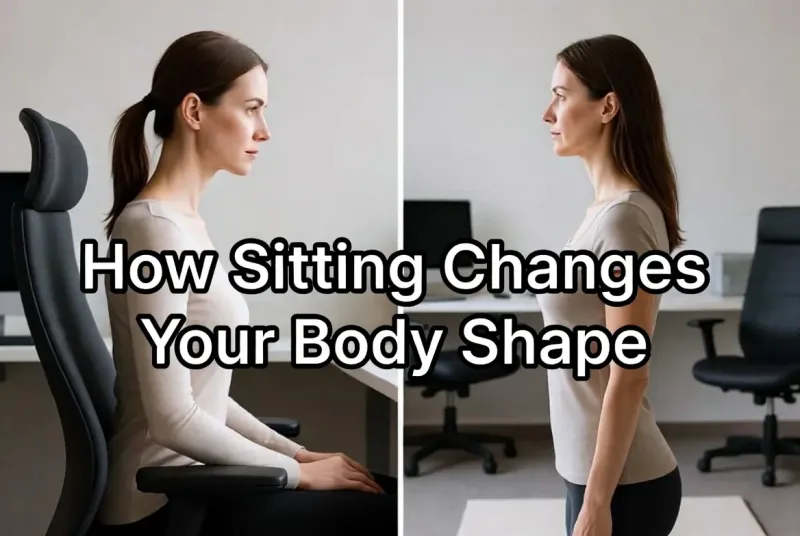
In today's digital age, many women spend the majority of their waking hours seated—whether at a desk for work, in a car commuting, or on the couch relaxing. While modern life often demands prolonged sitting, this seemingly harmless habit quietly reshapes the female body in ways that extend far beyond temporary discomfort. Over time, sitting all day doesn't just affect your posture; it fundamentally alters your body's contour, muscle tone, fat distribution, and overall physical appearance.
The changes aren't always dramatic overnight, but they accumulate subtly: a softening of the glutes, a tightening of the hip flexors, a rounding of the shoulders, a protrusion of the abdomen, and a gradual shift in how your clothes fit. These transformations aren't simply cosmetic—they reflect deeper physiological adaptations to a sedentary lifestyle that can impact your health, confidence, and quality of life.
This comprehensive guide explores the science behind how prolonged sitting alters female body contour, identifies the specific changes that develop over time, explains the biological mechanisms driving these transformations, and provides evidence-based strategies to prevent, minimize, and reverse sitting-related body changes. Whether you work from home, have a desk job, or simply spend significant time seated, you'll find practical, science-backed information to help you maintain a strong, balanced, and confident physique despite the demands of modern life.
The Physiology of Sitting: What Happens to Your Body
To understand how sitting changes your body contour, we must first examine what happens physiologically when you remain seated for extended periods.
Muscle Adaptation: Use It or Lose It
Your muscles respond dynamically to how you use them. When you sit for hours at a time, specific muscle groups experience dramatic changes:
Muscles That Become Weak and Lengthened:
- Gluteal muscles (glutes): The gluteus maximus, medius, and minimus are your body's primary hip extensors. When seated, these powerful muscles remain inactive for hours, leading to "gluteal amnesia" or "dead butt syndrome"—a condition where the glutes forget how to fire effectively.
- Core muscles: The transverse abdominis, obliques, and deep stabilizers engage minimally when seated with back support, leading to gradual weakening.
- Upper back muscles: The rhomboids and lower trapezius, which pull your shoulders back, become underutilized when you slouch forward at a desk.
Muscles That Become Tight and Shortened:
- Hip flexors (iliopsoas): These muscles, which lift your thigh toward your torso, remain in a shortened position when seated. Over time, they adapt by becoming chronically tight, pulling your pelvis into an anterior tilt.
- Hamstrings: While seated, hamstrings remain in a lengthened but inactive state, which can lead to adaptive shortening and reduced flexibility.
- Chest muscles (pectorals): When you round your shoulders forward at a desk, your chest muscles shorten and tighten, contributing to a hunched posture.
- Neck extensors: Looking down at screens shortens the muscles at the back of your neck, contributing to "tech neck."
The Imbalance Effect:
When some muscles weaken while others tighten, your body's natural alignment shifts. This muscular imbalance doesn't just affect posture—it changes how your body looks and moves, creating visible alterations in your contour over time.
Fat Distribution and Metabolic Changes
Prolonged sitting doesn't just affect muscles; it influences how your body stores and metabolizes fat:
Reduced Lipoprotein Lipase Activity:
- This enzyme, crucial for breaking down fat, becomes less active when muscles are inactive
- Result: fat is more likely to be stored rather than burned, particularly in the abdominal and hip regions
Insulin Sensitivity Decline:
- Sedentary behavior reduces your cells' responsiveness to insulin
- Result: increased fat storage, particularly visceral fat around the abdomen
Slower Metabolic Rate:
- Calorie expenditure drops dramatically when seated versus standing or moving
- Over time, this energy imbalance can contribute to gradual weight gain and changes in body composition
Regional Fat Accumulation:
- Women tend to store fat in the hips, thighs, and abdomen due to hormonal factors
- Prolonged sitting may exacerbate fat accumulation in these areas due to reduced circulation and metabolic activity
Circulation and Fluid Dynamics
Sitting affects how blood and lymphatic fluid move through your body:
Reduced Blood Flow:
- Leg muscles act as a "second heart," pumping blood back toward your torso
- When seated, this pumping action diminishes, leading to poorer circulation in the lower body
- Result: potential swelling, cellulite appearance, and slower tissue repair
Lymphatic Stagnation:
- The lymphatic system, which removes waste and reduces fluid retention, relies on muscle movement
- Prolonged sitting can lead to fluid retention, particularly in the legs and abdomen
- Result: temporary bloating and a softer appearance in affected areas
Visible Body Contour Changes: The Timeline
The alterations to your body contour from prolonged sitting don't happen overnight. They develop along a predictable timeline, with different changes becoming apparent at different stages.
Short-Term Changes (Days to Weeks)
1. Postural Slouching and Rounded Shoulders
- What happens: Tight chest muscles and weak upper back muscles pull shoulders forward
- Visible signs: Hunched posture, forward head position, less defined shoulder line
- Timeline: Noticeable within days of prolonged sitting; becomes habitual within weeks
- Reversibility: Highly reversible with posture awareness and targeted stretching
2. Temporary Bloating and Fluid Retention
- What happens: Reduced circulation and lymphatic flow cause fluid accumulation
- Visible signs: Slightly swollen ankles, softer abdominal appearance, clothes feeling tighter
- Timeline: Can develop within hours of prolonged sitting; resolves with movement
- Reversibility: Quickly reversible with movement, elevation, and hydration
3. Reduced Muscle Engagement and "Softening"
- What happens: Glutes and core muscles remain inactive, leading to temporary loss of tone
- Visible signs: Glutes appear flatter, abdomen less defined, overall softer appearance
- Timeline: Noticeable after a full day of sitting; more pronounced after consecutive sedentary days
- Reversibility: Reversible with targeted activation exercises
Medium-Term Changes (Weeks to Months)
4. Anterior Pelvic Tilt and "Swayback"
- What happens: Tight hip flexors pull pelvis forward; weak glutes and abs fail to counterbalance
- Visible signs: Protruding abdomen despite normal weight, exaggerated lower back curve, flattened glutes
- Timeline: Develops over 4-12 weeks of consistent prolonged sitting
- Reversibility: Reversible with stretching, strengthening, and posture correction
5. Loss of Gluteal Definition
- What happens: Gluteal muscles atrophy from disuse; fat may accumulate in the area
- Visible signs: Flatter, less rounded glutes; potential "square" appearance from the side
- Timeline: Noticeable after 1-3 months of minimal glute activation
- Reversibility: Reversible with targeted glute strengthening and reduced sitting
6. Tight Hip Flexors and Aligned Gait Changes
- What happens: Chronically shortened hip flexors affect walking pattern and pelvic alignment
- Visible signs: Slight forward lean when standing, reduced stride length, less fluid movement
- Timeline: Develops over 2-4 months of prolonged sitting
- Reversibility: Reversible with consistent stretching and movement
Long-Term Changes (Months to Years)
7. Chronic Postural Deviations
- What happens: Muscular imbalances become entrenched; connective tissue adapts to poor posture
- Visible signs: Permanent forward head posture, rounded shoulders, exaggerated spinal curves
- Timeline: Becomes apparent after 6+ months to years of uncorrected sitting habits
- Reversibility: Partially reversible with dedicated rehabilitation; prevention is key
8. Persistent Abdominal Protrusion
- What happens: Weak core muscles fail to support abdominal contents; visceral fat may accumulate
- Visible signs: "Pooch" or protrusion that persists even at healthy weight; clothes fit differently
- Timeline: Develops over 6 months to years of sedentary behavior
- Reversibility: Reversible with core strengthening, posture correction, and metabolic health improvements
9. Altered Fat Distribution Patterns
- What happens: Metabolic changes from sedentary behavior influence where fat is stored
- Visible signs: Increased abdominal fat, potential changes in hip/thigh fat distribution
- Timeline: Gradual change over months to years
- Reversibility: Reversible with increased activity, strength training, and metabolic health focus
10. Overall Loss of Muscle Tone and Definition
- What happens: Cumulative muscle atrophy from disuse affects multiple body regions
- Visible signs: Softer overall appearance, less defined muscle contours, clothes fitting differently
- Timeline: Becomes apparent after 1+ years of predominantly sedentary lifestyle
- Reversibility: Reversible with consistent strength training and reduced sitting time
The Female-Specific Factors
While sitting affects all bodies, certain factors make women particularly susceptible to specific contour changes.
Hormonal Influences
Estrogen and Fat Storage:
- Estrogen influences fat distribution, typically favoring hips, thighs, and abdomen in women
- Sedentary behavior may amplify estrogen-driven fat storage patterns
- Hormonal fluctuations (menstrual cycle, pregnancy, menopause) can interact with sitting-related changes
Relaxin and Joint Laxity:
- The hormone relaxin, which increases during certain life stages, affects joint and connective tissue flexibility
- Combined with poor posture from sitting, this may contribute to postural deviations
Pelvic Anatomy and Function
Pelvic Floor Considerations:
- Prolonged sitting can affect pelvic floor muscle tone and function
- Weak pelvic floor may contribute to abdominal protrusion and postural changes
- Particularly relevant during and after pregnancy
Pelvic Alignment:
- Women's wider pelvises create different biomechanical demands than men's narrower pelvises
- Tight hip flexors from sitting may have more pronounced effects on pelvic alignment in women
Sociocultural and Lifestyle Factors
Clothing Choices:
- Certain clothing (high heels, restrictive garments) combined with sitting may compound postural changes
- Body image pressures may make contour changes more psychologically impactful
Activity Patterns:
- Women may be more likely to engage in certain types of exercise (e.g., yoga, Pilates) that may not fully counteract sitting-related changes
- Caregiving responsibilities may limit time for targeted corrective exercise
Prevention Strategies: Maintaining Contour Despite Sitting
You don't have to quit your desk job to protect your body contour. These evidence-based strategies can help minimize sitting-related changes.
Movement Breaks: The Most Powerful Tool
The 30-Minute Rule:
- Set a timer to stand and move for 2-3 minutes every 30 minutes of sitting
- Simple movements: walk to get water, do a few squats, stretch your hips
- Research shows this frequency significantly reduces metabolic and postural impacts of sitting
Effective Micro-Movements:
- Glute squeezes: While seated, squeeze glutes for 5 seconds, release; repeat 10 times
- Seated marches: Lift knees alternately while seated to engage hip flexors and core
- Shoulder rolls: Roll shoulders backward 10 times to counteract forward rounding
- Ankle circles: Rotate ankles to promote circulation in lower legs
Standing Work Options:
- Use a standing desk or improvise with a high surface
- Alternate between sitting and standing every 30-60 minutes
- Even standing in place engages more muscles than sitting
Targeted Exercises to Counteract Sitting
For Glute Activation:
- Glute bridges: 3 sets of 15 reps, focusing on squeezing glutes at the top
- Clamshells: 3 sets of 15 per side to activate gluteus medius
- Bodyweight squats: 3 sets of 15-20 reps, focusing on depth and form
- Frequency: Daily or every other day; can be done in short sessions
For Hip Flexor Release:
- Kneeling hip flexor stretch: Hold 30-60 seconds per side, 2-3 times daily
- Pigeon pose: Hold 30-60 seconds per side to stretch deep hip rotators
- Lunges with rotation: Dynamic stretch that combines hip flexor release with mobility
For Core and Posture:
- Dead bugs: 3 sets of 10 per side to engage deep core without straining neck
- Planks: Start with 20-30 seconds, build to 60 seconds; focus on form over duration
- Wall angels: Stand against wall, slide arms up and down; 2 sets of 10 to strengthen upper back
For Overall Balance:
- Walking: Aim for 7,000-10,000 steps daily; even short walks break up sitting time
- Strength training: 2-3 sessions weekly focusing on compound movements (squats, lunges, rows)
- Mobility work: 10 minutes daily of dynamic stretching to maintain range of motion
Ergonomic Adjustments
Optimal Sitting Position:
- Feet flat on floor or footrest; knees at or slightly below hip level
- Back supported with lumbar roll or cushion to maintain natural curve
- Elbows at 90 degrees, shoulders relaxed, screen at eye level
- Hips slightly higher than knees to reduce hip flexor shortening
Equipment Considerations:
- Chair with adjustable height, lumbar support, and armrests
- Monitor positioned to avoid neck flexion (top of screen at or slightly below eye level)
- Keyboard and mouse positioned to keep wrists neutral and shoulders relaxed
- Consider a seat wedge or cushion to promote pelvic neutrality
Correction Strategies: Reversing Sitting-Related Changes
If you're already noticing changes in your body contour, targeted strategies can help restore balance and definition.
Phase 1: Release and Reset (Weeks 1-4)
Focus: Release tight muscles and re-establish awareness of proper alignment.
Daily Practices:
- Hip flexor stretching: 2-3 times daily, 30-60 seconds per side
- Chest opening: Doorway stretch or foam roller extension, 2-3 times daily
- Glute activation: Glute bridges or clamshells, 2 sets of 15 daily
- Posture checks: Set hourly reminders to assess and correct posture
Expected Changes: Reduced tension in hips and chest; improved awareness of posture; slight improvement in how clothes fit.
Phase 2: Strengthen and Stabilize (Weeks 5-12)
Focus: Build strength in weakened muscles to support proper alignment.
Weekly Routine:
- Glute strengthening: Squats, lunges, hip thrusts; 3 sessions weekly
- Core work: Planks, dead bugs, bird-dogs; 3-4 sessions weekly
- Upper back strengthening: Rows, face pulls, reverse flies; 2-3 sessions weekly
- Continued stretching: Maintain hip flexor and chest stretches daily
Expected Changes: Improved glute definition; better posture; reduced abdominal protrusion; clothes fitting more favorably.
Phase 3: Integrate and Maintain (Week 13+)
Focus: Integrate movement into daily life and maintain gains long-term.
Long-Term Strategies:
- Movement snacks: Continue brief movement breaks every 30 minutes of sitting
- Strength maintenance: 2-3 strength sessions weekly to maintain muscle tone
- Posture mindfulness: Make proper alignment a habit, not a conscious effort
- Periodic reassessment: Every 3 months, assess posture and adjust routine as needed
Expected Changes: Sustained improvement in body contour; reduced risk of regression; increased confidence in posture and movement.
Lifestyle Modifications for Lasting Change
Beyond specific exercises, broader lifestyle adjustments support lasting improvements in body contour.
Nutrition for Body Composition
Protein for Muscle Support:
- Adequate protein (0.8-1.2g per kg body weight) supports muscle maintenance and repair
- Distribute protein intake evenly across meals for optimal muscle protein synthesis
- Sources: lean meats, fish, eggs, Greek yogurt, legumes, protein supplements if needed
Anti-Inflammatory Foods:
- Chronic low-grade inflammation from sedentary behavior can affect body composition
- Prioritize omega-3 fatty acids, colorful produce, whole grains, and healthy fats
- Limit processed foods, excess sugar, and inflammatory fats
Hydration for Circulation:
- Adequate water intake supports circulation and reduces fluid retention
- Aim for 2-3 liters daily, adjusting for activity level and climate
- Limit dehydrating beverages (excess caffeine, alcohol) that can worsen fluid retention
Sleep and Recovery
Quality Sleep for Muscle Repair:
- Muscles repair and grow during sleep; aim for 7-9 hours nightly
- Poor sleep increases cortisol, which can promote abdominal fat storage
- Establish a consistent sleep schedule and relaxing bedtime routine
Stress Management:
- Chronic stress elevates cortisol, which can influence fat distribution and muscle breakdown
- Practice stress-reduction techniques: meditation, deep breathing, time in nature
- Balance work demands with restorative activities
Mindful Movement Throughout the Day
Non-Exercise Activity Thermogenesis (NEAT):
- NEAT refers to calories burned through daily movement outside of formal exercise
- Increase NEAT by: taking stairs, parking farther away, walking during phone calls, standing while working
- Small increases in NEAT can significantly impact body composition over time
Active Commuting:
- Walk or bike for short trips when possible
- Get off public transit a stop early to add walking
- Even 10-15 minutes of additional walking daily compounds over time
Special Considerations for Different Life Stages
The impact of sitting on body contour may vary across different life stages. Tailor your approach accordingly.
Young Adults (20s-30s)
Focus: Prevention and habit formation.
- Establish movement breaks and ergonomic habits early
- Build strength foundation to counteract future sitting-related changes
- Address posture issues before they become entrenched
Perimenopause and Menopause (40s-50s)
Focus: Hormonal support and metabolic health.
- Hormonal changes may amplify sitting-related fat distribution changes
- Prioritize strength training to maintain muscle mass and metabolic rate
- Focus on core and pelvic floor health, which may be affected by hormonal shifts
Postpartum Period
Focus: Gentle rehabilitation and realistic expectations.
- Pelvic floor and core may need specific rehabilitation after pregnancy
- Start with gentle activation exercises before progressing to strength work
- Be patient; postpartum body changes are normal and take time to address
Older Adults (60+)
Focus: Safety, mobility, and functional strength.
- Prioritize balance and fall prevention alongside contour concerns
- Focus on functional movements that support daily activities
- Consult healthcare provider before starting new exercise programs
Common Myths and Misconceptions
Several myths about sitting and body contour can lead to ineffective or counterproductive approaches.
Myth 1: "Sitting Burns No Calories, So It's Useless"
Reality: While sitting burns fewer calories than standing or moving, it's not "useless." The key is balancing sitting with movement. Focus on breaking up sitting time rather than eliminating it entirely.
Myth 2: "You Can Spot-Reduce Fat from Sitting"
Reality: You can't target fat loss in specific areas through exercise alone. However, you can build muscle in specific areas (like glutes) to improve contour, and overall fat loss through diet and exercise will affect sitting-related fat accumulation.
Myth 3: "If I Exercise Hard for an Hour, Sitting the Rest of the Day Doesn't Matter"
Reality: Research shows that prolonged sitting has negative metabolic effects even in people who exercise regularly. The goal is to reduce total sitting time, not just add exercise on top of a sedentary day.
Myth 4: "Posture Correctors Will Fix Sitting-Related Changes"
Reality: Posture correctors can provide temporary awareness but don't address the underlying muscular imbalances. Active strengthening and stretching are more effective for lasting change.
Myth 5: "These Changes Are Permanent"
Reality: The body is remarkably adaptable. With consistent effort, most sitting-related contour changes can be significantly improved or reversed, regardless of how long you've been sedentary.
When to Seek Professional Guidance
While many sitting-related changes can be addressed with self-care, certain situations warrant professional support.
Consider Consulting a Professional If:
- You experience pain (back, hip, neck) that doesn't improve with self-care
- You have a pre-existing condition (scoliosis, joint issues, pelvic floor dysfunction)
- You're postpartum and unsure how to safely resume exercise
- You've tried self-care strategies for 3 months with minimal improvement
- You have significant postural deviations that affect daily function
Types of Professionals Who Can Help:
- Physical therapist: Specialized in movement, posture, and rehabilitation
- Certified personal trainer: Can design safe, effective exercise programs
- Registered dietitian: Can support nutrition strategies for body composition
- Ergonomics specialist: Can optimize your workspace setup
- Healthcare provider: Can rule out medical causes of body changes or pain
Frequently Asked Questions
How long does it take to reverse sitting-related body changes?
Timeline varies based on the change and your consistency:
- Posture improvements: Noticeable in 2-4 weeks with consistent practice
- Muscle tone improvements: Visible changes in 6-12 weeks of consistent strength training
- Fat distribution changes: 3-6 months of combined diet, exercise, and reduced sitting
- Long-term postural corrections: 6-12 months for entrenched patterns
Consistency matters more than intensity. Small, daily actions compound over time.
Can I fix these changes without going to the gym?
Absolutely. Many effective strategies require no gym:
- Bodyweight exercises (squats, lunges, planks) can be done at home
- Stretching and mobility work require minimal space
- Walking, taking stairs, and other daily movements count
- Ergonomic adjustments and posture awareness cost nothing
The key is consistency, not equipment.
Will standing all day fix the problem?
Standing is better than sitting, but standing still all day has its own issues (leg fatigue, varicose veins, joint stress). The goal isn't to replace sitting with standing—it's to incorporate movement throughout the day. Alternate between sitting, standing, and moving for optimal results.
Are there exercises I should avoid if I sit all day?
Generally, no exercises are "off-limits," but consider these guidelines:
- If you have tight hip flexors, avoid excessive high-knee exercises until you've improved flexibility
- If you have lower back sensitivity, start with gentle core work before progressing to intense ab exercises
- Focus on form over weight or intensity, especially when starting
- Listen to your body; pain is a signal to modify or stop
Can sitting-related changes affect my health beyond appearance?
Yes. The same physiological changes that affect contour can impact health:
- Poor posture can contribute to back pain, neck pain, and headaches
- Metabolic changes from sitting increase risk of type 2 diabetes and cardiovascular disease
- Weak core and glutes can affect balance and increase fall risk
- Pelvic floor dysfunction from prolonged sitting can affect bladder and bowel function
Addressing sitting-related changes supports both appearance and long-term health.
Conclusion: Reclaiming Your Contour in a Seated World
Prolonged sitting is a reality of modern life, but it doesn't have to dictate your body's shape or your confidence. By understanding how sitting alters female body contour—from muscle imbalances and postural shifts to metabolic changes and fat distribution—you gain the power to intervene.
The changes aren't inevitable, and they're not permanent. With consistent, targeted strategies—movement breaks, strength training, ergonomic adjustments, and lifestyle modifications—you can maintain a strong, balanced, and confident physique despite the demands of a seated lifestyle.
Key Takeaways:
- Sitting changes your body through multiple pathways: Muscle imbalances, metabolic shifts, and postural adaptations all contribute to contour changes.
- Changes develop along a timeline: From immediate postural shifts to long-term structural adaptations, different signs emerge at different stages.
- Prevention is powerful: Small, consistent movement breaks and ergonomic adjustments can prevent many sitting-related changes before they start.
- Reversal is possible: With targeted exercises, lifestyle modifications, and patience, most sitting-related contour changes can be significantly improved.
- Holistic care matters: Nutrition, sleep, stress management, and movement work together to support body contour and overall health.
- Consistency beats intensity: Daily micro-movements and mindful habits yield better long-term results than occasional intense efforts.
Your body is adaptable and resilient. It has carried you through countless experiences, and it can adapt to a more active, balanced lifestyle—even if you spend significant time seated. Start where you are. Choose one strategy from this guide: set a timer for movement breaks, try a glute activation exercise, adjust your workspace, or simply stand up and stretch right now.
Small actions, consistently applied, create meaningful change. Your body contour isn't fixed by your job or your habits—it's shaped by the choices you make, moment by moment, day by day. Reclaim your posture, your strength, and your confidence. Your body is ready.
📖 আরও পড়ুন: Body & Health Care
- 🔗 Why Women’s Body Shape Changes After 30
- 🔗 Corporate Athlete: Fitness Mastery for 9-to-5 Professionals
- 🔗 Belly Fat After 30: Science-Backed Loss Strategies
- 🔗 ঘুম ভাঙলেই শরীরে ব্যথা? তোষক, শোয়ার ভঙ্গি নাকি অন্য কোনো রোগ? জেনে নিন আসল কারণ ও সমাধান
- 🔗 জিমে না গিয়েই ফ্যাট লস: ১০টি সাধারণ অভ্যাসে চর্বি গলানোর গাইড