Introduction: When Your Hair Lies to You
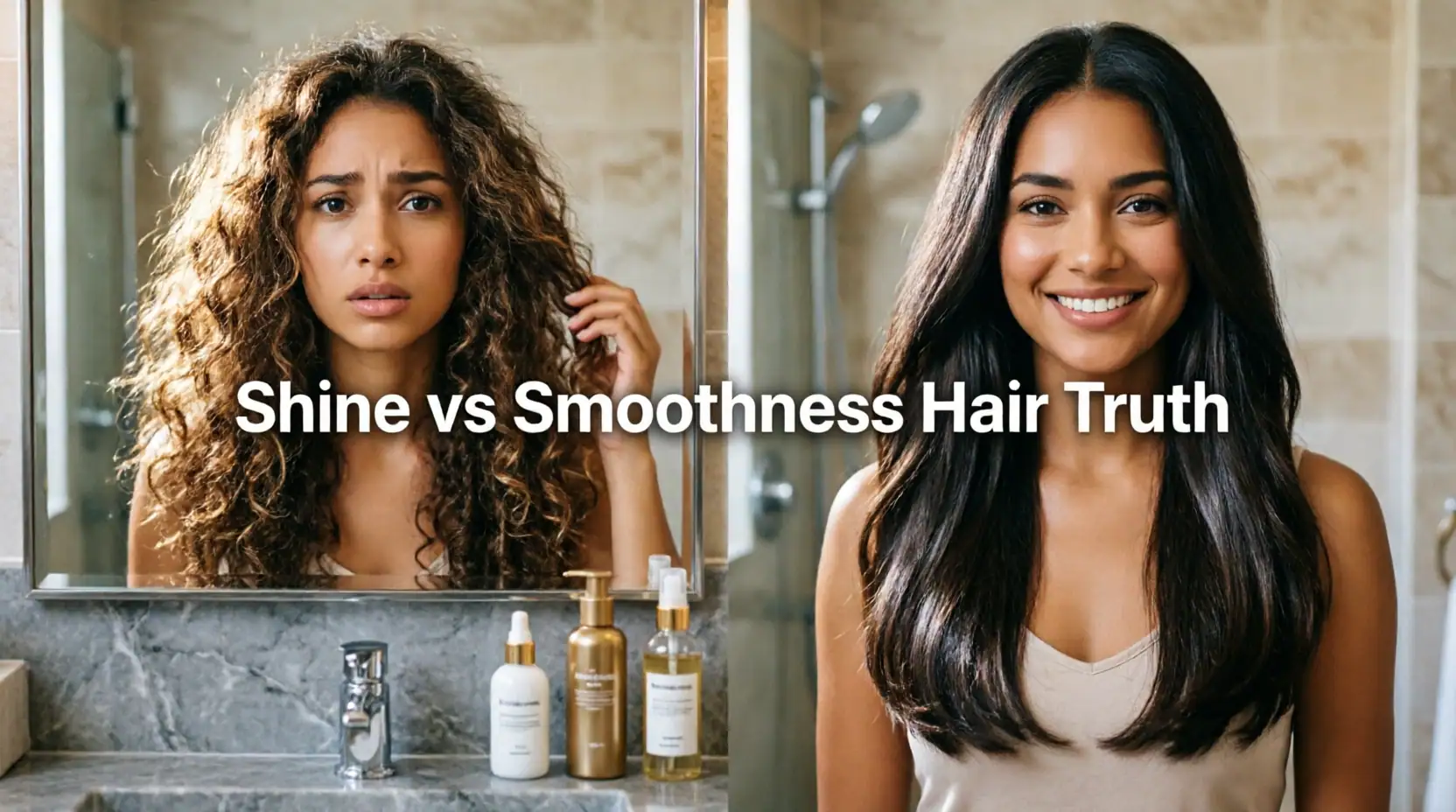
You catch your reflection and smile—your hair looks glossy, healthy, even luminous. But when you run your fingers through it, the truth reveals itself: roughness, friction, tangles. The strands don't glide; they catch. The shine you see doesn't match the texture you feel. Welcome to the shine illusion: one of hair care's most confusing and frustrating phenomena.
This disconnect between visual appearance and tactile reality isn't just in your head. It's a well-documented occurrence rooted in hair biology, product chemistry, and environmental factors. Understanding why your hair can look healthy while feeling rough is the first step toward restoring true smoothness—not just surface-level shine.
This comprehensive guide explores the science behind the shine illusion, identifies the hidden culprits that create roughness beneath gloss, and provides evidence-based strategies to align your hair's appearance with its feel. Because truly healthy hair doesn't just look good—it feels incredible, from root to tip.
Understanding the Shine Illusion: Light Reflection vs. Cuticle Health
To understand why hair can look shiny but feel rough, we must first understand what creates shine—and what creates smoothness. They are related but distinct properties.
What Creates Visual Shine?
Hair shine is primarily about light reflection. When light hits the hair shaft, it can either:
- Reflect smoothly: Creating a glossy, mirror-like appearance
- Scatter diffusely: Creating a dull, matte appearance
Smooth light reflection depends on:
- Cuticle alignment: Flat, intact cuticles reflect light uniformly
- Surface oils: Natural sebum or product-based oils create a light-reflecting film
- Moisture content: Well-hydrated hair has a smoother surface for light reflection
- Product residue: Silicones, oils, or polymers can create artificial shine
Crucially, shine can be created even when the underlying hair structure is compromised. A rough cuticle coated with silicone may reflect light beautifully while feeling coarse to the touch.
What Creates Tactile Smoothness?
Smoothness is about physical texture—how hair feels when you run your fingers along the strand. This depends on:
- Cuticle integrity: Lifted, damaged, or missing cuticles create friction
- Protein structure: Intact keratin provides strength and smoothness
- Moisture-protein balance: Proper hydration prevents brittleness; adequate protein prevents mushiness
- Surface debris: Product buildup, mineral deposits, or environmental pollutants create roughness
Unlike shine, smoothness cannot be faked with surface coatings. It requires genuine structural health.
The Illusion Explained
The shine illusion occurs when factors that enhance light reflection mask underlying texture problems:
- Silicone buildup: Creates a glossy film while cuticles remain damaged underneath
- Oil-based products: Add shine but don't repair structural damage
- Humidity-induced swelling: Makes hair appear fuller and shinier temporarily while increasing friction
- Lighting conditions: Certain angles and light sources enhance reflection regardless of texture
Result: Hair that photographs beautifully but feels rough, tangles easily, or breaks under tension.
Featured Snippet: The shine illusion occurs when light-reflecting factors (silicones, oils, cuticle alignment) create visual gloss while underlying texture issues (cuticle damage, protein loss, buildup) cause roughness. Shine depends on surface light reflection; smoothness depends on structural integrity. True hair health requires both.
Culprit 1: Cuticle Damage Beneath a Glossy Surface
The hair cuticle—the outermost layer of overlapping scales—is the primary determinant of both shine and smoothness. When cuticles are damaged, the disconnect between appearance and feel becomes pronounced.
How Cuticle Damage Creates the Illusion
Healthy cuticles lie flat, creating a smooth surface that reflects light uniformly and feels silky to the touch. Damaged cuticles lift, crack, or flake away, creating:
- Micro-roughness: Lifted scales catch against each other, creating friction and tangles
- Light scattering: Irregular surfaces scatter light, but oils or silicones can temporarily restore reflection
- Moisture loss: Gaps in the cuticle allow water to escape, causing dryness and brittleness
- Increased porosity: Damaged cuticles absorb products unevenly, creating patchy texture
A silicone-based serum can coat damaged cuticles, restoring shine without repairing the underlying structure. The hair looks glossy but still feels rough because the cuticle damage remains.
Common Causes of Cuticle Damage
- Heat styling: Temperatures above 300°F (150°C) can melt or crack cuticles
- Chemical treatments: Coloring, bleaching, perming, or relaxing lift and weaken cuticles
- Mechanical stress: Aggressive brushing, tight hairstyles, or rough towel-drying
- Environmental exposure: UV radiation, pollution, and hard water minerals degrade cuticle integrity
- Over-washing: Stripping natural oils leaves cuticles vulnerable to damage
Signs Your Cuticles Are Damaged (Despite Shine)
- Hair tangles easily, especially at mid-lengths and ends
- Strands feel rough or "grippy" when slid between fingers
- Increased breakage during brushing or styling
- Shine appears patchy or disappears after washing
- Products don't absorb evenly; some areas feel coated while others feel dry
Repairing Cuticle Damage
- Lower heat exposure: Use heat protectants and keep styling tools below 300°F
- Space chemical treatments: Allow 8-12 weeks between coloring or relaxing sessions
- Gentle handling: Use wide-tooth combs, microfiber towels, and loose hairstyles
- Protein treatments: Hydrolyzed keratin or wheat protein can temporarily fill cuticle gaps
- Acidic rinses: Apple cider vinegar or pH-balancing products help flatten cuticles
Important: Cuticles cannot fully regenerate once damaged. Focus on preventing further damage and managing existing roughness through protective care.
Featured Snippet: Cuticle damage creates the shine illusion: lifted or cracked scales cause friction and roughness, while silicones or oils temporarily restore light reflection. Signs include tangling, breakage, patchy shine, and uneven product absorption. Prevent further damage with lower heat, gentle handling, protein treatments, and acidic rinses. Cuticles cannot fully regenerate, so prevention is key.
Culprit 2: Product Buildup Creating False Shine
Many hair products contain ingredients that enhance shine without improving texture. Over time, these can accumulate, creating a glossy film that masks underlying roughness.
Ingredients That Create Artificial Shine
- Silicones (dimethicone, cyclomethicone, amodimethicone): Form a smooth, light-reflecting coating
- Mineral oil and petroleum derivatives: Create a glossy film on the hair surface
- Polyquaterniums: Cationic polymers that coat hair for shine and detangling
- Heavy oils (coconut, castor): Add shine but can build up without proper cleansing
These ingredients aren't inherently bad—they can protect hair and enhance manageability. Problems arise when they accumulate without regular removal, creating a barrier that:
- Blocks moisture from penetrating the hair shaft
- Prevents beneficial ingredients from reaching damaged areas
- Creates a slippery surface that feels coated but not smooth
- Attracts dirt and pollutants that increase friction
Signs of Product Buildup
- Hair feels heavy, greasy, or "coated" despite recent washing
- Shine appears waxy or artificial rather than natural
- Products don't absorb; they sit on the surface
- Scalp feels itchy or congested
- Styling products don't work as well as they used to
Clarifying Without Stripping
Removing buildup requires strategic cleansing that eliminates residue without damaging hair:
- Use a clarifying shampoo monthly: Look for formulas with gentle surfactants (cocamidopropyl betaine) rather than harsh sulfates
- Apple cider vinegar rinse: Mix 1 part ACV with 3 parts water; rinse after shampooing to dissolve mineral and product buildup
- Chelating treatments: For hard water areas, use products with EDTA or citric acid to remove mineral deposits
- Pre-shampoo oil treatment: Apply light oil (jojoba, argan) before shampooing to help lift buildup
Balance tip: Clarify only as needed (typically every 2-4 weeks). Over-clarifying strips natural oils and can worsen roughness.
Featured Snippet: Product buildup creates false shine: silicones, heavy oils, and polymers coat hair with a glossy film that masks underlying roughness. Signs include heavy/coated feel, waxy shine, poor product absorption, and scalp congestion. Clarify monthly with gentle shampoos, ACV rinses, or chelating treatments. Balance cleansing to remove buildup without stripping natural oils.
Culprit 3: Environmental Factors That Deceive the Eye
External conditions can temporarily enhance shine while worsening texture, creating a misleading impression of hair health.
Humidity: The Double-Edged Sword
Why it creates shine: Humidity causes hair to absorb moisture from the air, temporarily swelling the shaft and smoothing the cuticle surface. This can create a plumper, shinier appearance.
Why it causes roughness: The same moisture absorption disrupts hydrogen bonds in the hair, causing frizz, increased friction, and loss of definition. High-humidity shine is often temporary and accompanied by texture issues.
Management: Use humidity-resistant products with film-forming polymers (PVP, VA/crotonates) that create a flexible barrier. Avoid heavy oils that attract more moisture.
Hard Water: Mineral Buildup and False Gloss
Why it creates shine: Minerals like calcium and magnesium can deposit on hair, creating a reflective surface that appears glossy.
Why it causes roughness: These mineral deposits:
- Bind to hair proteins, creating a gritty texture
- Block moisture absorption, causing dryness
- Interfere with product performance, reducing effectiveness
- Accelerate color fading and chemical damage
Signs of hard water impact: Hair feels straw-like despite shine; color fades quickly; products lather poorly; scalp feels dry or itchy.
Solutions: Install a shower filter; use chelating shampoos monthly; rinse with filtered or bottled water for final rinse; incorporate acidic rinses to dissolve minerals.
UV Exposure: Surface Gloss, Structural Damage
Why it creates shine: UV radiation can oxidize surface lipids, creating a temporary glossy film.
Why it causes roughness: UV rays:
- Degrade keratin proteins, weakening hair structure
- Oxidize melanin, causing color changes and brittleness
- Damage cuticle integrity, increasing friction
- Generate free radicals that accelerate aging
Protection: Use hair products with UV filters; wear hats in strong sun; apply antioxidant serums to neutralize free radicals.
Pollution and Particulate Matter
Why it creates shine: Fine particles can coat hair, creating a temporary reflective surface.
Why it causes roughness: Pollutants:
- Bind to hair proteins, creating a gritty texture
- Generate oxidative stress that damages cuticles
- Attract more dirt and oils, increasing buildup
Defense: Rinse hair after exposure to polluted environments; use antioxidant-rich products; consider protective styles in high-pollution areas.
Featured Snippet: Environmental factors create deceptive shine: humidity swells hair for temporary gloss but causes frizz; hard water minerals deposit for false shine but create grit; UV exposure oxidizes surface lipids for gloss but damages structure; pollution coats hair for reflection but increases roughness. Protect with humidity-resistant products, shower filters, UV filters, and antioxidant serums.
Culprit 4: Moisture-Protein Imbalance
Healthy hair requires a delicate balance between moisture (hydration) and protein (structural strength). When this balance is disrupted, hair can appear shiny while feeling rough.
Too Much Moisture, Not Enough Protein
What happens: Over-hydrated hair becomes overly soft, weak, and prone to breakage. The cuticle may lie flat (creating shine), but the cortex lacks structural integrity (causing roughness).
Signs:
- Hair feels mushy or stretchy when wet
- Breaks easily despite appearing glossy
- Loses style quickly; lacks hold
- Feels rough or tangled when dry despite surface shine
Solution: Incorporate protein treatments (hydrolyzed keratin, wheat protein, silk amino acids) every 2-4 weeks. Look for products labeled "strengthening" or "reconstructing."
Too Much Protein, Not Enough Moisture
What happens: Over-proteinized hair becomes stiff, brittle, and inflexible. Surface oils may create shine, but the rigid structure feels rough and unyielding.
Signs:
- Hair feels stiff, straw-like, or brittle
- Breaks with minimal tension
- Appears shiny but lacks movement or bounce
- Resists styling; feels "crunchy" after products
Solution: Focus on hydration: use moisturizing masks with humectants (glycerin, hyaluronic acid), emollients (squalane, argan oil), and occlusives (shea butter) to restore flexibility.
Finding Your Balance
The strand test: Take a single strand of wet hair and gently stretch it:
- Healthy: Stretches 20-30% and returns to original length
- Moisture-deficient: Breaks immediately with little stretch
- Protein-deficient: Stretches excessively without returning, or feels mushy
Adjust based on results: If protein-deficient, add protein treatments. If moisture-deficient, focus on hydration. Re-test monthly as needs change.
Featured Snippet: Moisture-protein imbalance creates the shine illusion: too much moisture makes hair mushy and weak despite surface shine; too much protein makes hair stiff and brittle despite gloss. Test hair elasticity when wet: healthy hair stretches 20-30% and returns. Adjust treatments based on results—protein for mushiness, moisture for brittleness.
Assessing True Hair Health: Beyond the Mirror
To move beyond the shine illusion, you need reliable methods to assess your hair's actual condition.
The Slide Test for Cuticle Health
How to do it:
- Take a single strand of clean, dry hair
- Hold it at the root end
- Gently slide your thumb and forefinger down the strand toward the tip
- Note the sensation
Interpretation:
- Smooth glide: Cuticles lie flat; hair is healthy
- Slight resistance: Mild cuticle lifting; may benefit from acidic rinses or protein
- Significant friction or catching: Damaged cuticles; requires protective care and repair-focused products
The Porosity Test
How to do it:
- Place a clean strand of hair in a glass of room-temperature water
- Observe for 2-4 minutes
Interpretation:
- Floats on surface: Low porosity; cuticles are tight, resisting moisture absorption
- Sinks slowly: Normal porosity; balanced cuticle structure
- Sinks quickly: High porosity; cuticles are lifted or damaged, absorbing moisture rapidly
Application: Low porosity hair benefits from heat-assisted product absorption and lightweight products. High porosity hair needs protein treatments and sealing oils to lock in moisture.
The Elasticity Test
How to do it: As described in the moisture-protein balance section—stretch a wet strand gently.
Interpretation: Guides whether to prioritize protein or moisture in your routine.
Professional Assessment Options
- Trichoscopy: Magnified scalp and hair analysis by a trichologist
- Strand testing: Professional evaluation of strength, elasticity, and porosity
- Scalp analysis: Identifies underlying issues affecting hair health
Consider professional assessment if home tests are inconclusive or if hair concerns persist despite consistent care.
Featured Snippet: Assess true hair health with simple tests: slide test (smooth glide = healthy cuticles; friction = damage); porosity test (float = low porosity; sink quickly = high porosity); elasticity test (stretch 20-30% = healthy). Professional trichoscopy or strand testing provides detailed analysis. Use results to tailor your care routine.
Restoring True Smoothness: Strategies That Work
Once you've identified the cause of your shine illusion, targeted strategies can restore both visual shine and tactile smoothness.
For Cuticle Damage
- Heat protection: Always apply a heat protectant before styling; keep tools below 300°F
- Protein treatments: Use hydrolyzed keratin or wheat protein monthly to temporarily fill cuticle gaps
- Acidic rinses: Apple cider vinegar (1:3 with water) or pH-balancing products help flatten cuticles
- Gentle drying: Pat hair with microfiber towel; avoid rough rubbing
- Protective styles: Minimize mechanical stress with loose braids or buns
For Product Buildup
- Clarify strategically: Use a gentle clarifying shampoo every 2-4 weeks
- Rotate products: Alternate silicone-based and silicone-free products to prevent accumulation
- Pre-shampoo treatments: Apply light oil before shampooing to help lift residue
- Rinse thoroughly: Ensure all product is washed out; residue contributes to buildup
For Environmental Damage
- Shower filter: Install to reduce hard water minerals
- UV protection: Use hair products with SPF or wear hats in strong sun
- Antioxidant serums: Apply vitamin E or green tea extract to neutralize free radicals
- Rinse after exposure: Wash hair after swimming, pollution exposure, or heavy sweating
For Moisture-Protein Imbalance
- Test regularly: Use the strand elasticity test monthly to assess needs
- Alternate treatments: Rotate protein and moisture treatments based on test results
- Layer products strategically: Apply protein treatments to damp hair, followed by moisturizing sealants
- Listen to your hair: Adjust frequency based on how hair feels, not a rigid schedule
The Restoration Routine Template
Weekly:
- Clarifying shampoo (if needed) or gentle cleanse
- Protein or moisture treatment (based on strand test)
- Deep conditioning mask with cuticle-smoothing ingredients
Bi-weekly:
- Acidic rinse (ACV or pH-balancing product) to flatten cuticles
- Scalp massage to boost circulation and product absorption
Monthly:
- Professional trim to remove damaged ends
- Reassess hair needs with strand tests
Daily:
- Heat protectant before styling
- Gentle detangling with wide-tooth comb
- Lightweight serum or oil to seal cuticles and add shine
Featured Snippet: Restore true smoothness with targeted strategies: for cuticle damage—heat protection, protein treatments, acidic rinses; for buildup—strategic clarifying, product rotation; for environmental damage—shower filters, UV protection, antioxidants; for imbalance—regular testing, alternating treatments. Use a weekly restoration routine with monthly reassessment.
Preventing the Shine Illusion: Long-Term Hair Health
Prevention is more effective than repair. These habits help maintain both shine and smoothness over time.
Heat Styling Best Practices
- Temperature control: Keep tools below 300°F (150°C); fine or damaged hair needs lower heat
- Heat protectant: Always apply before heat exposure; look for ingredients like dimethicone, cyclomethicone, or natural alternatives
- Limit frequency: Aim for 2-3 heat-styling sessions weekly maximum
- Use ceramic or tourmaline tools: Distribute heat more evenly than metal plates
Chemical Treatment Wisdom
- Space treatments: Allow 8-12 weeks between coloring, bleaching, or relaxing
- Choose gentle formulas: Ammonia-free color, low-volume developers, bond-building additives
- Pre-treatment care: Strengthen hair with protein treatments 1-2 weeks before chemical services
- Post-treatment recovery: Focus on moisture and protein balance for 4-6 weeks after chemical services
Environmental Protection Habits
- UV defense: Wear hats or use hair products with UV filters in strong sun
- Hard water management: Install shower filters; rinse with filtered water for final rinse
- Pollution protection: Rinse hair after exposure to high-pollution environments
- Humidity management: Use anti-frizz products with film-forming polymers in humid climates
Nutritional Support for Hair Health
True hair health starts from within:
- Protein: Adequate intake (0.8-1g per kg body weight) supports keratin production
- Biotin and B vitamins: Support hair strength and growth
- Omega-3 fatty acids: Reduce inflammation and support scalp health
- Iron and zinc: Essential for hair growth and repair
- Vitamin C and E: Antioxidants that protect hair from oxidative damage
Hydration: Drink adequate water daily; dehydrated body = dehydrated hair.
Stress Management for Hair Health
Chronic stress elevates cortisol, which can:
- Disrupt hair growth cycles
- Increase inflammation affecting scalp health
- Deplete nutrients needed for hair strength
Stress-reduction practices: Daily meditation, adequate sleep, regular exercise, and mindful breathing support overall hair health.
Featured Snippet: Prevent the shine illusion with long-term habits: heat styling below 300°F with protectant; space chemical treatments 8-12 weeks; protect from UV, hard water, pollution; support hair nutritionally with protein, B vitamins, omega-3s, iron, zinc, antioxidants; manage stress to support growth cycles. Prevention preserves both shine and smoothness.
Product Selection: Ingredients That Deliver True Smoothness
Choosing the right products helps align shine with smoothness. Look for these ingredients:
For Cuticle Smoothing
- Amodimethicone: Silicone that targets damaged areas without heavy buildup
- Hydrolyzed proteins: Keratin, wheat, silk amino acids fill cuticle gaps temporarily
- Panthenol (Pro-Vitamin B5): Penetrates hair shaft to strengthen and smooth
- Ceramides: Replenish lipids that hold cuticles flat
For Buildup Prevention
- Gentle surfactants: Cocamidopropyl betaine, decyl glucoside cleanse without stripping
- Chelating agents: EDTA, citric acid remove mineral deposits
- Clarifying acids: Salicylic acid, glycolic acid dissolve product residue
For Moisture-Protein Balance
- Humectants: Glycerin, hyaluronic acid, sorbitol attract moisture
- Emollients: Squalane, argan oil, jojoba oil smooth and soften
- Proteins: Hydrolyzed keratin, wheat protein, silk amino acids strengthen
- Occlusives: Shea butter, cetyl alcohol seal in moisture
For Environmental Protection
- UV filters: Benzophenone-4, ethylhexyl methoxycinnamate protect from sun damage
- Antioxidants: Vitamin E, green tea extract, resveratrol neutralize free radicals
- Film-formers: PVP, VA/crotonates create flexible barriers against humidity and pollution
Reading Labels Strategically
- Ingredient order: Ingredients are listed by concentration; actives should appear in first 5-10 ingredients
- Avoid harsh sulfates: SLS/SLES can strip natural oils and worsen roughness
- Watch for drying alcohols: Alcohol denat, SD alcohol can dehydrate hair
- Look for pH balance: Products around pH 4.5-5.5 help maintain cuticle health
Featured Snippet: Choose products with cuticle-smoothing ingredients (amodimethicone, hydrolyzed proteins, ceramides), buildup-preventing cleansers (gentle surfactants, chelating agents), moisture-protein balancers (humectants, emollients, proteins), and environmental protectants (UV filters, antioxidants). Read labels strategically: actives in first 5-10 ingredients, avoid harsh sulfates and drying alcohols, prefer pH 4.5-5.5.
Frequently Asked Questions (FAQs)
Can damaged cuticles ever fully repair?
Cuticles cannot regenerate once damaged, but their appearance and function can be significantly improved. Protein treatments temporarily fill gaps; acidic rinses help flatten lifted scales; protective care prevents further damage. While full regeneration isn't possible, consistent care can restore smoothness and shine.
How often should I clarify my hair?
Most people benefit from clarifying every 2-4 weeks. If you use heavy silicones, live in a hard water area, or style frequently, you may need weekly clarification. If your hair is dry or color-treated, clarify less frequently (every 4-6 weeks) and follow with deep conditioning.
Why does my hair feel rough after protein treatments?
Over-proteinization can make hair stiff and brittle. If hair feels rough after protein treatments, you may be using them too frequently or your hair may need more moisture. Balance protein with hydrating treatments and adjust frequency based on strand test results.
Can hard water damage be reversed?
Mineral buildup from hard water can be removed with chelating shampoos, acidic rinses, or shower filters. However, if hard water has caused structural damage (cuticle erosion, protein degradation), focus on prevention and repair-focused care to restore health.
Is silicone bad for hair?
Silicones aren't inherently bad—they protect hair, reduce friction, and enhance shine. Problems arise when they accumulate without proper cleansing. Use water-soluble silicones (like dimethicone copolyol) or clarify regularly to prevent buildup. Choose based on your hair's needs and cleansing routine.
How long does it take to restore true smoothness?
Initial improvements in texture may appear in 2-4 weeks with consistent care. Significant restoration of smoothness typically takes 8-12 weeks. Structural repair (cuticle health, protein balance) may require 3-6 months. Patience and consistency are essential.
Conclusion: Beyond the Illusion to True Hair Health
The shine illusion teaches a valuable lesson: appearance alone doesn't define hair health. True hair wellness requires alignment between how your hair looks and how it feels. When shine and smoothness work in harmony, your hair doesn't just photograph well—it moves beautifully, resists breakage, and radiates vitality.
Restoring this harmony isn't about chasing trends or accumulating products. It's about understanding your hair's unique needs, protecting it from damage, and nourishing it with intention. It's about listening to what your hair tells you through texture, not just trusting what the mirror shows.
Start where you are. Identify the likely cause of your shine illusion—cuticle damage, buildup, environmental factors, or imbalance. Implement one targeted strategy this week. Observe how your hair responds. Adjust with curiosity, not criticism.
True smoothness isn't achieved overnight. It's cultivated through consistent, compassionate care. Your hair deserves that patience. Your confidence deserves that authenticity.
Look beyond the shine. Feel the truth. Care with intention. Your healthiest, most radiant hair awaits—not as an illusion, but as a reality you create, one gentle choice at a time.