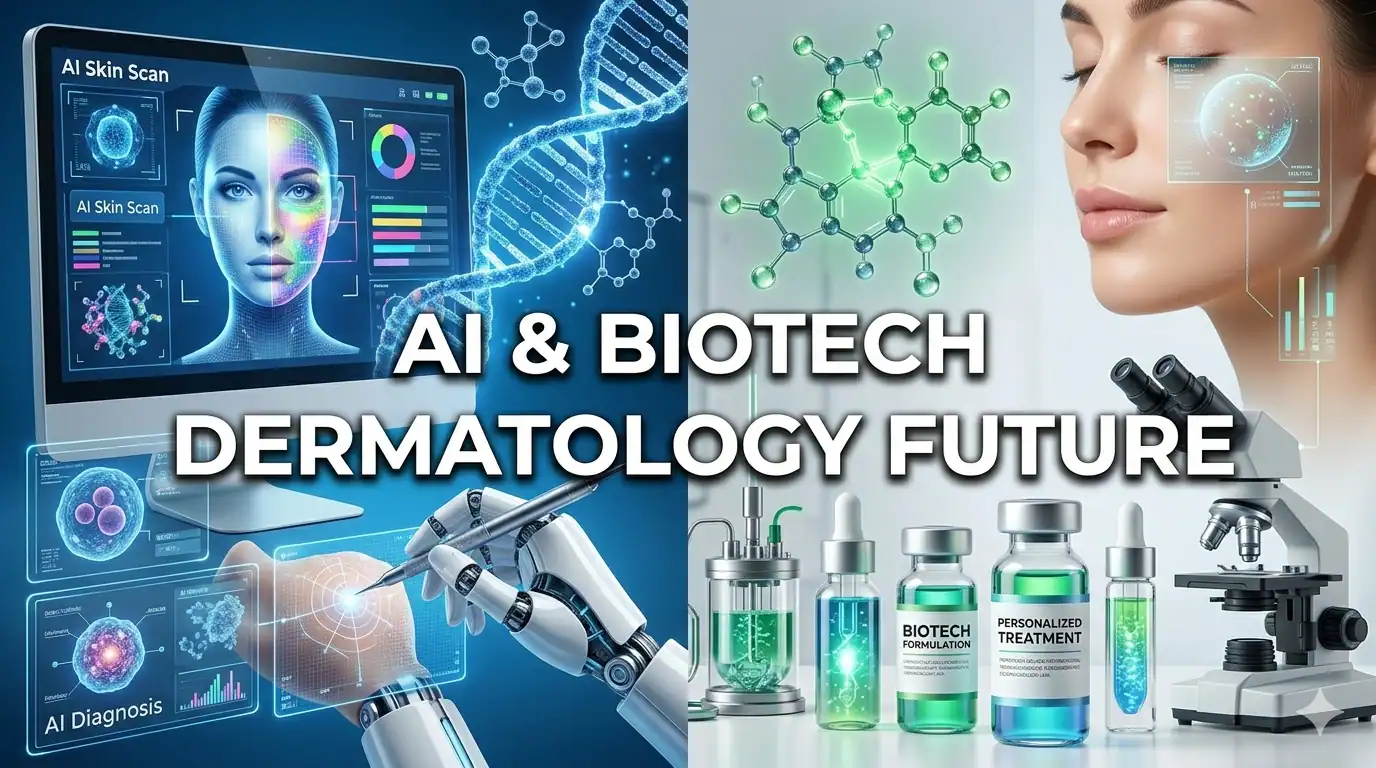
AI and Biotech: Transforming Dermatology's Future
The convergence of artificial intelligence and biotechnology is revolutionizing dermatology at an unprecedented pace. What was once a field reliant primarily on visual examination and manual biopsy analysis is rapidly evolving into a precision medicine discipline powered by machine learning algorithms, genomic sequencing, and advanced biotechnology. This transformation promises earlier disease detection, personalized treatment protocols, and therapeutic breakthroughs that were unimaginable just a decade ago.
Today's dermatology landscape is being reshaped by sophisticated AI systems that can detect skin cancer with accuracy matching or exceeding board-certified dermatologists, biotech companies engineering novel biologics for previously untreatable conditions, and digital health platforms making expert care accessible to underserved populations worldwide. These innovations aren't futuristic concepts—they're being deployed in clinics, hospitals, and even smartphones right now, fundamentally changing how we diagnose, treat, and prevent skin diseases.
This comprehensive guide explores the cutting-edge technologies transforming dermatology, from deep learning algorithms that analyze skin lesions in milliseconds to gene therapies that correct inherited skin disorders at their source. We'll examine how AI is augmenting clinical decision-making, how biotechnology is creating targeted treatments with fewer side effects, and what these advances mean for patients, practitioners, and the future of skin health. Whether you're a healthcare professional seeking to understand emerging tools, a patient navigating treatment options, or simply curious about medical innovation, understanding this transformation is essential for anyone invested in the future of dermatological care.
AI-Powered Diagnosis: Revolutionizing Skin Cancer Detection
Skin cancer detection represents one of the most promising and clinically validated applications of artificial intelligence in dermatology. Melanoma, the deadliest form of skin cancer, is highly treatable when caught early, with five-year survival rates exceeding 99% for localized disease. However, detection rates drop dramatically for advanced stages, making early diagnosis critical. AI systems are now proving capable of identifying suspicious lesions with remarkable accuracy, potentially saving countless lives through earlier intervention.
Deep learning algorithms, particularly convolutional neural networks (CNNs), have demonstrated extraordinary capability in analyzing dermoscopic and clinical images of skin lesions. In landmark studies published in Nature and other prestigious journals, AI systems have achieved diagnostic accuracy comparable to or exceeding that of experienced dermatologists. A 2024 meta-analysis reviewing 45 studies found that AI algorithms achieved an average sensitivity of 89% and specificity of 82% for melanoma detection—performance metrics that rival human experts.
These systems work by analyzing thousands to millions of labeled images, learning to recognize subtle patterns, color variations, border irregularities, and structural features that distinguish benign from malignant lesions. Unlike human observers who may miss subtle changes or be influenced by cognitive biases, AI systems apply consistent, objective criteria to every image. They can detect patterns invisible to the human eye, analyzing hundreds of features simultaneously across multiple spectral bands.
Beyond melanoma, AI is being applied to detect other skin cancers including basal cell carcinoma (BCC) and squamous cell carcinoma (SCC). These non-melanoma skin cancers are far more common than melanoma but receive less attention despite causing significant morbidity. AI-powered screening tools can identify suspicious lesions during routine examinations, prioritizing high-risk cases for immediate biopsy while reducing unnecessary procedures for benign conditions.
Several AI-powered diagnostic platforms have received FDA clearance or CE marking, including systems from companies like DermaSensor, SkinVision, and Google Health's dermatology AI. These tools are being integrated into clinical workflows, with some deployed as smartphone apps for preliminary screening and others embedded in clinical imaging systems for in-office use. The technology is particularly valuable in primary care settings where dermatology expertise may be limited, helping general practitioners make more informed referral decisions.
However, AI diagnosis isn't without limitations. Algorithms trained primarily on lighter skin tones may perform less accurately on darker skin, potentially exacerbating healthcare disparities. Researchers are actively working to diversify training datasets and develop algorithms that perform equitably across all skin types. Additionally, AI should augment rather than replace clinical judgment—the technology provides probability scores and risk assessments, but final diagnosis and treatment decisions remain the physician's responsibility.
Machine Learning for Personalized Treatment Plans
Beyond diagnosis, machine learning is transforming how dermatologists develop treatment plans, moving from one-size-fits-all approaches to truly personalized medicine. By analyzing vast datasets encompassing genetic information, treatment histories, lifestyle factors, and outcomes, AI systems can predict which therapies are most likely to succeed for individual patients, reducing trial-and-error prescribing and accelerating time to effective treatment.
In conditions like psoriasis, atopic dermatitis, and acne, treatment response varies dramatically between patients. What works remarkably well for one person may be ineffective or cause adverse reactions in another. Machine learning algorithms analyze patterns across thousands of patient records to identify predictors of treatment response. For example, algorithms can analyze a patient's genetic profile, disease severity markers, previous treatment responses, and even microbiome composition to recommend the most appropriate biologic therapy for psoriasis, potentially saving months of ineffective treatment.
AI-powered platforms are also optimizing treatment protocols for complex conditions. In melanoma treatment, machine learning models analyze tumor genomics, immune system markers, and patient characteristics to predict response to immunotherapy versus targeted therapy, helping oncologists and dermatologists select the most effective first-line treatment. These systems continuously learn from new data, improving their recommendations as more patients are treated and outcomes are recorded.
Predictive analytics are also being applied to disease progression. For chronic conditions like vitiligo or alopecia areata, AI models can predict disease trajectory, identifying patients at high risk for rapid progression who may benefit from aggressive early intervention versus those with stable disease who can be managed conservatively. This risk stratification enables more efficient resource allocation and prevents undertreatment or overtreatment.
Drug development is another area where machine learning is accelerating progress. AI algorithms can analyze molecular structures, predict drug-target interactions, and identify promising therapeutic candidates far more quickly than traditional methods. Several AI-discovered drugs for dermatological conditions are now in clinical trials, potentially reducing the typical 10-15 year drug development timeline by several years.
Biotechnology Breakthroughs: From Biologics to Gene Therapy
Biotechnology has fundamentally transformed the treatment landscape for inflammatory and autoimmune skin diseases. The development of biologic therapies—large, complex molecules derived from living organisms that target specific components of the immune system—has revolutionized care for conditions like psoriasis, atopic dermatitis, and hidradenitis suppurativa.
Modern biologic therapies work by targeting specific cytokines or immune pathways involved in disease pathogenesis. TNF-alpha inhibitors were the first generation of biologics for psoriasis, but newer agents targeting IL-17, IL-23, and IL-4/IL-13 pathways have demonstrated even greater efficacy with improved safety profiles. Drugs like dupilumab (Dupixent) for atopic dermatitis and guselkumab (Tremfya) for psoriasis have achieved unprecedented clearance rates, with many patients experiencing 90-100% skin clearance—a outcome that was rare with older systemic therapies.
The precision of biologic therapies means fewer systemic side effects compared to traditional immunosuppressants like methotrexate or cyclosporine. By targeting specific immune pathways rather than broadly suppressing immune function, biologics maintain protective immunity while controlling disease. This specificity has made long-term disease management more sustainable and improved quality of life for millions of patients with chronic inflammatory skin conditions.
Beyond existing biologics, next-generation therapies are in development. Bispecific antibodies that target multiple pathways simultaneously, small molecule inhibitors with oral bioavailability, and long-acting formulations requiring less frequent dosing are all advancing through clinical trials. These innovations aim to improve efficacy, convenience, and accessibility while reducing costs.
Gene therapy represents the frontier of biotech innovation in dermatology. For genetic skin disorders like epidermolysis bullosa (EB), a devastating condition causing fragile, blistering skin, gene therapy offers the first real hope of curative treatment. In 2024, the FDA approved the first gene therapy for recessive dystrophic EB, using a modified herpes simplex virus to deliver a functional copy of the COL7A1 gene to skin cells, restoring production of type VII collagen and improving wound healing.
CRISPR-Cas9 gene editing technology is being explored for various genetic skin disorders. Unlike gene replacement therapy, CRISPR can precisely edit defective genes within a patient's own cells, potentially providing permanent correction. Early-stage research is investigating CRISPR-based treatments for conditions like ichthyosis, xeroderma pigmentosum, and various forms of EB. While clinical application is still years away, the potential to cure previously untreatable genetic conditions is driving intense research investment.
Stem cell therapy and tissue engineering are also advancing rapidly. Researchers are developing bioengineered skin substitutes that can treat severe burns, chronic wounds, and genetic skin diseases. These constructs combine patient-derived stem cells with biocompatible scaffolds to create functional skin tissue that integrates with the patient's own skin. Some products are already FDA-approved for burn treatment and diabetic ulcers, with more sophisticated versions in development.
Teledermatology and AI: Expanding Access to Care
The integration of AI with teledermatology is democratizing access to dermatological expertise, particularly in underserved areas where dermatologists are scarce. Telemedicine platforms powered by AI triage systems can evaluate patient-submitted images, prioritize urgent cases, and provide preliminary assessments, ensuring that patients who need immediate care receive it while reducing unnecessary visits for benign conditions.
AI-powered teledermatology platforms use computer vision to analyze images submitted via smartphone or webcam, assessing lesion characteristics and generating risk scores. These systems can distinguish between conditions requiring urgent in-person evaluation versus those that can be managed remotely or monitored over time. For patients in rural areas, developing countries, or regions with long wait times for dermatology appointments, this technology can be life-saving, enabling earlier detection of skin cancers and timely treatment of inflammatory conditions.
Store-and-forward teledermatology, where images and clinical information are transmitted asynchronously for specialist review, has been enhanced by AI pre-screening. Algorithms can flag high-risk cases for priority review, extract relevant clinical features from images, and even suggest differential diagnoses to assist the reviewing dermatologist. This augmentation improves efficiency, allowing specialists to see more patients without compromising quality.
Real-time teledermatology consultations are also benefiting from AI integration. During video visits, AI tools can analyze skin lesions in real-time, providing the dermatologist with additional diagnostic information and confidence scores. Some platforms offer augmented reality features that help patients position cameras optimally for lesion visualization or guide self-examinations between visits.
Remote patient monitoring is another emerging application. Wearable sensors and smartphone apps can track disease activity in conditions like psoriasis or atopic dermatitis, monitoring parameters like skin hydration, erythema, and scratching behavior. AI algorithms analyze this continuous data stream to detect flares early, assess treatment response, and alert clinicians when intervention is needed. This proactive approach prevents disease exacerbations and reduces emergency visits.
However, teledermatology has limitations. Image quality, lighting conditions, and camera resolution can affect diagnostic accuracy. Certain conditions require palpation, dermoscopy, or biopsy that can't be performed remotely. Regulatory and reimbursement frameworks are still evolving, and concerns about data privacy and security must be addressed. Despite these challenges, the COVID-19 pandemic accelerated teledermatology adoption, and the combination with AI promises to make it a permanent, valuable component of dermatological care.
Genomic Medicine and Precision Dermatology
Genomic medicine is ushering in an era of precision dermatology, where treatment decisions are guided by individual genetic profiles rather than population averages. Understanding the genetic basis of skin diseases enables more accurate diagnosis, better prediction of disease course, and selection of targeted therapies most likely to benefit specific patients.
Pharmacogenomics—the study of how genes affect drug response—is particularly relevant in dermatology. Genetic variations can influence drug metabolism, efficacy, and risk of adverse reactions. For example, certain HLA genotypes predict risk of severe cutaneous adverse reactions (SCARs) to medications like carbamazepine or allopurinol. Pre-treatment genetic screening can prevent these life-threatening reactions by identifying high-risk patients who should avoid specific drugs.
In melanoma, genomic profiling of tumors has become standard practice for advanced disease. Testing for BRAF, NRAS, and KIT mutations guides selection of targeted therapies, with BRAF inhibitors showing dramatic responses in BRAF-mutant melanoma. Next-generation sequencing panels can identify multiple actionable mutations simultaneously, enabling personalized treatment strategies. Liquid biopsies that detect circulating tumor DNA are being developed for monitoring treatment response and detecting recurrence earlier than imaging.
For inflammatory skin diseases, genome-wide association studies (GWAS) have identified numerous genetic variants associated with psoriasis, atopic dermatitis, and vitiligo. While these conditions are polygenic and influenced by environmental factors, genetic risk scores are being developed to predict disease susceptibility and severity. In the future, these scores may guide preventive strategies for high-risk individuals before disease onset.
The skin microbiome—the diverse community of bacteria, fungi, and viruses living on our skin—is another frontier in precision dermatology. AI-powered microbiome analysis can identify dysbiosis patterns associated with conditions like acne, atopic dermatitis, and rosacea. This information is being used to develop personalized probiotic treatments and microbiome-modulating therapies that restore healthy microbial balance.
Wearable Technology and Continuous Skin Monitoring
Wearable devices and smart sensors are enabling continuous, objective monitoring of skin health, moving dermatology from episodic clinic-based assessment to real-time, data-driven management. These technologies provide quantitative measurements of skin parameters that were previously assessed only subjectively, improving disease monitoring and treatment optimization.
Smart patches and wearable sensors can measure transepidermal water loss, skin pH, temperature, hydration levels, and even inflammatory biomarkers in sweat. For patients with atopic dermatitis, these devices can detect early signs of flare-ups before symptoms become severe, enabling preemptive treatment. In wound care, smart dressings monitor healing progress, detect infection, and alert clinicians when intervention is needed.
UV exposure monitoring is another important application. Wearable UV sensors track cumulative sun exposure in real-time, alerting users when they've reached safe limits and need sun protection. For patients with photosensitivity disorders or those at high risk for skin cancer, this continuous monitoring can prevent damage and reduce cancer risk. Some devices integrate with smartphone apps that provide personalized sun protection recommendations based on skin type, location, and UV index.
AI-powered smartphone apps are making self-examination more sophisticated. These apps guide users through systematic skin checks, capture standardized images, and use computer vision to track changes in moles over time. While not diagnostic, these tools can alert users to concerning changes that warrant professional evaluation. Some apps integrate with electronic health records, allowing dermatologists to review longitudinal images during consultations.
For chronic wound management, advanced imaging technologies combined with AI can assess wound size, depth, tissue composition, and healing trajectory. These objective measurements guide treatment decisions and predict which wounds are at risk for non-healing, enabling early intervention. Telemedicine platforms allow wound care specialists to monitor patients remotely, reducing the need for frequent clinic visits.
Ethical Considerations and Implementation Challenges
While AI and biotechnology offer tremendous promise for dermatology, their implementation raises important ethical, practical, and regulatory considerations that must be addressed to ensure equitable, safe, and effective deployment.
Bias and Health Equity: AI algorithms are only as good as their training data. Many dermatology AI systems have been trained primarily on images of lighter skin tones, leading to reduced accuracy for patients with darker skin. This bias could exacerbate existing healthcare disparities if not addressed. Researchers and companies must prioritize diverse, representative datasets and rigorously test algorithms across all skin types before clinical deployment. Regulatory agencies should require evidence of equitable performance as a condition for approval.
Data Privacy and Security: Dermatology AI systems require vast amounts of patient data, including sensitive medical images and health information. Protecting this data from breaches and ensuring patient privacy is paramount. Robust encryption, de-identification protocols, and strict access controls are essential. Patients should have transparency about how their data is used and the ability to opt out. Compliance with regulations like HIPAA in the US and GDPR in Europe is mandatory but not sufficient—ethical data stewardship requires going beyond minimum legal requirements.
Clinical Validation and Regulation: Not all AI tools marketed to consumers or clinicians have undergone rigorous validation. The regulatory landscape for AI-based medical devices is evolving, with agencies like the FDA developing frameworks for software as a medical device (SaMD). However, the pace of technological innovation often outstrips regulatory processes. Clinicians must critically evaluate evidence for AI tools, understanding their limitations and appropriate use cases. Peer-reviewed validation studies, real-world performance data, and transparency about algorithm development are essential for informed adoption.
Physician-Patient Relationship: There's concern that AI could depersonalize dermatological care or undermine the physician-patient relationship. However, when implemented thoughtfully, AI should augment rather than replace human judgment and empathy. The ideal model positions AI as a decision-support tool that enhances clinician efficiency and accuracy while preserving the irreplaceable human elements of care: empathy, contextual understanding, and shared decision-making.
Access and Cost: Advanced biotech therapies and AI-powered diagnostics are expensive, raising concerns about accessibility and healthcare costs. Biologic drugs for psoriasis can cost tens of thousands of dollars annually, and AI systems require significant infrastructure investment. Without thoughtful policy and pricing strategies, these innovations could widen disparities between wealthy and underserved populations. Value-based pricing, generic biosimilars, and public-private partnerships are needed to ensure broad access.
Frequently Asked Questions
How accurate is AI in detecting skin cancer compared to dermatologists?
Recent studies show that well-validated AI systems can achieve diagnostic accuracy comparable to board-certified dermatologists, with sensitivity and specificity in the 85-90% range for melanoma detection. However, AI performance varies based on the quality of training data, image quality, and skin type. AI should be viewed as a decision-support tool that augments rather than replaces dermatologist expertise. The combination of AI analysis plus clinical judgment typically yields the best outcomes.
Will AI replace dermatologists in the future?
No, AI is unlikely to replace dermatologists. Instead, it will augment their capabilities, handling routine screening and pattern recognition tasks while freeing physicians to focus on complex cases, procedural work, and patient relationships. Dermatology requires clinical judgment, manual skills for procedures and surgery, and empathetic patient communication—capabilities that AI cannot replicate. The future model is collaborative intelligence, where AI and physicians work together to deliver superior care.
Are biologic therapies safe for long-term use?
Biologic therapies have favorable safety profiles for long-term use in most patients. Because they target specific immune pathways rather than broadly suppressing immunity, they carry lower risks of serious infections and malignancies compared to traditional immunosuppressants. However, they can increase risk of certain infections, and rare adverse effects can occur. Regular monitoring is essential. For most patients with moderate-to-severe inflammatory skin disease, benefits of disease control and improved quality of life outweigh risks. Discuss individual risk-benefit profiles with your dermatologist.
How much do AI-powered dermatology tools cost?
Costs vary widely. Consumer smartphone apps for skin monitoring may be free or cost $5-50. Clinical AI systems integrated into healthcare systems are typically paid for by providers or insurers rather than patients directly. Teledermatology consultations may cost less than in-person visits and are increasingly covered by insurance. The cost-effectiveness of AI tools comes from earlier detection, reduced unnecessary biopsies, and improved efficiency, potentially lowering overall healthcare costs despite upfront technology investment.
Can gene therapy cure genetic skin diseases?
Gene therapy has shown remarkable success in early applications, with the first FDA-approved gene therapy for epidermolysis bullosa demonstrating significant wound healing improvement. However, "cure" is a strong word—current gene therapies often require repeated applications and may not completely eliminate disease. The field is rapidly evolving, with CRISPR-based approaches offering potential for permanent correction. While not all genetic skin diseases have gene therapy options yet, the pipeline is robust, offering hope for conditions previously considered untreatable.
How can patients access these advanced treatments?
Access varies by treatment and location. FDA-approved biologic therapies are available through dermatologists but may require prior authorization from insurance due to cost. Clinical trials offer access to experimental therapies for eligible patients. Teledermatology platforms are increasingly available, though coverage varies by insurer and state. For cutting-edge treatments, academic medical centers and specialized dermatology clinics are often the first to offer new therapies. Discuss options with your dermatologist, who can guide you toward appropriate treatments and clinical trials.
Conclusion: Embracing the Dermatological Revolution
The convergence of artificial intelligence and biotechnology is fundamentally transforming dermatology, promising earlier detection, more precise diagnosis, personalized treatment, and previously unimaginable therapeutic breakthroughs. From AI systems that detect skin cancer with expert-level accuracy to gene therapies that correct inherited disorders at their molecular source, these innovations are not distant futures—they're being deployed today, improving outcomes for patients worldwide.
Yet technology alone isn't the answer. The true promise of this transformation lies in thoughtful integration that enhances rather than replaces human expertise, addresses health equity rather than exacerbating disparities, and improves access rather than creating new barriers. Success requires collaboration between technologists, clinicians, patients, regulators, and policymakers to ensure these powerful tools serve everyone fairly and safely.
For patients, this revolution means hope—hope for earlier cancer detection, more effective treatments with fewer side effects, and ultimately cures for conditions once considered chronic and untreatable. For dermatologists, it means powerful new tools to enhance diagnostic accuracy, optimize treatment selection, and extend expertise to underserved populations. For society, it represents an opportunity to demonstrate that technological progress and humanistic care aren't mutually exclusive but mutually reinforcing.
The future of dermatology is being written now, in research laboratories, clinical trials, and healthcare systems around the world. By embracing these innovations while remaining vigilant about their limitations and ethical implications, we can realize their full potential to improve skin health and quality of life for all. The transformation is underway—the question isn't whether AI and biotechnology will reshape dermatology, but how well we guide that transformation to serve human health and dignity.