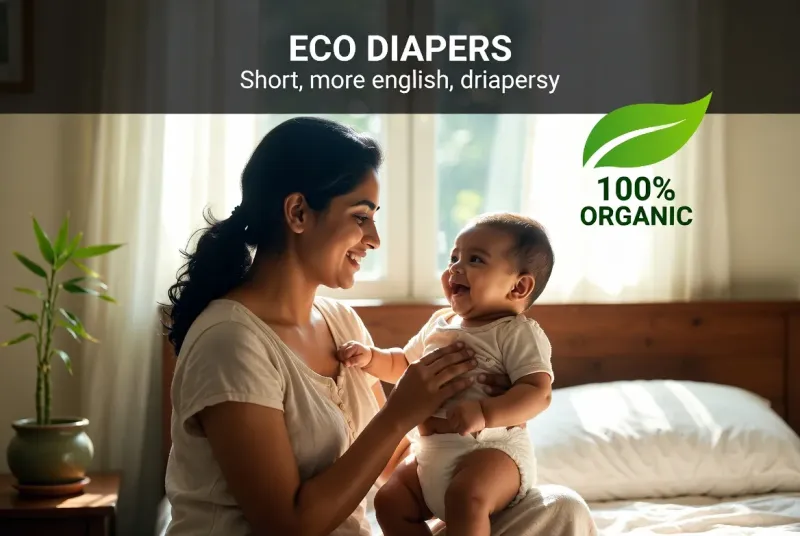
As parents become increasingly aware of the environmental impact of traditional disposable diapers and the potential health concerns associated with chemicals in conventional baby products, bamboo diapers have emerged as a popular eco-friendly alternative. These innovative diapers combine the sustainability of bamboo with advanced absorbency technology, offering a solution that's better for your baby, your family, and the planet. But with so many brands claiming to be "eco-friendly" and "non-toxic," how do you choose the best bamboo diapers for your little one?
Bamboo diapers represent a significant advancement in sustainable parenting. Made from bamboo viscose or bamboo charcoal, these diapers offer superior absorbency, natural antibacterial properties, and biodegradability that traditional petroleum-based diapers simply cannot match. For eco-conscious parents who want to reduce their environmental footprint without compromising on performance, bamboo diapers provide an attractive middle ground between cloth diapers and conventional disposables.
This comprehensive guide explores the best non-toxic bamboo diapers available in 2026, examining their features, benefits, certifications, and real-world performance. You'll learn what makes bamboo diapers truly eco-friendly, how to identify genuinely non-toxic products, which brands lead the market in sustainability and quality, and whether the investment in bamboo diapers aligns with your family's values and budget. Whether you're a first-time parent navigating the overwhelming world of baby products or an experienced parent seeking greener alternatives, this guide will help you make informed decisions about bamboo diapers.
Why Choose Bamboo Diapers: Environmental and Health Benefits
Understanding why bamboo diapers have become the preferred choice for eco-conscious parents requires examining both their environmental advantages and health benefits compared to traditional disposable diapers.
Environmental Advantages of Bamboo
Bamboo is one of the most sustainable materials on Earth. It grows incredibly fast, with some species growing up to three feet in a single day, making it highly renewable. Unlike trees that take decades to mature, bamboo reaches harvestable size in just 3-5 years. It requires minimal water, no pesticides or fertilizers, and actually improves soil health rather than depleting it.
Bamboo cultivation also has a lower carbon footprint than cotton or wood pulp production. The plant absorbs more carbon dioxide and releases more oxygen than equivalent stands of trees, making it a carbon-negative crop. For parents concerned about climate change and environmental degradation, choosing bamboo-based products represents a tangible way to reduce their family's ecological impact.
Superior Absorbency and Performance
Bamboo fibers are naturally more absorbent than cotton, capable of absorbing up to three times their weight in moisture. This exceptional absorbency translates to diapers that keep babies drier for longer periods, reducing the risk of diaper rash and discomfort. The micro-gaps in bamboo fibers also provide superior ventilation, allowing air to circulate and keeping baby's skin cooler and healthier.
Bamboo charcoal, used in some premium diaper brands, offers enhanced odor control and moisture-wicking properties. The porous structure of activated charcoal traps moisture and odors effectively, keeping diapers fresher longer and reducing the frequency of changes needed overnight.
Natural Antibacterial and Hypoallergenic Properties
Bamboo contains a natural antimicrobial bio-agent called "bamboo kun" that resists bacteria growth and odor. This natural property makes bamboo diapers inherently more hygienic than conventional diapers that rely on chemical additives for antibacterial effects. For babies with sensitive skin or eczema, bamboo's hypoallergenic nature reduces the risk of irritation and allergic reactions.
Unlike traditional diapers that often contain chlorine, fragrances, lotions, and other potential irritants, high-quality bamboo diapers are typically free from harsh chemicals. This chemical-free approach is crucial for protecting your baby's delicate skin and reducing exposure to potentially harmful substances during those critical early developmental years.
Biodegradability and Waste Reduction
Traditional disposable diapers take 450-500 years to decompose in landfills, where they release methane, a potent greenhouse gas. An estimated 20 billion disposable diapers end up in landfills annually in the United States alone, creating a massive environmental burden.
While bamboo diapers aren't completely biodegradable (most contain some synthetic materials for absorbency and fit), they decompose significantly faster than conventional diapers. The bamboo components break down naturally, and many brands are working toward fully compostable options. Some eco-conscious parents use diaper composting services or home composting systems designed for biodegradable diapers, further reducing environmental impact.
What Makes Bamboo Diapers Truly Non-Toxic
Not all bamboo diapers are created equal. To ensure you're choosing genuinely non-toxic products, it's essential to understand what certifications and features to look for.
Key Certifications for Non-Toxic Diapers
FSC Certification: The Forest Stewardship Council certification ensures that bamboo is sourced from responsibly managed forests that provide environmental, social, and economic benefits. This certification guarantees sustainable harvesting practices and protects biodiversity.
OEKO-TEX Standard 100: This certification verifies that every component of the diaper has been tested for harmful substances and is safe for human use. It's particularly important for baby products that come into direct contact with sensitive skin.
EPA Safer Choice: Products with this designation meet strict criteria for human and environmental safety, using ingredients that are less toxic than conventional alternatives.
USDA Certified Biobased Product: This label indicates the percentage of biobased content in the product, helping consumers verify the environmental claims made by manufacturers.
EU Ecolabel: A voluntary label that identifies products and services with a reduced environmental impact throughout their life cycle, from raw material extraction to production, use, and disposal.
Ingredients and Materials to Avoid
When selecting bamboo diapers, steer clear of products containing:
Chlorine: Many conventional diapers use chlorine bleaching, which produces dioxins, toxic compounds linked to cancer and reproductive problems. Look for "TCF" (Totally Chlorine Free) or "ECF" (Elemental Chlorine Free) labels.
Fragrances and Lotions: Synthetic fragrances and lotions can cause skin irritation and allergic reactions. They often contain phthalates, chemicals that disrupt hormones. Choose fragrance-free options.
Latex: Natural rubber latex can trigger allergic reactions in some babies. Latex-free diapers are safer for sensitive skin.
Petrochemicals: Avoid diapers with high petroleum-based content. While some synthetic materials are necessary for absorbency and fit, excessive petrochemical use defeats the purpose of choosing eco-friendly diapers.
VOCs (Volatile Organic Compounds): These chemicals can off-gas from diapers and potentially affect indoor air quality and baby's health.
Transparency and Brand Accountability
Truly non-toxic bamboo diaper brands are transparent about their manufacturing processes, material sourcing, and ingredient lists. They provide detailed information about:
- Where and how bamboo is sourced
- Manufacturing facilities and labor practices
- Complete ingredient lists
- Third-party testing results
- Certifications and compliance standards
- End-of-life disposal recommendations
Brands that hide behind vague marketing terms like "natural" or "eco-friendly" without substantiating these claims should be approached with caution. Look for companies that provide concrete evidence of their environmental and health commitments.
Top Non-Toxic Bamboo Diaper Brands in 2026
After extensive research and evaluation of certifications, materials, performance, and customer feedback, these brands stand out as the best non-toxic bamboo diapers for eco-conscious parents.
Bambo Nature Eco-Friendly Baby Diapers
Bambo Nature has been a pioneer in eco-friendly diapers for over 40 years, and their commitment to sustainability and non-toxic materials remains unmatched. These diapers are made from sustainably sourced bamboo viscose and feature a breathable, chemical-free design.
Key Features:
- FSC-certified bamboo and wood pulp
- OEKO-TEX Standard 100 certified
- Nordic Swan Ecolabel certified
- Totally chlorine-free (TCF)
- Fragrance-free and latex-free
- Super-absorbent core with wetness indicator
- Soft, breathable outer layer
Performance: Parents consistently praise Bambo Nature diapers for exceptional absorbency, leak protection, and gentle feel on sensitive skin. The diapers hold up well overnight and during active play.
Price Range: Premium pricing at approximately $0.40-$0.50 per diaper, but many parents find the quality and peace of mind worth the investment.
Best For: Parents prioritizing certifications and transparency, babies with sensitive skin or eczema, eco-conscious families willing to invest in premium products.
Eco by Naty Bamboo Diapers
Eco by Naty (formerly Naty by Nature Babycare) offers plant-based diapers that combine bamboo with other renewable materials. These diapers are designed with both baby's health and environmental sustainability in mind.
Key Features:
- Renewable plant-based materials including bamboo
- OEKO-TEX certified
- Chlorine-free bleaching
- No petroleum-based plastics on baby's skin
- Biodegradable materials
- Perfume-free and hypoallergenic
- Leak-lock technology
Performance: Eco by Naty diapers provide reliable absorbency and fit, though some parents note they may require more frequent changes overnight compared to conventional brands. The soft texture and natural materials are gentle on skin.
Price Range: Mid-premium at approximately $0.35-$0.45 per diaper.
Best For: Parents seeking plant-based alternatives, those concerned about plastic contact with baby's skin, families wanting biodegradable options.
Bambo Nature Premium Bamboo Diapers
Another excellent option from Bambo Nature, their premium line offers enhanced features for parents seeking the absolute best in eco-friendly diaper technology.
Key Features:
- Enhanced bamboo fiber content
- Advanced absorbency channels
- Ultra-soft bamboo top sheet
- All standard Bambo Nature certifications
- Improved fit and flexibility
- Wetness indicator
Performance: The premium line offers superior overnight protection and enhanced comfort, making it ideal for babies who need extra absorbency or have particularly sensitive skin.
Price Range: Premium pricing at $0.45-$0.55 per diaper.
Best For: Overnight use, babies with very sensitive skin, parents wanting maximum eco-credentials.
Seventh Generation Free & Clear Diapers with Bamboo
Seventh Generation brings its commitment to plant-based, chemical-free products to the diaper category. While not 100% bamboo, these diapers incorporate bamboo fibers and prioritize non-toxic materials.
Key Features:
- Bamboo fibers blended with sustainable wood pulp
- Free of chlorine bleaching, fragrances, and lotions
- Hypoallergenic
- Wetness indicator
- Leak protection channels
- Soft, breathable materials
Performance: Seventh Generation diapers offer solid performance with good absorbency and fit. They're widely available in stores, making them convenient for parents who want eco-friendly options without special ordering.
Price Range: Mid-range at $0.30-$0.40 per diaper, making them more accessible than some premium brands.
Best For: Parents seeking widely available eco-friendly diapers, budget-conscious families wanting non-toxic options, those transitioning from conventional diapers.
Honest Company Club Box Diapers with Bamboo
The Honest Company, founded by Jessica Alba, has built a reputation for transparent, plant-based baby products. Their diapers feature bamboo and other sustainable materials.
Key Features:
- Bamboo viscose in core absorbency layer
- Plant-based materials throughout
- Free of chlorine processing, fragrances, and latex
- TrueAbsorb Technology
- Sustainable design
- Cute, eco-friendly prints
Performance: Honest Company diapers provide reliable leak protection and absorbency. Parents appreciate the fun designs and the company's commitment to transparency and sustainability.
Price Range: Mid-premium at $0.35-$0.45 per diaper, with subscription discounts available.
Best For: Parents valuing brand transparency and design, those wanting plant-based options with style, families seeking subscription convenience.
Bambo Nature Training Pants
For toddlers transitioning from diapers, Bambo Nature offers eco-friendly training pants made with bamboo that maintain the brand's high environmental and health standards.
Key Features:
- Bamboo fibers for absorbency
- Easy-tear sides for quick removal
- Stretchy waistband for comfort
- All standard Bambo Nature certifications
- Chlorine-free and fragrance-free
Performance: These training pants provide the absorbency needed for accidents while allowing toddlers to practice independence in using the toilet.
Price Range: Premium at $0.40-$0.50 per training pant.
Best For: Eco-conscious parents potty training toddlers, maintaining non-toxic standards through the transition from diapers.
How to Choose the Right Bamboo Diapers for Your Baby
Selecting the best bamboo diapers involves considering multiple factors beyond just environmental credentials. Here's what to evaluate:
Assess Your Baby's Needs
Skin Sensitivity: If your baby has sensitive skin, eczema, or frequent rashes, prioritize diapers with OEKO-TEX certification, fragrance-free formulas, and hypoallergenic materials. Bambo Nature and Eco by Naty excel in this category.
Absorbency Requirements: Heavy wetters or babies who sleep through the night need diapers with superior absorbency. Look for brands offering overnight protection or enhanced absorbency features.
Fit and Comfort: Every baby's body is different. Some brands run larger or smaller, and fit can affect leak prevention. Consider ordering sample packs before committing to bulk purchases.
Evaluate Environmental Credentials
Certifications: Look for third-party certifications like FSC, OEKO-TEX, Nordic Swan, or EU Ecolabel. These provide objective verification of environmental and health claims.
Biodegradability: While no disposable diaper is 100% biodegradable, some brands decompose faster than others. Research the brand's end-of-life recommendations and whether composting options exist in your area.
Carbon Footprint: Consider where diapers are manufactured and shipped from. Locally-produced options (relative to your location) have lower transportation emissions.
Packaging: Eco-friendly brands use minimal, recyclable, or compostable packaging. Avoid excessive plastic wrapping.
Consider Practical Factors
Availability: Can you easily purchase these diapers locally, or will you need to order online? Consider shipping costs and delivery times.
Price: Bamboo diapers typically cost 20-50% more than conventional diapers. Calculate your monthly diaper budget and determine what's sustainable for your family. Remember that subscription services often offer discounts.
Size Range: Ensure the brand offers sizes that will grow with your baby, from newborn through toddler.
Customer Service: Research the brand's reputation for customer support, especially if you encounter sizing issues or product concerns.
Read Reviews and Seek Recommendations
Real-world feedback from other parents is invaluable. Look for reviews addressing:
- Leak protection and absorbency
- Fit and comfort
- Skin reactions or improvements
- Value for money
- Customer service experiences
Parenting forums, eco-conscious parenting groups, and product review sites provide honest assessments that can guide your decision.
Making the Switch: Transitioning to Bamboo Diapers
If you're currently using conventional diapers and want to switch to bamboo, here's how to make the transition smooth and successful.
Start Gradually
You don't need to switch overnight. Start by using bamboo diapers during the day and keeping conventional diapers for overnight or outings until you're confident in the bamboo brand's performance. This approach lets you test different brands and find what works best for your baby.
Order Sample Packs First
Most eco-friendly diaper brands offer sample packs or small quantities. Order these to test fit, absorbency, and your baby's skin reaction before committing to bulk purchases. This prevents waste and expense if a particular brand doesn't work for your family.
Adjust Your Changing Routine
Bamboo diapers may have slightly different absorbency characteristics than conventional diapers. You might need to:
- Change diapers slightly more frequently initially
- Use diaper cream if transitioning from conventional diapers with lotions
- Adjust sizing if bamboo diapers fit differently
Dispose Responsibly
Maximize the environmental benefits of bamboo diapers by disposing of them thoughtfully:
- Check if your area offers composting services for biodegradable diapers
- Remove solid waste before disposal (this is important for any diaper type)
- Recycle packaging materials
- Consider using a diaper pail that controls odor without harsh chemicals
Cost Considerations and Budget-Friendly Strategies
Bamboo diapers cost more than conventional options, but several strategies can make them more affordable:
Subscription Services
Most bamboo diaper brands offer subscription discounts of 10-20%. Set up automatic deliveries to ensure you never run out while saving money. Many services allow you to adjust delivery frequency as your baby grows and diaper needs change.
Bulk Purchasing
Buying in larger quantities typically reduces the per-diaper cost. If storage space allows, purchase club boxes or bulk packs. Coordinate with other eco-conscious parents to split bulk orders and share savings.
Hybrid Approach
Some families use bamboo diapers during the day and cloth diapers at home, reserving conventional diapers only for travel or特殊情况. This hybrid approach reduces overall diaper costs while maintaining eco-friendly practices.
Register for Eco-Friendly Baby Showers
If you're expecting, include bamboo diapers on your baby registry. Friends and family may be willing to invest in premium eco-friendly products as gifts, helping you offset initial costs.
Calculate True Cost
While bamboo diapers cost more upfront, consider potential savings from:
- Fewer diaper rash treatments
- Reduced doctor visits for skin issues
- Environmental benefits that align with your values
- Potential health benefits from reduced chemical exposure
Frequently Asked Questions
Are bamboo diapers really biodegradable?
Most bamboo diapers are partially biodegradable. The bamboo components break down naturally, but many diapers also contain synthetic materials like super-absorbent polymers (SAP) and elastic that don't biodegrade. Some brands are working toward fully compostable diapers, but these are still emerging. Even partially biodegradable diapers decompose faster than conventional diapers and have lower environmental impact overall.
Do bamboo diapers work as well as conventional diapers?
Yes, high-quality bamboo diapers perform comparably to conventional diapers in terms of absorbency, leak protection, and comfort. Some parents find bamboo diapers even more absorbent due to bamboo's natural moisture-wicking properties. However, performance varies by brand, so it's worth testing different options to find what works best for your baby.
Are bamboo diapers more expensive?
Bamboo diapers typically cost 20-50% more than conventional diapers, ranging from $0.30-$0.55 per diaper compared to $0.20-$0.35 for conventional options. However, prices vary by brand, and subscription discounts, bulk purchasing, and sales can reduce costs. Many parents find the environmental and health benefits justify the premium.
Can bamboo diapers cause allergic reactions?
Bamboo diapers are generally hypoallergenic and less likely to cause reactions than conventional diapers because they're free from fragrances, lotions, and harsh chemicals. However, any baby can have sensitivities to specific materials. If your baby develops a rash after switching to bamboo diapers, discontinue use and consult your pediatrician. The rash may be due to moisture rather than an allergic reaction.
How do I know if a bamboo diaper brand is truly eco-friendly?
Look for third-party certifications like FSC, OEKO-TEX, Nordic Swan, or EU Ecolabel. Research the brand's transparency about sourcing, manufacturing, and ingredients. Be wary of vague terms like "natural" or "eco-friendly" without substantiation. Check for information about biodegradability, carbon footprint, and packaging sustainability. Read independent reviews and verify claims through certification databases.
Can I compost bamboo diapers?
Some bamboo diapers are compostable, but most require industrial composting facilities that reach high temperatures to break down all materials. Home composting is generally not recommended for disposable diapers due to sanitation concerns and incomplete decomposition. Check with local waste management services about diaper composting programs in your area. Always remove solid waste before disposal, regardless of disposal method.
Do bamboo diapers have wetness indicators?
Many bamboo diaper brands include wetness indicators, which are lines on the diaper that change color when wet. This feature helps parents know when it's time for a change. Brands like Bambo Nature, Honest Company, and Seventh Generation offer wetness indicators on most sizes.
Conclusion
Choosing non-toxic bamboo diapers represents a meaningful step toward more sustainable, health-conscious parenting. These innovative products offer the convenience of disposables while significantly reducing environmental impact and minimizing your baby's exposure to potentially harmful chemicals. With superior absorbency, natural antibacterial properties, and biodegradability, bamboo diapers prove that you don't have to sacrifice performance for sustainability.
The best bamboo diapers for your family depend on your specific priorities, whether that's rigorous certifications, maximum absorbency, budget considerations, or availability. Brands like Bambo Nature, Eco by Naty, Seventh Generation, and Honest Company lead the market in combining eco-credentials with reliable performance. By researching certifications, reading reviews, and testing sample packs, you can find the perfect bamboo diaper that aligns with your values and meets your baby's needs.
While bamboo diapers cost more than conventional options, the investment pays dividends in reduced chemical exposure, environmental protection, and peace of mind. With strategies like subscription discounts, bulk purchasing, and hybrid diapering approaches, you can make eco-friendly diapering financially sustainable for your family.
Every diaper change is an opportunity to make a positive choice for your baby and the planet. By choosing non-toxic bamboo diapers, you're not just keeping your baby dry and comfortable, you're contributing to a healthier future for the next generation. That's a legacy worth investing in.
📖 আরও পড়ুন: Baby Care
- 🔗 বুকের দুধ ও শিশুর ত্বক: নিরাপত্তা, উপকারিতা ও সতর্কতার গাইড
- 🔗 7 Sustainable Organic Cotton Brands for Newborns: 2026 Guide
- 🔗 বাংলাদেশের আর্দ্র জলবায়ুতে বাচ্চার চামড়ায় র্যাশের ৫টি অজানা কারণ (এবং তাদের প্রাকৃতিক সমাধান)
- 🔗 Screen-Free Entertainment for Infants: High-Tech World Guide
- 🔗 Best Ergonomic Baby Carriers for Hip Development and Comfort