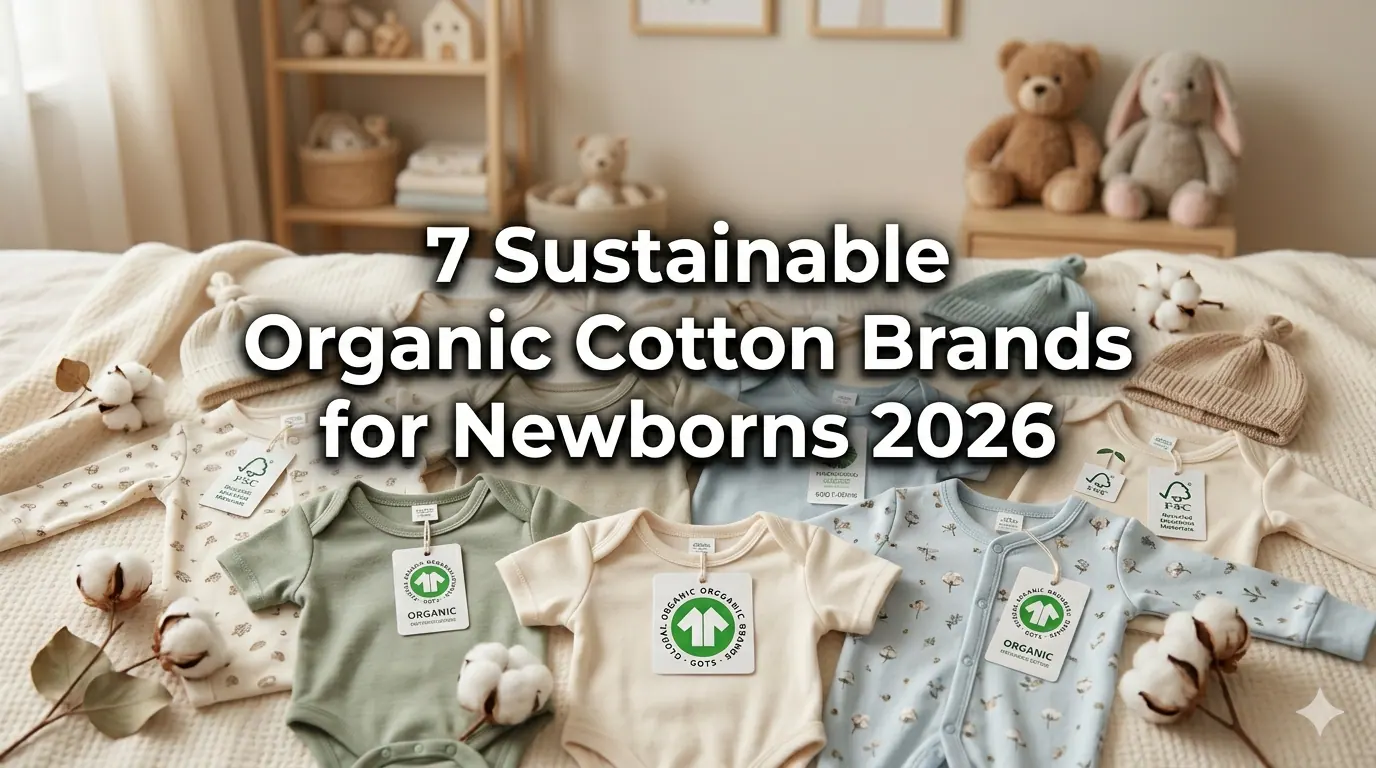
As a new parent, choosing the right clothing for your newborn is about more than just style and comfort—it's about safety, sustainability, and the kind of world you want to leave for your child. In 2026, more parents than ever are turning to organic cotton clothing brands that prioritize both environmental responsibility and the delicate needs of newborn skin. With conventional cotton production using nearly 16% of the world's pesticides despite using only 2.4% of agricultural land, the shift to organic cotton isn't just a trend—it's a necessary evolution in how we dress our littlest ones.
Organic cotton clothing for newborns offers numerous benefits: it's free from harmful chemicals and pesticides that can irritate sensitive newborn skin, it's softer and more breathable than conventional cotton, it's produced using sustainable farming practices that protect the environment, and it supports fair labor practices throughout the supply chain. For parents seeking the best for their babies and the planet, organic cotton is the clear choice.
This comprehensive guide explores the seven best sustainable organic cotton clothing brands for newborns in the USA in 2026. We've evaluated each brand based on their commitment to organic certification (GOTS, OEKO-TEX), sustainability practices, product quality, safety standards, price accessibility, and overall value. Whether you're looking for everyday essentials, special occasion outfits, or complete newborn wardrobes, you'll find detailed reviews, pricing information, and insider tips to help you make informed decisions about your baby's wardrobe.
Why Organic Cotton Matters for Newborns
Before exploring specific brands, understanding why organic cotton is particularly important for newborns helps justify the often-higher price point and guides your purchasing decisions.
Sensitive Skin Protection
Newborn skin is approximately 30% thinner than adult skin and continues developing its protective barrier during the first year of life. This makes newborns particularly vulnerable to:
- Chemical Irritants: Conventional cotton is treated with pesticides, herbicides, and chemical dyes that can remain in the fabric and irritate sensitive skin
- Allergic Reactions: Chemical residues can trigger eczema, rashes, and allergic dermatitis in susceptible infants
- Respiratory Issues: Volatile organic compounds (VOCs) from chemical treatments can affect breathing
Organic cotton, certified by standards like GOTS (Global Organic Textile Standard), ensures that no harmful chemicals are used from farm to finished product, providing the gentlest possible contact with your baby's skin.
Environmental Impact
Choosing organic cotton for your newborn contributes to a healthier planet they'll inherit:
- Water Conservation: Organic cotton farming uses 91% less water than conventional cotton
- No Toxic Chemicals: Eliminates pesticide runoff that contaminates water supplies and soil
- Carbon Reduction: Organic farming practices sequester more carbon in soil
- Biodiversity Protection: Organic farms support 50% more biodiversity than conventional farms
Quality and Durability
Organic cotton fibers are typically longer and stronger than conventional cotton, resulting in:
- Softer fabric that gets softer with each wash
- Better durability through countless washes (essential for baby clothes!)
- Better breathability and moisture-wicking properties
- Less pilling and fading over time
What to Look for in Sustainable Baby Clothing Brands
Not all "organic" or "sustainable" claims are created equal. Here are the key certifications and practices to verify:
Essential Certifications
GOTS (Global Organic Textile Standard): The gold standard for organic textiles, GOTS certification ensures:
- At least 95% certified organic fibers
- No toxic heavy metals, formaldehyde, or aromatic solvents
- Strict wastewater treatment requirements
- Social criteria including fair wages and safe working conditions
- Third-party certification at every stage of production
OEKO-TEX Standard 100: Tests for harmful substances in finished textiles, ensuring products are free from:
- Pesticides and heavy metals
- Chlorinated phenols
- Allergenic dyes
- Formaldehyde and other harmful chemicals
USDA Organic: Verifies organic farming practices for cotton cultivation.
Fair Trade Certified: Ensures fair wages and safe working conditions for farmers and factory workers.
Sustainability Practices
Beyond certifications, look for brands that demonstrate:
- Transparent Supply Chains: Clear information about where and how products are made
- Carbon Neutral Shipping: Offset or carbon-neutral delivery options
- Recyclable/Biodegradable Packaging: Minimal, plastic-free packaging
- Circular Economy Initiatives: Take-back programs, recycling initiatives, or clothing resale programs
- Water Conservation: Low-impact dyeing processes and water recycling
- Renewable Energy: Manufacturing facilities powered by renewable energy
Top 7 Sustainable Organic Cotton Brands for Newborns in 2026
After extensive research evaluating certifications, sustainability practices, product quality, customer reviews, and value, these seven brands stand out as the best sustainable organic cotton clothing options for newborns in the USA.
1. Burt's Bees Baby: Best Overall Value
Overview: Burt's Bees Baby has become a household name for good reason. This brand offers exceptional quality organic cotton baby clothes at accessible price points, making sustainable fashion achievable for more families.
Certifications & Standards:
- 100% GOTS certified organic cotton
- OEKO-TEX Standard 100 certified
- USDA Organic certified
- Carbon neutral shipping on all orders
Product Range:
- Bodysuits and onesies ($12-$18)
- Sleepers and pajamas ($16-$28)
- Playwear and outfits ($18-$32)
- Accessories (hats, mittens, bibs) ($8-$16)
- Complete newborn gift sets ($40-$80)
What We Love:
- Exceptional value for certified organic cotton
- Incredibly soft fabric that maintains quality wash after wash
- Wide size range from newborn to toddler
- Adorable, timeless designs in gender-neutral and traditional styles
- Convenient subscription service for essentials
- Excellent customer service and easy returns
Considerations:
- Limited special occasion or dressy options
- Some styles run slightly small
Best For: Parents seeking high-quality, everyday organic cotton essentials at reasonable prices. Perfect for building a complete newborn wardrobe without breaking the bank.
Where to Buy: burtsbeesbaby.com, Amazon, Target, Buy Buy Baby
2. Hanna Andersson: Best for Durability and Hand-Me-Down Quality
Overview: A Swedish brand with over 40 years of experience, Hanna Andersson is renowned for creating organic cotton baby clothes so durable they can be passed down through multiple children.
Certifications & Standards:
- GOTS certified organic cotton (95%+ organic)
- OEKO-TEX Standard 100 certified
- Fair Trade certified factories
- Bluesign certified manufacturing facilities
Product Range:
- Bodysuits and rompers ($18-$32)
- Sleepwear ($24-$38)
- Everyday essentials ($20-$40)
- Seasonal collections ($28-$55)
- Organic cotton blankets and swaddles ($32-$48)
What We Love:
- Legendary durability—clothes truly last through multiple children
- Vibrant, fade-resistant colors that stay bright wash after wash
- Thoughtful design details (envelope necklines, reinforced knees, easy-snap closures)
- Generous sizing that accommodates growth
- "Hanna Loves" resale program for gently used items
- 365-day guarantee on all products
Considerations:
- Higher price point (though justified by durability)
- Limited newborn-specific options compared to toddler sizes
Best For: Parents planning multiple children or participating in clothing swaps who want investment pieces that will last. Ideal for those who prioritize long-term value over initial cost.
Where to Buy: hannaandersson.com, select Nordstrom locations
3. Pact: Best for Budget-Conscious Eco Parents
Overview: Pact makes sustainable fashion accessible with affordable organic cotton basics that don't compromise on quality or ethics.
Certifications & Standards:
- GOTS certified organic cotton
- Fair Trade Certified factories
- Carbon neutral shipping
- WRAP (Worldwide Responsible Accredited Production) certified
Product Range:
- Bodysuits 3-packs ($24-$30)
- Sleepers ($16-$24)
- Pants and leggings ($14-$22)
- T-shirts and tops ($12-$18)
- Complete newborn bundles ($60-$100)
What We Love:
- Most affordable GOTS certified organic cotton brand
- Simple, minimalist designs perfect for layering
- Multi-pack options provide excellent value
- Soft, comfortable fabric
- Transparent about supply chain and factory conditions
- Give-back program donating clothes to those in need
Considerations:
- Limited design variety (focus on basics)
- Fabric may pill slightly after many washes
- Sizing can be inconsistent between styles
Best For: Budget-conscious parents who want certified organic cotton without premium prices. Perfect for building a foundation of everyday essentials.
Where to Buy: wearpact.com, Amazon
4. Little Green Radicals: Best for Adorable Designs and Ethics
Overview: This UK-based brand (with strong USA distribution) combines whimsical, beautifully designed organic cotton baby clothes with unwavering commitment to sustainability and fair trade.
Certifications & Standards:
- GOTS certified organic cotton (100%)
- Fair Trade certified
- SA8000 social accountability certified
- Plastic-free packaging
Product Range:
- Bodysuits and rompers ($22-$36)
- Dresses and special occasion wear ($32-$52)
- Everyday outfits ($28-$45)
- Accessories and gift sets ($18-$65)
What We Love:
- Stunning, unique designs you won't find elsewhere
- Beautiful prints and embroidery details
- Exceptional quality construction
- 100% plastic-free packaging and shipping
- Strong commitment to fair trade and worker rights
- Charitable partnerships supporting children's causes
Considerations:
- Premium pricing
- Limited availability in physical USA stores
- Some styles run small
Best For: Parents seeking special, beautifully designed organic cotton pieces for photos, gifts, or special occasions. Perfect for those who value unique design and strong ethical standards.
Where to Buy: littlegreentadicals.com, Amazon, select boutique retailers
5. Colored Organics: Best for Vibrant Colors and Modern Styles
Overview: Colored Organics brings a fresh, modern aesthetic to organic baby clothing with vibrant colors and contemporary designs that appeal to style-conscious parents.
Certifications & Standards:
- GOTS certified organic cotton
- OEKO-TEX Standard 100 certified
- WRAP certified manufacturing
- Low-impact, AZO-free dyes
Product Range:
- Bodysuits and onesies ($14-$22)
- Sleepwear ($18-$28)
- Playwear and outfits ($20-$35)
- Seasonal collections ($22-$40)
- Gift sets and bundles ($45-$85)
What We Love:
- Vibrant, on-trend colors and prints
- Modern, stylish designs
- Excellent quality at mid-range prices
- Soft, comfortable fabric
- Wide variety of styles and patterns
- Regular new arrivals keep collection fresh
Considerations:
- Some colors may fade slightly after many washes
- Limited size range for older babies in some styles
Best For: Style-conscious parents who want organic cotton clothes that are both sustainable and fashionable. Great for parents who want variety and modern aesthetics.
Where to Buy: coloredorganics.com, Amazon, Buy Buy Baby
6. Under the Nile: Best for Premium Quality and Tradition
Overview: A pioneer in organic baby clothing since 1993, Under the Nile combines Egyptian organic cotton with traditional craftsmanship to create heirloom-quality baby clothes.
Certifications & Standards:
- GOTS certified organic cotton (Egyptian)
- OEKO-TEX Standard 100 certified
- USDA Organic certified
- Family-owned and operated since 1993
Product Range:
- Bodysuits and rompers ($24-$38)
- Dresses and special occasion wear ($36-$65)
- Sleepwear ($28-$42)
- Accessories and gift sets ($18-$75)
- Layette collections ($120-$250)
What We Love:
- Premium Egyptian organic cotton (softest available)
- Heirloom quality that lasts for generations
- Beautiful embroidery and attention to detail
- Timeless, classic designs
- Family-owned company with strong values
- Excellent for special occasions and gifts
Considerations:
- Premium pricing
- More traditional styling may not appeal to all parents
- Limited contemporary/trendy options
Best For: Parents seeking premium, heirloom-quality organic cotton pieces for special occasions, gifts, or building a timeless baby wardrobe. Perfect for those who value tradition and exceptional quality.
Where to Buy: underthenile.com, select boutique retailers
7. Finn + Emma: Best for Playful Designs and Social Responsibility
Overview: Finn + Emma creates whimsical, playful organic cotton baby clothes with a strong commitment to social responsibility and fair trade practices.
Certifications & Standards:
- GOTS certified organic cotton
- Fair Trade certified
- OEKO-TEX Standard 100 certified
- Supports women's cooperatives in production
Product Range:
- Bodysuits and rompers ($20-$32)
- Playwear and outfits ($26-$42)
- Sleepwear ($24-$36)
- Toys and accessories ($16-$38)
- Gift sets ($45-$85)
What We Love:
- Adorable, playful designs with fun prints
- Strong commitment to fair trade and women's empowerment
- High-quality, soft organic cotton
- Coordinates well for mix-and-match wardrobes
- Eco-friendly packaging
- Supports artisan communities
Considerations:
- Mid-to-premium pricing
- Limited availability in physical stores
- Some styles run small
Best For: Parents who value social responsibility and want fun, playful organic cotton clothes. Perfect for those who want to support fair trade and women's empowerment through their purchases.
Where to Buy: finnandemma.com, Amazon, select boutique retailers
Building a Sustainable Newborn Wardrobe: Essential Pieces
Regardless of which brands you choose, every newborn needs certain organic cotton essentials. Here's a practical guide to building a sustainable wardrobe:
Must-Have Items (First 3 Months)
Bodysuits/Onesies (8-10 pieces): The foundation of any baby wardrobe. Look for envelope necklines for easy dressing and snap closures for quick diaper changes.
Sleepers/Footed Pajamas (5-7 pieces): Essential for comfortable sleep. Choose styles with two-way zippers for easy nighttime diaper changes.
Pants/Leggings (4-6 pairs): For layering over bodysuits. Elastic waistbands with gentle stretch are most comfortable.
Hats (2-3): Newborns lose heat through their heads. Soft, breathable organic cotton hats are essential.
Mittens (2-3 pairs): Prevents scratching. Choose styles that stay on securely.
Socks (4-6 pairs): Keeps tiny feet warm. Look for non-slip soles once baby starts standing.
Swaddles/Sleep Sacks (3-4): Promotes better sleep and safety. Organic cotton muslin is ideal.
Receiving Blankets (4-6): Multi-purpose for swaddling, nursing coverage, tummy time, etc.
Nice-to-Have Items
- Special occasion outfits (1-2)
- Light jackets or cardigans (2)
- Sun hats (for outdoor time)
- Bibs (6-10)
- Burp cloths (8-10)
Caring for Organic Cotton Baby Clothes
Proper care extends the life of organic cotton clothes and maintains their softness and integrity:
Washing Guidelines
- First Wash: Always wash new clothes before first use to remove any manufacturing residues
- Detergent: Use fragrance-free, dye-free, baby-safe detergent
- Temperature: Wash in cold or warm water (not hot) to prevent shrinking and preserve fibers
- Drying: Air dry when possible, or use low heat in dryer
- Avoid: Fabric softeners (they reduce absorbency and can irritate skin), bleach, and harsh stain removers
Stain Removal
- Treat stains immediately
- Use natural stain removers (baking soda paste, white vinegar, lemon juice)
- Sun-drying naturally bleaches stains
- Avoid harsh chemical stain removers
Price Comparison and Value Analysis
Understanding the true cost of organic cotton helps justify the investment:
Average Cost Per Piece (Newborn Size)
- Budget Brands (Pact): $8-$18 per piece
- Mid-Range (Burt's Bees Baby, Colored Organics): $14-$32 per piece
- Premium (Hanna Andersson, Under the Nile): $24-$65 per piece
Cost Per Wear Analysis
While organic cotton costs more upfront, the cost per wear often equals or beats conventional cotton:
- Organic cotton lasts 2-3x longer than conventional cotton
- Can be passed down to siblings or sold/resold
- Better for sensitive skin means fewer skin issues and doctor visits
- Environmental benefits have long-term value
Where to Buy: Shopping Guide
Online Retailers
- Brand Websites: Best selection, often exclusive items, direct customer service
- Amazon: Convenient, fast shipping, customer reviews, but verify authenticity
- Target/Walmart: Accessible pricing, easy returns, limited organic selection
- Buy Buy Baby: Wide selection, registry options, price matching
- Boutique Retailers: Curated selections, personalized service, unique brands
Physical Stores
- Target, Walmart (budget-friendly options)
- Buy Buy Baby, Babies "R" Us (wide selection)
- Nordstrom (premium brands like Hanna Andersson)
- Local boutiques (unique, curated selections)
Money-Saving Tips
- Sign up for brand newsletters for first-time buyer discounts (usually 10-15%)
- Buy multi-packs for better value
- Shop end-of-season sales for next year
- Join loyalty programs for rewards
- Consider gently used from trusted sources (consignment shops, Facebook Marketplace)
- Create a baby registry for gifts
- Buy slightly larger sizes for longer wear
Frequently Asked Questions
Is organic cotton really worth the extra cost for newborns?
Yes, for several reasons: Newborn skin is extremely sensitive and absorbs chemicals more easily than adult skin. Organic cotton eliminates exposure to pesticides, herbicides, and chemical dyes. The softer fabric is gentler on delicate skin, reducing irritation and eczema risk. Organic cotton is more durable, lasting through multiple children and washes, which improves long-term value. The environmental benefits contribute to a healthier planet for your child's future. For parents on tight budgets, even incorporating some organic cotton essentials (like bodysuits and sleepers that have most skin contact) provides significant benefits.
How do I verify a brand's organic claims are legitimate?
Look for third-party certifications: GOTS certification is the gold standard and requires 95%+ organic fibers with strict social and environmental criteria. OEKO-TEX Standard 100 tests for harmful substances. USDA Organic certifies organic farming practices. Check the brand's website for certification details and transparency about their supply chain. Be wary of vague terms like "natural," "eco-friendly," or "made with organic cotton" without specific certifications. Legitimate brands proudly display their certifications and provide detailed information about their practices.
What's the difference between GOTS certified and just "organic cotton"?
GOTS (Global Organic Textile Standard) is comprehensive: It certifies the entire supply chain from farm to finished product. Requires at least 95% certified organic fibers. Prohibits toxic heavy metals, formaldehyde, aromatic solvents, and GMOs. Includes strict social criteria (fair wages, safe working conditions, no child labor). Requires third-party certification at every stage. "Organic cotton" without GOTS certification may only refer to the farming method, not the entire manufacturing process, which could still involve harmful chemicals in dyeing and finishing.
Can organic cotton baby clothes be passed down or resold?
Absolutely! This is one of the best aspects of organic cotton: The superior quality means clothes maintain their shape, color, and softness through multiple children. Many parents successfully pass organic cotton clothes down through 2-3 siblings. Brands like Hanna Andersson are specifically designed for hand-me-down durability. You can sell gently used organic cotton clothes on platforms like Facebook Marketplace, Poshmark, or consignment shops. Some brands (like Hanna Andersson) have take-back or resale programs. This extends the life of the clothes and maximizes your investment.
How many organic cotton outfits does a newborn really need?
For the first 3 months, aim for: 8-10 bodysuits/onesies (babies go through 2-3 outfit changes daily), 5-7 sleepers/footed pajamas, 4-6 pairs of pants for layering, 2-3 hats, 2-3 pairs of mittens, 4-6 pairs of socks, 3-4 swaddles/sleep sacks, 4-6 receiving blankets. Total: Approximately 25-35 pieces. This accounts for frequent changes due to spit-up, diaper leaks, and general newborn messiness. You can always add more as needed, but this provides a solid foundation.
Are organic cotton clothes softer than regular cotton?
Yes, organic cotton is generally softer because: The fibers are longer and stronger (especially Egyptian and Pima organic cotton), there are no chemical residues that can make fabric feel stiff or rough, the fabric maintains softness wash after wash, and many parents report organic cotton gets softer with each wash while conventional cotton can become rougher. The difference is particularly noticeable against sensitive newborn skin.
Conclusion
Choosing sustainable organic cotton clothing for your newborn is one of the most impactful decisions you can make for your baby's health and the planet's future. The seven brands featured in this guide—Burt's Bees Baby, Hanna Andersson, Pact, Little Green Radicals, Colored Organics, Under the Nile, and Finn + Emma—represent the best of what sustainable baby fashion has to offer in 2026.
Each brand brings unique strengths: whether it's Burt's Bees Baby's exceptional value, Hanna Andersson's legendary durability, Pact's accessibility, Little Green Radicals' beautiful designs, Colored Organics' modern style, Under the Nile's premium quality, or Finn + Emma's social responsibility. The best choice depends on your priorities, budget, and values.
Remember that building a sustainable newborn wardrobe doesn't have to happen all at once. Start with essential pieces like bodysuits and sleepers that have the most skin contact, then expand as your budget allows. Every organic cotton piece you choose makes a difference—for your baby's sensitive skin, for the farmers and workers who produce these clothes, and for the world your child will inherit.
As you embark on this journey, remember that sustainable parenting is about progress, not perfection. Choose what works for your family, prioritize quality over quantity, and take pride in knowing that each organic cotton piece you choose is a vote for a healthier, more sustainable future. Your baby deserves the gentlest, safest start in life, and organic cotton clothing from these trusted brands provides exactly that.
Welcome to parenthood, and welcome to a more sustainable way of dressing your little one. Your baby—and the planet—will thank you.
📖 আরও পড়ুন: Baby Care
- 🔗 Slow Parenting: Balancing Baby Development with Calm
- 🔗 Top 5 Natural Oils for Baby Scalp Massage: Safe & Effective Guide
- 🔗 How to Introduce Allergen-Safe Solid Foods: Latest Medical Guidelines for Infant Feeding
- 🔗 Smart Bassinets with Automated Motion-Sensing: Complete Guide
- 🔗 Diaper Rash vs. Fungal Infection: Identification & Safe Treatment Guide