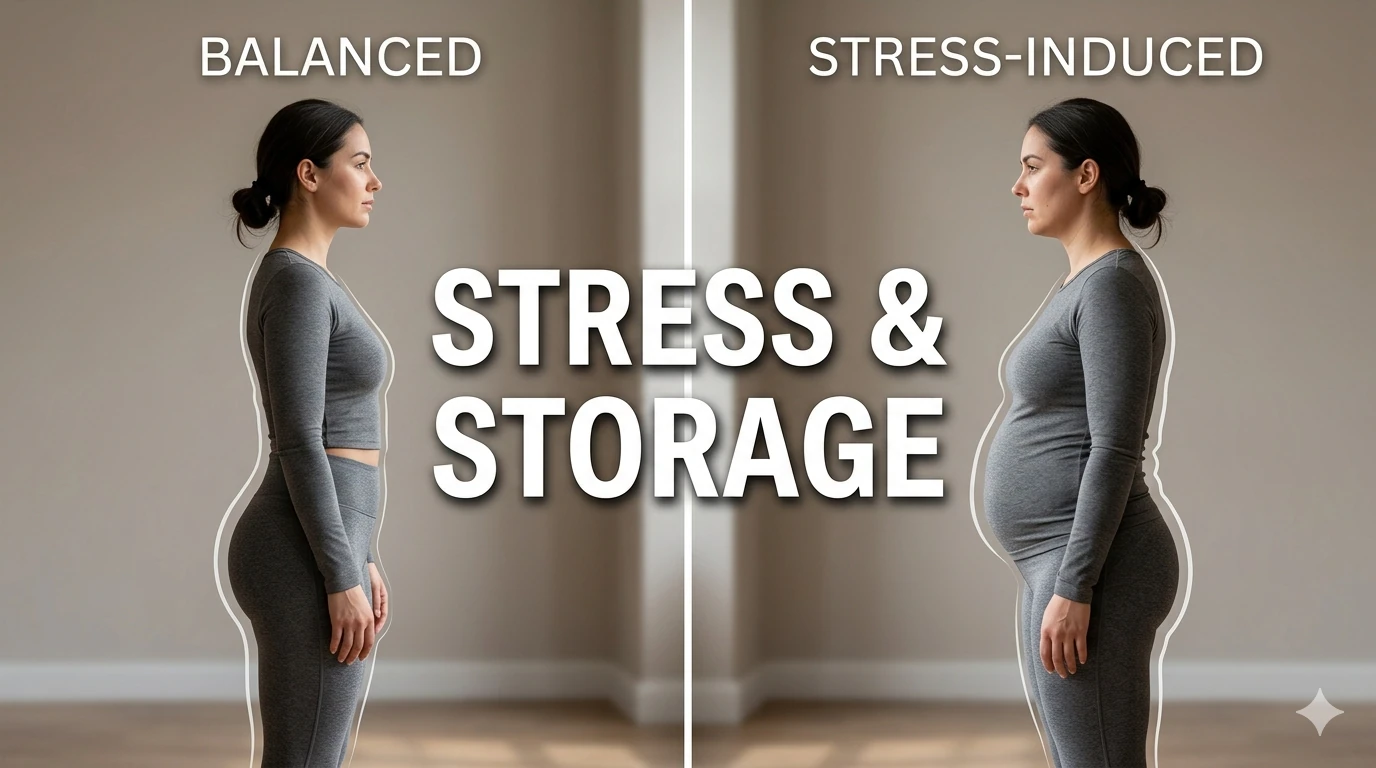
Have you ever noticed that during particularly stressful periods, your body seems to store fat in different places than usual? Many women experience this frustrating phenomenon where stress doesn't just cause weight gain, but actually changes where that weight accumulates. Understanding how stress changes where women store fat is crucial for managing both your physical and mental health effectively.
When life gets overwhelming, your body responds in ways that go far beyond temporary worry or anxiety. Chronic stress triggers a cascade of hormonal changes that fundamentally alter your metabolism and fat storage patterns. While genetics play a role in your natural body shape, stress can override these genetic tendencies, redirecting fat storage to areas that may be less desirable and more dangerous to your health.
This comprehensive guide explores the science behind stress-induced fat redistribution, explains why women are particularly vulnerable to these changes, and provides actionable strategies to manage stress and maintain healthier fat distribution patterns. Whether you're dealing with work pressure, family responsibilities, or life transitions, understanding this connection empowers you to take control of your body's response to stress.
The Science of Stress and Fat Storage
To understand how stress changes where women store fat, we must first examine the body's stress response system and the hormones involved. When you encounter a stressful situation, your body activates the hypothalamic-pituitary-adrenal (HPA) axis, triggering the release of stress hormones, primarily cortisol and adrenaline.
Cortisol, often called the "stress hormone," plays a central role in fat storage and distribution. In our evolutionary past, this response was designed to help us survive immediate physical threats by mobilizing energy stores and preparing the body for "fight or flight." However, in modern life, where stress is often chronic and psychological rather than physical, this same system works against us, promoting fat storage in specific areas.
Research shows that elevated cortisol levels directly influence where your body stores fat. Women with chronically high cortisol tend to accumulate more visceral fat, the dangerous fat that surrounds internal organs in the abdominal cavity, rather than subcutaneous fat stored under the skin in areas like hips and thighs.
Cortisol's Role in Fat Redistribution
Cortisol affects fat storage through multiple mechanisms. First, it increases appetite, particularly for high-calorie, sugary, and fatty foods. This is your body's attempt to stock up on readily available energy in preparation for perceived threats. Second, cortisol promotes the differentiation of pre-adipocytes (immature fat cells) into mature fat cells, particularly in the abdominal region.
Additionally, cortisol increases the activity of lipoprotein lipase, an enzyme that facilitates fat storage, especially in visceral fat cells. At the same time, it can break down muscle tissue for energy, lowering your metabolic rate and making it easier to gain fat and harder to lose it.
The abdominal area has a higher density of cortisol receptors compared to other fat storage areas like hips and thighs. This means that when cortisol levels are elevated, the abdominal region becomes the primary target for fat storage, explaining why stressed women often notice weight gain around their midsection even if their overall weight doesn't change dramatically.
The Visceral Fat Connection
Visceral fat is metabolically active tissue that behaves differently from subcutaneous fat. It's more responsive to cortisol and more readily releases fatty acids into the bloodstream. While some visceral fat is necessary to protect organs, excess amounts are linked to serious health issues including heart disease, type 2 diabetes, and metabolic syndrome.
Women naturally tend to store more fat in the hips, thighs, and buttocks (gynoid pattern) due to estrogen's influence. However, chronic stress and elevated cortisol can override this pattern, shifting fat storage toward the abdominal area (android pattern), which is typically more common in men.
Why Women Are Particularly Vulnerable
Women face unique vulnerabilities when it comes to stress-induced fat redistribution. Hormonal differences, societal pressures, and lifestyle factors all contribute to why women may experience more pronounced changes in fat storage patterns during stressful periods.
Hormonal Interactions
Estrogen and cortisol have a complex relationship that affects fat distribution. Estrogen typically promotes fat storage in the lower body (hips and thighs), which is considered healthier than abdominal storage. However, when cortisol levels are chronically elevated, they can interfere with estrogen's effects, shifting fat storage patterns upward toward the abdomen.
During different life stages, women experience hormonal fluctuations that can amplify stress effects on fat storage. Perimenopause and menopause bring declining estrogen levels, which naturally shift fat distribution toward the abdomen. When combined with stress, this shift can be accelerated and more pronounced.
Polycystic ovary syndrome (PCOS), which affects many women, already predisposes individuals to abdominal fat storage and insulin resistance. Stress exacerbates these conditions, creating a vicious cycle of hormonal imbalance and unhealthy fat distribution.
Societal and Psychological Factors
Women often juggle multiple roles and responsibilities, from careers to family care, creating unique stressors that can be chronic and pervasive. This "second shift" of domestic responsibilities combined with professional demands creates sustained stress that keeps cortisol levels elevated.
Additionally, women are more likely to experience certain types of stress, including emotional labor, relationship stress, and appearance-related pressures. These stressors can trigger emotional eating patterns that compound the hormonal effects of cortisol, leading to increased calorie intake and fat storage.
Sleep Disruption and Stress
Women are more likely to experience sleep disturbances related to stress, and poor sleep further elevates cortisol levels while disrupting hunger hormones like ghrelin and leptin. This creates a perfect storm for abdominal fat accumulation. Sleep deprivation also reduces insulin sensitivity, making it easier to store fat, particularly in the visceral area.
The relationship between stress, sleep, and fat storage is cyclical: stress disrupts sleep, poor sleep increases cortisol and appetite, leading to weight gain and more stress about body image, which further disrupts sleep.
Stress Eating and Behavioral Patterns
Beyond the hormonal mechanisms, stress influences fat storage through behavioral changes, particularly around eating habits and physical activity. These behavioral patterns work in tandem with cortisol to change where women store fat.
Comfort Food Cravings
Stress triggers cravings for high-calorie, high-fat, and high-sugar foods, often called "comfort foods." These foods temporarily reduce stress by activating the brain's reward system and reducing cortisol levels in the short term. However, this creates a cycle where stress leads to poor food choices, which lead to weight gain and more stress.
Research shows that women under stress consume more calories overall and make poorer nutritional choices. The combination of increased calorie intake and cortisol-driven abdominal fat storage creates a double impact on waistline expansion.
Reduced Physical Activity
Stress often leads to decreased physical activity due to time constraints, fatigue, or lack of motivation. When you're overwhelmed with responsibilities, exercise often becomes the first thing to go. This reduction in activity lowers calorie expenditure and muscle mass, both of which contribute to fat accumulation.
Additionally, chronic stress can cause fatigue and low energy, making it harder to maintain regular exercise routines. Without physical activity to burn excess calories and reduce cortisol levels, the body stores more fat, particularly in the abdominal region.
Emotional Eating Patterns
Many women turn to food as a coping mechanism for stress, anxiety, or emotional distress. Emotional eating typically involves consuming larger portions and choosing less nutritious foods. This pattern is particularly problematic because it often occurs mindlessly, without true hunger signals.
Emotional eating combined with elevated cortisol creates optimal conditions for abdominal fat storage. The excess calories from emotional eating are preferentially stored as visceral fat due to cortisol's influence on fat cell receptors in the abdominal area.
Chronic vs. Acute Stress Effects
Not all stress affects fat storage equally. The duration and intensity of stress play crucial roles in determining how significantly it impacts where women store fat.
Acute Stress Response
Short-term, acute stress actually suppresses appetite and can lead to temporary weight loss. When you face an immediate threat or challenge, adrenaline dominates the stress response, increasing metabolism and reducing hunger. This is the classic "fight or flight" response that helped our ancestors survive immediate dangers.
However, acute stress rarely causes significant changes in fat distribution patterns because cortisol levels return to normal quickly once the stressor is resolved. The body doesn't have time to redirect fat storage when stress is brief.
Chronic Stress Impact
Chronic stress, which persists over weeks, months, or years, is the real culprit behind stress-induced fat redistribution. When stress becomes a constant presence, cortisol levels remain chronically elevated, creating sustained conditions for abdominal fat accumulation.
Modern life exposes women to numerous chronic stressors: demanding jobs, financial pressures, relationship difficulties, caregiving responsibilities, and societal expectations. Unlike our ancestors who faced brief physical threats, we face ongoing psychological stressors that keep the HPA axis constantly activated.
Chronic stress also leads to allostatic load, the cumulative wear and tear on the body from repeated stress responses. This load manifests as metabolic changes, including insulin resistance, increased appetite, and preferential abdominal fat storage.
The Tipping Point
There's often a tipping point where stress-related fat storage becomes self-perpetuating. As abdominal fat accumulates, it becomes metabolically active, producing inflammatory cytokines and stress hormones that further disrupt metabolism. Visceral fat itself can produce cortisol through the enzyme 11β-HSD1, creating a feedback loop where fat begets more fat storage.
This is why women who experience prolonged stress often find it increasingly difficult to lose weight, particularly around the midsection, even with diet and exercise efforts.
Health Implications of Stress-Related Fat Distribution
The shift from lower-body fat storage to abdominal fat storage isn't just a cosmetic concern, it carries significant health implications that women should understand.
Metabolic Syndrome Risk
Visceral fat is strongly associated with metabolic syndrome, a cluster of conditions including high blood pressure, high blood sugar, abnormal cholesterol levels, and excess waist circumference. Women with stress-induced abdominal fat are at higher risk for developing these conditions, which significantly increase the risk of heart disease and stroke.
Metabolic syndrome is particularly dangerous because the individual components often don't cause noticeable symptoms until serious damage has occurred. Regular monitoring of waist circumference, blood pressure, and blood sugar is essential for women experiencing chronic stress.
Cardiovascular Disease
Abdominal fat, particularly visceral fat, is more strongly linked to cardiovascular disease than fat stored in other areas. Visceral fat releases fatty acids directly into the liver, affecting cholesterol production and increasing inflammation throughout the body.
Women with high stress and abdominal obesity face a double risk: the direct effects of cortisol on the cardiovascular system and the metabolic effects of excess visceral fat. This combination significantly increases the risk of heart attack, stroke, and other cardiovascular events.
Type 2 Diabetes
Stress-induced abdominal fat storage is closely linked to insulin resistance and type 2 diabetes. Visceral fat releases substances that interfere with insulin's ability to regulate blood sugar, leading to elevated glucose levels and eventually diabetes.
Cortisol itself also raises blood sugar by promoting gluconeogenesis (the production of glucose from non-carbohydrate sources) and reducing insulin sensitivity. Combined with abdominal obesity, this creates a high-risk environment for developing type 2 diabetes.
Inflammation and Immune Function
Chronic stress and abdominal fat both contribute to systemic inflammation, which is linked to numerous health problems including autoimmune diseases, certain cancers, and accelerated aging. Visceral fat produces inflammatory cytokines that circulate throughout the body, creating chronic low-grade inflammation.
This inflammatory state also suppresses immune function, making stressed women more susceptible to infections and slower to heal. The combination of elevated cortisol and inflammatory markers creates a compromised immune environment.
Identifying Stress-Related Fat Storage
Recognizing whether your fat distribution changes are stress-related is the first step toward addressing the problem. Several signs can help you identify stress as a contributing factor.
Waist-to-Hip Ratio Changes
One of the clearest indicators of stress-related fat redistribution is an increasing waist-to-hip ratio. Measure your waist at the narrowest point and your hips at the widest point, then divide waist measurement by hip measurement. A ratio above 0.85 in women indicates abdominal obesity and increased health risks.
If you notice your waist measurement increasing while hip and thigh measurements stay the same or decrease, stress may be redirecting your fat storage patterns.
Timing and Patterns
Pay attention to when fat accumulation occurs. If you notice increased abdominal fat during particularly stressful periods, such as work deadlines, family crises, or major life changes, stress is likely a contributing factor.
Also note whether traditional diet and exercise seem less effective than usual. Stress-related fat storage can make weight loss more difficult, particularly around the midsection, even when you're following healthy habits.
Associated Symptoms
Stress-related fat storage often comes with other symptoms including:
- Difficulty sleeping or restless sleep
- Increased cravings for sugary or fatty foods
- Persistent fatigue despite adequate rest
- Mood changes, anxiety, or irritability
- Difficulty concentrating or memory problems
- Digestive issues
The presence of these symptoms alongside abdominal weight gain strongly suggests stress is playing a role in your fat distribution.
Strategies to Prevent Stress-Related Fat Storage
While you can't eliminate all stress from your life, you can implement strategies to minimize its impact on fat storage and overall health. A comprehensive approach addressing both stress management and lifestyle factors is most effective.
Stress Management Techniques
Effective stress management is essential for preventing cortisol-driven fat redistribution:
- Mindfulness meditation: Regular practice reduces cortisol levels and improves stress resilience. Even 10-15 minutes daily can make a significant difference.
- Deep breathing exercises: Activates the parasympathetic nervous system, counteracting the stress response and lowering cortisol.
- Yoga and tai chi: Combine physical movement with stress reduction, addressing both cortisol levels and physical fitness.
- Progressive muscle relaxation: Systematically releasing physical tension helps reduce overall stress levels.
- Time in nature: Spending time outdoors reduces cortisol and improves mood.
Prioritizing Sleep
Quality sleep is crucial for regulating cortisol and preventing abdominal fat storage:
- Aim for 7-9 hours of sleep nightly
- Maintain a consistent sleep schedule, even on weekends
- Create a relaxing bedtime routine
- Keep your bedroom cool, dark, and quiet
- Avoid screens for at least an hour before bed
- Limit caffeine after noon
Prioritizing sleep helps regulate hunger hormones, reduces cortisol, and supports healthy metabolism, all of which prevent stress-related fat accumulation.
Regular Physical Activity
Exercise is one of the most effective ways to combat stress and prevent abdominal fat storage:
- Aerobic exercise: Activities like walking, running, or cycling reduce cortisol and burn calories
- Strength training: Builds muscle mass, boosting metabolism and improving body composition
- High-intensity interval training (HIIT): Particularly effective for reducing visceral fat
- Mind-body exercises: Yoga and Pilates combine stress reduction with physical benefits
Aim for at least 150 minutes of moderate aerobic activity plus two strength training sessions weekly. Even short bouts of exercise throughout the day can help manage cortisol levels.
Nutritional Support
What you eat significantly impacts both stress levels and fat storage:
- Balanced meals: Include protein, healthy fats, and complex carbohydrates at each meal to stabilize blood sugar and reduce cravings
- Stress-reducing nutrients: Magnesium, omega-3 fatty acids, B vitamins, and vitamin C support stress management
- Limit sugar and refined carbs: These spike blood sugar and cortisol, promoting abdominal fat storage
- Adequate protein: Supports muscle mass and satiety, preventing overeating
- Stay hydrated: Dehydration increases cortisol; aim for 8-10 glasses of water daily
- Limit caffeine and alcohol: Both can elevate cortisol and disrupt sleep
Social Support
Strong social connections buffer against stress and its physical effects. Women with supportive relationships tend to have lower cortisol levels and healthier fat distribution. Make time for friends and family, join support groups, or consider therapy to help manage stress.
Frequently Asked Questions
Can stress cause weight gain in specific areas only?
Yes, stress can cause weight gain primarily in the abdominal area due to cortisol's effects on fat storage. Cortisol receptors are more concentrated in visceral fat cells around the abdomen, making this area particularly responsive to stress hormones. While overall weight gain can occur, stressed individuals often notice disproportionate increases in waist circumference compared to other body parts. This happens because cortisol promotes the storage of fat in the abdominal region while potentially breaking down muscle tissue elsewhere.
How long does it take for stress to change fat distribution?
Significant changes in fat distribution from chronic stress typically occur over several months to years of sustained elevated cortisol levels. However, some women may notice subtle changes in as little as 2-3 months of high stress. The timeline varies based on stress intensity, individual cortisol sensitivity, genetics, age, and baseline body composition. Acute stress won't cause redistribution, but ongoing daily stress over 6+ months often produces noticeable shifts from lower-body to abdominal fat storage patterns.
Why do some women store stress fat in hips instead of belly?
While abdominal storage is most common with stress, individual genetics, hormone levels, and age influence where fat accumulates. Younger women with higher estrogen levels may still store some stress-related fat in hips and thighs despite elevated cortisol. Genetic predisposition plays a major role, as does overall body fat percentage. Women with lower body fat may store stress fat in genetically preferred areas longer before shifting to abdominal storage. Additionally, the type and duration of stress matter, with some stressors affecting fat distribution differently than others.
Can you lose stress belly fat without reducing stress?
While it's possible to lose abdominal fat through diet and exercise alone, it's significantly more difficult without addressing underlying stress. High cortisol levels promote fat storage and make weight loss harder by increasing appetite, promoting muscle breakdown, and encouraging visceral fat retention. You may see some results from calorie restriction and exercise, but progress will likely be slower and more frustrating. The most effective approach combines stress management with healthy eating and regular physical activity for sustainable fat loss and prevention of regain.
Does cortisol blocker supplements work for stress fat?
While some supplements claim to block cortisol or reduce stress-related fat storage, evidence for their effectiveness is limited and mixed. Ingredients like ashwagandha, phosphatidylserine, and rhodiola may help modestly reduce cortisol levels, but they're not magic solutions. These supplements work best as part of a comprehensive stress management approach including lifestyle changes, not as standalone fixes. Additionally, supplements aren't regulated as strictly as medications, so quality and potency vary. Always consult a healthcare provider before taking cortisol-blocking supplements, especially if you have health conditions or take medications.
Conclusion
Understanding how stress changes where women store fat is essential for taking control of your health and body composition. Chronic stress doesn't just cause weight gain, it fundamentally alters fat distribution patterns, shifting storage from healthier areas like hips and thighs to dangerous visceral fat around the abdomen. This transformation occurs through complex hormonal mechanisms, primarily involving cortisol, and is compounded by stress-related behaviors like emotional eating and reduced physical activity.
The good news is that you have the power to influence this process. By implementing effective stress management techniques, prioritizing sleep, maintaining regular physical activity, eating a balanced diet, and building strong social connections, you can prevent stress from dictating where your body stores fat. While eliminating all stress is impossible, managing your response to it and supporting your body through healthy habits can minimize its impact on your physique and health.
Remember that addressing stress-related fat storage is not about achieving a perfect body, but about supporting your overall health and wellbeing. Be patient with yourself, celebrate small victories, and focus on sustainable lifestyle changes rather than quick fixes. Your body will respond positively when you give it the tools it needs to manage stress effectively.