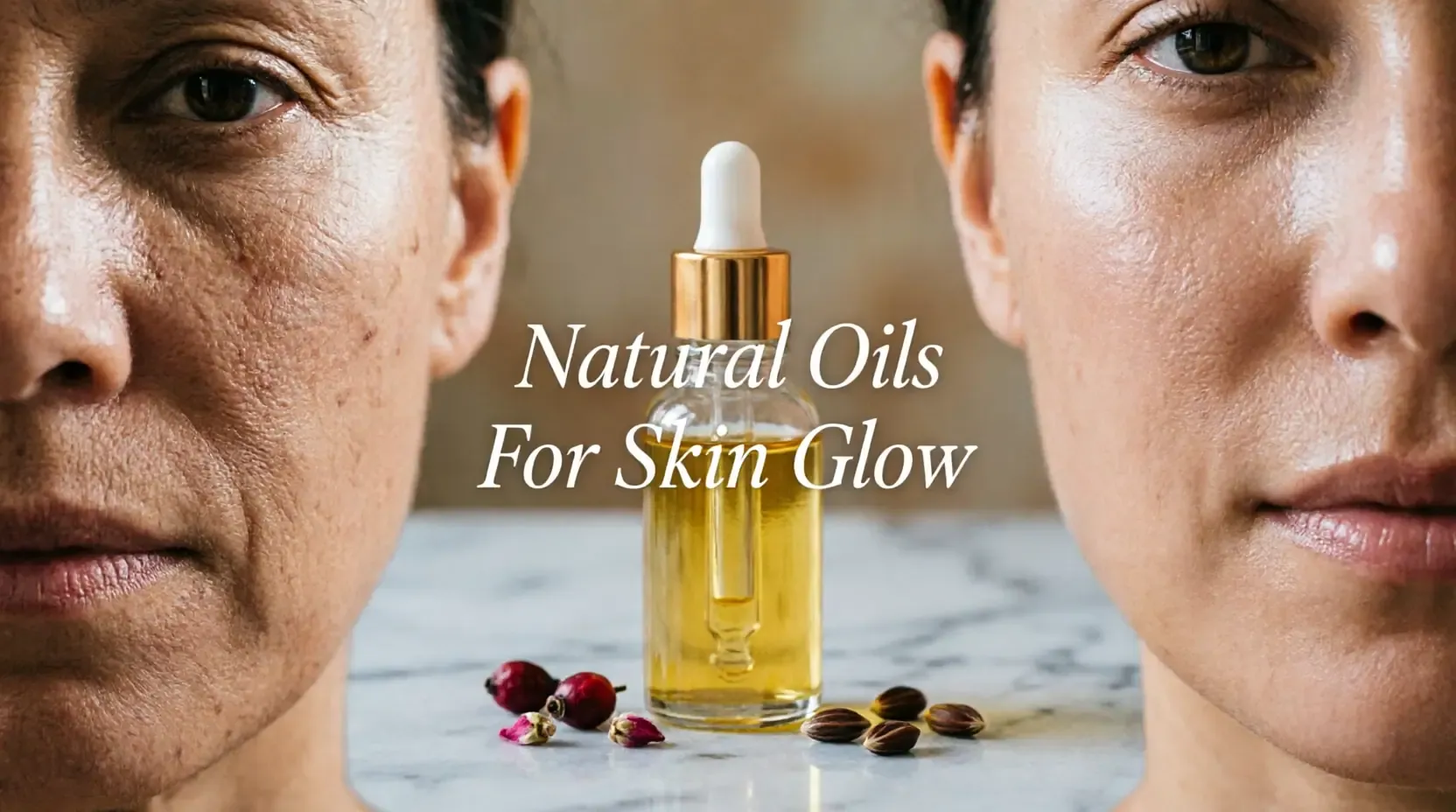

Unlocking Your Skin's Potential: A Dermatologist-Approved Approach
Understanding your skin type is the foundational step toward achieving healthy, radiant skin. Yet despite its importance, many people struggle to accurately identify their skin type or build a routine that truly addresses their unique needs. The result? Wasted money on products that don't work, frustration with persistent skin concerns, and routines that may even worsen existing issues.
Your skin type isn't just a label; it's a biological blueprint that determines how your skin responds to products, environmental factors, and lifestyle choices. By accurately identifying your skin type and tailoring your routine with science-backed ingredients and techniques, you can transform your skincare from a guessing game into a strategic, results-driven practice.
This comprehensive guide walks you through evidence-based methods for identifying your skin type, explains the biology behind each type, and provides customized, dermatologist-approved routines for oily, dry, combination, sensitive, and normal skin. Whether you're a skincare beginner building your first routine or an enthusiast looking to optimize your approach, you'll discover practical strategies grounded in dermatological science to achieve your healthiest, most radiant skin.
Understanding Skin Types: The Science Behind the Classification
The Five Primary Skin Types
Dermatologists classify skin into five primary types based on sebum production, hydration levels, sensitivity, and barrier function:
Oily Skin: Characterized by overactive sebaceous glands that produce excess sebum. This creates a shiny appearance, enlarged pores, and increased susceptibility to acne and blackheads. Oily skin often has a thicker stratum corneum and may appear more resilient but is prone to clogged pores.
Dry Skin: Results from underactive sebaceous glands and/or impaired barrier function, leading to insufficient natural oils. Dry skin often feels tight, appears dull or flaky, and may show fine lines more prominently. It has higher transepidermal water loss (TEWL) and requires intensive hydration and barrier support.
Combination Skin: Features both oily and dry areas, typically with an oily T-zone (forehead, nose, chin) and drier cheeks. This is the most common skin type and requires a balanced approach that addresses both concerns without exacerbating either.
Sensitive Skin: Characterized by a compromised barrier and heightened reactivity to products, environmental factors, or stress. Sensitive skin may experience redness, stinging, itching, or burning in response to triggers that other skin types tolerate. It often overlaps with other skin types (e.g., sensitive + dry).
Normal Skin: Represents a balanced state with adequate sebum production, intact barrier function, and minimal sensitivity. Normal skin appears clear, feels comfortable, and tolerates a wide range of products. While relatively rare in adults, it represents the ideal target for skincare routines.
Scientific insight: Dr. Sarah Chen, board-certified dermatologist and skin physiology researcher, explains: "Skin type isn't static—it can shift with age, hormones, climate, and lifestyle. The goal isn't to 'fix' your skin type but to support its unique biology with targeted care that maintains balance and resilience."
Beyond the Basics: Secondary Classifications
While the five primary types provide a foundation, several secondary factors influence skincare needs:
Skin tone and pigmentation: Melanin content affects how skin responds to inflammation, sun exposure, and certain ingredients. Deeper skin tones may be more prone to post-inflammatory hyperpigmentation, requiring gentler approaches to exfoliation and acne treatment.
Age-related changes: Sebum production typically decreases with age, shifting oily skin toward combination or dry. Barrier function may weaken, requiring more intensive support. Routines should evolve with these natural changes.
Hormonal influences: Menstrual cycles, pregnancy, menopause, and conditions like PCOS can temporarily or permanently alter skin type. Understanding these patterns helps anticipate and adapt to changes.
Environmental factors: Climate, pollution, and UV exposure impact skin behavior. A routine that works in humid summer may need adjustment for dry winter conditions.
Accurate Skin Type Identification: Evidence-Based Methods
The Bare-Face Test: A Reliable Starting Point
This simple, at-home method provides initial insights into your skin type:
- Cleanse gently: Wash your face with a mild, fragrance-free cleanser and pat dry
- Wait one hour: Avoid applying any products; let your skin return to its natural state
- Observe and assess:
- Oily: Noticeable shine across entire face; pores appear enlarged
- Dry: Skin feels tight, may show flakiness; appears dull or rough
- Combination: Shine in T-zone with normal or dry cheeks
- Sensitive: Redness, stinging, or irritation without product application
- Normal: Comfortable, balanced appearance with minimal shine or dryness
Limitations: This test provides a snapshot but doesn't account for environmental factors or product interactions. Use it as a starting point, not a definitive diagnosis.
The Blotting Paper Method: Quantifying Sebum Production
This objective method helps assess oil production patterns:
- Preparation: Cleanse face and wait 2-3 hours without applying products
- Application: Gently press blotting papers on different facial areas (forehead, nose, cheeks, chin)
- Assessment:
- Heavy oil on all papers: Oily skin
- Minimal oil on all papers: Dry skin
- Oil on T-zone papers only: Combination skin
- Minimal oil with redness or irritation: Sensitive skin
- Light, even oil across all areas: Normal skin
Pro tip: Repeat this test at different times of day and in different seasons to understand how your skin behaves under varying conditions.
Professional Assessment: When to Seek Expert Guidance
While at-home methods provide valuable insights, professional evaluation offers deeper analysis:
Dermatologist consultation: A dermatologist can assess barrier function, perform patch testing for sensitivities, and identify underlying conditions (rosacea, eczema, seborrheic dermatitis) that may mimic or complicate skin type classification.
Diagnostic tools: Professional devices can measure:
- Sebum production levels
- Hydration and transepidermal water loss
- pH balance
- Pore size and density
- Pigmentation and vascular patterns
When to seek professional help:
- Persistent redness, itching, or irritation
- Acne that doesn't respond to over-the-counter treatments
- Sudden changes in skin behavior
- Uncertainty about product reactions or ingredient compatibility
Science-Backed Routines by Skin Type
Oily Skin Routine: Balancing Sebum Without Stripping
Core principles: Regulate sebum production, prevent clogged pores, and maintain barrier integrity without over-drying.
Morning routine:
- Gentle cleanser: Use a foaming or gel cleanser with salicylic acid (0.5-2%) or niacinamide (2-5%) to regulate oil and minimize pores
- Toner (optional): Alcohol-free toner with witch hazel or niacinamide to refine pores
- Serum: Lightweight serum with niacinamide (4-5%) to regulate sebum and improve texture
- Moisturizer: Oil-free, non-comedogenic gel or lotion with hyaluronic acid for hydration without heaviness
- Sunscreen: Matte-finish, oil-free mineral or hybrid SPF 30+ to protect without adding shine
Evening routine:
- Double cleanse: Start with oil-based cleanser to remove sunscreen/makeup, followed by gentle foaming cleanser
- Treatment: Retinoid (adapalene 0.1% OTC or prescription tretinoin) 2-3x weekly to regulate cell turnover and prevent clogged pores
- Moisturizer: Lightweight, non-comedogenic night cream with ceramides to support barrier overnight
Weekly treatments:
- Chemical exfoliation: BHA (salicylic acid 1-2%) 1-2x weekly to clear pores; avoid over-exfoliating
- Clay mask: Kaolin or bentonite clay 1x weekly to absorb excess oil without over-drying
Key ingredients to prioritize: Niacinamide, salicylic acid, retinoids, hyaluronic acid, zinc PCA, green tea extract
Ingredients to approach cautiously: Heavy oils, occlusive butters, alcohol-based toners (can trigger rebound oil production)
Dry Skin Routine: Intensive Hydration and Barrier Repair
Core principles: Replenish lipids, reduce water loss, and strengthen barrier function without irritation.
Morning routine:
- Cream cleanser: Non-foaming, hydrating cleanser with ceramides or glycerin to cleanse without stripping
- Essence or hydrating toner: Alcohol-free formula with hyaluronic acid, glycerin, or panthenol to boost hydration
- Serum: Hyaluronic acid serum applied to damp skin, followed by a few drops of facial oil (squalane, jojoba) to seal
- Rich moisturizer: Cream with ceramides, cholesterol, and fatty acids to repair and protect barrier
- Sunscreen: Hydrating mineral or chemical SPF 30+ with moisturizing base
Evening routine:
- Gentle cleanse: Same cream cleanser or oil-based cleanser for thorough yet gentle removal
- Treatment: Gentle retinoid alternative (bakuchiol 0.5-1%) or peptide serum 2-3x weekly for anti-aging without irritation
- Night cream: Richer formulation with shea butter, squalane, or occlusive agents to support overnight repair
- Optional occlusive: Thin layer of pure squalane or lanolin-free ointment on extra-dry areas
Weekly treatments:
- Gentle exfoliation: PHA (gluconolactone) or lactic acid (5-10%) 1x weekly to remove flakes without compromising barrier
- Hydrating mask: Sheet mask or cream mask with hyaluronic acid, aloe, or honey 1-2x weekly for intensive hydration
Key ingredients to prioritize: Ceramides, hyaluronic acid, glycerin, squalane, shea butter, panthenol, fatty acids
Ingredients to approach cautiously: High-concentration acids, alcohol-based products, foaming cleansers with sulfates
Combination Skin Routine: Strategic Zone-Specific Care
Core principles: Balance oil production in T-zone while hydrating drier areas; avoid products that exacerbate either concern.
Morning routine:
- Gentle cleanser: Low-foaming or gel cleanser that cleans without over-drying
- Toner (optional): Alcohol-free, balancing toner with niacinamide or green tea
- Serum: Lightweight serum with niacinamide (2-4%) to regulate oil and support barrier
- Moisturizer: Lightweight lotion or gel-cream; consider applying richer cream only to dry cheeks
- Sunscreen: Lightweight, non-comedogenic SPF 30+ that doesn't feel heavy on oily zones
Evening routine:
- Double cleanse: Oil-based cleanser followed by gentle water-based cleanser
- Treatment: Adapalene 0.1% or gentle retinoid alternative 2-3x weekly, applied to entire face or focused on T-zone
- Moisturizer: Balanced moisturizer; layer richer cream on dry areas if needed
Weekly treatments:
- Targeted exfoliation: BHA on T-zone, gentle AHA on cheeks 1x weekly
- Multi-masking: Clay mask on T-zone, hydrating mask on cheeks simultaneously
Key ingredients to prioritize: Niacinamide, hyaluronic acid, salicylic acid (T-zone), ceramides, green tea extract
Application strategy: Consider "multi-moisturizing"—using different products on different facial zones based on their needs.
Sensitive Skin Routine: Gentle Support and Barrier Protection
Core principles: Minimize irritation, strengthen barrier, and introduce actives gradually with careful patch testing.
Morning routine:
- Ultra-gentle cleanser: Fragrance-free, sulfate-free cream or milk cleanser
- Soothing toner or essence: Alcohol-free formula with centella asiatica, aloe, or oat extract
- Barrier serum: Lightweight serum with panthenol, niacinamide (2-4%), or madecassoside
- Minimalist moisturizer: Simple formula with ceramides, squalane, or glycerin; avoid fragrances and essential oils
- Mineral sunscreen: Zinc oxide or titanium dioxide SPF 30+; tinted options reduce white cast
Evening routine:
- Gentle cleanse: Same ultra-gentle cleanser; consider oil cleansing if wearing makeup
- Treatment (optional): Bakuchiol 0.5% or azelaic acid 10% 1-2x weekly for gentle anti-aging or redness reduction
- Rich moisturizer: Barrier-repair cream with ceramides, cholesterol, and fatty acids
Weekly treatments:
- Gentle exfoliation: PHA or enzyme exfoliant 1x every 2 weeks maximum; skip if skin is reactive
- Soothing mask: Centella, aloe, or oat-based mask 1x weekly for calming
Key ingredients to prioritize: Centella asiatica, panthenol, ceramides, niacinamide (low concentration), squalane, oat extract
Ingredients to avoid: Fragrance, essential oils, alcohol, high-concentration acids, physical scrubs, menthol, camphor
Patch testing protocol: Apply new product to small area behind ear or inner arm for 48-72 hours before full-face use.
Normal Skin Routine: Maintenance and Prevention
Core principles: Maintain balance, prevent future concerns, and support long-term skin health.
Morning routine:
- Gentle cleanser: Mild foaming or gel cleanser that cleans without stripping
- Antioxidant serum: Vitamin C (10-15% L-ascorbic acid) or vitamin E + ferulic acid for environmental protection
- Lightweight moisturizer: Balanced lotion or gel-cream with hyaluronic acid and light emollients
- Sunscreen: Broad-spectrum SPF 30+ in preferred texture (mineral, chemical, or hybrid)
Evening routine:
- Gentle cleanse: Same cleanser or double cleanse if wearing makeup/sunscreen
- Treatment: Retinoid (adapalene or prescription) 3-4x weekly for anti-aging and cell turnover
- Moisturizer: Balanced night cream with peptides, ceramides, or antioxidants
Weekly treatments:
- Exfoliation: AHA (glycolic or lactic acid 5-10%) or BHA 1-2x weekly for texture and radiance
- Hydrating or antioxidant mask: 1x weekly for maintenance
Key ingredients to prioritize: Vitamin C, retinoids, niacinamide, hyaluronic acid, peptides, antioxidants
Prevention focus: Consistent SPF, antioxidant protection, and gentle exfoliation to maintain skin health long-term.
Adapting Your Routine: Lifestyle and Environmental Factors
Seasonal Adjustments
Winter/dry climates:
- Increase hydration: Add hydrating serums or richer moisturizers
- Reduce exfoliation frequency to avoid barrier compromise
- Use humidifier indoors to counteract dry air
- Consider oil-based cleansers for gentle cleansing
Summer/humid climates:
- Switch to lighter textures: gel cleansers, lightweight moisturizers
- Increase exfoliation slightly to manage increased oil and sweat
- Reapply sunscreen more frequently due to sweat and water exposure
- Consider blotting papers for midday oil control
Hormonal and Life Stage Considerations
Menstrual cycle: Skin may become oilier or more sensitive pre-menstruation. Keep a gentle, balancing routine and avoid introducing new actives during this window.
Pregnancy and postpartum: Hormonal shifts can alter skin type. Prioritize gentle, pregnancy-safe ingredients (avoid retinoids, high-dose salicylic acid). Consult your OB-GYN before making significant routine changes.
Menopause: Declining estrogen often leads to drier, thinner skin. Increase barrier-supporting ingredients (ceramides, fatty acids) and consider gentle retinoid alternatives (bakuchiol) for anti-aging.
Stress and Lifestyle Impacts
Stress management: Chronic stress elevates cortisol, which can increase oil production and inflammation. Incorporate stress-reduction practices (meditation, exercise, adequate sleep) as part of your skincare strategy.
Diet and hydration: While topical care is primary, adequate water intake and a balanced diet support skin health from within. Omega-3s, antioxidants, and adequate protein support barrier function and repair.
Sleep quality: Skin repair peaks during deep sleep. Prioritize 7-9 hours nightly and consider silk pillowcases to reduce friction and moisture loss.
Common Mistakes That Undermine Skin Type-Specific Care
Mistake 1: Over-Cleansing or Using Harsh Products
The problem: Stripping natural oils triggers rebound oil production in oily skin or worsens dryness in dry skin.
The fix: Use gentle, pH-balanced cleansers; limit cleansing to twice daily maximum; avoid hot water that compromises barrier.
Mistake 2: Skipping Moisturizer on Oily Skin
The problem: Depriving oily skin of hydration can trigger increased sebum production as compensation.
The fix: Use lightweight, oil-free moisturizers with hydrating ingredients (hyaluronic acid, glycerin) to maintain balance.
Mistake 3: Over-Exfoliating
The problem: Excessive exfoliation compromises barrier function, increasing sensitivity and irritation across all skin types.
The fix: Limit chemical exfoliation to 1-3 times weekly based on skin type; avoid physical scrubs on sensitive or dry skin; always follow with hydration and barrier support.
Mistake 4: Ignoring Sunscreen
The problem: UV exposure accelerates aging, worsens pigmentation, and compromises barrier function regardless of skin type.
The fix: Make broad-spectrum SPF 30+ a non-negotiable final step in your morning routine; reapply every 2 hours with sun exposure.
Mistake 5: Introducing Too Many Actives at Once
The problem: Layering multiple potent ingredients increases irritation risk and makes it impossible to identify what's working or causing issues.
The fix: Introduce one new active at a time; wait 2-4 weeks before adding another; patch test all new products.
Tracking Progress and Adjusting Your Routine
Meaningful Metrics Beyond the Mirror
Skin comfort: Reduced tightness, itching, or stinging indicates improved barrier function.
Texture improvements: Smoother, more even texture suggests effective exfoliation and hydration.
Blemish frequency: Fewer breakouts or faster healing indicates balanced oil production and effective treatments.
Product tolerance: Ability to use actives without irritation suggests strengthened barrier.
Photographic tracking: Take consistent photos (same lighting, angle) monthly to visualize subtle changes.
When to Adjust Your Routine
Signs your routine needs modification:
- Persistent dryness, oiliness, or sensitivity despite consistent use
- New concerns emerging (breakouts, redness, pigmentation)
- Seasonal or hormonal changes affecting skin behavior
- Product reactions or decreased efficacy over time
Adjustment strategy:
- Identify the specific concern (hydration, oil control, sensitivity)
- Modify one product or step at a time
- Allow 4-6 weeks to assess changes before making additional adjustments
- Consult a dermatologist for persistent or complex concerns
Frequently Asked Questions
Can my skin type change over time?
Yes. Skin type can shift due to age, hormones, climate, lifestyle, and skincare practices. Regularly reassess your skin's behavior and adjust your routine accordingly.
How long before I see results from a new routine?
Hydration and comfort improvements may appear in 1-2 weeks. Texture, tone, and anti-aging benefits typically require 4-8 weeks of consistent use. Retinoids and pigmentation treatments may take 12+ weeks for visible results.
Can I have more than one skin type?
Combination skin is common, and sensitivity can overlap with any primary type. Focus on addressing the needs of different facial zones rather than forcing a single classification.
Should I use the same products morning and night?
Some products work well in both routines (gentle cleansers, moisturizers), but others are time-specific. Vitamin C is ideal for morning antioxidant protection; retinoids work best at night. Customize based on ingredient function and your skin's needs.
When should I see a dermatologist?
Consult a dermatologist for persistent acne, unexplained rashes, severe sensitivity, sudden changes in skin behavior, or if over-the-counter routines don't improve concerns after 8-12 weeks of consistent use.
Conclusion: Your Skin, Your Science-Backed Strategy
Identifying your skin type and building a tailored, science-backed routine isn't about following trends or chasing perfection. It's about understanding your skin's unique biology and providing the targeted support it needs to thrive. When you align your routine with your skin's actual needs—rather than marketing claims or one-size-fits-all advice—you create a foundation for long-term health, resilience, and radiance.
Remember: Skincare is a practice, not a destination. Your skin will evolve with age, seasons, and life changes. Stay curious, observe how your skin responds, and adjust your approach with patience and evidence-based guidance.
Start where you are. You don't need to overhaul your entire routine overnight. Choose one insight from this guide to implement this week—whether it's patch testing a new product, adding sunscreen daily, or switching to a gentler cleanser. Small, consistent actions compound into transformative results.
Trust the process. Healthy skin isn't achieved through quick fixes but through consistent, intelligent care that honors your skin's unique needs. With the knowledge and strategies from this guide, you're equipped to build a routine that delivers real, lasting results.
Your healthiest, most radiant skin is within reach. Embrace the science, honor your skin's biology, and enjoy the journey toward your best skin yet.
📖 আরও পড়ুন: Skin Care
- 🔗 Face Wash Mistakes: 5 Ways You're Destroying Your Moisture Barrier
- 🔗 Cryotherapy Skincare: Cold Therapy for Skin Barrier
- 🔗 তৈলাক্ত ত্বক সমস্যা: ঝলমলে ভাব ও ব্রেকআউট কমানোর উপায়
- 🔗 ত্বক কি ভেতর থেকে শুকিয়ে যাচ্ছে? রুক্ষ আবহাওয়ায় ডিহাইড্রেটেড স্কিন বাঁচাতে এক্সপার্ট টিপস ও হ্যাকস
- 🔗 এক্সোজোম থেরাপি: PRP-র বিকল্প বায়োটেক চিকিৎসা