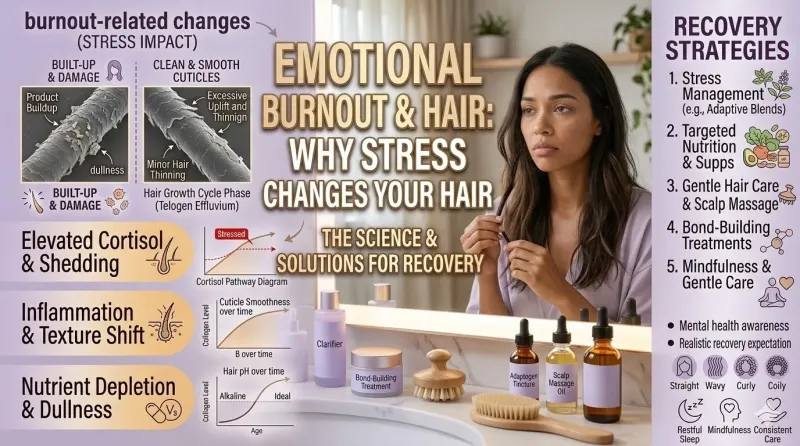
Emotional burnout doesn't just drain your energy and motivation—it leaves visible marks on your body, and your hair is often one of the first places these changes appear. If you've noticed your hair looking duller, thinner, or falling out more than usual during periods of intense stress or burnout, you're experiencing a very real physiological response that affects millions of people worldwide.
The connection between emotional burnout and hair appearance is both complex and deeply rooted in our body's stress response systems. When you're experiencing chronic stress, emotional exhaustion, or burnout, your body undergoes a cascade of hormonal and physiological changes that directly impact hair growth cycles, hair quality, and overall hair health. Understanding this connection is the first step toward recovery and restoration.
This comprehensive guide explores the science behind how emotional burnout affects your hair, identifies the specific signs and changes to watch for, explains the timeline of these changes, and provides evidence-based strategies for recovery. Whether you're currently experiencing burnout-related hair changes or seeking to prevent them, you'll find practical, science-backed information to help you restore both your emotional wellbeing and your hair health.
The Science: How Emotional Burnout Affects Hair Biology
To understand why burnout affects your hair, we need to examine the physiological mechanisms at play when your body experiences chronic stress and emotional exhaustion.
The Stress Response System and Hair
When you experience stress—whether emotional, physical, or psychological—your body activates the hypothalamic-pituitary-adrenal (HPA) axis, triggering a cascade of hormonal responses:
Cortisol Release:
- Chronic stress keeps cortisol levels chronically elevated
- Elevated cortisol disrupts the normal hair growth cycle
- High cortisol pushes hair follicles prematurely into the resting (telogen) phase
- This leads to increased shedding 2-3 months after the stressful period
Impact on Hair Follicles:
- Hair Growth Cycle Disruption: Normal hair grows in cycles: anagen (growth phase, 2-7 years), catagen (transition phase, 2-3 weeks), and telogen (resting phase, 3 months). Stress shortens the anagen phase and prolongs telogen, leading to more shedding.
- Reduced Blood Flow: Chronic stress causes vasoconstriction, reducing blood flow to hair follicles and depriving them of oxygen and nutrients
- Inflammation: Chronic stress triggers systemic inflammation, which can damage hair follicles and impair growth
- Oxidative Stress: Stress increases free radicals that damage hair follicle cells and accelerate aging
Specific Mechanisms of Burnout-Related Hair Changes
1. Telogen Effluvium:
This is the most common stress-related hair condition:
- What happens: Significant stress pushes large numbers of hair follicles into the resting phase simultaneously
- Timeline: Shedding occurs 2-3 months after the stressful event
- Duration: Typically lasts 3-6 months but can become chronic with ongoing stress
- Reversibility: Usually reversible once stress is managed
2. Trichotillomania:
In severe cases of emotional distress:
- Compulsive hair pulling as a coping mechanism
- Results in patchy hair loss
- Requires psychological intervention
3. Alopecia Areata:
Stress can trigger this autoimmune condition:
- Immune system attacks hair follicles
- Results in round patches of hair loss
- Stress is a known trigger for onset or flare-ups
4. Premature Graying:
Chronic stress accelerates the aging of hair pigment cells:
- Stress depletes melanocyte stem cells in hair follicles
- Leads to premature graying or whitening
- Research shows this may be partially reversible if stress is reduced early enough
Neurotransmitter and Hormonal Imbalances
Burnout affects multiple hormonal systems that impact hair:
- Cortisol: Chronically elevated, disrupts hair growth cycle
- Thyroid hormones: Stress can disrupt thyroid function, leading to hair thinning
- Serotonin and dopamine: Depleted during burnout, affecting overall cellular health
- Sex hormones: Chronic stress can lower estrogen and testosterone, both important for hair health
Visible Signs: How Burnout Changes Your Hair's Appearance
Emotional burnout manifests in your hair through several distinct changes. Recognizing these signs can help you identify burnout-related hair issues early.
1. Increased Hair Shedding
What You'll Notice:
- More hair in your brush or comb (normal is 50-100 hairs/day; burnout can increase this to 200-300+)
- More hair in the shower drain
- Hair on your pillow
- Thinning ponytail or reduced volume
- Wider part or more visible scalp
Timeline: Shedding typically begins 2-3 months after the onset of severe stress or burnout
2. Dull, Lifeless Appearance
What You'll Notice:
- Loss of natural shine and luster
- Hair looks flat and lacks vibrancy
- Color appears faded or washed out
- Hair lacks bounce and movement
Why This Happens:
- Reduced sebum production from stress-affected sebaceous glands
- Poor nutrient delivery to hair shaft
- Cuticle damage from oxidative stress
- Dehydration from elevated cortisol
3. Texture Changes
What You'll Notice:
- Hair feels rougher or coarser
- Increased frizz and flyaways
- More difficult to style or manage
- Hair feels dry despite conditioning
- Loss of elasticity (hair breaks more easily)
Why This Happens:
- Protein deficiency from stress-related nutritional depletion
- Reduced moisture retention
- Cuticle damage
- Slower cell turnover in hair follicles
4. Slower Hair Growth
What You'll Notice:
- Hair doesn't seem to grow as quickly
- More time between trims needed
- Difficulty growing hair longer
- Shorter anagen (growth) phase
Why This Happens:
- Shortened anagen phase from elevated cortisol
- Reduced blood flow to follicles
- Nutrient deficiencies
- Cellular stress in hair matrix
5. Brittle, Breaking Hair
What You'll Notice:
- More breakage during brushing or styling
- Snap-off hairs throughout the day
- Split ends appearing more frequently
- Hair feels weak and fragile
Why This Happens:
- Protein depletion
- Oxidative damage to hair shaft
- Reduced keratin production
- Poor nutrient delivery
6. Scalp Changes
What You'll Notice:
- Increased dandruff or flaking
- Scalp sensitivity or tenderness
- Itching or irritation
- Oily or dry scalp (or both in different areas)
- Inflammation or redness
Why This Happens:
- Stress-related inflammation
- Altered sebum production
- Compromised skin barrier function
- Immune system dysregulation
7. Premature Graying
What You'll Notice:
- New gray or white hairs appearing
- Faster progression of existing grays
- Grays appearing earlier than genetic predisposition would suggest
Why This Happens:
- Stress depletes melanocyte stem cells
- Oxidative stress damages pigment-producing cells
- Accelerated cellular aging
The Timeline: When Changes Occur and How Long They Last
Understanding the timeline of burnout-related hair changes helps set realistic expectations for recovery.
Phase 1: Initial Stress Response (Weeks 1-4)
What's Happening:
- Cortisol levels spike
- Hair follicles begin receiving stress signals
- Blood flow to scalp may decrease
- Nutrient delivery compromised
Visible Changes:
- Usually no visible changes yet
- Some people report increased scalp sensitivity
- Hair may feel slightly different
Phase 2: Early Changes (Weeks 4-8)
What's Happening:
- Some follicles enter telogen phase prematurely
- Hair growth rate slows
- Sebum production may change
Visible Changes:
- Hair may look duller
- Slight increase in shedding
- Texture changes may begin
Phase 3: Peak Shedding (Weeks 8-16)
What's Happening:
- Large numbers of hairs enter telogen phase
- Maximum shedding occurs
- Hair growth significantly slowed
Visible Changes:
- Noticeable increase in hair loss
- Thinning becomes apparent
- Reduced volume and density
- More visible scalp
Phase 4: Stabilization (Weeks 16-24)
What's Happening:
- If stress continues: chronic telogen effluvium develops
- If stress resolves: follicles begin returning to anagen phase
Visible Changes:
- Shedding may plateau
- New growth may begin (fine, short hairs)
Phase 5: Recovery (Months 6-12+)
What's Happening:
- New hairs growing in
- Hair cycle normalizing
- Gradual restoration of density
Visible Changes:
- Reduced shedding
- New growth visible (baby hairs)
- Gradual return of thickness
- Improved texture and shine
Recovery Strategies: Restoring Hair Health After Burnout
Recovering from burnout-related hair changes requires a multi-faceted approach addressing both the root cause (burnout) and the symptoms (hair changes).
1. Address the Root Cause: Managing Burnout
Stress Reduction Techniques:
- Mindfulness and Meditation: 10-20 minutes daily reduces cortisol levels
- Deep Breathing Exercises: Activates parasympathetic nervous system
- Progressive Muscle Relaxation: Reduces physical tension
- Yoga or Tai Chi: Combines movement, breath, and mindfulness
Lifestyle Changes:
- Prioritize Sleep: 7-9 hours nightly for cellular repair and hormone regulation
- Set Boundaries: Learn to say no, protect your energy
- Take Regular Breaks: Prevent chronic stress accumulation
- Seek Support: Therapy, counseling, or support groups
- Reduce Workload: If possible, delegate or reduce responsibilities
2. Nutritional Support for Hair Recovery
Key Nutrients for Hair Health:
Protein:
- Why: Hair is 90% protein (keratin)
- Sources: Eggs, fish, lean meat, legumes, Greek yogurt
- Amount: 0.8-1.2g per kg body weight daily
Iron:
- Why: Essential for hair growth; deficiency common in stress
- Sources: Red meat, spinach, lentils, fortified cereals
- Amount: 8-18mg daily (get tested first)
Zinc:
- Why: Supports hair tissue growth and repair
- Sources: Oysters, beef, pumpkin seeds, chickpeas
- Amount: 8-11mg daily
B Vitamins (especially Biotin, B12, B6):
- Why: Support keratin production and cellular metabolism
- Sources: Eggs, almonds, whole grains, leafy greens
- Amount: B-complex supplement often beneficial during recovery
Vitamin D:
- Why: Creates new hair follicles; deficiency linked to hair loss
- Sources: Sun exposure, fatty fish, fortified foods
- Amount: 1000-4000 IU daily (get tested)
Omega-3 Fatty Acids:
- Why: Reduce inflammation, nourish hair shaft
- Sources: Fatty fish, flaxseeds, chia seeds, walnuts
- Amount: 250-500mg EPA+DHA daily
Vitamin C:
- Why: Antioxidant, supports collagen production, aids iron absorption
- Sources: Citrus fruits, berries, peppers, broccoli
- Amount: 75-90mg daily
Adaptogenic Herbs (for stress support):
- Ashwagandha: Reduces cortisol, supports adrenal health
- Rhodiola: Combats fatigue, improves stress resilience
- Holy Basil: Adaptogenic, reduces stress hormones
3. Topical Treatments and Hair Care
Gentle Hair Care Practices:
- Avoid Heat Styling: Minimize or eliminate during recovery
- Use Gentle Products: Sulfate-free, paraben-free shampoos
- Don't Overwash: 2-3 times weekly maximum
- Use Lukewarm Water: Hot water strips natural oils
- Be Gentle When Wet: Hair is most fragile when wet
- Use Wide-Tooth Comb: Start from ends, work up
Beneficial Topical Treatments:
Minoxidil (Rogaine):
- How it works: Vasodilator that extends anagen phase
- Effectiveness: FDA-approved for hair loss
- Timeline: Results visible in 4-6 months
- Note: Consult doctor before use
Scalp Massage:
- Benefits: Increases blood flow, reduces stress
- Method: 4-5 minutes daily with fingertips
- Enhancement: Use with essential oils (rosemary, peppermint)
Natural Oils:
- Rosemary Oil: Studies show comparable to minoxidil for some types of hair loss
- Peppermint Oil: Increases circulation to scalp
- Coconut Oil: Penetrates hair shaft, prevents protein loss
- Argan Oil: Rich in vitamin E and fatty acids
Deep Conditioning Treatments:
- Frequency: 1-2 times weekly
- Ingredients to look for: Keratin, biotin, proteins, natural oils
- DIY options: Egg mask, avocado mask, coconut oil treatment
4. Medical Interventions
When to See a Doctor:
- Sudden or severe hair loss
- Patchy hair loss
- Scalp pain, itching, or inflammation
- Hair loss accompanied by other symptoms
- No improvement after 6 months of self-care
Medical Treatments:
- Blood Tests: Check for deficiencies (iron, vitamin D, thyroid)
- Prescription Medications: Finasteride, spironolactone (for certain types of hair loss)
- Corticosteroids: For alopecia areata
- Platelet-Rich Plasma (PRP): Injections to stimulate growth
- Low-Level Laser Therapy: FDA-cleared devices
5. Lifestyle Optimization
Sleep Hygiene:
- Consistent sleep schedule
- 7-9 hours nightly
- Dark, cool room
- No screens 1 hour before bed
- Consider magnesium or melatonin if needed
Exercise:
- Moderate exercise reduces stress
- Aim for 150 minutes weekly
- Avoid over-exercising (adds stress)
- Include strength training and cardio
Hydration:
- Drink 2-3 liters water daily
- Limit caffeine and alcohol (dehydrating)
- Herbal teas (chamomile, green tea)
Timeline for Recovery: What to Expect
Understanding realistic timelines helps maintain motivation during recovery:
Weeks 1-4: Foundation Phase
- Focus on stress reduction and nutrition
- May still experience shedding
- Establish healthy routines
- Begin noticing improved energy and mood
Weeks 4-12: Early Recovery
- Shedding should begin to decrease
- Hair may feel stronger
- Improved texture and shine
- Continued stress management critical
Months 3-6: Visible Improvement
- Noticeable reduction in shedding
- New growth visible (fine, short hairs)
- Improved density
- Better overall hair quality
Months 6-12: Significant Recovery
- Substantial regrowth
- Return of normal density (or close to it)
- Healthy texture and shine restored
- Maintenance phase begins
12+ Months: Full Recovery & Maintenance
- Continued improvement possible
- Maintain healthy habits
- Monitor for stress triggers
- Prevent relapse
Prevention: Protecting Your Hair During Stressful Periods
If you're currently stressed but haven't experienced significant hair changes yet, these preventive measures can help:
Proactive Strategies
- Maintain Nutritional Status: Don't let stress affect your eating habits
- Prioritize Sleep: Even more important during stress
- Manage Stress Actively: Don't wait for burnout
- Regular Exercise: Natural stress reliever
- Gentle Hair Care: Be extra gentle during stressful periods
- Supplement Proactively: B-complex, vitamin D, omega-3s
- Stay Hydrated: Stress increases fluid needs
- Regular Scalp Massage: Maintains circulation
When Hair Loss Indicates Something More Serious
While burnout-related hair changes are common, certain signs warrant immediate medical attention:
Red Flags
- Sudden, severe hair loss: Losing clumps of hair
- Patchy bald spots: Could indicate alopecia areata
- Scalp symptoms: Pain, burning, severe itching
- Accompanying symptoms: Fatigue, weight changes, mood changes
- No improvement after 6 months: Despite stress management
- Family history: Of autoimmune conditions or early hair loss
Frequently Asked Questions
Will my hair grow back after burnout?
In most cases, yes. Burnout-related hair loss (telogen effluvium) is typically reversible once the underlying stress is addressed. However, recovery takes time—usually 6-12 months for full regrowth. The key is addressing both the stress and supporting hair health through nutrition and proper care.
How can I tell if my hair loss is from burnout or something else?
Burnout-related hair loss typically:
- Occurs 2-3 months after a stressful period
- Involves diffuse thinning (all over) rather than patches
- Improves as stress decreases
- Is accompanied by other burnout symptoms (exhaustion, cynicism, reduced efficacy)
Other causes may present differently. See a doctor for proper diagnosis.
Can stress cause permanent hair loss?
Typically, stress-related hair loss is temporary. However, chronic, unmanaged stress over years can potentially lead to permanent changes, especially if it triggers genetic pattern baldness or autoimmune conditions. Early intervention is key.
Should I take hair growth supplements during burnout?
Supplements can help, but they're not a substitute for addressing the root cause (stress). Focus on:
- Correcting deficiencies (get tested first)
- B-complex vitamins
- Vitamin D if deficient
- Iron if deficient
- Omega-3 fatty acids
Avoid megadoses—more isn't always better.
How long before I see results from treatment?
Realistic timeline:
- Reduced shedding: 2-3 months
- New growth visible: 3-4 months
- Noticeable improvement: 6 months
- Significant recovery: 9-12 months
Patience and consistency are essential.
Can I prevent hair loss if I'm currently burned out?
You may not be able to prevent it entirely if you're already in burnout, but you can minimize severity by:
- Addressing stress immediately
- Optimizing nutrition
- Being gentle with your hair
- Getting adequate sleep
- Considering preventive supplements
Conclusion: Healing From the Inside Out
Emotional burnout's impact on your hair is a visible reminder that your body and mind are deeply interconnected. While seeing changes in your hair can be distressing, it's important to remember that these changes are typically reversible with proper care and stress management.
Key Takeaways:
- Address the root cause: Hair changes are a symptom; burnout is the cause. Prioritize stress management and recovery.
- Be patient: Hair recovery takes 6-12 months. Set realistic expectations and celebrate small improvements.
- Nourish from within: Nutrition, sleep, and stress management are foundational to hair recovery.
- Be gentle: Treat your hair—and yourself—with kindness during recovery.
- Seek help: Don't hesitate to seek medical or psychological support if needed.
- Prevent future episodes: Learn from this experience and implement sustainable stress management practices.
Remember, your hair will recover, but more importantly, so will you. Use this as an opportunity to prioritize your wellbeing, establish healthier boundaries, and create a more sustainable lifestyle. Your hair—and your entire body—will thank you.
Recovery from burnout is a journey, not a destination. Be patient with yourself, celebrate progress, and remember that taking care of your mental and emotional health is the most important step toward restoring your hair and your overall wellbeing.