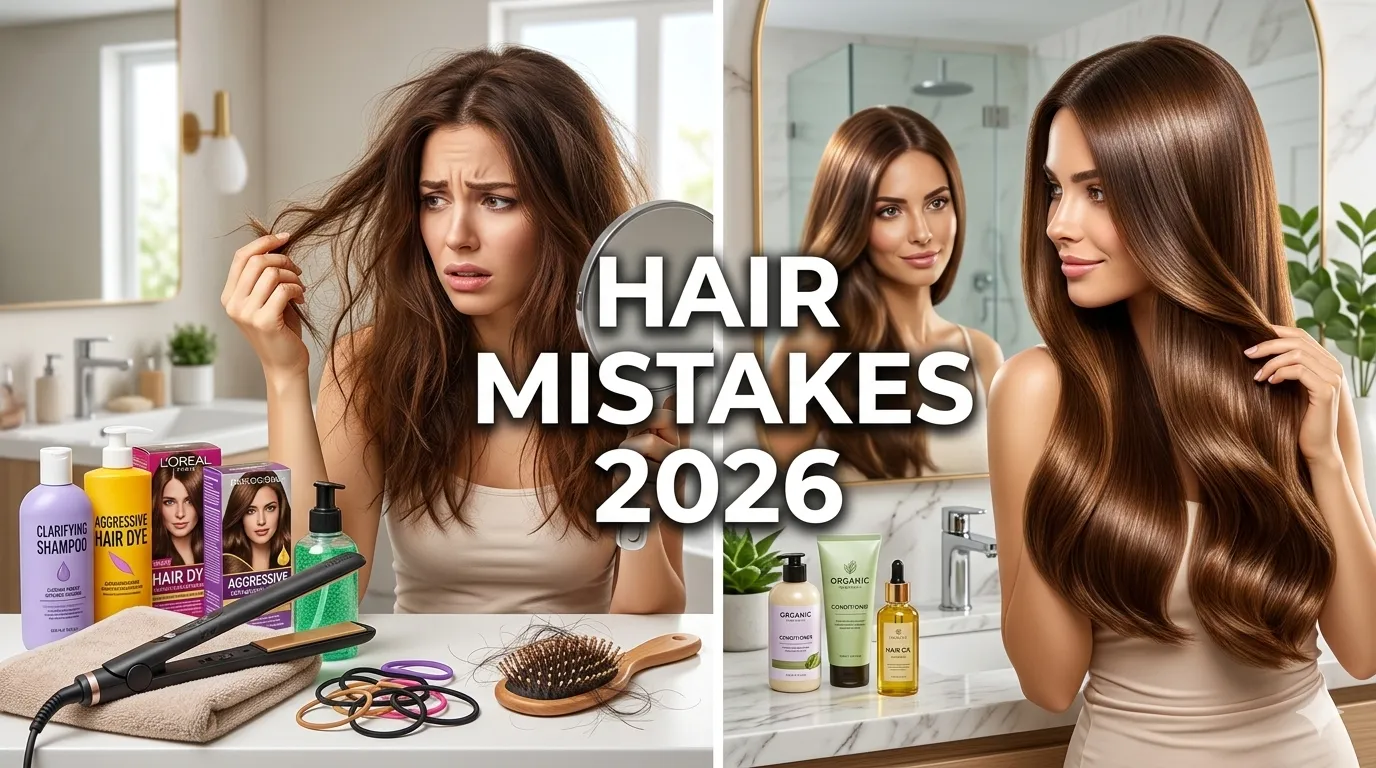
Protect Your Hair Health: Essential Mistakes to Avoid in 2026
Your hair is one of your most visible assets, and in 2026, the landscape of hair care is evolving faster than ever. With new technologies, trending treatments, and an overwhelming amount of information online, it's easier than ever to make mistakes that compromise your hair's health, strength, and beauty. This comprehensive guide identifies the most critical hair care mistakes to avoid this year, helping you future-proof your locks and maintain vibrant, healthy hair for years to come.
Healthy hair isn't just about genetics. While your DNA plays a role, the daily choices you make—from how you wash and style your hair to the products you use and the environmental factors you expose it to—have a profound impact on your hair's condition. Avoiding common pitfalls can mean the difference between brittle, damaged strands and strong, resilient, gorgeous hair.
Whether you have straight, wavy, curly, or coily hair; fine, medium, or thick texture; or color-treated, natural, or chemically processed strands, this guide provides universal principles and targeted advice to help you navigate the complex world of modern hair care with confidence.
Why Hair Care Mistakes Matter More in 2026
The Modern Hair Care Landscape
Today's hair care environment presents unique challenges that previous generations didn't face. Understanding these factors helps explain why avoiding mistakes is more critical than ever:
Digital overload: Social media trends promote aggressive styling techniques, frequent color changes, and experimental treatments that can damage hair when done incorrectly or too often.
Environmental stressors: Increased pollution, UV exposure, hard water in many areas, and climate-related humidity fluctuations place additional stress on hair that requires smarter protection strategies.
Product proliferation: With thousands of new hair products launching annually, consumers face decision fatigue and may choose ineffective or incompatible products that cause buildup, irritation, or damage.
At-home treatments: The rise of DIY hair coloring, keratin treatments, and chemical processes means more people are attempting complex procedures without professional guidance, increasing risk of damage.
Research insight: A 2025 dermatological study found that 68% of hair damage cases in young adults were linked to preventable at-home care mistakes rather than genetic or medical factors.
The Cost of Hair Damage
Making repeated hair care mistakes doesn't just affect appearance—it has real consequences:
- Breakage and split ends that require frequent trims, slowing length retention
- Scalp irritation, dryness, or conditions like seborrheic dermatitis
- Loss of natural shine, softness, and manageability
- Increased dependency on styling products to mask damage
- Financial cost of corrective treatments and replacement products
- Emotional impact of feeling dissatisfied with your hair
The good news: Most hair damage is preventable. By identifying and avoiding common mistakes, you can protect your hair's integrity and reduce the need for costly repairs.
Top 10 Hair Care Mistakes to Avoid in 2026
Mistake 1: Over-Washing or Using the Wrong Shampoo
The problem: Washing hair too frequently strips natural oils that protect and nourish strands. Conversely, using shampoos with harsh sulfates, high pH, or ingredients incompatible with your hair type can cause dryness, irritation, or buildup.
Why it matters: Your scalp produces sebum, a natural oil that moisturizes hair and protects the scalp barrier. Over-washing disrupts this balance, leading to a cycle of dryness followed by overproduction of oil.
The fix:
- Wash hair based on your scalp's needs, not a rigid schedule. Fine hair may need washing every 1-2 days; thick or curly hair may go 3-5 days.
- Choose sulfate-free shampoos with pH 4.5-5.5 to match your scalp's natural acidity.
- Focus shampoo on the scalp, not the lengths. Let suds rinse through ends to clean without stripping.
- Consider co-washing (cleansing conditioner) for curly, dry, or color-treated hair between shampoo days.
Mistake 2: Skipping Conditioner or Applying It Incorrectly
The problem: Conditioner isn't optional—it seals the hair cuticle, adds moisture, reduces friction, and protects against damage. Applying it to the scalp or rinsing insufficiently can cause buildup and weigh hair down.
Why it matters: Shampoo opens the hair cuticle to clean; conditioner closes it to lock in moisture and smooth the surface. Skipping this step leaves hair vulnerable to breakage, frizz, and environmental damage.
The fix:
- Apply conditioner from mid-length to ends, avoiding the scalp unless you have a dry scalp condition.
- Use a wide-tooth comb to distribute conditioner evenly while hair is wet and saturated.
- Leave conditioner on for 2-5 minutes before rinsing with cool water to seal the cuticle.
- For extra dry or damaged hair, use a deep conditioning mask 1-2 times weekly.
Mistake 3: Heat Styling Without Protection
The problem: Flat irons, curling wands, and blow dryers can reach temperatures that damage hair's protein structure, causing dryness, breakage, and loss of elasticity—especially when used without heat protectant.
Why it matters: Hair keratin begins to denature at temperatures above 300°F (149°C). Repeated exposure weakens strands, leading to irreversible damage.
The fix:
- Always apply a heat protectant spray or serum before using hot tools. Look for ingredients like dimethicone, cyclomethicone, or natural oils that create a protective barrier.
- Use the lowest effective temperature. Fine or damaged hair: 250-300°F; medium hair: 300-350°F; thick or coarse hair: 350-400°F max.
- Limit heat styling to 2-3 times weekly. Embrace air-drying or heatless styling methods on other days.
- Invest in quality tools with ceramic or tourmaline plates that distribute heat evenly and reduce hot spots.
Mistake 4: Brushing Wet Hair Aggressively
The problem: Hair is most vulnerable when wet. The cuticle is raised, and strands stretch up to 30% more than when dry, making them prone to breakage from rough brushing.
Why it matters: Aggressive detangling of wet hair causes mechanical damage that leads to split ends, breakage, and frizz that worsens over time.
The fix:
- Use a wide-tooth comb or detangling brush designed for wet hair (like Tangle Teezer or Wet Brush).
- Start detangling from the ends, working upward gradually to avoid pulling knots through the entire length.
- Apply a leave-in conditioner or detangling spray to add slip and reduce friction.
- For curly or coily hair, detangle in sections while hair is saturated with conditioner in the shower.
Mistake 5: Ignoring Scalp Health
The problem: Many people focus exclusively on hair strands while neglecting the scalp—the foundation of healthy hair growth. Buildup, dryness, or inflammation on the scalp directly impacts hair quality.
Why it matters: Hair grows from follicles in the scalp. If the scalp environment is unhealthy (clogged, inflamed, or imbalanced), hair growth suffers, leading to thinning, weak strands, or excessive shedding.
The fix:
- Exfoliate your scalp 1-2 times monthly with a gentle scalp scrub or brush to remove buildup and promote circulation.
- Massage your scalp for 2-3 minutes during washing to stimulate blood flow and support follicle health.
- Address scalp concerns promptly: dryness (use hydrating serums), oiliness (clarifying treatments), or flaking (medicated shampoos as needed).
- Avoid heavy products directly on the scalp if you have fine or oily hair.
Mistake 6: Using Products That Don't Match Your Hair Type
The problem: Choosing products based on marketing, trends, or what works for others—rather than your specific hair texture, porosity, and needs—leads to ineffective results or damage.
Why it matters: Fine hair weighed down by heavy butters won't have volume. High-porosity hair that doesn't receive enough sealing will lose moisture rapidly. Mismatched products waste money and compromise hair health.
The fix:
- Identify your hair type: straight/wavy/curly/coily and fine/medium/thick.
- Determine your porosity (low, medium, high) with a simple water test or by observing how your hair absorbs products.
- Read ingredient lists: look for humectants (glycerin, honey) for moisture, emollients (oils, butters) for sealing, and proteins (keratin, amino acids) for strength—balanced for your needs.
- Start with products formulated for your hair type, then adjust based on results.
Mistake 7: Overusing Dry Shampoo or Styling Products
The problem: While dry shampoo and styling products are convenient, overuse leads to buildup that clogs follicles, weighs hair down, and requires harsh cleansing to remove—creating a damaging cycle.
Why it matters: Product buildup blocks the scalp's natural functions, irritates skin, and prevents moisture and nutrients from reaching hair strands.
The fix:
- Use dry shampoo sparingly (1-2 times between washes max) and focus on roots only.
- Clarify your hair every 2-4 weeks with a gentle clarifying shampoo to remove buildup.
- Apply styling products to damp hair for even distribution, using the minimum amount needed for your desired hold.
- Rinse hair thoroughly after swimming or heavy sweating to prevent product-sweat-chlorine buildup.
Mistake 8: Skipping Regular Trims
The problem: Avoiding trims to "grow hair longer" actually backfires. Split ends travel up the hair shaft, causing breakage that shortens hair and creates a frizzy, unhealthy appearance.
Why it matters: Once a hair strand splits, it cannot repair itself. The only solution is to cut the damage before it spreads.
The fix:
- Get a trim every 8-12 weeks, even if you're growing your hair. Ask for a "dusting" (removing only split ends) to maintain length while eliminating damage.
- Use sharp, professional hair shears for at-home trims if needed—never use regular scissors, which crush hair and cause more splitting.
- Prevent split ends by minimizing heat, protecting hair while sleeping (satin pillowcase or bonnet), and keeping hair moisturized.
Mistake 9: Tight Hairstyles That Cause Traction
The problem: Consistently wearing tight ponytails, braids, buns, or extensions places tension on hair follicles, leading to traction alopecia—a form of hair loss that can become permanent.
Why it matters: Repeated pulling damages follicles over time. Early traction alopecia is reversible; advanced cases may not regrow.
The fix:
- Wear hairstyles loosely. If a style causes pain, headaches, or visible pulling at the hairline, it's too tight.
- Alternate hairstyle placement to avoid constant tension on the same follicles.
- Use soft, spiral hair ties or scrunchies instead of elastic bands with metal clasps.
- Give your hair regular breaks from protective styles, extensions, or heavy accessories.
Mistake 10: Neglecting Environmental Protection
The problem: Sun exposure, pollution, hard water, chlorine, and salt water all damage hair—but many people don't take steps to protect against these environmental stressors.
Why it matters: UV rays degrade hair protein and fade color. Pollution particles adhere to hair, causing oxidative stress. Hard water minerals build up and cause dryness. Chlorine and salt strip moisture.
The fix:
- Use hair products with UV filters or wear hats/scarves for sun protection.
- Rinse hair with clean water before swimming to reduce chlorine/salt absorption; use a swim cap if possible.
- Install a shower filter if you have hard water, or use a chelating shampoo monthly to remove mineral buildup.
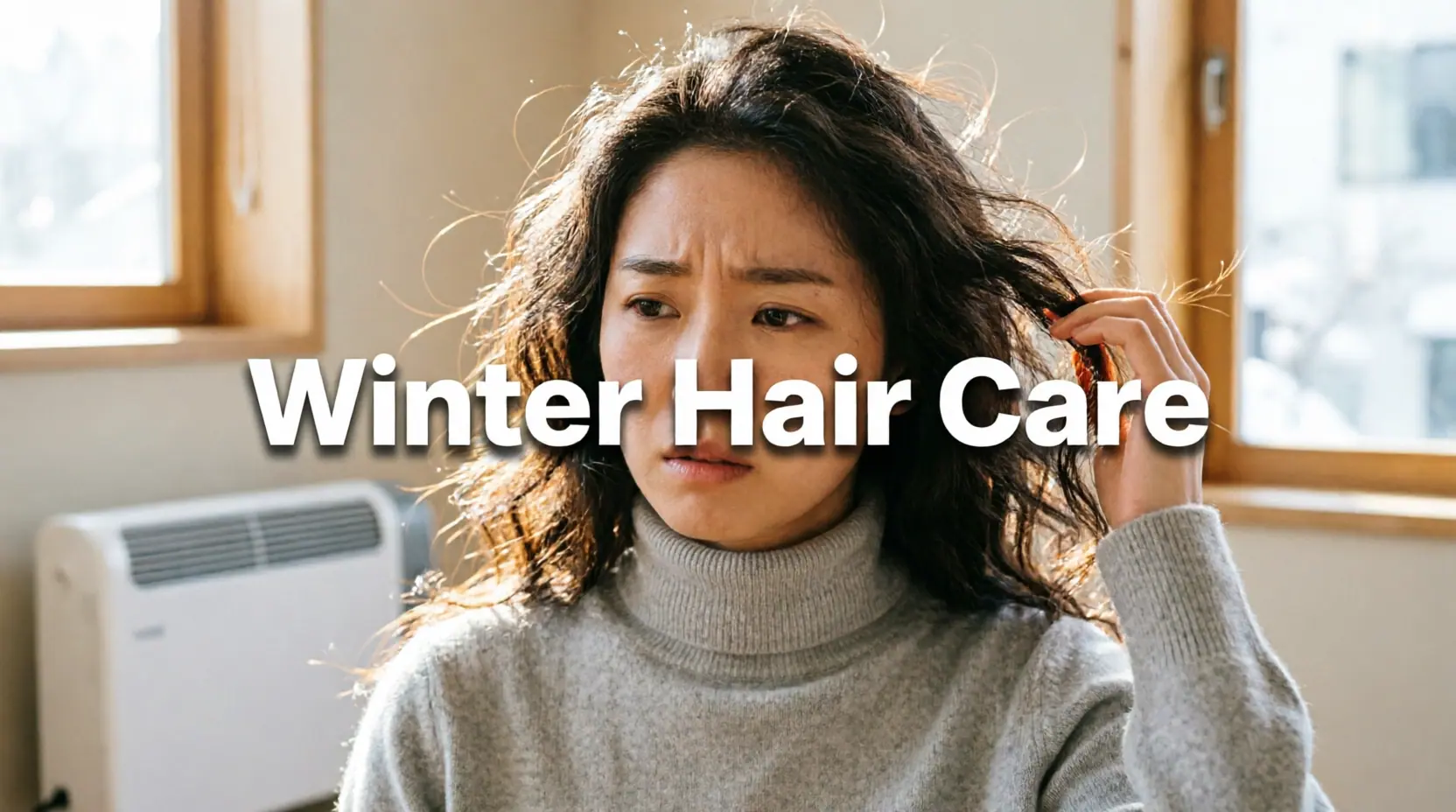
- Apply a leave-in conditioner or oil before exposure to wind, cold, or dry air to create a protective barrier.
Advanced Mistakes: 2026-Specific Pitfalls to Avoid
Over-Reliance on AI Hair Analysis Tools
The trend: Apps and devices that use AI to analyze hair health and recommend products are proliferating.
The risk: These tools can be helpful but aren't substitutes for professional diagnosis. Over-reliance may lead to misdiagnosis or inappropriate product choices.
The balanced approach: Use AI tools as a starting point for awareness, but consult a trichologist or dermatologist for persistent concerns like excessive shedding, scalp conditions, or sudden texture changes.
Following Viral Hair Trends Without Research
The trend: Social media promotes rapid-fire hair trends: rice water rinses, rosemary oil protocols, scalp massagers, DIY treatments.
The risk: What works for one person may harm another. Unverified DIY treatments can cause allergic reactions, buildup, or chemical damage.
The balanced approach: Research trends thoroughly. Patch test new ingredients. Introduce one change at a time. Consult professionals before trying chemical or intensive treatments at home.
Ignoring the Impact of Stress and Lifestyle
The reality: Chronic stress, poor sleep, nutritional deficiencies, and hormonal changes significantly impact hair health—yet many focus only on topical care.
The risk: Addressing hair externally while ignoring internal factors leads to frustrating, unresolved issues.
The balanced approach: Support hair health holistically: manage stress, prioritize sleep, eat a balanced diet rich in protein, iron, zinc, and biotin, and address medical concerns with a healthcare provider.
Building a Future-Proof Hair Care Routine
Step 1: Assess Your Current Routine
Before making changes, understand what you're currently doing:
- List all products you use and how often
- Note your washing, styling, and maintenance habits
- Identify any recurring issues: dryness, breakage, frizz, scalp irritation
- Consider recent changes: new products, stress, health changes, environmental factors
Be honest: This isn't about judgment—it's about identifying opportunities for improvement.
Step 2: Simplify and Optimize
Effective hair care doesn't require 20 products. Focus on essentials:
Core routine framework:
- Cleanse: Gentle, pH-balanced shampoo suited to your scalp
- Condition: Moisturizing conditioner or mask for your hair type
- Protect: Heat protectant, UV defense, or leave-in as needed
- Style: Minimal products for desired hold or texture
- Maintain: Regular trims, scalp care, and protective practices
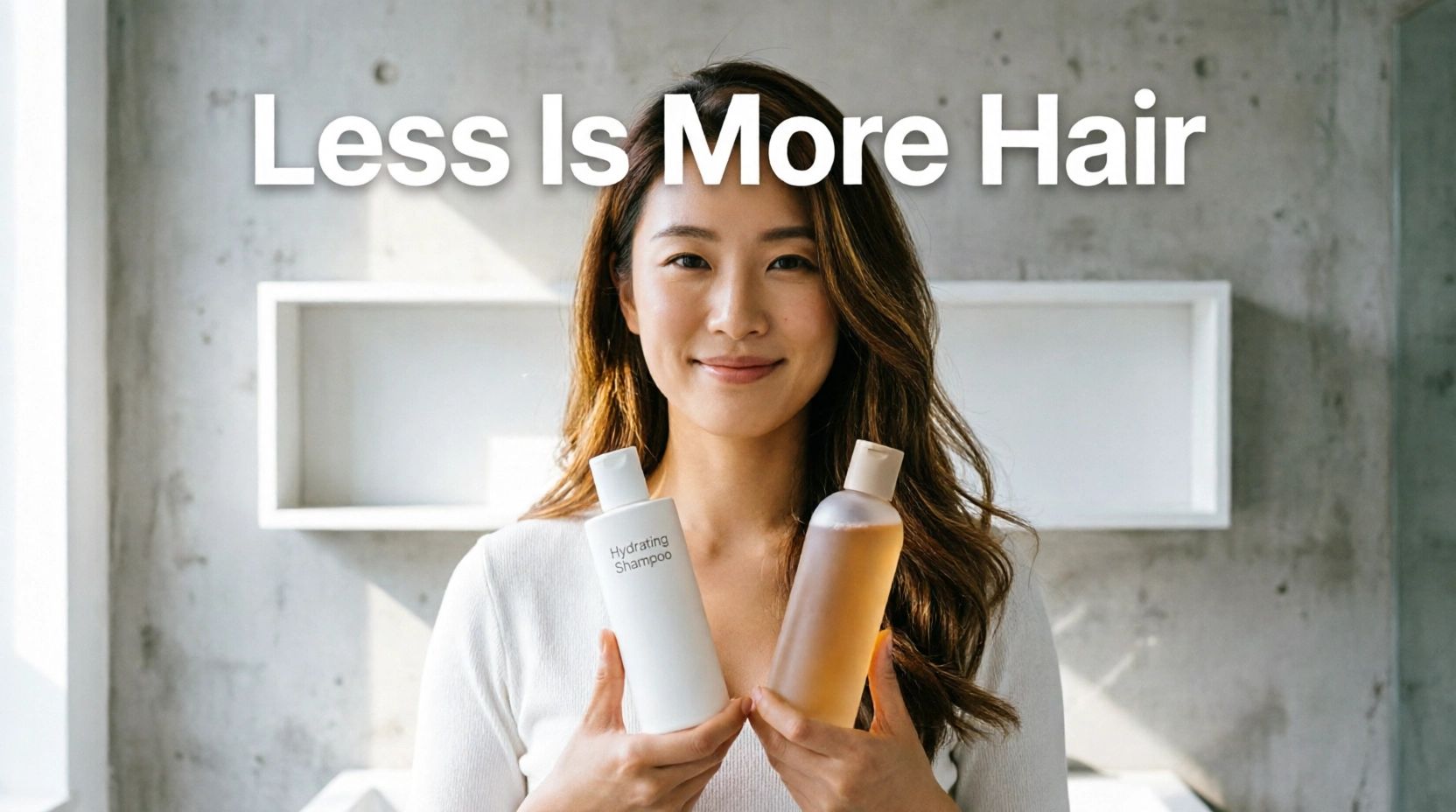
Less is more: Start with this foundation. Add targeted treatments only if specific concerns persist.
Step 3: Personalize for Your Needs
Adapt the core routine to your unique hair:
For fine or oily hair: Lightweight, volumizing products; focus conditioner on ends; clarify regularly.
For thick, dry, or curly hair: Richer moisturizers; co-wash between shampoos; seal with oils or butters.
For color-treated or chemically processed hair: Sulfate-free, color-safe formulas; extra protein and moisture; minimize heat.
For sensitive scalp: Fragrance-free, hypoallergenic products; gentle exfoliation; avoid heavy buildup.
Step 4: Monitor and Adjust
Hair needs change with seasons, age, health, and lifestyle. Check in monthly:
- Is your hair feeling healthier, stronger, more manageable?
- Are any issues persisting or worsening?
- Has your environment, routine, or health changed?
Adjust proactively: Small tweaks prevent major problems. Don't wait for damage to escalate before changing your approach.
Expert Tips for Long-Term Hair Health
Invest in Quality Over Quantity
One well-formulated product that works for your hair is better than ten trendy items that don't. Research ingredients, read reviews from people with similar hair, and patch test new products.
Protect Hair While Sleeping
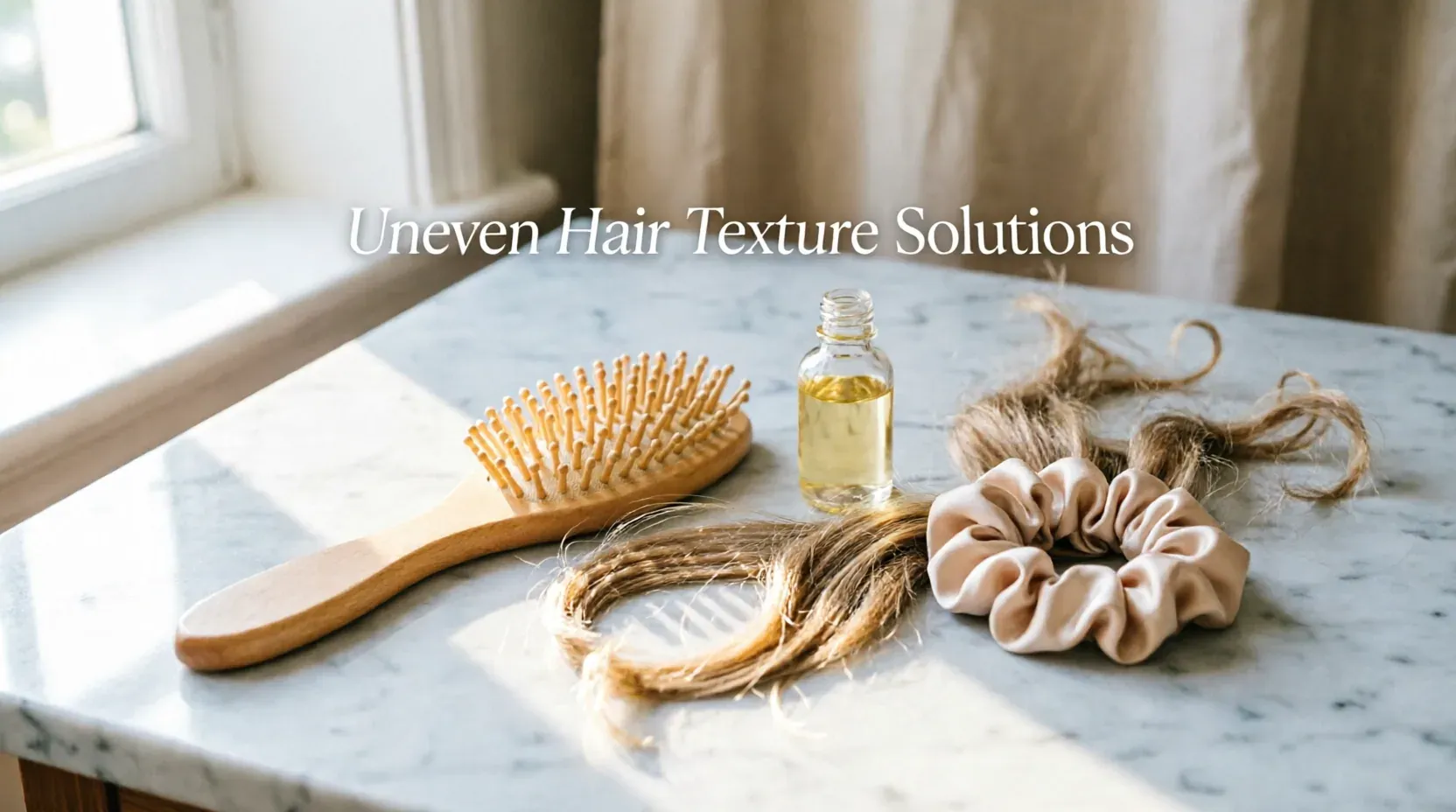
Friction from cotton pillowcases causes breakage and frizz. Switch to a satin or silk pillowcase, or wear a satin bonnet/scarf to preserve styles and reduce damage overnight.
Hydrate From Within
Hair is made of protein and requires adequate water, vitamins, and minerals to grow strong. Drink water consistently, eat a balanced diet, and consider supplements only if deficient (consult a doctor first).
Be Patient with Results
Hair grows about 0.5 inches per month. Changes in care take weeks to months to show visible results. Focus on how your hair feels and behaves day-to-day, not just appearance.
Seek Professional Help When Needed
If you experience sudden hair loss, scalp pain, persistent itching, or dramatic texture changes, consult a dermatologist or trichologist. Early intervention prevents long-term issues.
Frequently Asked Questions
How often should I wash my hair in 2026?
There's no universal answer—it depends on your scalp type, hair texture, activity level, and products used. Fine or oily hair may need washing every 1-2 days; thick, curly, or dry hair may go 3-5 days. Focus on scalp cleanliness, not a rigid schedule.
Can I repair damaged hair?
You can't "heal" split ends or reverse protein damage, but you can prevent further damage and improve appearance. Trim split ends, use protein and moisture treatments, minimize heat, and protect hair from environmental stress. New growth will be healthy with proper care.
Are natural or organic products always better?
Not necessarily. "Natural" doesn't guarantee safety or efficacy. Some natural ingredients can irritate or cause allergic reactions. Focus on ingredients that work for your hair, regardless of origin. Look for evidence-based formulations and avoid harsh chemicals.
How do I know if a product is causing buildup?
Signs include hair feeling heavy, limp, or greasy soon after washing; products not absorbing well; or scalp itching. If suspected, clarify with a gentle clarifying shampoo and simplify your product routine.
Is it bad to change hair care products frequently?
Constantly switching products prevents you from assessing what works. Give new products 4-6 weeks to show results before deciding. However, your hair's needs may change over time—adjust your routine seasonally or as your hair changes.
Conclusion: Future-Proof Your Hair Starting Today
Avoiding hair care mistakes in 2026 isn't about following every trend or using the most expensive products. It's about understanding your hair's unique needs, making informed choices, and building sustainable habits that protect your hair's health for the long term.
Your hair tells a story. Every strand reflects your care, your environment, and your choices. By avoiding common pitfalls and embracing a mindful, personalized approach, you can ensure that story is one of strength, shine, and vitality.
Start small. Pick one mistake from this guide to address this week. Whether it's adding a heat protectant, adjusting your washing frequency, or protecting your hair while sleeping, each positive change compounds into healthier, more resilient hair.
Remember: Hair care is a journey, not a destination. Be patient with yourself, stay curious, and prioritize health over trends. Your future self—and your future hair—will thank you.
Future-proof your locks today. Your healthiest, most beautiful hair is within reach.