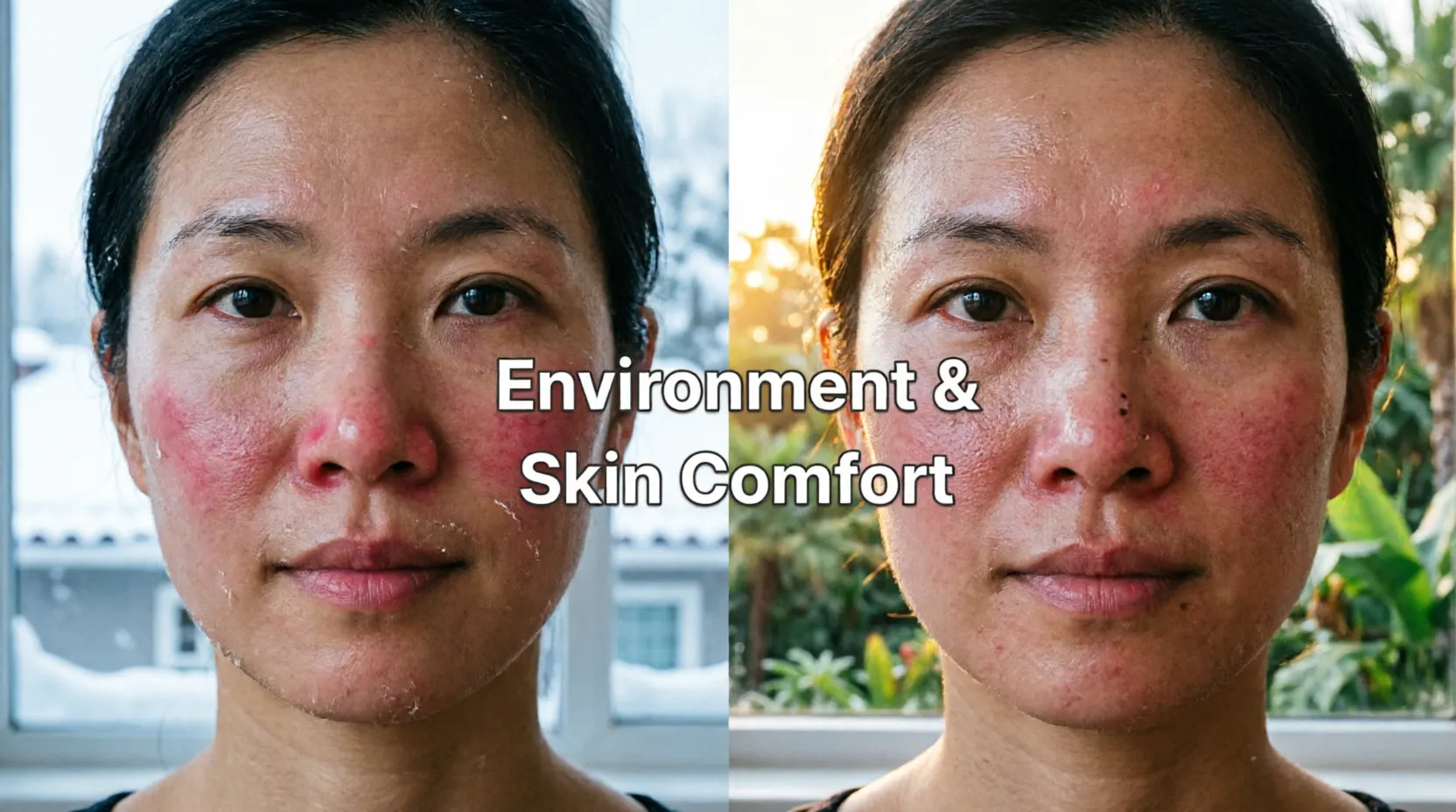
Why Your Skin Feels Different in Different Environments
You've probably noticed it: your skin feels perfectly balanced at home, but the moment you travel, change seasons, or even step outside on a particularly windy day, everything shifts. Suddenly, your usual skincare routine doesn't work the same way. Your skin might feel tight, itchy, oily, irritated, or just... off. This isn't in your head—it's your skin responding to environmental changes that directly impact its comfort levels.
Environmental factors are among the most powerful yet overlooked influences on skin health and comfort. Temperature, humidity, air quality, UV exposure, wind, and even indoor climate control systems all interact with your skin's delicate barrier, affecting hydration, sensitivity, oil production, and overall feeling of well-being. When these factors shift, your skin must adapt—and that adaptation process is what you experience as changes in comfort.
Understanding how environmental changes affect your skin isn't just interesting science—it's essential knowledge for maintaining healthy, comfortable skin year-round, whether you're at home, traveling, or navigating seasonal transitions. This comprehensive guide will explore the mechanisms behind environmental skin responses, identify the key factors that shift comfort levels, and provide actionable strategies to help your skin adapt gracefully to any environment.
The Science: How Environment Interacts With Skin
To understand why environmental changes affect skin comfort, you need to understand skin's primary function: protection. Your skin is your body's largest organ and first line of defense against the external world.
The Skin Barrier: Your Environmental Shield
The stratum corneum, the outermost layer of your epidermis, acts as your skin's barrier. This sophisticated structure consists of corneocytes (dead skin cells) embedded in a lipid matrix of ceramides, cholesterol, and fatty acids—often described as a "brick and mortar" system.
This barrier serves critical functions:
- Prevents water loss: Keeps internal moisture from evaporating
- Blocks external threats: Protects against pollutants, allergens, and microbes
- Regulates temperature: Helps maintain body heat through sweat and blood flow
- Senses environment: Contains nerve endings that detect temperature, pressure, and irritation
When environmental conditions change, this barrier must work harder or adapt its function. If the change is too rapid or extreme, the barrier can become compromised, leading to the discomfort you feel.
Transepidermal Water Loss (TEWL): The Comfort Connection
Transepidermal water loss (TEWL) is the amount of water that passively evaporates through your skin. It's a key indicator of barrier health and directly correlates with skin comfort.
When TEWL increases:
- Skin feels tight, dry, or rough
- Barrier function weakens
- Sensitivity and irritation increase
- Healing and repair slow down
Environmental factors dramatically influence TEWL. Low humidity, cold temperatures, wind, and harsh indoor heating all accelerate water loss, while high humidity can temporarily reduce it. Understanding TEWL helps explain why your skin feels different in different conditions.
Skin's Adaptive Mechanisms
Your skin isn't passive—it actively responds to environmental cues:
Sebum production: Oil glands adjust output based on humidity and temperature. Dry conditions may trigger increased sebum as a protective response, while humid conditions might suppress it.
Blood flow regulation: Capillaries dilate in heat to release warmth (causing redness) and constrict in cold to conserve heat (causing paleness or blueness).
Sweat production: Eccrine glands activate to cool the body, but sweat can also irritate sensitive skin or disrupt the barrier if not managed.
Cell turnover: Environmental stress can accelerate or slow epidermal renewal, affecting texture and comfort.
These adaptive responses are normal, but when changes happen too quickly or your skin is already compromised, the adaptation process itself can cause discomfort.
Key Environmental Factors That Shift Skin Comfort
Multiple environmental elements influence how your skin feels. Understanding each helps you anticipate and manage changes.
1. Humidity: The Moisture Balance Factor
Humidity—the amount of water vapor in the air—has perhaps the most direct impact on skin comfort.
Low humidity (dry air):
- Accelerates transepidermal water loss
- Causes skin to feel tight, itchy, or flaky
- Can trigger increased oil production as compensation
- Worsens conditions like eczema and rosacea
- Common in winter, desert climates, and air-conditioned/heated indoor spaces
High humidity (moist air):
- Reduces water loss, temporarily improving hydration
- Can make skin feel sticky, congested, or oily
- May increase sweat-related irritation and breakouts
- Can promote fungal growth or exacerbate seborrheic dermatitis
- Common in tropical climates and summer months
The ideal humidity range for skin comfort is 40-60%. Outside this range, most people experience some shift in how their skin feels.
2. Temperature: Heat and Cold Effects
Temperature changes trigger multiple skin responses that affect comfort:
Cold temperatures:
- Constrict blood vessels, reducing nutrient delivery
- Increase TEWL due to dry winter air
- Can cause windburn or chapping
- May trigger rosacea flare-ups in sensitive individuals
- Indoor heating compounds dryness
Hot temperatures:
- Dilate blood vessels, causing redness and warmth
- Increase sweat production, which can irritate or clog pores
- Accelerate sebum oxidation, potentially worsening breakouts
- UV exposure often increases with heat, adding photodamage risk
- Humidity often accompanies heat, compounding effects
Rapid temperature shifts (moving from cold outdoors to heated indoors, or vice versa) are particularly challenging, as skin struggles to adapt quickly enough.
3. Air Quality and Pollution
Airborne pollutants significantly impact skin comfort and barrier function. Common environmental pollutants include:
- Particulate matter (PM2.5, PM10)
- Ozone (O3)
- Nitrogen dioxide (NO2)
- Polycyclic aromatic hydrocarbons (PAHs)
- Volatile organic compounds (VOCs)
How pollution affects skin:
- Oxidative stress: Pollutants generate free radicals that damage skin cells and lipids
- Inflammation: Trigger inflammatory pathways, increasing sensitivity and redness
- Barrier disruption: Compromise lipid matrix, increasing TEWL
- Pigmentation changes: Some pollutants stimulate melanin production
- Microbiome imbalance: Alter skin's beneficial bacterial communities
Urban dwellers often report increased sensitivity, dullness, and breakouts correlated with poor air quality days. This isn't coincidental—it's your skin responding to environmental stress.
4. UV Radiation and Sun Exposure
Ultraviolet radiation affects skin comfort both immediately and cumulatively.
Short-term effects:
- Sunburn causes pain, redness, tightness, and peeling
- Heat from sun exposure increases sweat and oil production
- UV can trigger photosensitivity reactions in susceptible individuals
Long-term effects:
- Photoaging weakens barrier function
- Chronic UV exposure increases sensitivity and reactivity
- Cumulative damage reduces skin's ability to adapt to other stressors
UV intensity varies by: season, time of day, latitude, altitude, and reflection from surfaces like snow, water, or sand. Your skin's comfort needs change accordingly.
5. Wind and Air Movement
Wind accelerates moisture evaporation and physically stresses the skin barrier.
Effects of wind exposure:
- Increases TEWL dramatically, causing dryness and tightness
- Can cause "windburn"—redness, irritation, and micro-tears
- Carries pollutants and allergens that deposit on skin
- Physical friction can irritate sensitive or compromised skin
Wind combined with cold is particularly harsh, while wind in dry climates compounds dehydration. Even gentle breezes can affect sensitive skin over time.
6. Indoor Environmental Factors
Indoor environments present unique challenges often overlooked:
Heating systems (winter):
- Reduce indoor humidity to 10-30%, far below skin's comfort zone
- Circulate dust and allergens
- Create temperature gradients that stress skin
Air conditioning (summer):
- Also dehumidifies air, causing dryness
- Recirculates indoor pollutants
- Creates cold drafts that can trigger sensitivity
Other indoor factors:
- Hard water: Mineral content can leave residue, disrupt pH, and irritate
- Artificial lighting: Some emit low-level UV or blue light that may affect sensitive skin
- Chemical exposures: Cleaning products, fragrances, and VOCs from furnishings
Many people spend 80-90% of their time indoors, making indoor environmental quality crucial for skin comfort.
7. Altitude and Atmospheric Pressure
Changes in altitude affect skin through multiple mechanisms:
High altitude effects:
- Lower humidity increases TEWL
- Increased UV intensity (less atmospheric filtering)
- Lower oxygen levels may affect skin cell function
- Colder temperatures compound dryness
Pressure changes (travel, weather systems):
- May affect blood flow and fluid balance in skin
- Some report increased sensitivity before storms
- Airplane cabins combine low humidity, recirculated air, and pressure changes
Travelers to mountainous regions or frequent flyers often notice skin feels different—this is environmental adaptation in action.
Seasonal Shifts: How Skin Comfort Changes Throughout the Year
Seasonal transitions are among the most common times people notice shifts in skin comfort. Here's what happens and how to adapt.
Winter: The Dryness Challenge
Typical winter skin concerns:
- Increased dryness, flakiness, and tightness
- Heightened sensitivity and reactivity
- Worsening of eczema, psoriasis, or rosacea
- Dull complexion from slower cell turnover
- Chapped lips and hands
Why winter affects skin:
- Cold outdoor air holds less moisture
- Indoor heating further dehumidifies air
- Hot showers strip natural oils
- Reduced sunlight may affect vitamin D and skin repair
- Harsh winds cause physical irritation
Adaptation strategies: Switch to richer moisturizers with ceramides, use humidifiers, limit hot water exposure, and prioritize barrier-supporting ingredients.
Spring: Transition and Sensitivity
Spring skin concerns:
- Increased sensitivity as skin adjusts to warming temperatures
- Pollen and allergens trigger reactions
- Variable weather makes routine planning difficult
- Increased UV exposure as days lengthen
Why spring affects skin:
- Rapid temperature and humidity fluctuations
- Higher pollen counts increase allergic responses
- Skin may still be recovering from winter damage
- Increased outdoor time exposes skin to new stressors
Adaptation strategies: Introduce products gradually, use gentle formulations, incorporate antioxidants, and don't skip sunscreen as UV increases.
Summer: Heat, Humidity, and Sun
Summer skin concerns:
- Excess oil and shine
- Clogged pores and breakouts
- Sweat-related irritation or fungal issues
- Sunburn and photodamage risk
- Dehydration despite humidity
Why summer affects skin:
- Heat increases sebum production and sweat
- High humidity can feel good but trap irritants
- UV intensity peaks, increasing damage risk
- Chlorine, salt water, and sand add physical/chemical stress
- Air conditioning indoors creates dry microclimates
Adaptation strategies: Use lighter, non-comedogenic products, prioritize sun protection, cleanse gently after sweating, and maintain hydration internally and externally.
Fall: Preparation and Repair
Fall skin concerns:
- Residual summer damage becoming visible
- Dryness returning as humidity drops
- Increased sensitivity to temperature changes
- Need to transition skincare routines
Why fall affects skin:
- Decreasing humidity accelerates water loss
- Cooler temperatures trigger vascular responses
- Skin may be compromised from summer UV exposure
- Indoor heating begins, compounding dryness
Adaptation strategies: Focus on repair with antioxidants and barrier support, gradually reintroduce richer products, and assess summer damage with a dermatologist if needed.
Travel and Environmental Transitions
Traveling exposes skin to rapid environmental changes that can significantly impact comfort.
Common Travel-Related Skin Shifts
Climate transitions: Moving from a dry to humid environment (or vice versa) forces skin to rapidly adjust its hydration and oil balance, often causing temporary discomfort.
Time zone changes: Jet lag disrupts circadian rhythms, which regulate skin repair, oil production, and barrier function. This can manifest as increased sensitivity or breakouts.
Water quality changes: Different mineral content, pH, or chlorine levels in travel destinations can irritate skin or alter how products perform.
Airplane cabin environment: Extremely low humidity (10-20%), recirculated air, and pressure changes create a perfect storm for dehydration and sensitivity.
Strategies for Travel Skin Comfort
Before you go:
- Research your destination's climate and prepare appropriate products
- Pack travel-sized versions of your core routine
- Bring a hydrating mist and barrier cream for flights
- Consider a portable humidifier for hotel rooms
During travel:
- Apply a rich moisturizer before flights
- Drink extra water to support hydration from within
- Use gentle, fragrance-free products to minimize irritation risk
- Don't introduce new products while traveling
After arrival:
- Give skin 2-3 days to adjust before making routine changes
- Focus on hydration and barrier support initially
- Adapt products gradually based on how skin responds
- Use sunscreen regardless of destination—UV is everywhere
Signs Your Skin Is Struggling With Environmental Changes
How do you know if environmental factors are affecting your skin comfort? Watch for these signals:
Physical Sensations
- Tightness or pulling: Especially after cleansing or exposure to dry air
- Itching or stinging: Indicates barrier compromise or sensitivity
- Burning or warmth: May signal inflammation or vascular response
- Rough or uneven texture: Suggests impaired barrier or dehydration
Visible Changes
- Increased redness or flushing: Vascular response to temperature or irritation
- Flakiness or peeling: Sign of excessive dryness or barrier damage
- Excess oil or shine: Compensatory response to dehydration
- Breakouts or congestion: May result from humidity, sweat, or product interactions
- Dullness: Often indicates dehydration or slowed cell turnover
Product Performance Shifts
- Products that usually work well suddenly cause irritation
- Moisturizers feel insufficient or too heavy
- Makeup doesn't apply or wear as expected
- Skin reacts to previously tolerated ingredients
If you notice these signs, your skin is signaling that it needs support adapting to current environmental conditions.
Adaptive Skincare: Strategies for Every Environment
The key to maintaining skin comfort through environmental changes isn't a fixed routine—it's an adaptive approach that responds to your skin's current needs.
Core Principles of Adaptive Skincare
Listen to your skin: Pay attention to how your skin feels day-to-day, not just how it looks. Sensations are early warning signs.
Focus on barrier support: A healthy, resilient barrier adapts more easily to environmental shifts. Prioritize ceramides, cholesterol, and fatty acids.
Layer strategically: Use lightweight layers you can add or remove based on conditions rather than one heavy product.
Keep a core routine: Maintain consistent gentle cleansing, hydration, and sun protection, then adjust supporting products as needed.
Introduce changes gradually: When adapting your routine, change one product at a time and allow 3-5 days to assess response.
Ingredient Guide for Environmental Adaptation
For dry/low-humidity conditions:
- Ceramides: Replenish barrier lipids
- Hyaluronic acid: Bind water (apply to damp skin)
- Glycerin: Humectant that draws moisture
- Squalane: Lightweight emollient that mimics skin lipids
- Panthenol (B5): Soothes and supports barrier repair
For humid/high-moisture conditions:
- Niacinamide: Regulates oil, strengthens barrier
- Zinc PCA: Helps control sebum
- Lightweight hyaluronic acid: Hydrates without heaviness
- Salicylic acid (low %): Keeps pores clear if prone to congestion
- Antioxidants: Protect against humidity-enhanced pollution effects
For pollution-heavy environments:
- Vitamin C: Neutralizes free radicals
- Vitamin E: Works synergistically with C
- Ferulic acid: Stabilizes and enhances antioxidants
- Niacinamide: Strengthens barrier against pollutant penetration
- Chelating agents: Help remove pollutant residues
For temperature extremes:
- Centella asiatica: Calms temperature-triggered redness
- Allantoin: Soothes irritation from wind or cold
- Green tea extract: Anti-inflammatory and antioxidant
- Thermal spring water: Mineral-rich mist for instant comfort
Routine Adjustments by Condition
When humidity drops:
- Add a hydrating serum under moisturizer
- Switch to a richer cream or add facial oil
- Use a humidifier indoors
- Limit foaming cleansers; try cream or oil cleansers
- Apply moisturizer to damp skin to seal in water
When humidity rises:
- Switch to gel or lotion moisturizers
- Consider skipping heavy occlusives during day
- Use blotting papers instead of reapplying powder
- Cleanse gently after sweating
- Keep antioxidant serum in routine to combat humidity-enhanced pollution
When traveling or experiencing rapid changes:
- Stick to your gentle core routine
- Pack a multi-purpose balm for lips, hands, dry patches
- Use a hydrating mist throughout the day
- Don't introduce new actives while adjusting
- Give skin 3-5 days to acclimate before making changes
Lifestyle Support for Environmental Skin Resilience
Skincare products are important, but lifestyle factors significantly influence how well your skin adapts to environmental changes.
Hydration: Internal Support
Drink adequate water daily (typically 8-10 glasses) to support skin hydration from within. While topical products address surface hydration, internal hydration supports overall skin function and resilience.
Limit dehydrating beverages like excessive caffeine or alcohol, especially in dry environments or when traveling.
Nutrition for Barrier Health
Omega-3 fatty acids (fatty fish, walnuts, flaxseeds) support skin barrier lipids and reduce inflammation.
Antioxidant-rich foods (berries, leafy greens, colorful vegetables) help skin combat environmental oxidative stress.
Vitamin C and E from food sources support collagen and protect against UV and pollution damage.
Zinc (pumpkin seeds, legumes, shellfish) supports barrier repair and wound healing.
Sleep and Stress Management
Quality sleep is when skin repairs barrier damage and regenerates. Aim for 7-9 hours nightly, especially when experiencing environmental stress.
Chronic stress elevates cortisol, which can weaken barrier function and increase sensitivity. Practice stress-reduction techniques like meditation, deep breathing, or gentle movement.
Protective Behaviors
Wear appropriate clothing: Scarves protect face from wind; hats shield from sun; breathable fabrics prevent sweat irritation.
Use physical barriers: Apply a thin layer of petroleum jelly or balm to lips and exposed areas in harsh conditions.
Time outdoor exposure: Avoid peak sun hours; seek shade; limit time in extreme temperatures when possible.
When Environmental Sensitivity Requires Professional Help
While most environmental skin responses are manageable with adaptive care, certain situations warrant professional evaluation:
- Persistent redness, burning, or pain that doesn't improve with gentle care
- Severe flaking, cracking, or oozing indicating significant barrier damage
- Sudden onset of sensitivity to previously tolerated products or environments
- Signs of infection (increasing redness, warmth, pus, fever)
- Symptoms suggesting underlying conditions like rosacea, eczema, or contact dermatitis
Consult a dermatologist who can assess whether environmental factors are exacerbating an underlying condition and recommend targeted treatments.
Frequently Asked Questions
Why does my skin feel different when I travel?
Travel exposes your skin to rapid changes in humidity, temperature, water quality, and air composition. Your skin barrier needs time to adapt to these new conditions, which can temporarily affect hydration, oil production, and sensitivity. Give your skin 2-3 days to adjust before changing your routine.
How can I tell if my skin is dehydrated or just dry?
Dehydrated skin lacks water and may feel tight but can still produce oil. Dry skin lacks oil and often feels rough or flaky. Dehydration can occur in any skin type and is often triggered by environmental factors like low humidity or air conditioning.
Should I change my skincare routine with the seasons?
Yes, but gradually. You may need richer moisturizers in winter and lighter formulas in summer. Keep your core routine (gentle cleanse, hydrate, protect) consistent, and adjust supporting products based on how your skin responds to seasonal changes.
Can pollution really affect how my skin feels?
Absolutely. Air pollutants generate free radicals that cause oxidative stress, trigger inflammation, and compromise the skin barrier. This can manifest as increased sensitivity, dullness, breakouts, or accelerated aging. Antioxidant skincare and thorough cleansing help mitigate these effects.
Is it normal for my skin to react to weather changes?
Yes, it's completely normal. Skin is designed to respond to environmental cues. Temperature shifts, humidity changes, and wind all trigger physiological responses. The key is supporting your skin's adaptation with appropriate care rather than fighting these natural responses.
The Bottom Line
Environmental changes will always affect your skin—that's not a flaw, it's biology. Your skin is a dynamic, responsive organ designed to interact with the world around it. The goal isn't to eliminate these responses but to support your skin's ability to adapt comfortably.
The most effective approach is proactive, not reactive. By understanding how humidity, temperature, pollution, UV, and other factors influence your skin, you can anticipate changes and adjust your care before discomfort arises. This adaptive mindset is more powerful than any single product.
Start with barrier health. A strong, resilient barrier is your skin's best defense against environmental stress. Prioritize gentle cleansing, consistent hydration, and daily sun protection as your non-negotiable foundation.
Listen to your skin daily. Comfort is your best guide. If your skin feels tight, it likely needs more hydration. If it feels congested, it may need lighter products. Your skin communicates—learn its language.
Be patient with transitions. Whether seasonal changes, travel, or moving to a new climate, give your skin time to adapt. Small, gradual adjustments are more effective than dramatic overhauls.
Environmental changes are inevitable, but skin discomfort doesn't have to be. With knowledge, preparation, and responsive care, you can maintain comfortable, healthy skin in any environment life brings your way.