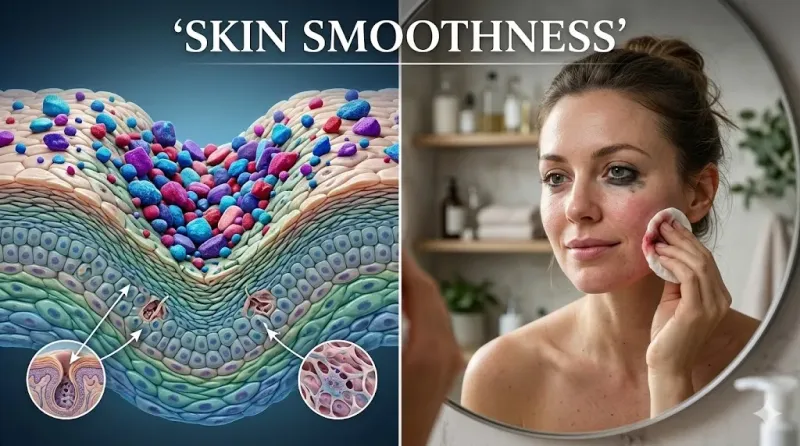
For millions of women worldwide, makeup is an integral part of the daily routine, a tool for self-expression, confidence, and creativity. But as years of foundation, concealer, powder, and other cosmetics become a constant presence on your skin, an important question arises: how does long-term makeup use impact your skin's natural smoothness and texture? The answer is complex, nuanced, and depends on multiple factors including product quality, application habits, removal practices, and your skin's unique characteristics.
The relationship between makeup and skin health isn't simply good or bad. While makeup itself doesn't inherently damage skin, certain practices, ingredients, and habits associated with long-term use can significantly impact your skin's texture, smoothness, and overall health over time. Understanding these impacts empowers you to make informed choices that allow you to enjoy makeup while preserving your skin's natural radiance and smoothness.
This comprehensive guide explores the multifaceted relationship between long-term makeup use and skin smoothness. You'll discover how different products affect your skin over time, identify potential concerns before they become problems, learn evidence-based strategies to minimize negative impacts, and discover how to maintain smooth, healthy skin while continuing to enjoy your favorite cosmetics. Whether you've been wearing makeup for years or are just starting your cosmetic journey, this knowledge will help you protect your skin's long-term health.
Understanding Skin Smoothness: The Foundation of Healthy Skin
Before examining makeup's impact, it's essential to understand what creates smooth skin in the first place. Skin smoothness results from several interconnected factors: a healthy stratum corneum (the outermost skin layer), adequate hydration, balanced cell turnover, intact skin barrier function, minimal inflammation, and proper collagen and elastin support.
When these elements are in balance, skin appears smooth, even-textured, and radiant. When disrupted, you may notice roughness, enlarged pores, fine lines, uneven texture, or dullness. Long-term makeup use can influence each of these factors, either positively or negatively, depending on your choices and habits.
The Skin Barrier and Makeup Interaction
Your skin barrier, composed of lipids, proteins, and natural moisturizing factors, serves as the first line of defense against environmental aggressors. Makeup products interact directly with this barrier, and the cumulative effect of daily application and removal can either support or compromise barrier integrity over time.
A healthy barrier maintains hydration, prevents irritant penetration, and supports smooth texture. A compromised barrier leads to transepidermal water loss, increased sensitivity, inflammation, and rough texture, issues that can be exacerbated by certain makeup habits.
How Long-Term Makeup Use Can Affect Skin Smoothness
The impact of long-term makeup use on skin smoothness varies significantly based on product quality, application frequency, removal practices, and individual skin characteristics. Let's examine both potential concerns and protective factors.
Potential Negative Impacts
Pore Congestion and Enlargement: Daily use of heavy, comedogenic (pore-clogging) products can lead to chronic pore congestion. When pores are repeatedly filled with makeup, sebum, and dead skin cells, they can appear enlarged and create an uneven texture. Over time, this congestion can lead to comedones (blackheads and whiteheads) and contribute to a rougher skin surface.
Barrier Disruption from Improper Removal: Aggressive makeup removal, using harsh cleansers, excessive scrubbing, or oil-stripping products, can compromise the skin barrier over time. A damaged barrier leads to increased water loss, sensitivity, and inflammation, all of which contribute to rough, uneven texture. This is one of the most common long-term issues among regular makeup users.
Accelerated Aging from Incomplete Removal: Sleeping with makeup or inadequate removal allows products to sit on skin overnight, generating free radicals and preventing natural cell turnover. Over years, this can contribute to premature fine lines, dullness, and uneven texture as skin cells aren't able to regenerate optimally.
Chronic Inflammation from Irritating Ingredients: Certain makeup ingredients, particularly fragrances, certain preservatives, and low-quality pigments, can cause low-grade chronic inflammation when used daily over years. This subclinical inflammation accelerates collagen breakdown and disrupts skin texture, leading to premature roughness and unevenness.
Altered Skin Microbiome: Emerging research suggests that long-term makeup use, especially without proper cleansing, can alter the skin's microbiome, the ecosystem of beneficial bacteria that supports skin health. An imbalanced microbiome can lead to increased sensitivity, breakouts, and texture irregularities.
Product Buildup and Dullness: Even with regular cleansing, some makeup residue can accumulate over time, particularly with long-wear or waterproof formulas. This buildup creates a barrier that prevents skincare products from penetrating effectively and can make skin appear dull and rough-textured.
Potential Positive Impacts
It's important to note that makeup isn't inherently damaging. When chosen and used thoughtfully, makeup can actually support skin smoothness:
UV Protection: Makeup with SPF provides an additional layer of sun protection, helping prevent photoaging, texture changes, and collagen breakdown caused by UV exposure.
Physical Barrier: Makeup can create a protective barrier against environmental pollutants, preventing them from directly contacting and damaging skin.
Moisture Retention: Hydrating makeup formulas can help seal in moisture, supporting barrier function and smooth texture, particularly in dry environments.
Confidence and Stress Reduction: For many, makeup application is a self-care ritual that reduces stress. Since chronic stress negatively impacts skin health, this psychological benefit can indirectly support skin smoothness.
Product-Specific Long-Term Effects
Different makeup products affect skin smoothness in different ways. Understanding these distinctions helps you make informed choices.
Foundation and Base Products
Long-wear and Matte Foundations: While these provide excellent coverage and longevity, they often contain higher levels of silicones and polymers that can be difficult to remove completely. Over years, incomplete removal can lead to buildup, clogged pores, and texture issues. They may also be more drying, potentially compromising barrier function with daily use.
Heavy, Full-Coverage Formulas: These typically contain more pigments and binding agents that can congest pores over time. Daily use without thorough cleansing can lead to chronic congestion and enlarged pores.
Tinted Moisturizers and BB/CC Creams: Generally lighter and more hydrating, these are less likely to cause long-term texture issues. Many contain skincare ingredients that can actually support skin health over time.
Mineral Foundations: Typically containing fewer preservatives and potential irritants, mineral foundations are often better tolerated long-term and less likely to cause congestion or sensitivity.
Concealer
Concealers are often thicker and more concentrated than foundation. Long-term daily use, particularly under the delicate eye area, can contribute to:
- Milia formation (small keratin cysts) from heavy, occlusive formulas
- Creasing and emphasis of fine lines if formulas are too drying
- Darkening of the under-eye area if products contain irritants that cause chronic inflammation
Powder Products
Setting Powders: Daily use of powder, particularly those containing talc or silica, can be drying over time. Chronic dryness compromises barrier function and can make skin appear rougher and more textured.
Blush and Bronzer: Generally pose minimal long-term texture concerns if removed properly. However, shimmery formulas with large glitter particles can cause micro-tears in skin if applied or removed roughly.
Eye Makeup
Mascara and Eyeliner: The delicate eye area is particularly vulnerable to long-term makeup effects. Waterproof formulas require aggressive removal that can stretch and damage delicate skin, leading to premature fine lines and texture changes. Additionally, particles can migrate into the eye area, causing chronic low-grade inflammation.
Eyeshadow: Generally safe long-term, but glittery formulas can cause micro-abrasions. Some pigments may cause allergic reactions that, over time, lead to chronic irritation and texture changes on eyelids.
Lip Products
Matte and Long-wear Lipsticks: These can be extremely drying with long-term daily use, leading to chronically chapped lips, vertical lip lines, and rough texture. Many contain ingredients that can cause contact dermatitis with repeated exposure.
Lip Gloss and Hydrating Formulas: Generally better for long-term lip health, though some contain ingredients that can cause dependency or sensitivity over time.
Key Ingredients to Watch for Long-Term Use
Certain ingredients, when used daily over years, can impact skin smoothness. Being aware of these helps you make informed choices.
Ingredients That May Compromise Long-Term Smoothness
Comedogenic Ingredients: Ingredients like certain oils (coconut oil, cocoa butter), lanolin, and some silicones can clog pores with repeated use, leading to congestion and texture issues.
Alcohol (Denatured/SD Alcohol): High concentrations can be extremely drying and barrier-disrupting with long-term use, leading to chronically compromised skin and rough texture.
Fragrance (Synthetic): A leading cause of contact dermatitis and chronic low-grade inflammation, which over time can degrade collagen and create uneven texture.
Certain Preservatives: Parabens, formaldehyde-releasing preservatives, and methylisothiazolinone can cause sensitivity and inflammation with long-term exposure in susceptible individuals.
Heavy Silicones: While not inherently bad, very heavy silicones like dimethicone in high concentrations can trap debris and sebum, potentially leading to congestion over years of daily use.
Ingredients That Support Long-Term Smoothness
Niacinamide: Supports barrier function, reduces inflammation, and can improve texture over time.
Hyaluronic Acid: Maintains hydration, supporting smooth texture and barrier health.
Antioxidants (Vitamins C and E): Protect against free radical damage that can degrade skin texture over time.
Ceramides: Support barrier integrity, preventing the moisture loss that leads to rough texture.
Non-comedogenic Oils: Ingredients like squalane and jojoba oil can support skin health without clogging pores.
Prevention Strategies: Maintaining Smoothness While Wearing Makeup
The good news is that you can enjoy makeup long-term without compromising your skin's smoothness. These evidence-based strategies will help you protect your skin while continuing to use cosmetics.
1. Prioritize Thorough, Gentle Removal
This is the single most important factor in preventing long-term texture issues from makeup use.
Double Cleansing Method: Use an oil-based cleanser or micellar water first to dissolve makeup, followed by a gentle water-based cleanser to remove residue. This ensures complete removal without aggressive scrubbing.
Never Sleep in Makeup: Even occasional nights with makeup on can generate free radicals and prevent cell turnover. Make removal non-negotiable, no matter how tired you are.
Use Gentle Techniques: Avoid harsh scrubbing or rough washcloths. Use soft cotton pads or your fingertips with gentle, circular motions.
Remove Eye Makeup Separately: Use a dedicated eye makeup remover that's formulated for the delicate eye area to avoid tugging and irritation.
2. Choose Products Wisely
Non-comedogenic Formulas: Look for products labeled "non-comedogenic" or "won't clog pores," particularly for foundation, concealer, and sunscreen.
Quality Over Quantity: Invest in higher-quality products from reputable brands. They typically use better ingredients, undergo more rigorous testing, and are less likely to cause long-term issues.
Match Formula to Skin Type: Oily skin benefits from oil-free, matte formulas. Dry skin needs hydrating, dewy formulas. Using the wrong formula can compromise your barrier over time.
Fragrance-Free Options: When possible, choose fragrance-free products to minimize irritation risk, particularly for products that stay on your skin all day.
Mineral Options: Mineral makeup typically contains fewer preservatives and potential irritants, making it a good choice for long-term daily use.
3. Implement Strategic Makeup Breaks
Makeup-Free Days: Aim for at least 1-2 days per week without makeup to allow your skin to breathe and reset. This gives your barrier time to recover and reduces cumulative product buildup.
Skin Fasting Periods: Consider periodic "skin fasting" where you minimize or eliminate makeup for a week or more every few months. This allows your skin to reset and helps you assess your baseline texture.
Evening-Only Wear: If you wear makeup daily, try limiting wear time on days when you don't need it all day. Apply makeup only when leaving the house rather than first thing in the morning.
4. Support Your Skin Barrier
Consistent Skincare Routine: Use a barrier-supporting skincare routine with gentle cleanser, hydrating toner, serum, moisturizer, and sunscreen. This counteracts any potential barrier disruption from makeup.
Regular Exfoliation: Gentle chemical exfoliation 1-2 times weekly (using AHAs or BHAs) helps prevent buildup and maintains smooth texture. Avoid over-exfoliating, which can compromise your barrier.
Hydration Focus: Makeup can be drying over time. Counteract this with hydrating serums, moisturizers, and occasional hydrating masks.
Barrier Repair Products: Incorporate products with ceramides, cholesterol, and fatty acids to support barrier integrity, particularly if you wear makeup daily.
5. Practice Proper Application and Removal Tools Hygiene
Clean Brushes and Sponges: Dirty tools harbor bacteria that can cause breakouts and inflammation. Clean brushes weekly and sponges after every 2-3 uses.
Replace Tools Regularly: Sponges should be replaced every 3 months. Brushes every 6-12 months. Old tools can harbor bacteria and apply makeup unevenly, leading to product buildup.
Use Clean Hands: If applying with fingers, always wash hands first to avoid transferring bacteria to your face.
6. Monitor Your Skin's Response
Regular Skin Checks: Pay attention to changes in texture, pore size, or smoothness. Early detection allows you to adjust your routine before issues become entrenched.
Product Rotation: Don't use the exact same products for years without break. Rotate between different formulas to prevent cumulative buildup of specific ingredients.
Professional Assessments: See a dermatologist or esthetician annually for a professional skin assessment, particularly if you wear makeup daily.
Special Considerations for Different Skin Types
Different skin types experience different long-term effects from makeup use. Tailor your approach accordingly.
Oily and Acne-Prone Skin
Concerns: More prone to congestion, enlarged pores, and breakouts from long-term makeup use.
Strategies:
- Choose oil-free, non-comedogenic formulas
- Use salicylic acid-based primers or foundations
- Never skip makeup removal, even when exhausted
- Use blotting papers instead of reapplying powder throughout the day
- Consider mineral makeup which is less likely to clog pores
Dry and Mature Skin
Concerns: Makeup can emphasize fine lines and exacerbate dryness over time, leading to rougher texture.
Strategies:
- Choose hydrating, dewy formulas over matte
- Use rich, barrier-supporting skincare underneath makeup
- Avoid powder-heavy formulas that can be drying
- Incorporate facial oils into your routine
- Use a hydrating setting spray instead of powder
Sensitive Skin
Concerns: More prone to chronic inflammation and barrier disruption from irritating ingredients.
Strategies:
- Choose fragrance-free, hypoallergenic formulas
- Patch test new products before full-face application
- Minimize the number of products used daily
- Choose mineral makeup which typically has fewer irritants
- Use gentle, non-foaming cleansers for removal
Combination Skin
Concerns: Different areas of the face may experience different issues from long-term makeup use.
Strategies:
- Use different formulas for different zones (matte on T-zone, hydrating on cheeks)
- Apply powder only to oily areas
- Use lightweight, breathable formulas overall
- Adjust your routine seasonally as skin needs change
Corrective Strategies: Restoring Smoothness After Long-Term Makeup Use
If you've been wearing makeup for years and are noticing texture changes, these strategies can help restore your skin's smoothness.
1. Deep Cleanse Reset
Start with a thorough cleansing routine to remove any accumulated buildup:
- Use a clay mask 1-2 times weekly to draw out impurities
- Try oil cleansing to dissolve stubborn residue
- Consider professional facials focused on deep cleansing
- Use a gentle chemical exfoliant to remove buildup
2. Barrier Repair Protocol
If your barrier is compromised from years of makeup use and removal:
- Take a makeup break for 2-4 weeks
- Use only gentle, barrier-supporting products
- Incorporate ceramides, cholesterol, and fatty acids
- Avoid all actives (retinoids, acids) until barrier is restored
- Use a humidifier to support barrier healing
3. Professional Treatments
For more significant texture concerns:
- Chemical Peels: Professional peels can remove buildup and improve texture
- Microdermabrasion: Gentle exfoliation to smooth texture
- Hydrafacial: Deep cleansing and hydration treatment
- Laser Treatments: For more significant texture issues, laser resurfacing can help
4. Gradual Reintroduction
After a reset period, reintroduce makeup strategically:
- Start with minimal, high-quality products
- Choose formulas with skincare benefits
- Continue makeup-free days
- Monitor your skin's response closely
- Adjust based on what you observe
Frequently Asked Questions
Can long-term makeup use cause permanent skin damage?
While makeup itself doesn't typically cause permanent damage, certain habits associated with long-term use can lead to lasting texture changes. Chronic barrier disruption, repeated inflammation from irritating products, and years of sleeping in makeup can contribute to premature aging, enlarged pores, and persistent texture issues. However, most of these concerns can be improved or reversed with proper skincare, professional treatments, and changed habits. The key is addressing issues early rather than allowing them to become entrenched.
How long does it take for skin to recover from years of makeup use?
Skin cell turnover takes approximately 28 days in younger skin and up to 45 days in mature skin, so you may notice initial improvements within 4-6 weeks of implementing better habits. However, more significant texture changes from years of makeup use may take 3-6 months to noticeably improve. Deep congestion, enlarged pores, and barrier damage require consistent care over time. Professional treatments can accelerate the process, but patience and consistency are essential.
Is it better to wear makeup every day or save it for special occasions?
From a skin health perspective, less frequent makeup use is generally better. However, if you enjoy wearing makeup daily, you can do so without compromising your skin by following proper removal practices, choosing quality products, taking regular makeup-free days, and supporting your skin with good skincare. The frequency matters less than your habits around application, wear time, and removal.
Can switching to natural or organic makeup prevent long-term texture issues?
"Natural" or "organic" doesn't automatically mean better for long-term skin health. Some natural ingredients can be comedogenic or irritating. What matters more is: the specific formulation, whether products are non-comedogenic, your removal practices, and your overall skincare routine. Some synthetic ingredients are actually better tolerated than natural alternatives. Focus on ingredient quality and formulation rather than marketing labels.
Should I stop wearing makeup if I notice texture changes?
Not necessarily. Texture changes often result from specific habits (incomplete removal, harsh cleansing, comedogenic products) rather than makeup itself. Try: taking a 2-4 week makeup break to reset, identifying and eliminating problematic products, improving your removal routine, and gradually reintroducing makeup with better practices. If texture issues persist despite these changes, consult a dermatologist to rule out other causes.
Does expensive makeup cause fewer long-term issues than drugstore makeup?
Price doesn't guarantee quality, but higher-end products often undergo more rigorous testing and use higher-quality ingredients. That said, many affordable brands offer excellent, well-formulated products. What matters more than price is: the specific formulation, whether it's appropriate for your skin type, ingredient quality, and your removal practices. Research products, read ingredient lists, and choose based on formulation rather than price point alone.
Conclusion
Long-term makeup use doesn't have to compromise your skin's smoothness, but it does require mindful practices and informed choices. The impact of years of wearing cosmetics depends far more on your habits, product choices, and skincare support than on makeup itself.
By prioritizing thorough but gentle removal, choosing quality non-comedogenic products, taking regular makeup breaks, supporting your skin barrier with good skincare, and monitoring your skin's response, you can enjoy makeup for decades without sacrificing your skin's smoothness and health.
Remember that your skin is unique, and what works for others may not work for you. Pay attention to how your skin responds, be willing to adjust your routine, and don't hesitate to seek professional guidance if you notice persistent texture changes.
Makeup is a tool for self-expression and confidence, and with the right approach, it can coexist beautifully with smooth, healthy skin. The key is balance, consistency, and treating your skin with the care it deserves, whether you're wearing makeup or not.
Your skin's smoothness is an investment that pays dividends for years to come. By implementing the strategies outlined in this guide, you can enjoy the best of both worlds: the confidence and creativity that makeup provides, and the smooth, healthy skin that makes you feel beautiful with or without cosmetics.