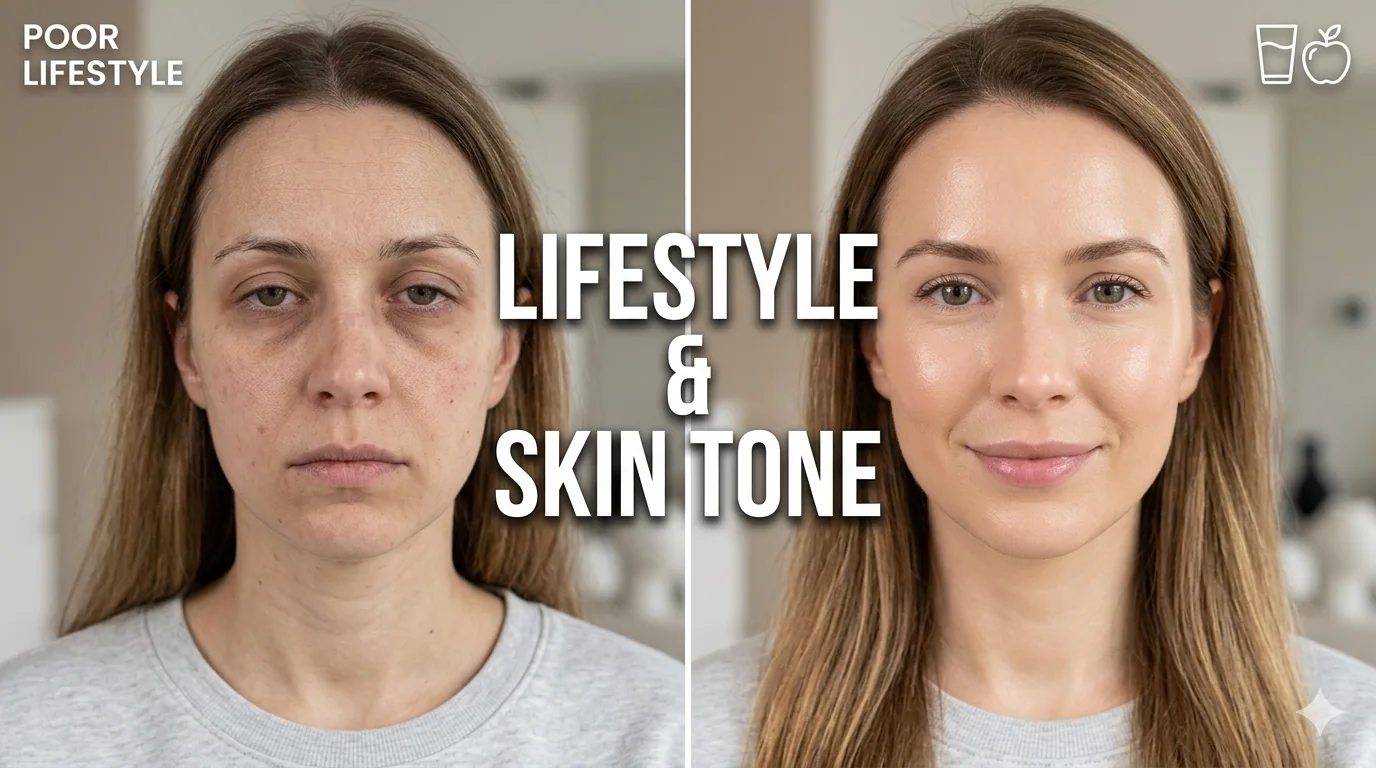
Your skin is a reflection of your lifestyle choices. Every decision you make, from what you eat to how you sleep, leaves a visible mark on your complexion. Understanding how lifestyle changes reflect on female skin tone empowers you to make informed choices for healthier, more radiant skin.
The connection between lifestyle and skin tone is profound and multifaceted. Your skin is the body's largest organ, and it responds to internal and external factors in remarkable ways. This comprehensive guide explores how various lifestyle elements influence your skin's tone, texture, and overall appearance.
The Science of Skin Tone and Pigmentation
Skin tone is determined by melanin, the pigment produced by cells called melanocytes. The amount and type of melanin your skin produces is influenced by genetics, but lifestyle factors can significantly affect how that genetic potential is expressed. Understanding this science helps explain why lifestyle changes create visible differences in your complexion.
Melanin production is regulated by various factors including sun exposure, hormones, inflammation, and oxidative stress. When you make lifestyle changes, you're essentially altering the signals your skin receives, which can increase or decrease melanin production, affect skin cell turnover, and change how light reflects off your skin's surface.
The skin's natural renewal process takes approximately 28 days in younger adults, though this slows with age. This means that positive lifestyle changes typically take about a month to show visible results in your skin tone. Consistency is key because your skin is constantly responding to your daily habits.
Melanin Production and Regulation
Melanocytes produce two types of melanin: eumelanin (brown-black pigment) and pheomelanin (red-yellow pigment). The ratio and distribution of these pigments determine your natural skin tone. Lifestyle factors can influence melanocyte activity through several pathways:
- UV exposure: Triggers increased melanin production as a protective response
- Inflammation: Can cause post-inflammatory hyperpigmentation or uneven tone
- Oxidative stress: Damages melanocytes and affects pigment distribution
- Hormonal signals: Influence melanocyte-stimulating hormone levels
Skin Cell Turnover and Radiance
Beyond pigmentation, skin tone appearance is affected by how quickly your skin sheds dead cells and generates new ones. Faster, healthier cell turnover creates brighter, more even-toned skin. Lifestyle factors like nutrition, sleep, and stress directly impact this renewal process.
When cell turnover slows due to poor lifestyle choices, dead skin cells accumulate on the surface, creating a dull, uneven appearance. Conversely, healthy habits promote efficient exfoliation and regeneration, revealing fresher, more radiant skin underneath.
Sleep Quality and Skin Tone Transformation
Sleep is perhaps the most powerful lifestyle factor affecting your skin tone. During sleep, your body enters repair mode, increasing blood flow to the skin, boosting collagen production, and repairing UV damage. The quality and quantity of your sleep directly reflect on your complexion.
The Beauty Sleep Reality
During deep sleep stages, your body produces human growth hormone, which stimulates cell repair and regeneration. This is when your skin repairs daily damage from UV exposure, pollution, and stress. Insufficient sleep disrupts this process, leading to:
- Dull, lackluster complexion due to reduced blood flow
- Dark circles and under-eye discoloration
- Uneven skin tone from impaired repair processes
- Increased inflammation causing redness and pigmentation
- Premature aging signs that affect skin brightness
Research shows that chronic sleep deprivation increases cortisol levels, which breaks down collagen and impairs skin barrier function. This leads to increased water loss, making skin appear dry and ashy rather than radiant and supple.
Circadian Rhythm and Skin Health
Your skin follows a circadian rhythm, with different repair processes activated at specific times. At night, skin cell proliferation peaks, DNA repair mechanisms activate, and blood flow increases. Disrupting your sleep schedule through irregular bedtimes, shift work, or late-night screen exposure interferes with these natural processes.
Women who maintain consistent sleep schedules typically show more even skin tone, better hydration, and increased radiance compared to those with erratic sleep patterns. The difference becomes particularly noticeable in the under-eye area and overall complexion brightness.
Sleep Position and Skin Tone
Even your sleep position affects skin tone. Sleeping on your stomach or side creates friction and compression that can lead to sleep lines and uneven texture. Over time, this can cause localized pigmentation changes and affect how light reflects off your skin.
Silk or satin pillowcases reduce friction and help maintain skin hydration, supporting more even tone. Cotton pillowcases can absorb moisture and create more friction, potentially contributing to dullness and irritation.
Nutrition's Direct Impact on Complexion
What you eat literally becomes your skin. The nutrients from your food support skin cell production, protect against damage, and influence pigmentation. Dietary changes are among the most powerful ways to transform your skin tone from within.
Antioxidants and Skin Brightness
Antioxidant-rich foods combat oxidative stress that causes dullness and uneven pigmentation. Vitamins C and E, beta-carotene, and polyphenols neutralize free radicals that damage skin cells and trigger excess melanin production.
Foods that enhance skin tone include:
- Vitamin C sources: Citrus fruits, bell peppers, strawberries, and broccoli boost collagen and brighten skin
- Vitamin E foods: Nuts, seeds, and avocados protect skin cells and improve texture
- Beta-carotene: Carrots, sweet potatoes, and leafy greens create a natural healthy glow
- Polyphenols: Green tea, dark chocolate, and berries reduce inflammation and even tone
Hydration and Skin Radiance
Water intake directly affects skin tone by maintaining cell hydration and supporting detoxification processes. Well-hydrated skin appears plumper, brighter, and more translucent, allowing your natural tone to shine through clearly.
Dehydration causes skin to look dull, ashy, and accentuates dark spots and discoloration. When skin cells lack water, they shrink and create a rough surface that scatters light rather than reflecting it evenly, making tone appear uneven and lackluster.
Aim for at least 8-10 glasses of water daily, adjusting for activity level and climate. Water-rich foods like cucumbers, watermelon, and oranges also contribute to skin hydration and tone improvement.
Sugar and Skin Dullness
High sugar consumption triggers glycation, a process where sugar molecules attach to proteins like collagen, forming advanced glycation end products (AGEs). These compounds make collagen stiff and brittle, leading to dull, sallow skin tone.
Glycation also increases inflammation and oxidative stress, which can trigger hyperpigmentation and uneven tone. Reducing added sugars and refined carbohydrates often results in noticeably brighter, more even complexion within weeks.
Essential Fatty Acids for Glow
Omega-3 fatty acids from fish, flaxseeds, and walnuts support skin barrier function and reduce inflammation. This creates smoother, more luminous skin with even tone. Omega-3s also help regulate oil production, preventing the dullness associated with both excessive and insufficient sebum.
Women who regularly consume omega-3 rich foods typically show better skin hydration, reduced redness, and more radiant complexion compared to those with low intake.
Stress Management and Skin Pigmentation
Chronic stress is a major contributor to uneven skin tone, hyperpigmentation, and dullness. The stress hormone cortisol triggers inflammation, disrupts skin barrier function, and can stimulate excess melanin production, leading to dark spots and uneven tone.
Cortisol's Effect on Skin Tone
When you're stressed, cortisol levels rise, causing several skin tone issues:
- Increased inflammation leading to redness and post-inflammatory hyperpigmentation
- Impaired skin barrier allowing moisture loss and dullness
- Slower cell turnover causing buildup of dead, dull skin cells
- Disrupted melanin regulation creating dark spots
- Reduced collagen production affecting skin brightness
Women experiencing chronic stress often notice their complexion becoming increasingly dull and uneven. Stress-induced breakouts can leave behind dark marks that take months to fade, further contributing to uneven tone.
Mind-Body Connection
Stress management techniques like meditation, yoga, and deep breathing don't just make you feel better, they visibly improve your skin tone. These practices reduce cortisol, improve circulation, and support the skin's natural repair processes.
Regular meditation has been shown to reduce inflammatory markers in the skin, leading to calmer, more even-toned complexion. Even 10-15 minutes daily can create noticeable improvements in skin radiance and tone uniformity.
Exercise and Circulation
Physical activity boosts blood circulation, delivering oxygen and nutrients to skin cells while removing waste products. This increased blood flow creates an immediate post-workout glow and long-term improvements in skin tone and radiance.
Regular exercise also:
- Reduces stress and cortisol levels
- Improves sleep quality
- Enhances detoxification through sweating
- Boosts collagen production
- Regulates hormones that affect pigmentation
Women who exercise regularly typically show brighter, more even skin tone compared to sedentary individuals. The key is consistency rather than intensity, as excessive exercise can increase stress and inflammation.
Sun Exposure and Skin Tone Changes
Sun exposure is one of the most significant lifestyle factors affecting skin tone. While moderate sun exposure can create a temporary tan, cumulative UV damage leads to long-term tone irregularities including dark spots, melasma, and overall dullness.
UV Damage and Pigmentation
UV radiation triggers melanocytes to produce more melanin as a protective response, causing tanning. However, repeated exposure leads to uneven melanin distribution, creating:
- Sun spots and age spots
- Melasma or pregnancy mask
- Post-inflammatory hyperpigmentation that worsens
- Overall dullness from damaged skin cells
- Uneven tone from cumulative damage
UV exposure also generates free radicals that damage skin cells and accelerate aging, leading to sallow, yellow-toned skin rather than healthy radiance. This is why daily sun protection is crucial for maintaining even, bright skin tone.
Protective Lifestyle Choices
Consistent sun protection through sunscreen, protective clothing, and seeking shade prevents further tone irregularities and allows skin to repair existing damage. Women who practice daily sun protection show more even skin tone and fewer dark spots compared to those with inconsistent protection.
Beyond sunscreen, wearing hats, sunglasses, and protective clothing, especially during peak sun hours (10 AM - 4 PM), significantly reduces UV-induced pigmentation changes.
Vitamin D Balance
While protecting your skin, it's important to maintain adequate vitamin D levels, which support skin health and tone. Safe sun exposure of 10-15 minutes a few times weekly, or vitamin D supplementation, helps maintain this balance without risking UV damage.
Smoking and Alcohol's Impact on Complexion
Substance use dramatically affects skin tone, often creating visible changes that reflect lifestyle choices. Both smoking and excessive alcohol consumption create characteristic skin tone changes that can be reversed with lifestyle modifications.
Smoking and Sallow Skin
Smoking causes multiple skin tone issues through various mechanisms:
- Reduced oxygen: Carbon monoxide from smoking reduces oxygen delivery to skin, creating gray, sallow tone
- Vasoconstriction: Nicotine narrows blood vessels, reducing nutrient delivery and creating dullness
- Collagen destruction: Smoking breaks down collagen, leading to uneven texture and tone
- Oxidative stress: Thousands of chemicals create free radicals that damage skin cells
- Vitamin depletion: Smoking depletes vitamin C, essential for bright, even tone
Smokers often develop a characteristic yellow-gray complexion with uneven pigmentation and prominent wrinkles. The good news is that quitting smoking can improve skin tone within weeks as circulation improves and oxygen delivery increases.
Alcohol and Dehydration
Alcohol dehydrates the skin, making it appear dull, dry, and accentuating dark circles and discoloration. It also:
- Dilates blood vessels causing redness and broken capillaries
- Depletes B vitamins essential for skin health
- Increases inflammation leading to uneven tone
- Disrupts sleep quality affecting skin repair
- Causes nutrient malabsorption
Women who reduce alcohol consumption often notice significant improvements in skin brightness, reduced redness, and more even tone. Hydration levels improve, and the skin's natural radiance returns.
Skincare Routine and Lifestyle Synergy
Your skincare routine works synergistically with lifestyle choices to affect skin tone. Healthy habits enhance product effectiveness, while poor lifestyle choices can undermine even the best skincare regimen.
Consistency in Care
Consistent skincare routines support the skin's natural renewal process and protect against environmental damage. Key elements include:
- Gentle cleansing: Removes impurities without stripping natural oils
- Regular exfoliation: Removes dead cells for brighter tone
- Antioxidant serums: Protect against damage and brighten
- Moisturization: Maintains barrier function and radiance
- Sun protection: Prevents further pigmentation
When combined with healthy lifestyle choices, these practices create cumulative improvements in skin tone. However, no skincare product can fully compensate for poor sleep, nutrition, or high stress levels.
Active Ingredients for Tone
Certain ingredients work particularly well when supported by healthy lifestyle:
- Vitamin C: Brightens and protects, enhanced by adequate dietary vitamin C
- Niacinamide: Evens tone and reduces hyperpigmentation
- Retinoids: Increase cell turnover for brighter skin
- AHAs: Exfoliate for improved radiance
- Alpha arbutin: Reduces dark spots naturally
Hormonal Changes and Skin Tone
Hormonal fluctuations throughout a woman's life significantly affect skin tone. Understanding these changes helps you adjust lifestyle factors to maintain even, healthy complexion during different life stages.
Menstrual Cycle Effects
Hormonal changes during the menstrual cycle can cause temporary skin tone variations. Many women notice increased oiliness, breakouts, and post-inflammatory hyperpigmentation in the week before menstruation when progesterone peaks.
Supporting your skin through cycle-related changes includes:
- Maintaining consistent sleep during hormonal shifts
- Reducing sugar and salt intake pre-menstruation
- Managing stress to minimize hormonal impact
- Staying well-hydrated throughout the cycle
- Using gentle, non-irritating products during sensitive phases
Pregnancy and Melasma
Pregnancy hormones often trigger melasma, causing dark patches on the face. While largely hormonal, sun exposure and certain lifestyle factors can worsen it. Protection includes strict sun protection, antioxidant-rich diet, and avoiding known triggers.
Menopause and Skin Changes
Declining estrogen during menopause leads to thinner, drier skin with less radiance. Lifestyle adjustments become even more crucial:
- Increased hydration needs
- Enhanced nutrition for collagen support
- Stress management for hormonal balance
- Regular exercise for circulation
- Quality sleep for repair
Environmental Factors and Skin Tone
Beyond personal lifestyle choices, environmental factors significantly impact skin tone. Urban living, pollution exposure, and climate all influence how your skin looks and responds to your lifestyle habits.
Pollution and Oxidative Stress
Air pollution generates free radicals that damage skin cells, cause inflammation, and trigger hyperpigmentation. Women in highly polluted areas often show more uneven tone and dullness.
Protective strategies include:
- Antioxidant-rich diet to combat free radicals
- Thorough cleansing to remove pollutants
- Barrier-supporting skincare
- Indoor air purification when possible
- Avoiding outdoor exercise during high pollution days
Climate and Hydration
Different climates affect skin tone through hydration levels and environmental stress. Dry climates can make skin appear dull and ashy, while humid climates may increase oiliness and breakouts leading to post-inflammatory pigmentation.
Adapting your lifestyle to your climate, including adjusting hydration, skincare, and protection strategies, helps maintain even tone regardless of environmental challenges.
Creating a Skin-Healthy Lifestyle
Transforming your skin tone through lifestyle changes requires consistency and a holistic approach. Small, sustainable changes create more lasting results than drastic overhauls.
Priority Changes for Maximum Impact
If you're looking to improve your skin tone through lifestyle, focus on these high-impact areas first:
- Sleep: Prioritize 7-9 hours of quality sleep nightly
- Hydration: Drink adequate water throughout the day
- Nutrition: Increase fruits, vegetables, and omega-3s
- Sun protection: Use SPF daily without exception
- Stress management: Incorporate daily relaxation practices
Timeline for Results
Understanding realistic timelines helps maintain motivation:
- 1-2 weeks: Improved hydration and reduced puffiness
- 3-4 weeks: Brighter complexion from better cell turnover
- 6-8 weeks: Noticeable improvement in tone evenness
- 3-6 months: Significant reduction in dark spots and discoloration
- 6-12 months: Major transformation in overall skin quality
Tracking Progress
Document your journey with regular photos in consistent lighting. This helps you see gradual improvements that might not be obvious day-to-day. Note lifestyle changes alongside skin changes to identify what works best for you.
Frequently Asked Questions
How long does it take for lifestyle changes to show on skin?
Most lifestyle changes take 4-6 weeks to show visible results in skin tone because that's approximately how long skin cell turnover takes. However, some improvements like better hydration and reduced puffiness can appear within days. Significant changes in pigmentation and overall radiance typically take 3-6 months of consistent healthy habits.
Can stress really change my skin tone?
Yes, chronic stress significantly affects skin tone through increased cortisol, inflammation, and impaired barrier function. Stress can cause dullness, dark spots, redness, and uneven pigmentation. Managing stress through meditation, exercise, and adequate sleep often results in noticeably brighter, more even skin tone.
Which lifestyle factor affects skin tone the most?
Sleep quality and sun exposure are typically the most impactful lifestyle factors for skin tone. Poor sleep prevents skin repair and causes dullness, while UV exposure creates dark spots and uneven pigmentation. Addressing these two areas often creates the most dramatic improvements in skin tone.
Can diet alone improve skin tone?
Diet plays a crucial role in skin tone, but works best combined with other healthy lifestyle factors. Antioxidant-rich foods, adequate hydration, and reduced sugar intake can significantly brighten complexion. However, without quality sleep, sun protection, and stress management, dietary improvements alone may not achieve optimal results.
Why does my skin look dull even with good skincare?
If your skin appears dull despite good skincare, examine your lifestyle factors: Are you getting enough sleep? Drinking adequate water? Managing stress? Eating nutrient-rich foods? Protecting from sun? Skincare products work synergistically with lifestyle, and poor habits can undermine even the best products.
Conclusion
Your skin tone is a living record of your lifestyle choices. Every night of quality sleep, every nutrient-rich meal, every moment of stress management, and every application of sunscreen contributes to a brighter, more even complexion. While genetics set your baseline, your daily habits determine how your skin actually looks and feels.
The beauty of lifestyle-driven skin tone improvement is that it's entirely within your control. You don't need expensive treatments or miracle products, though they can help. The foundation of radiant, even-toned skin is built through consistent, healthy choices that support your skin's natural processes.
Start with one or two changes that feel manageable, whether it's going to bed 30 minutes earlier, adding one more serving of vegetables to your day, or committing to daily sunscreen. As these become habits, add more. Over time, these choices compound, creating visible transformations in your skin tone that reflect the care you're giving your entire body.
Remember that skin tone changes take time and consistency. Be patient with the process, celebrate small improvements, and focus on overall health rather than perfection. Your skin will thank you with a natural radiance that no product alone can create.