Introduction: The Natural Evolution of Your Strands
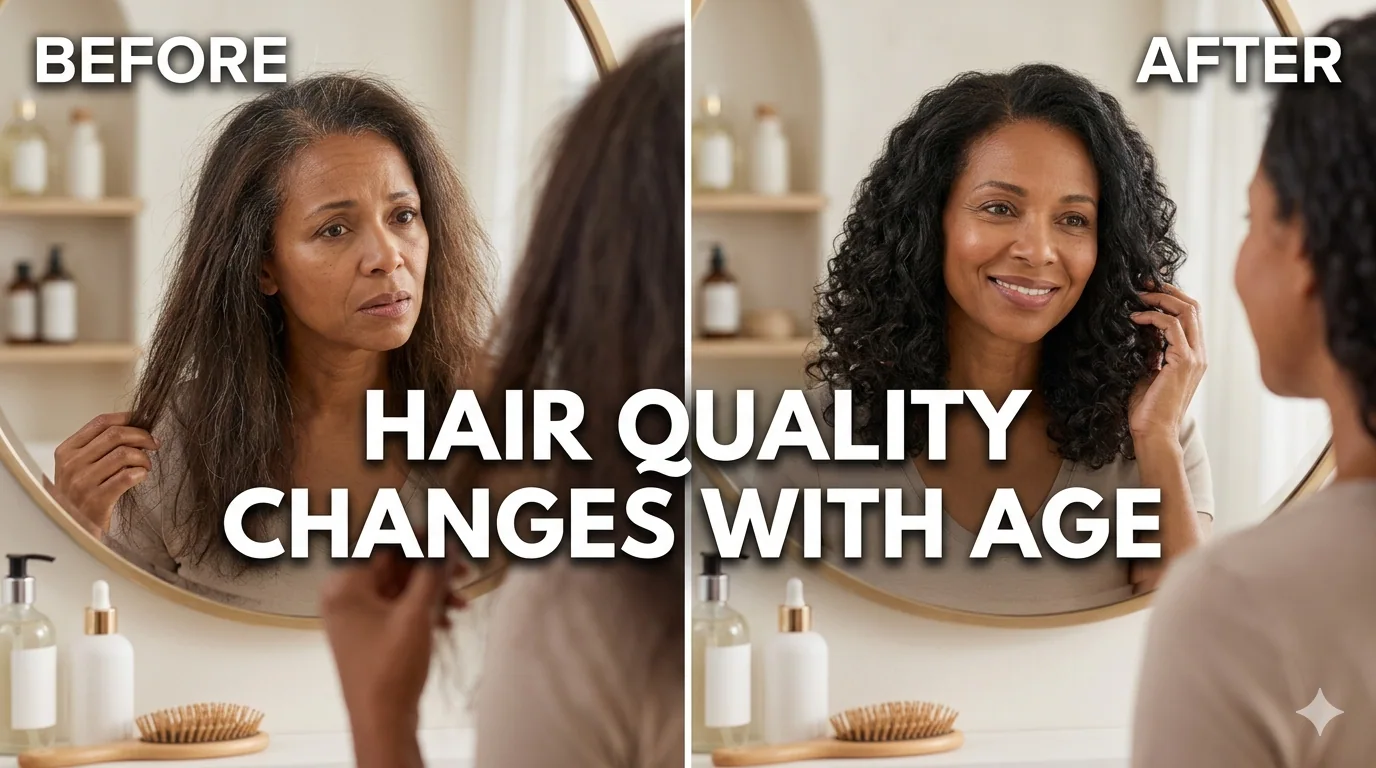
If you've noticed your hair behaving differently as the years pass—perhaps it feels finer, drier, or less responsive to your trusted products—you're experiencing a universal but rarely discussed reality: hair quality changes with age. These shifts aren't signs of failure or neglect. They're natural biological transitions that every woman navigates as part of the aging process.
Unlike skin, which can regenerate and repair, hair is a non-living fiber once it emerges from the scalp. This means the quality of your hair at any moment reflects the health of your follicles, your hormonal environment, your nutritional status, and decades of cumulative care and exposure. As these factors evolve with age, so does your hair.
Understanding how and why hair quality changes with age isn't about fighting nature—it's about adapting with wisdom. When you know what to expect and how to respond, you can maintain strength, shine, and manageability at every life stage. This comprehensive guide explores the science behind age-related hair changes, identifies common concerns across decades, and provides evidence-based strategies to support healthy, beautiful hair through your 30s, 40s, 50s, and beyond.
The Biology of Aging Hair: What Actually Changes?
Before addressing specific concerns, it's essential to understand the biological mechanisms driving age-related hair changes.
Structural Changes in the Hair Shaft
Each strand of hair consists of three layers, all of which change with age:
- Cuticle: The outermost layer of overlapping scales becomes thinner, more fragile, and less uniformly aligned. This increases friction between strands, leading to tangling, breakage, and dullness.
- Cortex: The middle layer containing keratin proteins and pigment gradually loses density and elasticity. Disulfide bonds that provide strength weaken, reducing tensile strength and bounce.
- Medulla: The innermost core (present in thicker hairs) may become less defined, affecting overall hair density and texture.
These structural shifts mean aging hair is inherently more vulnerable to damage and less resilient to stress.
Follicular Changes at the Root
The hair follicle—the living structure beneath the scalp that produces each strand—also evolves:
- Miniaturization: Some follicles gradually shrink, producing finer, shorter hairs with each growth cycle
- Reduced growth phase: The anagen (growth) phase shortens from 2-7 years to 2-4 years, meaning hair doesn't grow as long before shedding
- Decreased sebum production: Scalp oil glands produce less natural conditioning, leading to dryness
- Slower cell turnover: Follicular cells renew less efficiently, affecting hair quality and growth rate
These follicular changes directly impact hair density, diameter, and overall vitality.
Hormonal Drivers of Hair Transformation
Hormones are master regulators of hair growth and quality. Key shifts include:
- Estrogen decline: During perimenopause and menopause, falling estrogen reduces hair diameter, slows growth, and shifts fat distribution (affecting scalp health)
- Androgen sensitivity: Relative increase in androgen activity can cause follicle miniaturization, particularly at the crown and part line
- Thyroid changes: Age-related thyroid dysfunction affects growth cycles, texture, and shedding
- Cortisol elevation: Chronic stress (common during life transitions) elevates cortisol, which can disrupt growth cycles and increase shedding
These hormonal shifts explain why hair changes often accelerate during perimenopause and menopause.
Featured Snippet: Aging hair changes structurally (thinner cuticle, weaker cortex, less defined medulla), follicularly (miniaturization, shorter growth phase, less sebum), and hormonally (estrogen decline, androgen sensitivity, thyroid changes). These biological shifts reduce diameter, density, elasticity, and natural conditioning—making aging hair more vulnerable to damage and less resilient.
Decade by Decade: How Hair Quality Evolves
Hair changes don't happen overnight. They unfold gradually across decades, with distinct patterns emerging at different life stages.
Your 30s: The Subtle Shift Begins
Typical changes:
- Slight decrease in hair diameter (individual strands feel finer)
- Slower growth rate (hair doesn't reach previous lengths as quickly)
- Increased dryness at ends due to cumulative damage and reduced sebum
- Early signs of thinning at part line or temples in genetically predisposed women
Why it happens: Estrogen begins gradual decline; cumulative damage from styling, coloring, and environment starts to show; cellular repair processes slow slightly.
Proactive strategies: Prioritize protein treatments to maintain strength; incorporate scalp massage to support circulation; protect hair from heat and UV; ensure adequate protein and iron intake.
Your 40s: Perimenopause Transitions
Typical changes:
- Noticeable thinning at crown or part line
- Increased dryness and brittleness throughout the length
- Texture changes: straight hair may develop waves; curls may loosen or become frizzier
- Gray hairs emerge, often with coarser, wirier texture
- Slower regrowth after shedding or styling stress
Why it happens: Estrogen fluctuations during perimenopause directly affect follicle function; reduced sebum production increases dryness; cumulative damage compounds; gray hair has different protein structure.
Adaptive strategies: Adjust products to new texture (more moisture for dryness, lightweight formulas for fine hair); incorporate bond-building treatments for strength; protect gray hairs with purple shampoos and extra conditioning; consider professional treatments like PRP or low-level laser therapy if thinning concerns arise.
Your 50s and Beyond: Menopause and Mature Hair
Typical changes:
- Further reduction in density and diameter
- Increased fragility and breakage, especially at ends
- Pronounced dryness and loss of natural shine
- Gray or white hair may comprise majority of strands, with distinct texture
- Scalp may become drier, more sensitive, or prone to flaking
Why it happens: Significant estrogen decline reduces follicle stimulation and sebum production; decades of cumulative damage manifest; age-related changes in scalp circulation and cell turnover affect growth quality.
Supportive strategies: Focus on gentle, nourishing care; prioritize protein-moisture balance; use lightweight oils to add shine without weight; consider hormone therapy discussion with provider if hair changes significantly impact quality of life; embrace styles that work with current texture rather than fighting it.
Featured Snippet: Hair evolves across decades: 30s—subtle diameter decrease, slower growth, early dryness; 40s—perimenopausal thinning, texture shifts, gray emergence; 50s+—further density loss, pronounced dryness, mature gray texture. Changes reflect hormonal shifts, cumulative damage, and follicular aging. Adapt care strategies to each life stage for optimal hair health.
Common Age-Related Hair Concerns and Evidence-Based Solutions
While every woman's experience is unique, certain concerns commonly emerge with age. Understanding the root causes helps you choose effective solutions.
Thinning and Reduced Density
What's happening: Follicle miniaturization produces finer, shorter hairs; growth cycles shorten; shedding may increase.
Evidence-based strategies:
- Minoxidil (2-5%): FDA-approved topical treatment that prolongs growth phase; apply consistently for 4-6 months to assess results
- Low-level laser therapy: Devices like laser caps or combs may stimulate follicles; research shows modest density improvements with consistent use
- Platelet-rich plasma (PRP): In-office injections of concentrated growth factors may support follicle health; typically requires 3-4 initial sessions
- Nutritional support: Ensure adequate iron, zinc, biotin, and protein; deficiencies exacerbate thinning
- Gentle styling: Avoid tight hairstyles, excessive heat, or harsh chemicals that stress fragile follicles
Important: Consult a dermatologist or trichologist to rule out underlying conditions (thyroid dysfunction, hormonal imbalances) before starting treatments.
Increased Dryness and Loss of Shine
What's happening: Reduced sebum production, cuticle damage, and moisture loss create dull, brittle strands.
Evidence-based strategies:
- Lightweight hydrating products: Hyaluronic acid, glycerin, or aloe-based formulas add moisture without weight
- Ceramide-containing products: Replenish lipids that smooth cuticles and enhance light reflection
- Acidic rinses: Apple cider vinegar (1:3 with water) or pH-balancing products help flatten cuticles for smoother light reflection
- Seal with lightweight oils: Argan, squalane, or jojoba oil add shine without heaviness; apply to damp ends
- Limit washing frequency: 2-3x weekly preserves natural oils; use dry shampoo between washes if needed
Texture Changes: From Smooth to Frizzy or Wiry
What's happening: Cuticle damage, hormonal shifts, and gray hair emergence alter how strands behave.
Evidence-based strategies:
- Protein treatments: Hydrolyzed keratin or wheat protein temporarily fill cuticle gaps, improving smoothness
- Humectant moderation: In humid climates, limit glycerin-heavy products that attract excess moisture and cause frizz
- Film-forming polymers: PVP or VA/crotonates create flexible barriers that resist humidity without stiffness
- Gray hair care: Purple shampoos prevent yellowing; extra conditioning addresses coarser texture
- Embrace natural texture: Work with waves or curls rather than fighting them with excessive heat or product
Slower Growth and Longer Recovery
What's happening: Shortened anagen phase and reduced follicular efficiency mean hair grows slower and recovers less quickly from stress.
Evidence-based strategies:
- Scalp massage: 5 minutes daily with fingertips (not nails) boosts circulation and may support growth
- Nutritional support: Biotin, collagen peptides, and omega-3s support follicle health from within
- Minimize breakage: Gentle detangling, protective styles, and regular trims preserve length by preventing loss
- Patience with treatments: Allow 3-6 months to assess growth-focused interventions; hair grows ~1/2 inch monthly
Scalp Changes: Dryness, Sensitivity, or Flaking
What's happening: Reduced sebum, hormonal shifts, and age-related skin changes affect scalp health.
Evidence-based strategies:
- Gentle, sulfate-free cleansers: Cleanse without stripping natural oils
- Scalp serums: Niacinamide, salicylic acid, or tea tree oil address specific concerns (dryness, flaking, congestion)
- Weekly scalp exfoliation: Gentle scrubs or brushes remove buildup and boost circulation
- Avoid heavy products at roots: Apply conditioners and oils to mid-lengths and ends to prevent scalp congestion
Featured Snippet: Address age-related concerns with targeted strategies: thinning—minoxidil, laser therapy, PRP, nutrition; dryness—lightweight hydrators, ceramides, acidic rinses, sealing oils; texture changes—protein treatments, humidity-resistant polymers, gray hair care; slow growth—scalp massage, nutrition, breakage prevention; scalp changes—gentle cleansers, targeted serums, weekly exfoliation. Consult professionals for persistent concerns.
The Role of Hormones: Understanding the Connection
Hormonal shifts are primary drivers of age-related hair changes. Understanding this connection helps you respond strategically.
Estrogen and Hair Health
Estrogen supports hair by:
- Prolonging the anagen (growth) phase
- Promoting thicker hair diameter
- Supporting sebum production for natural conditioning
- Maintaining collagen in the scalp for follicle support
As estrogen declines during perimenopause and menopause, these supportive effects diminish, contributing to thinning, dryness, and slower growth.
Androgens and Follicle Sensitivity
Androgens (like testosterone and DHT) affect hair differently depending on follicle location:
- Scalp follicles: Androgen sensitivity can cause miniaturization, particularly at the crown and part line
- Facial/body follicles: May become more active, leading to increased facial hair
This paradox—thinning on scalp, increased growth elsewhere—is common during hormonal transitions.
Thyroid Function and Hair Cycles
Thyroid hormones regulate metabolic rate and cellular function, including hair follicles:
- Hypothyroidism: Can cause dry, brittle hair, slowed growth, and increased shedding
- Hyperthyroidism: May cause fine, soft hair and diffuse shedding
Thyroid dysfunction becomes more common with age; testing is warranted if hair changes are sudden or severe.
Cortisol and Stress-Related Shedding
Chronic stress elevates cortisol, which can:
- Disrupt hair growth cycles, pushing more follicles into shedding phase
- Increase inflammation that affects follicle health
- Deplete nutrients needed for hair strength
Life transitions common in midlife (career changes, caregiving, empty nest) can elevate stress, compounding age-related hair changes.
Working With Hormonal Shifts
- Track patterns: Note when hair changes correlate with cycle, stress, or life transitions
- Support from within: Balanced nutrition, stress management, and quality sleep support hormonal health
- Discuss options: If hair changes significantly impact quality of life, discuss hormone therapy or other medical options with your provider
- Be patient: Hormonal shifts unfold over months; allow time for adaptations to take effect
Featured Snippet: Hormones drive age-related hair changes: estrogen decline reduces growth phase and diameter; androgen sensitivity causes scalp miniaturization; thyroid dysfunction affects growth cycles; cortisol elevation disrupts shedding. Support hormonal health with nutrition, stress management, sleep; track patterns; discuss medical options if needed; allow time for adaptations.
Nutrition and Lifestyle: Supporting Hair From Within
Topical care addresses surface concerns, but internal factors profoundly influence hair quality at every age.
Key Nutrients for Aging Hair
- Protein: Hair is 90% keratin; adequate intake (0.8-1g per kg body weight) supports strength. Sources: lean meats, fish, eggs, legumes, Greek yogurt.
- Iron: Essential for hair growth; deficiency causes shedding and dullness. Sources: red meat, spinach, lentils; pair with vitamin C for absorption.
- Biotin and B vitamins: Support keratin production and cellular energy. Sources: eggs, almonds, whole grains, avocados.
- Omega-3 fatty acids: Reduce inflammation and support scalp health. Sources: fatty fish, flaxseeds, walnuts.
- Vitamin D: Supports follicle cycling; deficiency linked to thinning. Sources: sunlight, fatty fish, fortified foods; consider testing.
- Zinc: Regulates oil glands and supports repair. Sources: oysters, beef, pumpkin seeds, chickpeas.
- Collagen peptides: Emerging research suggests benefits for hair thickness and strength. Sources: bone broth, hydrolyzed collagen supplements.
Lifestyle Factors That Influence Hair Quality
Sleep Quality
Impact: During deep sleep, hair follicles increase cell turnover and repair. Poor sleep disrupts these processes.
Support: Prioritize 7-9 hours nightly; maintain consistent sleep/wake times; create a wind-down routine.
Stress Management
Impact: Chronic stress elevates cortisol, which can disrupt growth cycles and increase shedding.
Support: Daily micro-practices (meditation, breathwork, nature exposure); boundary setting; professional support if needed.
Smoking and Alcohol
Impact: Smoking reduces scalp circulation; alcohol dehydrates and depletes nutrients.
Support: Quit smoking; limit alcohol to occasional, moderate consumption.
Exercise and Circulation
Impact: Movement boosts circulation, delivering oxygen and nutrients to follicles.
Support: Aim for 150 minutes moderate activity weekly; include strength training to support overall health.
Hydration: The Foundation
Dehydrated body = dehydrated hair. Adequate water intake supports:
- Cellular function in follicles
- Nutrient transport to hair
- Scalp health and sebum production
Goal: 8-10 glasses water daily; limit dehydrating beverages (excess caffeine, alcohol).
Featured Snippet: Support aging hair from within: prioritize protein (0.8-1g/kg), iron, B vitamins, omega-3s, vitamin D, zinc, and collagen peptides. Support with quality sleep (7-9 hours), stress management, smoking cessation, moderate alcohol, regular exercise, and adequate hydration (8-10 glasses water daily). Internal health profoundly influences external hair quality.
Adapting Your Hair Care Routine for Aging Hair
As hair changes with age, your routine must evolve. These evidence-based adaptations support quality at every stage.
Cleansing: Gentle but Effective
- Choose sulfate-free formulas: Preserve natural oils while cleansing effectively
- Focus on scalp: Apply shampoo to roots; let suds rinse through lengths to avoid over-drying ends
- Adjust frequency: 2-3x weekly for most aging hair; more if scalp is oily, less if very dry
- Water temperature: Lukewarm, not hot, to prevent further dryness
Conditioning: Targeted Hydration
- Apply to mid-lengths and ends: Avoid roots to prevent scalp congestion
- Choose formulas for your texture: Lightweight for fine hair; richer for coarse or gray hair
- Leave-in options: Lightweight leave-in conditioners provide ongoing hydration without weight
- Deep condition weekly: Masks with ceramides, proteins, or oils replenish what aging hair loses
Styling: Protect and Enhance
- Heat protection: Always apply protectant before heat styling; keep tools below 300°F
- Limit heat frequency: Aim for 2-3 heat-styling sessions weekly maximum
- Embrace air-drying: When possible, let hair dry naturally to minimize stress
- Choose lightweight products: Avoid heavy waxes or butters that weigh down finer aging hair
- Protective styles: Loose braids or buns minimize daily manipulation and breakage
Treatments: Strategic Support
- Protein treatments: Monthly hydrolyzed keratin or wheat protein reinforces structure
- Moisture treatments: Alternate with protein to maintain flexibility
- Scalp treatments: Serums with niacinamide, caffeine, or peptides support follicle health
- Gray hair care: Purple shampoos prevent yellowing; extra conditioning addresses texture
The Aging Hair Routine Template
Morning:
- Gentle cleanse or water rinse
- Lightweight leave-in conditioner or serum (focus on ends)
- Heat protectant if styling
- Style gently; avoid tight pulls or excessive tension
Evening:
- Gentle cleanse if needed (focus on scalp)
- Deep conditioning mask 1x weekly
- Lightweight oil on ends if very dry
- Silk or satin pillowcase to reduce friction overnight
Weekly:
- Scalp massage 5 minutes daily or 2-3x weekly
- Clarifying wash every 2-4 weeks if using buildup-prone products
- Trim assessment: remove 1/4 inch if ends are split or damaged
Featured Snippet: Adapt routine for aging hair: gentle sulfate-free cleansing 2-3x weekly; condition mid-lengths/ends with texture-appropriate formulas; protect from heat (
📖 আরও পড়ুন: Hair Care
- 🔗 Hair Care Trends 2026: Bangladeshi Women's Guide to Glossy Hair
- 🔗 Why Hair Becomes Less Responsive to Products
- 🔗 আপনার সাধের চুল কি পানির দোষে নষ্ট হচ্ছে? লোনা বা আয়রনযুক্ত পানির ক্ষতি ও বাঁচার বিজ্ঞানসম্মত উপায়
- 🔗 Consistency Improves Hair Quality Over Years and Why It Matters
- 🔗 Why Hair Changes After Major Life Events and How to Support Recovery