Mastering the Art of Product Layering for Healthy, Glowing Skin
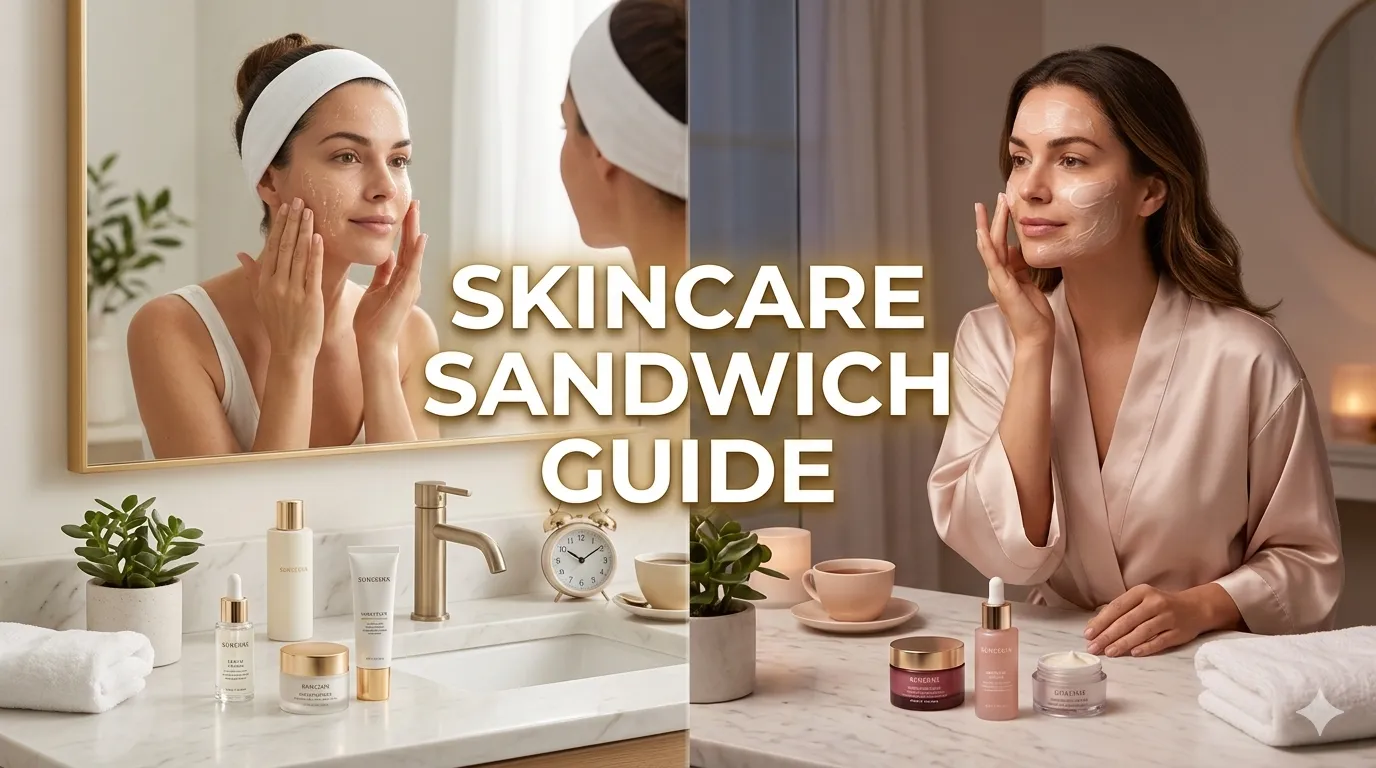
If you've ever felt overwhelmed by the number of serums, essences, toners, and creams in your skincare routine, you're not alone. The beauty industry bombards us with must-have products, but without a strategic approach to application, even the most expensive formulations can underperform. Enter the skincare sandwich method—a dermatologist-backed technique for layering products that maximizes absorption, minimizes irritation, and delivers the radiant, healthy skin you've been working toward.
The skincare sandwich isn't about adding more products; it's about applying the right products in the right order to create a synergistic effect. Just as a well-constructed sandwich balances flavors and textures, a well-layered skincare routine balances hydration, treatment, and protection to support your skin's natural functions.
This comprehensive guide breaks down the science behind product layering, explains the optimal order for morning and evening routines, identifies common mistakes that sabotage your results, and provides customizable frameworks for every skin type and concern. Whether you're a skincare beginner building your first routine or an enthusiast looking to refine your approach, you'll discover how to transform your regimen from a collection of products into a cohesive, results-driven system.
Why Layering Order Matters: The Science of Skin Absorption
Understanding Skin Penetration
Your skin is a sophisticated barrier designed to keep harmful substances out while retaining moisture and essential compounds within. This protective function means that not all skincare ingredients penetrate equally—and the order in which you apply them significantly impacts their effectiveness.
The rule of thumb: Apply products from thinnest to thickest consistency. Lightweight, water-based formulations penetrate more easily and should be applied first. Heavier, oil-based products create a seal that locks in preceding layers but can block absorption if applied too early.
Scientific insight: Dr. Elena Martinez, board-certified dermatologist, explains: "The stratum corneum—the outermost layer of skin—acts like a brick wall. Water-soluble ingredients navigate between the 'bricks' more easily, while lipid-soluble compounds integrate into the 'mortar.' Layering strategically ensures each ingredient reaches its intended target."
The Role of pH in Product Efficacy
Beyond consistency, pH levels influence how well active ingredients work. Many potent actives—like vitamin C, AHAs, and retinoids—require specific pH ranges to remain stable and effective.
Key pH considerations:
- Vitamin C (L-ascorbic acid): Most effective at pH 3.5 or lower; apply to clean, dry skin before other products
- AHAs/BHAs: Work best at pH 3-4; apply after cleansing, before neutralizing products
- Niacinamide: Effective at pH 5-7; compatible with most ingredients but avoid mixing with low-pH vitamin C in the same application
- Retinoids: Work at skin's natural pH; apply after lighter serums, before moisturizer
Practical application: When using multiple actives, apply them in order of pH (lowest to highest) or separate them into morning and evening routines to avoid neutralizing their effects.
Wait Times: The Hidden Variable
Many skincare enthusiasts skip an important step: allowing products to absorb before applying the next layer. Rushing through your routine can cause pilling, reduce efficacy, and increase irritation risk.
Recommended wait times:
- After cleansing: Pat skin dry, wait 30-60 seconds before applying toner or treatment
- After water-based serums: Wait 1-2 minutes for absorption before applying thicker products
- After active ingredients (vitamin C, acids, retinoids): Wait 5-10 minutes to allow penetration and minimize irritation
- Before sunscreen: Wait 2-3 minutes after moisturizer to ensure even application and proper film formation
Time-saving tip: Use wait times for other morning tasks—brushing teeth, getting dressed, or preparing breakfast—to make layering feel seamless.
The Skincare Sandwich Framework: Core Principles
The Three-Layer Foundation
At its simplest, the skincare sandwich consists of three essential layers:
Layer 1: Hydration (The Bottom Slice)
This layer prepares your skin to receive treatment ingredients. It typically includes:
- Toners or essences that rebalance skin pH after cleansing
- Hydrating serums with hyaluronic acid, glycerin, or aloe
- Lightweight treatments targeting specific concerns (vitamin C, niacinamide)
Function: Dampen the skin barrier, enhance penetration of subsequent products, and deliver water-soluble actives.
Layer 2: Treatment (The Filling)
This is where targeted ingredients address your primary concerns:
- Retinoids for anti-aging and cell turnover
- Peptides for firmness and collagen support
- Azelaic acid or tranexamic acid for hyperpigmentation
- Spot treatments for acne or inflammation
Function: Deliver concentrated actives to address specific skin goals while the hydrated base supports absorption.
Layer 3: Seal (The Top Slice)
The final layer locks everything in and provides protection:
- Moisturizers with ceramides, fatty acids, or squalane
- Facial oils for additional nourishment and occlusion
- Sunscreen (morning only) for UV protection
Function: Prevent transepidermal water loss, protect the skin barrier, and shield against environmental stressors.
Expanding the Sandwich: Advanced Layering
For those with multiple concerns or who enjoy a more extensive routine, the sandwich can expand while maintaining its core logic:
Optional additional layers:
- Exfoliation (1-3x weekly): Apply chemical exfoliants after cleansing, before hydrating layers
- Eye treatments: Apply after serums, before moisturizer, using gentle patting motions
- Face oils: Apply after moisturizer or mix a drop into your moisturizer for enhanced occlusion
- Slugging (occasional): Apply a thin layer of petroleum jelly as the final step to intensely lock in moisture
Key principle: Each additional layer should serve a distinct purpose. Avoid redundancy—if two products contain the same active ingredient, choose one to prevent overloading your skin.
Morning Routine: The Protective Sandwich
Step-by-Step Morning Layering
Your morning routine prioritizes protection, hydration, and antioxidant defense to shield skin from daily environmental stressors.
Step 1: Gentle Cleanser or Water Rinse
Remove overnight sweat and product residue without stripping natural oils. For dry or sensitive skin, a water rinse may suffice.
Product type: Cream, gel, or micellar cleanser with pH 5-6
Step 2: Toner or Essence
Rebalance skin pH, provide initial hydration, and prep skin for better absorption of subsequent products.
Product type: Alcohol-free toner with hydrating ingredients (hyaluronic acid, glycerin, rose water)
Application: Pat gently with hands or apply with cotton pad
Step 3: Antioxidant Serum
Neutralize free radicals from UV exposure and pollution while brightening skin tone.
Product type: Vitamin C serum (10-20% L-ascorbic acid), ferulic acid, or vitamin E
Application: Apply to damp skin for enhanced penetration; wait 1-2 minutes before next step
Step 4: Hydrating Serum or Lightweight Treatment
Address specific concerns without heaviness that could interfere with sunscreen application.
Product type: Niacinamide serum, peptide serum, or hyaluronic acid booster
Application: Apply thin layer; allow brief absorption time
Step 5: Eye Cream (Optional)
Target delicate under-eye area with specialized formulations.
Product type: Lightweight eye gel or cream with caffeine, peptides, or vitamin C
Application: Pat gently with ring finger; avoid pulling skin
Step 6: Moisturizer
Lock in hydration and create a smooth base for sunscreen and makeup.
Product type: Lightweight lotion or gel-cream for oily skin; richer cream for dry skin
Application: Warm between palms, press into skin
Step 7: Sunscreen (Non-Negotiable)
Protect against UV damage, the leading cause of premature aging and hyperpigmentation.
Product type: Broad-spectrum SPF 30+; mineral (zinc oxide/titanium dioxide) or chemical filters based on preference
Application: Use 1/4 teaspoon for face; apply as final step before makeup; reapply every 2 hours with sun exposure
Morning Routine Customization
For oily or acne-prone skin:
- Skip heavy moisturizer if sunscreen provides sufficient hydration
- Choose oil-free, non-comedogenic formulations
- Consider niacinamide serum to regulate sebum production
For dry or mature skin:
- Add a hydrating essence before serum for extra moisture
- Use a richer moisturizer or add facial oil before sunscreen
- Choose sunscreen with moisturizing base
For sensitive skin:
- Minimize steps; focus on gentle, fragrance-free products
- Patch test new products before full-face application
- Choose mineral sunscreen to reduce irritation risk
Evening Routine: The Repair Sandwich
Step-by-Step Evening Layering
Your evening routine focuses on cleansing, treatment, and recovery—allowing skin to repair itself overnight without environmental interference.
Step 1: First Cleanse (Oil-Based)
Remove sunscreen, makeup, and pollution particles that water-based cleansers can't fully dissolve.
Product type: Cleansing oil, balm, or micellar water
Application: Massage onto dry skin, emulsify with water, rinse thoroughly
Step 2: Second Cleanse (Water-Based)
Cleanse skin itself, removing sweat, sebum, and residual impurities.
Product type: Gentle foaming, gel, or cream cleanser
Application: Massage onto damp skin, rinse with lukewarm water, pat dry
Step 3: Exfoliation (1-3x Weekly, Not Daily)
Remove dead skin cells to enhance penetration of treatment products and improve texture.
Product type: Chemical exfoliant (AHA for surface renewal, BHA for pore cleansing)
Application: Apply to dry skin after cleansing; wait 10-15 minutes before next step
Caution: Do not use exfoliants on same night as retinoids to avoid irritation
Step 4: Toner or Essence
Rehydrate skin after cleansing/exfoliating and prepare for treatment absorption.
Product type: Hydrating toner with soothing ingredients (centella, panthenol, aloe)
Step 5: Treatment Serum or Active
Address primary concerns with concentrated ingredients that work overnight.
Product options:
- Retinoids: For anti-aging, acne, and cell turnover (start 2-3x weekly)
- Peptides: For firmness and collagen support
- Azelaic acid: For redness, hyperpigmentation, and acne
- Tranexamic acid: For stubborn dark spots
Application: Apply to dry skin; wait 5-10 minutes before moisturizer
Step 6: Eye Treatment
Target fine lines, puffiness, or dark circles with overnight repair ingredients.
Product type: Richer eye cream with retinol, peptides, or caffeine
Step 7: Moisturizer or Night Cream
Seal in treatments, support barrier repair, and provide overnight hydration.
Product type: Richer formulation than morning; look for ceramides, cholesterol, fatty acids
Application: Apply generous layer; gently massage upward
Step 8: Facial Oil or Slugging (Optional)
Add extra occlusion for very dry skin or to boost treatment efficacy.
Product type: Non-comedogenic oil (squalane, jojoba) or petroleum jelly for slugging
Application: Press 2-3 drops onto moisturizer or apply thin layer of petroleum as final step
Evening Routine Customization
For acne-prone skin:
- Use BHA exfoliant 2-3x weekly to clear pores
- Apply benzoyl peroxide or salicylic acid spot treatment after serum
- Choose lightweight, non-comedogenic moisturizer
For anti-aging focus:
- Prioritize retinoid application (start low concentration, build tolerance)
- Layer peptide serum before retinoid for enhanced collagen support
- Use richer night cream with ceramides for barrier support
For hyperpigmentation:
- Apply vitamin C in morning, azelaic acid or tranexamic acid at night
- Avoid using multiple brightening actives simultaneously to prevent irritation
- Always follow with moisturizer and morning sunscreen
Common Layering Mistakes and How to Avoid Them
Mistake 1: Applying Thick Products Before Thin
The problem: Heavy creams or oils create a barrier that prevents lighter serums from penetrating, rendering them ineffective.
The fix: Always follow the thin-to-thick rule. If unsure about consistency, apply a small amount to your finger—the product that spreads more easily should go first.
Mistake 2: Mixing Incompatible Actives
The problem: Combining certain ingredients can neutralize their effects or cause irritation. Examples: vitamin C + niacinamide at low pH, retinoids + AHAs/BHAs on same night.
The fix: Separate incompatible actives into morning and evening routines. When in doubt, consult a dermatologist or patch test combinations on a small area first.
Mistake 3: Skipping Wait Times
The problem: Applying products too quickly causes pilling, reduces absorption, and can increase sensitivity to actives.
The fix: Build wait times into your routine. Use them for other tasks to maintain efficiency while ensuring product efficacy.
Mistake 4: Over-Layering Products
The problem: Using too many products overwhelms the skin barrier, causes irritation, and makes it impossible to identify what's working.
The fix: Start with a minimal routine (cleanser, treatment, moisturizer, sunscreen). Add one new product every 2-4 weeks, monitoring skin response before adding more.
Mistake 5: Ignoring Skin's Feedback
The problem: Pushing through redness, stinging, or breakouts because "the product is supposed to work" can damage your skin barrier.
The fix: Listen to your skin. If a product causes persistent irritation, discontinue use and simplify your routine until your barrier recovers.
Layering for Specific Skin Concerns
Dehydrated Skin
Goal: Increase water content in skin cells
Layering strategy:
- Hydrating toner with glycerin or hyaluronic acid
- Essence or hydrating serum (apply to damp skin)
- Lightweight moisturizer with ceramides
- Facial oil to seal (optional)
Key ingredients: Hyaluronic acid, glycerin, panthenol, aloe, sodium PCA
Dull or Uneven Skin Tone
Goal: Brighten complexion and reduce hyperpigmentation
Layering strategy:
- Vitamin C serum in morning (pH 3.5 or lower)
- Niacinamide serum (morning or evening, separate from vitamin C if sensitive)
- Azelaic acid or tranexamic acid in evening
- Moisturizer with licorice root or arbutin
- Sunscreen daily (critical for preventing new dark spots)
Key ingredients: Vitamin C, niacinamide, azelaic acid, tranexamic acid, alpha arbutin
Fine Lines and Wrinkles
Goal: Stimulate collagen, improve elasticity, smooth texture
Layering strategy:
- Peptide serum (morning or evening)
- Retinoid in evening (start 2-3x weekly)
- Rich moisturizer with ceramides and fatty acids
- Facial oil with squalane or rosehip for extra nourishment
Key ingredients: Retinoids, peptides, bakuchiol, ceramides, squalane
Acne-Prone Skin
Goal: Reduce breakouts, minimize pores, prevent scarring
Layering strategy:
- BHA exfoliant 2-3x weekly after cleansing
- Niacinamide serum to regulate oil and reduce inflammation
- Spot treatment with benzoyl peroxide or salicylic acid
- Lightweight, non-comedogenic moisturizer
- Oil-free sunscreen in morning
Key ingredients: Salicylic acid, niacinamide, benzoyl peroxide, zinc, tea tree oil
Seasonal Adjustments to Your Layering Routine
Winter Layering
Challenges: Dry air, indoor heating, and cold temperatures compromise skin barrier
Adjustments:
- Add a hydrating essence before serums
- Use richer moisturizer or add facial oil
- Consider slugging 1-2x weekly for intense moisture lock
- Don't skip sunscreen—UV rays reflect off snow
Summer Layering
Challenges: Heat, humidity, sweat, and increased oil production
Adjustments:
- Switch to lightweight, gel-based moisturizers
- Use water-based serums instead of heavy creams
- Reapply sunscreen every 2 hours with sun exposure
- Consider adding a midday hydrating mist
Transitional Seasons (Spring/Fall)
Challenges: Fluctuating temperatures and humidity levels
Adjustments:
- Keep routine flexible; adjust moisturizer weight based on daily conditions
- Focus on barrier-supporting ingredients (ceramides, fatty acids)
- Monitor skin closely and simplify if irritation occurs
Troubleshooting: When Layering Goes Wrong
Signs Your Routine Needs Adjustment
Pilling: Products ball up on skin instead of absorbing
Cause: Incompatible formulations, applying too many products, or insufficient wait times
Fix: Simplify routine, ensure thin-to-thick order, allow absorption time between layers
Increased Breakouts: New acne or clogged pores after adding products
Cause: Comedogenic ingredients, over-layering, or barrier disruption
Fix: Remove one product at a time to identify culprit; reintroduce non-comedogenic options gradually
Redness or Stinging: Persistent irritation after application
Cause: Overuse of actives, incompatible ingredient combinations, or compromised barrier
Fix: Pause all actives; focus on gentle cleansing, hydration, and barrier repair for 1-2 weeks
Dryness Despite Moisturizing: Skin feels tight or flaky even with rich products
Cause: Lack of occlusive layer, over-exfoliation, or environmental factors
Fix: Add facial oil or slugging step; reduce exfoliation frequency; use humidifier indoors
Building Your Personalized Skincare Sandwich
Step 1: Assess Your Skin
Before selecting products, understand your baseline:
- Identify your skin type (oily, dry, combination, sensitive)
- Note primary concerns (aging, acne, hyperpigmentation, dehydration)
- Consider environmental factors (climate, pollution, sun exposure)
- Acknowledge lifestyle factors (stress, sleep, diet)
Step 2: Choose Your Core Products
Start with these non-negotiables:
- Gentle cleanser appropriate for your skin type
- Hydrating toner or essence
- One targeted treatment serum for your primary concern
- Moisturizer that matches your skin's needs
- Broad-spectrum sunscreen SPF 30+ (morning)
Step 3: Add Strategic Layers
Once your core routine is consistent (4-6 weeks), consider adding:
- Exfoliant 1-3x weekly for texture and absorption
- Eye treatment for targeted concerns
- Facial oil for extra nourishment or occlusion
- Additional serum for secondary concerns
Step 4: Monitor and Adjust
Skincare is dynamic. Reassess your routine:
- Every season as environmental conditions change
- When introducing new products (one at a time)
- If skin concerns evolve or new issues arise
- After major lifestyle changes (travel, stress, health shifts)
Frequently Asked Questions
Can I use the same products morning and night?
Some products work well in both routines (hyaluronic acid, niacinamide, peptides), but others are time-specific. Vitamin C is ideal for morning antioxidant protection; retinoids work best at night when skin repairs. Sunscreen is morning-only. Customize based on ingredient function.
How long should I wait between layers?
For water-based serums, 1-2 minutes is sufficient. For potent actives (vitamin C, retinoids, acids), wait 5-10 minutes to allow penetration and minimize irritation. Before sunscreen, wait 2-3 minutes after moisturizer for even application.
Do I need to use all these products?
No. The skincare sandwich is a framework, not a mandate. Start with cleanser, treatment, moisturizer, and sunscreen. Add layers only if you have specific concerns they address. More products don't equal better results—strategic selection does.
What if my skin is sensitive?
Simplify your routine. Use fragrance-free, hypoallergenic products. Introduce one new product every 2-4 weeks. Patch test on your jawline before full-face application. Focus on barrier-supporting ingredients like ceramides and panthenol.
Can I layer multiple serums?
Yes, but with caution. Limit to 2-3 serums maximum to avoid overwhelming skin. Apply in order of thinnest to thickest consistency and ensure ingredients are compatible. When in doubt, separate actives into morning and evening routines.
Conclusion: The Art of Intentional Skincare
Mastering the skincare sandwich method transforms your routine from a collection of products into a strategic system that supports your skin's natural functions. By understanding the science of layering—consistency, pH, absorption, and timing—you empower yourself to maximize the efficacy of every product you apply.
Remember: Skincare is personal. What works for one person may not work for another, even with identical skin types. Pay attention to how your skin responds, adjust based on feedback, and prioritize consistency over complexity.
Start simple. Build a foundation of gentle cleansing, targeted treatment, hydration, and protection. Once that routine feels automatic and your skin is stable, consider adding strategic layers to address secondary concerns.
Trust the process. Healthy, radiant skin doesn't happen overnight. It's the result of consistent, intentional care that honors your skin's unique needs. The skincare sandwich isn't about perfection—it's about progress, one thoughtful layer at a time.
Your glow awaits. With the knowledge from this guide, you're equipped to layer with confidence, avoid common pitfalls, and build a routine that delivers the radiant, healthy skin you deserve. The art is in the application—master it, and your skin will reflect the care you've invested.
📖 আরও পড়ুন: Skin Care
- 🔗 The Cortisol Connection: Unraveling How Stress Wreaks Havoc on Your Skin
- 🔗 The Shadow Effect: Dermatologist Guide to Neck Hyperpigmentation and Proven Treatments
- 🔗 Patchy Skin Midlife Causes and Solutions Guide
- 🔗 র্যাশ ছাড়া চুলকানি: গোপন কারণ ও প্রতিকার
- 🔗 Skin Care Specialty Physicians- How to Choose the Right Dermatology Expert for Your Skin Needs in the USA